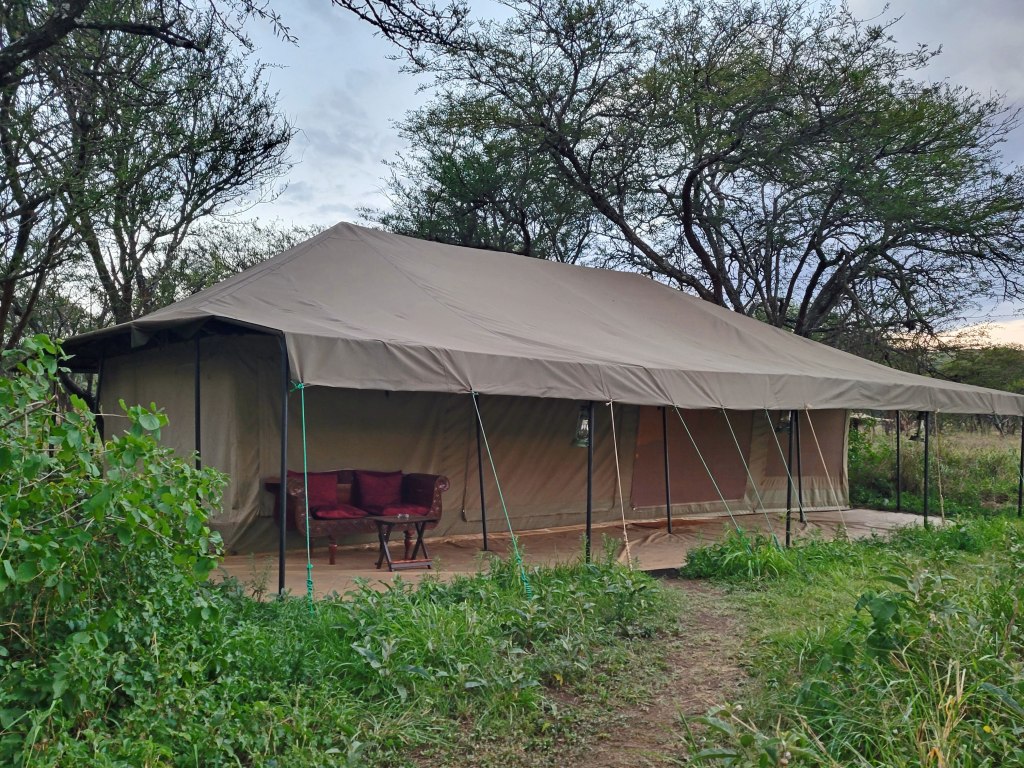
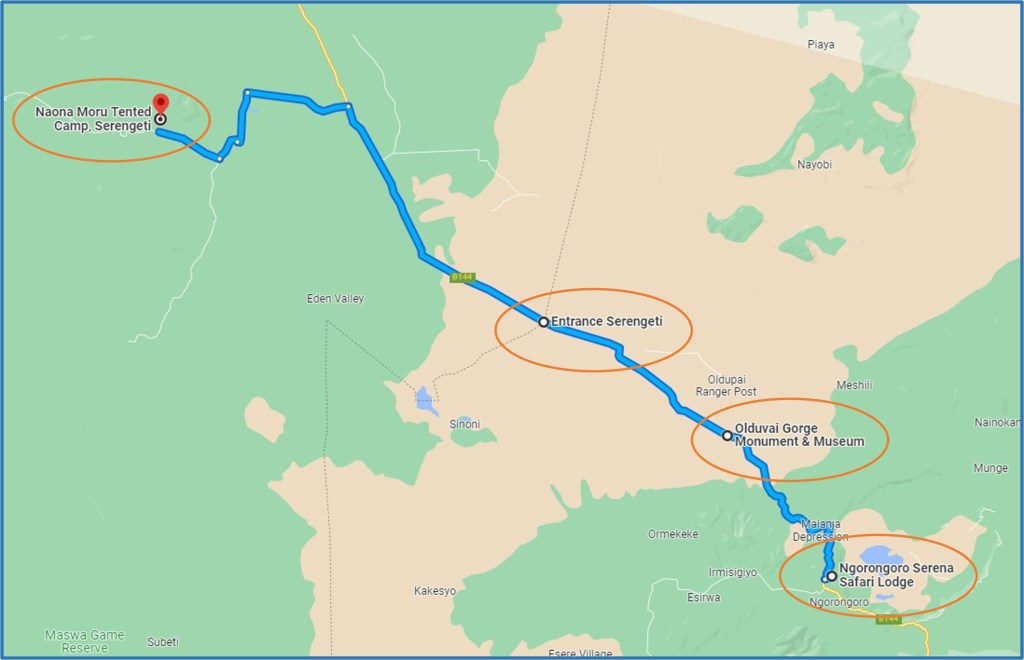
So the tent was pretty nice, but it was open range and prime habitat for elephants, lions, snakes and whatever else decided to wander into our camp at anytime day or night. More details to come, but first we had to get there from our starting point at Ngorongoro Crater. Route map below – Ngorongoro in lower right corner.
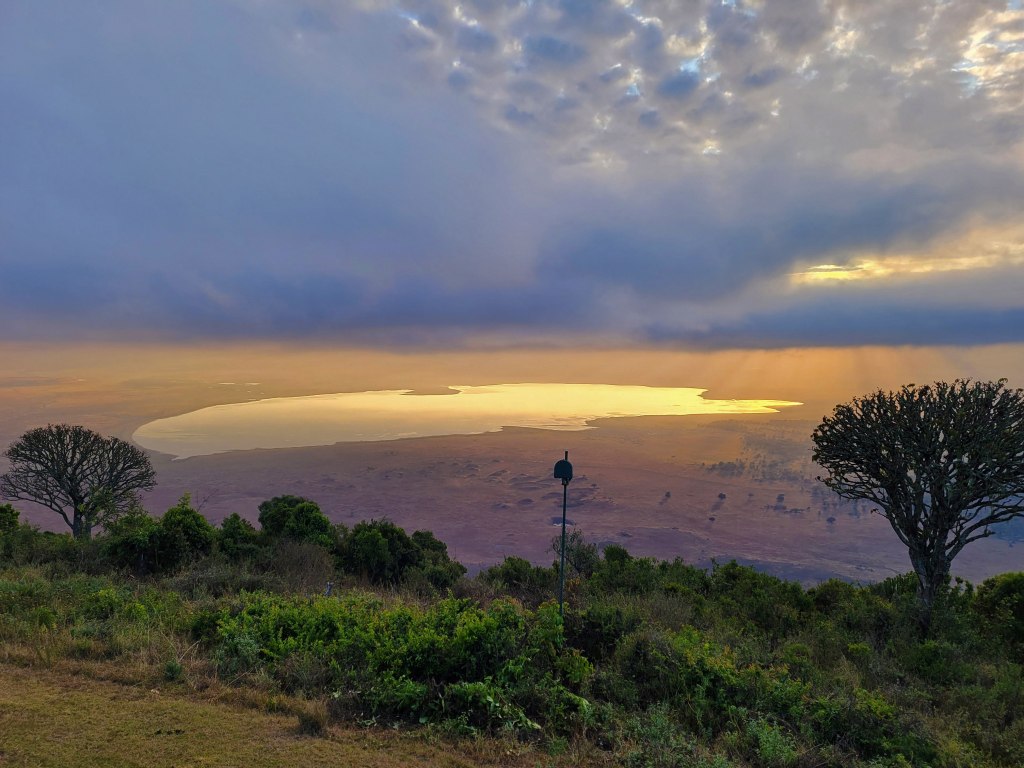
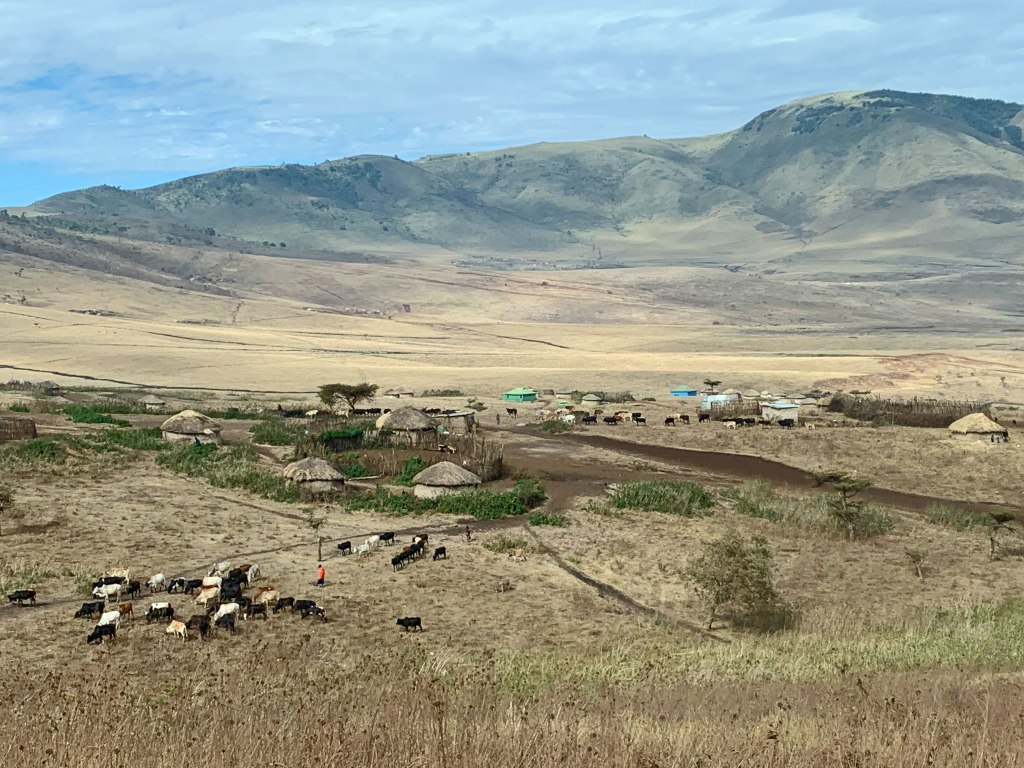
The early morning light at Ngorongoro was perfect for snapping a few photos before we left. Beautiful views and traditional Maasai villages as we drove to our first stop of the day – Olduvai Gorge.


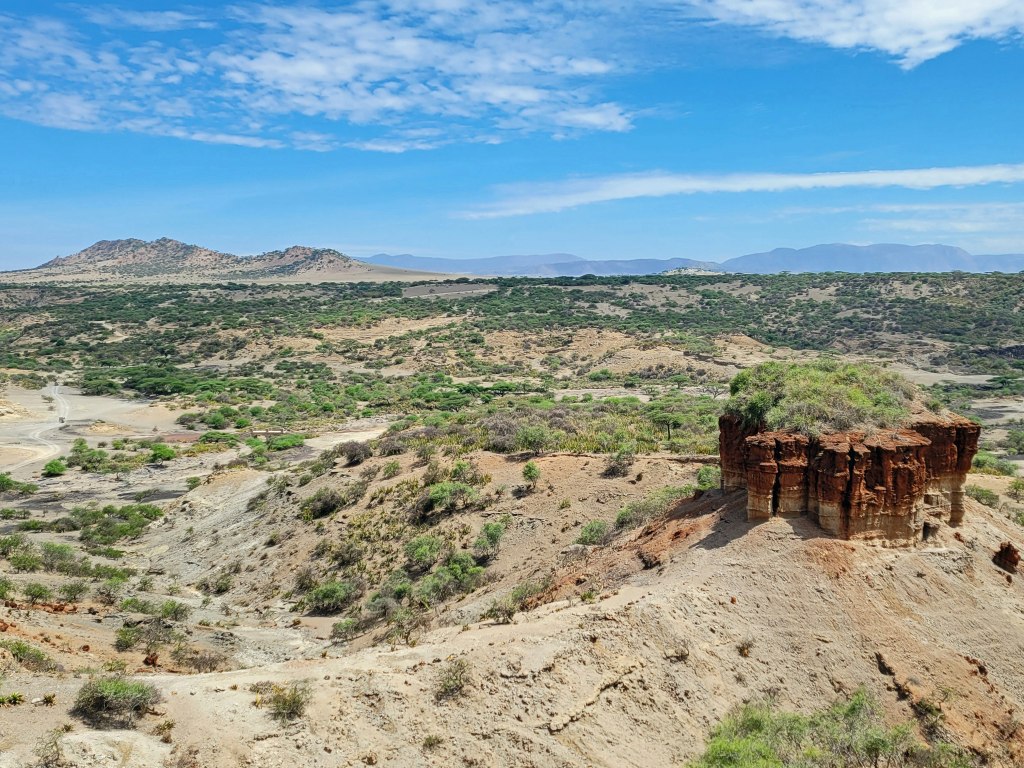
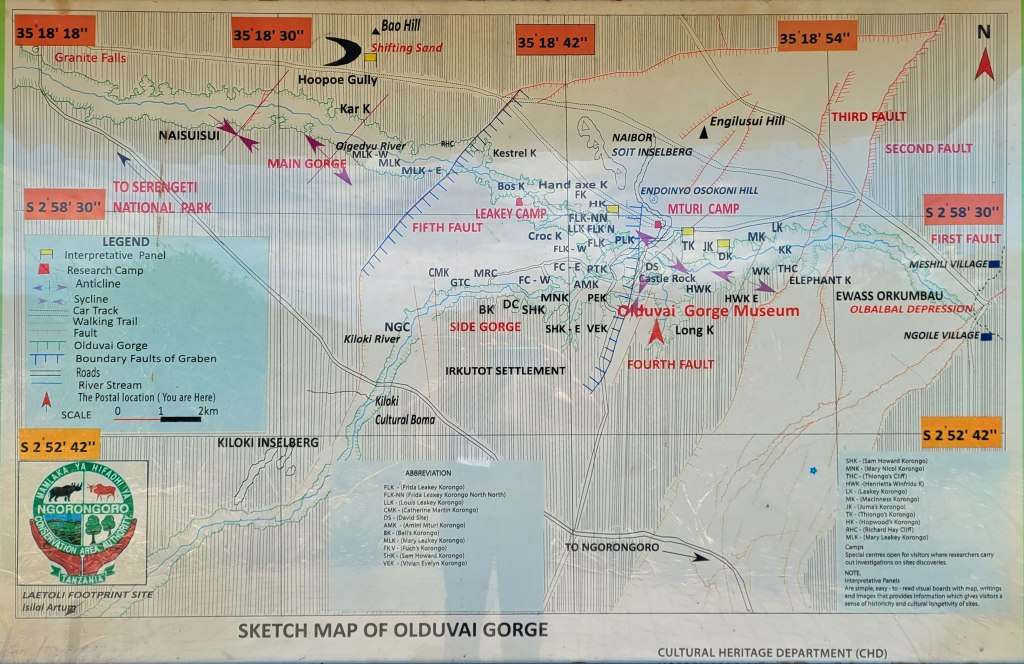
Olduvai Gorge is nicknamed the “Cradle of Mankind,” because archaeologists believe it’s where our ancestors first walked upright. Extensive work at the gorge was conducted by fossil hunters and paleoanthropologists Louis and Mary Douglas Leakey beginning in the 1930s, with Mary and their son Jonathan continuing on after Louis’s death in 1972 until Mary’s retirement in 1984. ‘I got too old to live in the bush . . . so it seemed stupid to keep going’ (quote from Oct 1994 article by Marguerite Holloway published in Scientific American).
In 2018, Tanzanian officials replaced the original museum from the 1960s with an impressive new structure with updated displays – fossils (or cast replicas) of early animals and humans, as well as tools and other artifacts from Olduvai and other important archaeological sites in Africa.
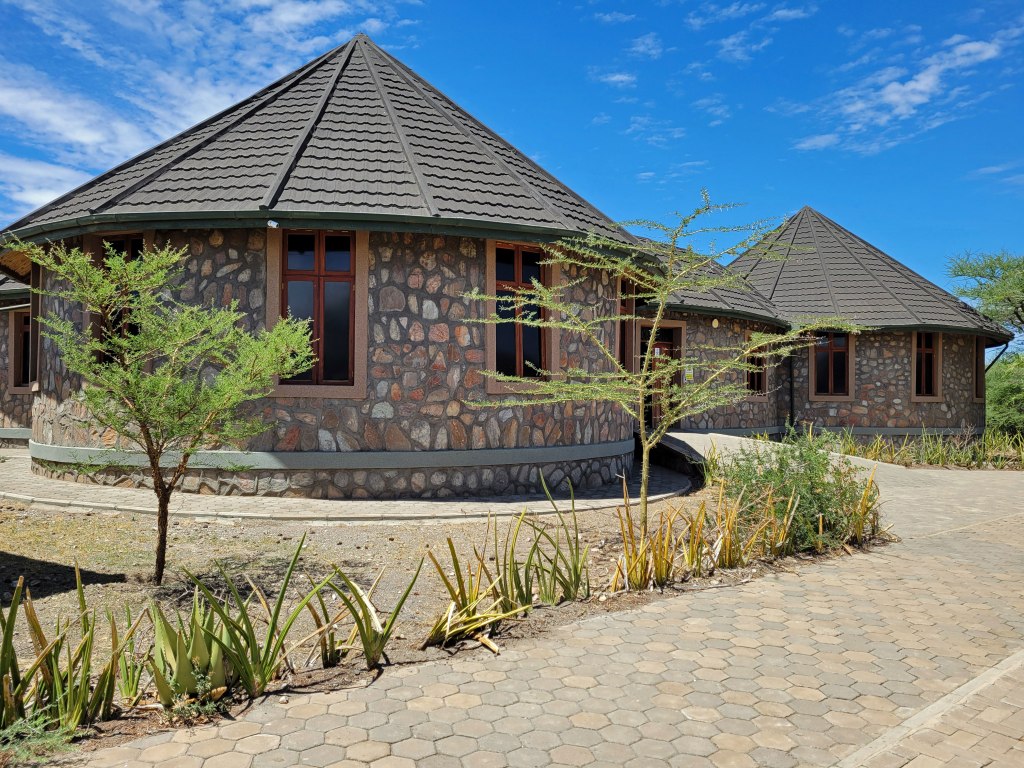

The museum offered an overload of information – far too much to absorb during our short visit, but we walked away with an appreciation for the scientists who assemble the pieces of the puzzle and the people who figure out how to tell the story to the rest of us.
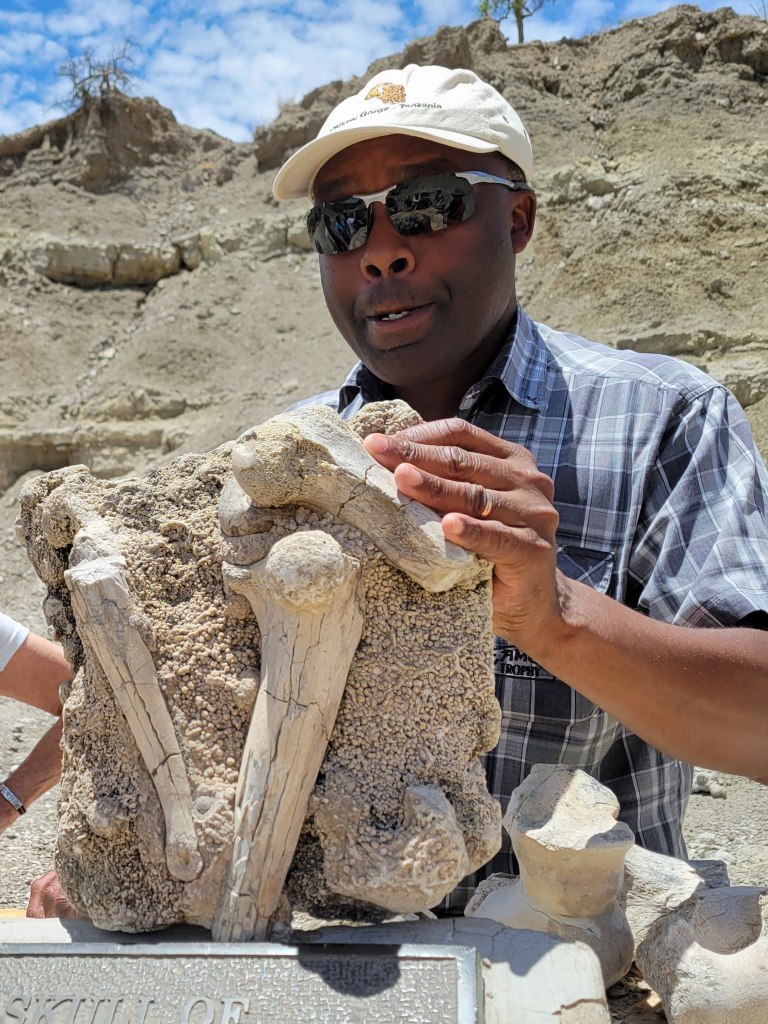

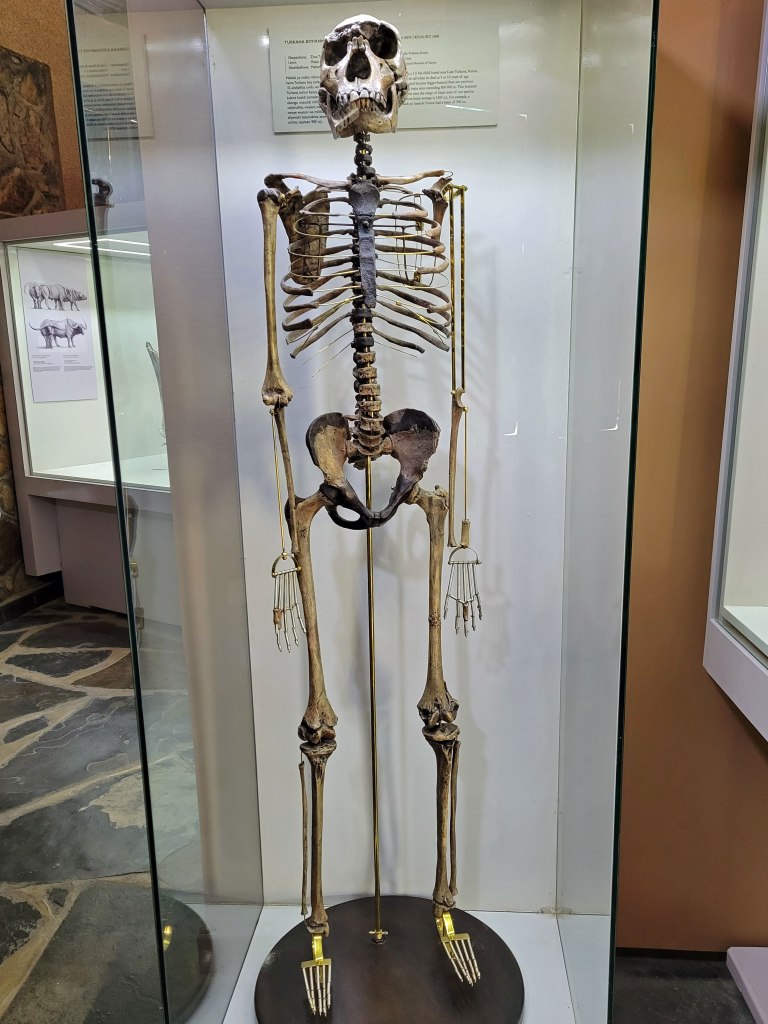
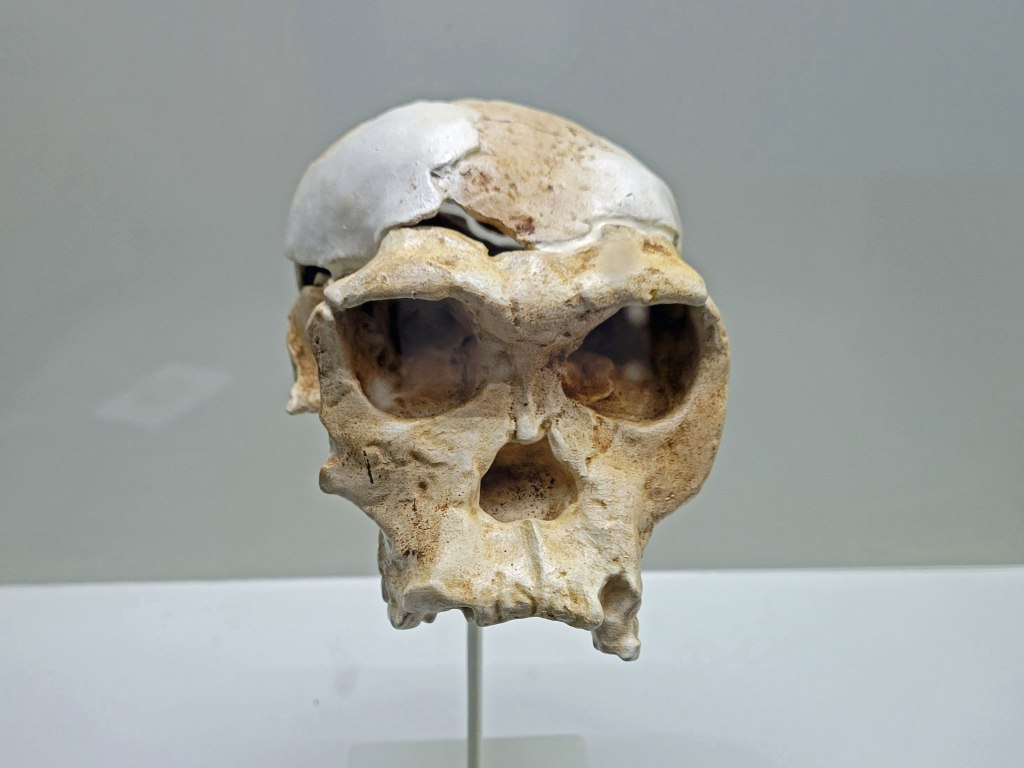
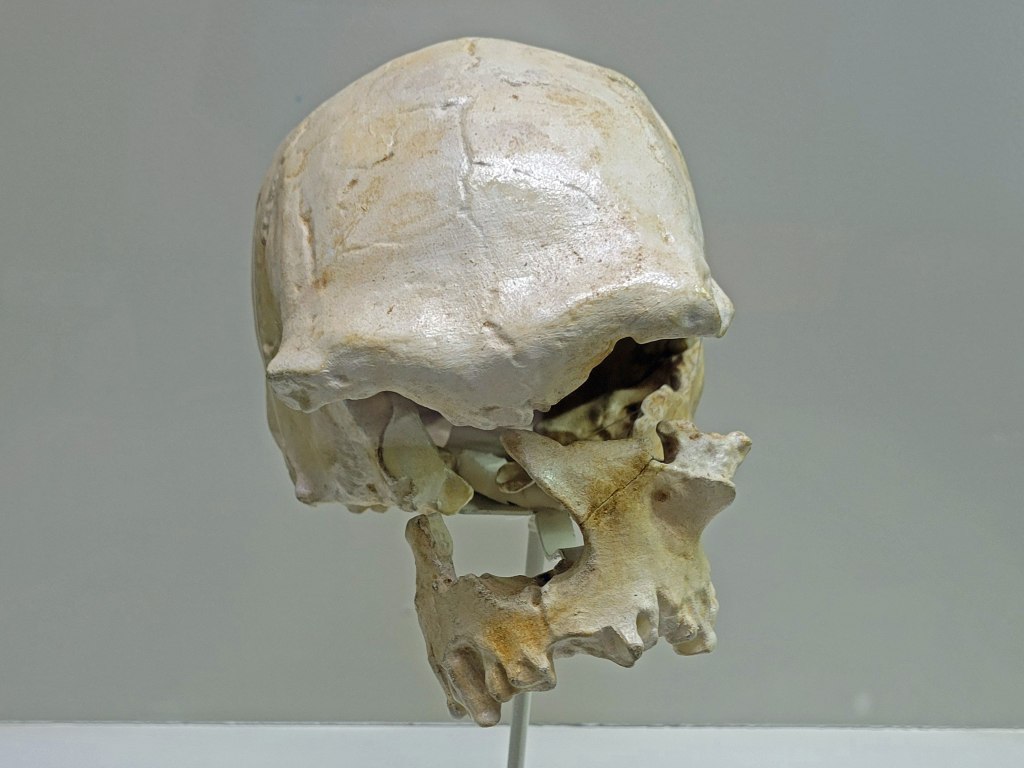
That’s enough history lesson – now on to the Serengeti! Our first looks from this famous area.

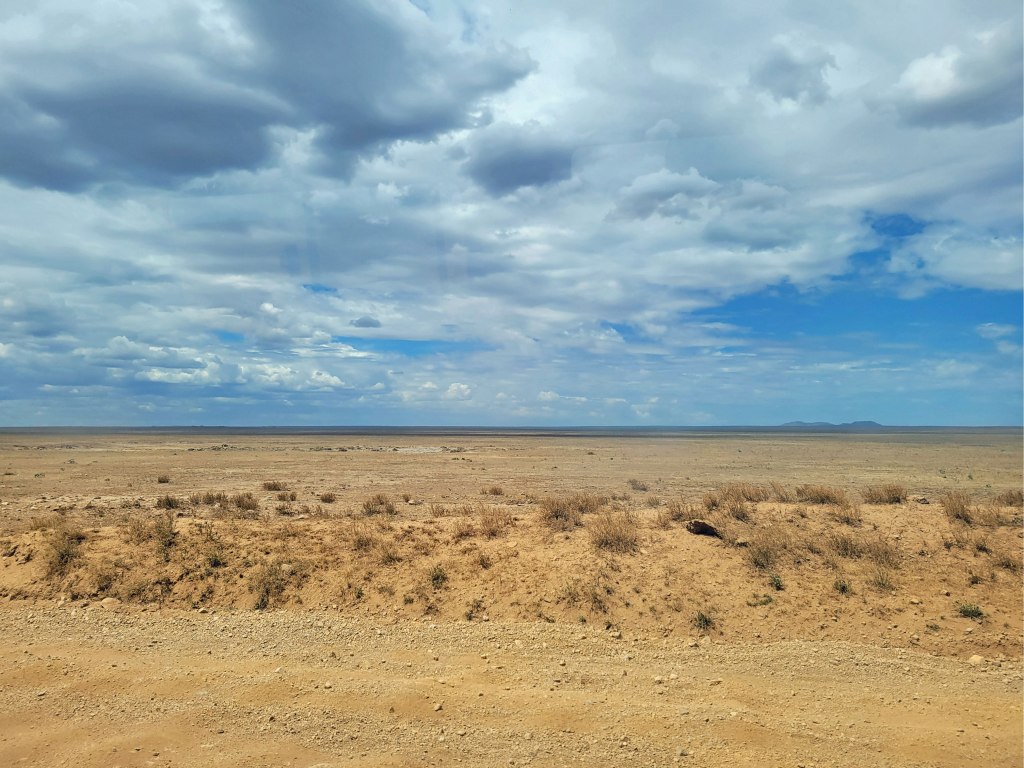
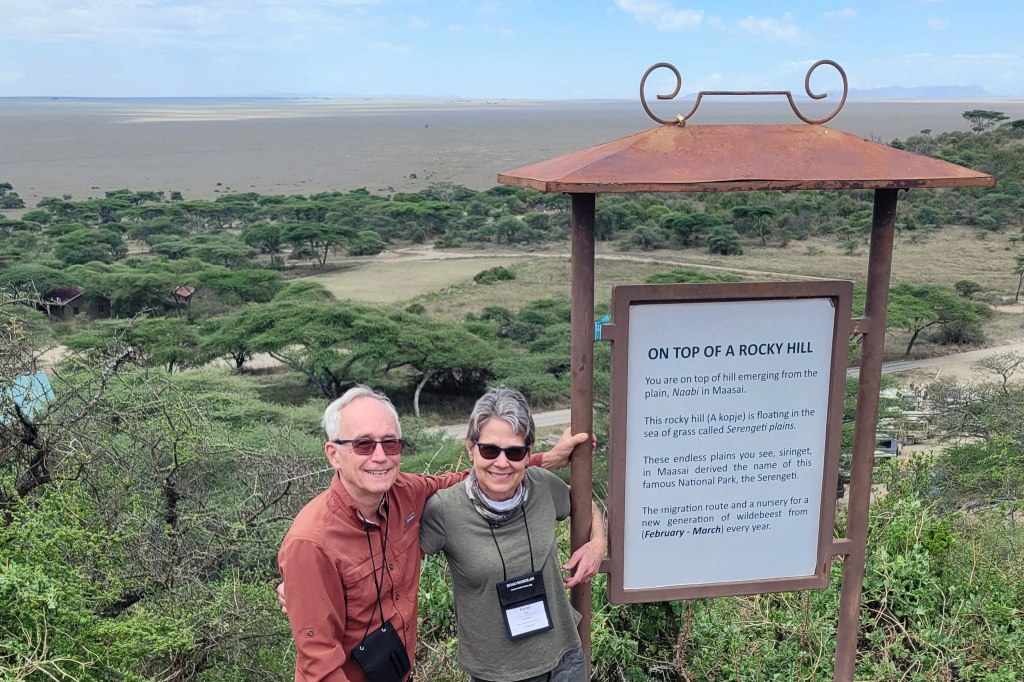
At ~5,700 square miles, about the size of Death Valley NP in the U.S., Serengeti NP was 40 times larger than the wildlife areas visited thus far. At the ‘Stop Here and Pay’ site, we enjoyed a short walk to the top of a kopje, or a small hill in a generally flat area. There we could see the vast Serengeti plains stretching for miles on both sides.

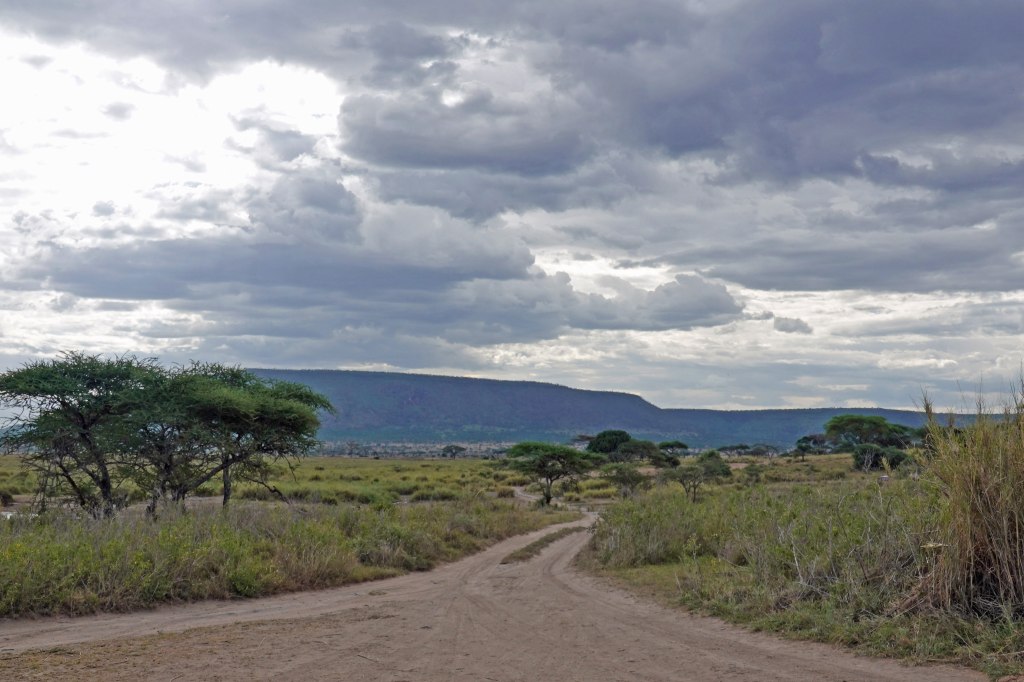
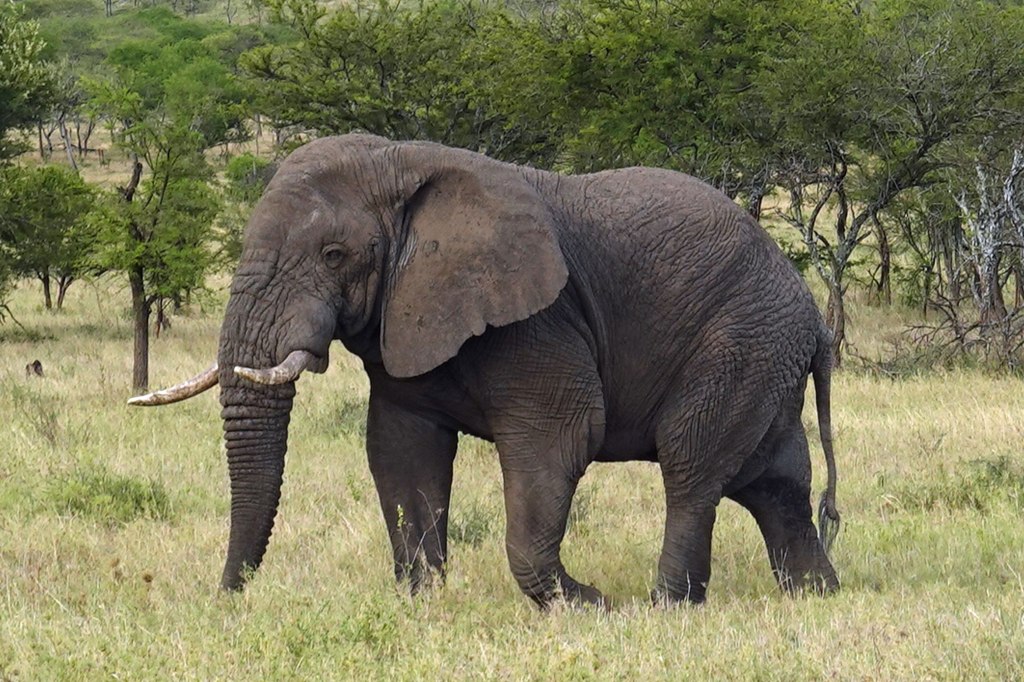
From there, we drove another couple of hours to reach our tent camp. On the way, the landscape changed, and we spotted a few animals.



As we approached Naonu Moru Tented Camp, we were unimpressed – it looked a little too primitive for our taste. Our tent (extreme right side in the photo below) was furthest from the lounge and restaurant, and therefore a few steps closer to the aforementioned wild animals, at least in our minds.
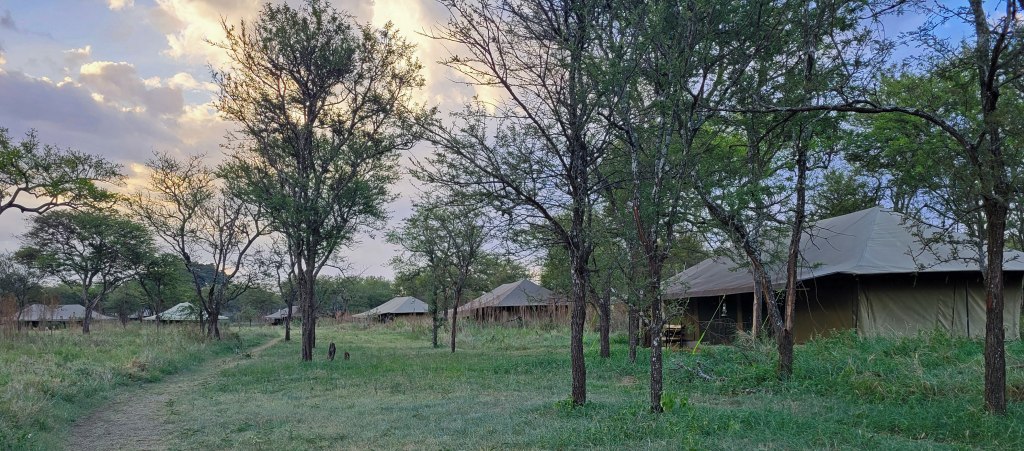
And despite a hearty welcome from the staff and camp manager, we remained skeptical. With so many wild animals roaming around, we were not allowed to walk outside after dark unless accompanied by a staff member wielding a large flashlight, used for self-defense no doubt. 😅
Here’s a panorama from our front patio:
The next morning, there was a herd of eight elephants not far from our tent – pretty cool!
The Serengeti is best known for the Great Wildebeest Migration – the mass movement of up to 2 million wildebeest, zebras and gazelles in a clockwise loop across the ecosystems of the Serengeti in Tanzania and the Maasai Mara Reserve in Kenya (still to come on our tour). The motivation is to follow the rains to find food – nature’s version of pasture rotation.
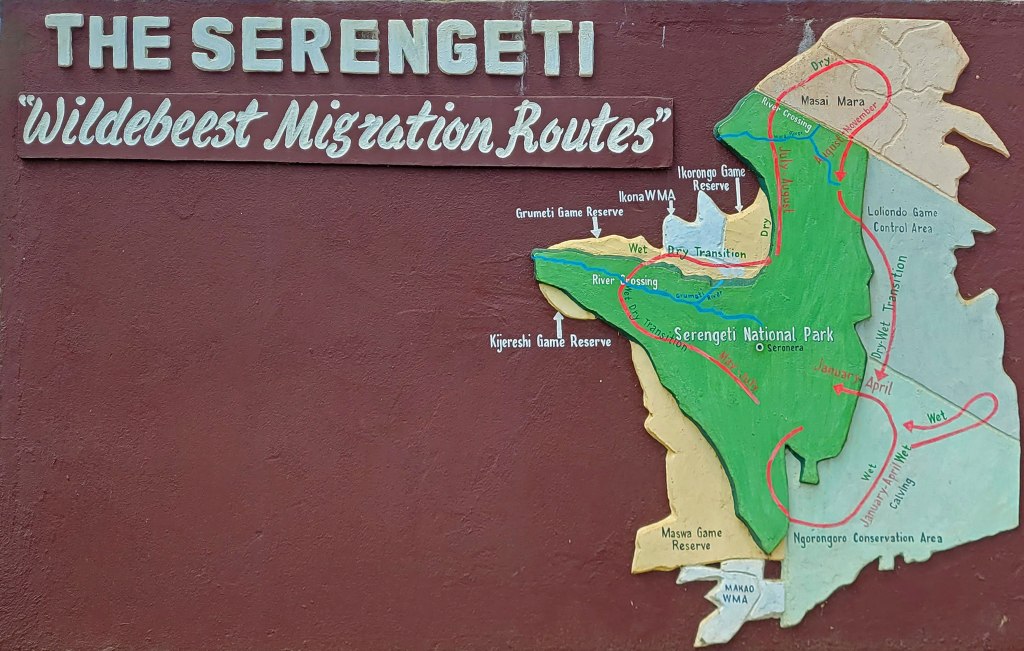
As expected, we saw NO wildebeest on the eastern side of the park, but we encountered herd after herd of the animals on the move all across the western flank. Thousands in all, plus hundreds of zebras.
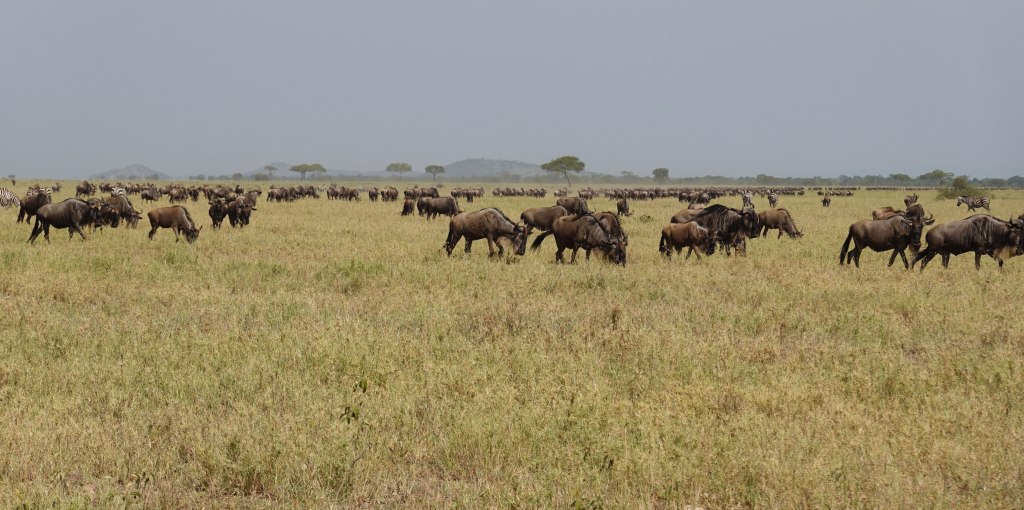
According to the annual migration schedule, the wildebeest weren’t supposed to be there, having usually moved on to the Maasai Mara by this time of year. But the timing and location of the rains during the spring and summer confused the animals and disrupted the normal migration patterns.
The definitive highlight of our visit to Serengeti NP was seeing our 4th of the Big 5 – the endangered and elusive black rhino. And here’s the indisputable photographic evidence:
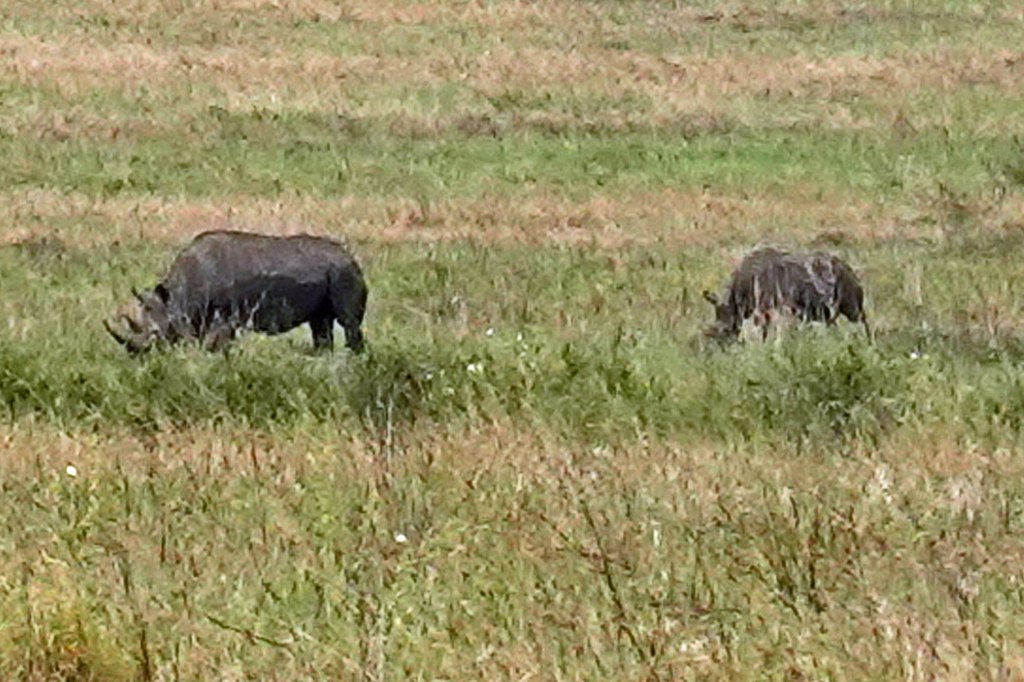

They were far away, just barely within the range of my camera. But it counts!
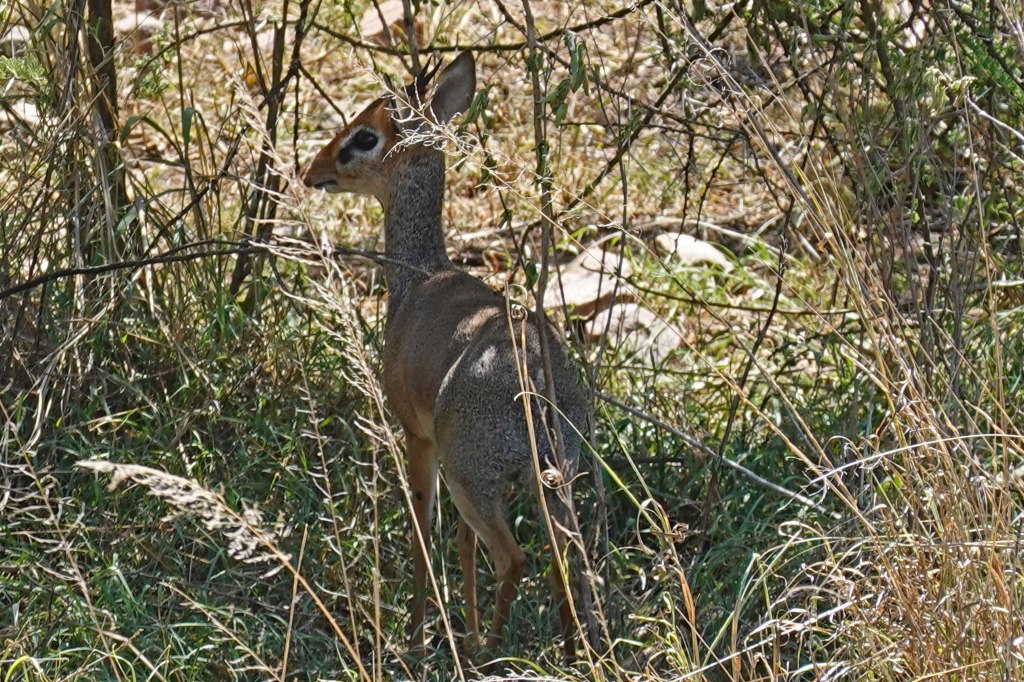
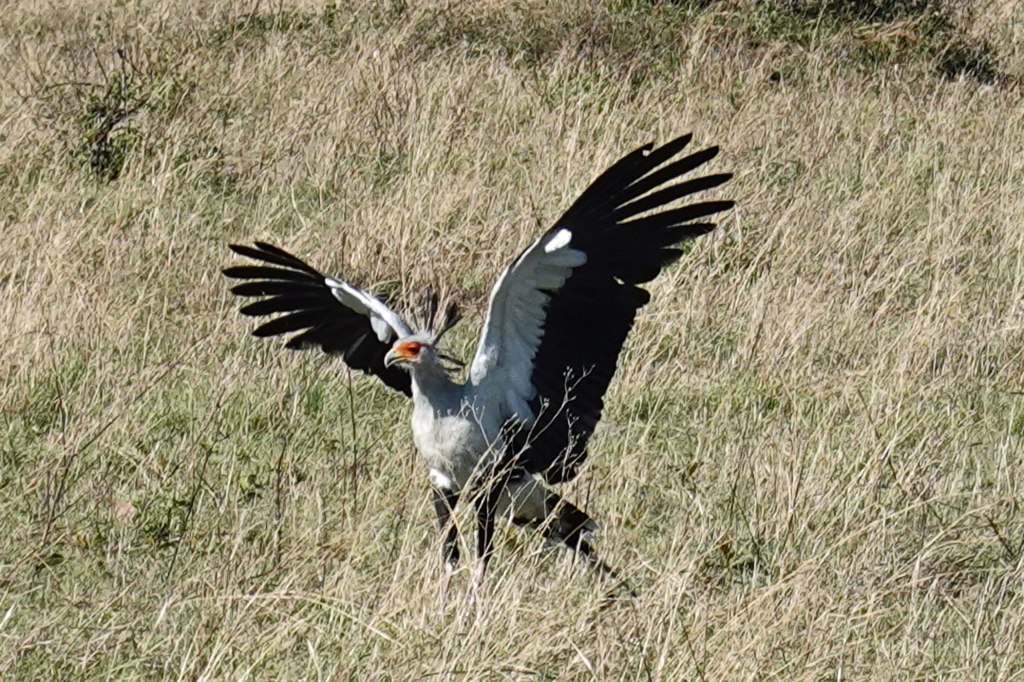
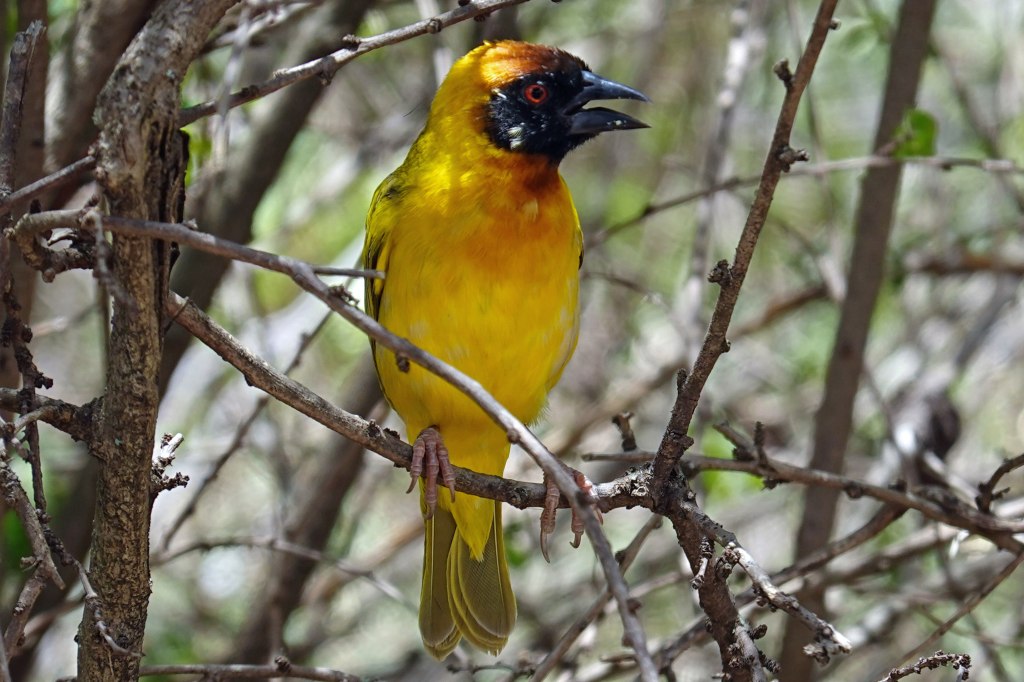
We also saw for the first time a couple of cool birds and a dik-dik, the smallest antelope, standing just 12-16 inches at the shoulder.
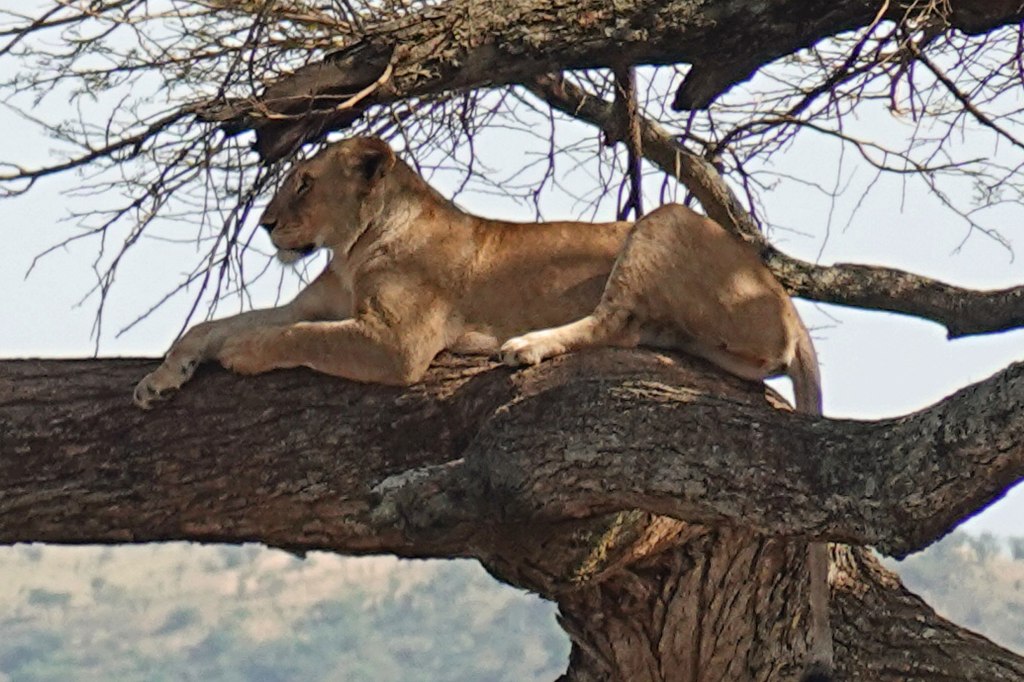
Also noteworthy – a couple of new lion experiences. One just chilling in a tree and one sitting in the road, protecting others in the pride who were munching on a freshly killed cape buffalo. We didn’t notice until we zoomed in that the big guy had a bandage on one of his lower legs.
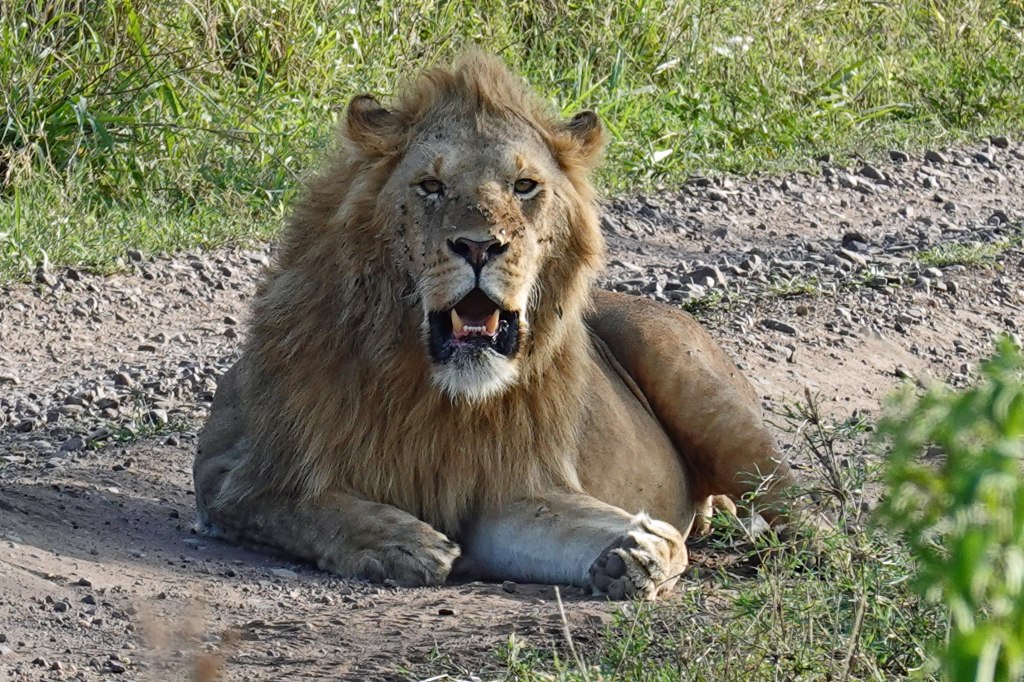
Later we learned that the parks deploy mobile veterinary teams to monitor general health of the wildlife and to care for injured animals when possible. Nice to know.
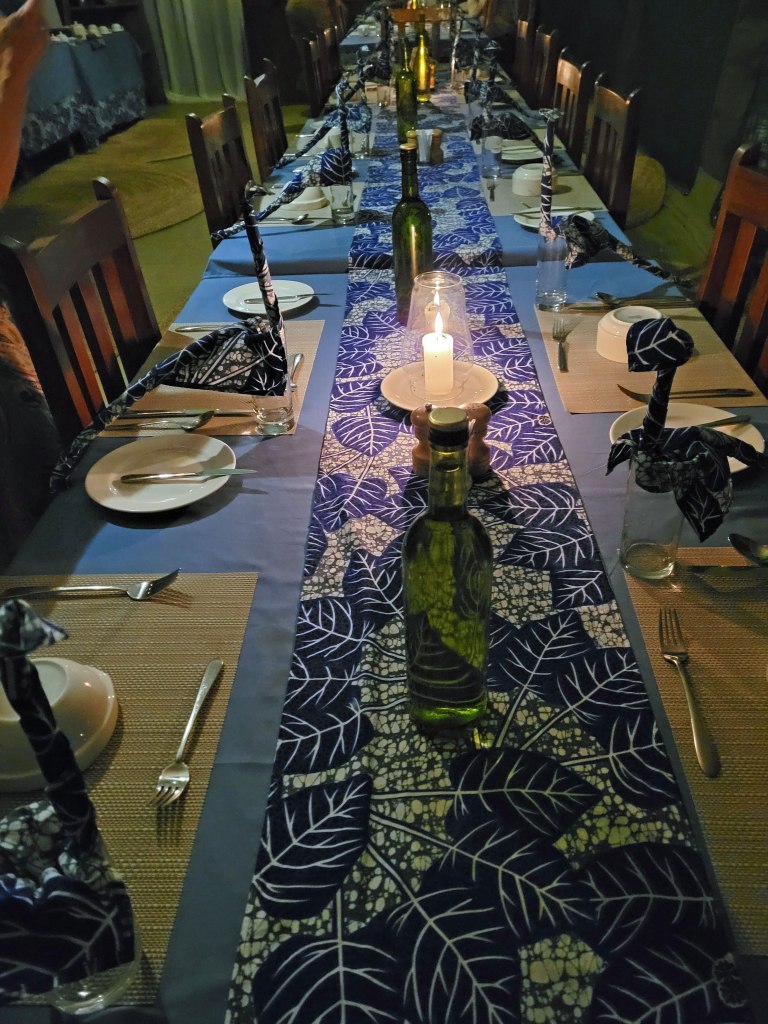
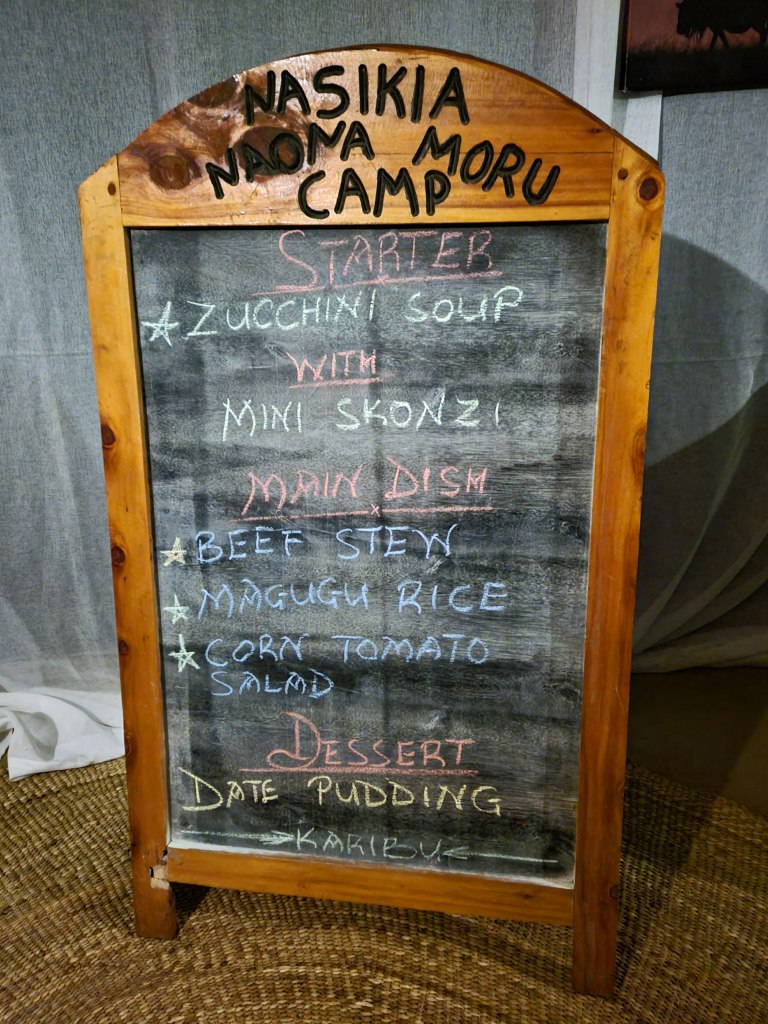
Before showing more animal photos (no new species, but still some nice pics), I want to revisit our satisfaction with the accommodations. Our initial impression could not have been more wrong. The setting was special, the food was exquisite, and the staff were just the best in every way. Everyone seemed to genuinely love their job, which was reflected in how well they cared for us as guests. The tent camp ended up being my favorite of the entire safari!

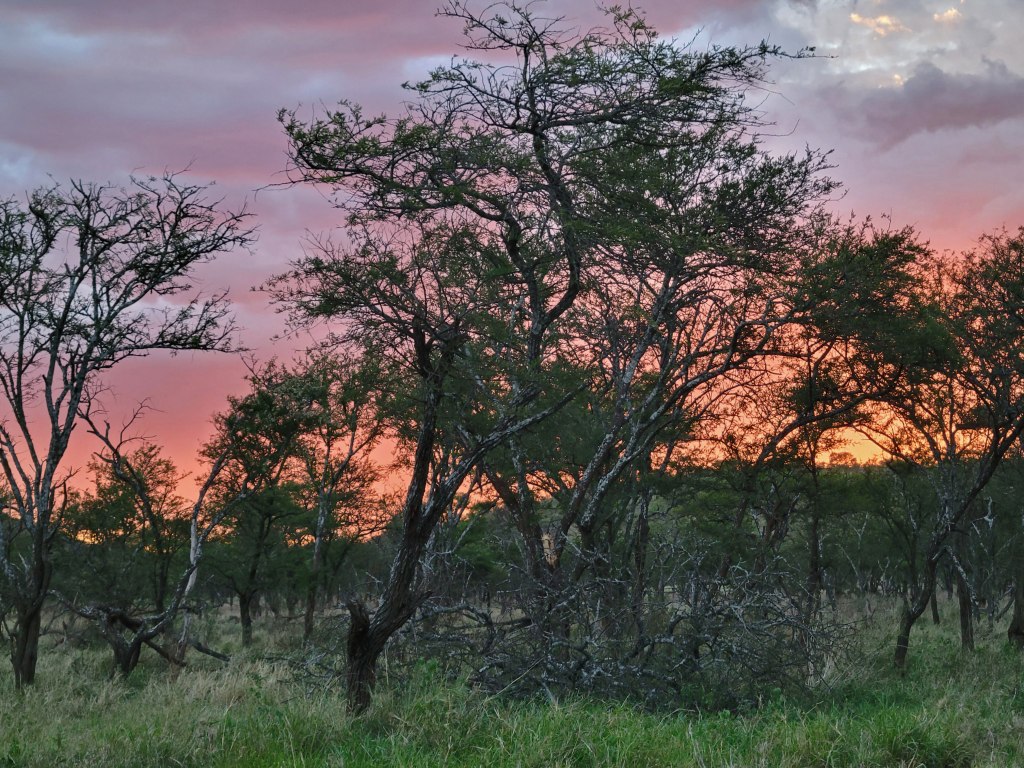
And did I mention the sunsets?
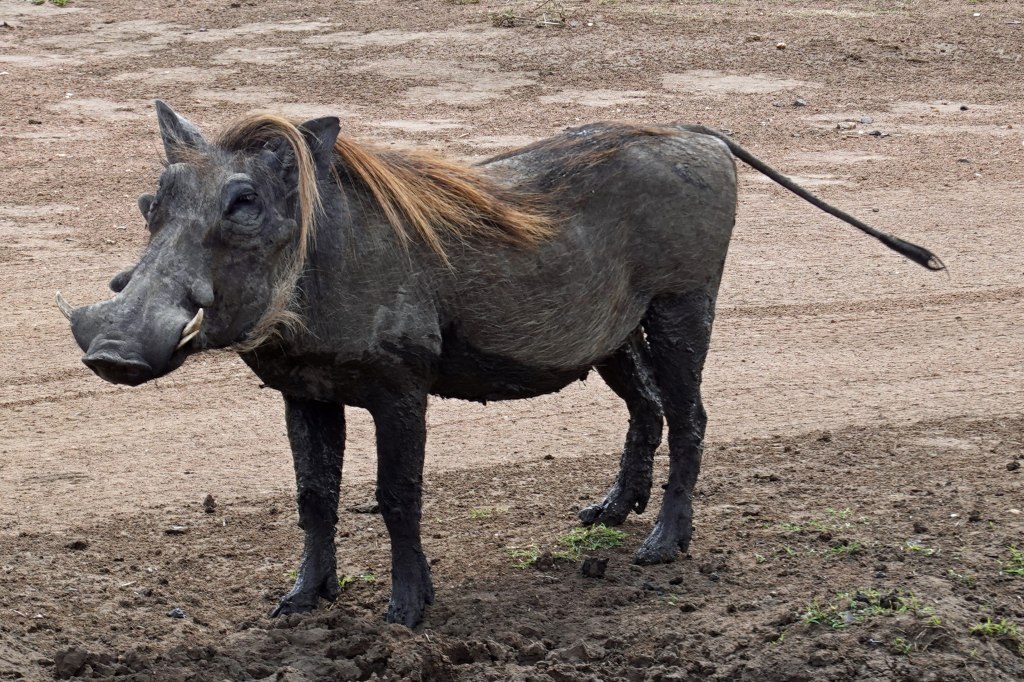
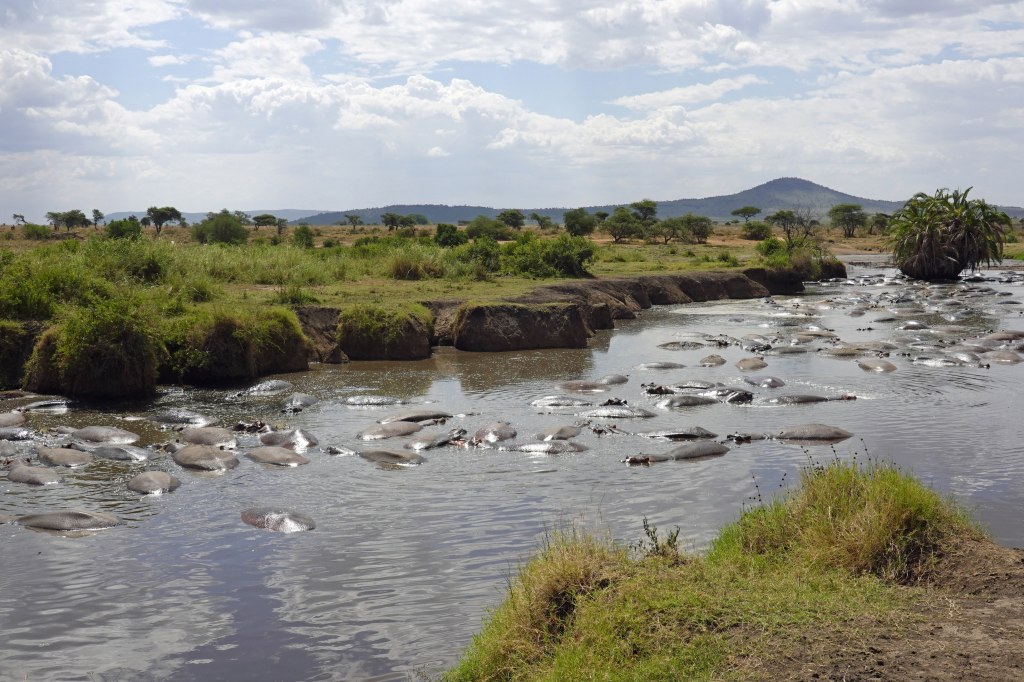
Now back to the animals . . .

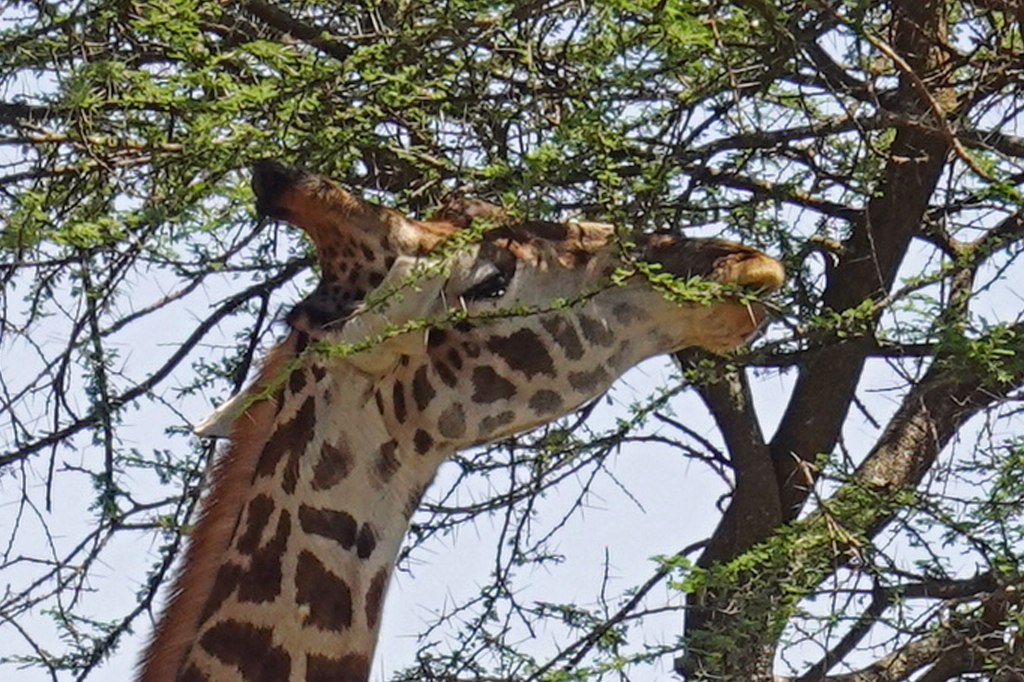
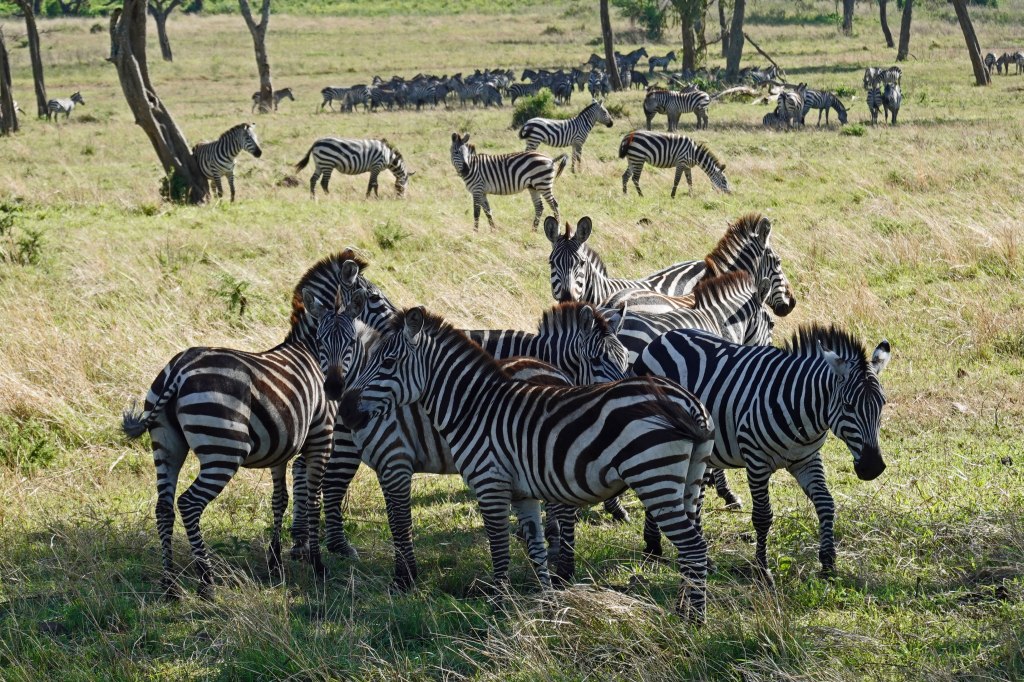
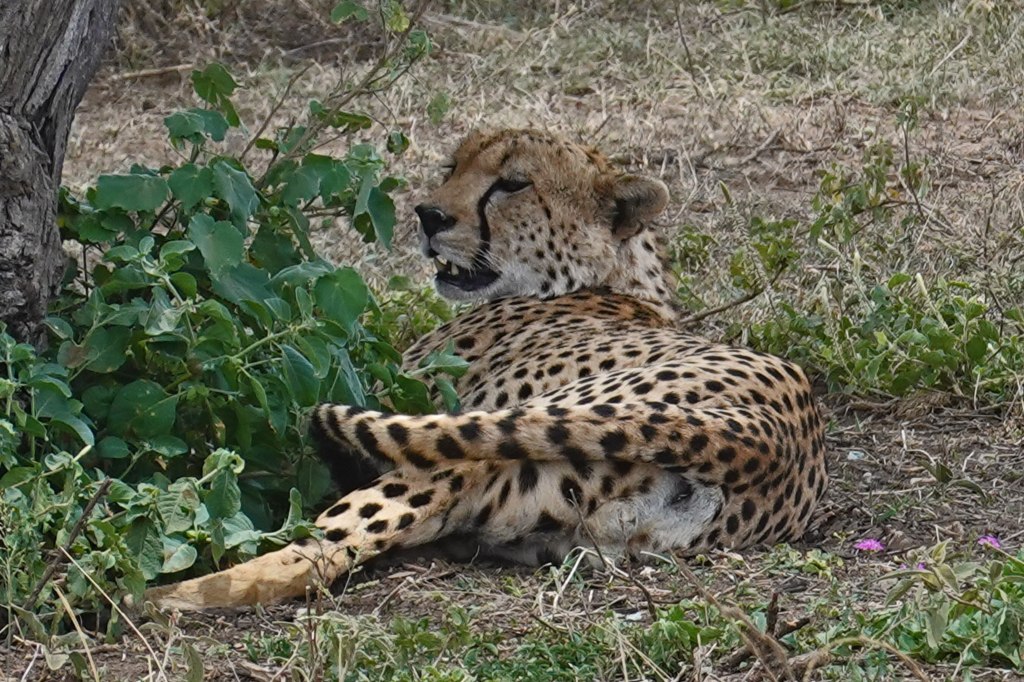

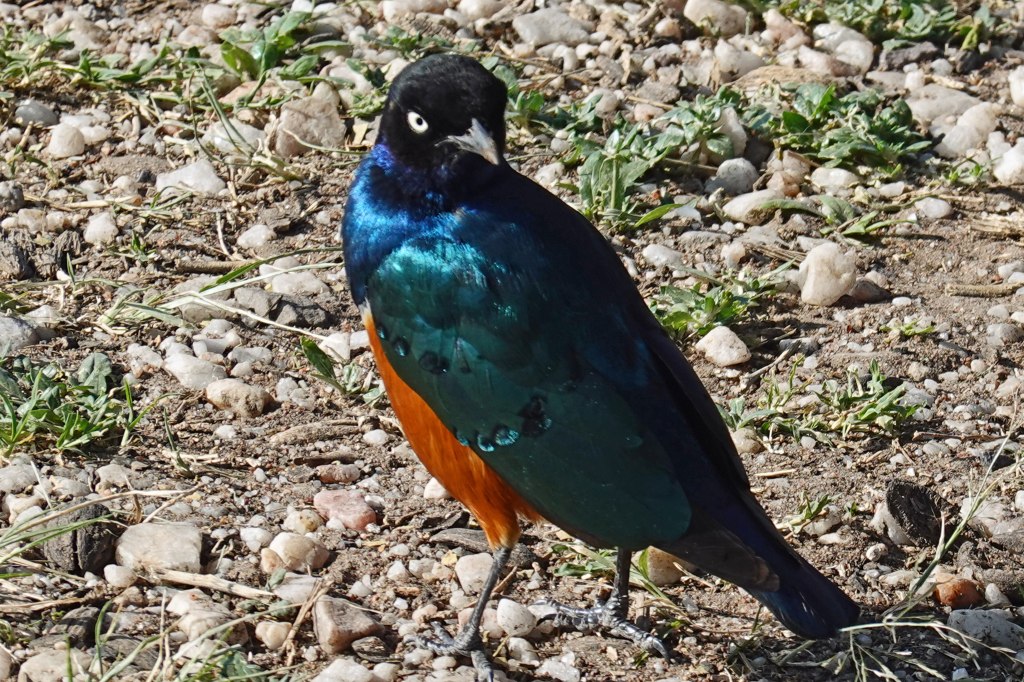
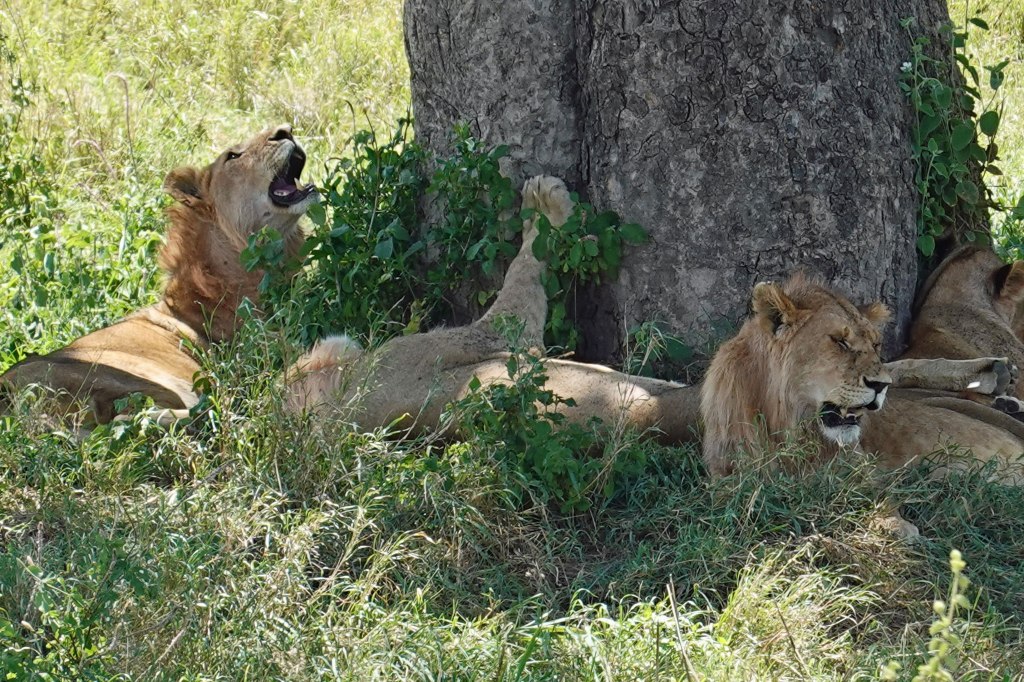
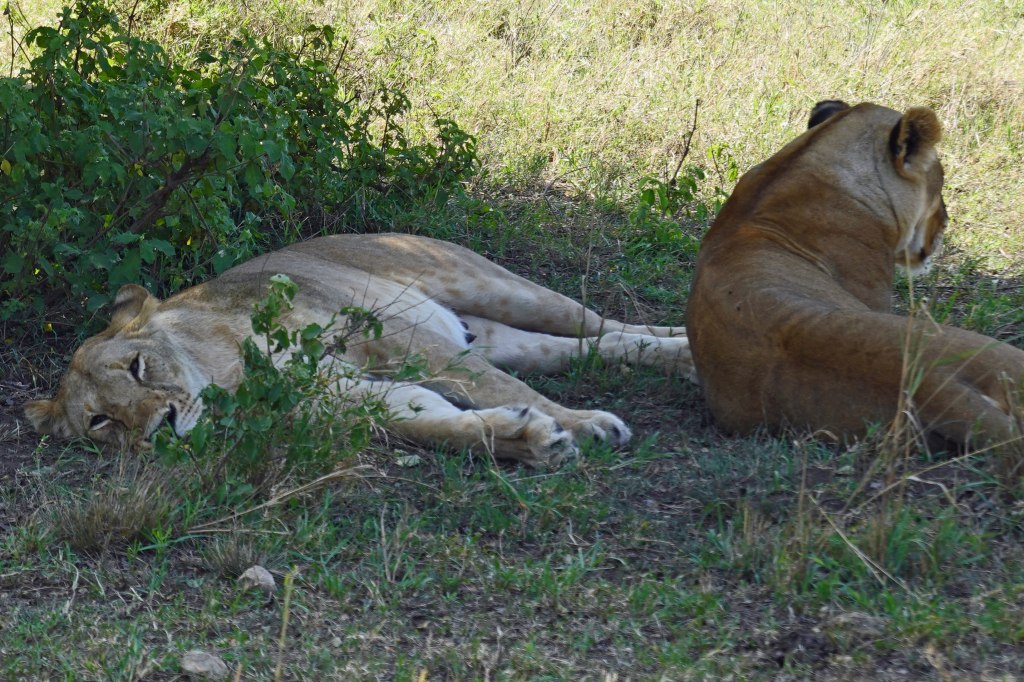
Plus so many lions . . .

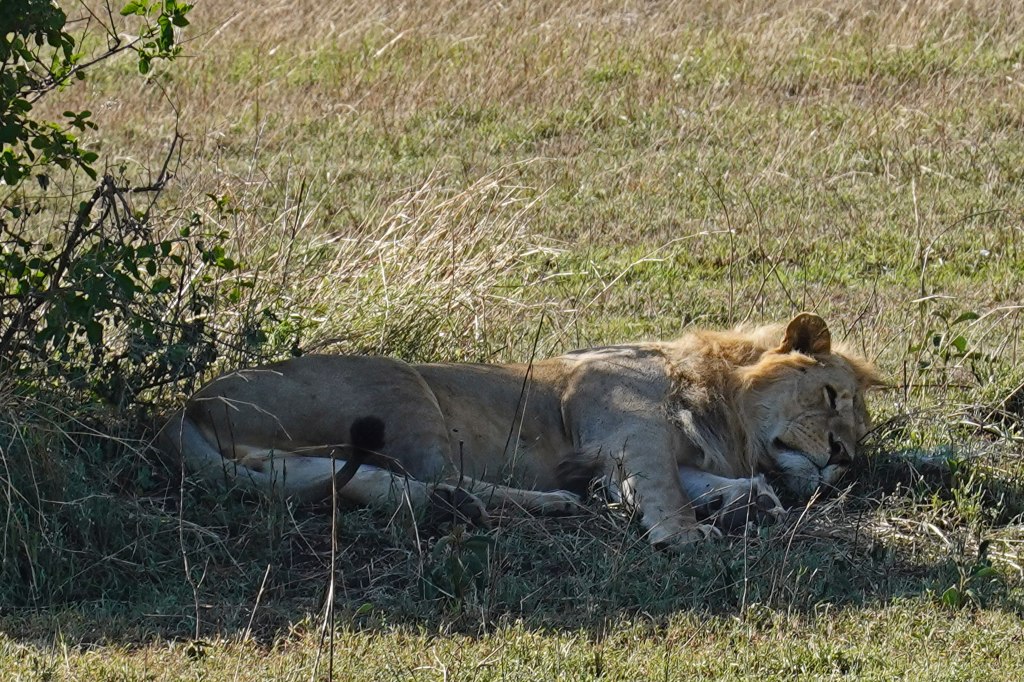
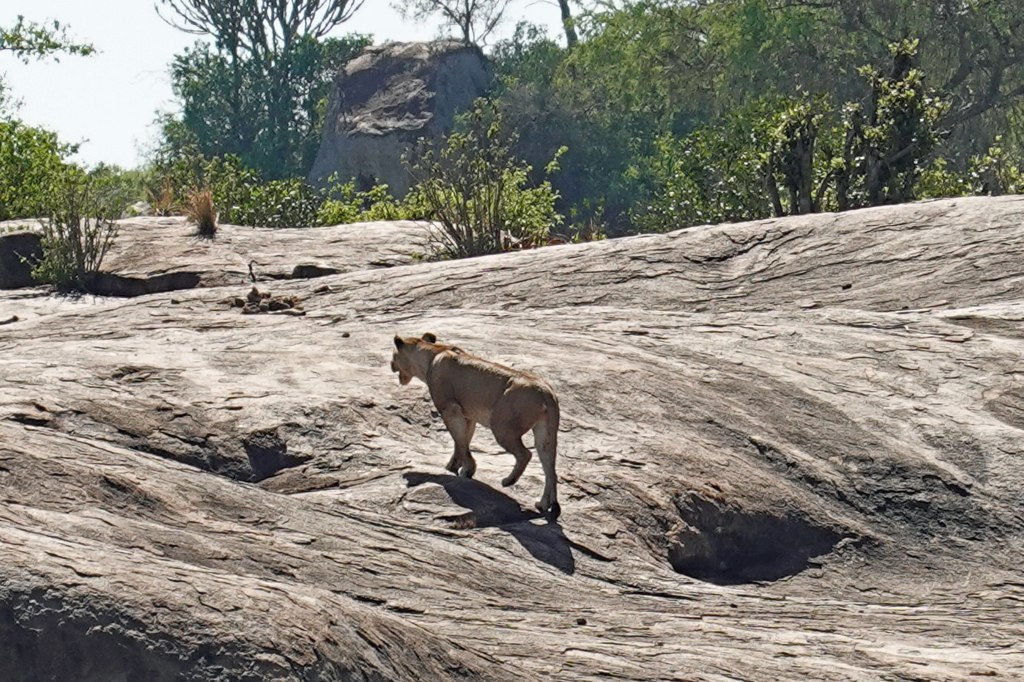
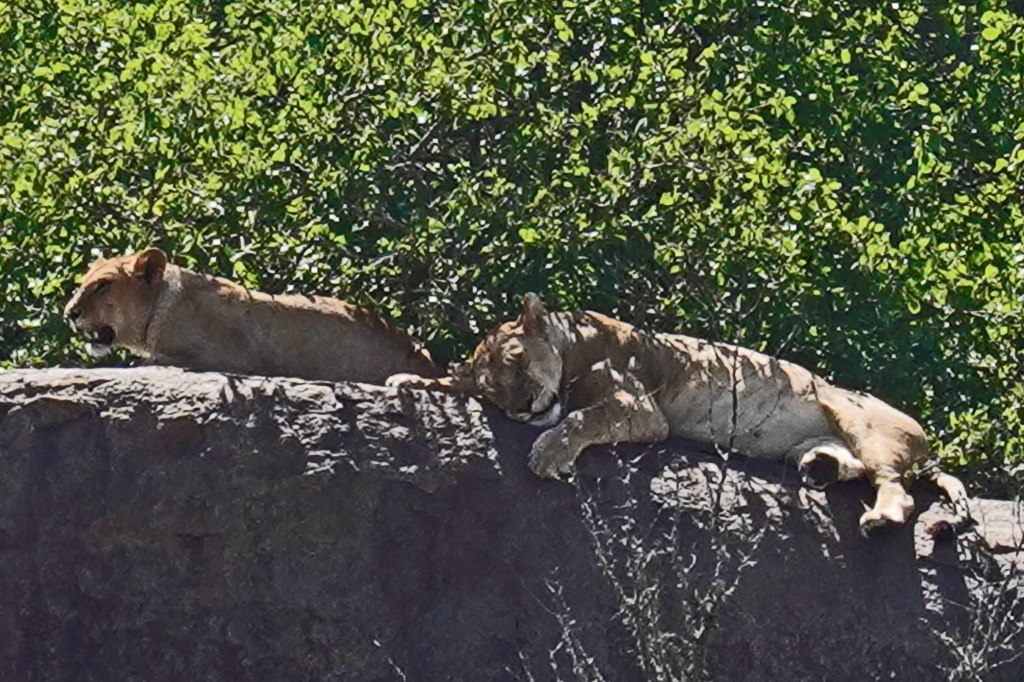
A handful of non-animal pics to wrap up. I loved this mural we found at the visitor center:
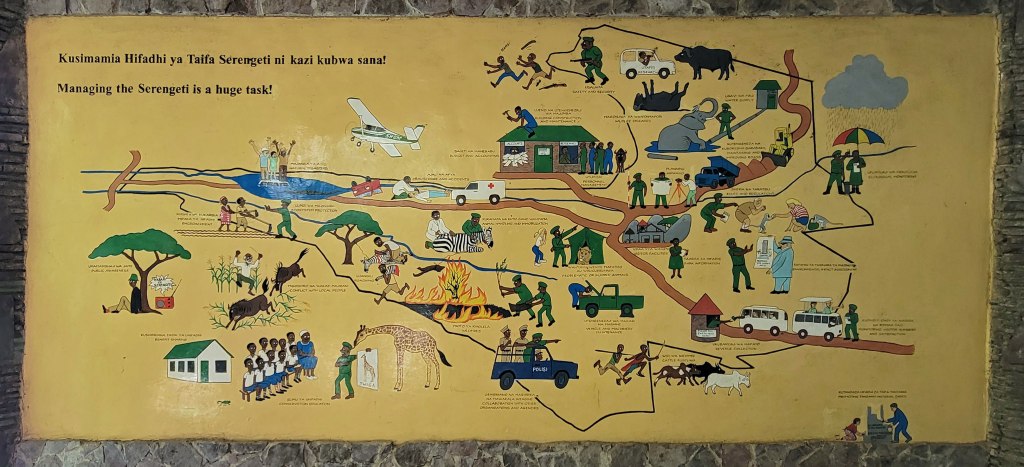



We loved our visit to Serengeti NP – thank you for joining us!
Next article – Lake Victoria and Maasai Mara National Reserve
If you would like to be notified when future articles are published, please add your email address below.
Discover more from Just Passing Through
Subscribe to get the latest posts sent to your email.


 Just Passing Through
Can’t wait for the next installment! Well done. And you got to meet LUCY!
LikeLike
Lucy was cool but so difficult to wrap your head around the timeframe – 3.2 million years ago, give or take. Did you know she was named after the Beatles song, Lucy in the Sky with Diamonds?
LikeLiked by 1 person
Such beautiful photos. Did you use a camera or your phone? And I tried to pronounce Ngorongoro at least a dozen times before my tongue straightened out…
LikeLike
Phones (both Bill’s and mine) and a camera. Most of the animals are from the camera. Not a fancy camera, but it had a nice Zoom. I was pleased with how well they turned out.
LikeLike
You did great on the bird photography here 😉
Beautiful
Are your friends not traveling with you ?
LikeLike
Thanks – I tried. Still learning! Our friends are living in Portugal now!
LikeLike