
The final stop on our safari was Maasai Mara National Reserve, where we were treated to a few ‘up close and personal’ experiences with the Maasai people and (once again) with the animals. (You might want to make yourself comfortable, because I have a lot to share!)
Traveling from the Serengeti to Maasai Mara, we spent one night at Speke Bay Lodge on the southeastern shore of Lake Victoria, the second largest freshwater lake in the world. (Lake Superior is #1.) A short stay, but we had time to do our first ever guided bird walk, which was a fun learning experience. Perhaps even a bit comical.
George (guide): There's a blah-blah bird!

Us: Where?

George: In the blah-blah tree.

Us: Which one is the blah-blah tree?

George: The tall one just off to the right.

Us: And where's the bird?

George: About halfway up on that big branch going down a little and to the left.

Us: I don't see it.

George: Move to the right . . . easier to spot. And maybe forward a half step. Oops, too far - back a little and a little more to the right.

Us: Nope - nothing.

George: Never mind - it just flew away.

Us: I saw it! For a split second . . . . 🤣
George pointed out 30 different types of birds, which were dutifully recorded on a checklist. But honestly, I laid eyes on maybe 10.

Tried to take a few photos, which ranged from not too bad to pretty awful. My version is on the left, with a corresponding photo from Wikimedia Commons on the right.
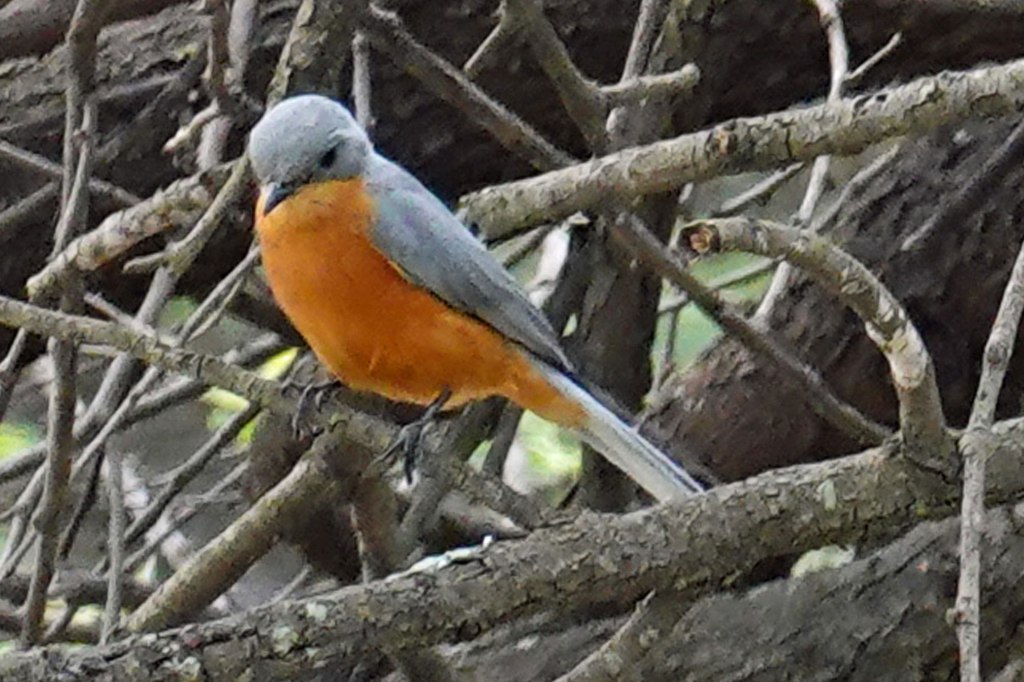
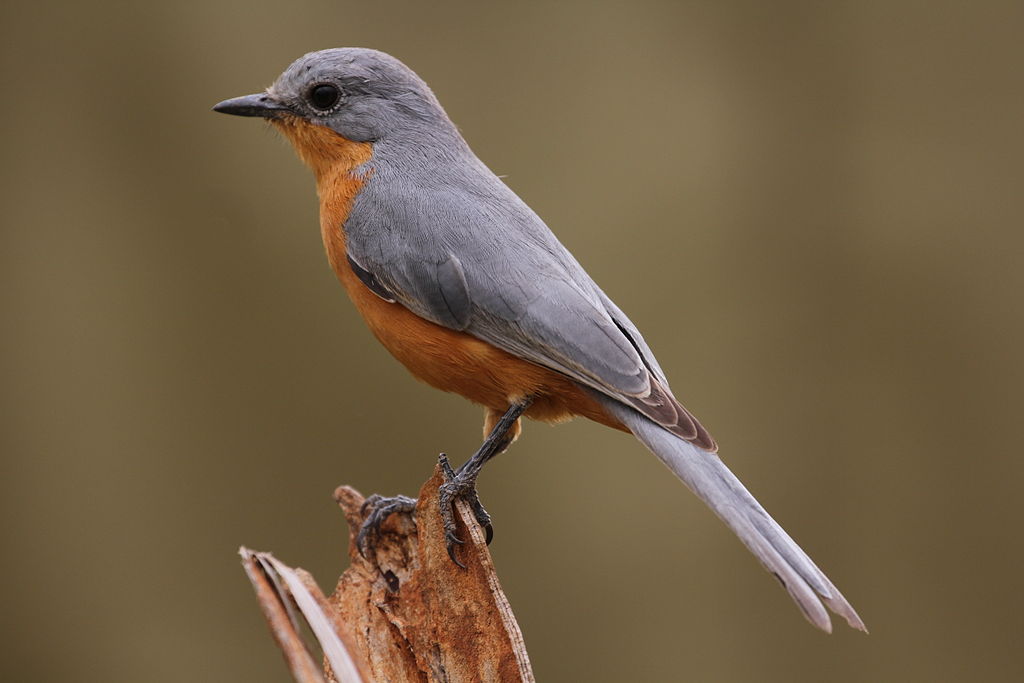
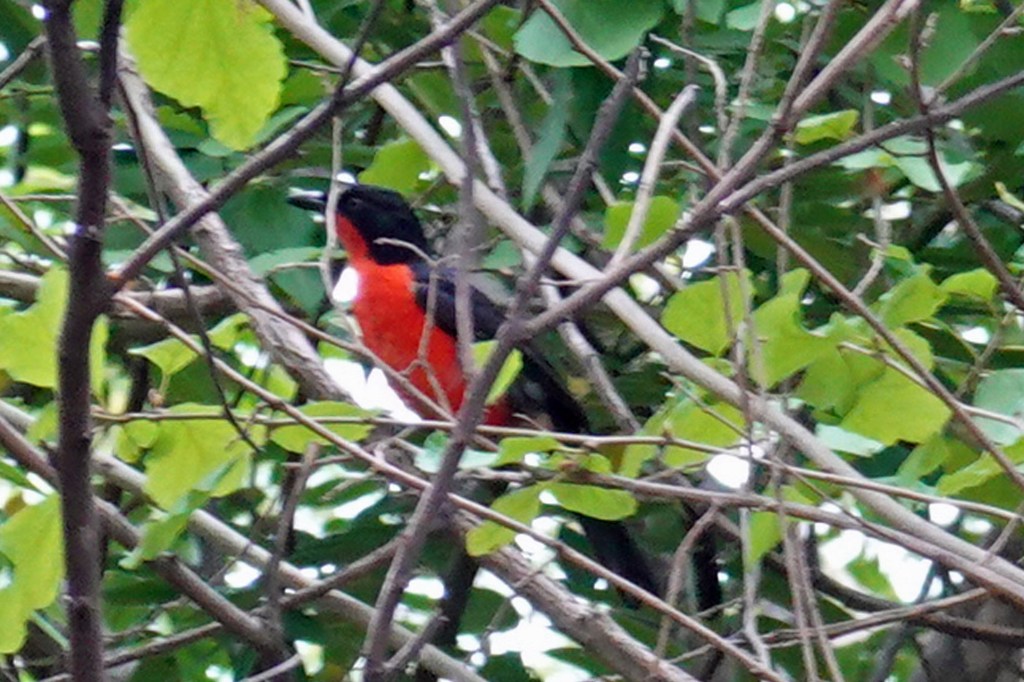
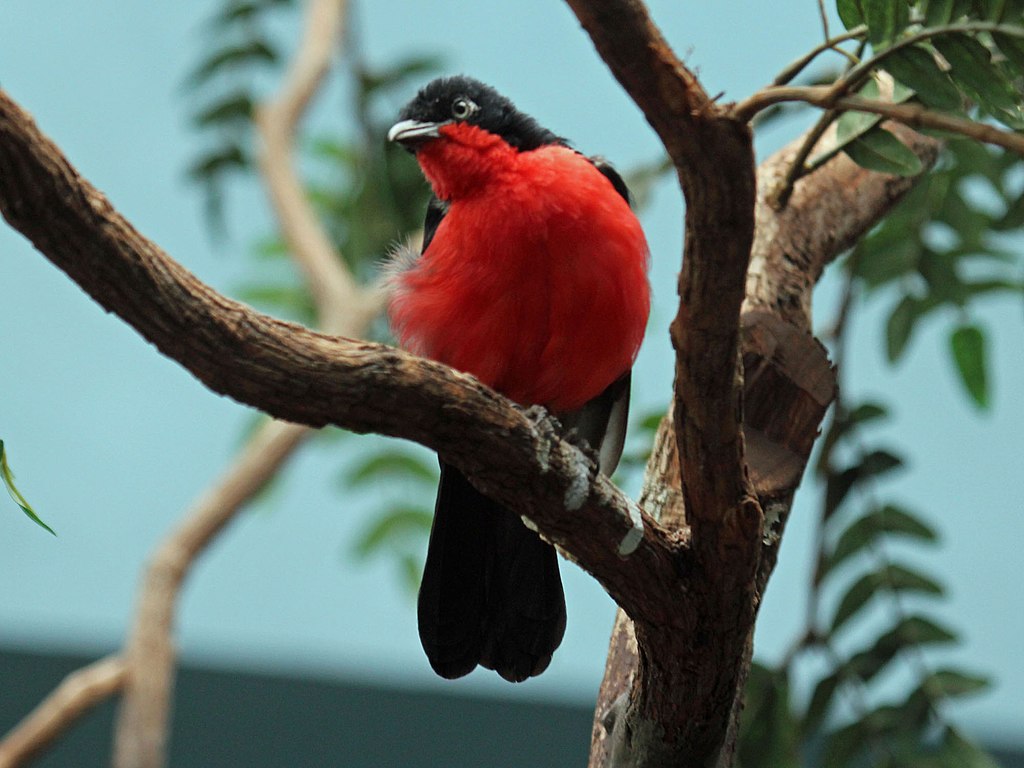
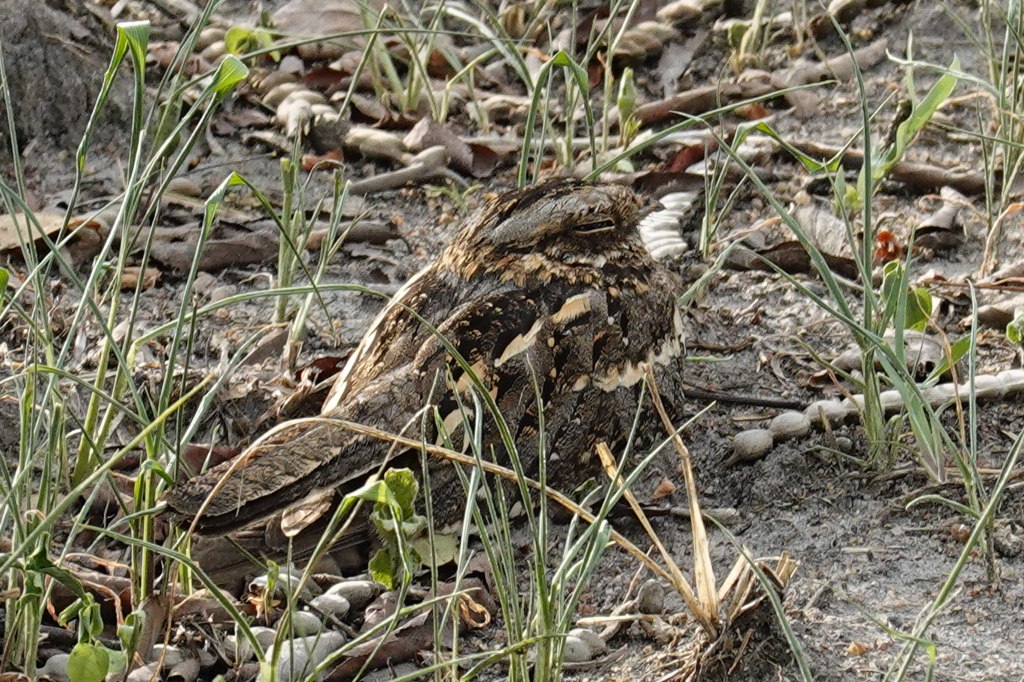
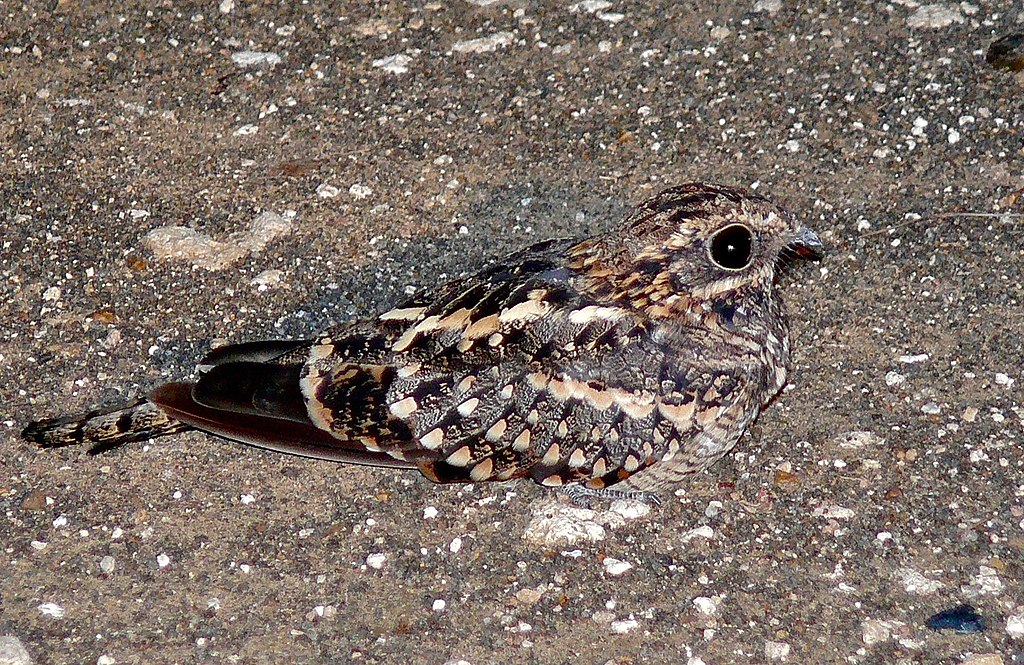
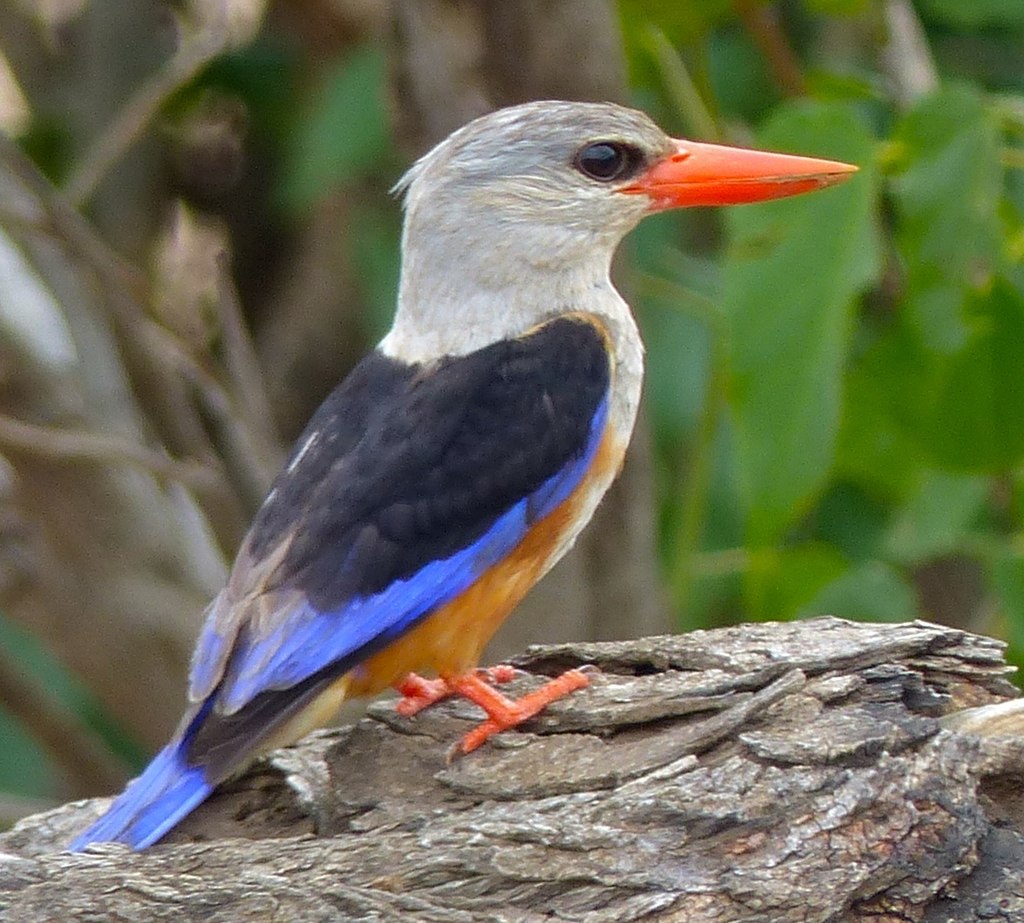
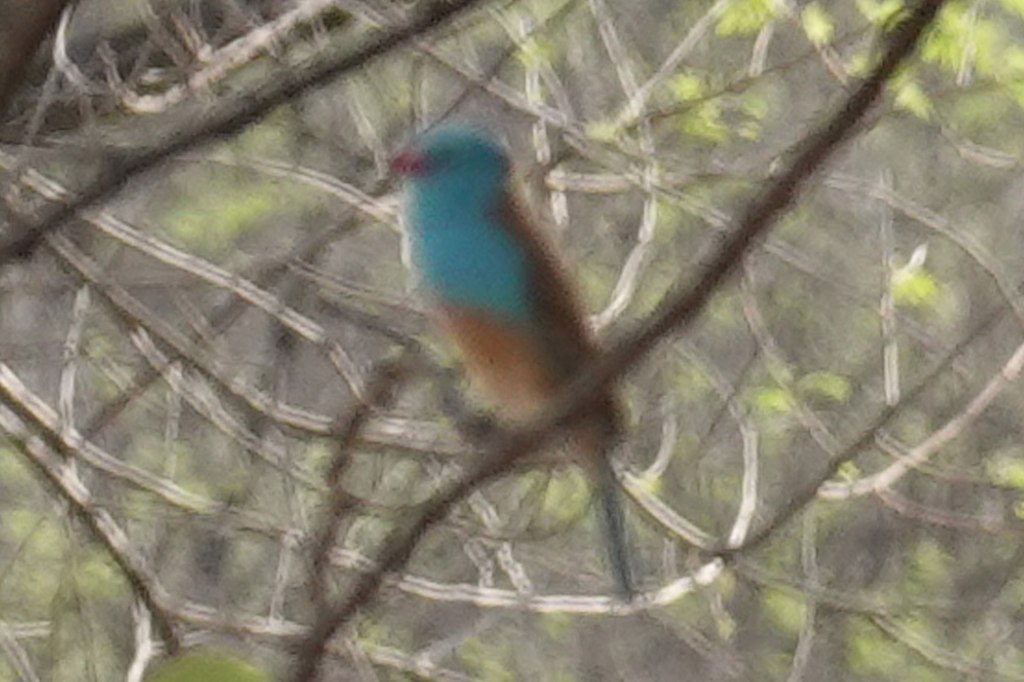
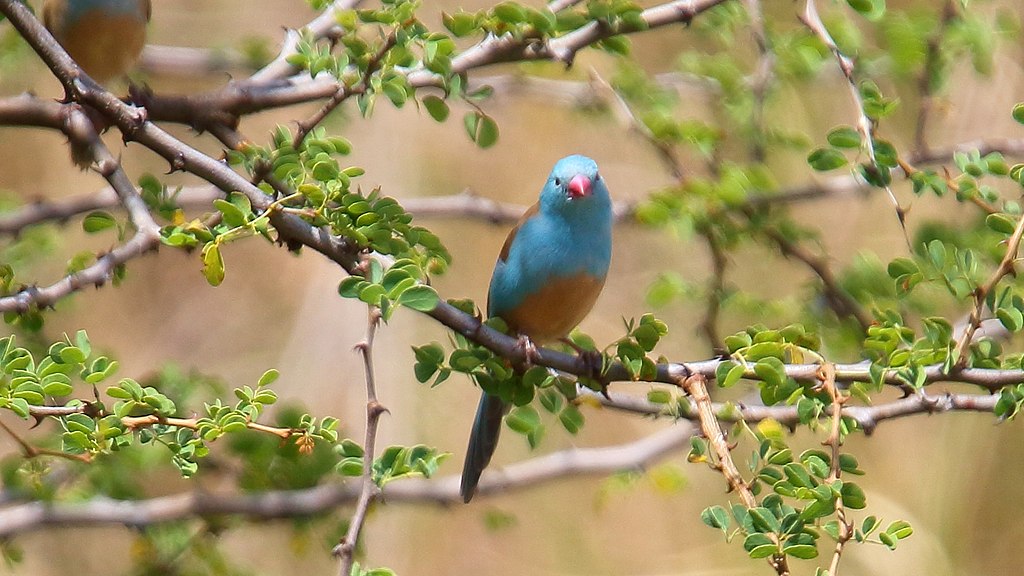
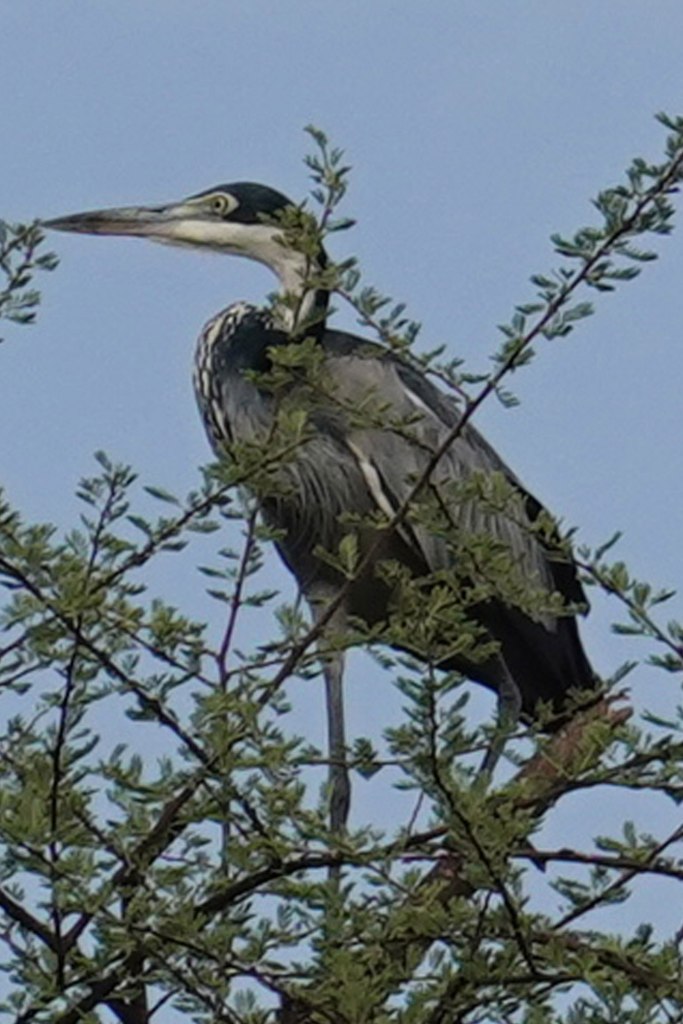
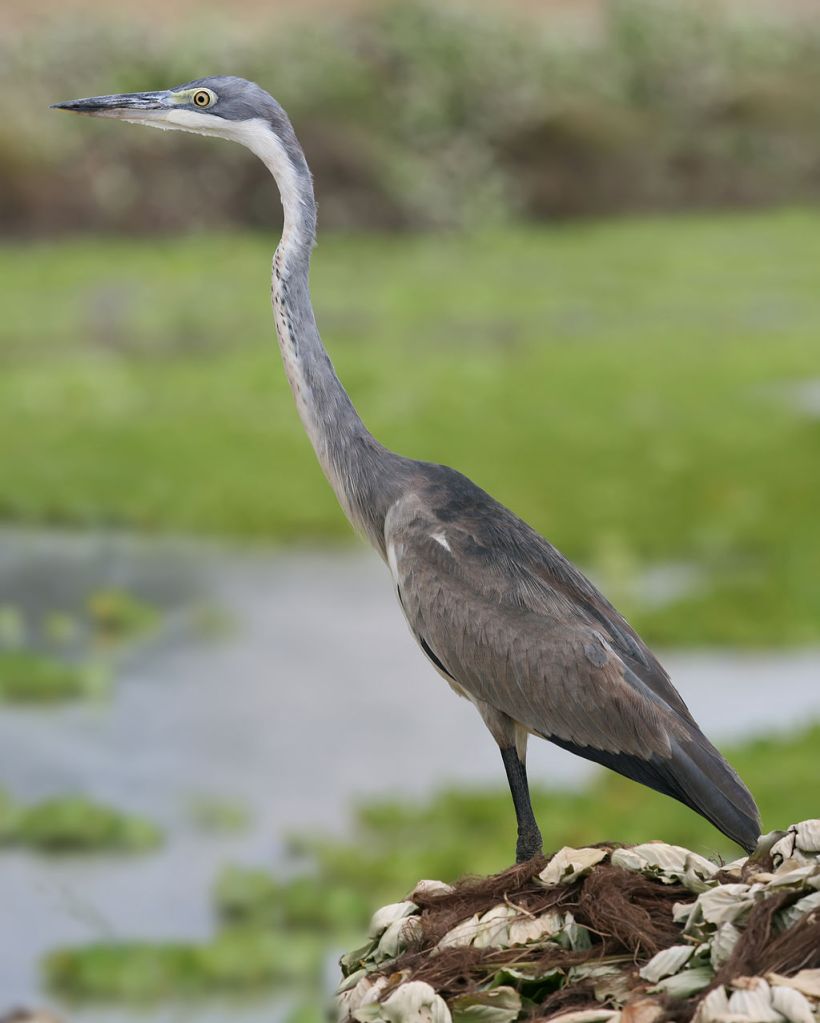
Let’s just say I have renewed respect for true birders – it’s harder than it looks. But I haven’t given up – looking forward to lesson #2.
On our travel day from Lake Victoria, we crossed back into Kenya, then took a 25 minute flight to Maasai Mara National Reserve.

The landscape changed dramatically as we approached and then entered the Great Rift Valley.
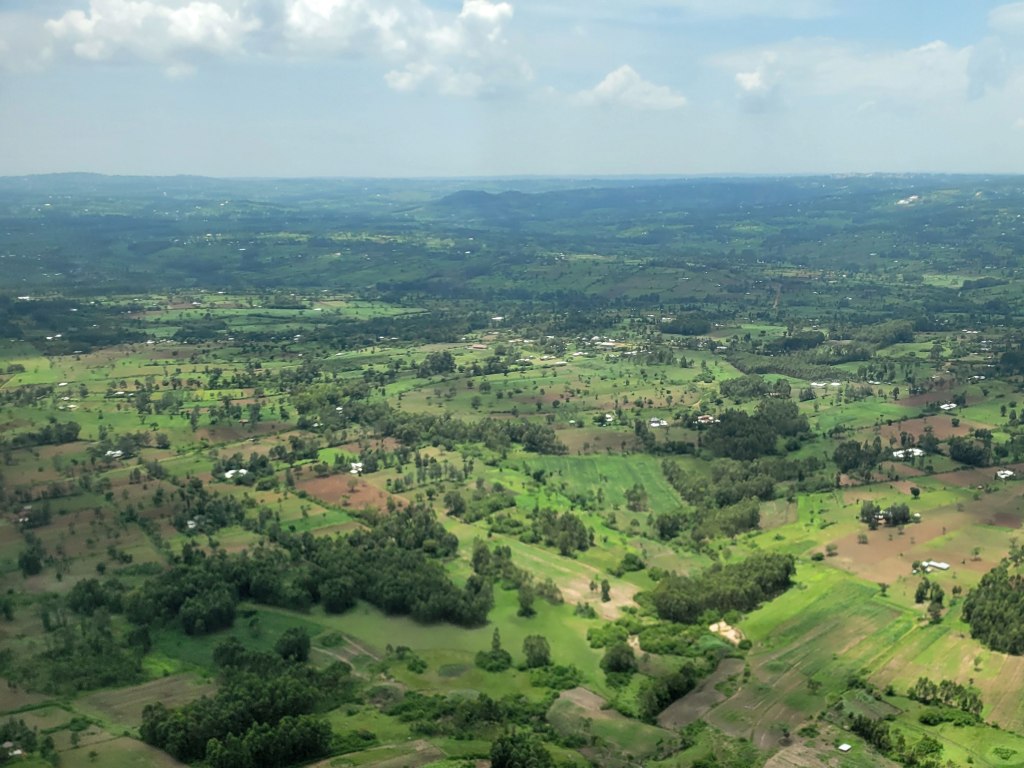

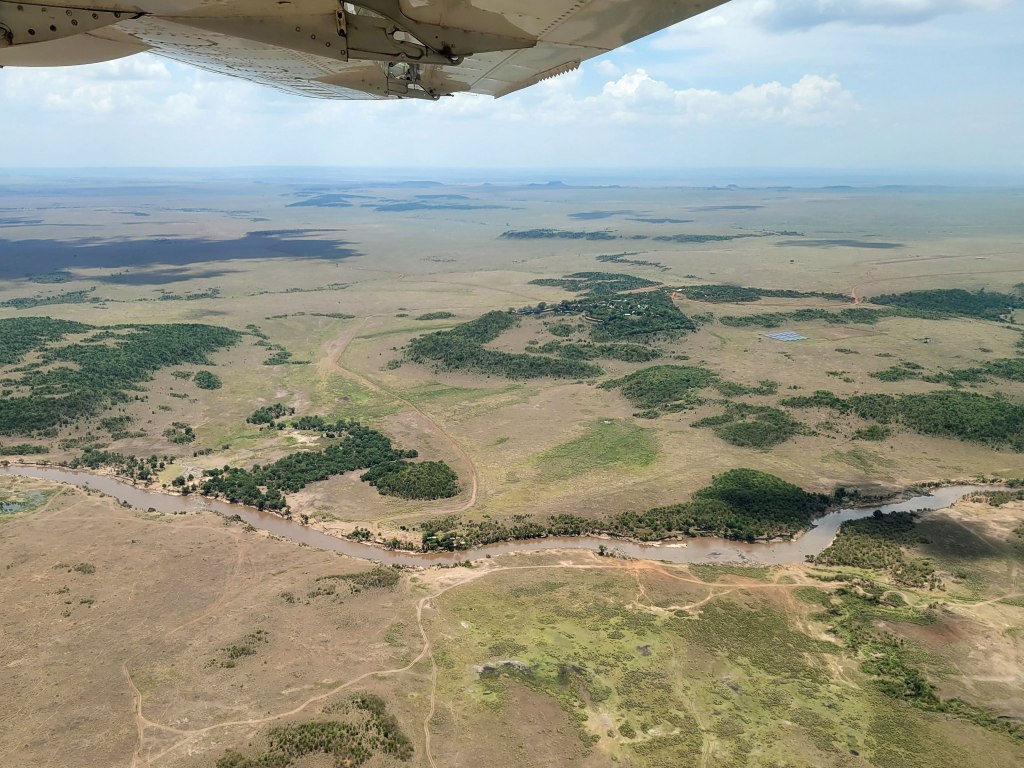
The scenery at Maasai Mara was much like the Serengeti – primarily savanna. And once again, we came upon interesting animal activities. First, we enjoyed watching this warthog family with energetic little ones.
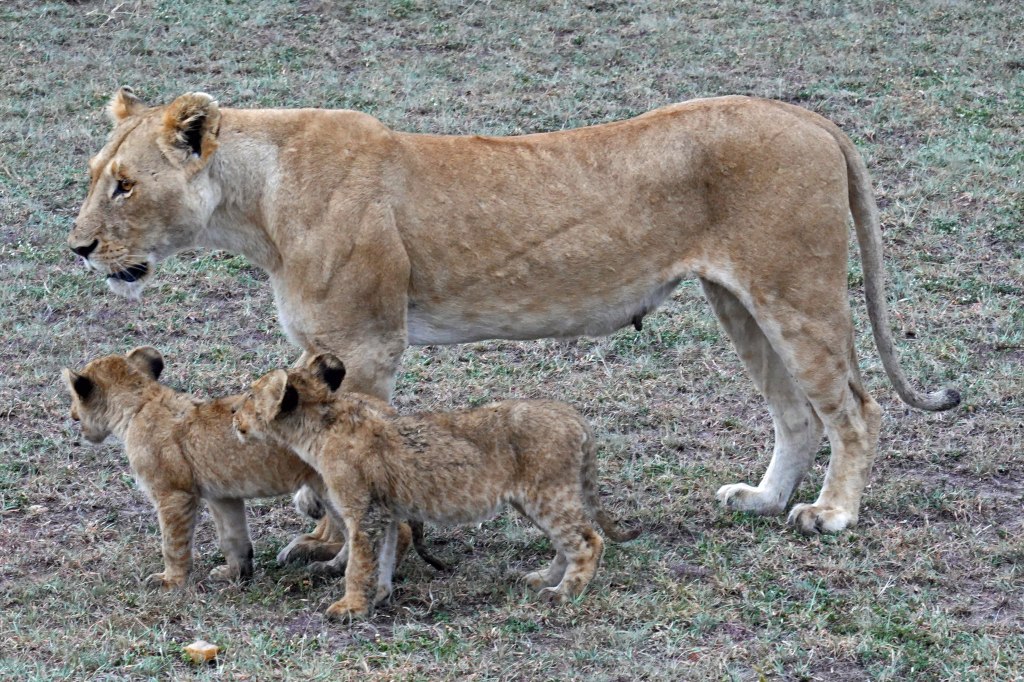
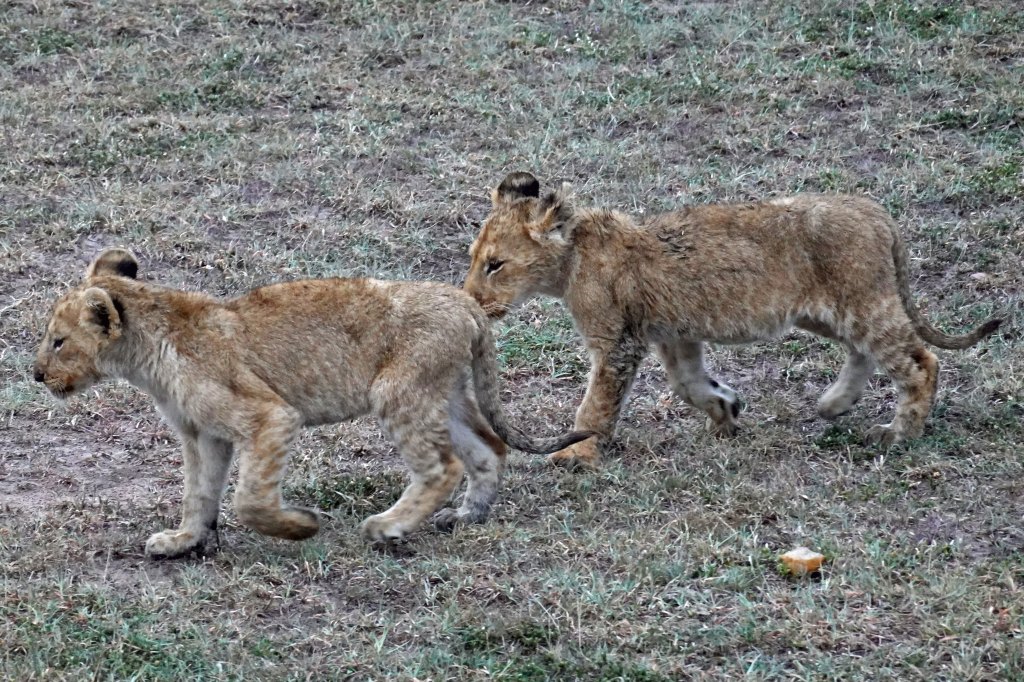
Then there was a mama lion (actually two) with two young cubs. So darn cute.
Third, our guide spotted two cheetahs meandering across a large open space – too far away to see without binoculars. Then they picked up the pace and seemingly out of nowhere zipped across the road right in front of our vehicle. It happened so quickly – no video, and the photos aren’t the best.
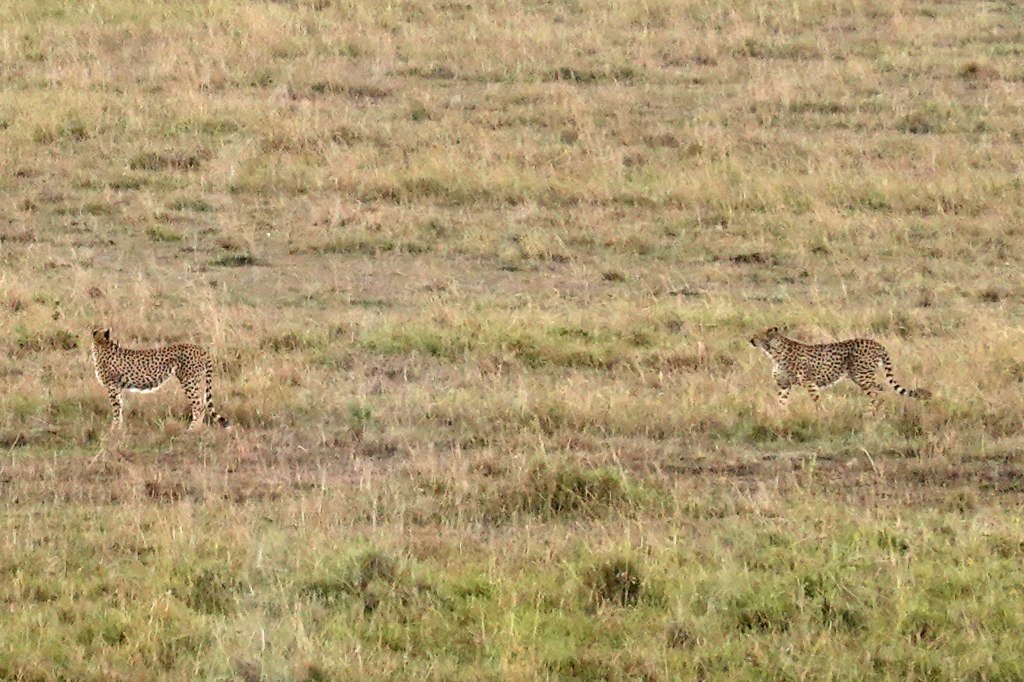

The drama was apparently caused by a predator lurking nearby. By the time we spotted the distant hyena, the rain was coming down hard, and it was tough to get a photo.
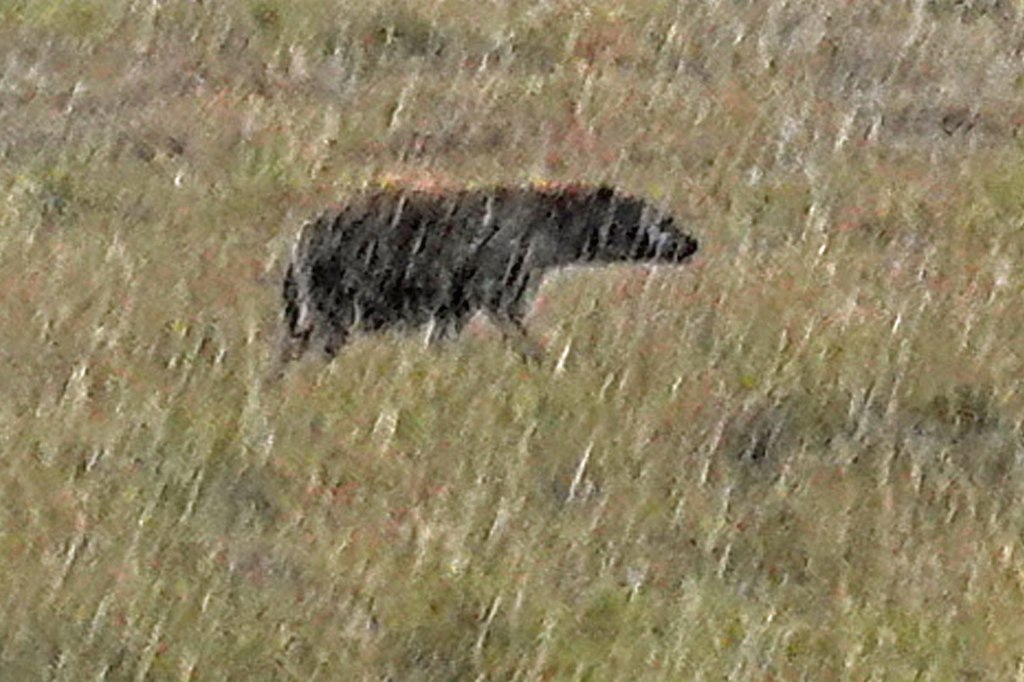
Finally, we happened upon a potential situation that didn’t materialize, at least while we were watching.


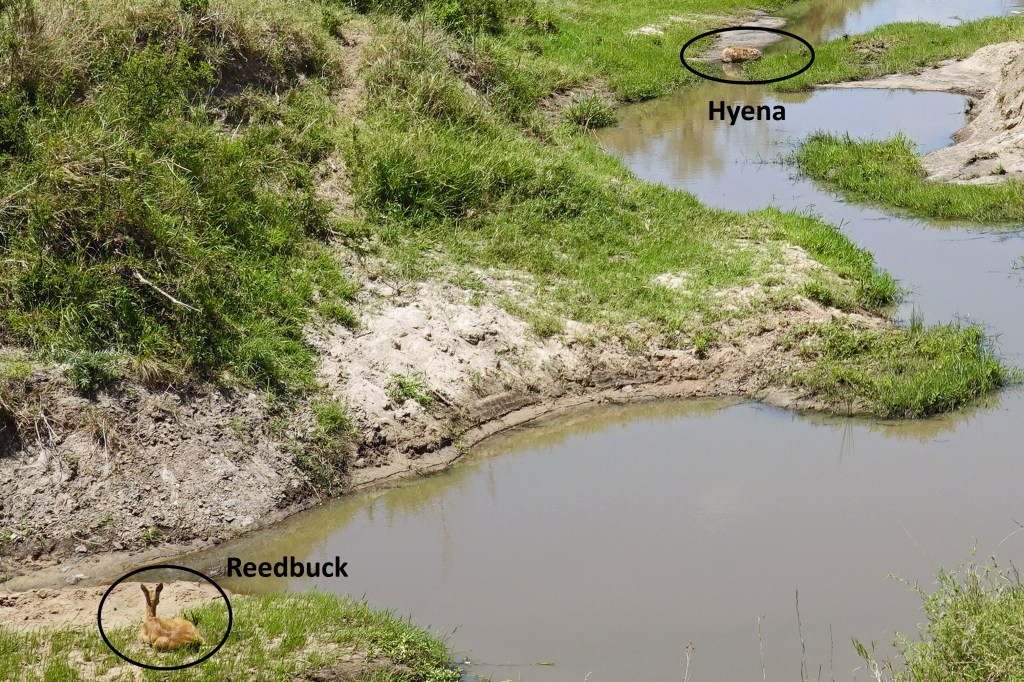
They seemed to be aware of each other’s presence but not concerned enough to move.
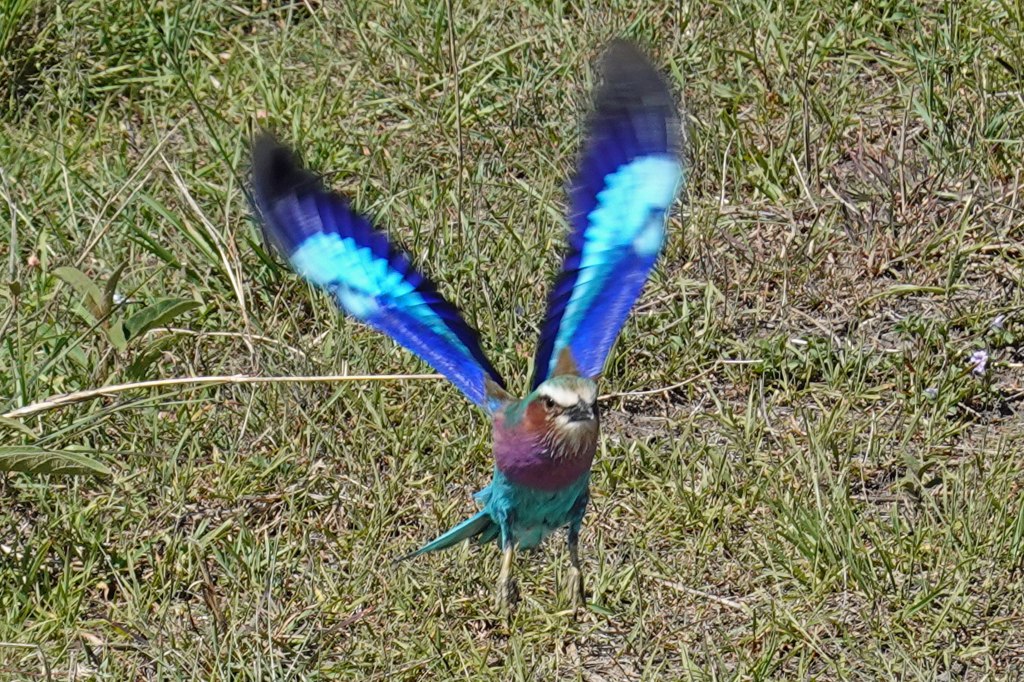
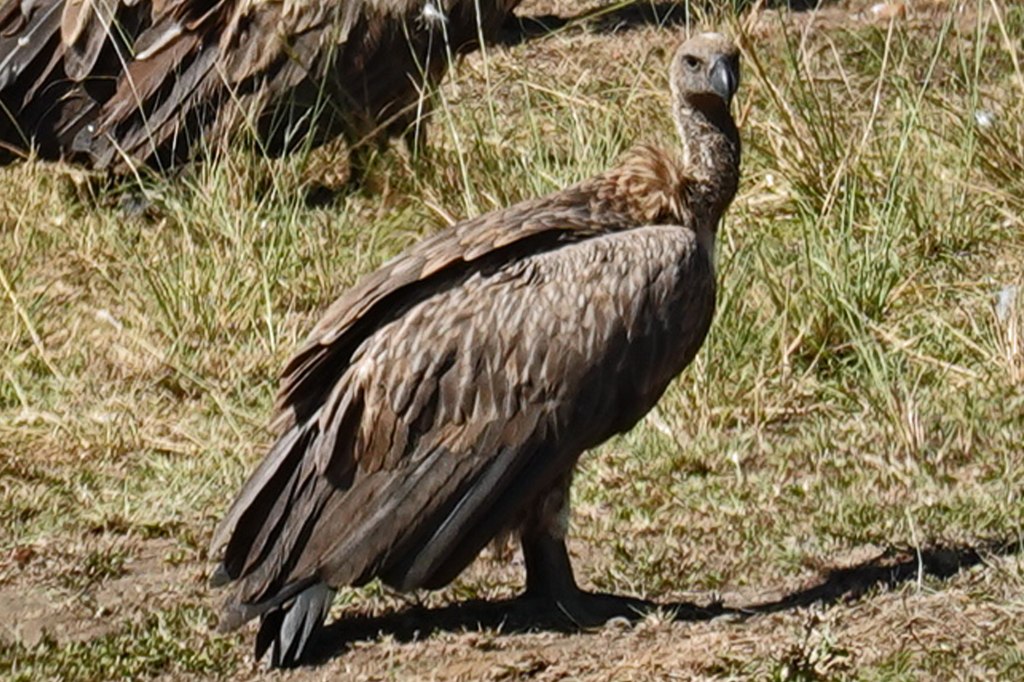
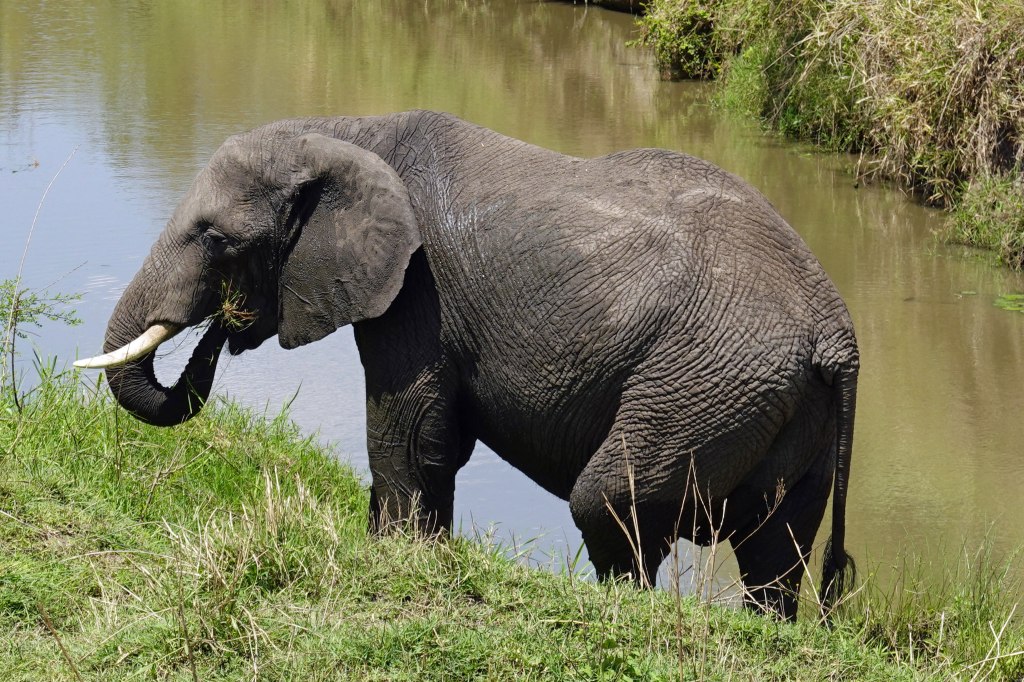
We spotted a number of new (to us) animals and birds.


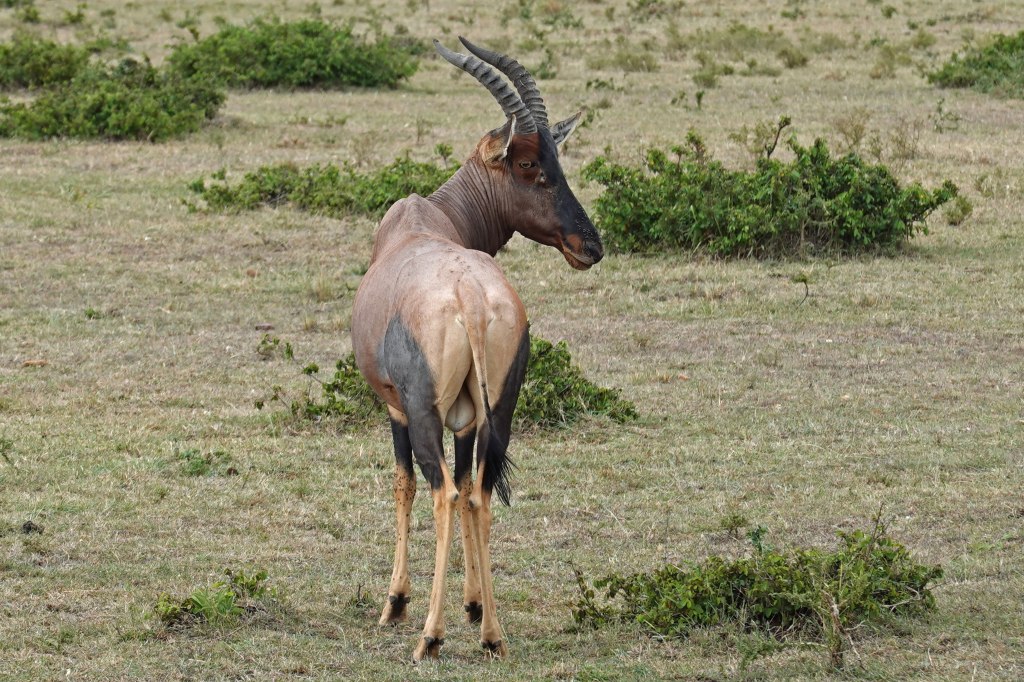


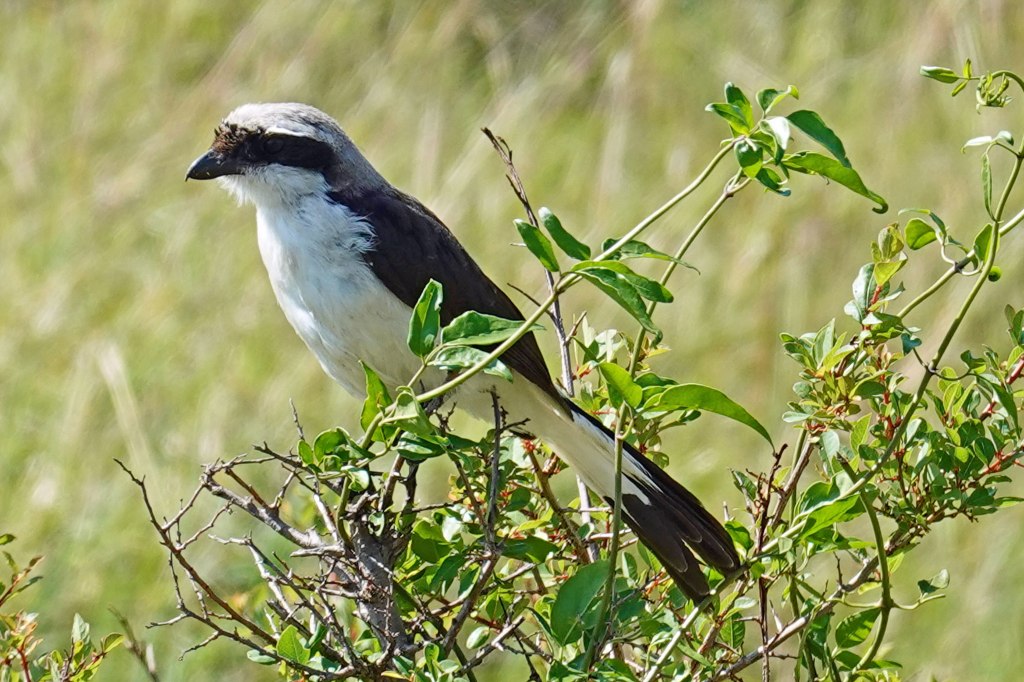
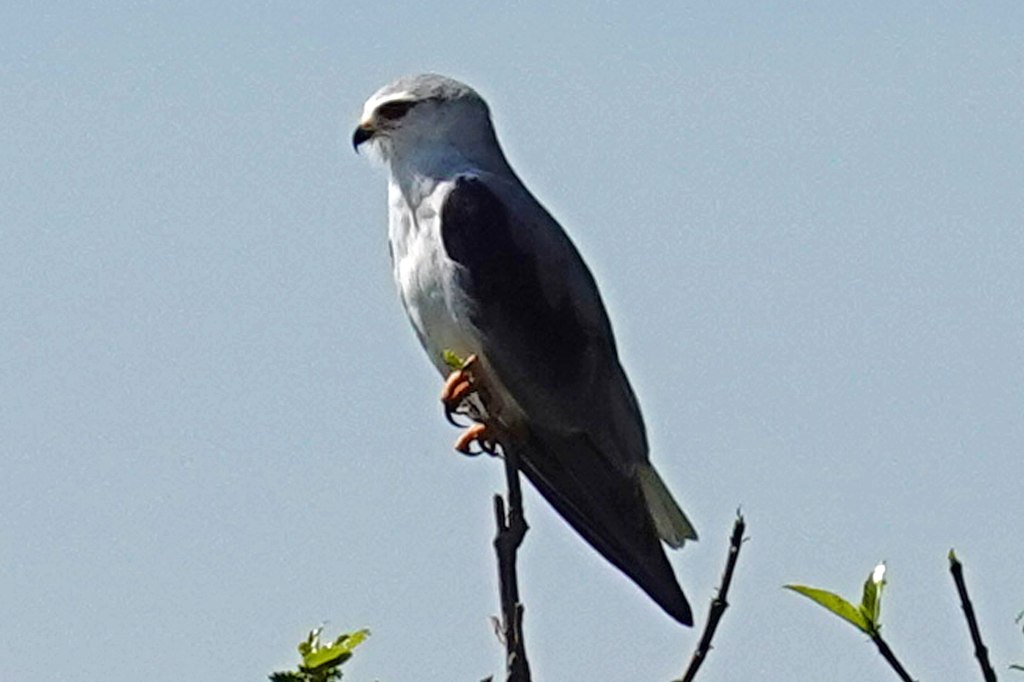

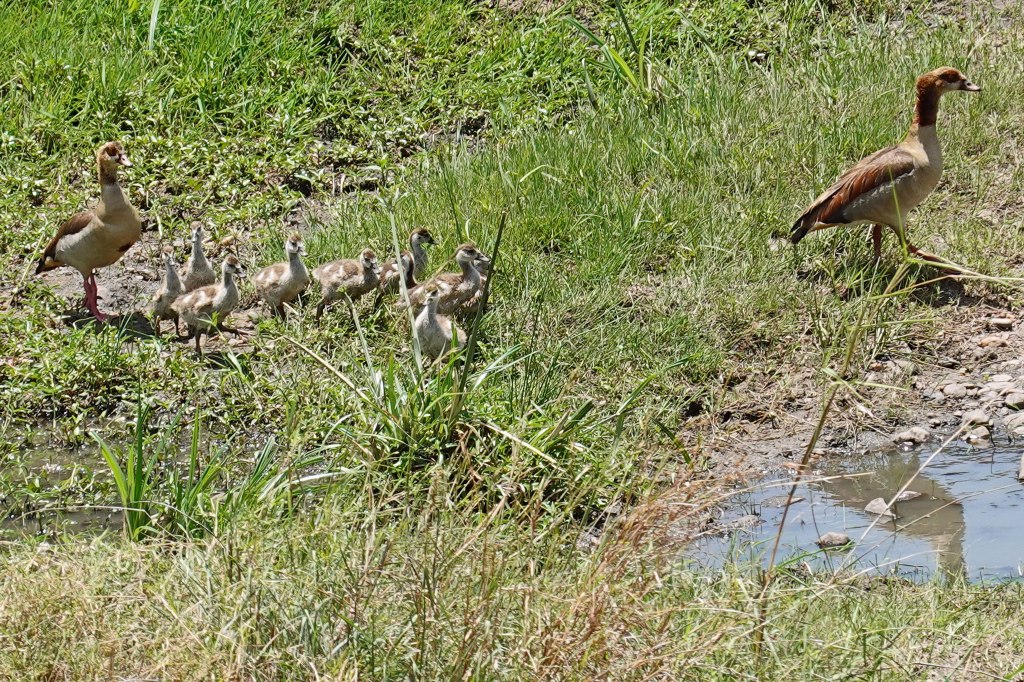
Back at Fig Tree Camp (our lodging for 2 nights), we added a couple more animals to the list.


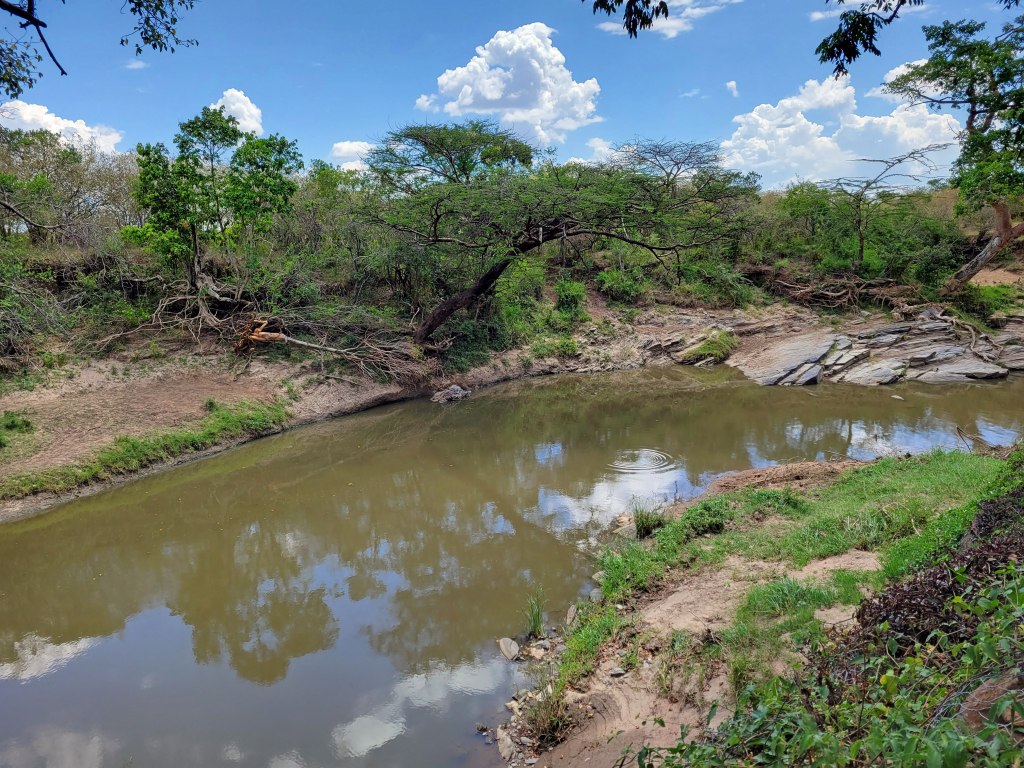
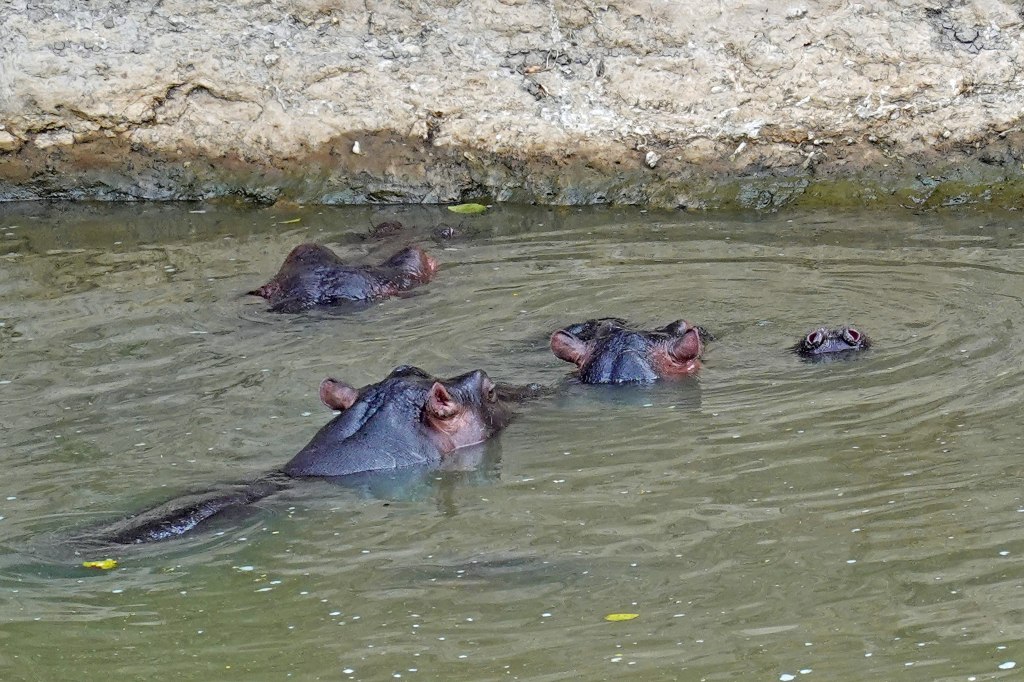
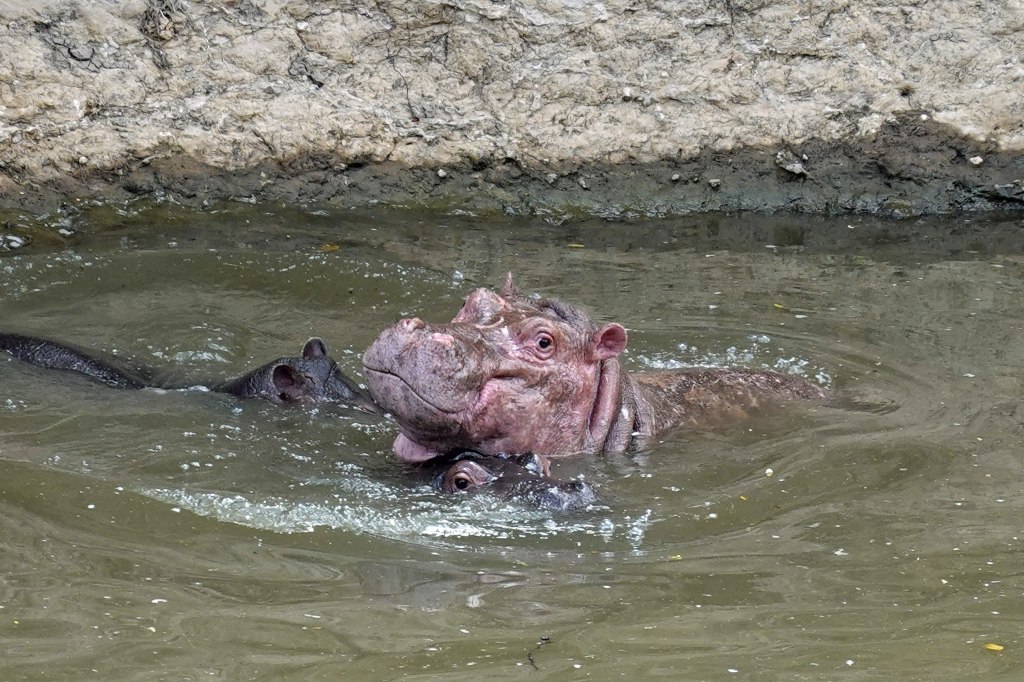
With 80 units (chalets and tents), Fig Tree Camp was the largest place we stayed and popular with families. Our chalet was situated on the bank of the Talek River, a daytime lounging spot for hippopotami. In the evenings, they raised a ruckus as they emerged from the water to forage for food.

Comprised of 580 square miles, Maasai Mara National Reserve is jointly managed by the local county government and the Maasai community. The southern border is adjacent to the Serengeti’s northern border in Tanzania.
Many safari guides (including ours) arrange a visit to a traditional Maasai village during their clients’ stay at the park. Much of our safari had been in areas where the Maasai population lives, so we were looking forward to the opportunity to learn, ask questions and take photos.

First, there was dancing – a LOT of dancing and singing. Note the beautiful jewelry!
We all got into the act eventually, but those videos shall remain out of the public eye. Dancing was followed by a visit to a private home and conversation with the chief’s son.
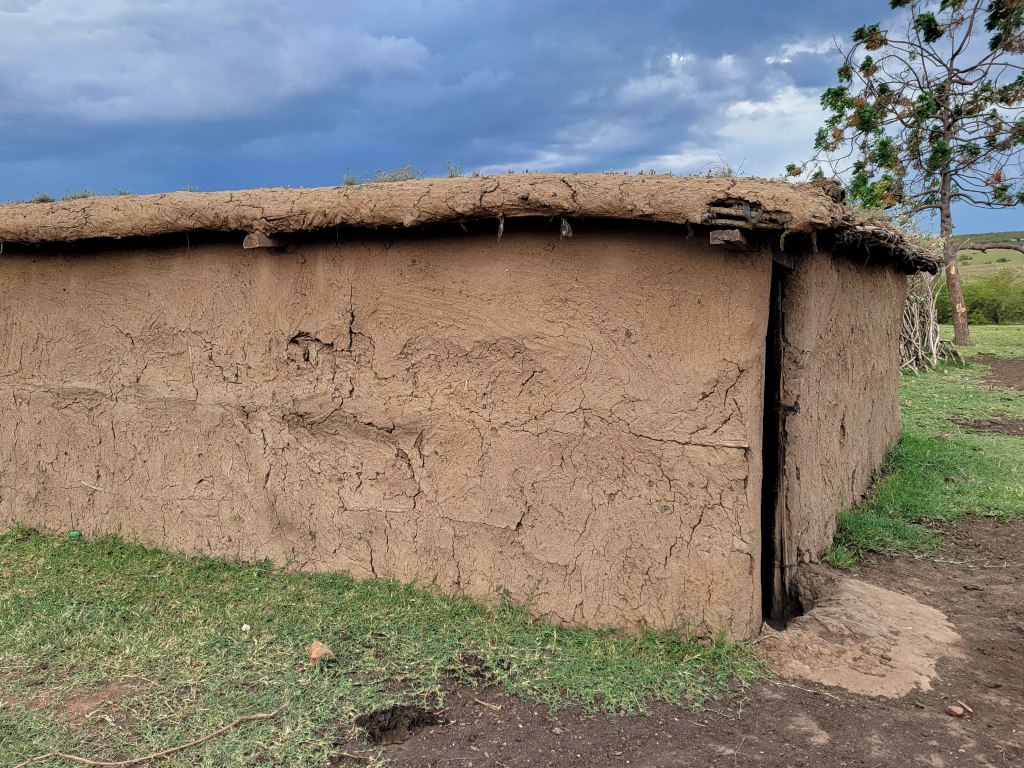
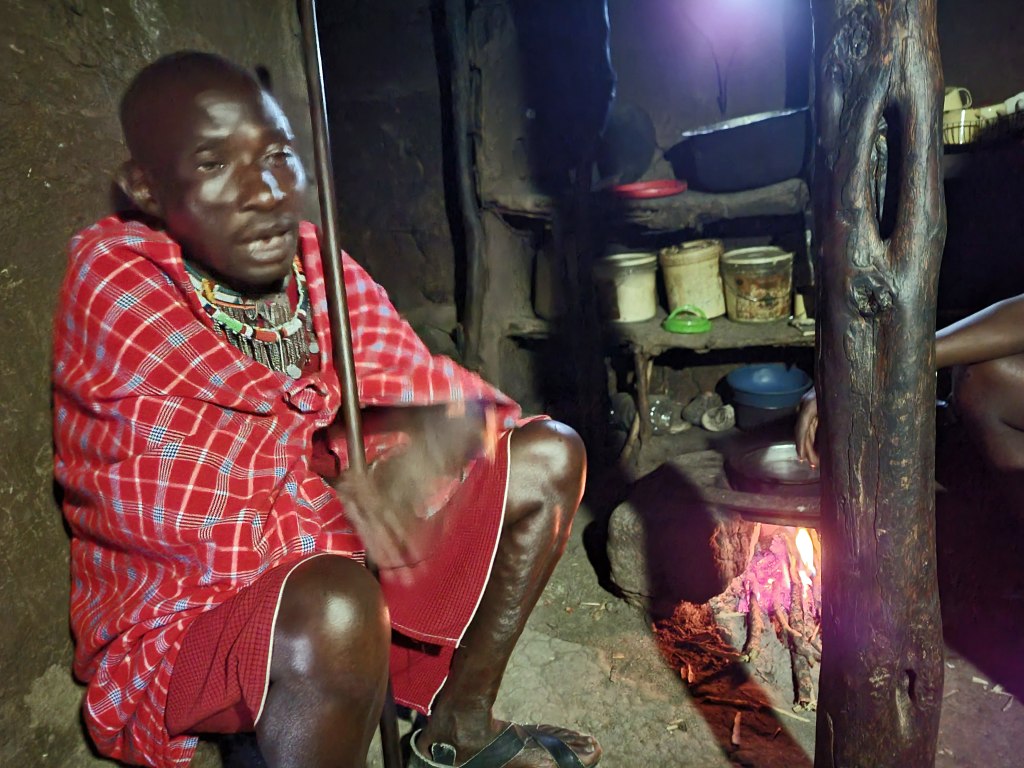
Then we watched several young men start a fire and ended with a visit to the gift shop (of sorts), where local women, seated on blankets in a large circle, proudly displayed items available for us to purchase.


The price was negotiable, sort of. Everything was overpriced, but we didn’t mind – it was a special opportunity to learn more about the Maasai people.
The total Maasai population in Kenya and Tanzania is ~1.3 million people. More than most other tribes, the Maasai have fervently held onto their culture and traditional ways. They are pastoral and semi-nomadic, herding cattle, goats and sheep as their primary means of food and income. In addition to other responsibilities, Maasai women create intricate beadwork a vital part of their culture, as well as a means of additional income.

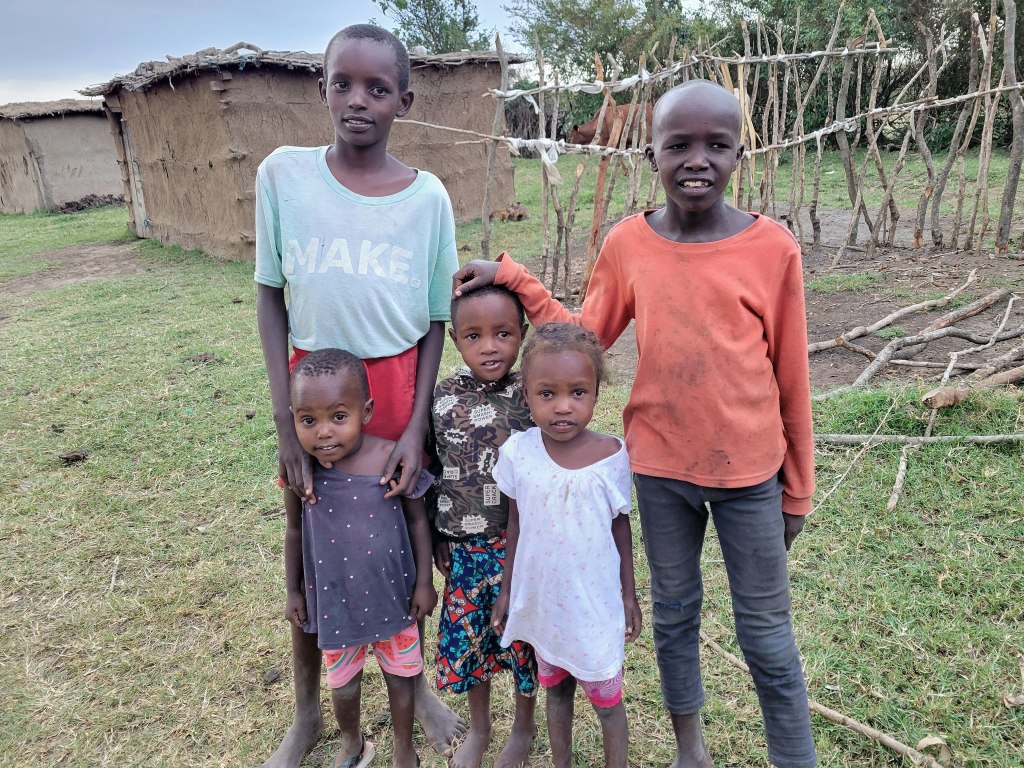
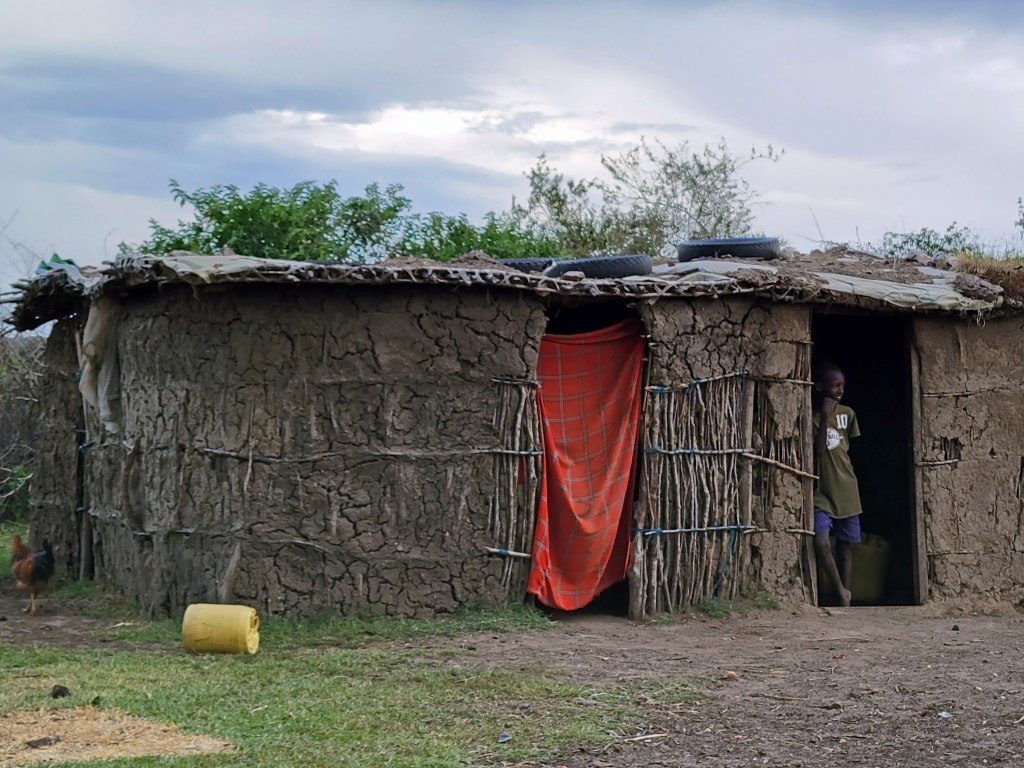
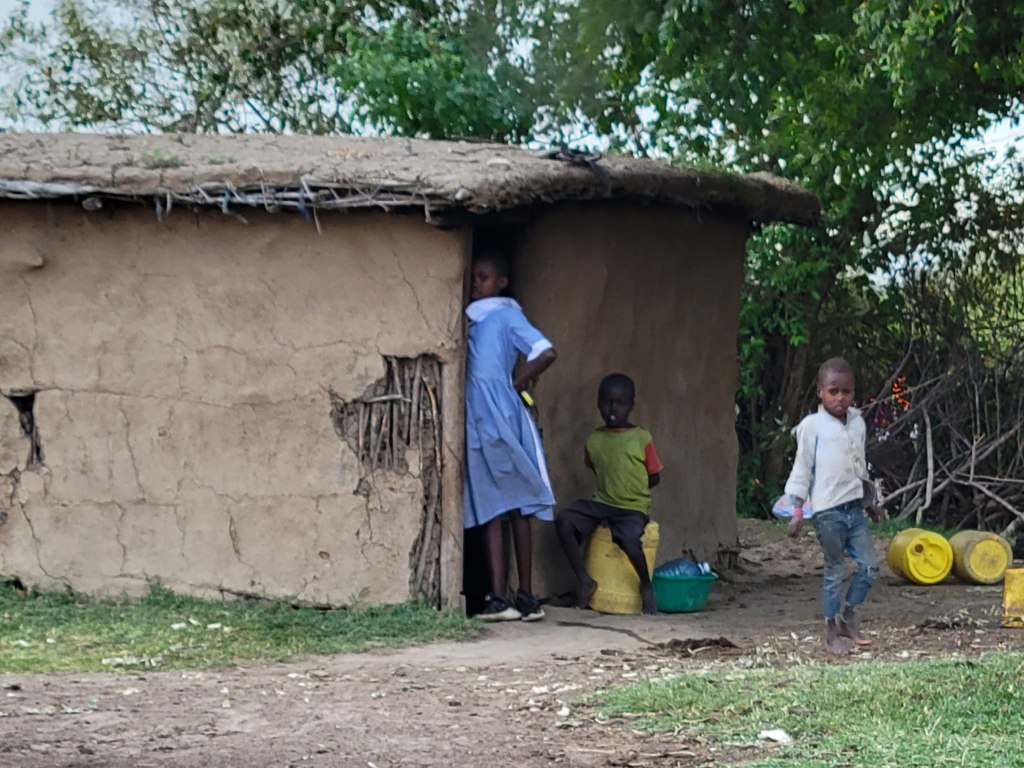
The Maasai are polygamous, and each family lives in a boma – a group of tiny mud huts arranged in a circle surrounded by fencing to ward off animal predators. Lacking electricity and running water, most families live completely off the grid, although solar power, water purification systems and even cellphones are making their way to these remote areas. School attendance is mandatory for children, and the village we visited had its own primary school.
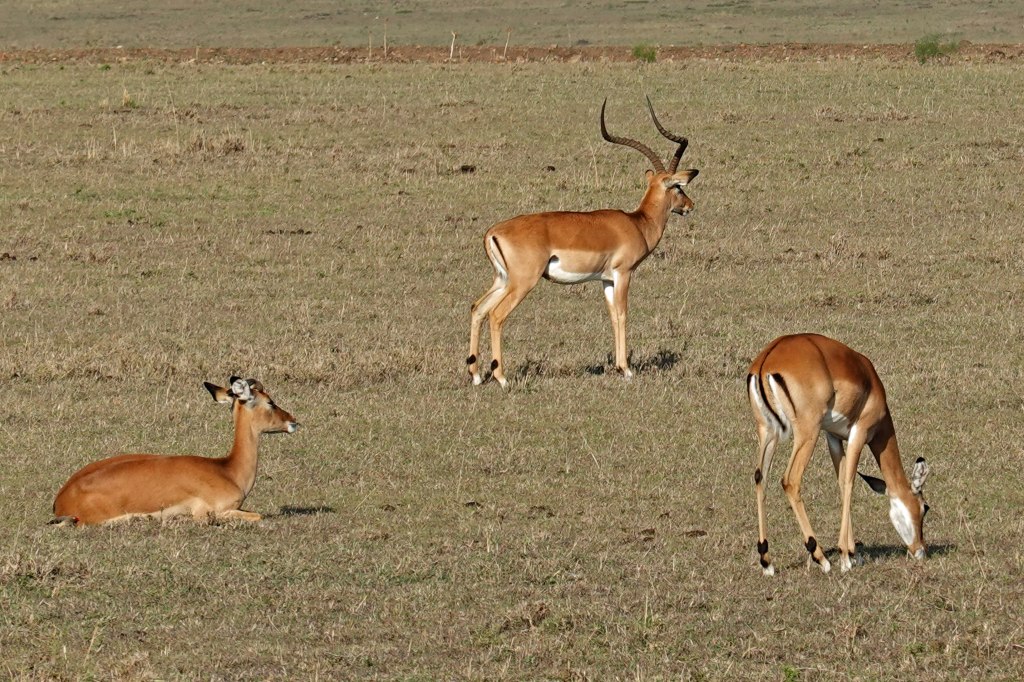
Back to the animals – here are some additional photos. No wildebeest or zebras to be seen, however.


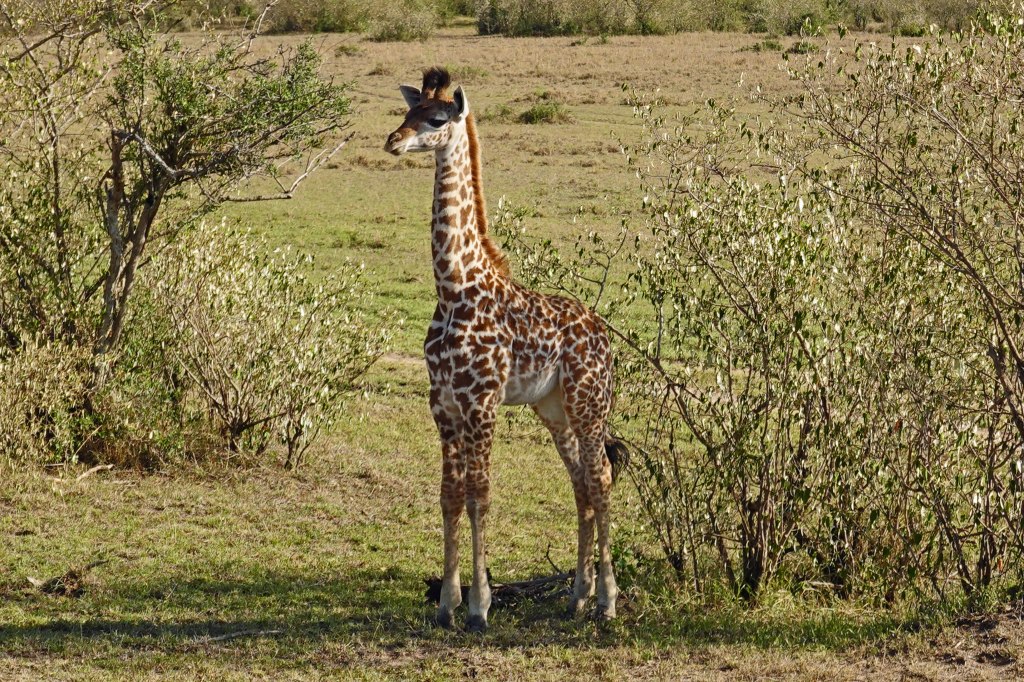
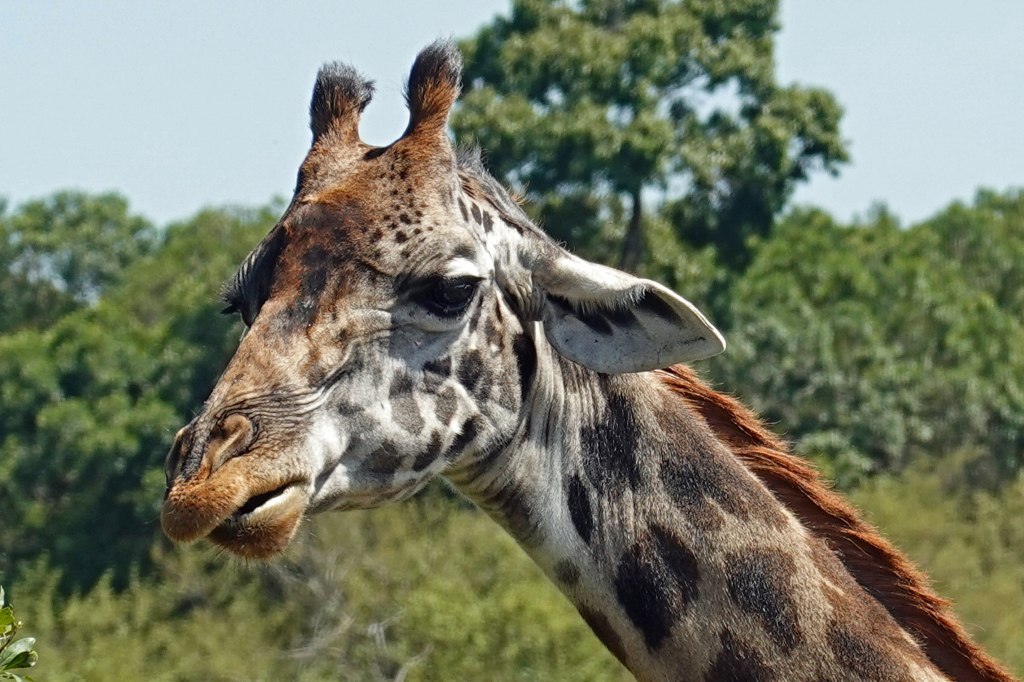
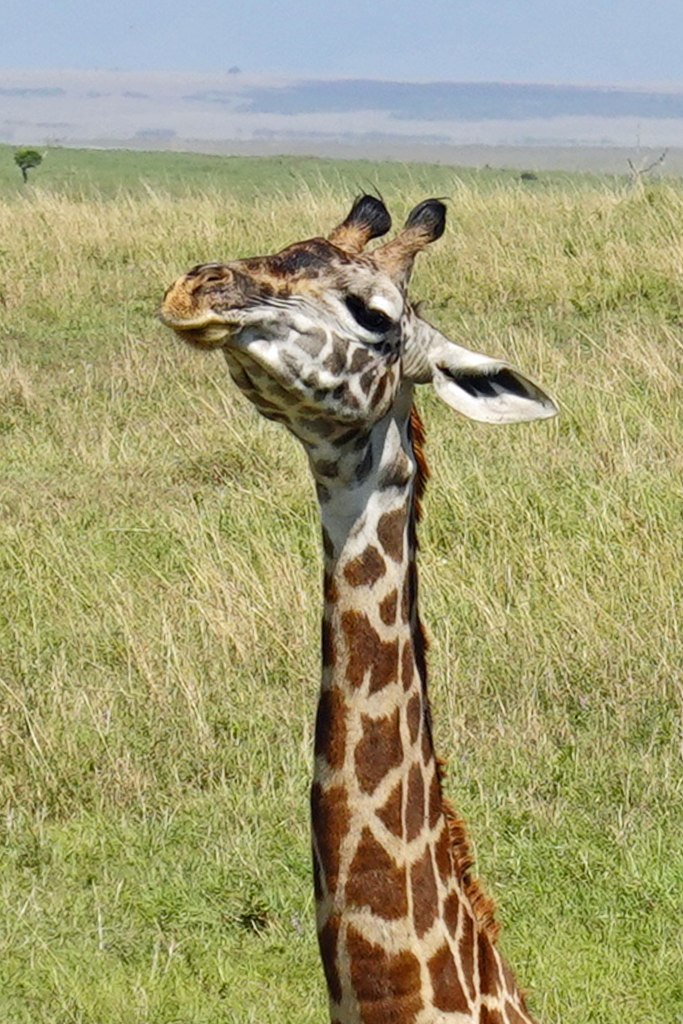
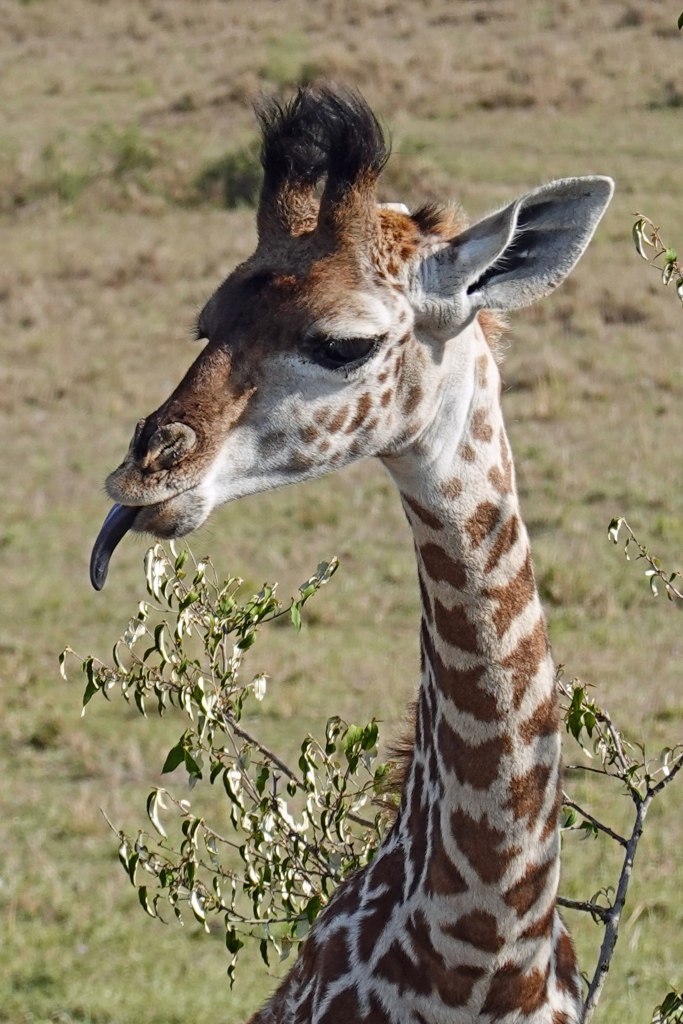
Here’s a special photo gallery of giraffes. Bill’s favorite.
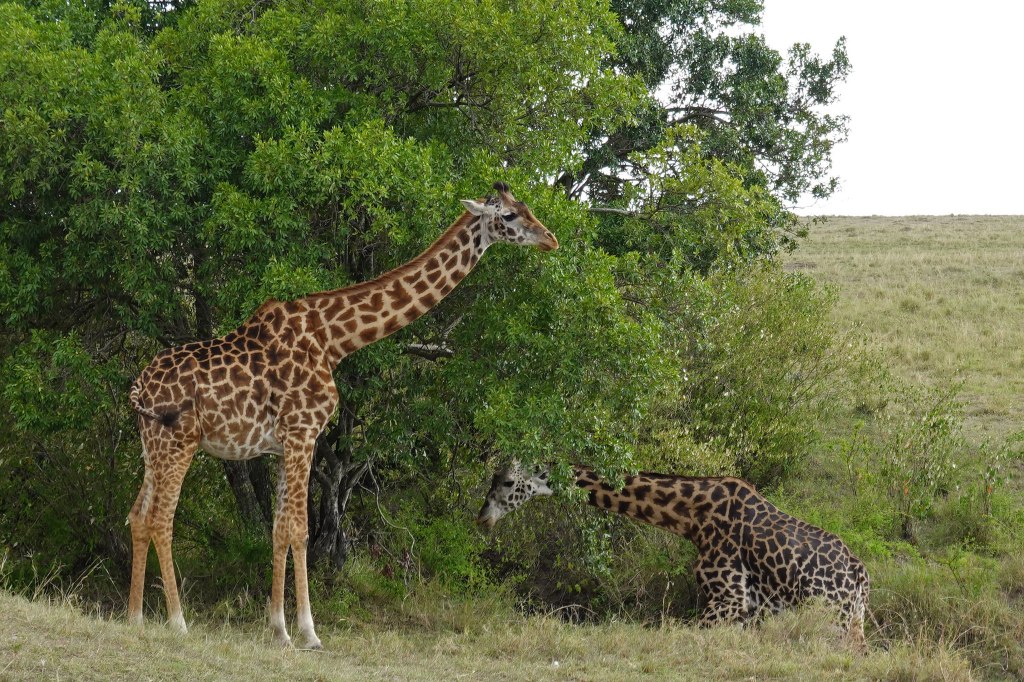




The peaceful giraffe in the video was the last wildlife we saw on our way to the airstrip, where we bid farewell to our excellent drivers and boarded the flight back to Nairobi. After 11 days but all too soon nonetheless, the safari was over.
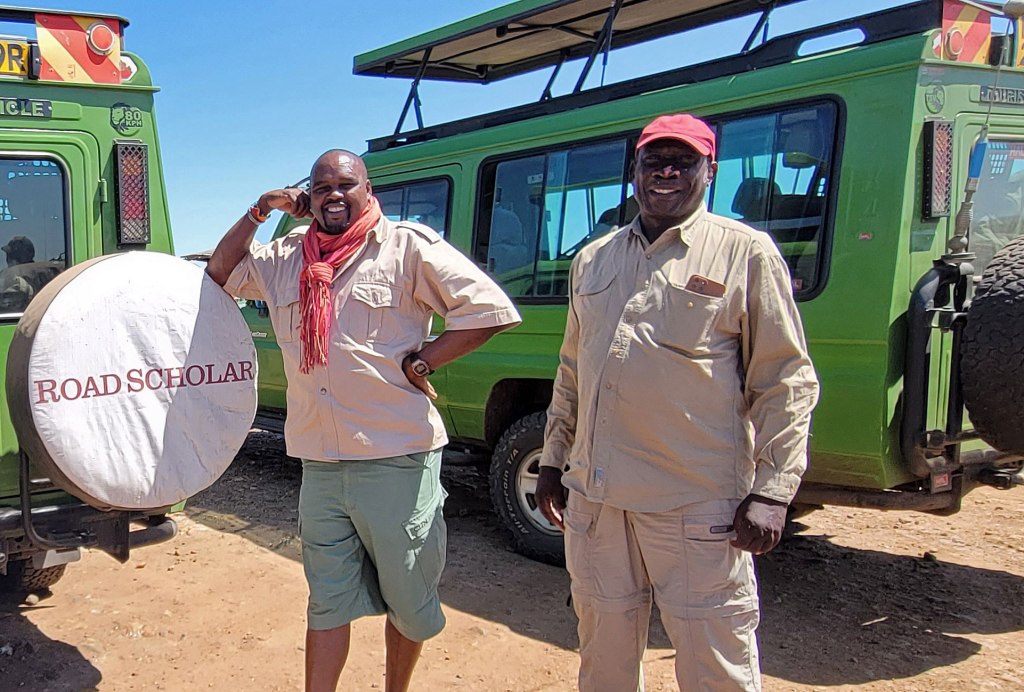

When asked before the trip why we wanted to do an African safari, my response was, ‘it’s all about the animals.’ As it turns out, that wasn’t true.
The animals WERE fantastic and even better than expected. But there was much more – the excellent Road Scholar itinerary, our super guide Kip, personal attention from all the lodge/tent camp workers and restaurant servers . . .

. . . enlightening cultural experiences, outstanding scenery, mouth-watering desserts, and importantly, the social aspect of traveling with a congenial group of like-minded folks.

Quick summary – how could our safari have been better?
- Not a fan of the name badges – seemed clunky and awkward 😎
- Would have loved to add a leopard to our list of animals 🐆 but super appreciative that our guides tried their best
- We should have signed up for the sunrise balloon ride at Maasai Mara!

And what were the best parts of the safari? Everything else!
Next post: Sight-seeing in Nairobi
If you would like to be notified when new articles are published, please add your email address below. Thank you!
Discover more from Just Passing Through
Subscribe to get the latest posts sent to your email.


 Just Passing Through
My oh my just got the email about you travels 🙂
Amazingly beautiful ! Thnx again for sharing all this with beautiful text and visuals 🙂
Greets from the Netherlands & safe travels
LikeLike
Greetings to you as well, and I hope things are great in your corner of the world!
LikeLike
Glad you were able to use the 3 pics!! Not the clearest but it was an interesting part of our trip. Enjoyed so much everything you posted and grateful for all the work you put into it. Labeling the pics certainly helps me remember every little moment and detail. Mucho thanks! Carol M
LikeLike
Your photos filled some gaps in my collection, so thank you once again!
LikeLike
What a terrific set of posts to tell a story! Loved the baby warthogs.
LikeLike
I know – they were adorable!
LikeLike