Before moving on to our recent excursions in the Maritime Provinces of Canada (spoiler alert: ⭐⭐⭐⭐⭐), I want to finish sharing our Pura Vida experiences in Costa Rica from a few months back. In this overdue final chapter, we visit a laid back beach town and a vibrant big city, with a couple of interesting day trips along the way.
A quick recap of our trip – three weeks, six primary destinations and four previous blog posts.
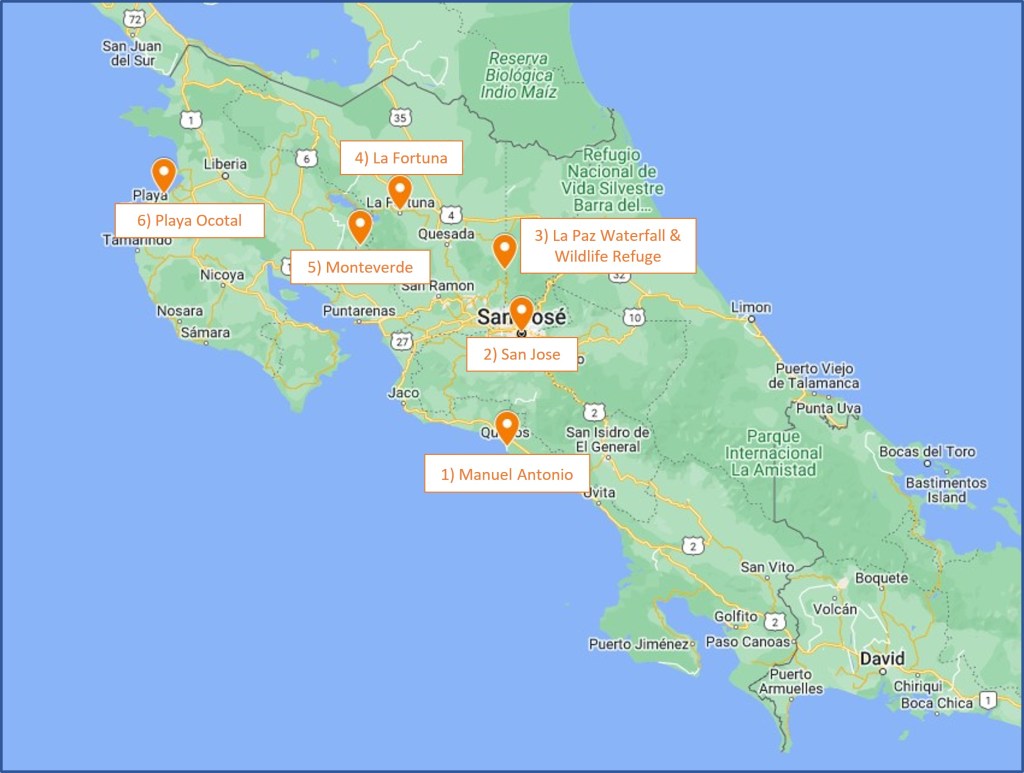
Click on a link if you want to catch up:
- January in Colorado? Or Costa Rica?
- La Paz Nature Park & Wildlife Refuge – A Costa Rican Treasure
- A Volcano, A Waterfall & A Pair of Lost Shorts in La Fortuna
- There’s Something Special about Monteverde
And now, the rest of the story. . . .
Four Nights in Playa Ocotal
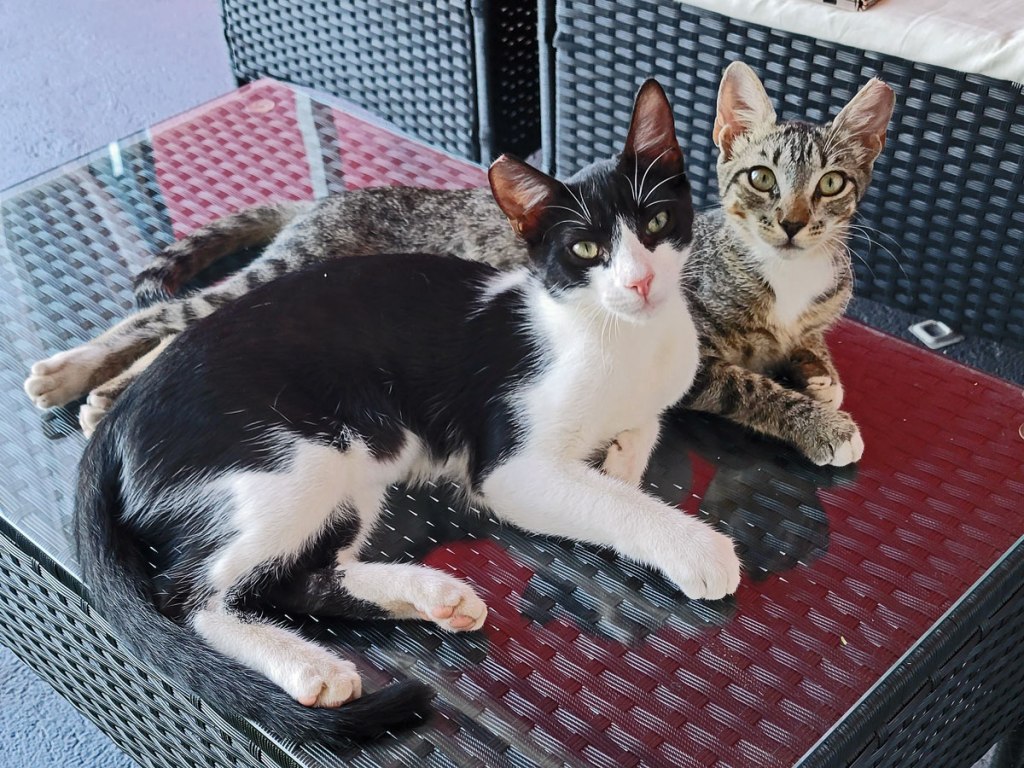
A winter vacation in Costa Rica would surely be incomplete without a few days at the beach. From an abundance of options, we chose Playa Ocotal and were delighted that our lodging featured a spectacular view, a pool ten steps from our lanai, two resident kitties, and howler monkeys. We loved it!

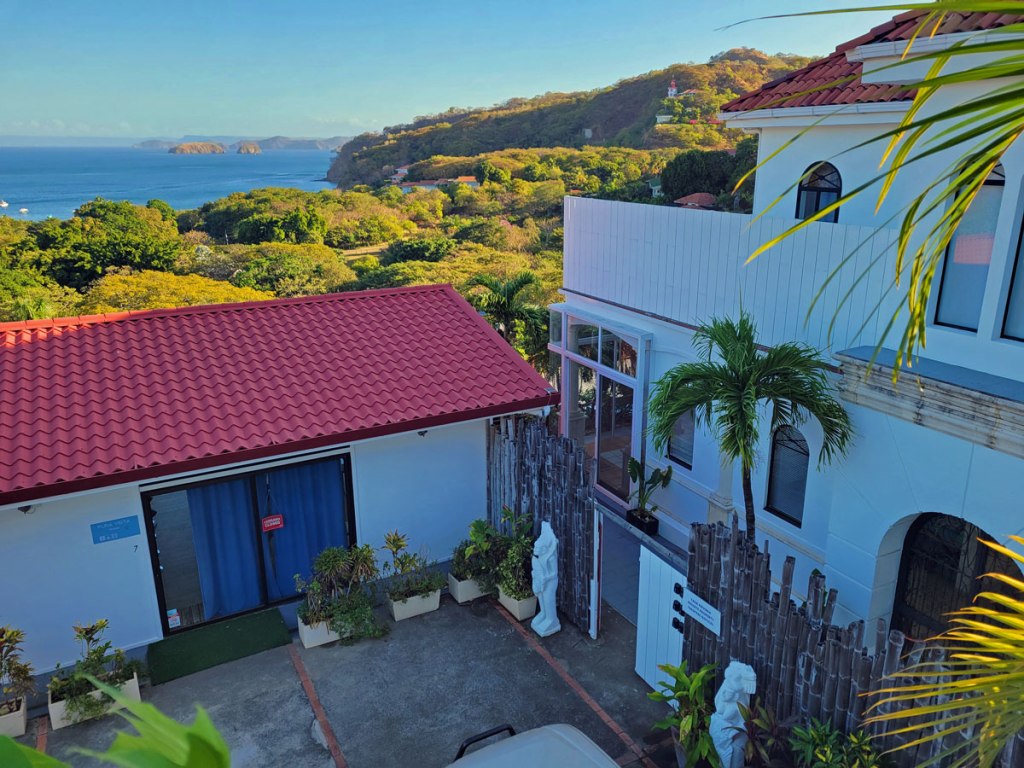

We loved it for about 10 minutes, that is, until we realized how isolated we were from certain amenities, such as food. With no wheels, no phone, no Ubers, and no on-site host, we seriously considered finding another place to stay. But that view!
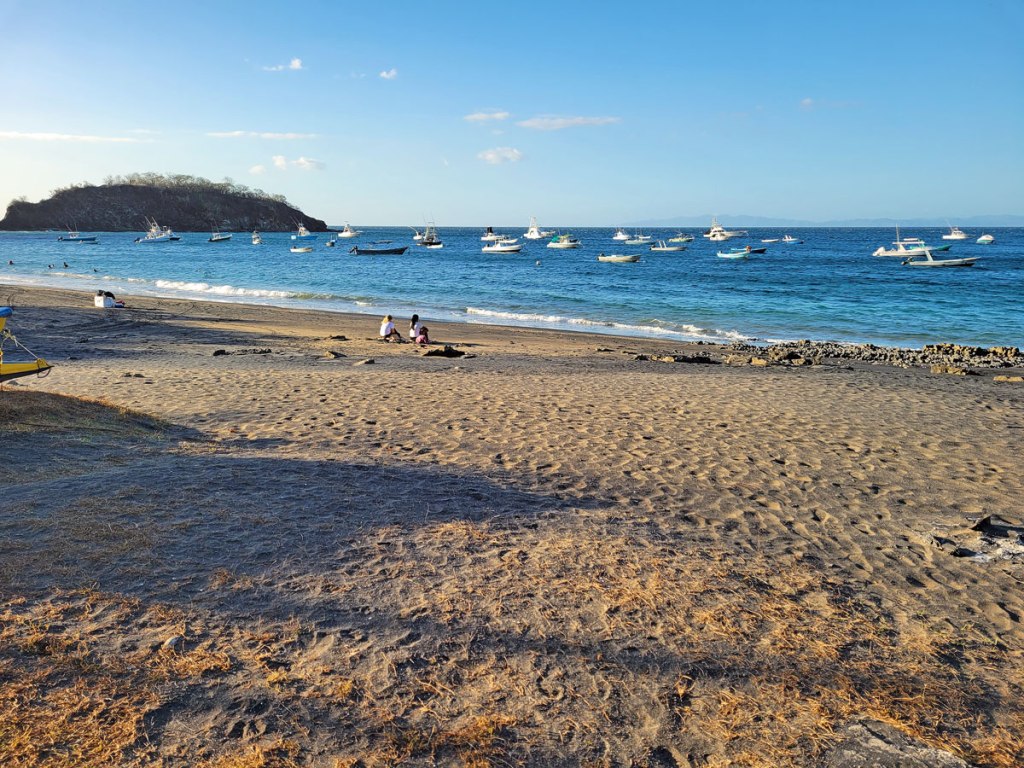
So we decided to ponder our options (we ended up staying) while checking out the beach and the only restaurant within walking distance, Father Rooster, about a mile away.
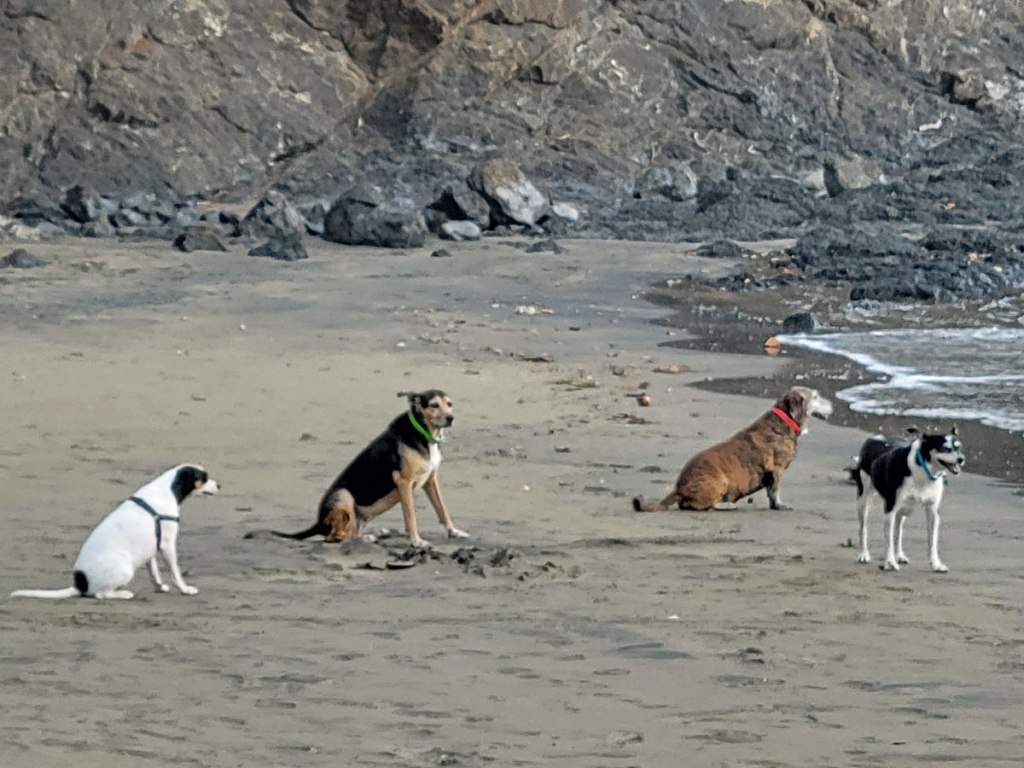
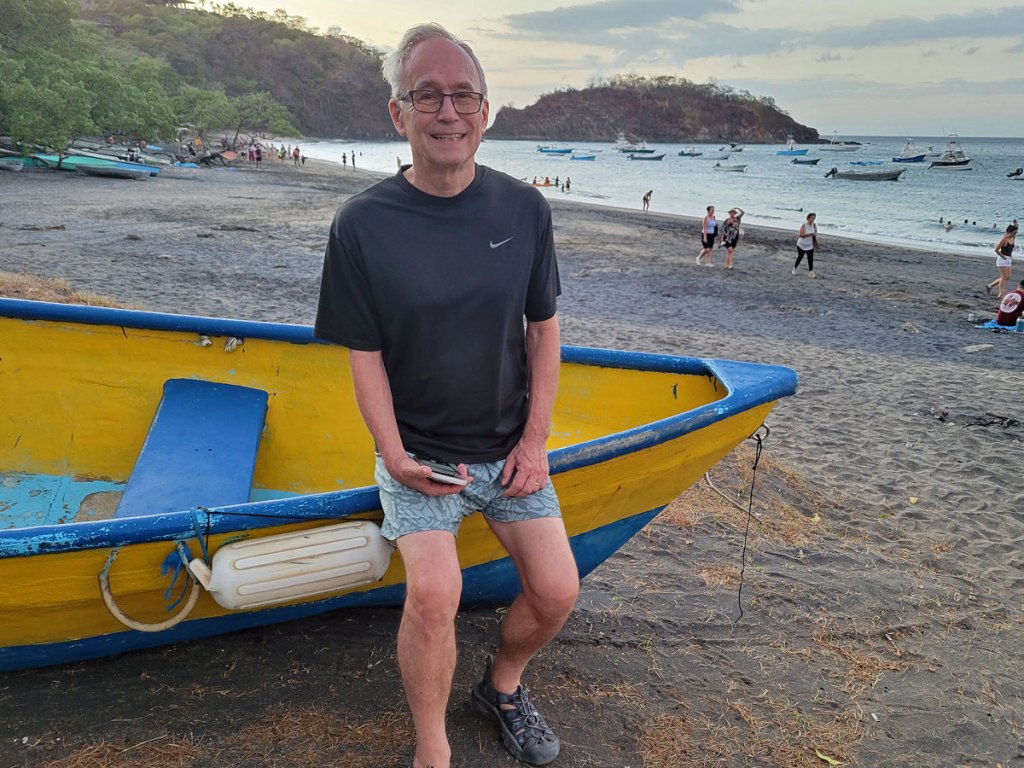
The beach was disappointing – OK for walking on the sand and dipping toes in the water but not much else. No beach umbrellas, no amenities and no shade.

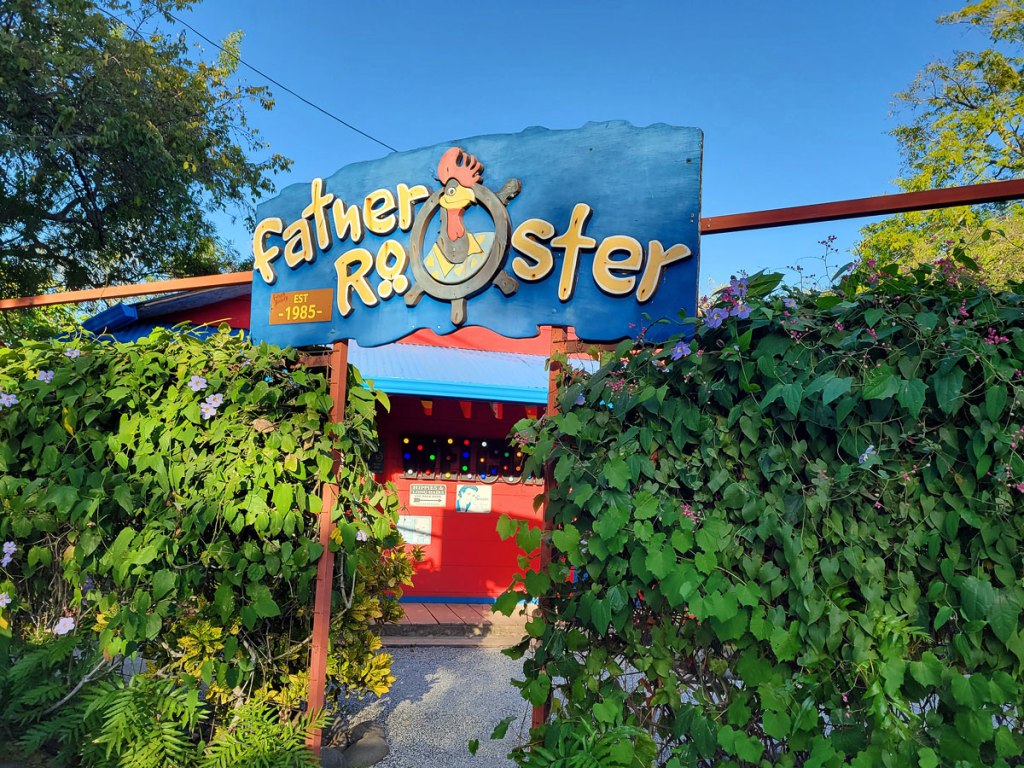
But Father Rooster was a winner! Wonderful food and cocktails, friendly servers and live music every evening.
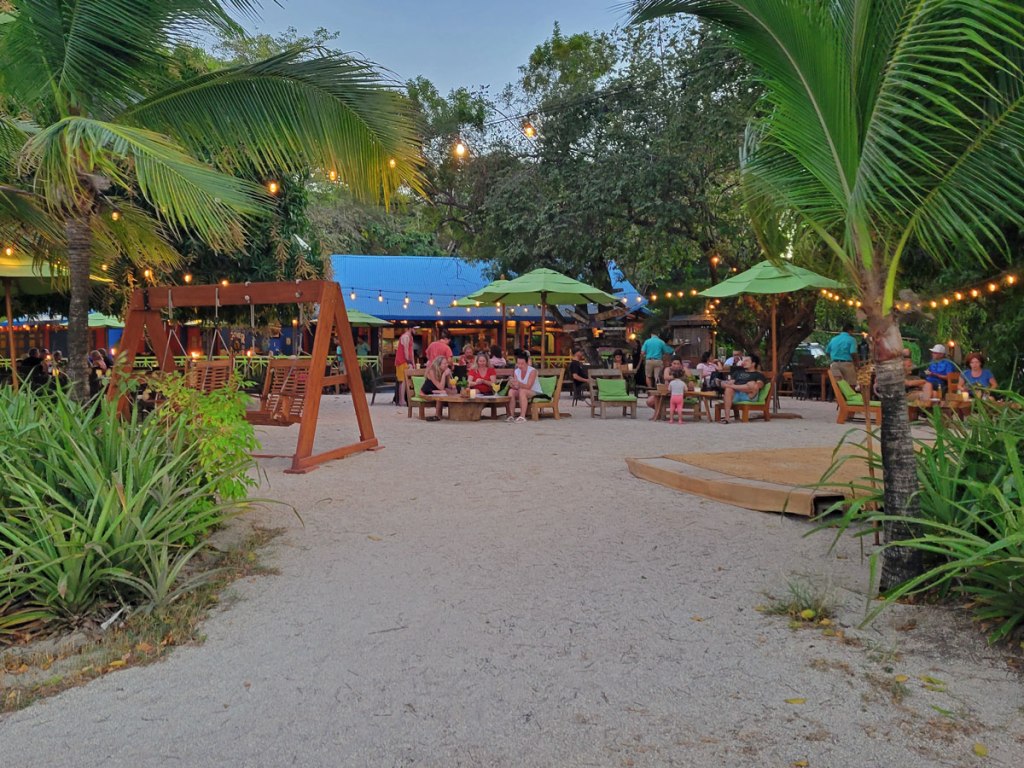


It was so good, in fact, that we returned two more times. Walking back to our villa afterwards, however, was a little dicey. A short but steep uphill trek in the dark on a narrow, lonely, unlit and twisting road with potholes galore, the occasional vehicle and who knows what type of critters lurking in the thick vegetation on either side. Pretty sure our children would not approve.
The next day we ventured into nearby Playas del Coco, one of the oldest beach towns in the country and a commercial hub for water activities – sport fishing, scuba diving, kayaking and the like.
Although a popular magnet for visitors and North American expats, the town didn’t feel like a tourist trap. No high rise hotels or fancy shops. The vibe was laid back and unpretentious. Chickens and roosters on the streets. Colorful parrots in the trees. Local vendors selling their wares. In hindsight, we should have stayed in Coco.


Google told us it was a 2.5 mile walk from Ocotal to Coco, but the suggested route didn’t exist in real life. Backtracking and changing course added an extra mile, which may not sound like much, except it was super hot and muggy, and these seasoned hikers neglected to bring water. Good grief! We stumbled into the first restaurant we found and were revived by delicious food and copious amounts of water.
After lunch, we enjoyed exploring the beach and local shops but weren’t keen on walking back (uphill) to our villa. Somehow, we secured a ride with the ONLY Uber driver in town. Officially, “Uber is technically illegal in Costa Rica, but it operates through a de facto legal framework with government taxation,” whatever that means.
After just 1-1/2 days of “beach” time, we were ready for something different and booked a couple of day trips in the area.
Day Trip #1: Giant Iguanas and Handmade Pottery
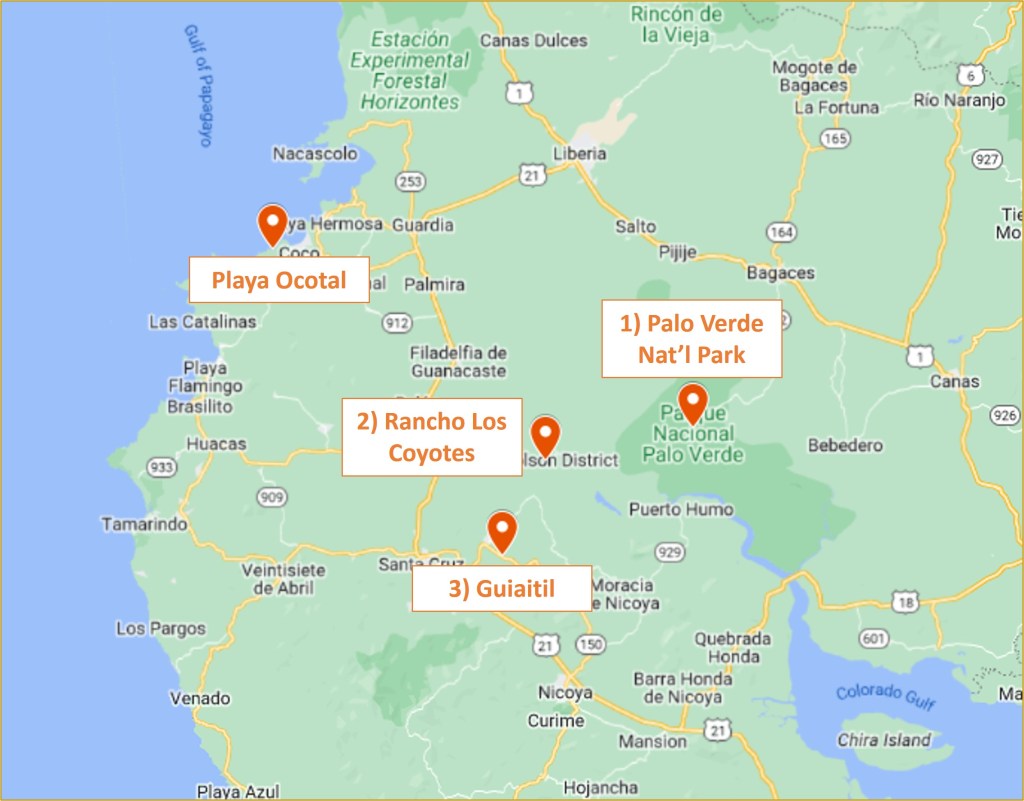
A fun day filled with new experiences, starting with a boat ride on the Tempisque River in a wildlife refuge adjacent to Palo Verde National Park, followed by lunch at Rancho Los Coyotes. The third leg was a visit to Guiaitil, an indigenous village with artisans that create amazing pottery.
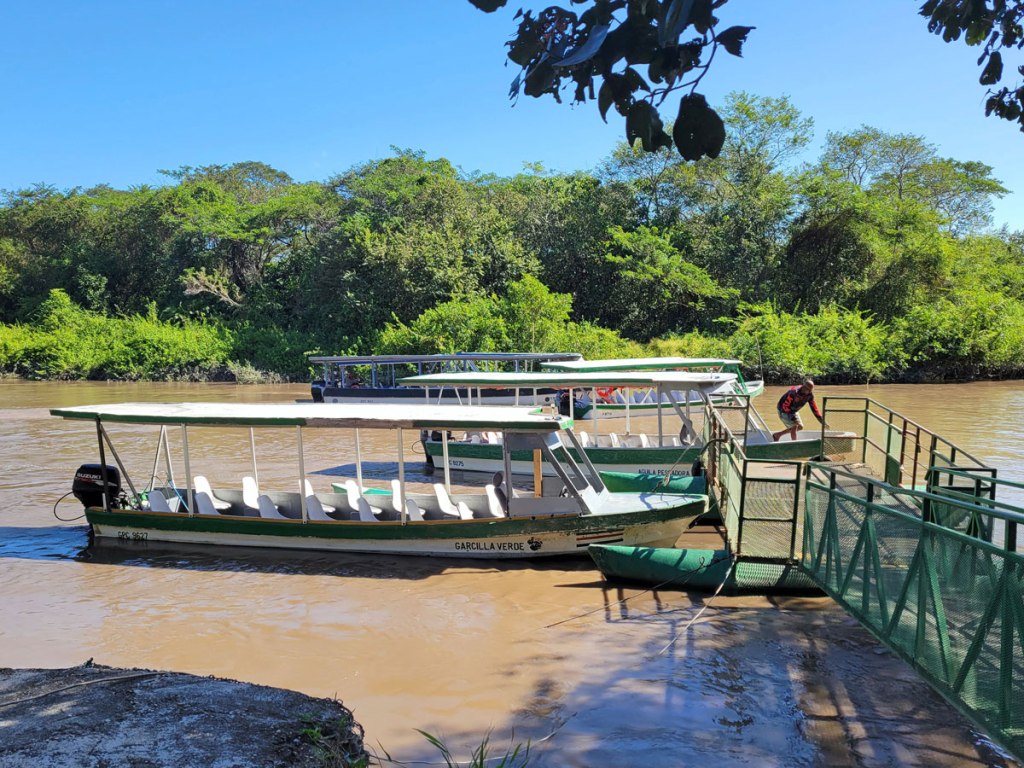
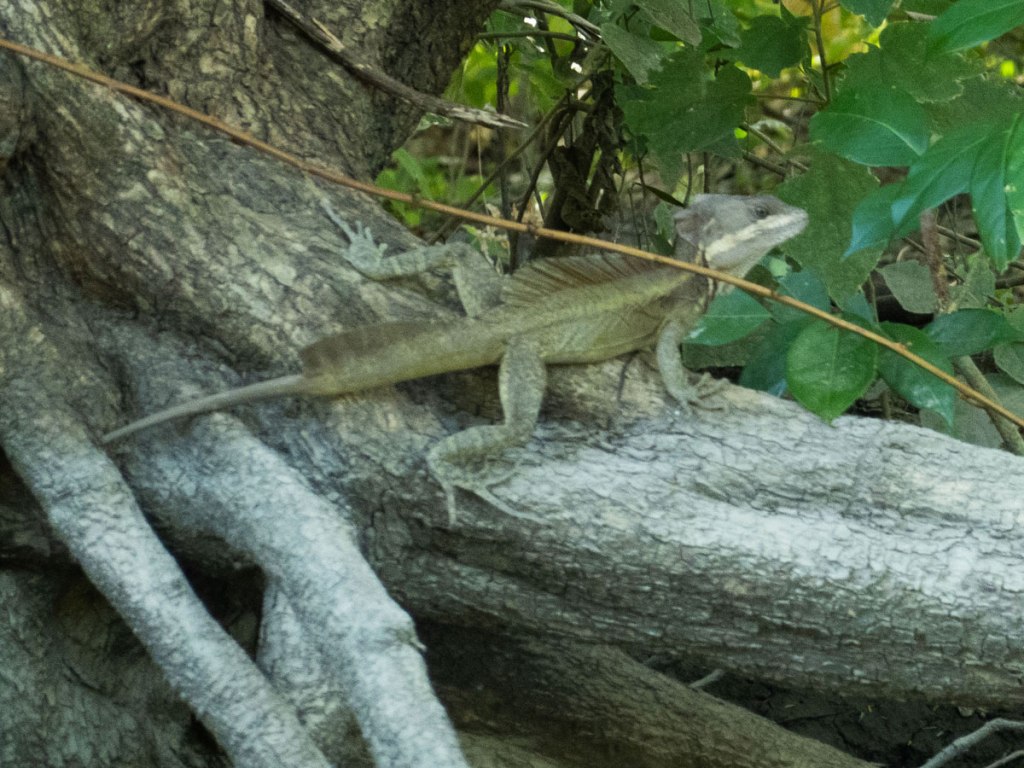
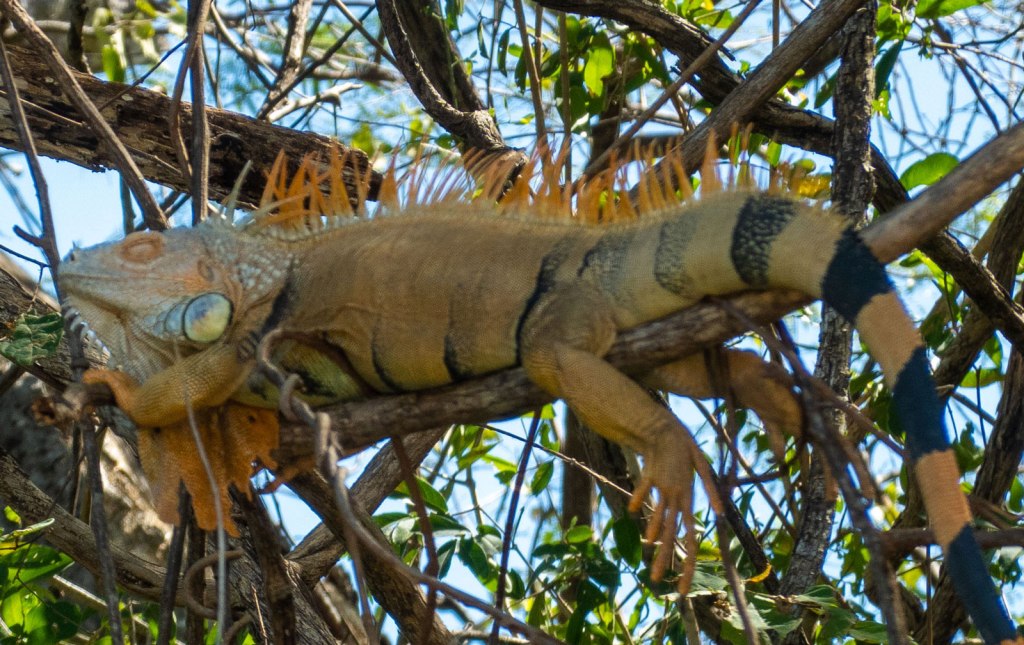
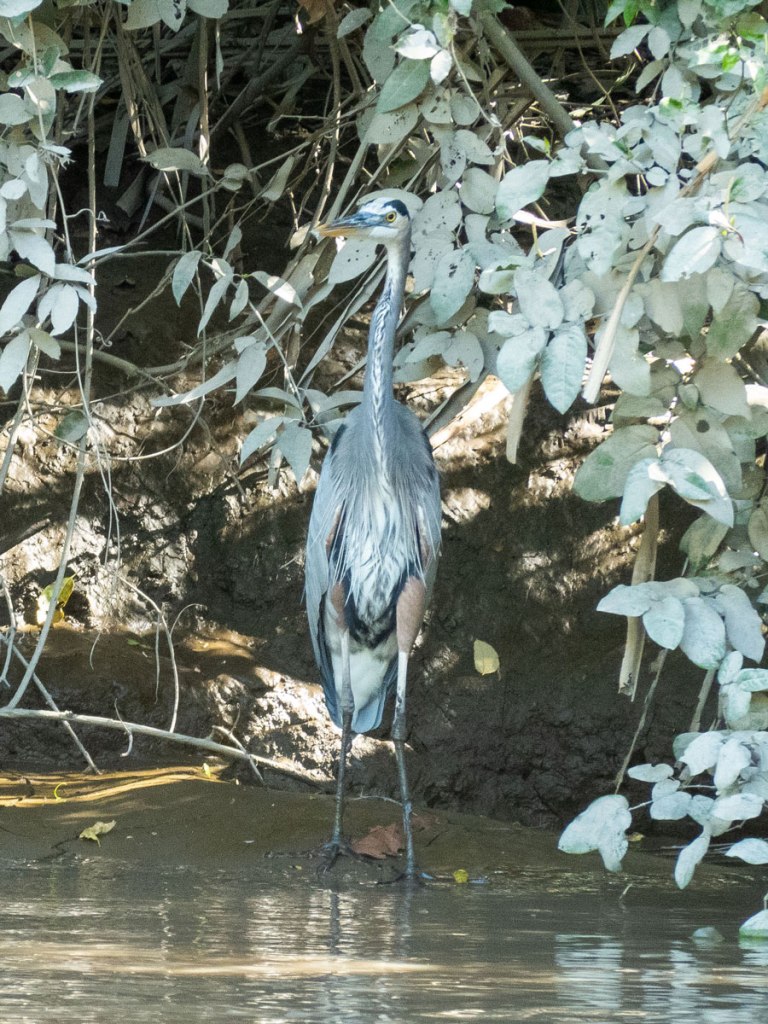
The leisurely boat ride offered a different perspective for viewing wildlife. Our favorite creature was the large green iguana, which can reach 7 feet in length. Along with those prehistoric-looking reptiles, our guide pointed out birds, crocodiles and capuchin monkeys.


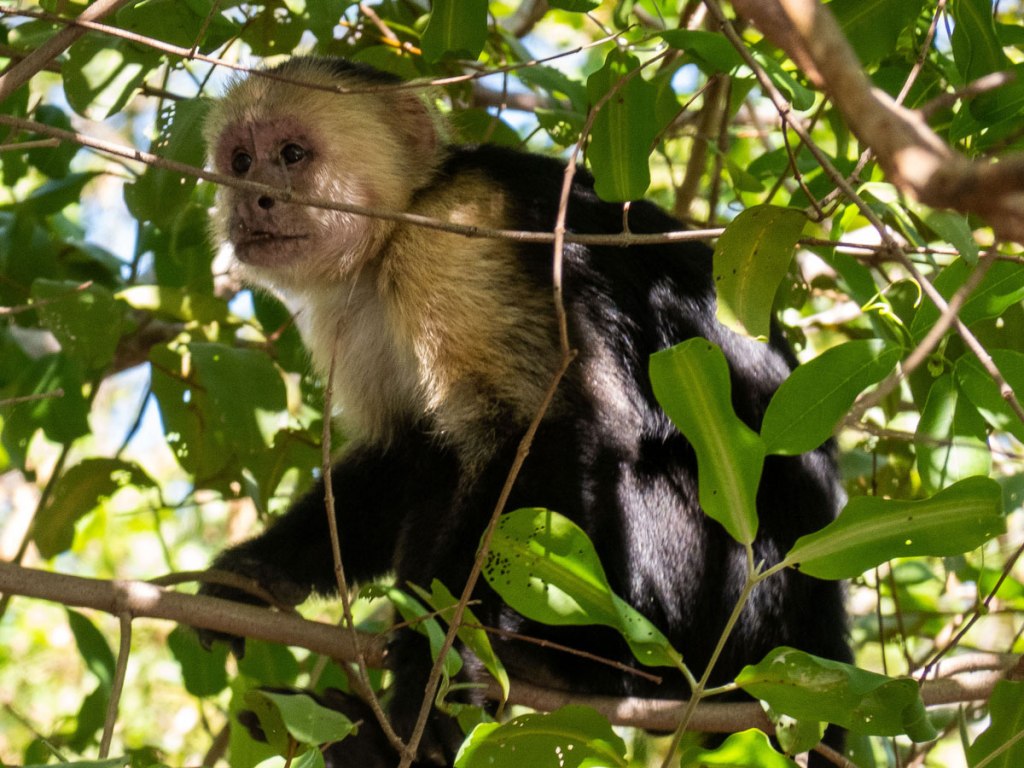
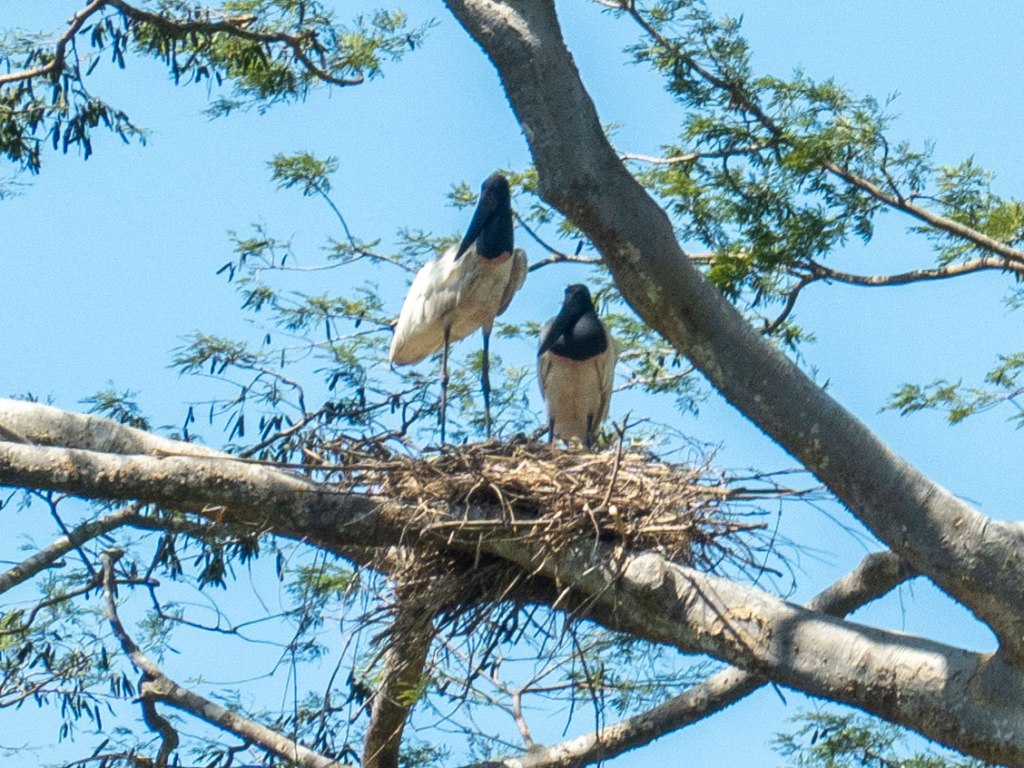
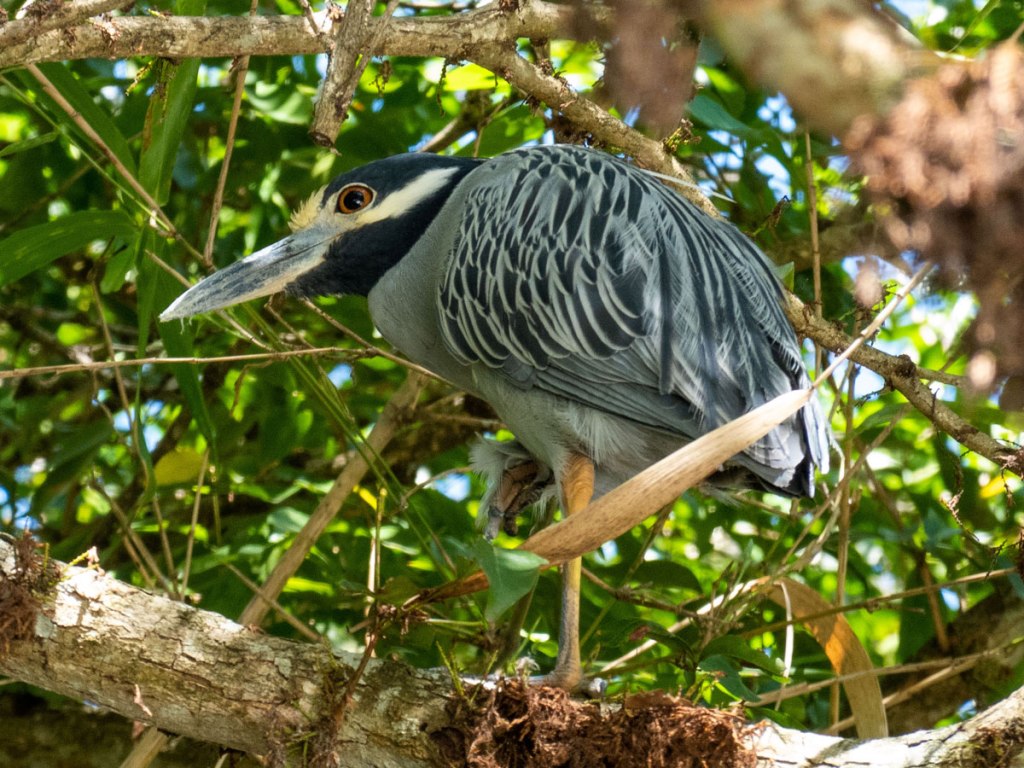
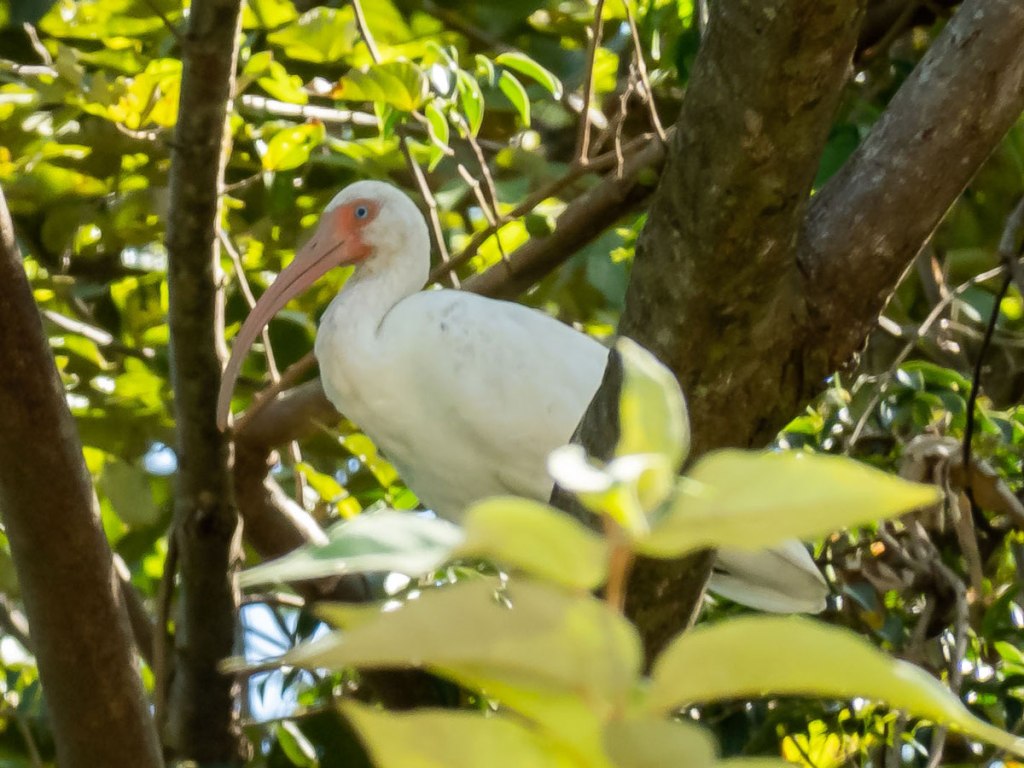
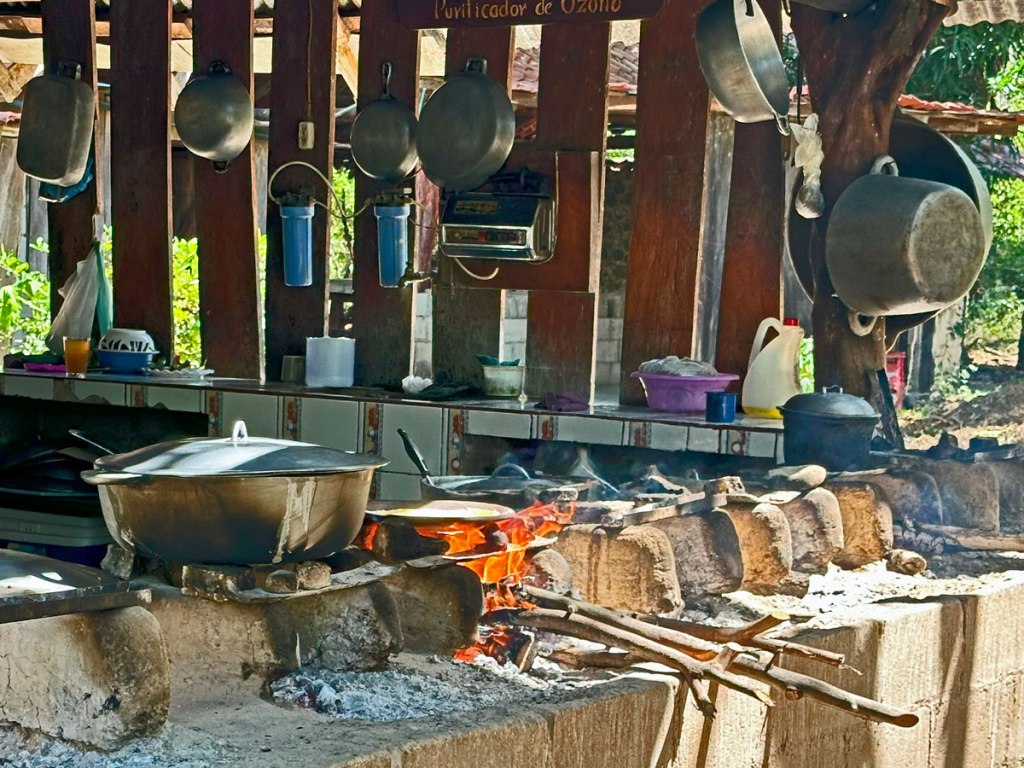
Rancho Los Coyotes, a popular spot with tour groups, served a traditional Costa Rican lunch cooked in an outdoor kitchen over a wood fire. Tasty stewed chicken, rice, beans, fresh tortillas, salad and rice pudding. And Costa Rican pour-over coffee, of course.
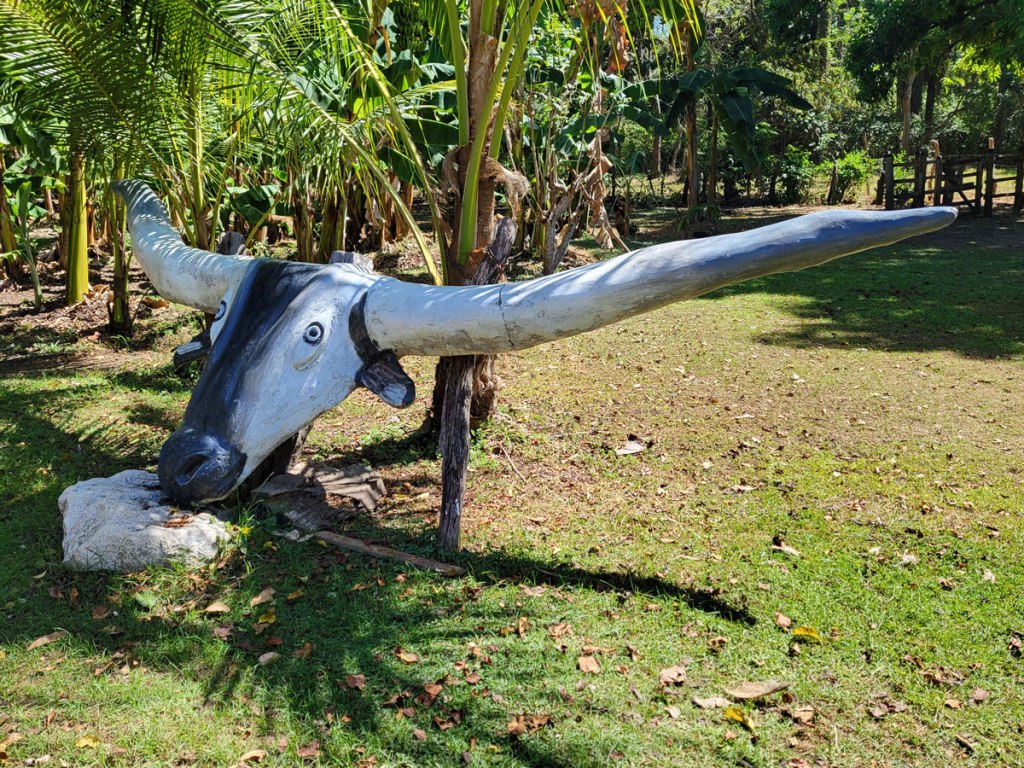


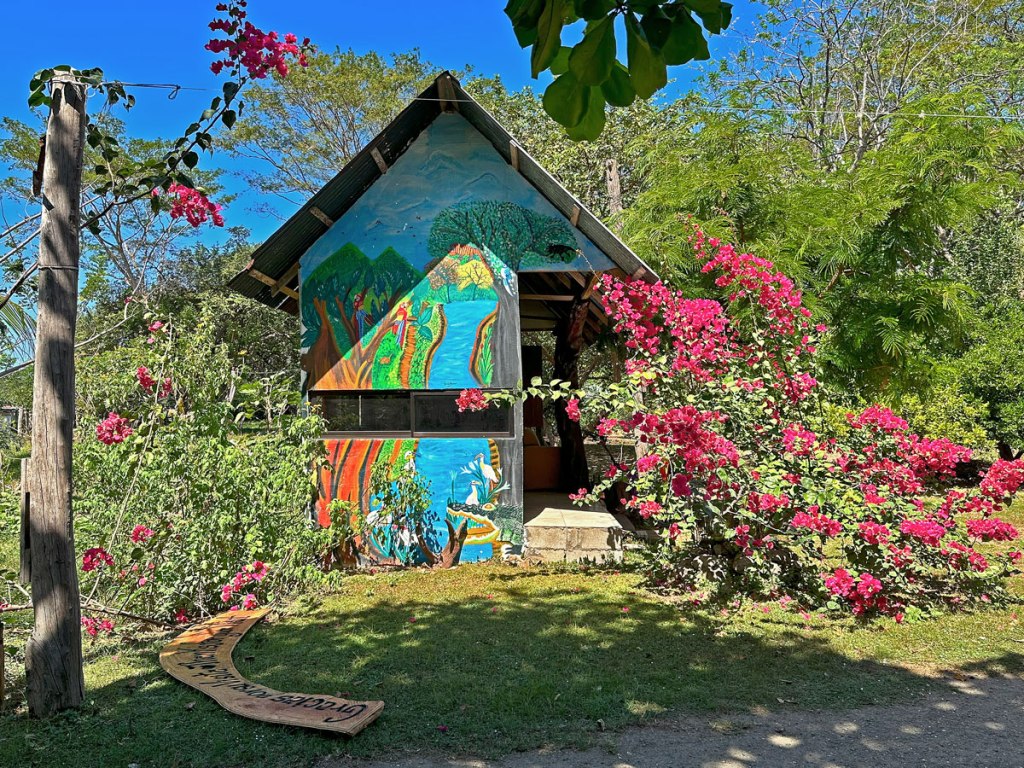

Guiaitil, the final stop on our tour, is a Chorotega indigenous village best known for its distinctive pottery. Skilled artisans (and there are many) use locally-sourced all-natural materials and a process that dates back hundreds of years (pre-Columbian) to craft intricate and colorful pots, pitchers and bowls. No shortcuts – everything is handmade without modern tools. Even the kiln is wood-fired.
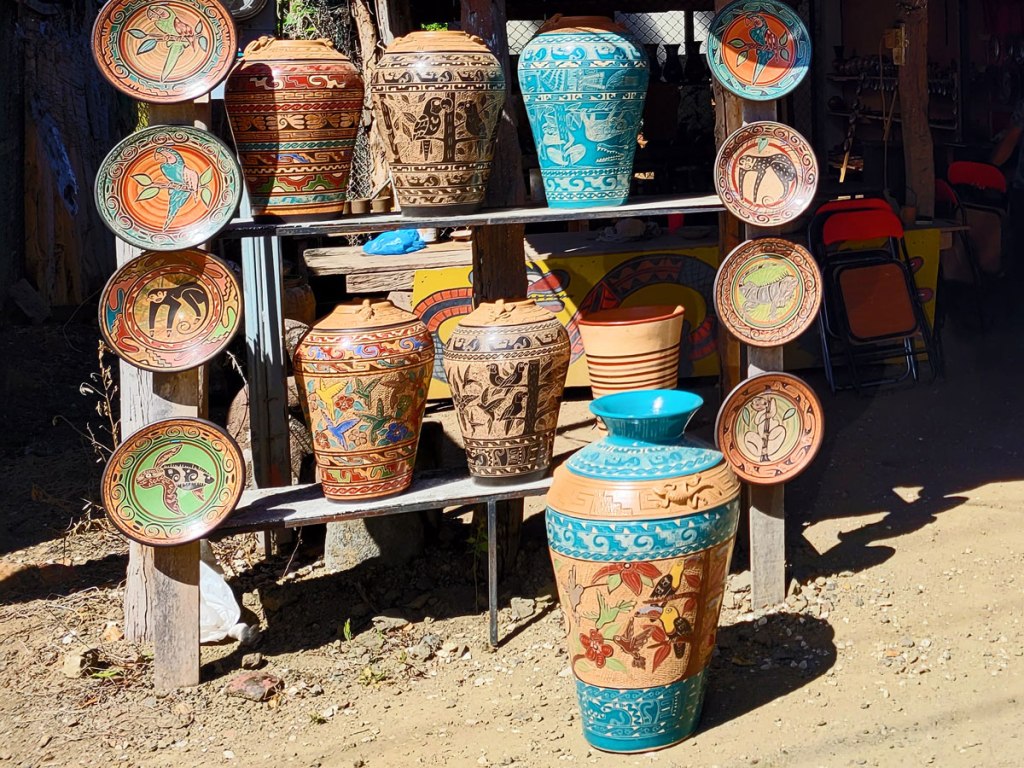
During our short Intro to Pottery demo at the Oven Store, we watched Jesus start and finish a lovely vase on a foot-powered pottery wheel while his son narrated.
And in just 15 minutes, the lump of clay was transformed into a lovely vase. Impressive!

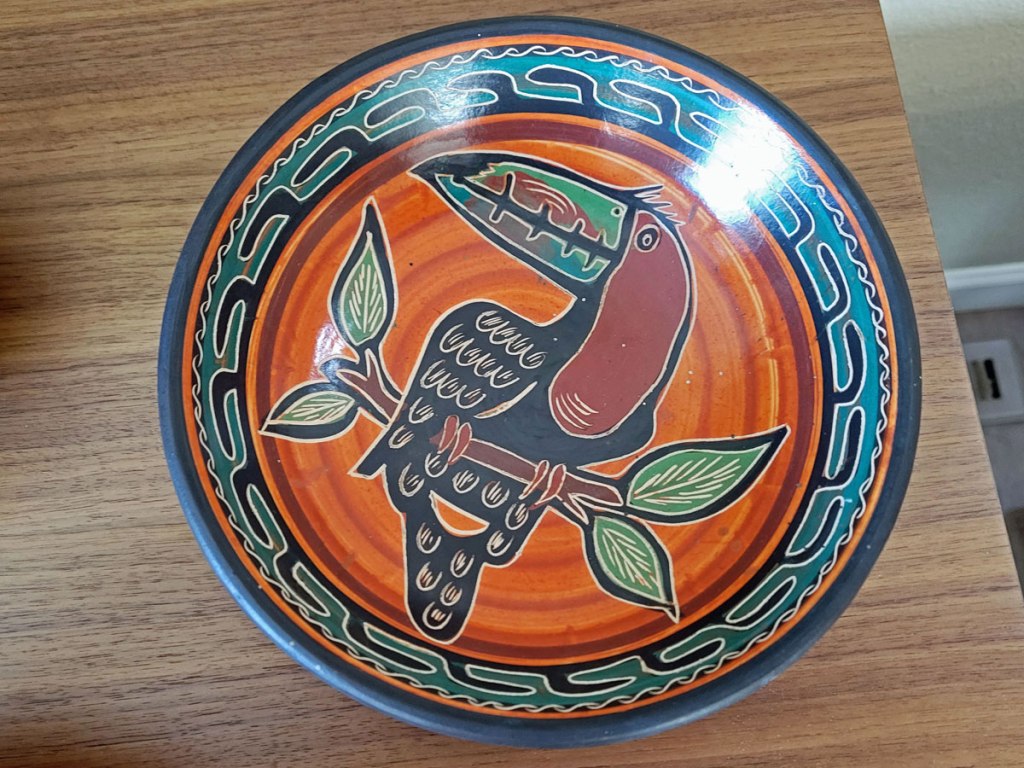
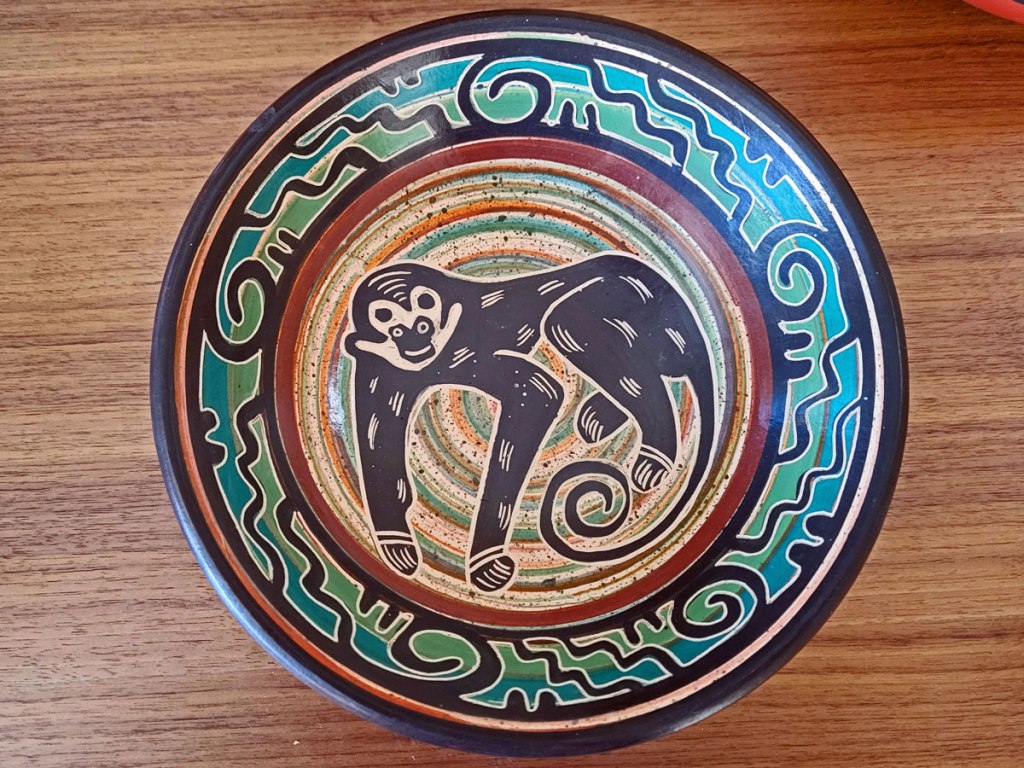
We couldn’t resist the chance to buy a couple of souvenir bowls, knowing we would have to figure out how to squeeze them into our carry-on bags. The toucan symbolizes Costa Rica’s freedom from Spain, and the monkey represents happiness.
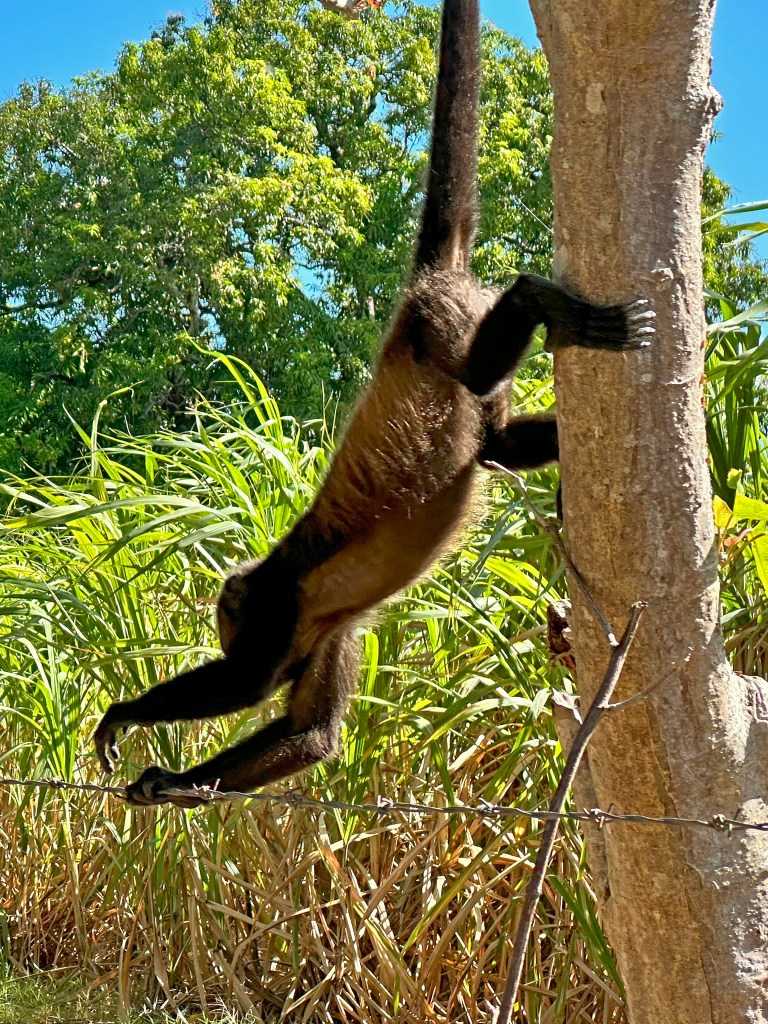
Traveling to and from our villa, we encountered a couple of interesting sights. A troop of howler monkeys playing on the side of the road . . .
And a tractor-powered load of harvested sugar cane.
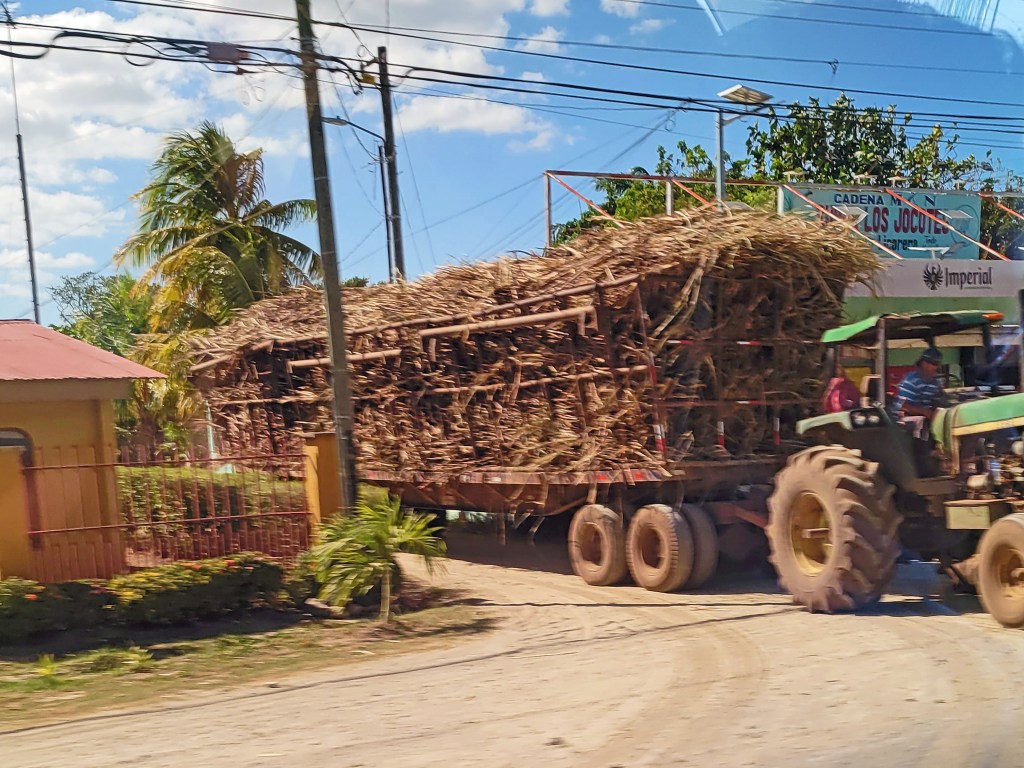
A memorable day! Kudos to Native’s Way, the tour company.
Day Trip #2: A Wildlife Sanctuary & Secluded Waterfall
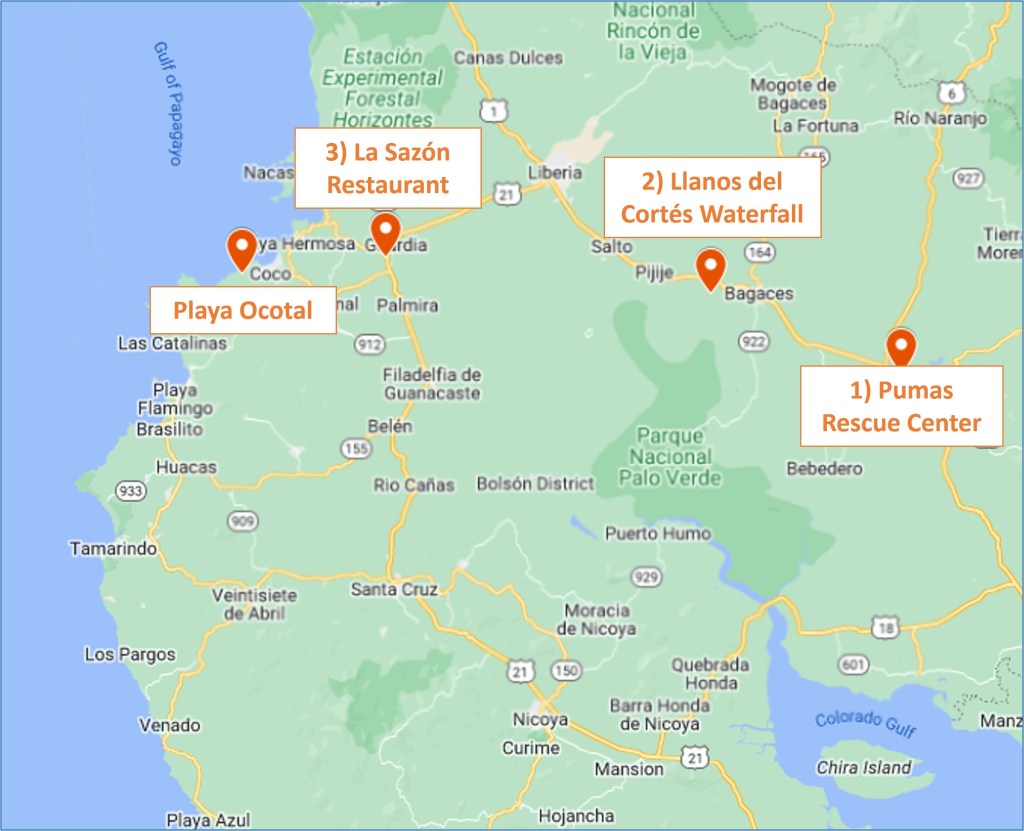
There’s no shortage of interesting things to see and do in Costa Rica and plenty of certified tour guides to take you there. Our friendly and knowledgeable guide on this day was Wilmar with Guanacaste Adventures. The first stop was the Centro de Rescate Las Pumas (Pumas Rescue Center & Sanctuary), followed by a soak in the pool at the base of Llanos del Cortés waterfall, and finally, a traditional Costa Rican lunch at La Sazón.
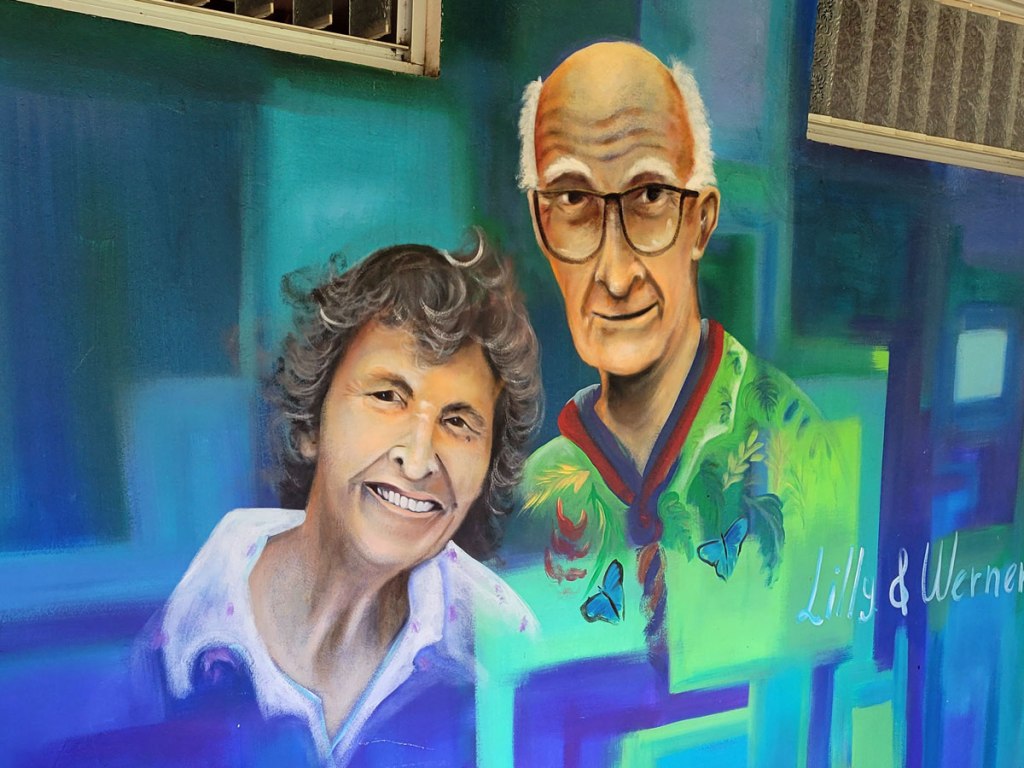
In the 1960s, Swiss immigrants Werner Hagnauer and Lilly Bodmer began rescuing wildlife stranded by rampant deforestation activities, their homes and habitats destroyed.
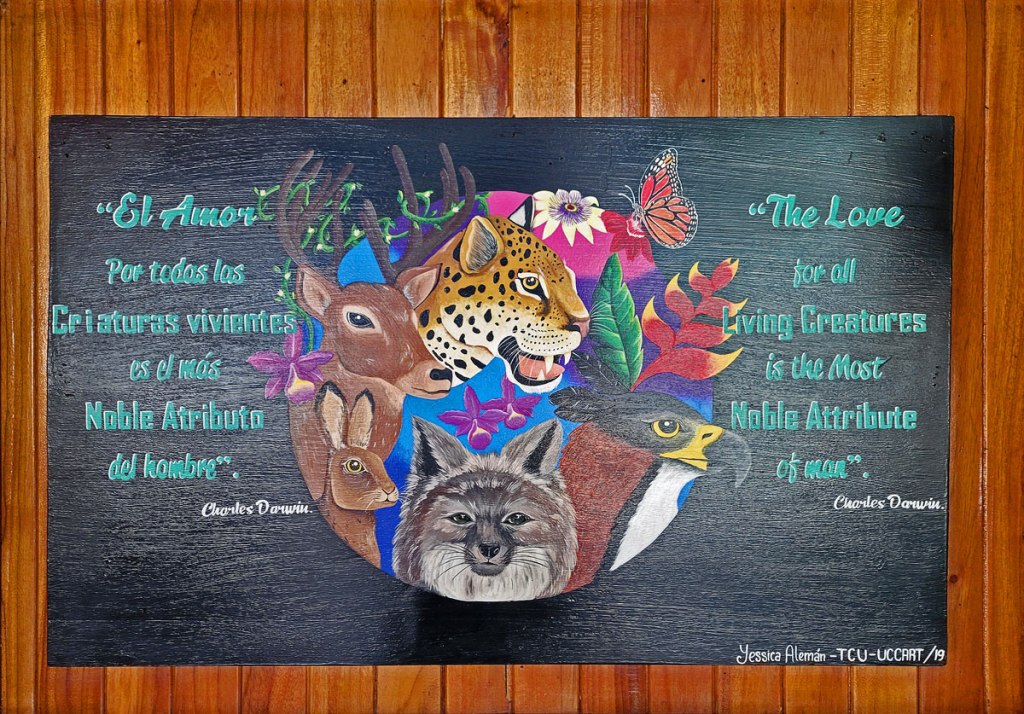
Officially established in 1989, the Center is now run by a nonprofit organization and has both a sanctuary that is open to the public and a rescue operation that is not.
The sanctuary is home to 170 animals representing 27 different species. All of the animals have a back story, and none are candidates for rehab and release but are used in educational and outreach programs.
We had a tough time getting good photos – disappointing for us but no doubt better for animal health and well-being.

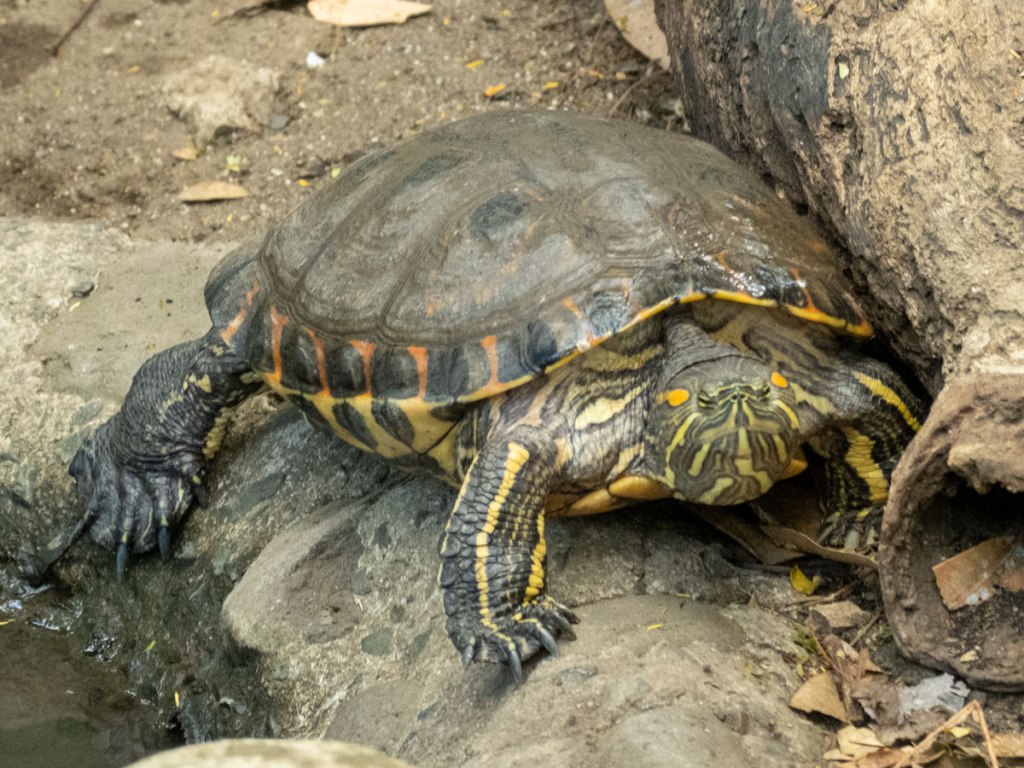
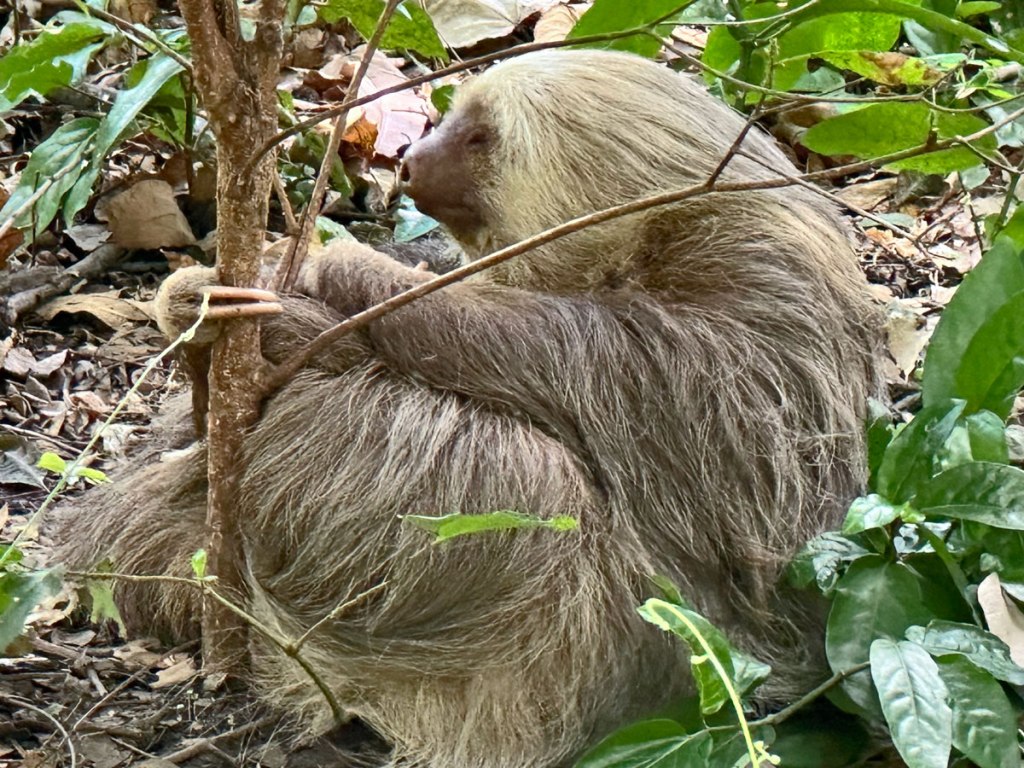
The focus of the non-public rescue operation, one of the largest in the country, is to rehab and prepare injured and orphaned wildlife for return to their natural habitat. Each year, the Center receives about 350 new animals, but only 40-50% are candidates for the release program. It’s a critical piece of Costa Rica’s efforts to restore and protect its diverse ecosystems.
Moving on, we paid a visit to Llanos del Cortés Waterfall.
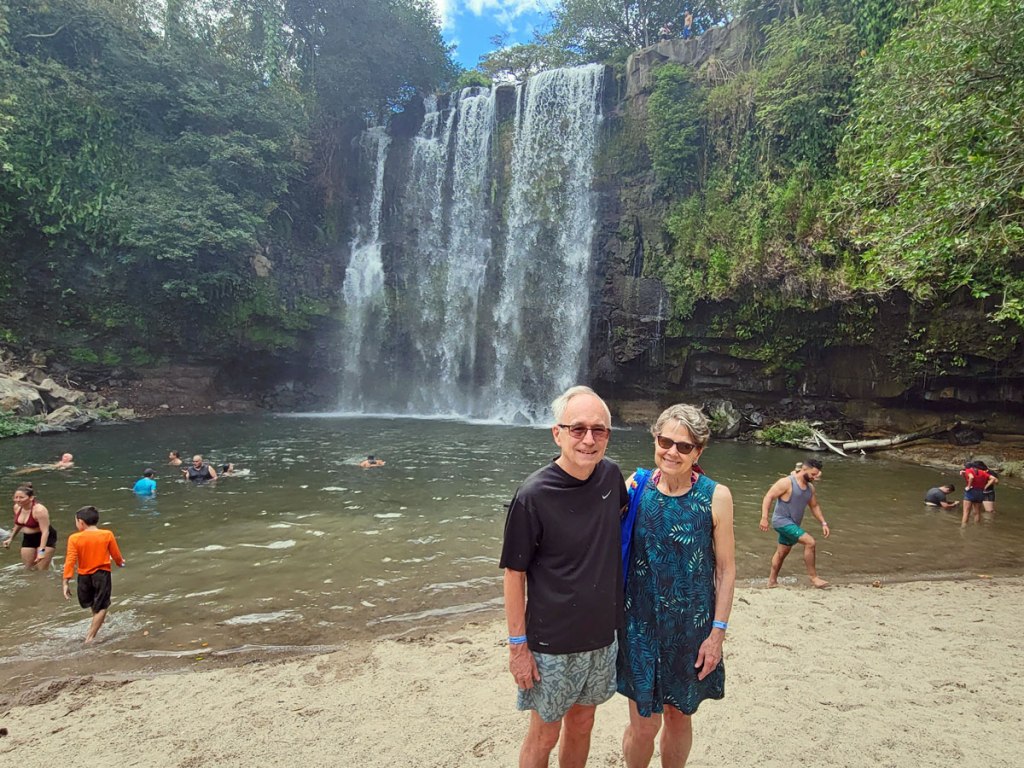
After a short hike to the bottom, we enjoyed a relaxing soak in the warm, shallow pool. Not on the radar of most tourists, the sandy beach is a popular destination for local families to spend the day. It was great!
Late lunch, then back to Ocotal. A nice way to end our Costa Rica adventure. The next day, we flew home.
What about San José?

Before ending this series of articles, I want to share a few highlights and thoughts from our time in Costa Rica’s capital and largest city during the early days of our trip. With 1.5 million people, no beaches or rain forest and a reputation for petty crime, San José doesn’t get a lot of love from U.S. tourists. Many (most?) avoid spending time in the city apart from the airport, which is actually located about a half hour outside of town.
If, however, you have the time and want to understand the history and culture of Costa Rica, we recommend spending 2-3 days in the city. If you stay in the central business district and use the network of pedestrian walkways, there is no need for a rental car. Major attractions and numerous restaurants are all within a safe walking distance, and it’s a lively and fun place to explore.

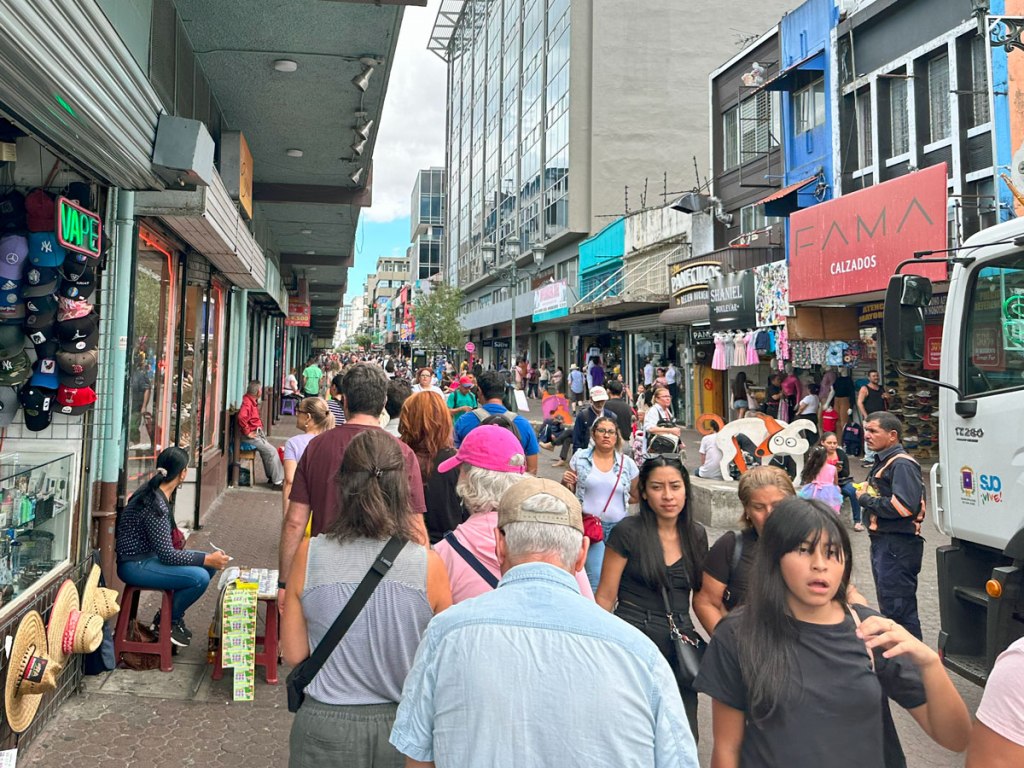

Our top 5 highlights: one historic theatre, three museums and a local foods walking tour.
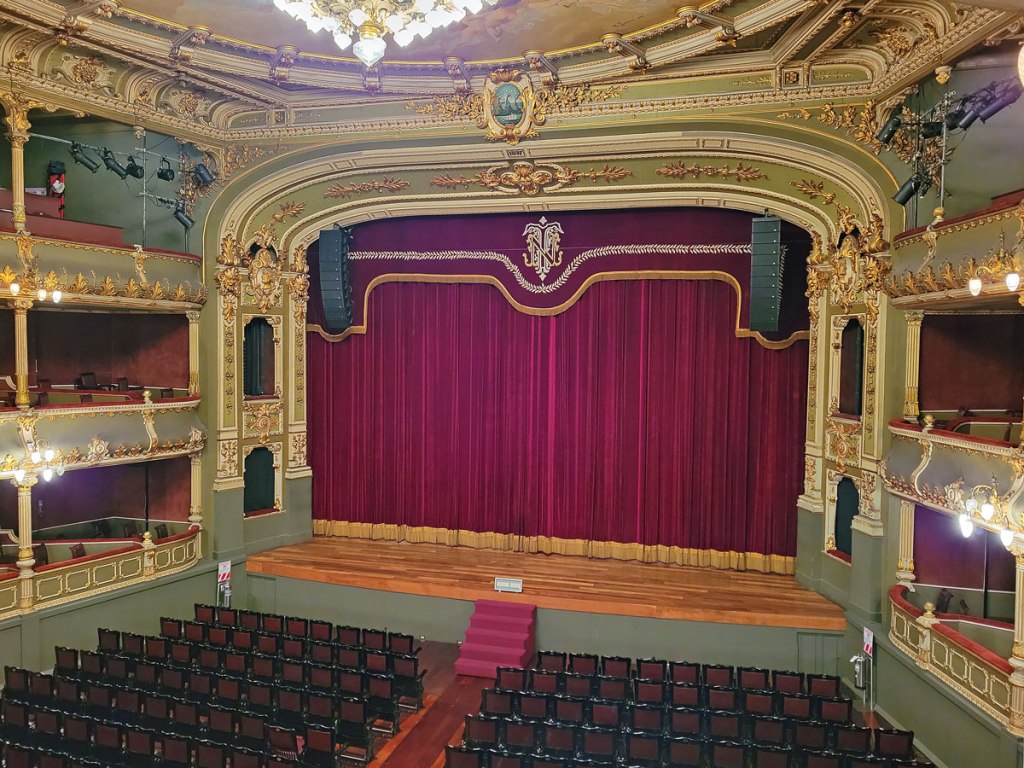
#1: El Teatro Nacional de Costa Rica (National Theater)

Completed in 1897, the National Theater was built in the lavish style of European opera houses and today serves as home for the National Symphonic Orchestra. A guided tour is worth the modest price.


#2: Museo Nacional de Costa Rica (National Museum)

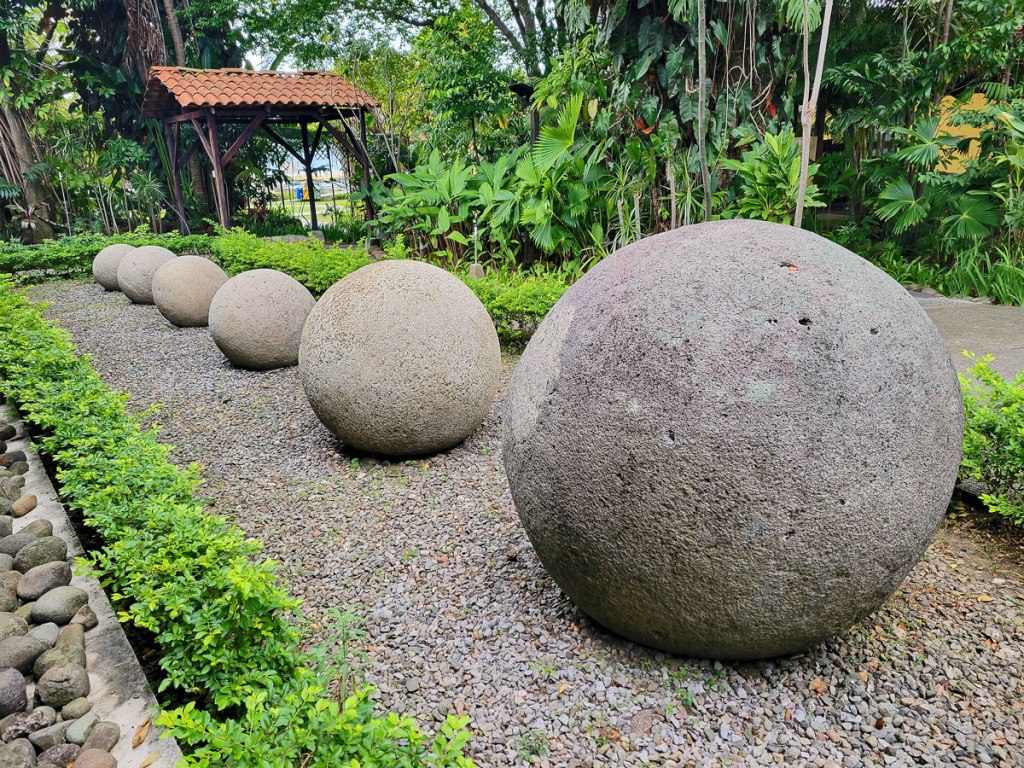
If you have time for only one museum, choose the National Museum to trace Costa Rica’s history from pre-Columbian times to current day. After entering via a large butterfly garden, we meandered through the many exhibits featuring interesting facts and timelines, summaries of significant events and an array of artifacts housed in this former army base built in the early 1900s.
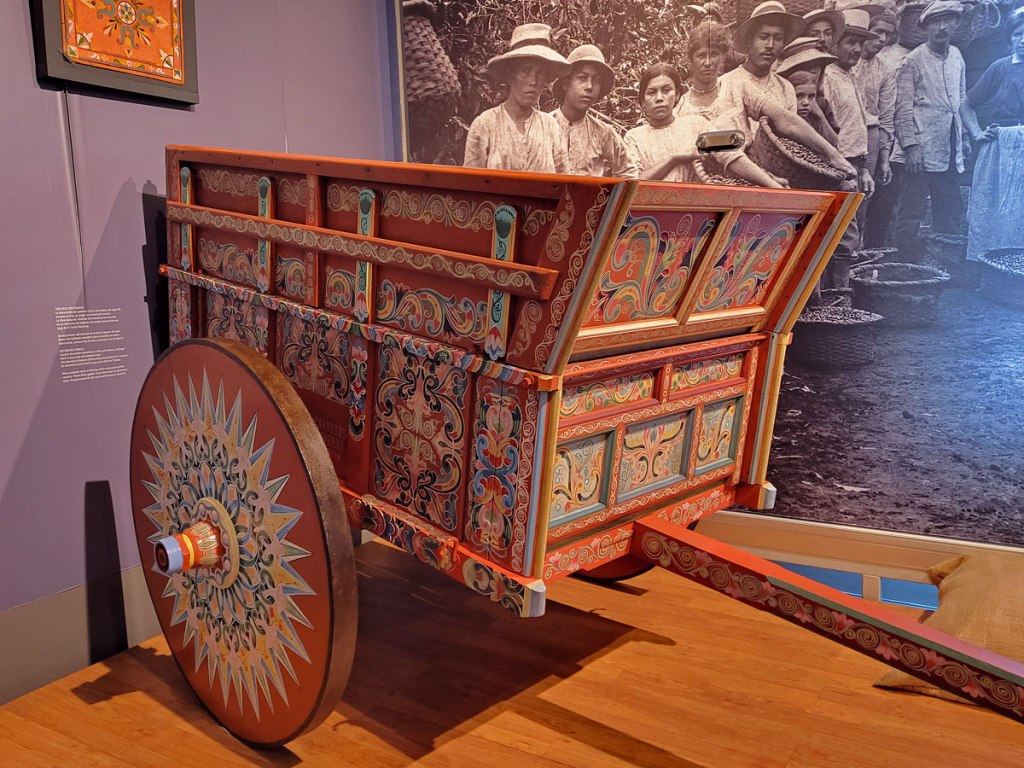
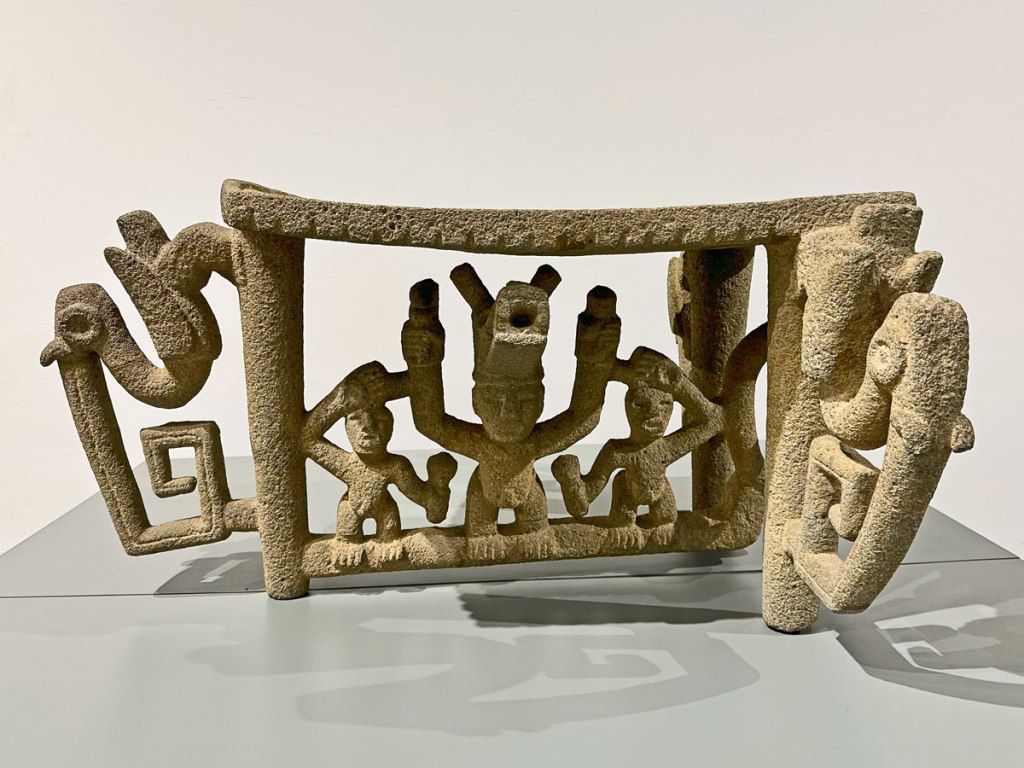
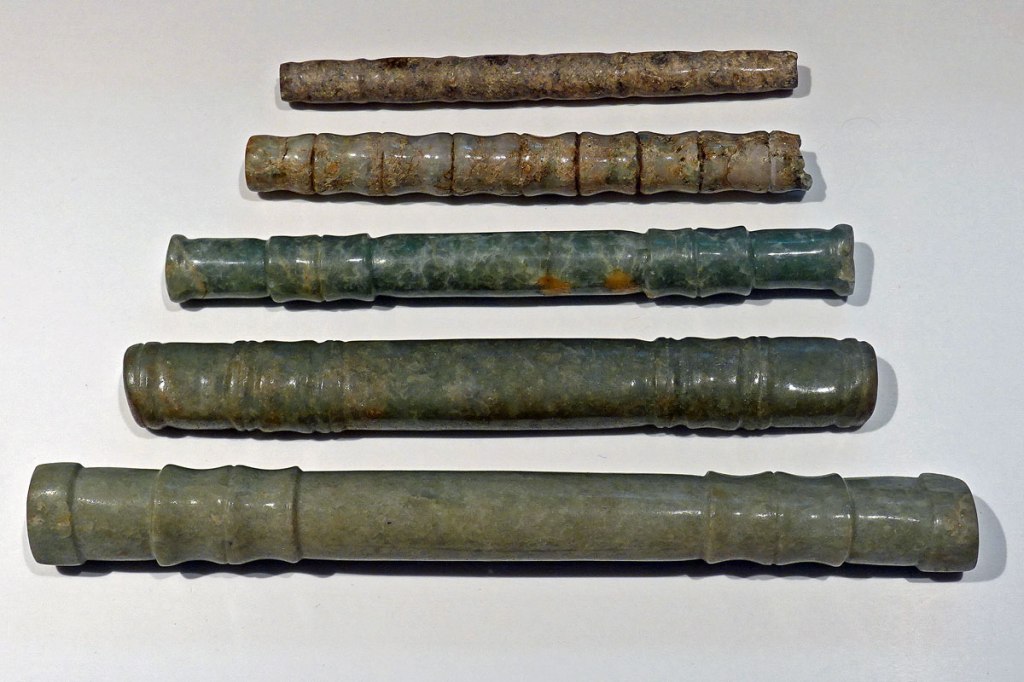
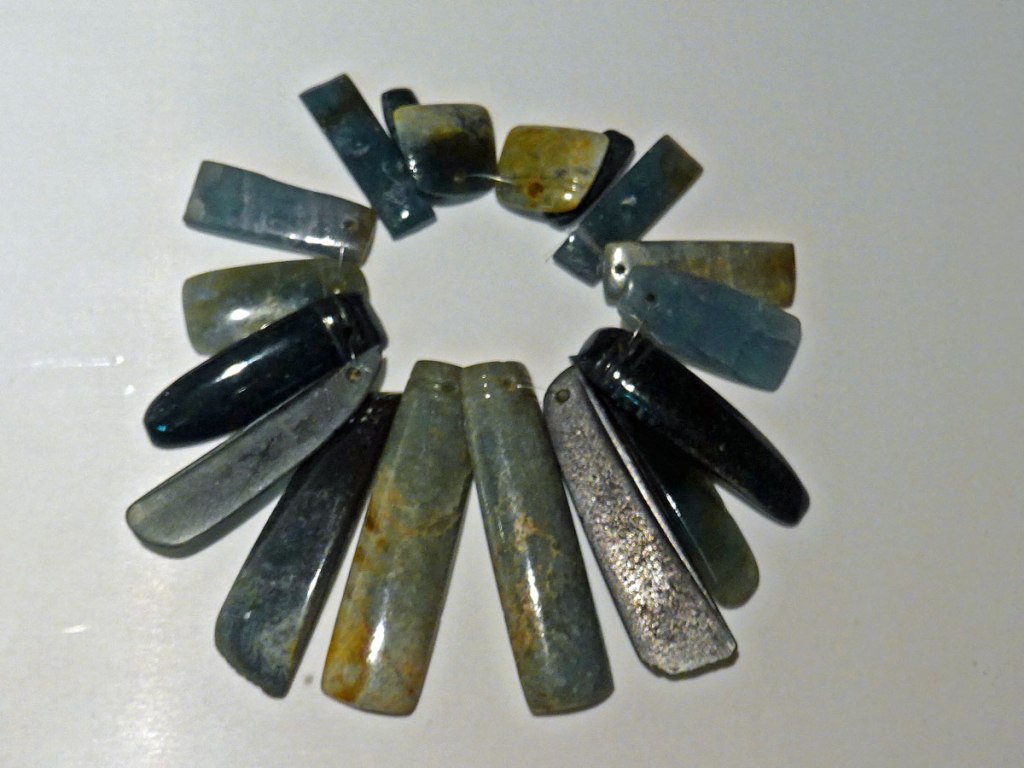
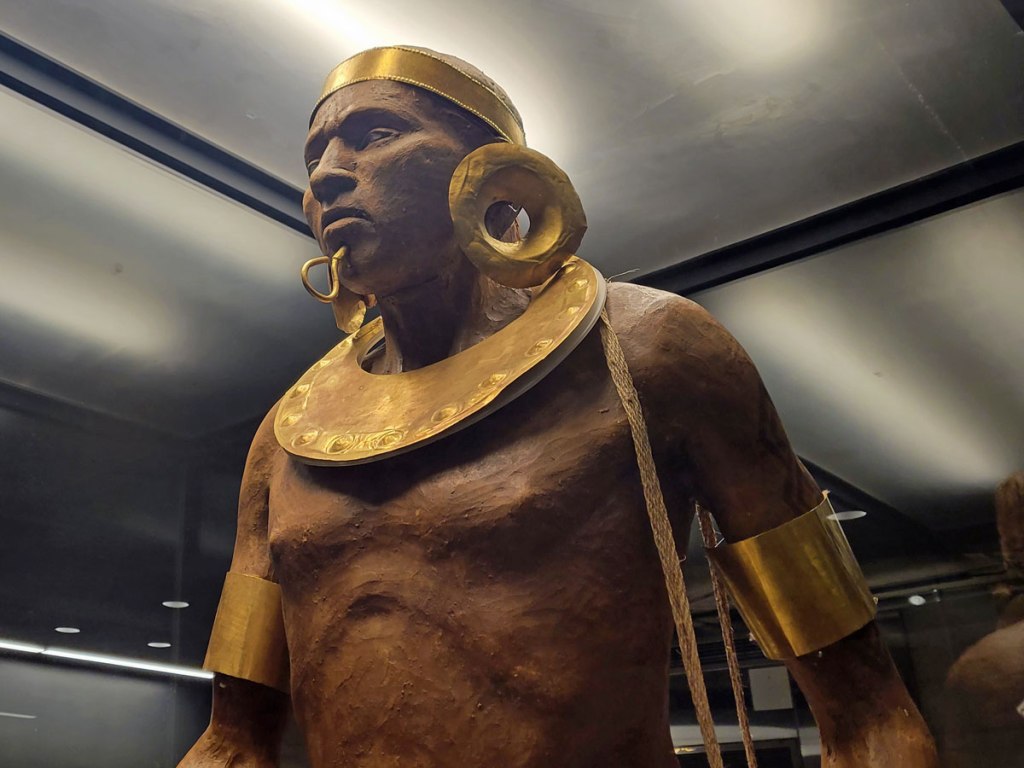
#3: Museo del Jade & #4: Museo del Oro Precolombino (Pre-Columbian Jade and Gold Museums)
Despite the bunker-like exteriors . . .
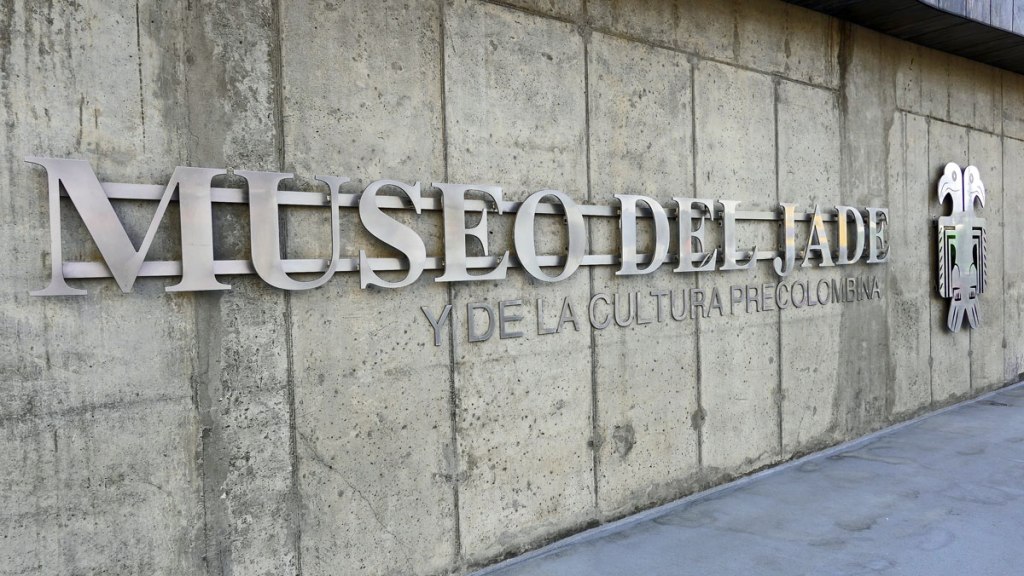

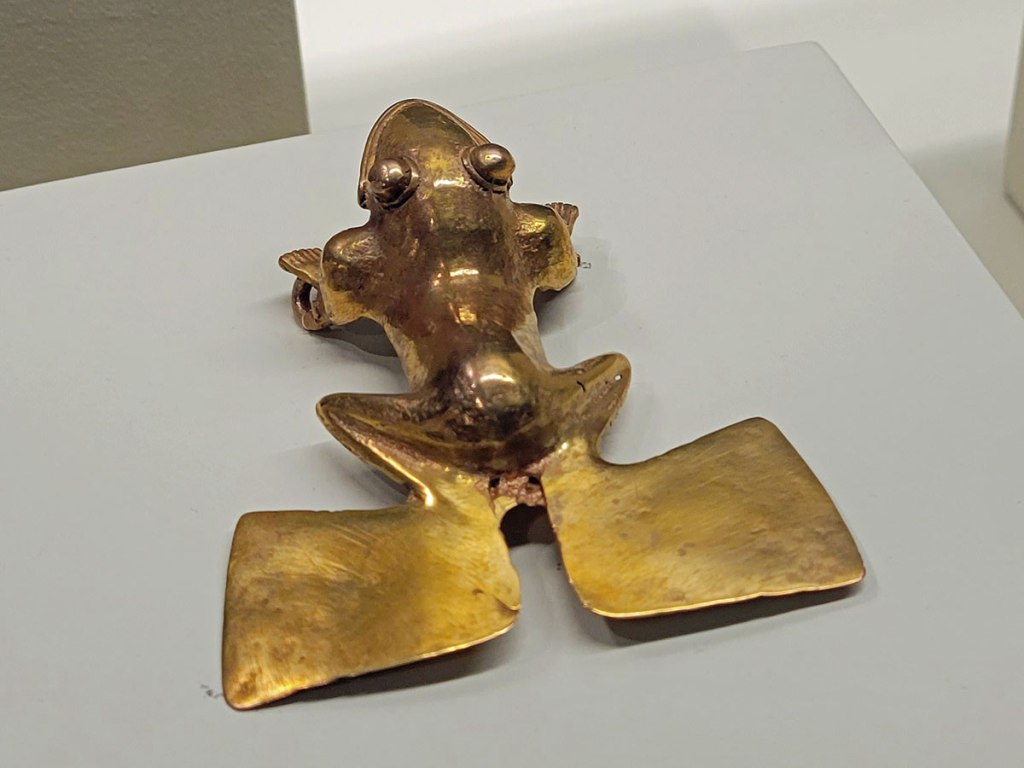
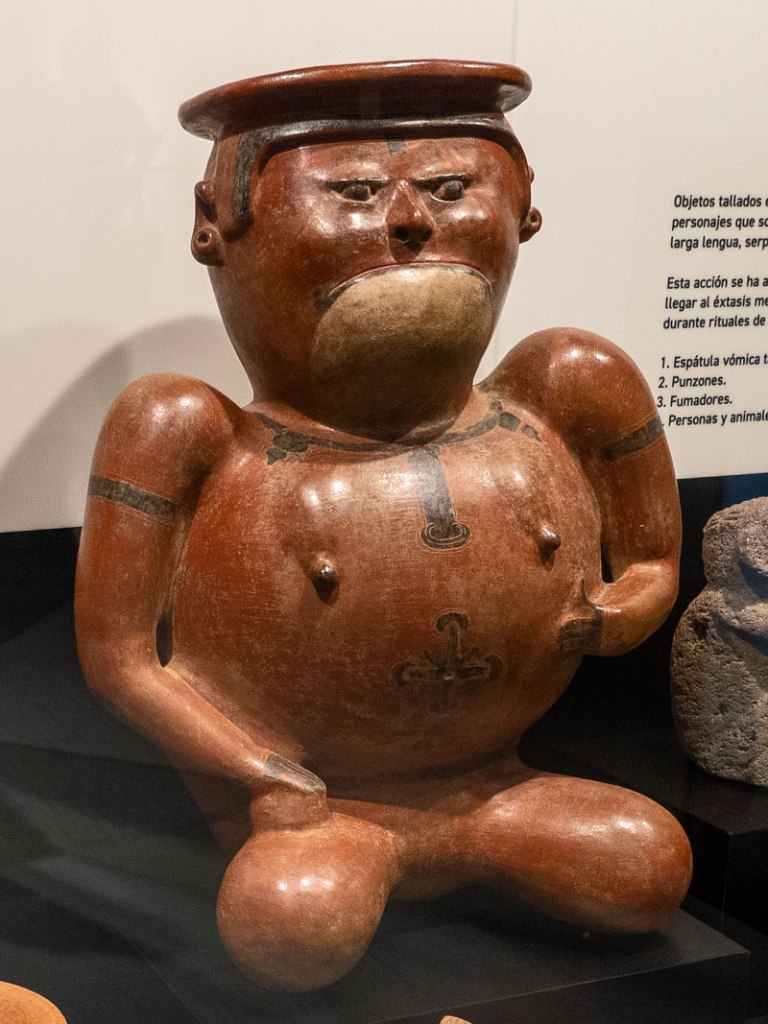
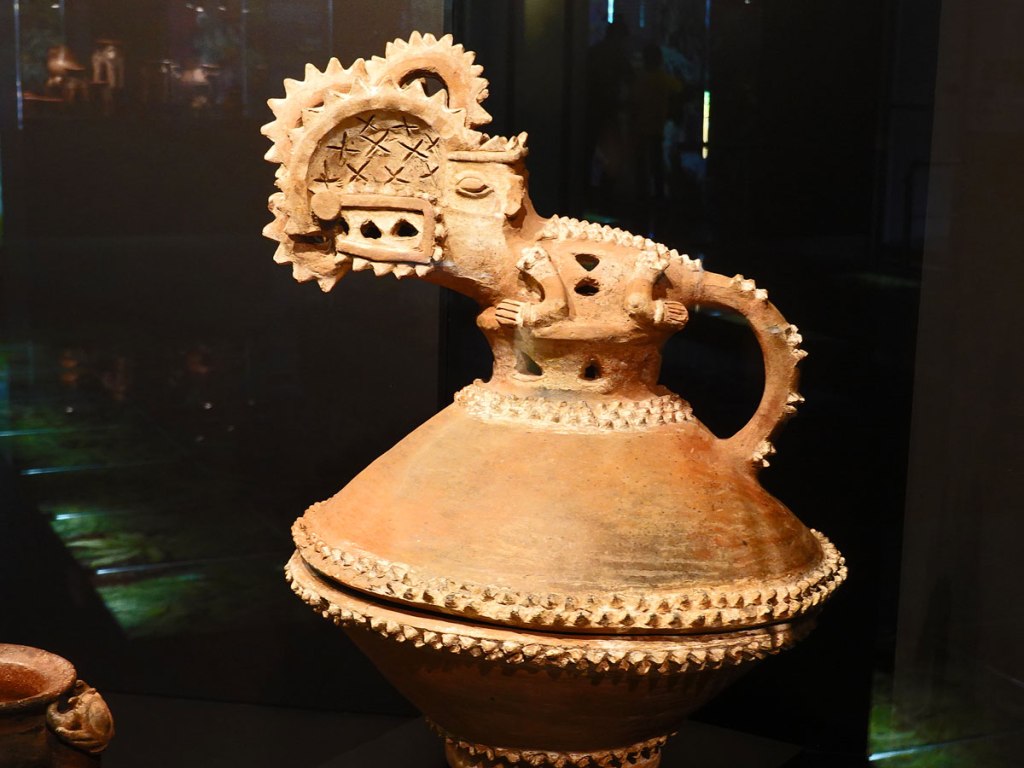
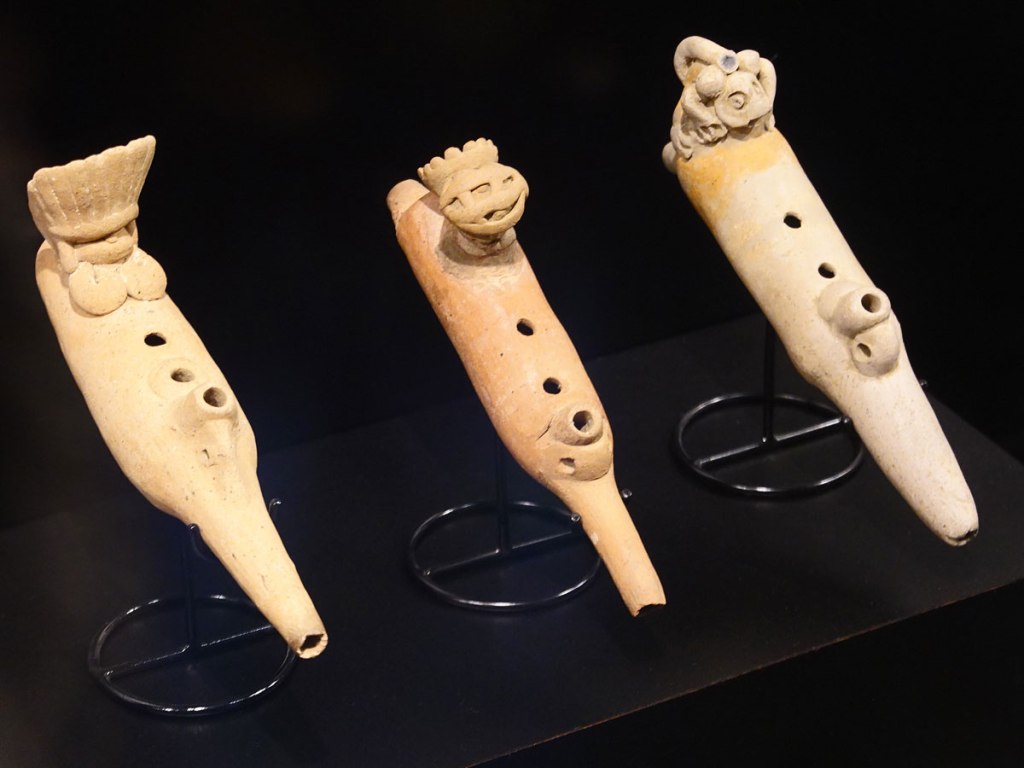
. . . these museums sparkle on the inside, displaying thousands of tribal artifacts – tools, pottery, adornments and more, all dating back to pre-European contact.

And Finally #5: Bites & Sights Walking Tour
By far, the food tour was the most fun and tasty outing we had during our time in San José. For 3 hours, Daniel (our guide) led us on a munching excursion through two markets where the locals shop – the Mercado Central, followed by demos and samples in the Mercado Borbón – and finishing with a coffee demo and hands-on cooking class making plantain empanadas at Mr. Sloth Coffee Shop.
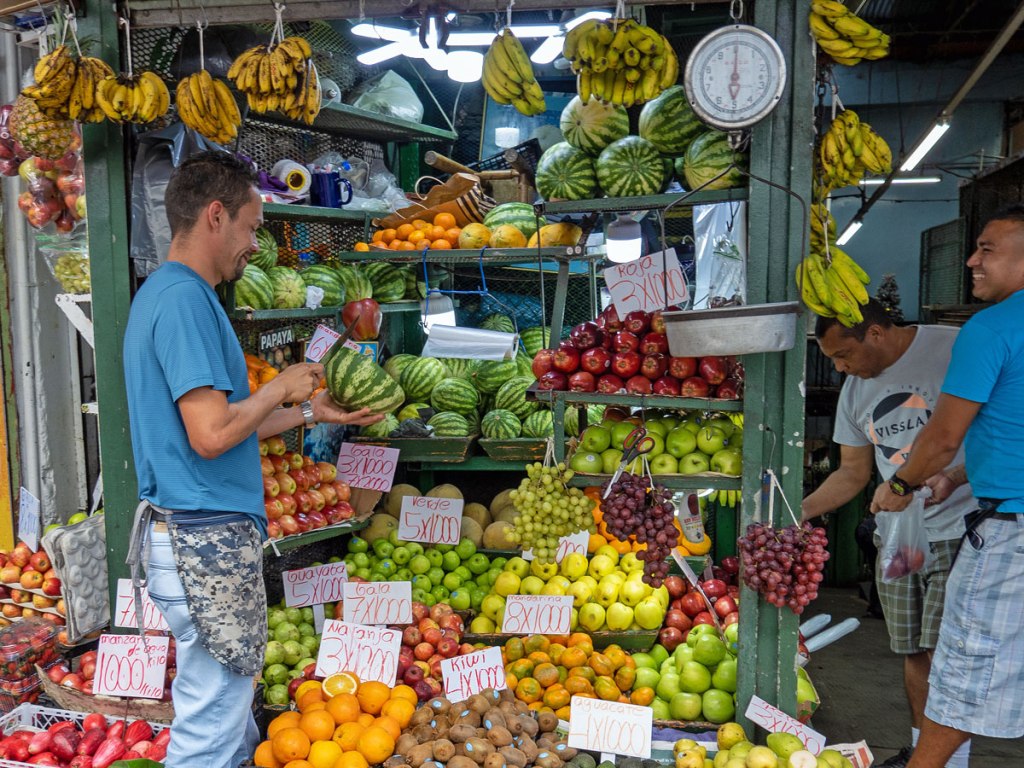
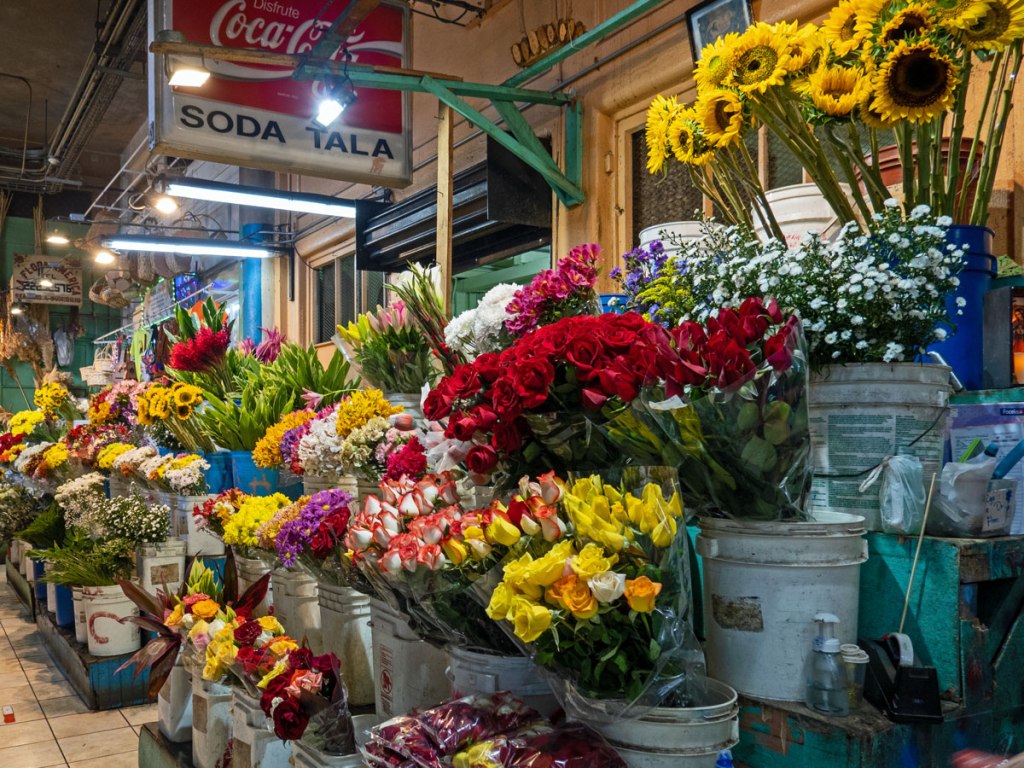
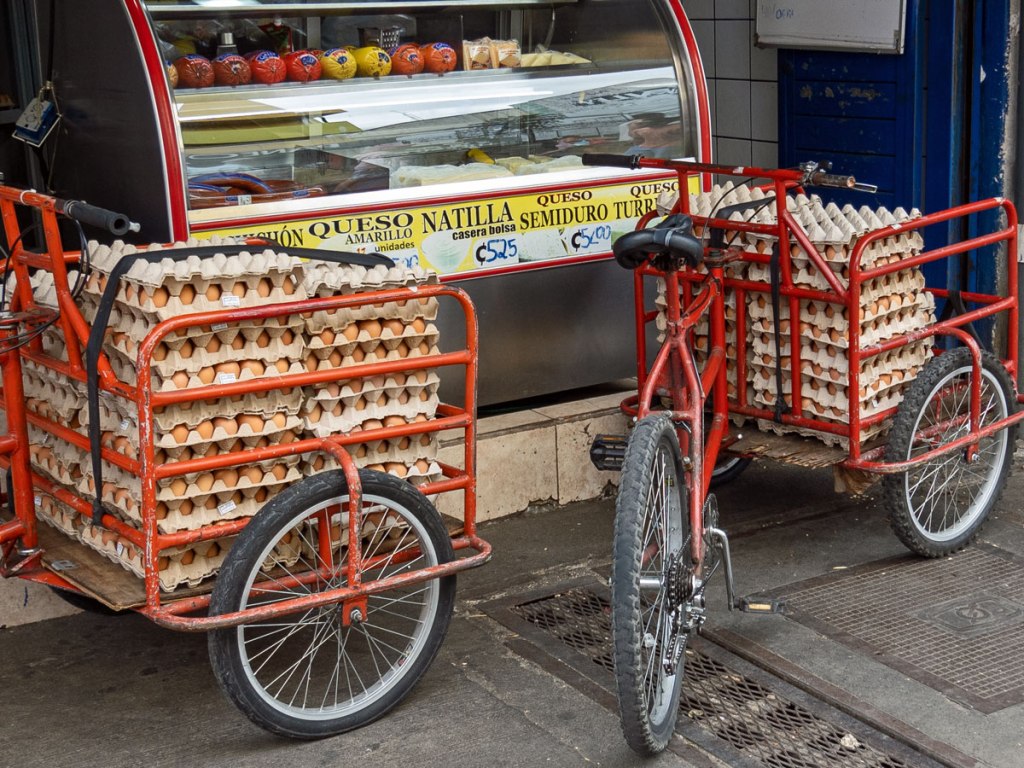
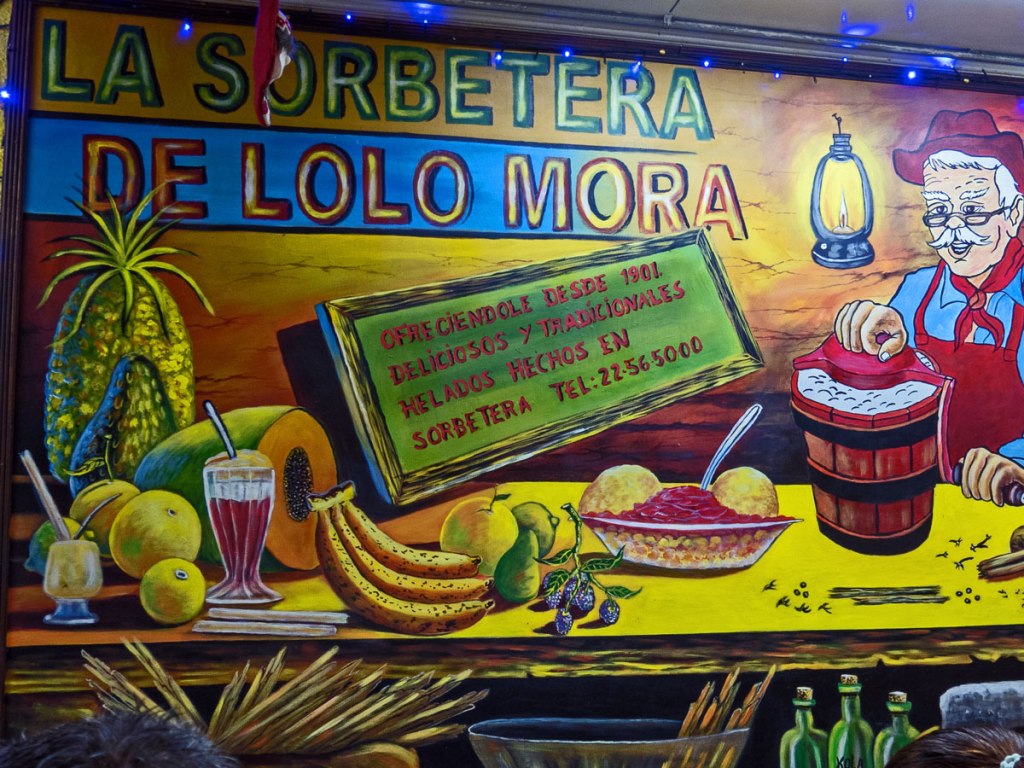
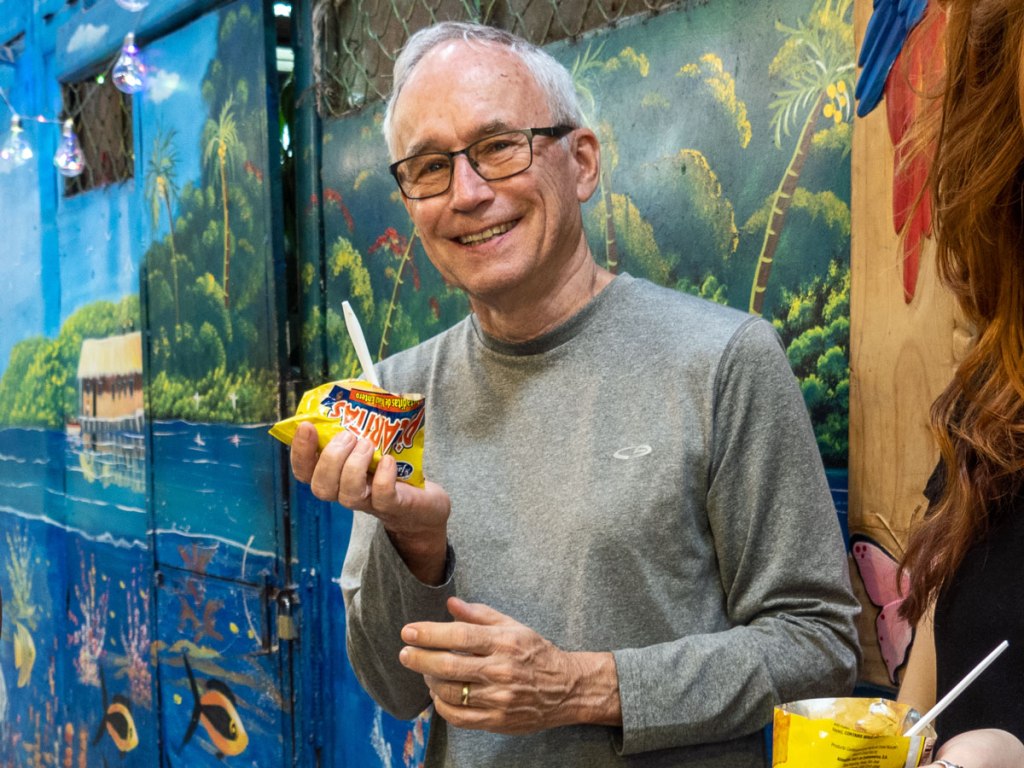


No food required for the rest of the day.
And with that, Costa Rica is a wrap! Adios, and thanks for being here. I hope you’ll join us for the next series of articles, where we’ll explore the magical sights and sounds of Nova Scotia, Prince Edward Island and New Brunswick.
Discover more from Just Passing Through
Subscribe to get the latest posts sent to your email.



 Just Passing Through