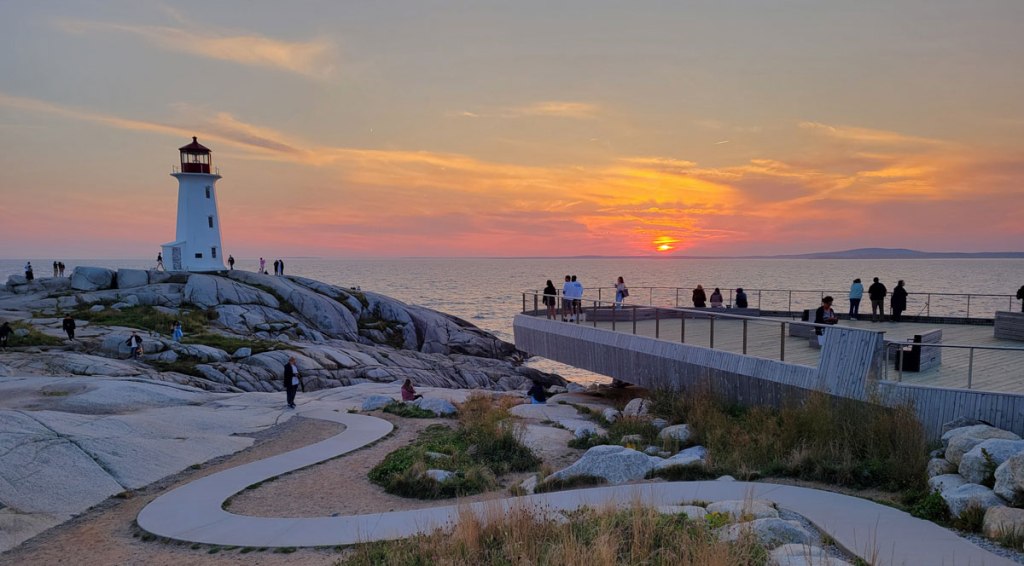
What’s not to like? Stunning scenery, friendly people, outstanding historical and cultural sites, live music and mouth-watering fresh seafood. Everywhere. And a bonus for U.S. residents – a highly favorable exchange rate.
We spent five weeks during August and September exploring Nova Scotia, Prince Edward Island and a small slice of New Brunswick by car, on foot and through the water. The two maps below show our general route, beginning and ending in Halifax.
Three weeks in Halifax, northern Nova Scotia (including Cape Breton Island), and Prince Edward Island:

Then two weeks in eastern New Brunswick and southern Nova Scotia:

The first adventure was getting to Halifax from Denver, which involved a canceled flight and an unplanned overnight stay in Toronto. No weather issues, no computer outages, no mechanical problems, no personnel strikes, just a total meltdown of Air Canada’s operations.

So our three day stay in Halifax was shortened to two, which turned out OK. The heart of this pedestrian-friendly city is a happening place, bustling with people and within walking distance of most major tourist sites, but be prepared to navigate steep hills.
Without further ado, here are the five highlights of our short time in Halifax:
- The Citadel
- Maritime Museum and Fairview Lawn Cemetery
- Public Gardens
- Halifax Waterfront
Halifax Citadel National Historic Site

If you wanted to protect an entire city from potential invaders, it would make sense to build a large, fortified structure at the top of the tallest hill in town, with expansive views of both land and water entry points.
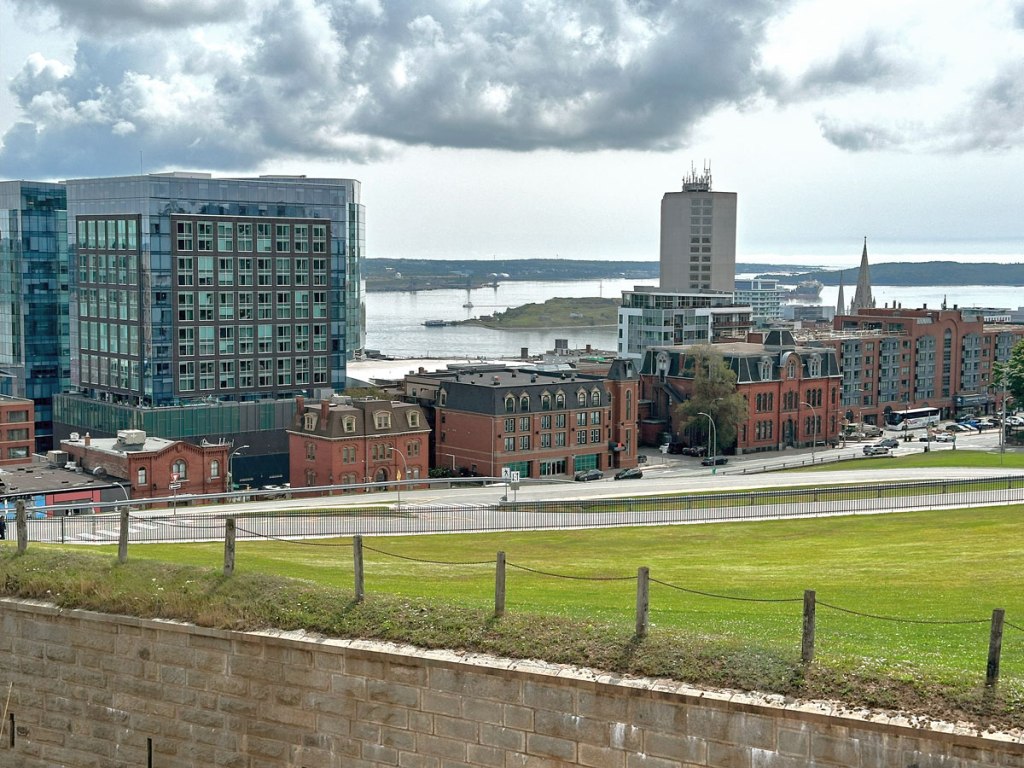
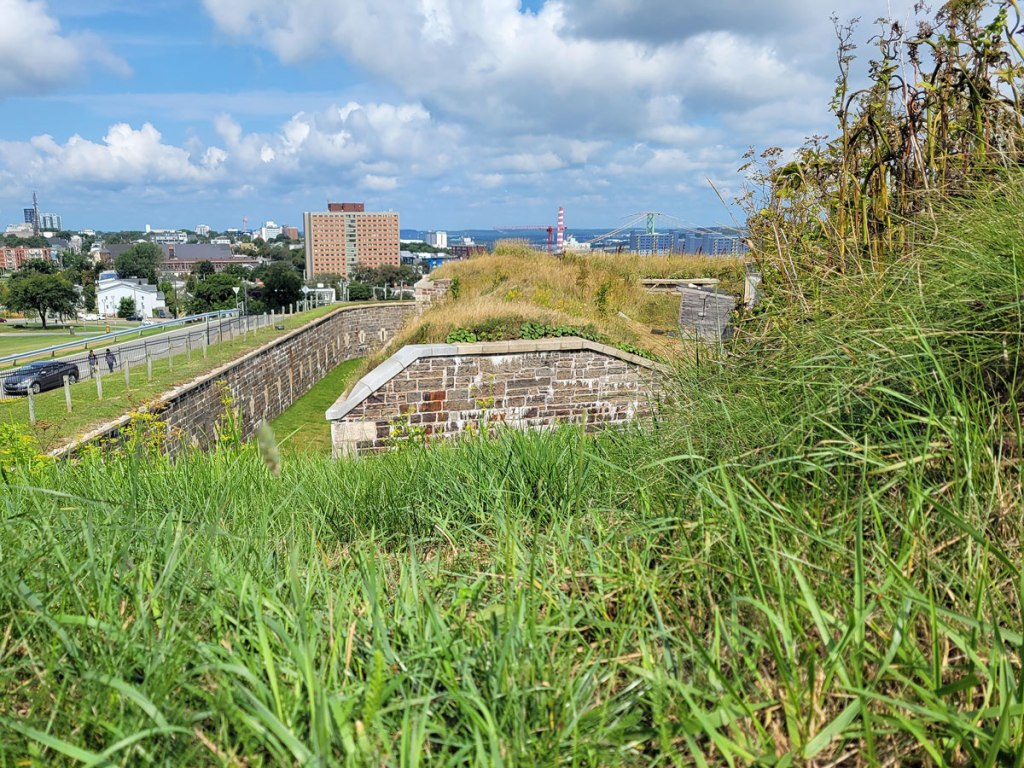
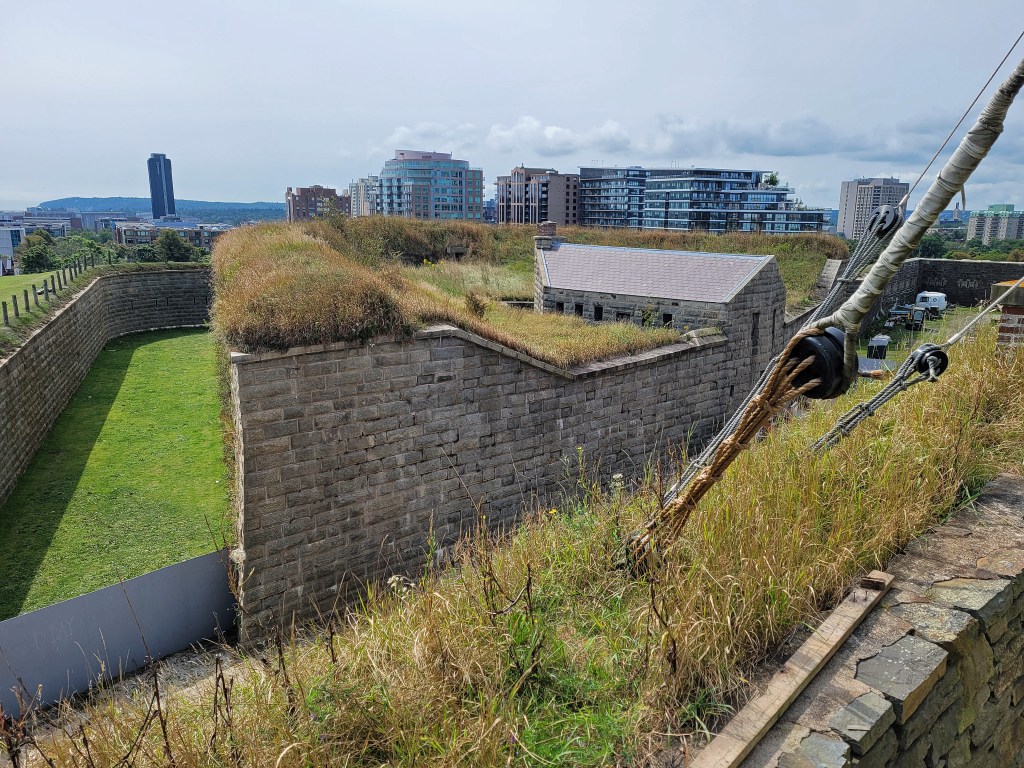

That’s exactly what British troops did in the 1800s to ward off a feared attack by . . . the United States? I don’t recall learning about that in American history!
(Full disclosure: I’ve omitted about 200 years of Citadel site history in this brief description, but you can easily find it on the internet if you’re interested.)
Today, the Citadel is a living history museum, with uniformed “soldiers” re-enacting the daily activities inside the walls, including marching drills, drum and bagpipe demos, hourly changing of the sentry guard, and the 12:00 noon firing of a large and loud cannon. An effective way to engage visitors of all ages.
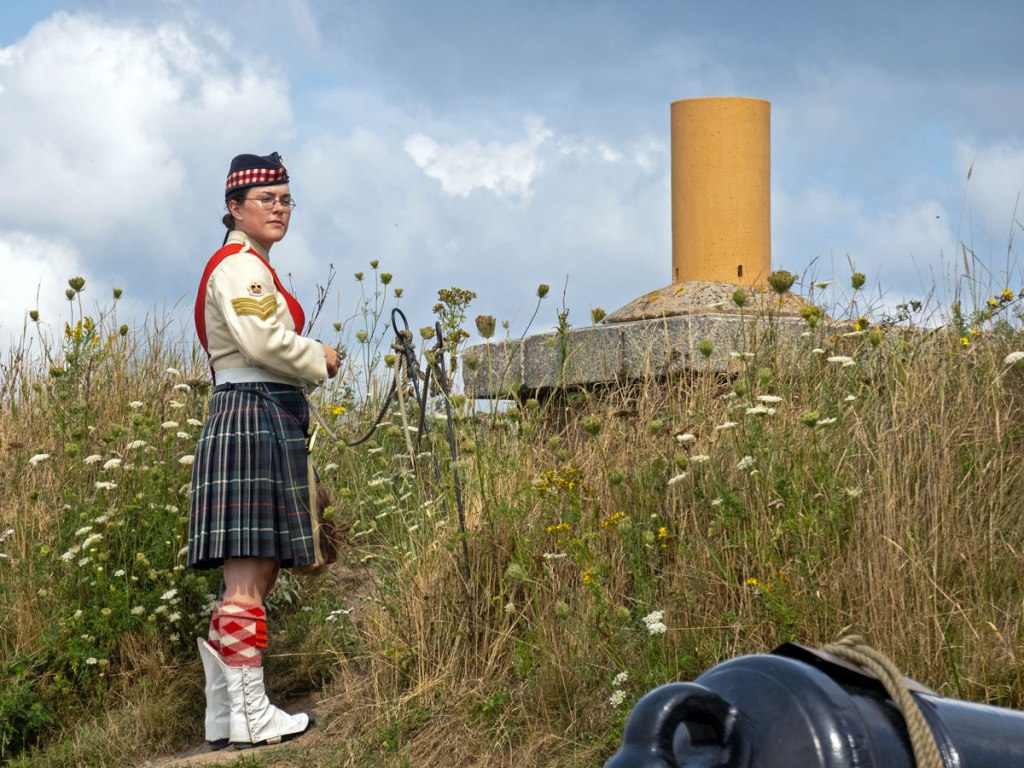

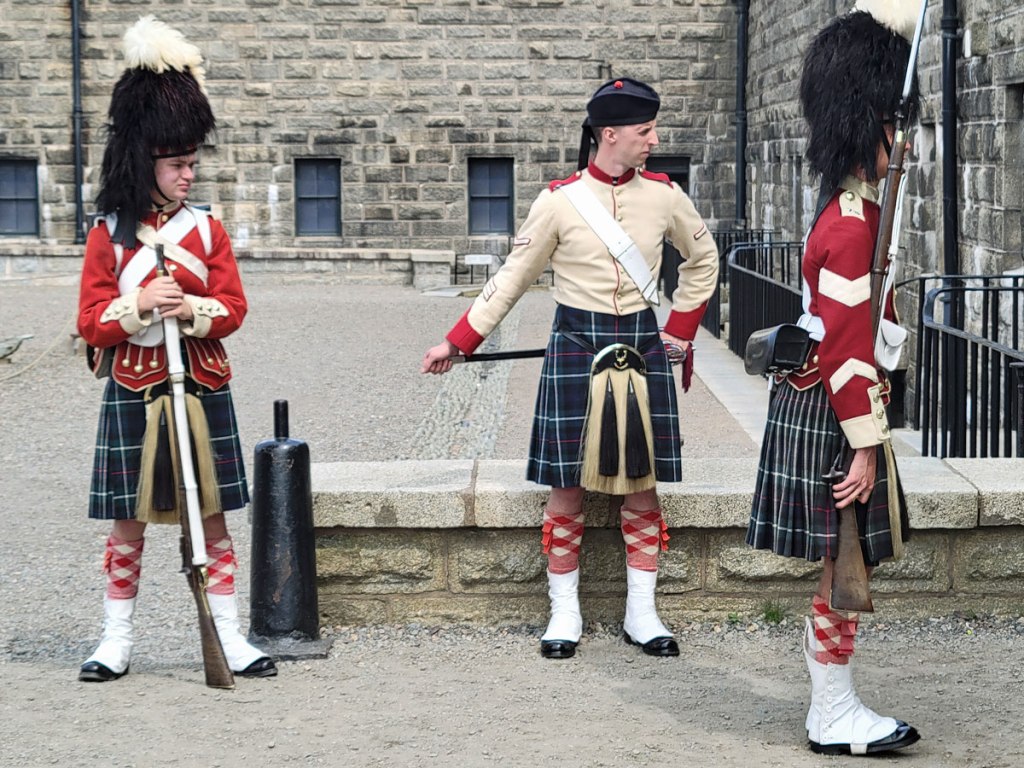
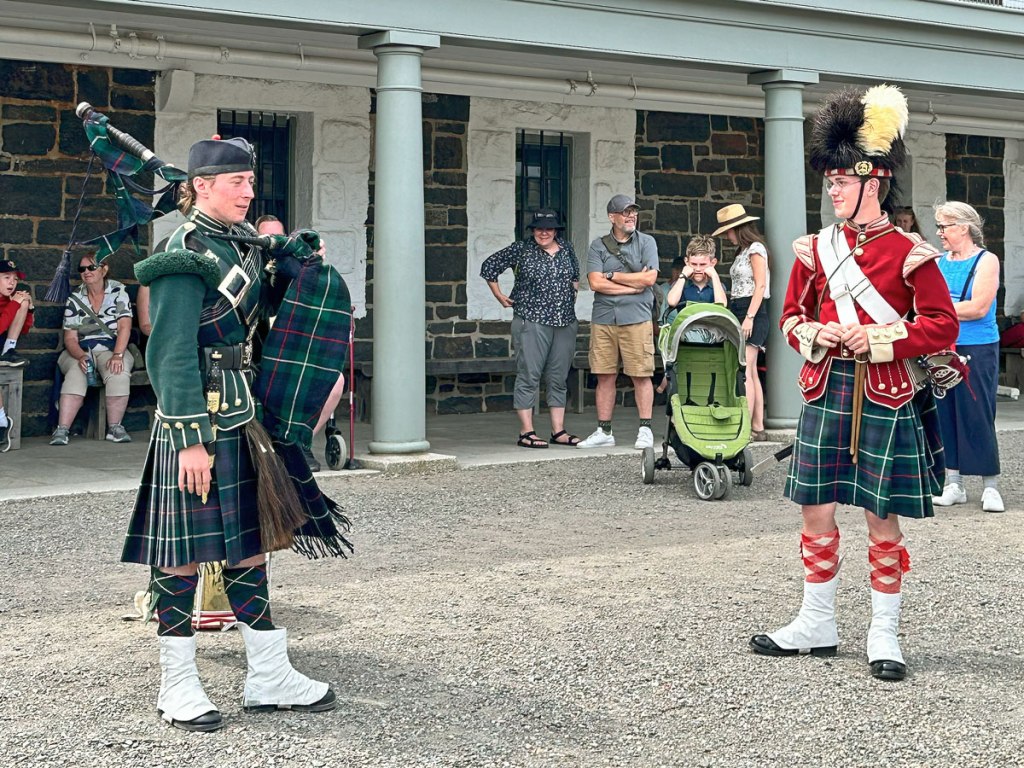



And there’s more. Lots of artillery, large and small. Many nooks and crannies to explore. An abundance of documents, maps, paintings and stories, plus an Army museum. Reconstructed barracks, engineer room, tailor shop and classroom.

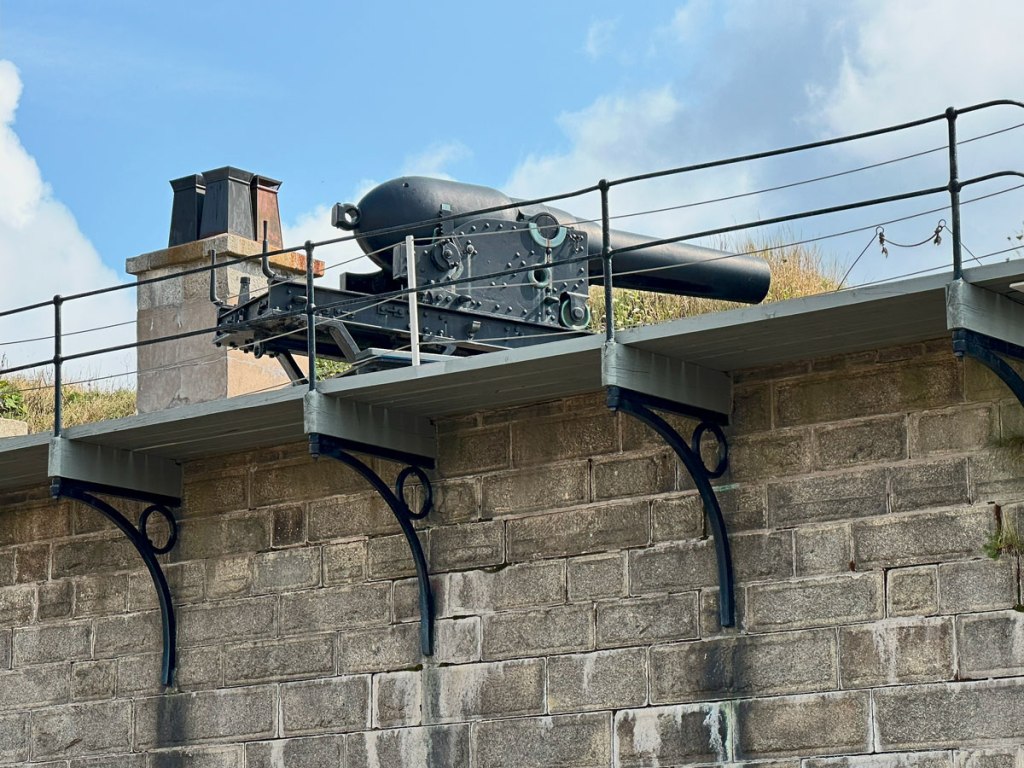


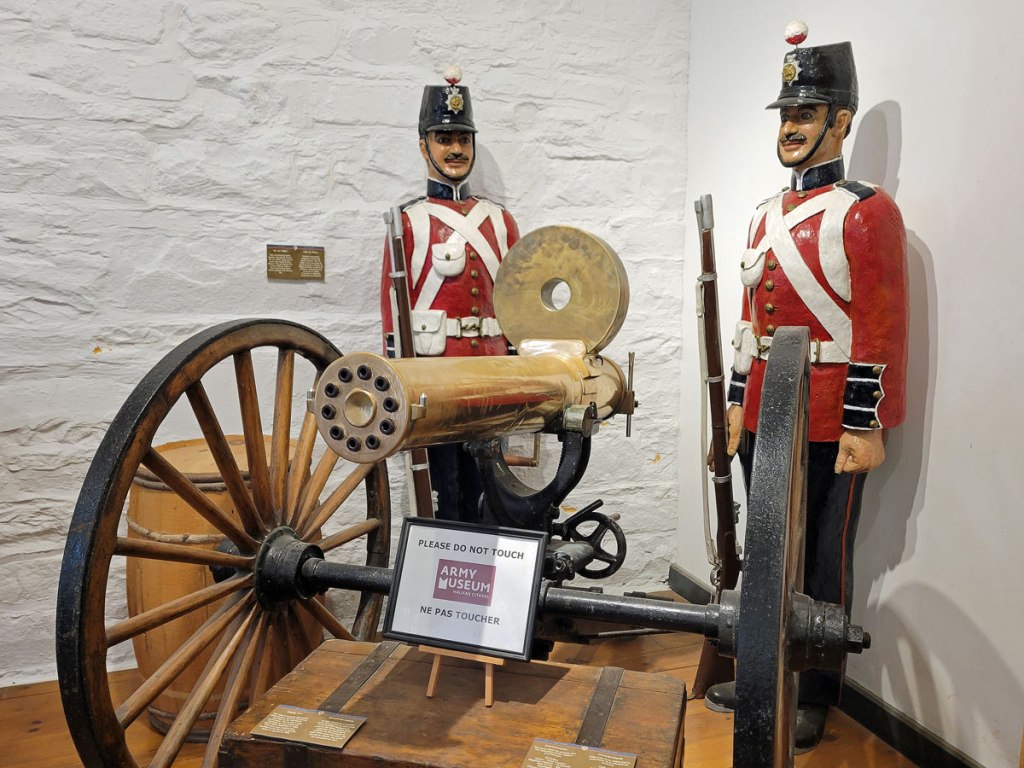

Guided tours were available, but we opted for the do-it-yourself approach and walked away knowing a thousand times more about the history of Nova Scotia than when we arrived. The Citadel was a good choice for the first day of our vacation in the Maritimes.
Maritime Museum of the Atlantic and Fairview Lawn Cemetery

A visit to the Maritime Museum on the Halifax waterfront introduced us to ship-related history pertinent to the area, including sailing ships, steamships, military vessels, and shipwreck treasures.
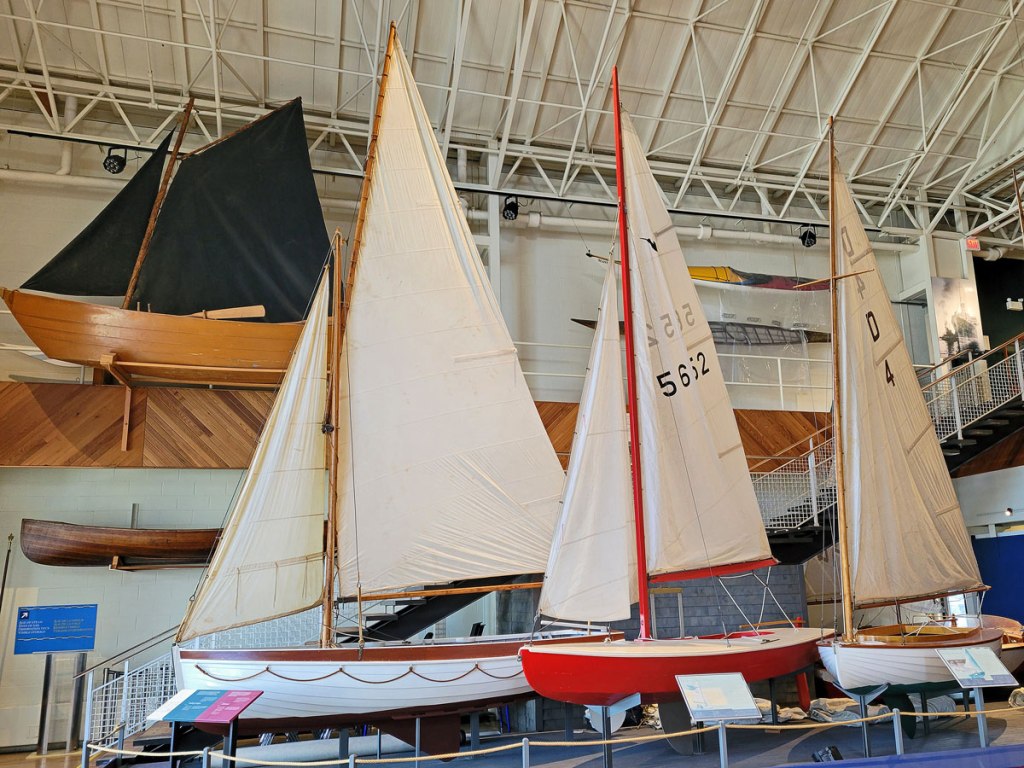


The Museum also featured a large display of the models used in Theodore Tugboat, a children’s TV series from the 1990s to early 2000s based on the real Halifax Harbor.

More than 10,000 seafaring vessels have met their demise in the coastal waters of Nova Scotia, often due to fierce storms. We thought that Nova Scotia was too far north for tropical-related storms, but a close look at the map below tells a different story.

The most poignant exhibits in the Maritime Museum focused on two infamous disasters: the Halifax Harbor Explosion in 1917, and the role that Halifax played in the aftermath of the sinking of the Titanic in 1912.
The story of the Titanic is well-known and thoroughly documented in books, movies, survivor stories, news articles, passengers’ personal effects and other artifacts. The luxury ocean liner struck an iceberg, split in two and sank on April 15, 1912 in the North Atlantic during its maiden voyage from Southampton, England to New York.
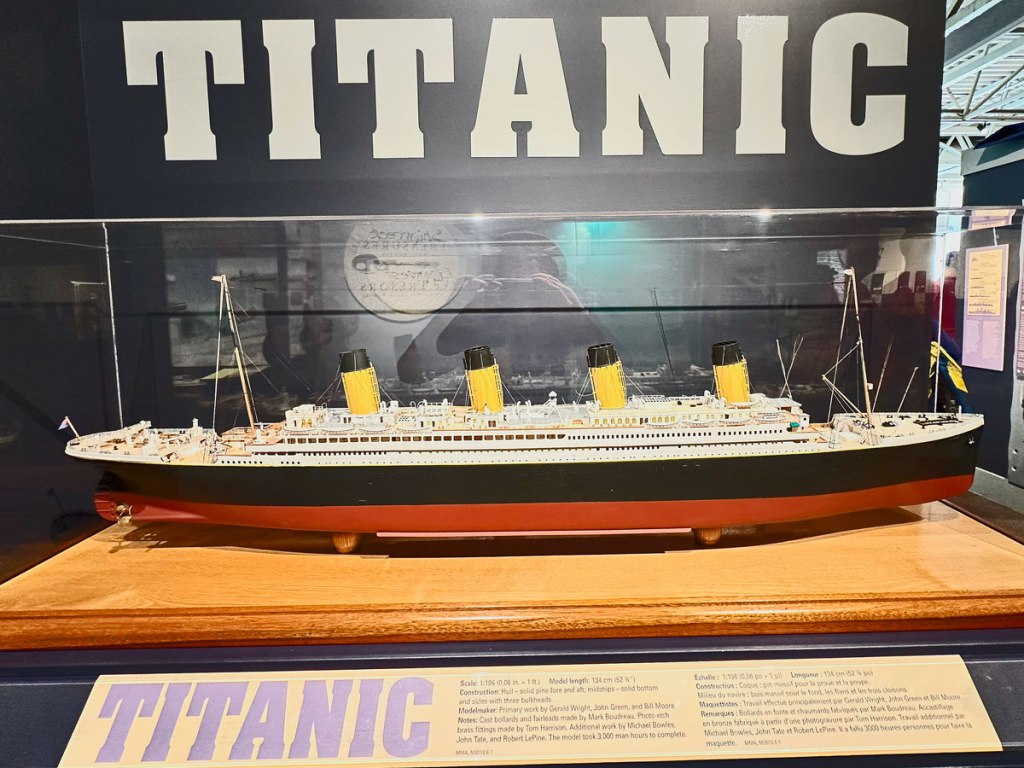
These are the sad facts: Of the 2,240 passengers and crew on board, more than 1,500 perished. Those who survived were taken to New York. Only 328 bodies were recovered, with 119 then buried at sea and the rest transported to Halifax. Fifty-nine individuals were subsequently claimed by relatives and shipped home. The remaining victims were interred at three different cemeteries in Halifax. Forty-one people were never identified.
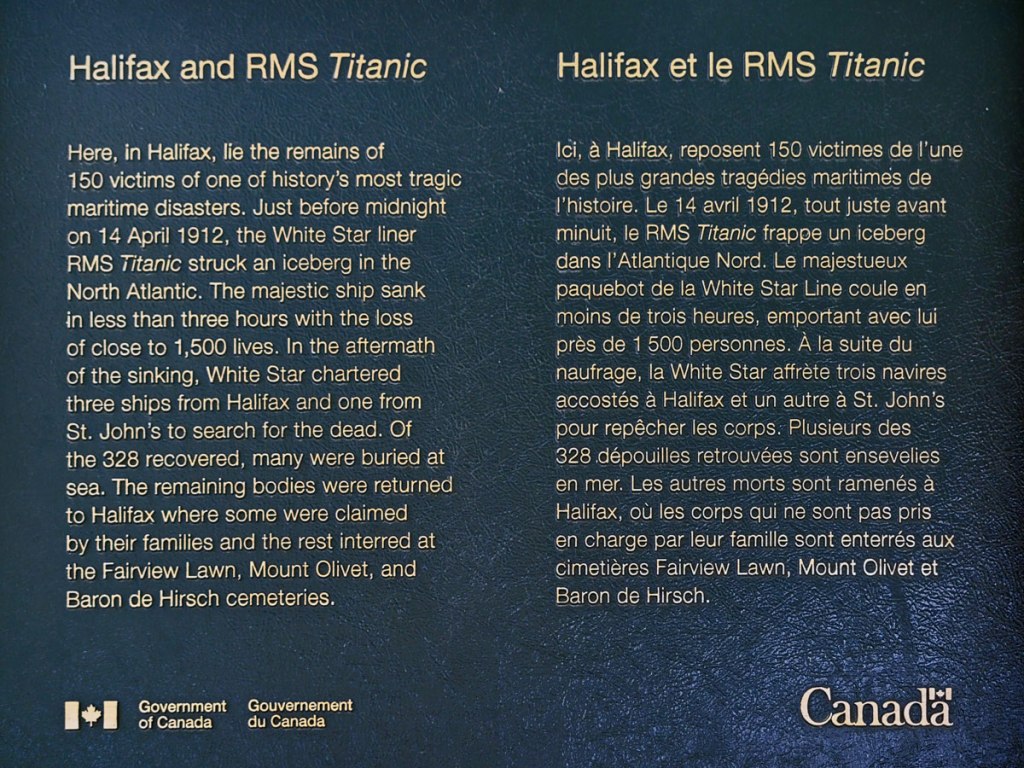
Fairview Lawn Cemetery is the final resting place for 121 individuals who lost their lives in the disaster. We visited to pay our respects to the victims, as well as to those who toiled to unite them with grieving families.
The feeling of loss was palpable as we walked among the graves. A young mother and her four children. A toddler whose identity remained a mystery until DNA testing in 2007 finally unlocked the answer. A young Scottish violinist in the orchestra, which famously continued to play right to the end. The young crew members who sacrificed everything to save others. And 41 individuals known only by their numbers, no names.
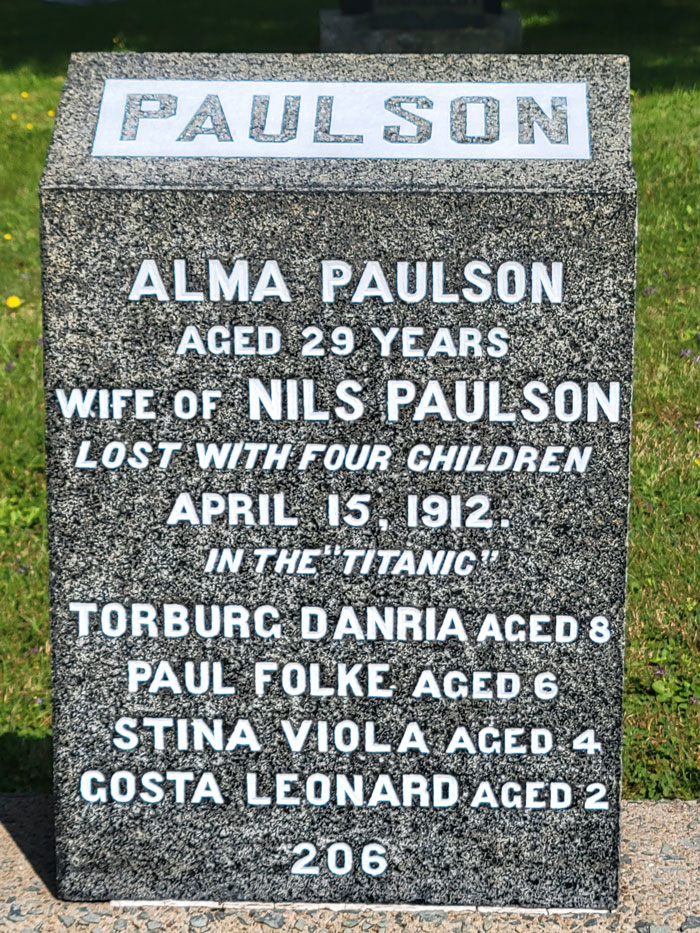


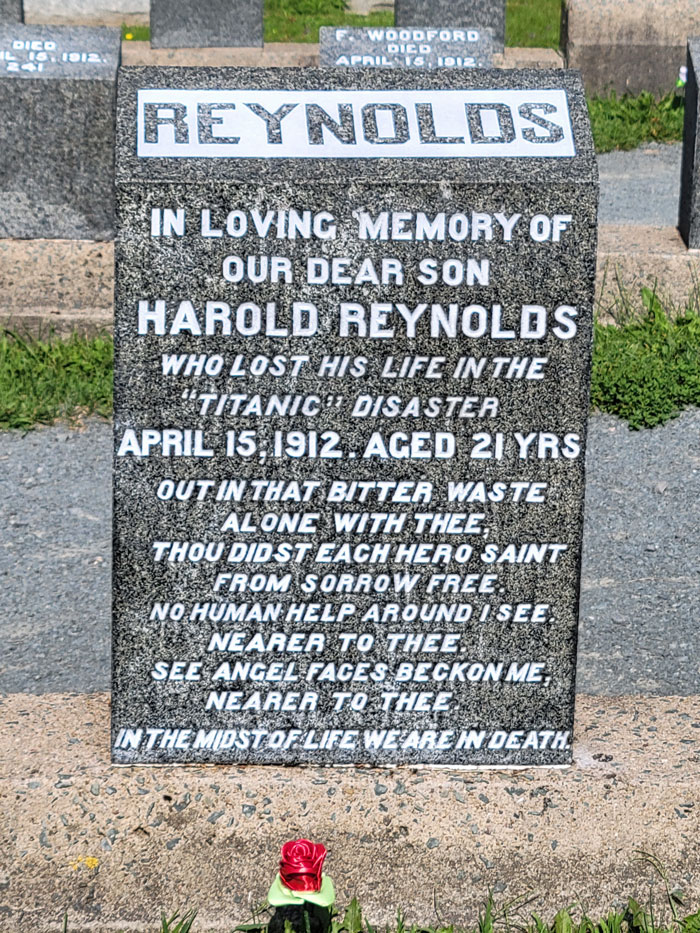

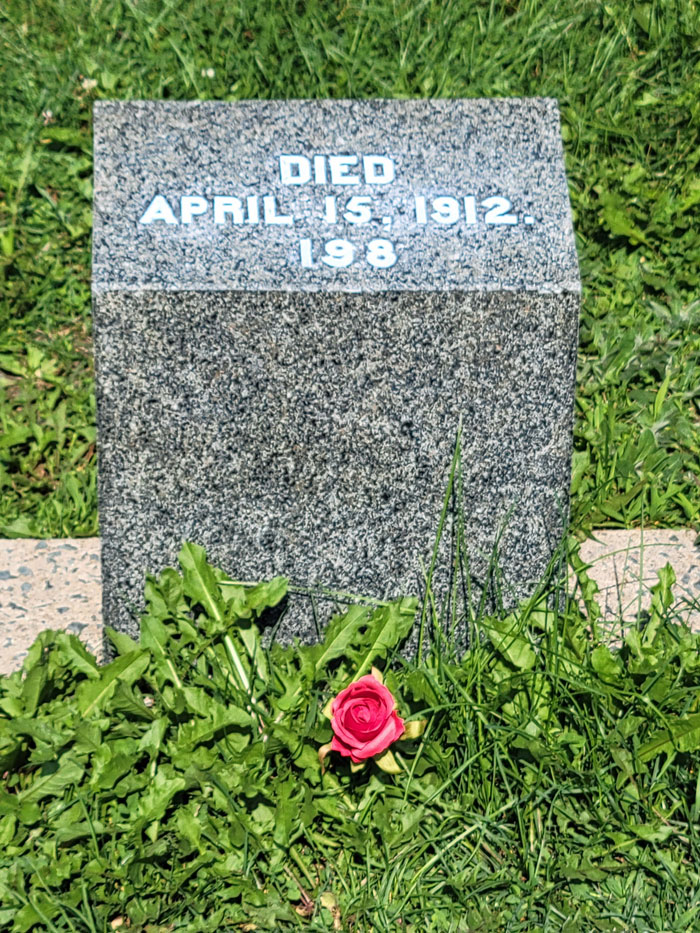
The story of the Halifax Explosion is not as widely known as the Titanic disaster, but the impact was equally horrific. During World War I, Halifax served as a vital logistical center for sending both troops and supplies from Canada to Europe.
On December 6, 1917, a fully loaded munitions ship collided with a cargo ship at the mouth of the harbor, leading to a massive explosion that killed 1,963 people, injured 9,000, left 8,000 homeless, and destroyed more than 1,600 buildings. It was the largest man-made blast in history prior to the emergence of the atomic bomb during World War II.
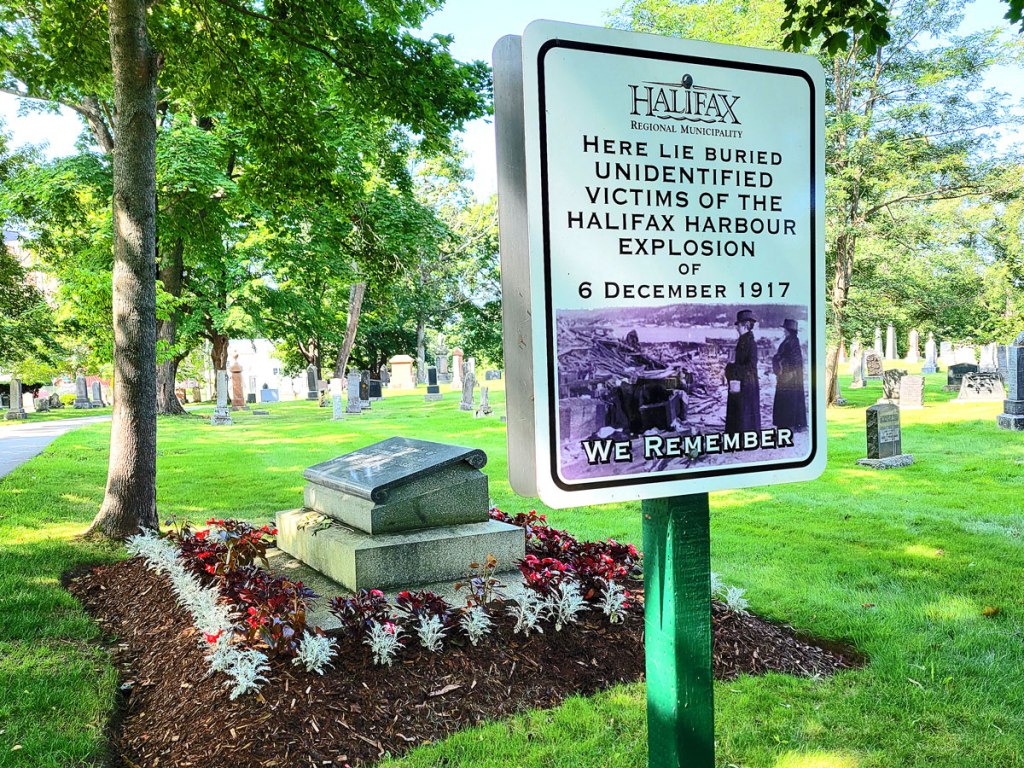
Authorities were unable to identify the remains of 250 known victims. Half were buried at Fairview Lawn Cemetery in a mass grave shown below. The simple inscription reads, “To the Memory of the Unidentified Dead. Victims of the Great Disaster December 6, 1917.”

And now, we move on.
Halifax Public Gardens

The Public Gardens wasn’t on our “must do” list, but it was a short walk from our hotel (and free to visit), so we thought, well, why not check it out?
Founded in 1836, the sixteen acre National Historic Site is a lovely example of Victorian-era gardens and a welcome respite from the surrounding hubbub.

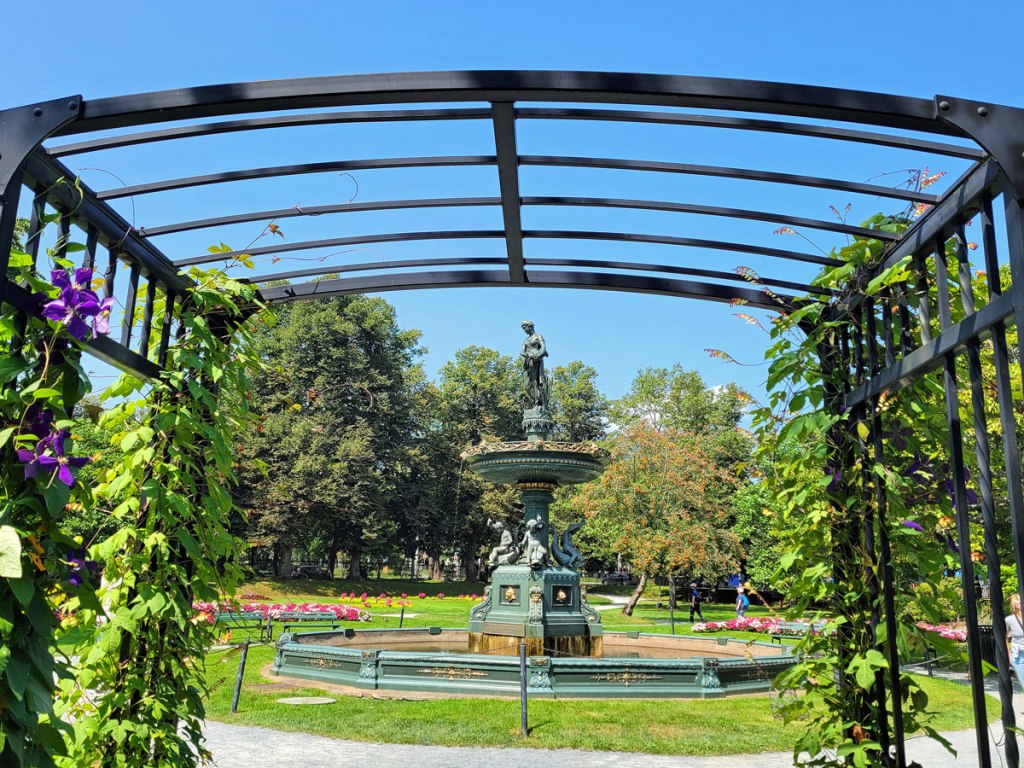
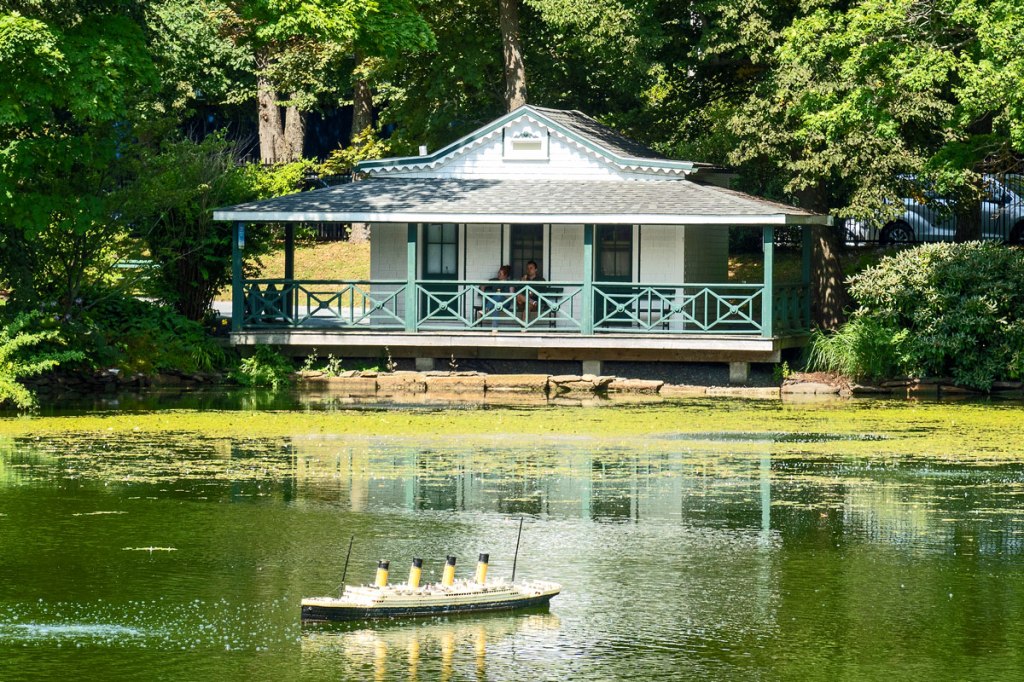


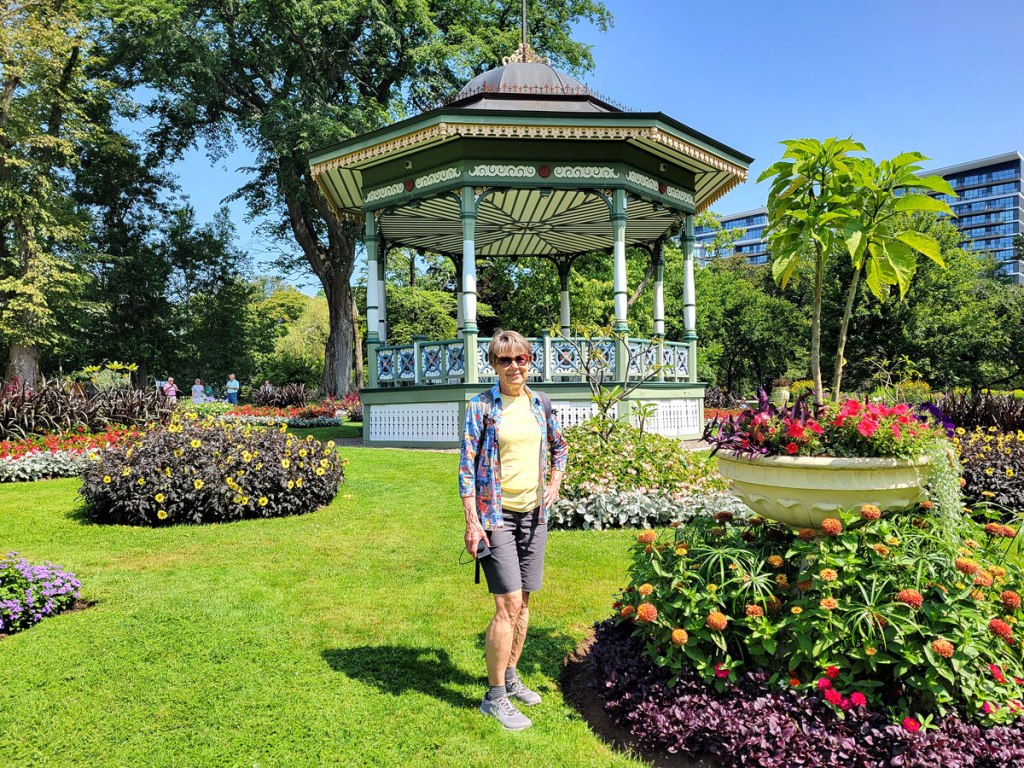

After the Gardens, we took a leisurely walk down to the waterfront, passing through a beautiful, old neighborhood.
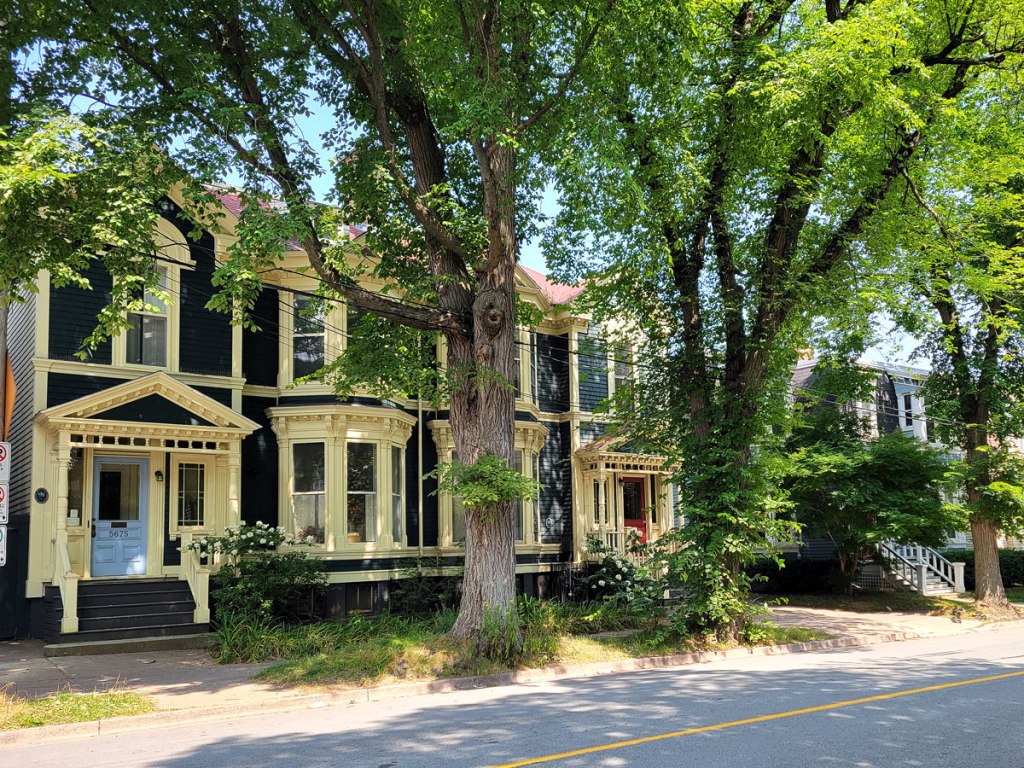
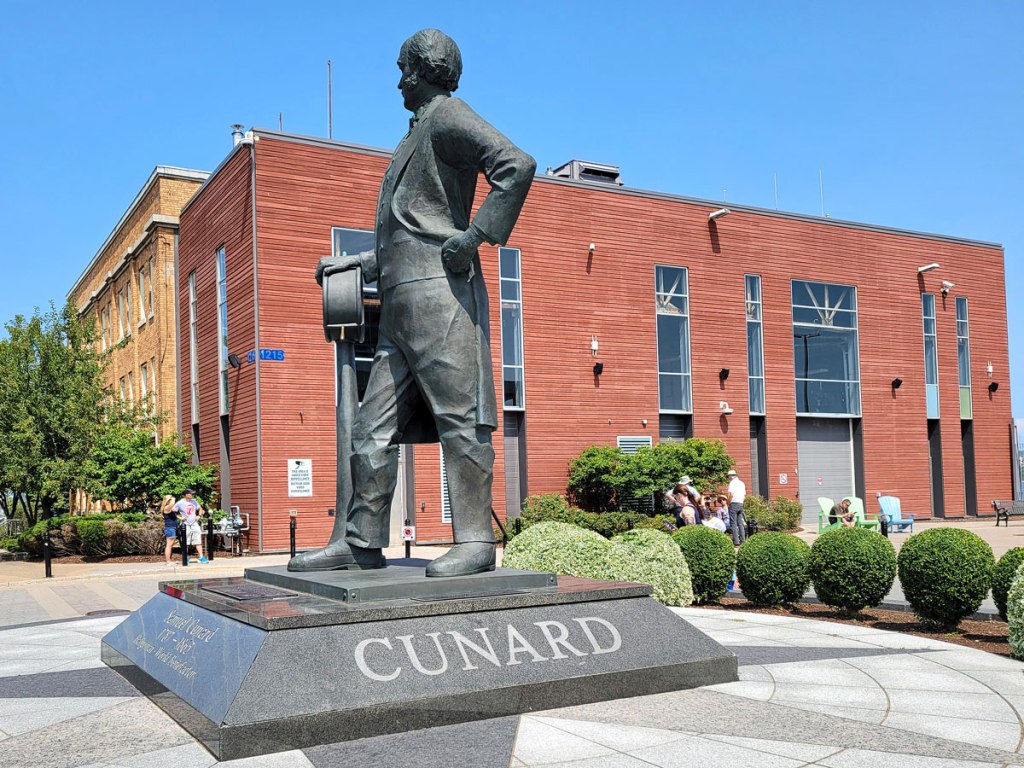
As we got close to the waterfront (and its 2.5 mile pedestrian boardwalk), we came upon three interesting statues. First, shipping magnate Sir Samuel Cunard, Halifax native and pioneer of trans-Atlantic steamship travel (Cunard Lines) during the 19th century.
Then “The Emigrant” statue that pays tribute to those who left their homeland and ventured to Nova Scotia in search of a better life. “The pain of separation he overcame, with faith and hope his heart aflame.”

And finally, we stumbled across a plaque commemorating Prince Valiant, which piqued our curiosity. The long-running Prince Valiant newspaper strip was created in 1937 by Harold (Hal) Rudolf Foster, born and raised on the Halifax waterfront.
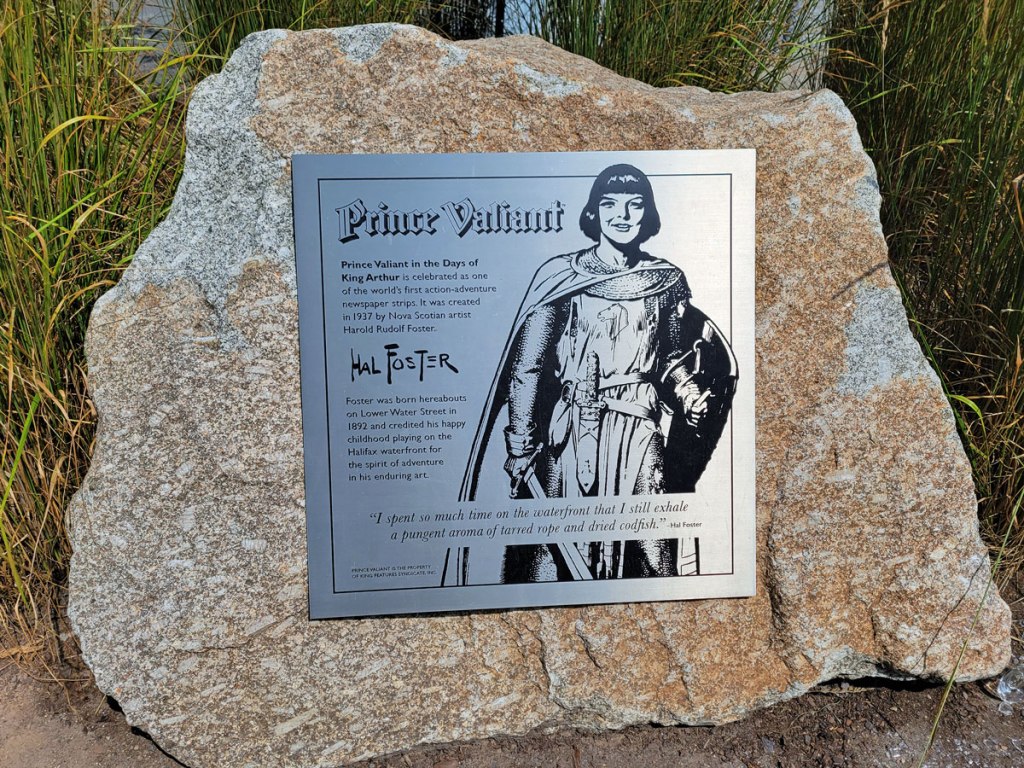
“I spent so much time on the waterfront that I still exhale a pungent aroma of tarred rope and dried codfish.”
Mr. Foster wrote his final script in 1980, but the story just keeps going, thanks to writer Mark Schultz and illustrator Thomas Yeates. The strip is carried in over 300 American newspapers. An amazing legacy!
The waterfront was busy but not crowded, and many folks were enjoying the restaurants, shops, a farmer’s market and more. Some just wanted to take it easy . . .
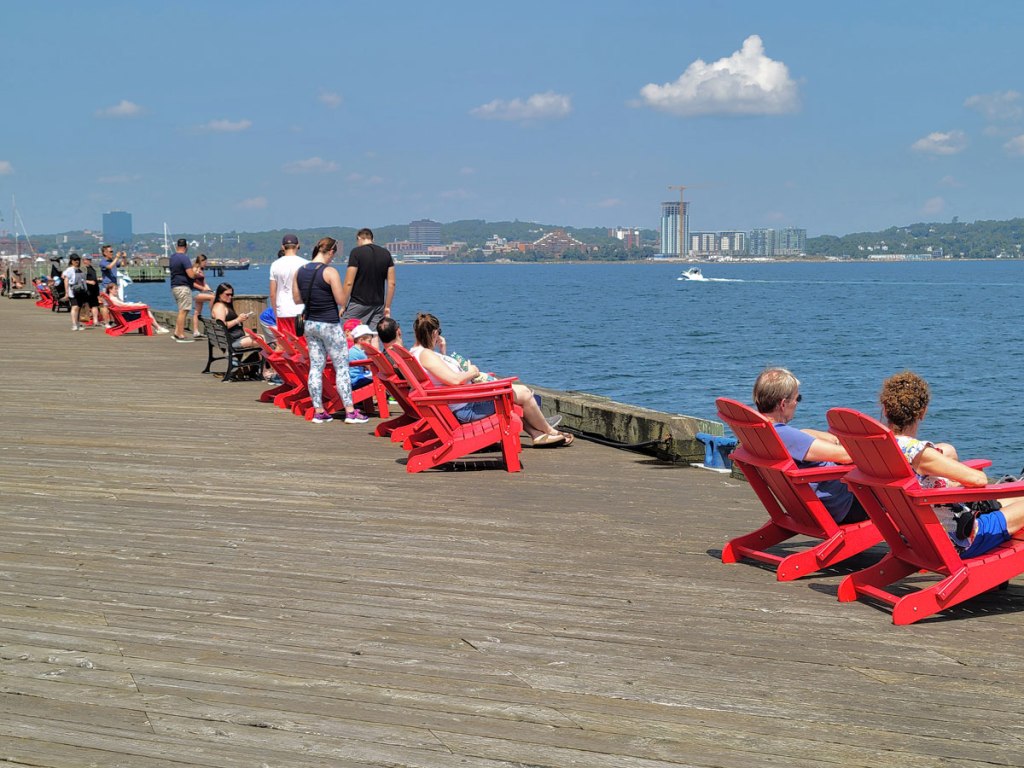
. . . and enjoy a refreshing beverage on a hot day.

And that wraps up our two days in Halifax, with 31 more days still ahead to explore the Maritime Provinces. We want to share our experiences with you, but with only three weeks before embarking on our next series of adventures (in Australia), more articles about Canada just aren’t in the cards right now.
We will, however, put together a photo gallery in the next couple of weeks highlighting some of our favorite places from the Canada trip. And I am ever optimistic that the stories that explain the photos will get written, eventually. Thanks for coming along with us!
If you would like to be notified when future articles are published, please add your email address and hit the “Subscribe” button below. No ads, just a heads up message.
Discover more from Just Passing Through
Subscribe to get the latest posts sent to your email.



 Just Passing Through
Lovely. Look forward to more photos. Marlene Rupp
LikeLike
Thank you! Yeah, I’m trying to figure out exactly what that means!
LikeLike
Wonderful blog Carol! Scott and I spent a week in Nova Scotia and loved it. Highlights were a whale watching trip off the north coast and a close up encounter with a moose in Cape Bretton. Looking forward to the photo gallery! xo Mary
>
LikeLike
Thanks, Mary! I would go back to Nova Scotia (and especially Cape Breton Island) in a heartbeat. Such a magical place!
LikeLike