They were everywhere in the Maritimes! At our hotels, on the hiking trails, in shops and restaurants, and even on the side of the road. Cape Breton Island challenges visitors to find ten, take photos and earn a special badge.
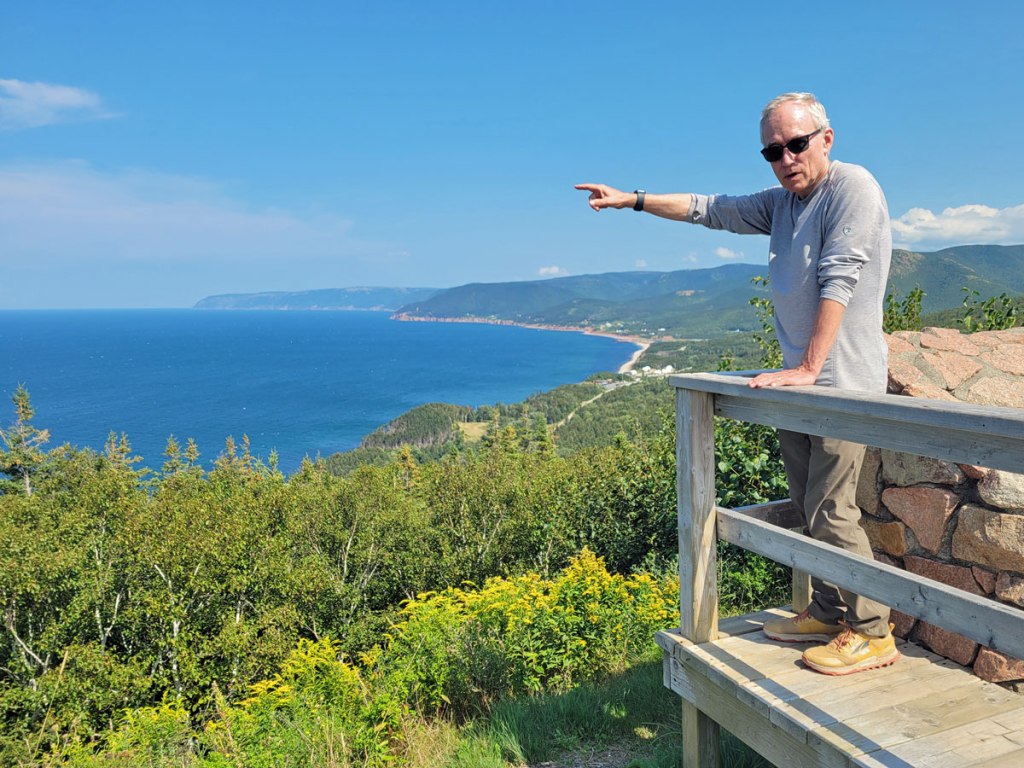
“They” were not maple trees, lobster rolls, or mosquitoes. It was another Canadian icon – the ubiquitous and usually red Adirondack chair. Cape Breton’s promotion is called the Red Chair Challenge, but our only photo that met the geographic criteria is Bill overlooking the Atlantic Ocean at the end of a hiking trail.
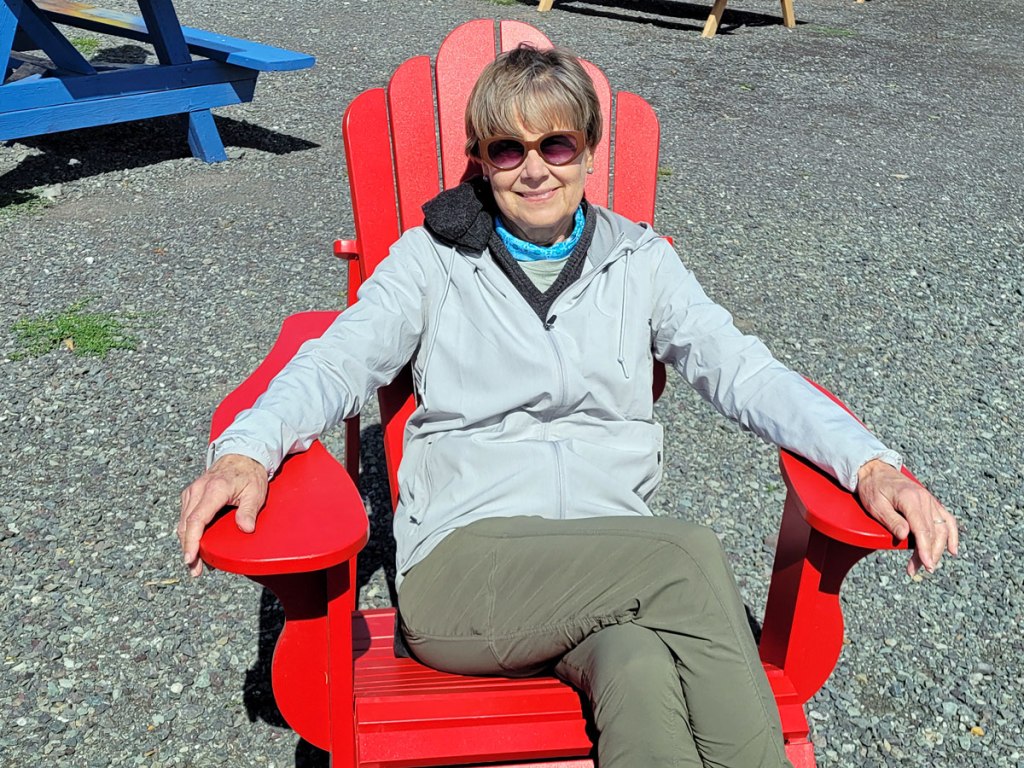


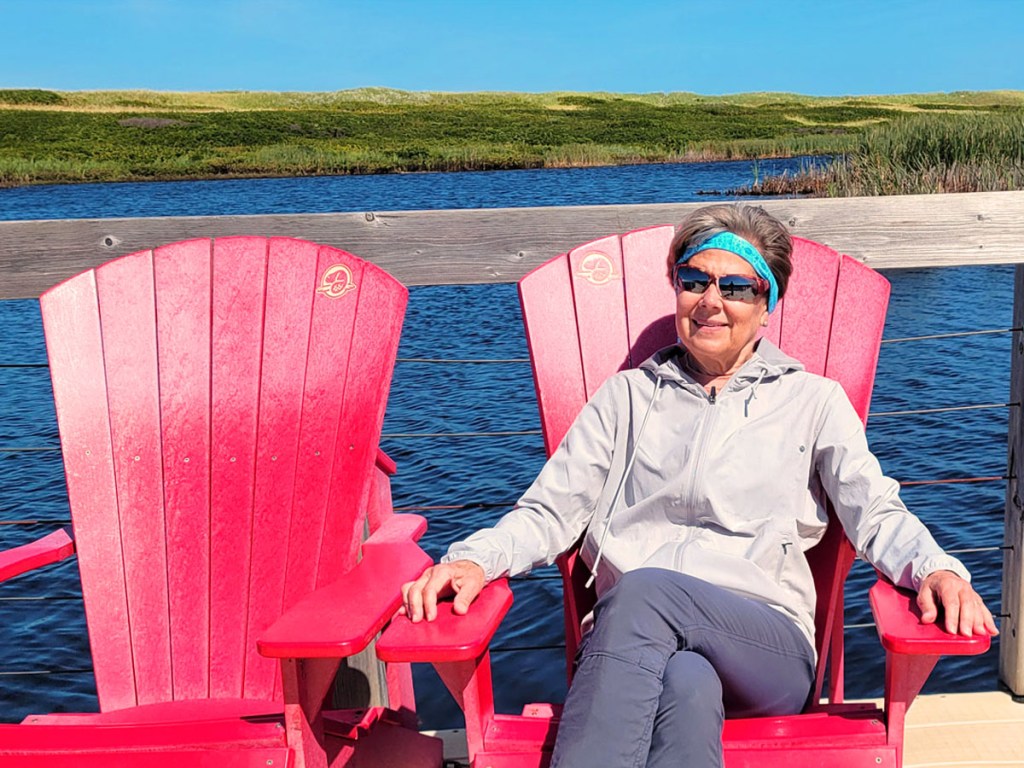
Not all the chairs are red, however. This little roadside photo op was a colorful find. You may have to squint to see us tucked away in the yellow chair.

Just a quick reminder that our travels in Nova Scotia, Prince Edward Island and New Brunswick last summer covered roughly the area shown below.

If you need to catch up, here are links to two previous articles:
Hello Canada! Great Times in the Maritimes
Canadian Maritimes: Best of the Rest, Part I
In this post about our experiences in the Maritimes, we’ll share more historical and cultural experiences, as well as photos from our Nova Scotia hikes, and some “Just for Fun” shots.
The Maritimes have a rich history that encompasses more than the Gaelic influence we enjoyed learning and writing about previously. But the original inhabitants were the Mi’kmaq First Nations people, with around 70,000 descendants living in the area today.
We visited Eskasoni Cultural Journeys in Cape Breton to learn more about the Mi’kmaq but were disappointed to find the visitor center closed and no one on site to provide the advertised interactive demonstrations.
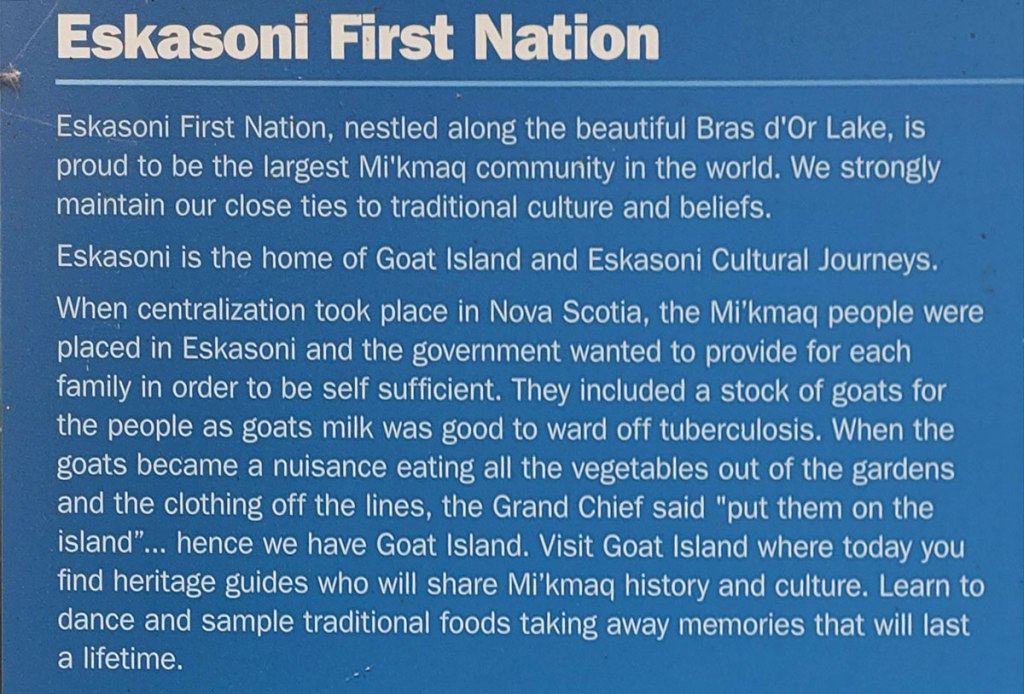
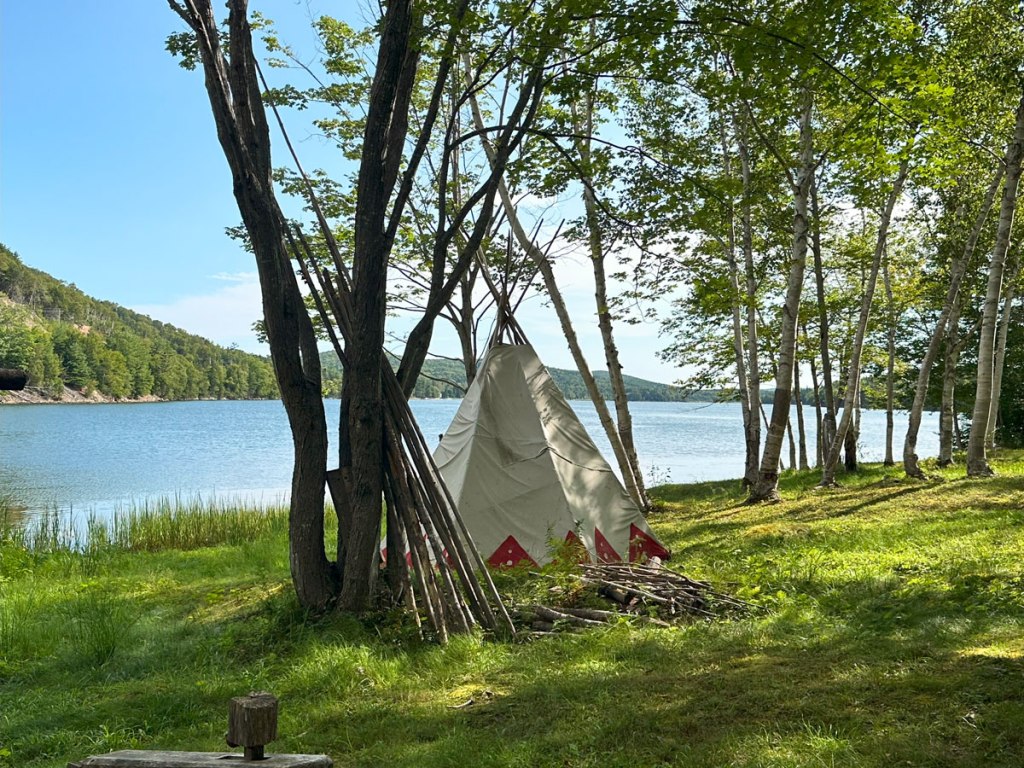
We had better luck with our quest to learn about the French Acadians.
French Acadian Culture – Past & Present
In the 18th century, Canada was not spared from the British and French battle for global supremacy. The Fortress of Louisbourg, strategically located on the eastern shore of Cape Breton Island on the Gulf of St. Lawrence, was built by the French between 1720 and 1740, seized by New Englanders loyal to Great Britain five years later, handed back to the French through treaty negotiations in Europe three years after that, and then re-taken by British forces soon after. Great Britain later destroyed the fort and the village before abandoning the site in the 1760s.
Today the partially reconstructed fortress is a National Historic Site. The living history experience is set in the peaceful 1730s when the Fortress was under French control. We spent two days at Louisbourg and highly recommend a visit.
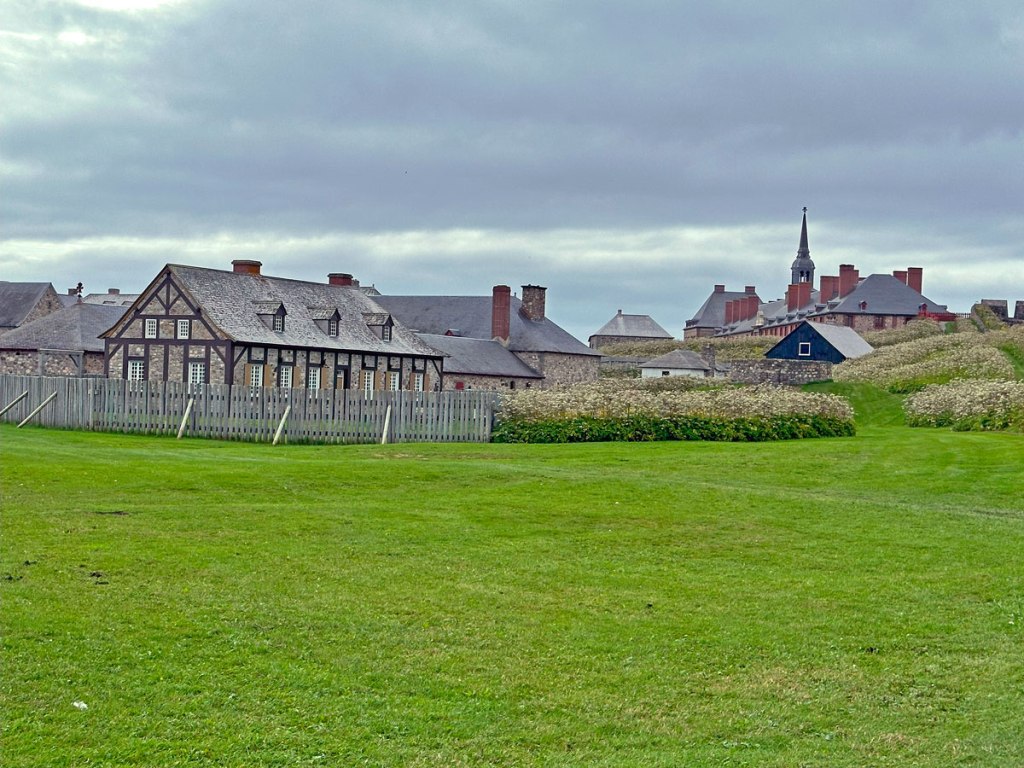
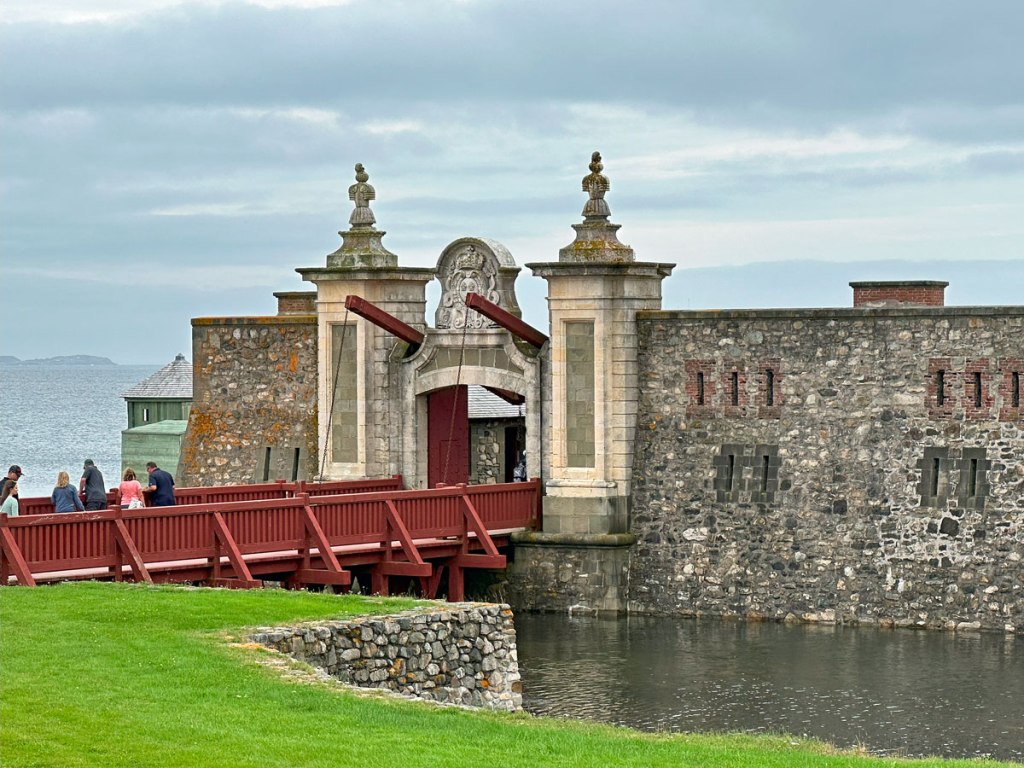
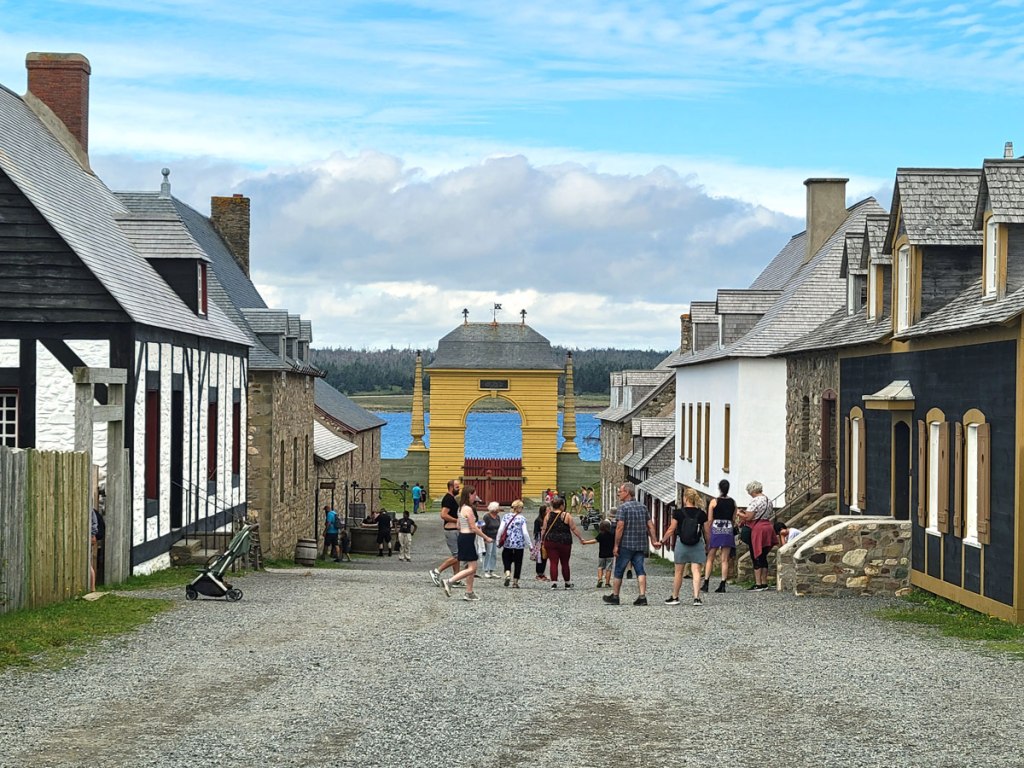
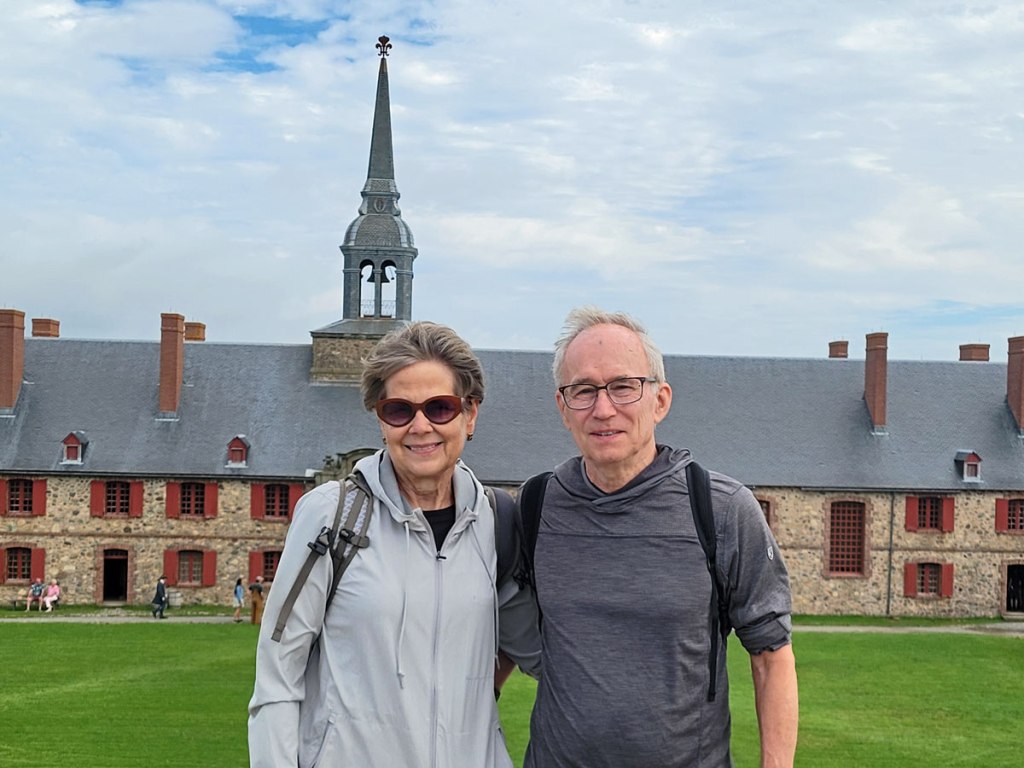

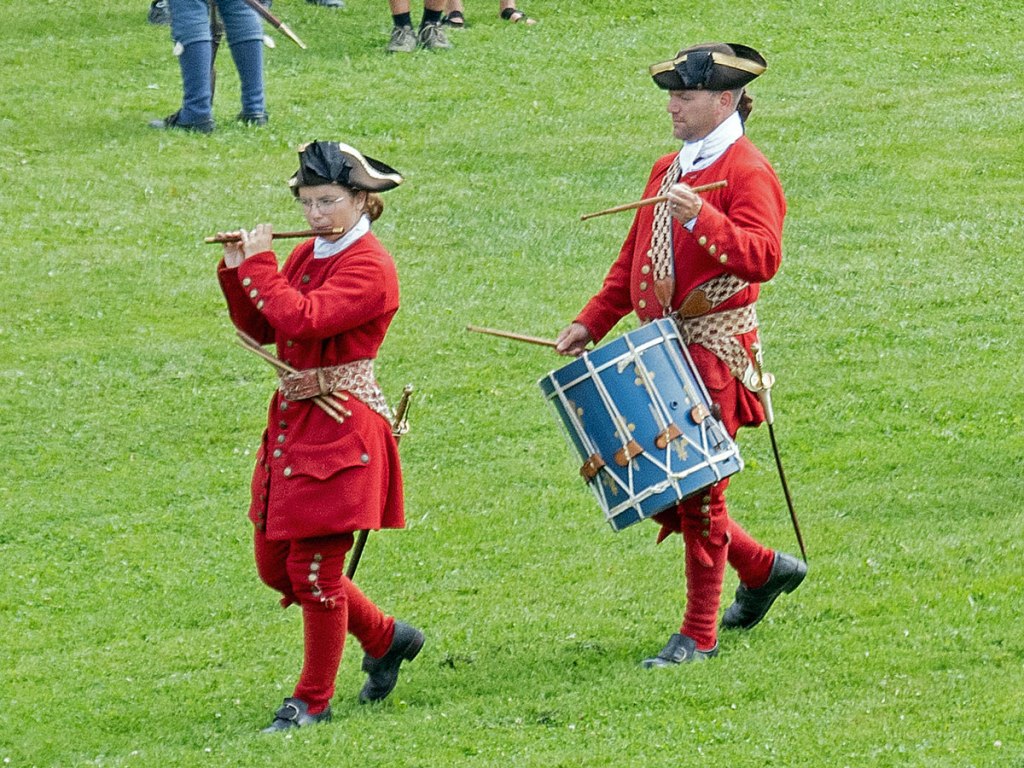
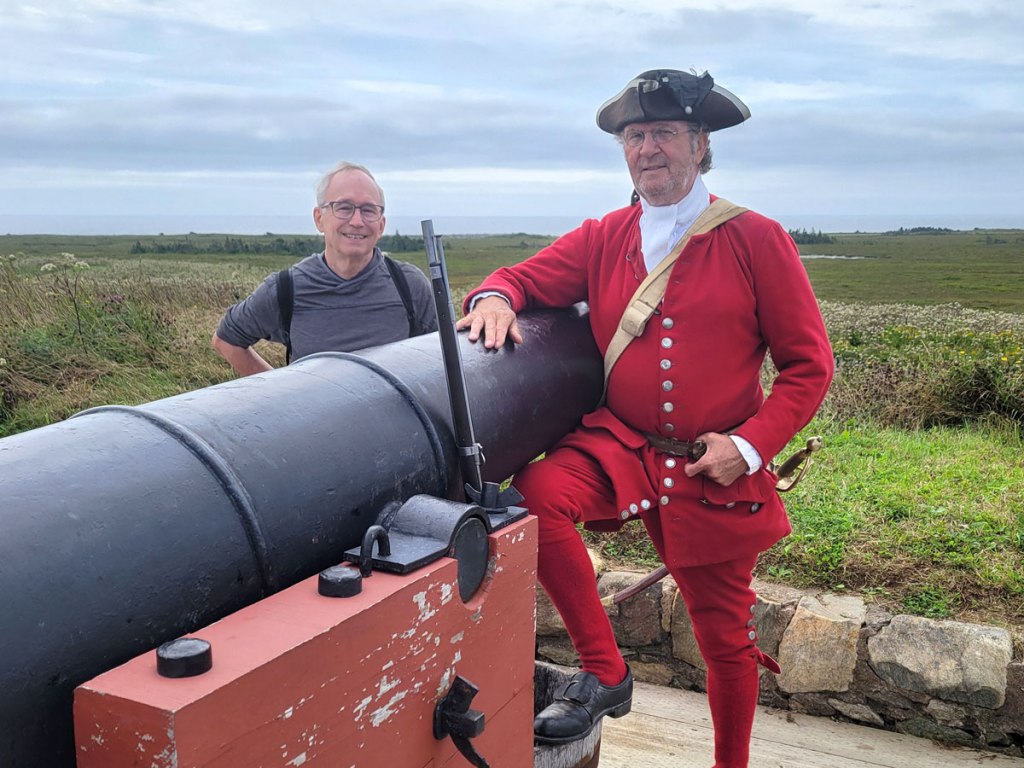
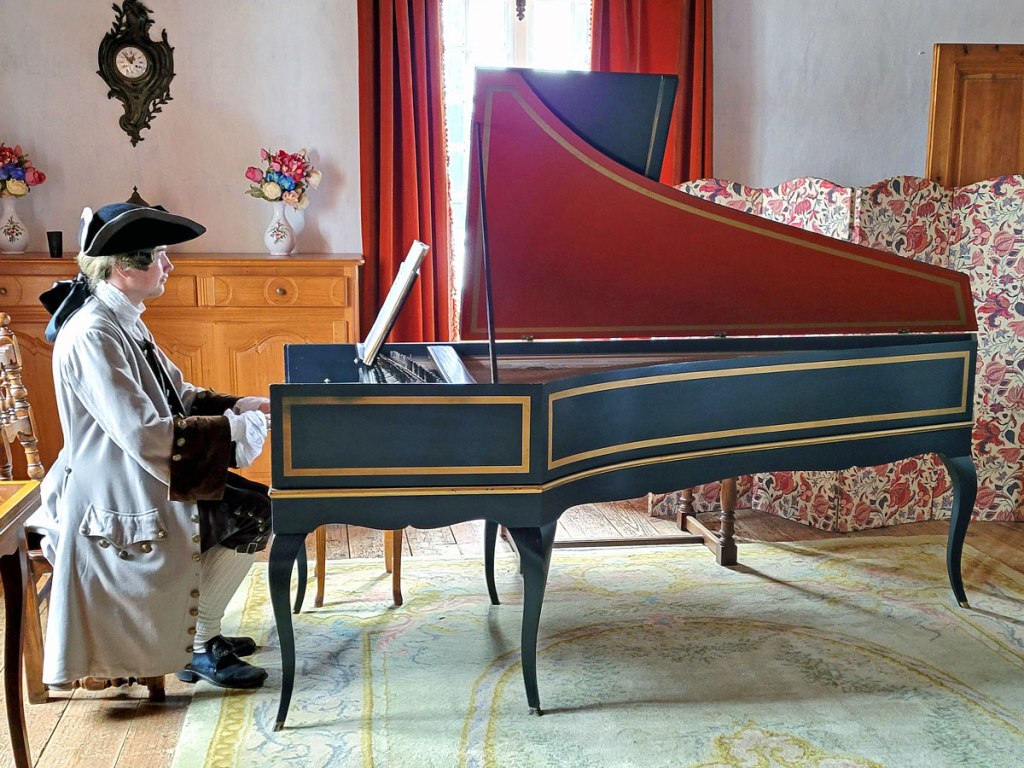
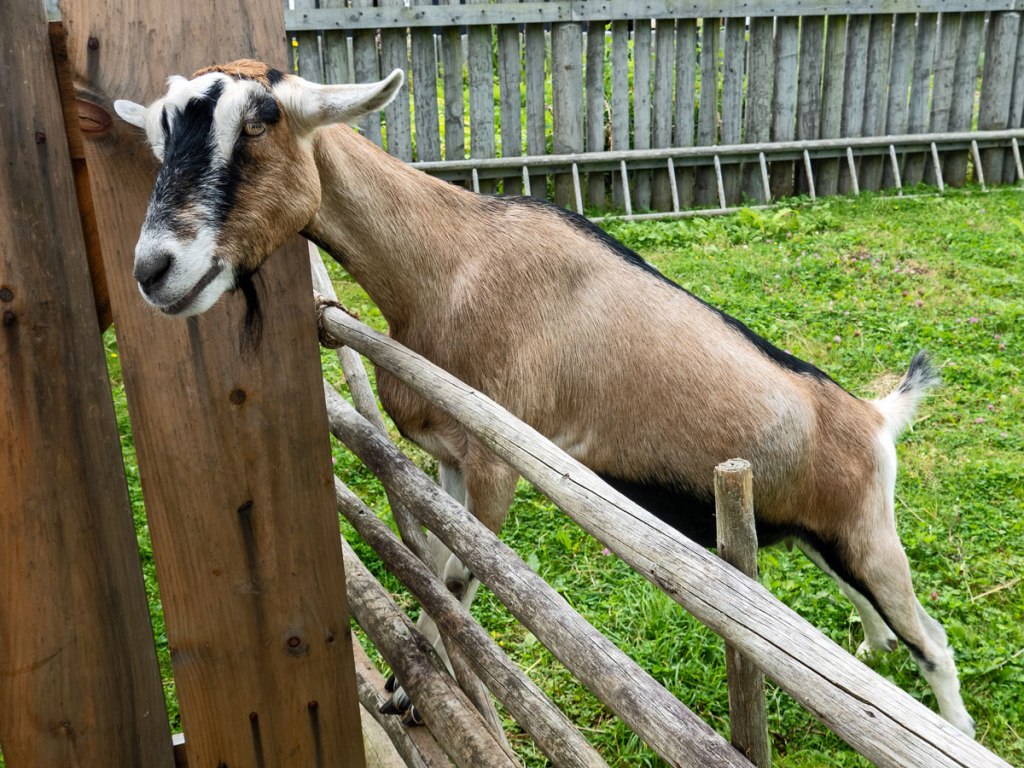
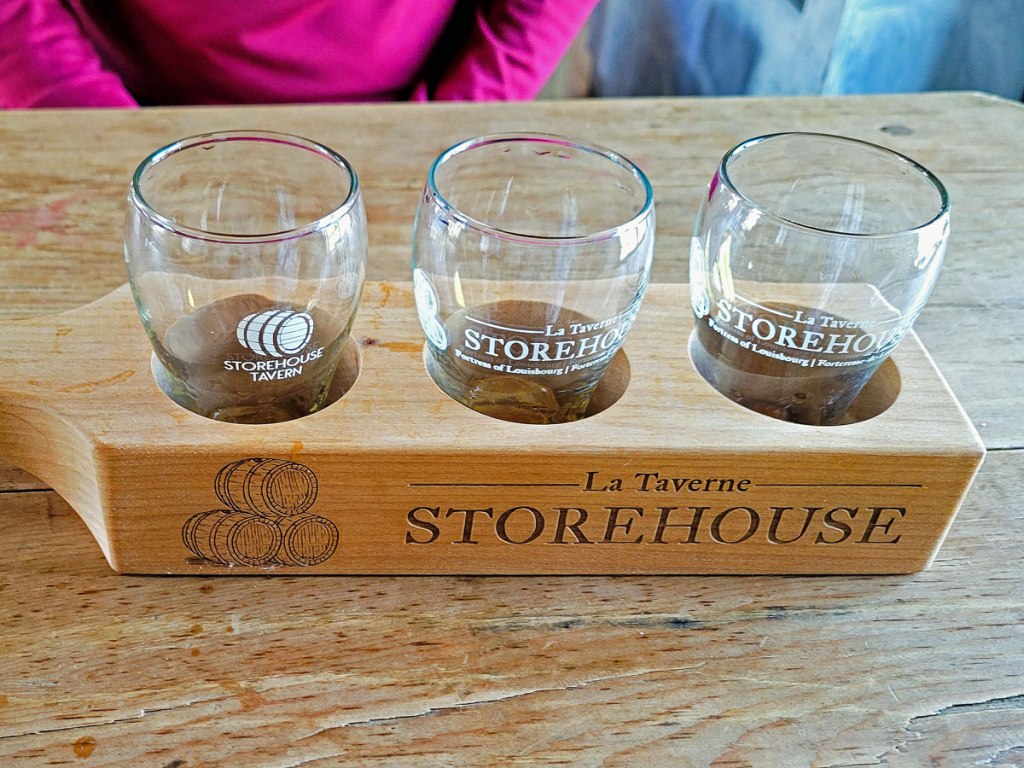

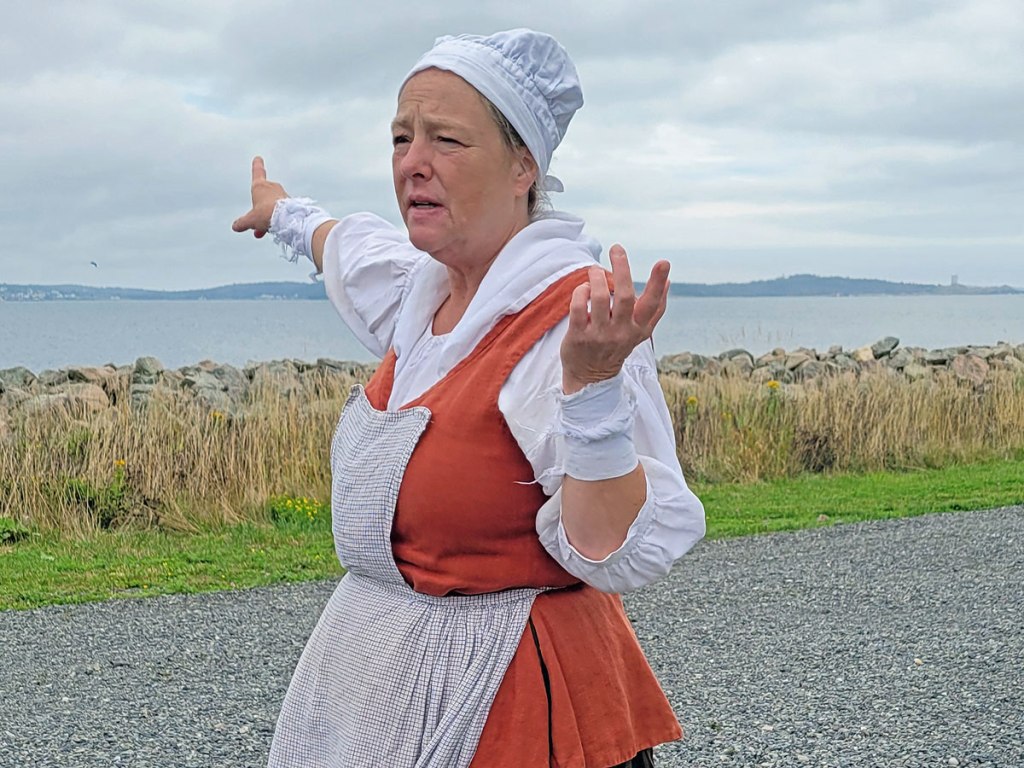

Continuing the history lesson, the Brits brutally expelled all French Acadians from the Maritimes between 1755 and 1763 in a humanitarian tragedy of gigantic proportions. Beginning in 1765, the Acadians were “invited” to return if they pledged allegiance to the British Crown. Today there are around 165,000 Acadians living in the Maritimes with their proud cultural heritage intact.
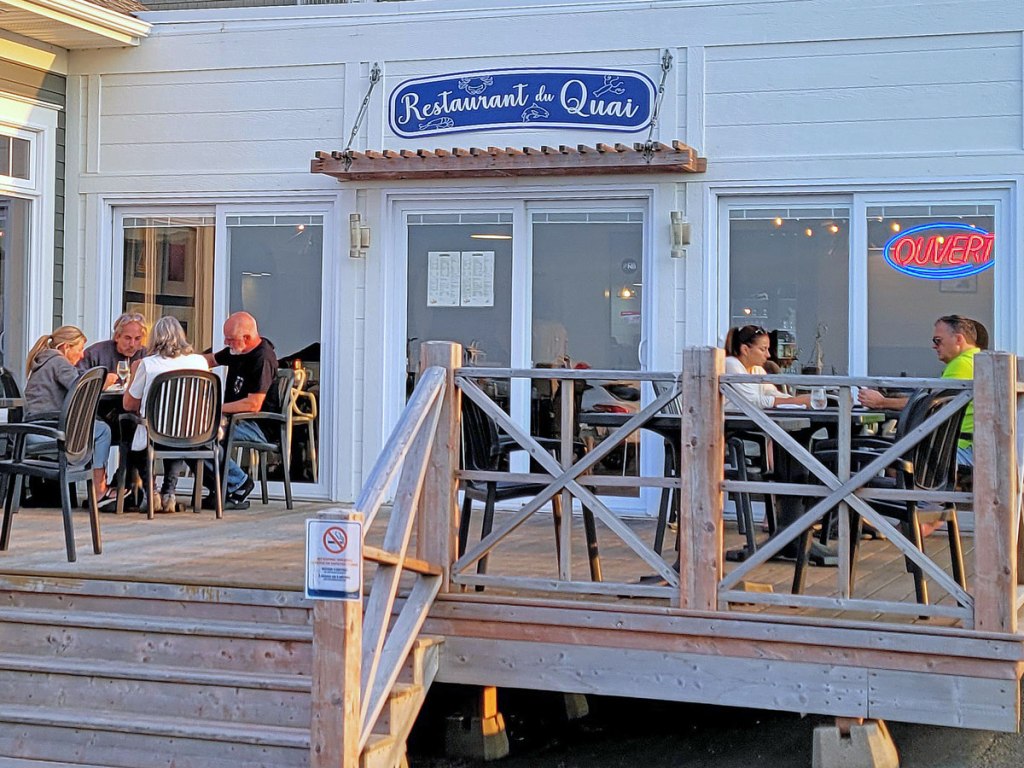
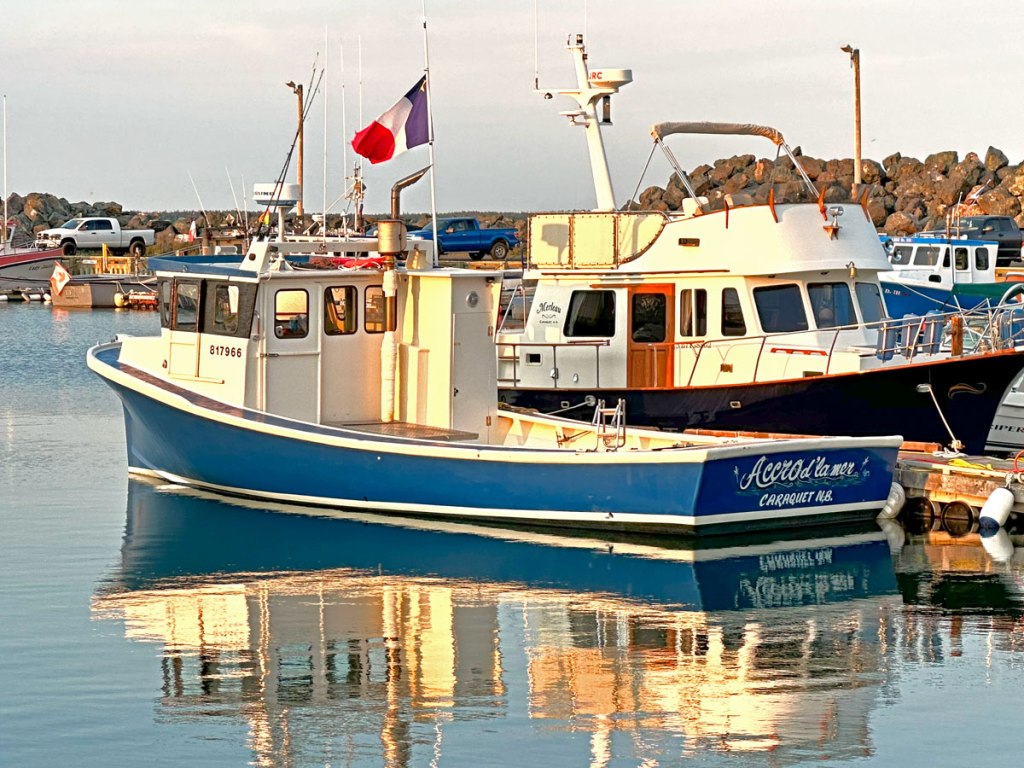
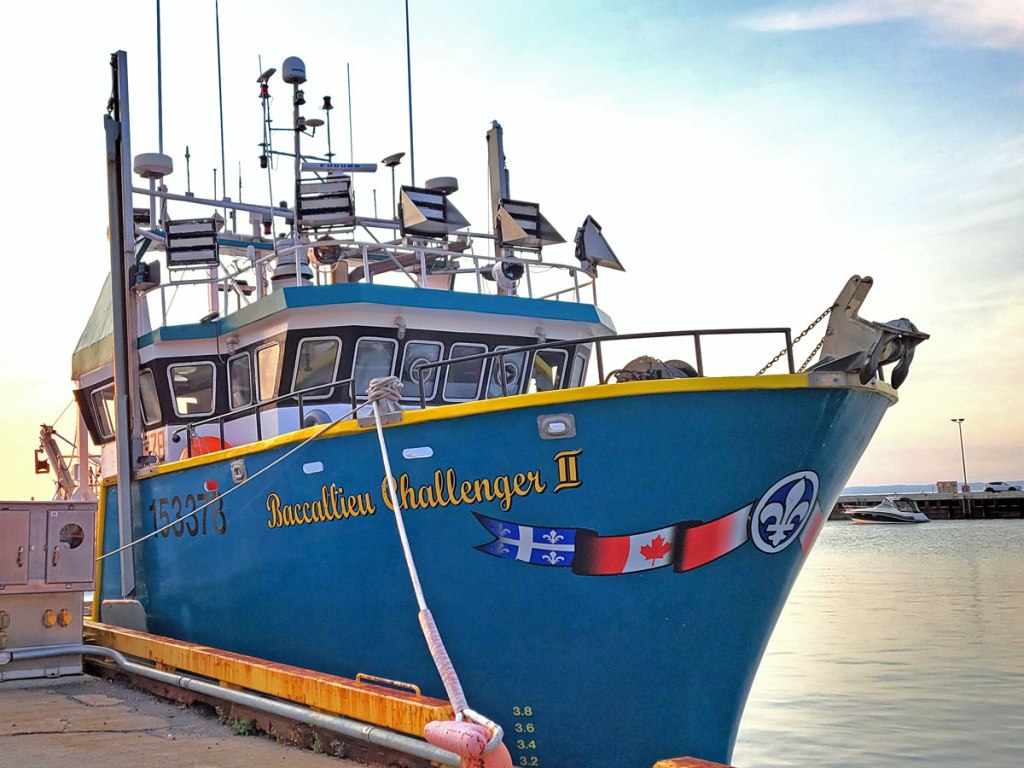
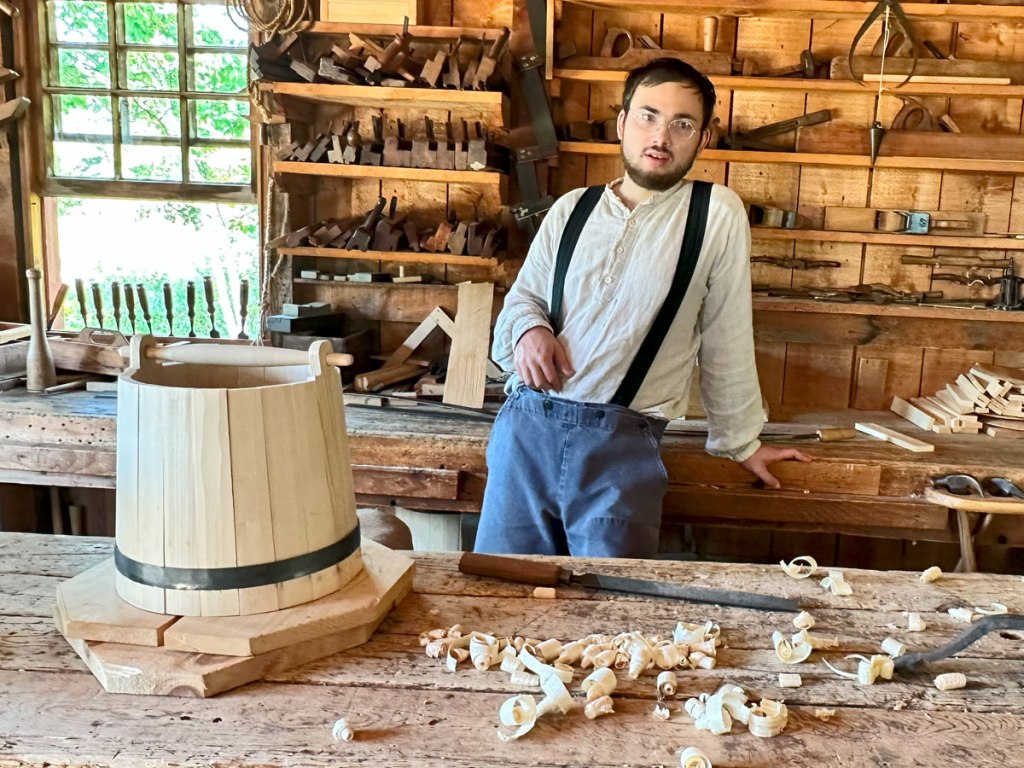
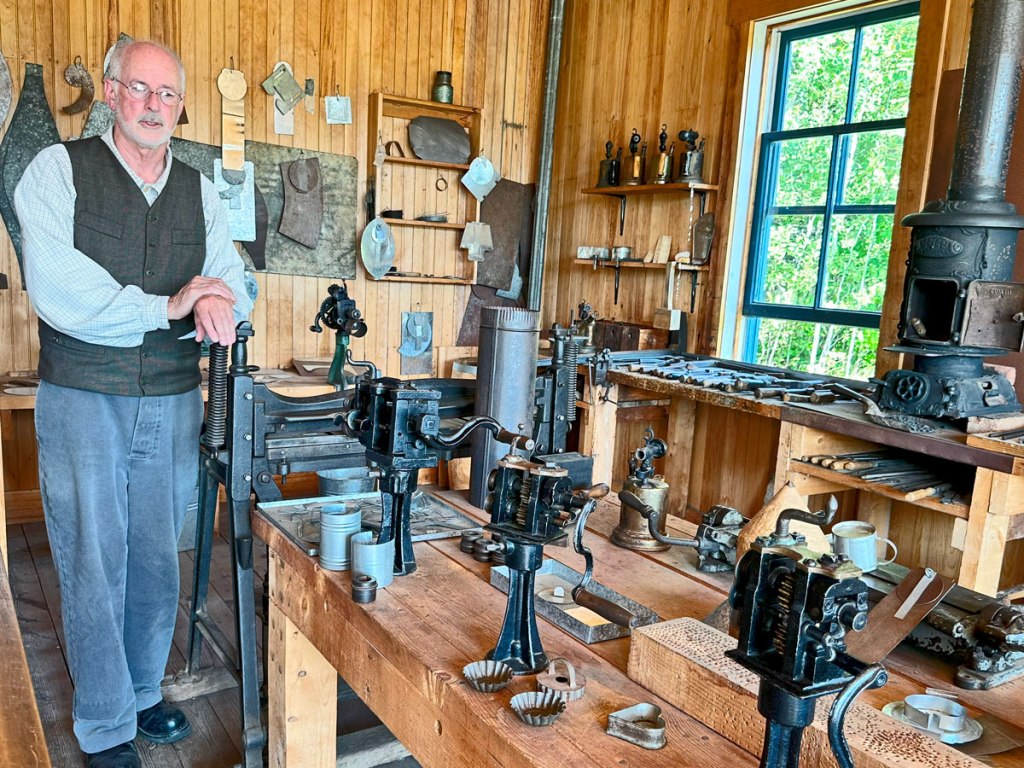
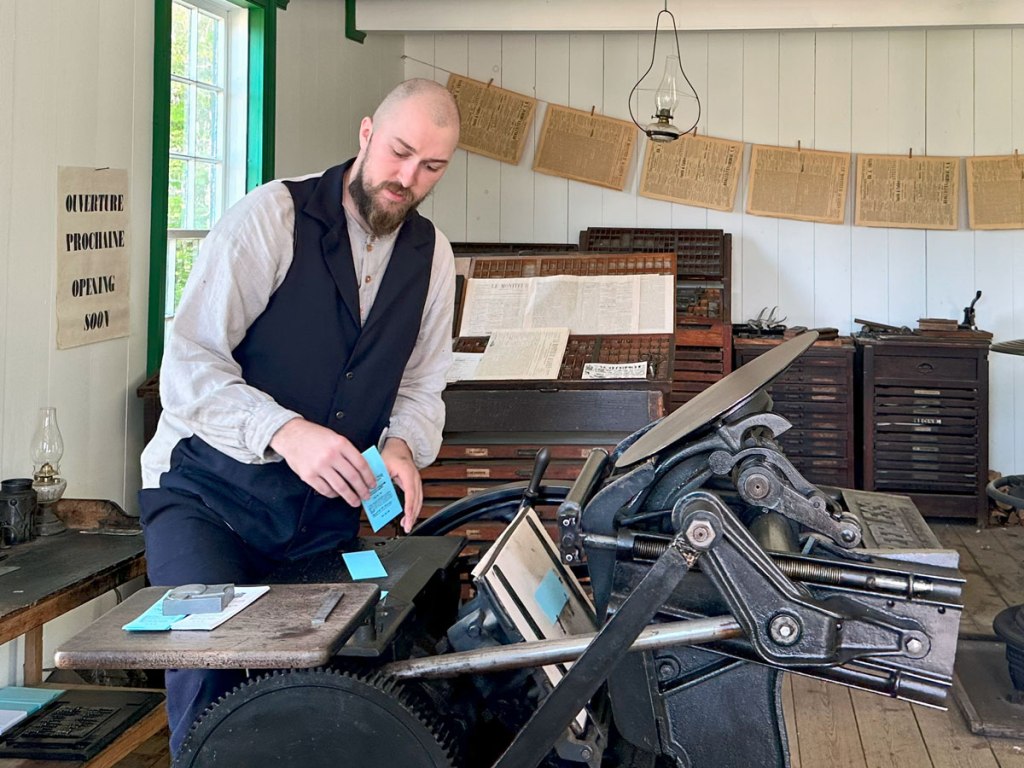
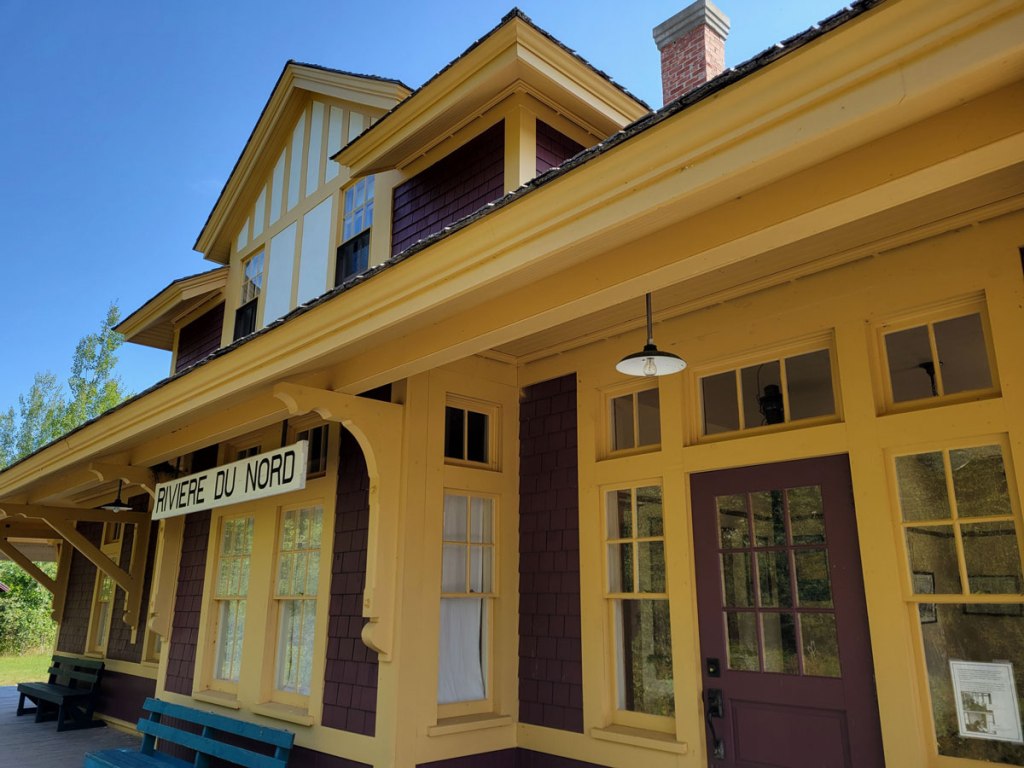
The 450-mile eastern coastal area of New Brunswick is Acadian country, and our destinations were the little fishing village of Caraquet, where French is the first language of 98% of residents, and the nearby Village Historique Acadien – another living history museum.
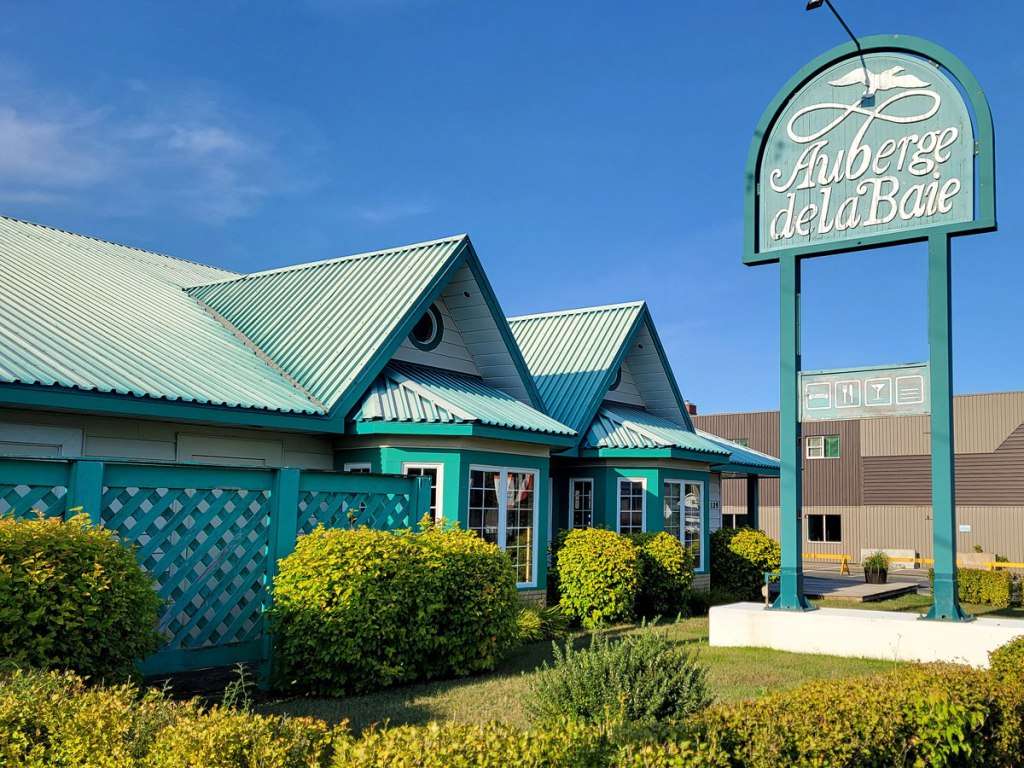
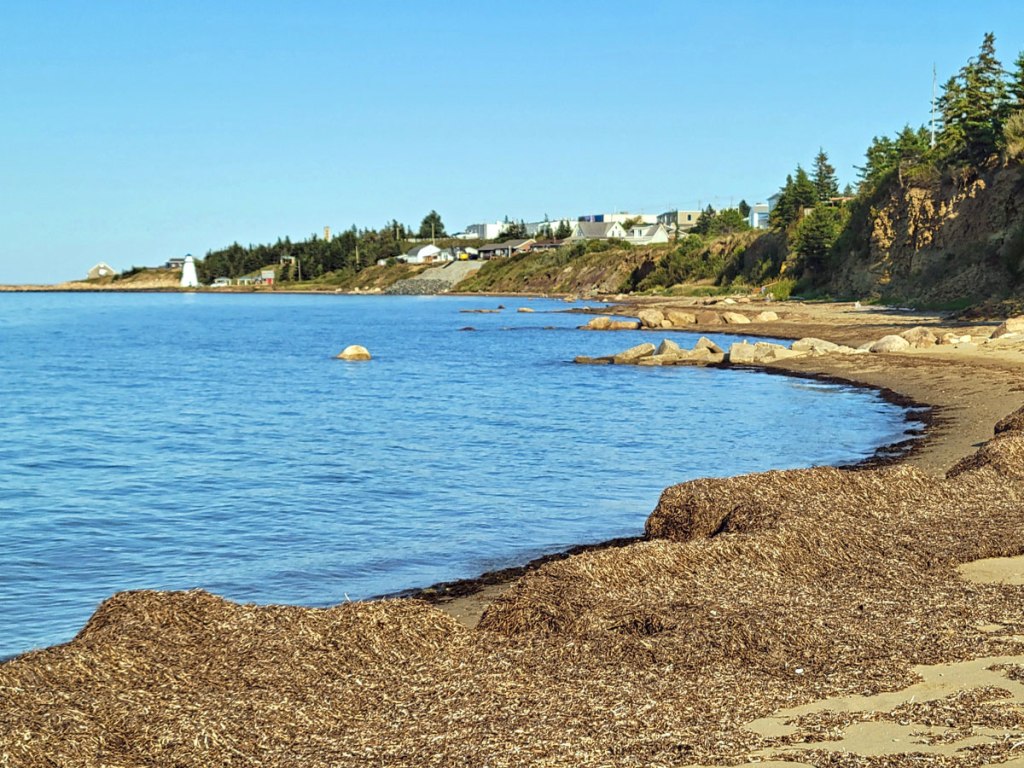
And at the Village . . .
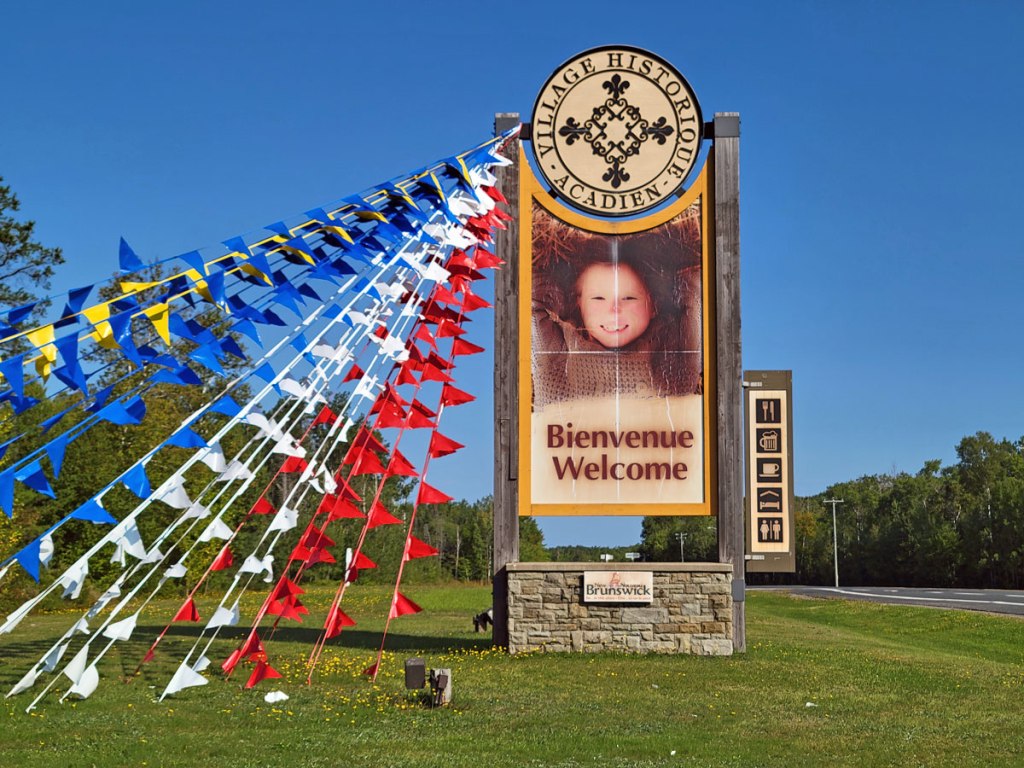

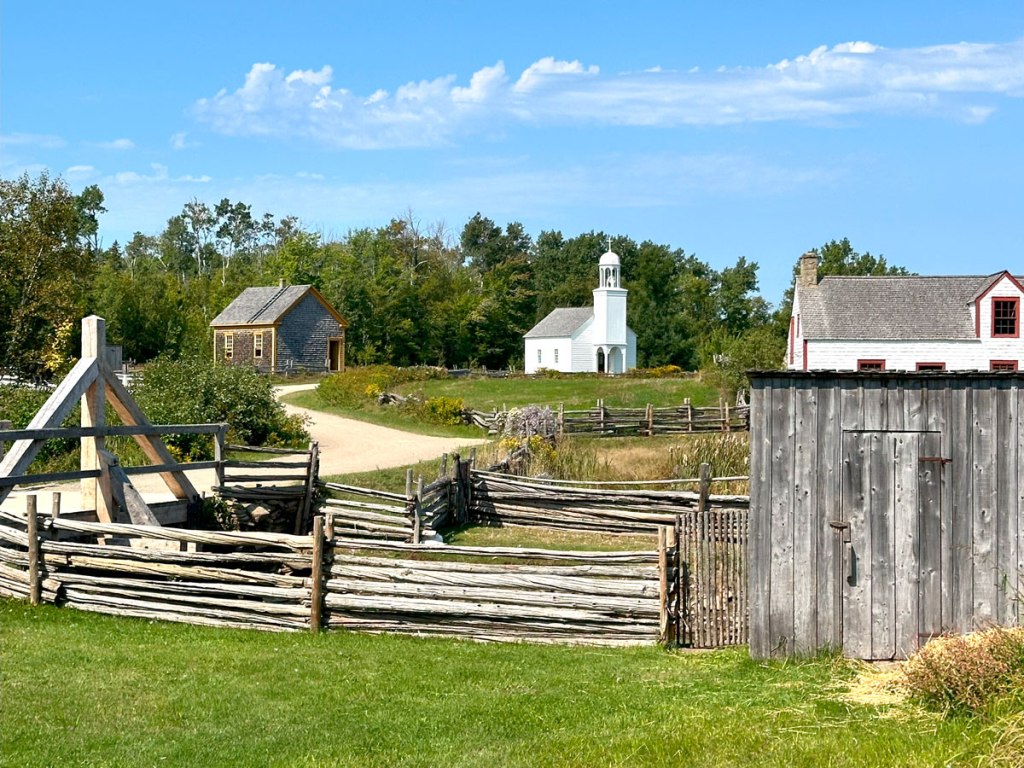
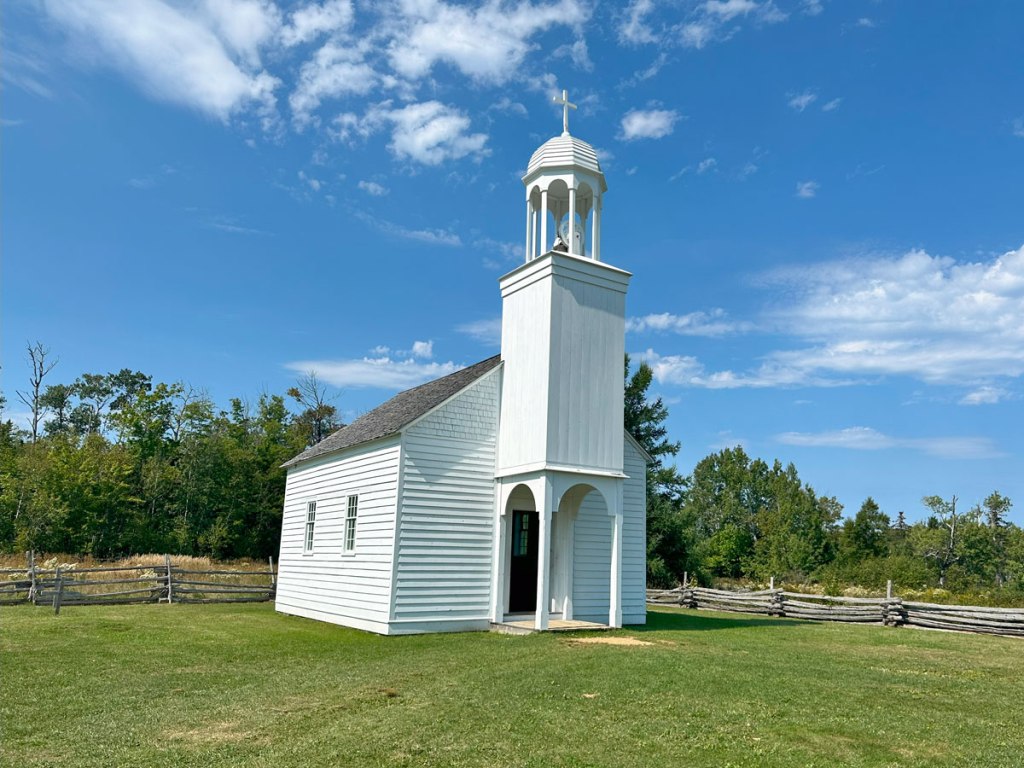

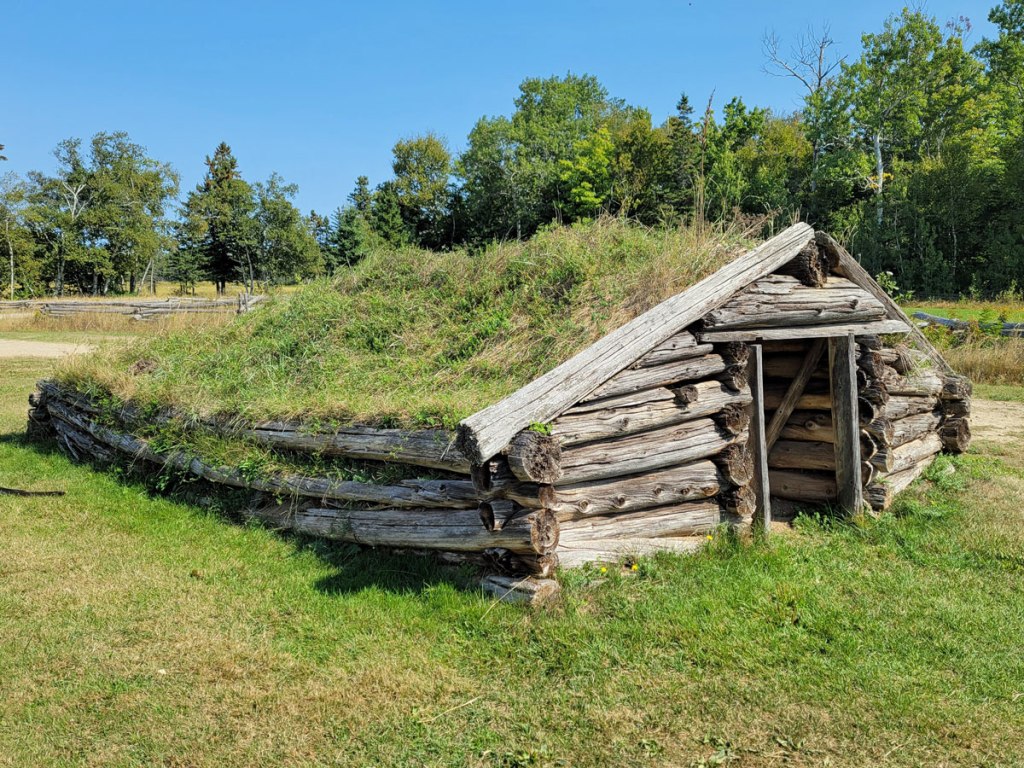
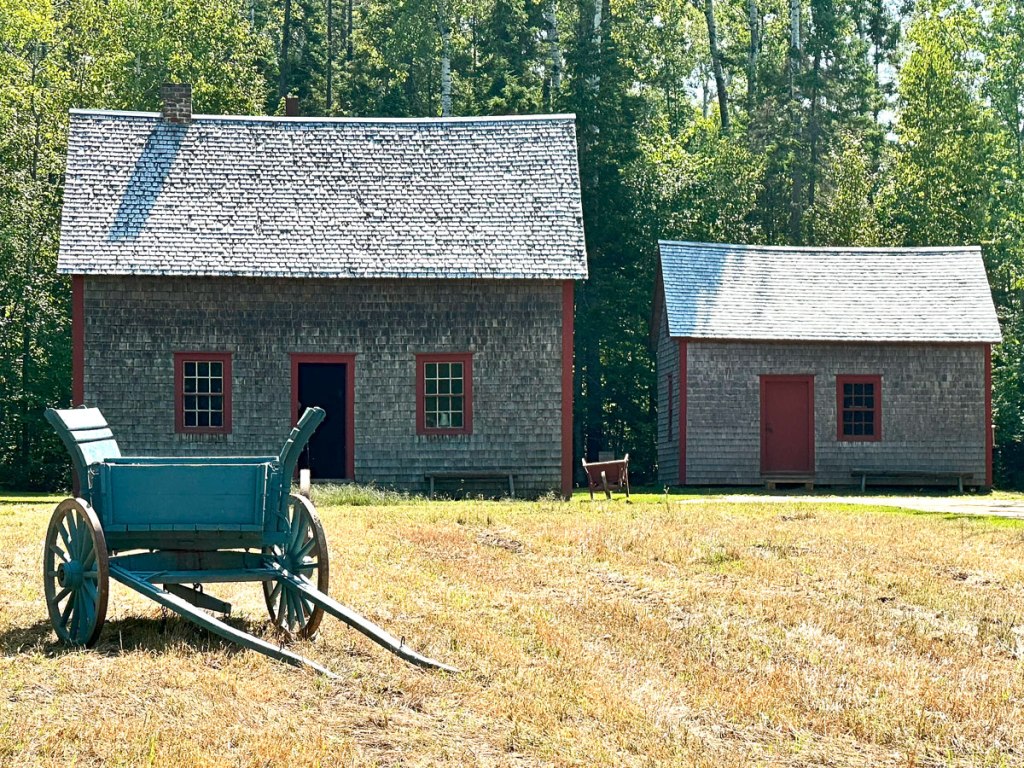
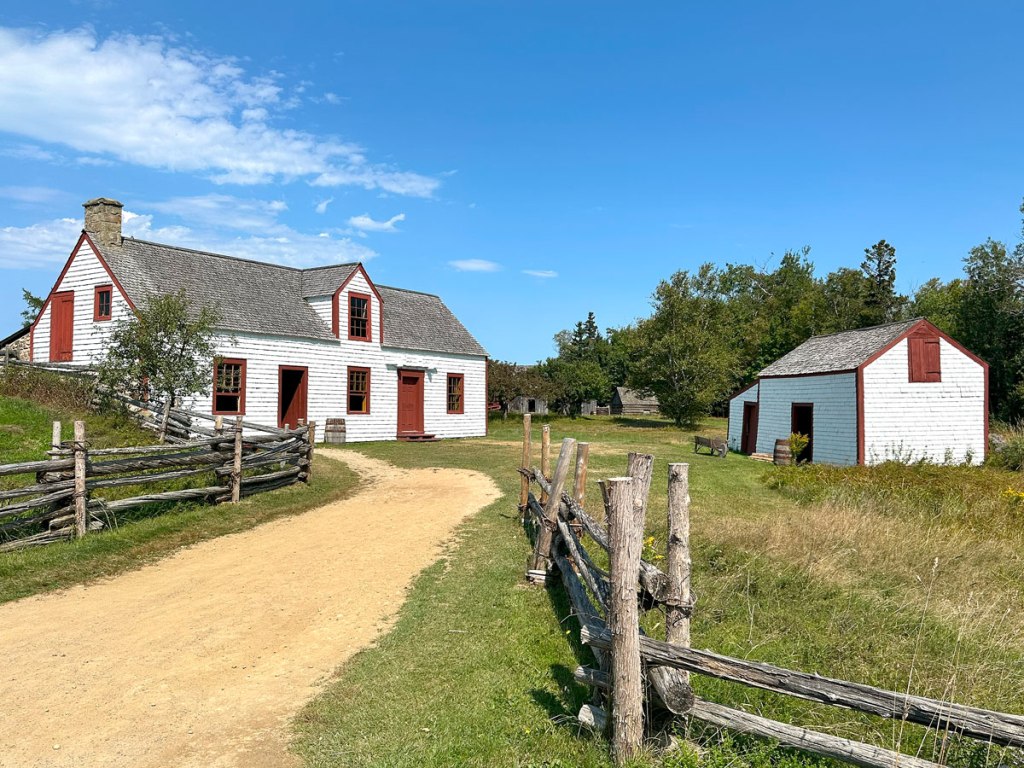
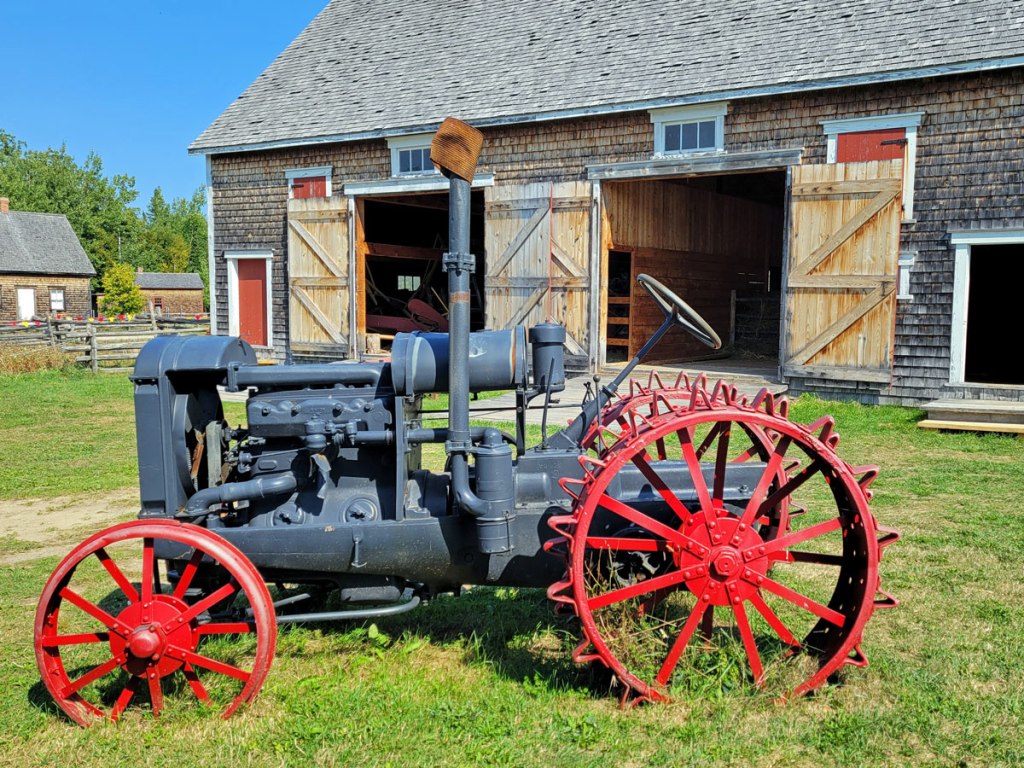
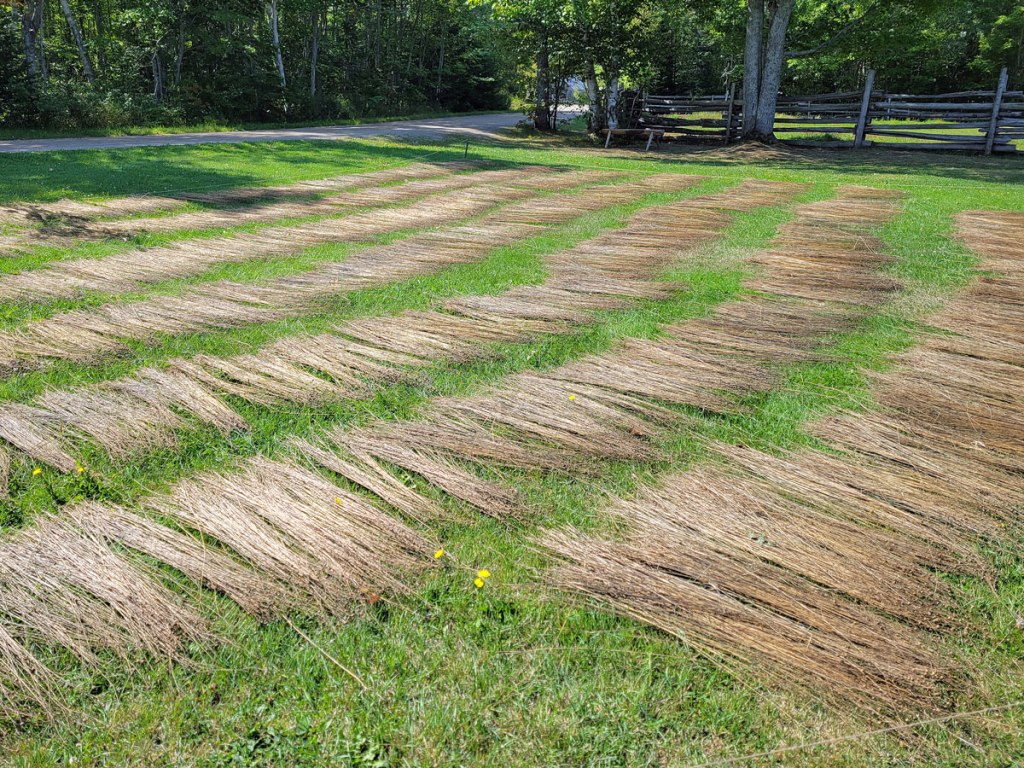
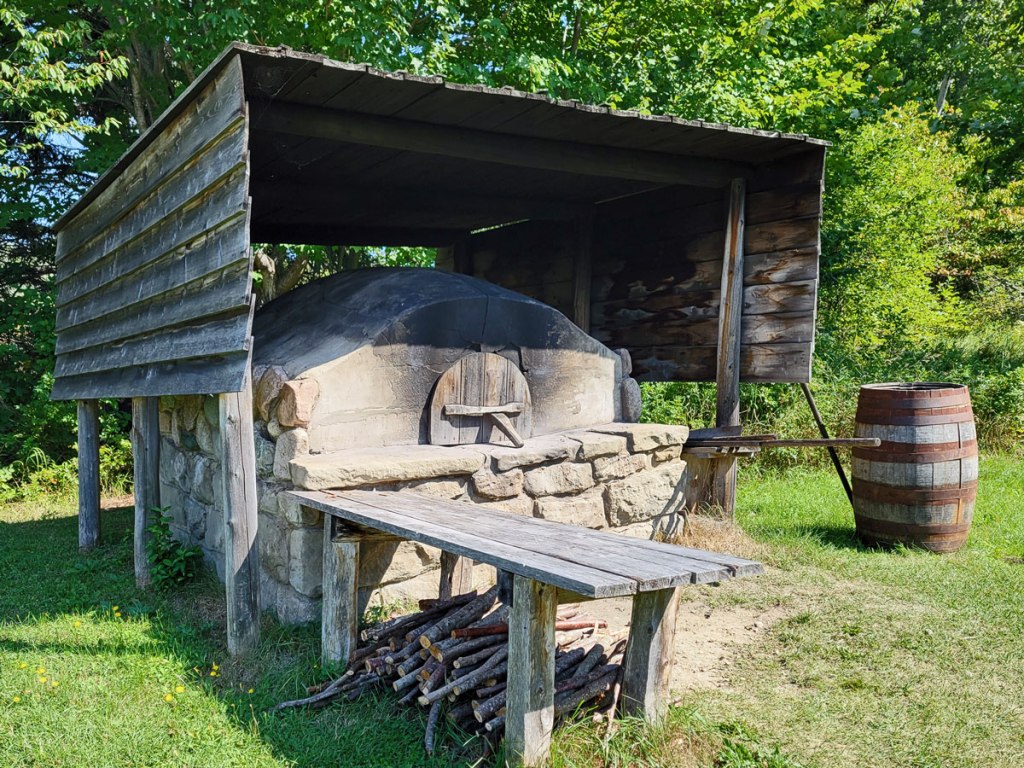

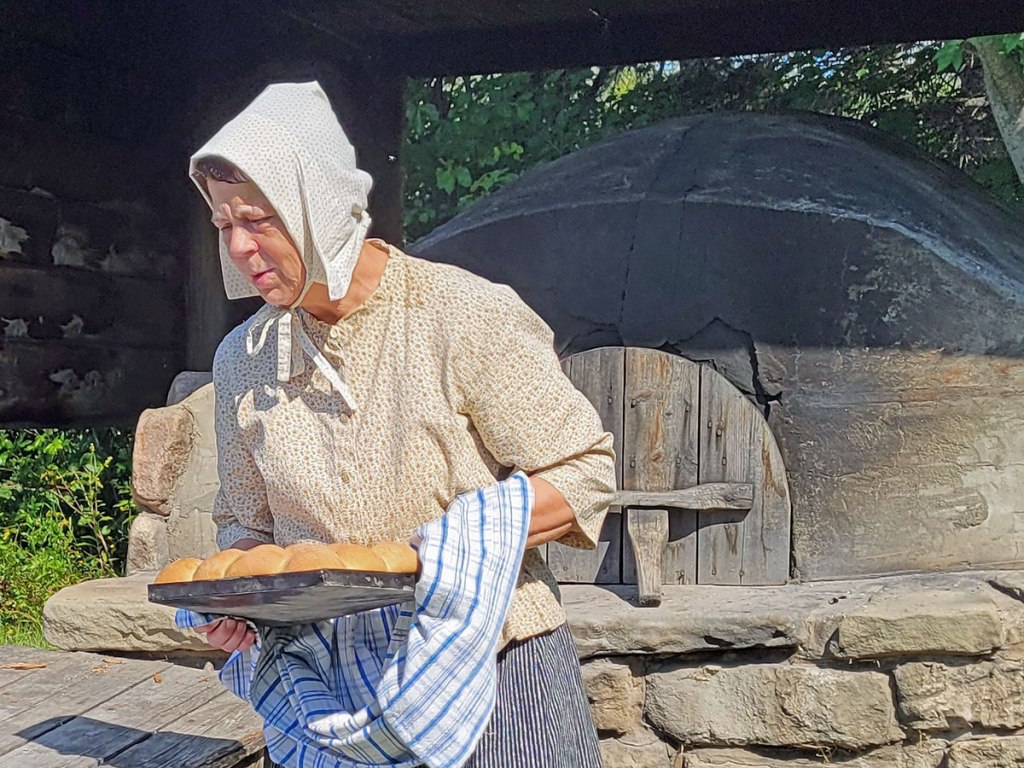
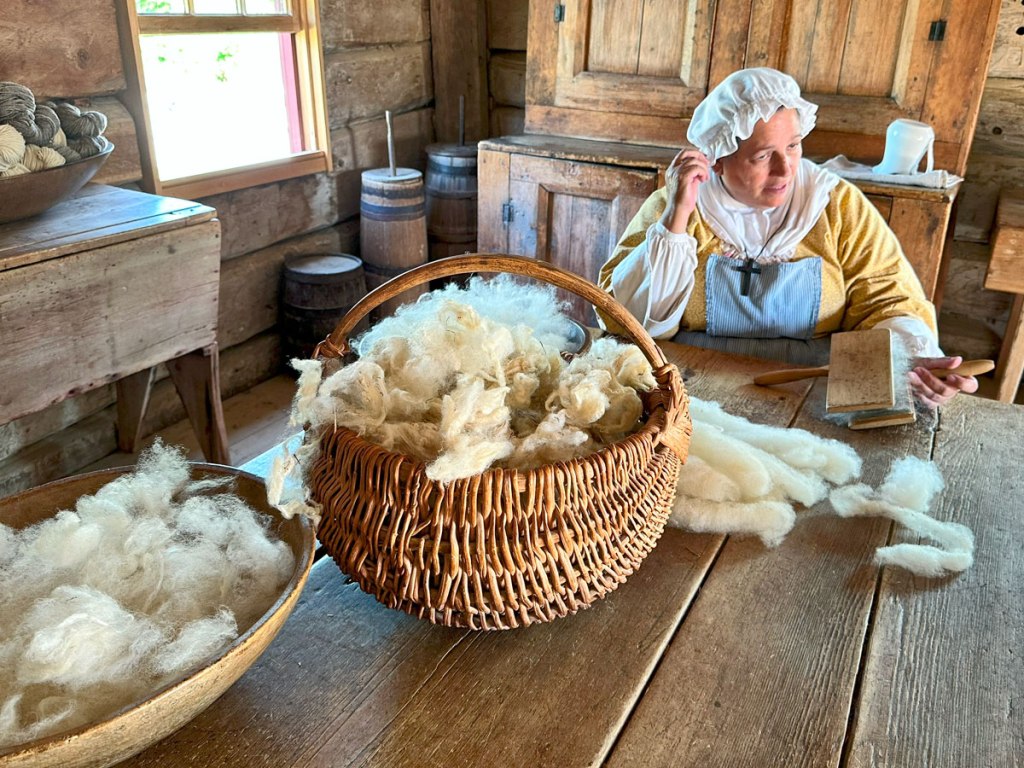


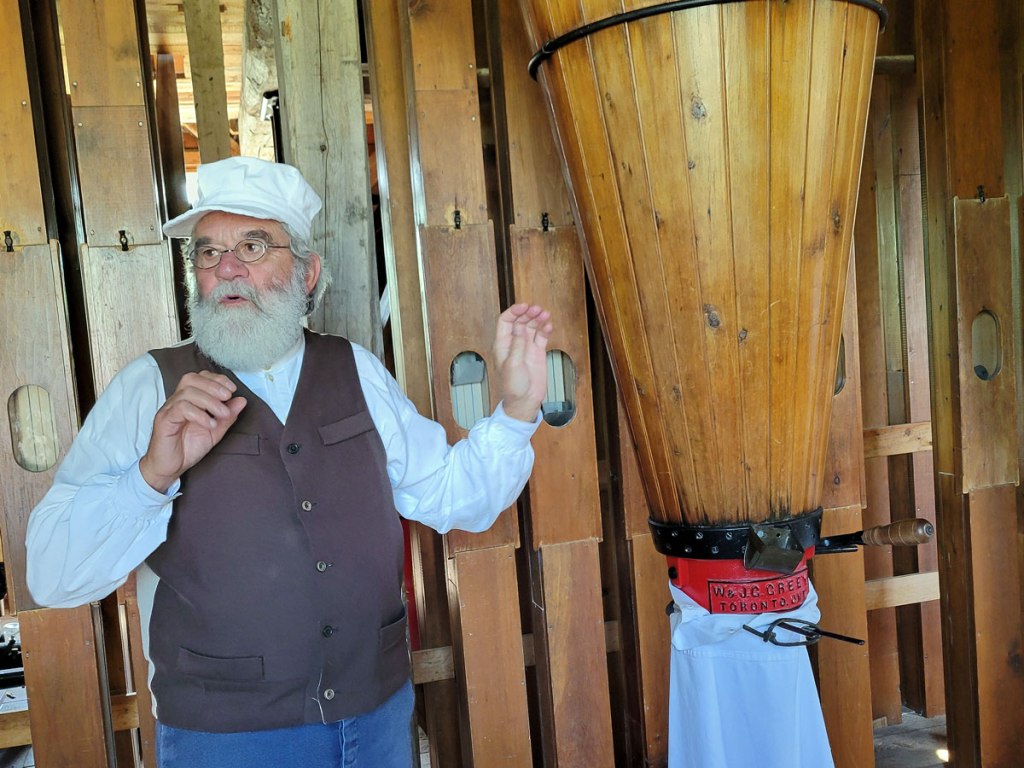


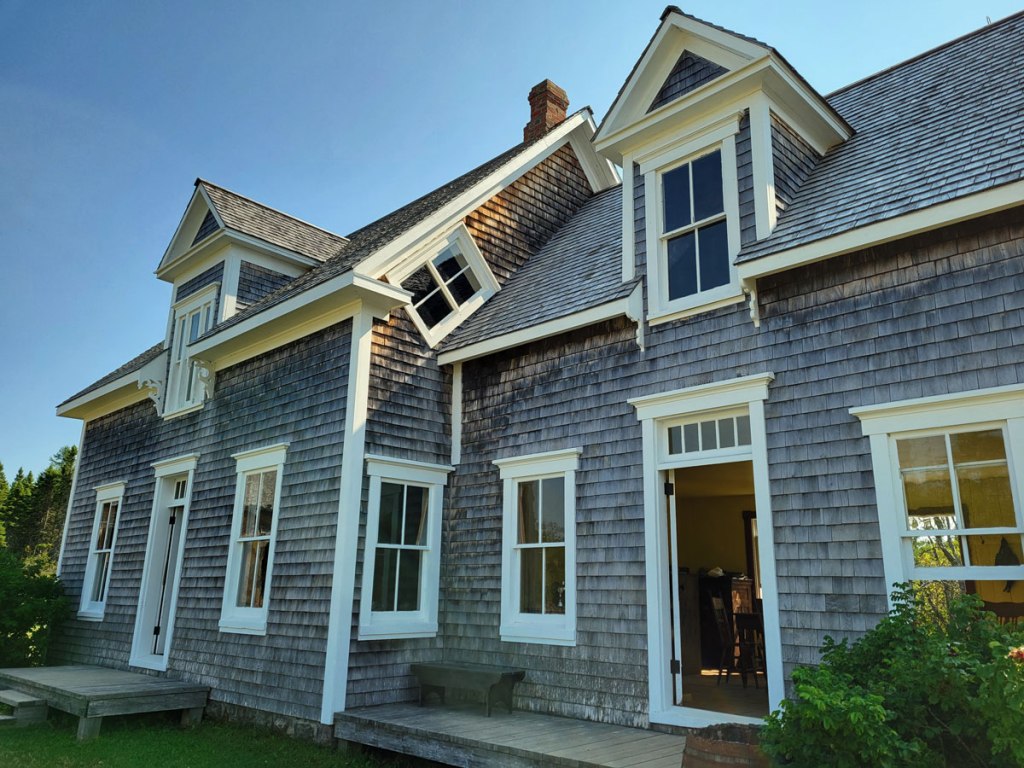
From Google AI: “While the United States is often described as a ‘melting pot,’ where different cultures blend together to form a unified identity, Canada is more commonly referred to as a ‘cultural mosaic,’ signifying a society where diverse cultures coexist while maintaining their unique characteristics. [In other words] the U.S. emphasizes assimilation, while Canada promotes cultural preservation.” Couldn’t have said it better myself!
Five Scenic Hikes in Nova Scotia
Getting out of the car to see things that aren’t visible from the road is important to us. No epic hikes, just a few short treks (1-5 miles) that delivered a lot of bang for the buck, as they say.
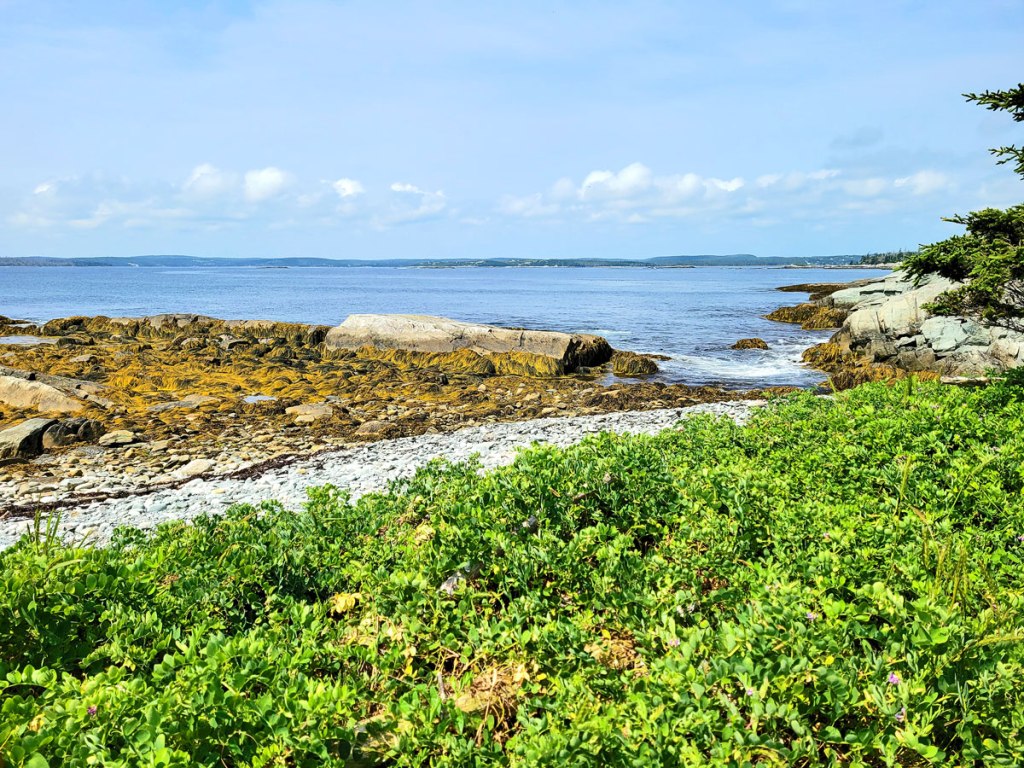
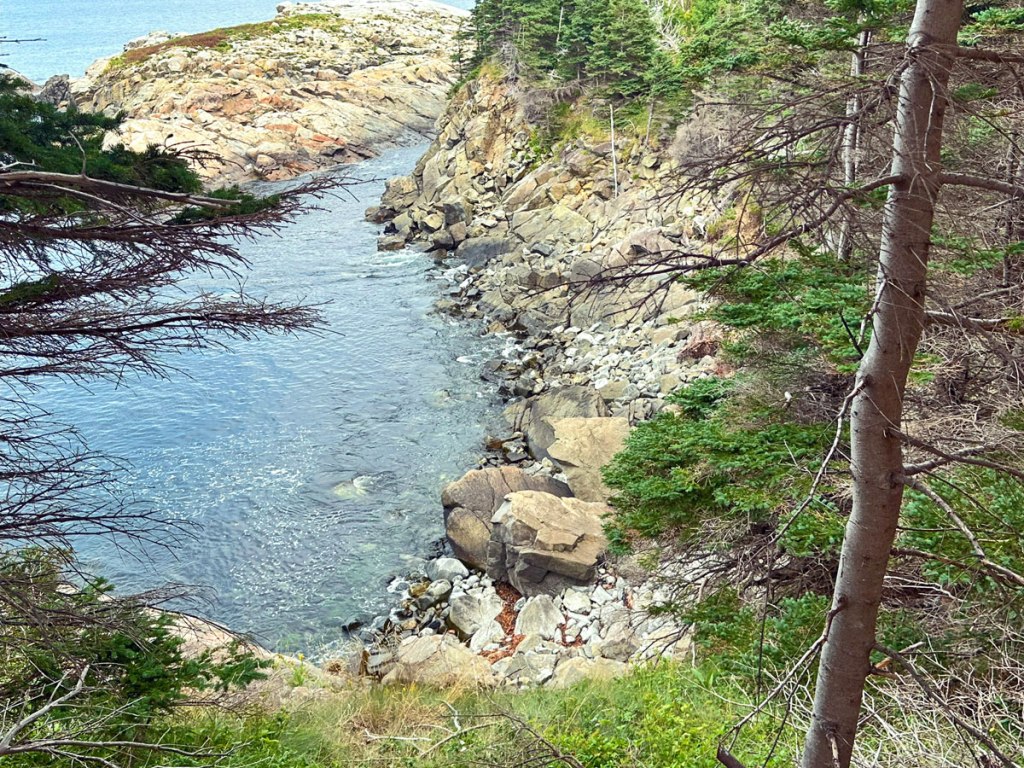
Our first hike was in Taylor Head Provincial Park, NS – an unexpectedly muddy and slippery slog through dense forest most of the way, except for this pretty section along the shoreline. Totally worth it!
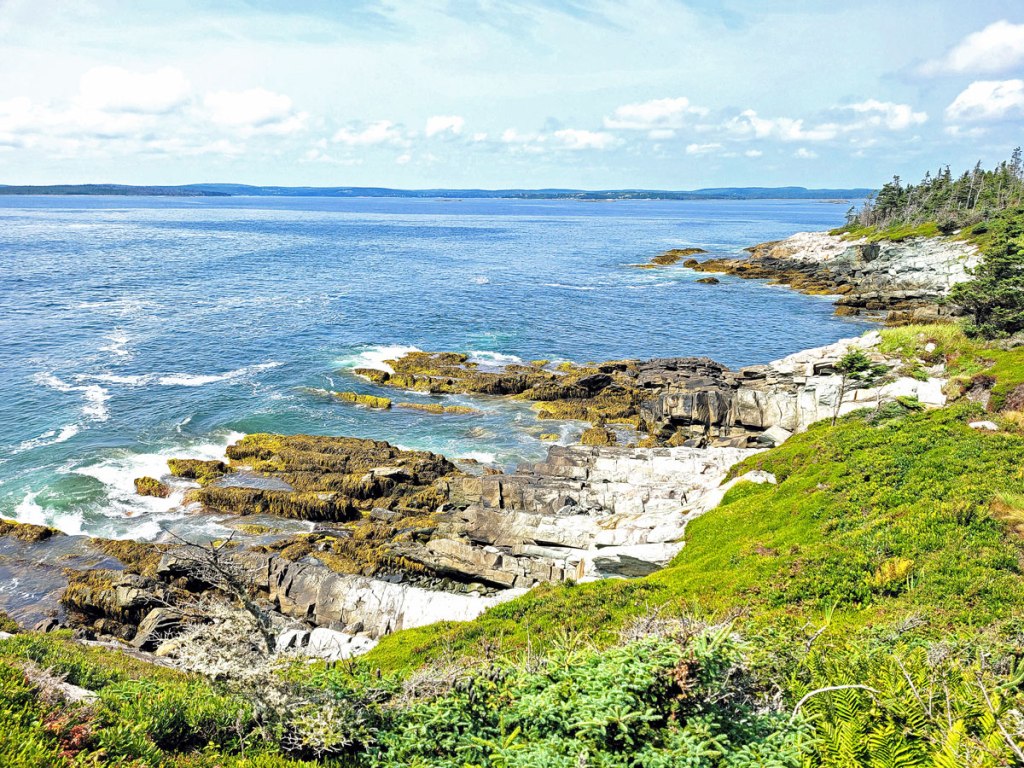

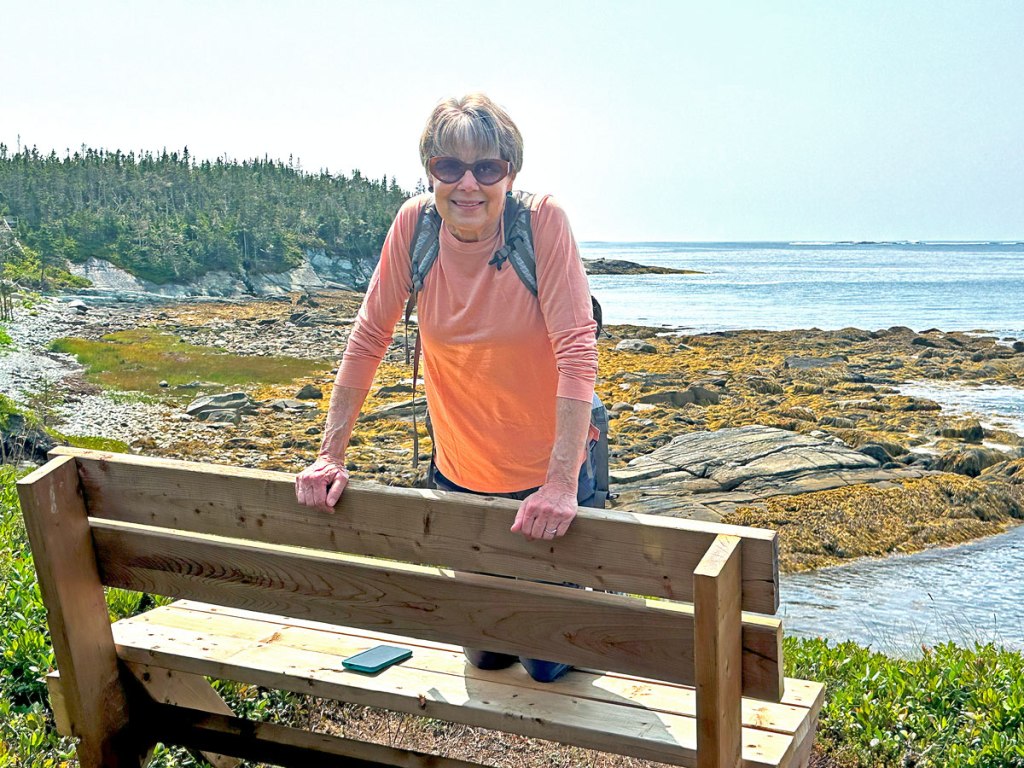
At the north end of Nova Scotia’s Cape Breton Island, we found the White Point Trail, and it was a gem.
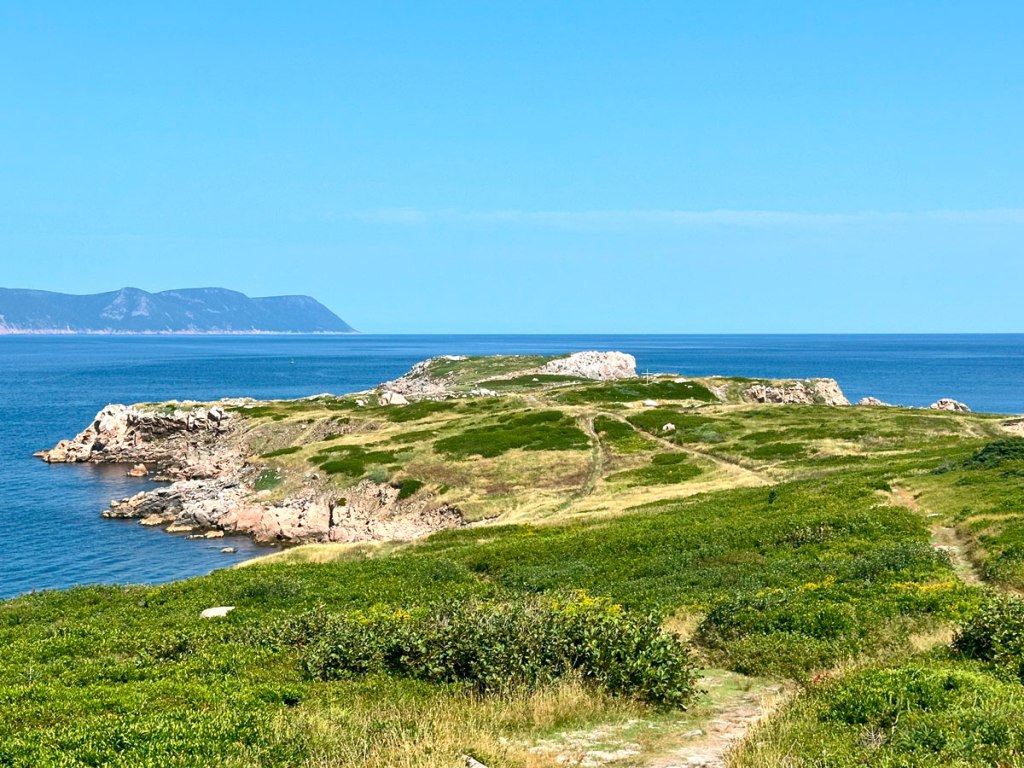

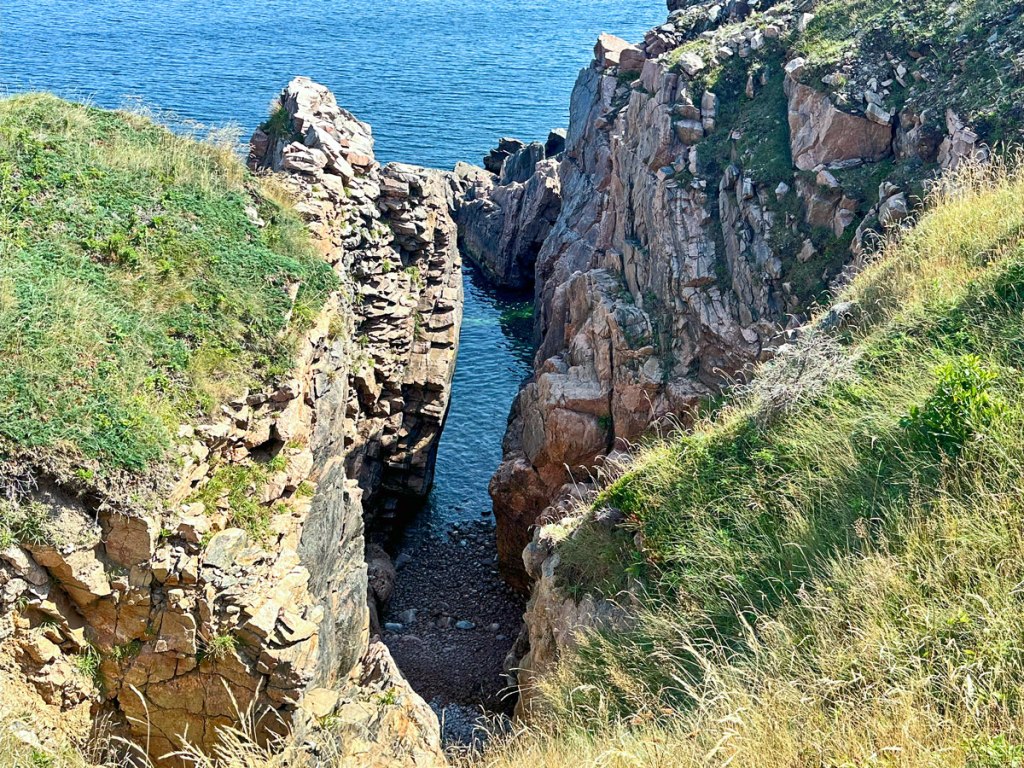
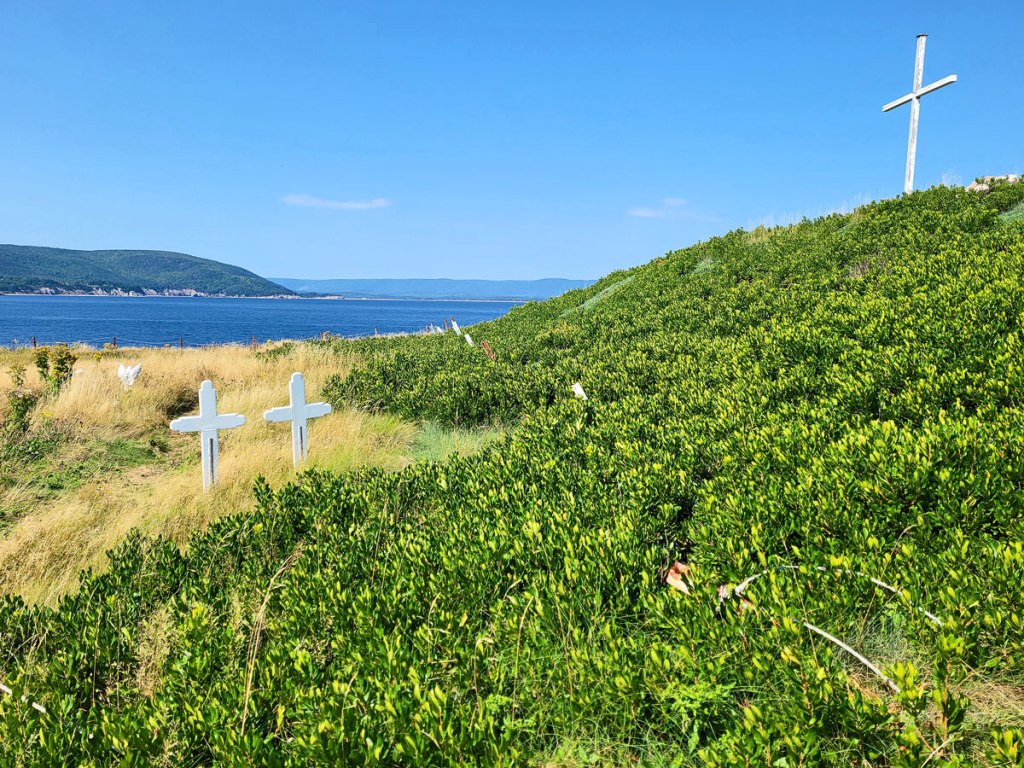
We hiked three very different trails in Cape Breton Highlands National Park, including the “must do” Skyline Trail on the west side of the island. Stunning views for the last half mile or so, but the rest was pretty ho-hum.
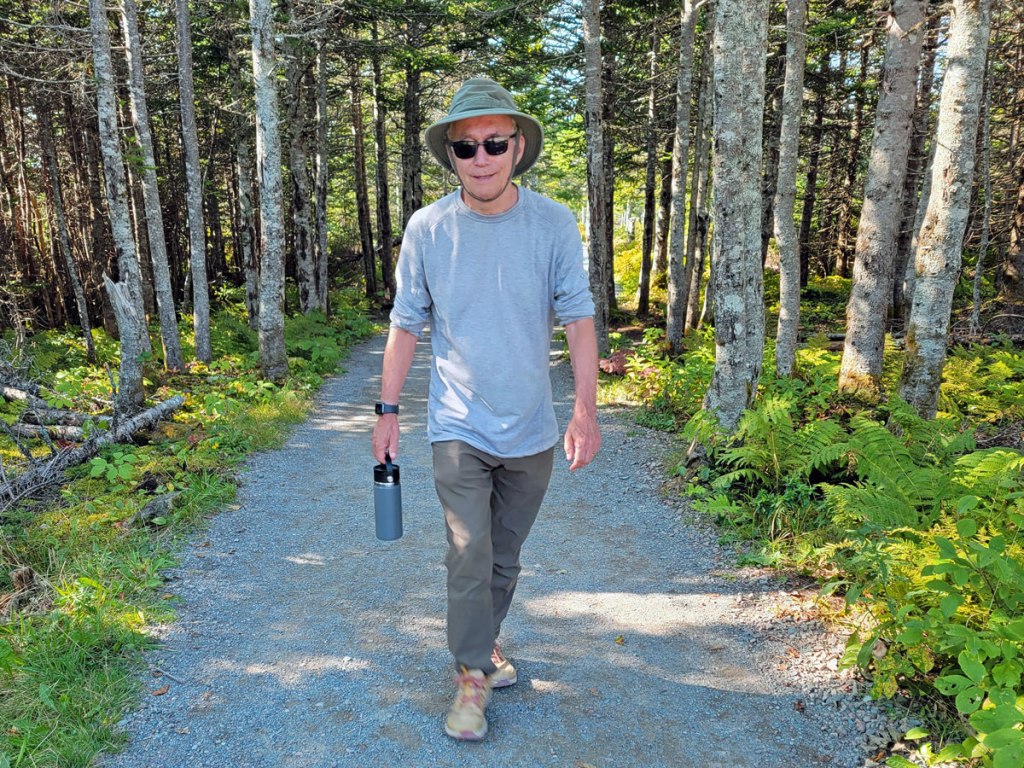
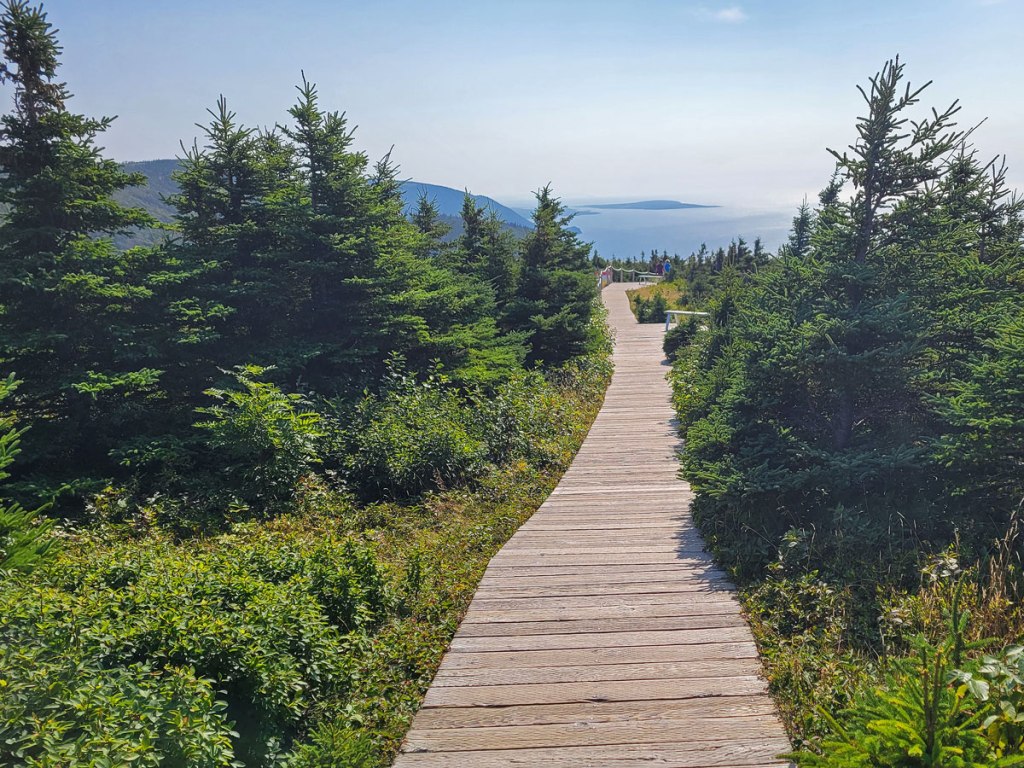
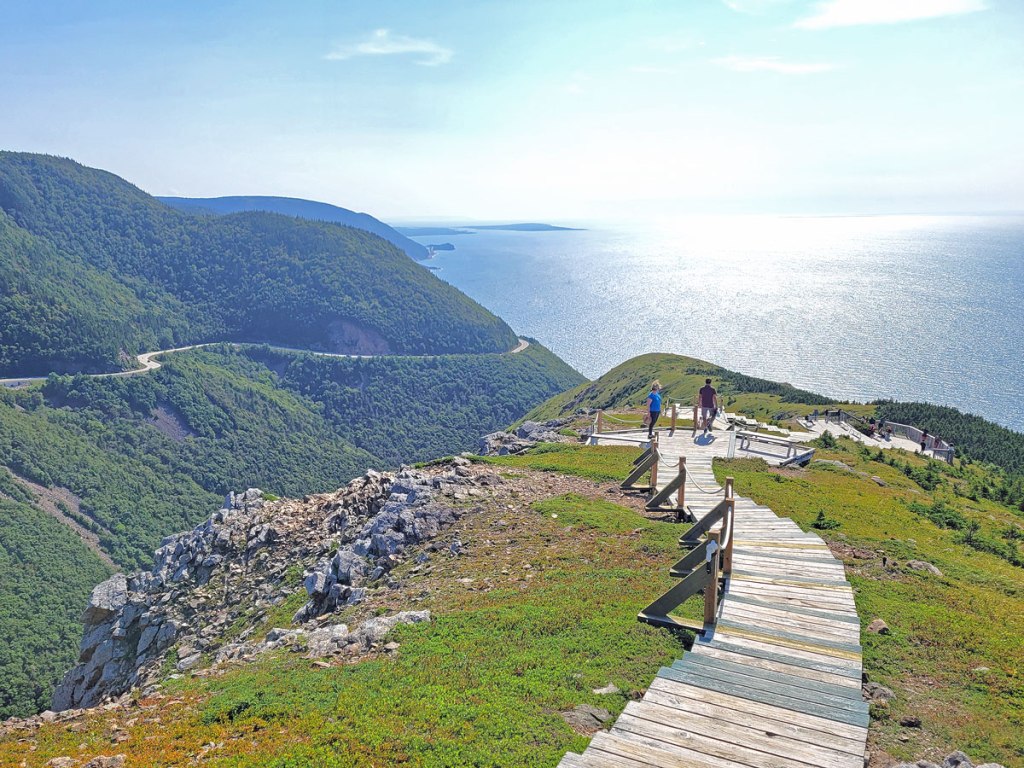
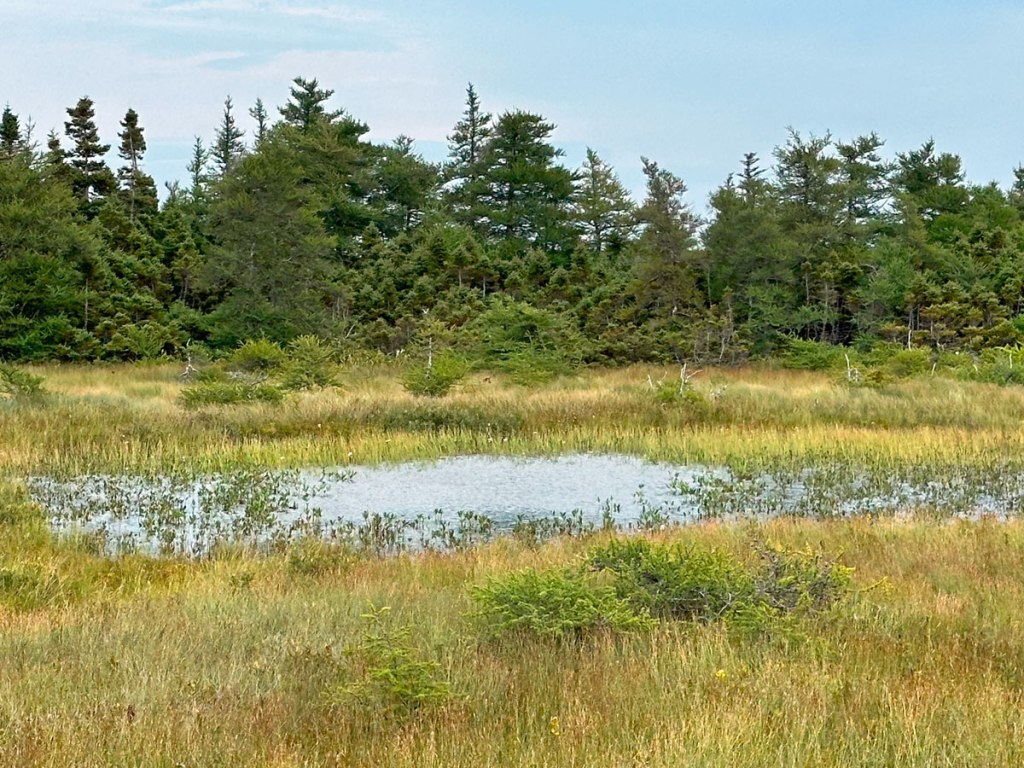
Also in Cape Breton Island NP, the French Mountain Bog Trail was a short walk. Bogs in the boreal ecosystem store large amounts of carbon in their many layers of decaying plant material. As expected, the terrain was soggy and spongy, but well-protected from damage by humans with its network of boardwalks. The terrain reminded us of Alaska.
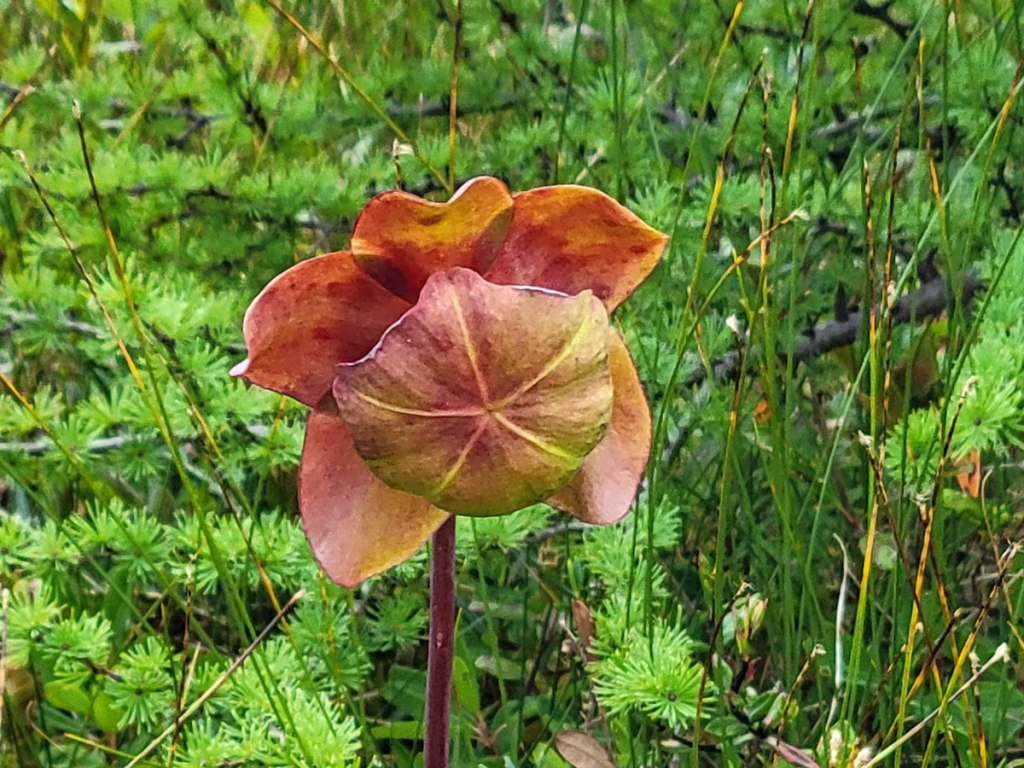
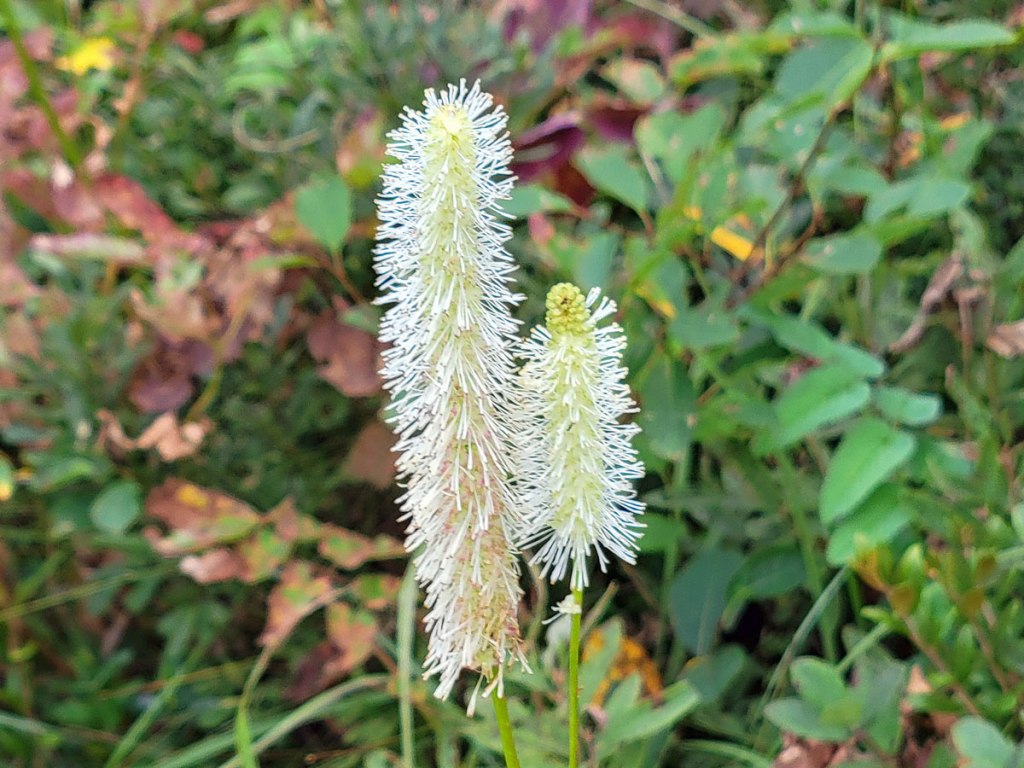
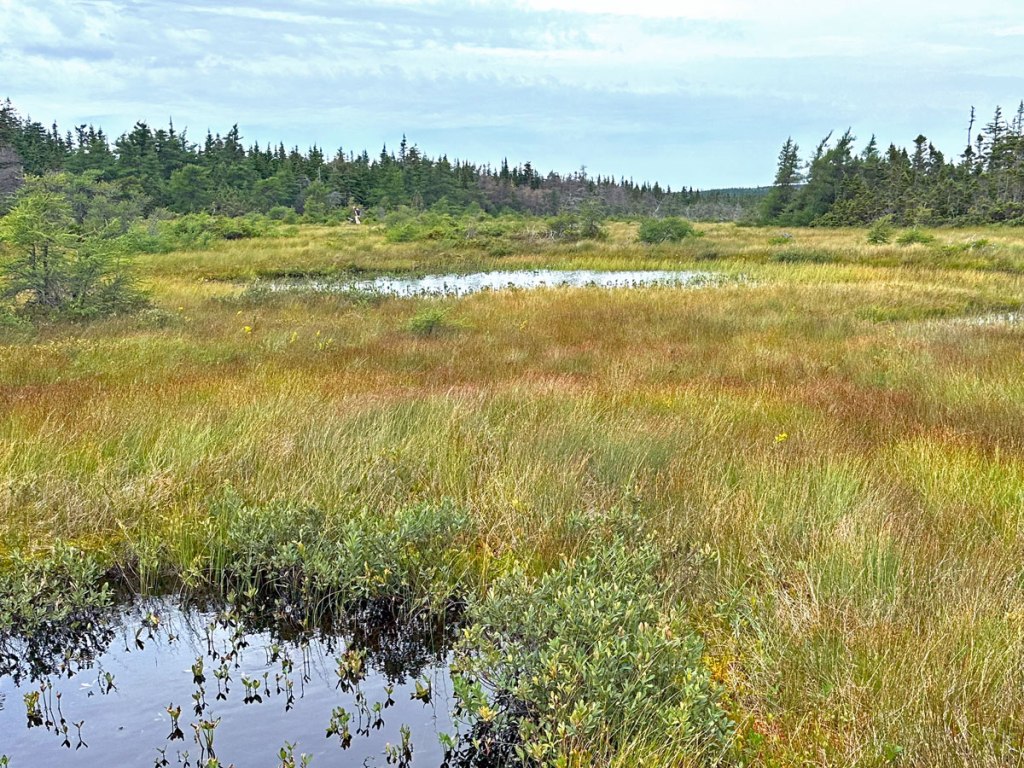
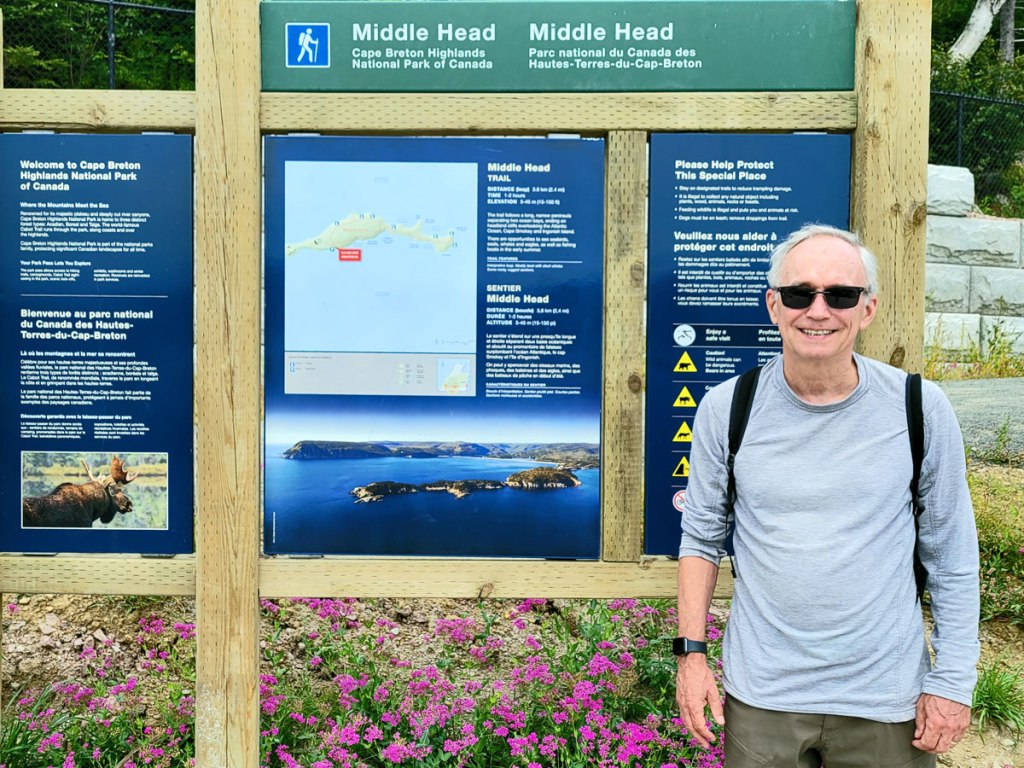
The third hike in Cape Breton Highlands National Park was Middle Head Trail on the eastern side. A nice hike around a narrow strip of land jutting out into the ocean.
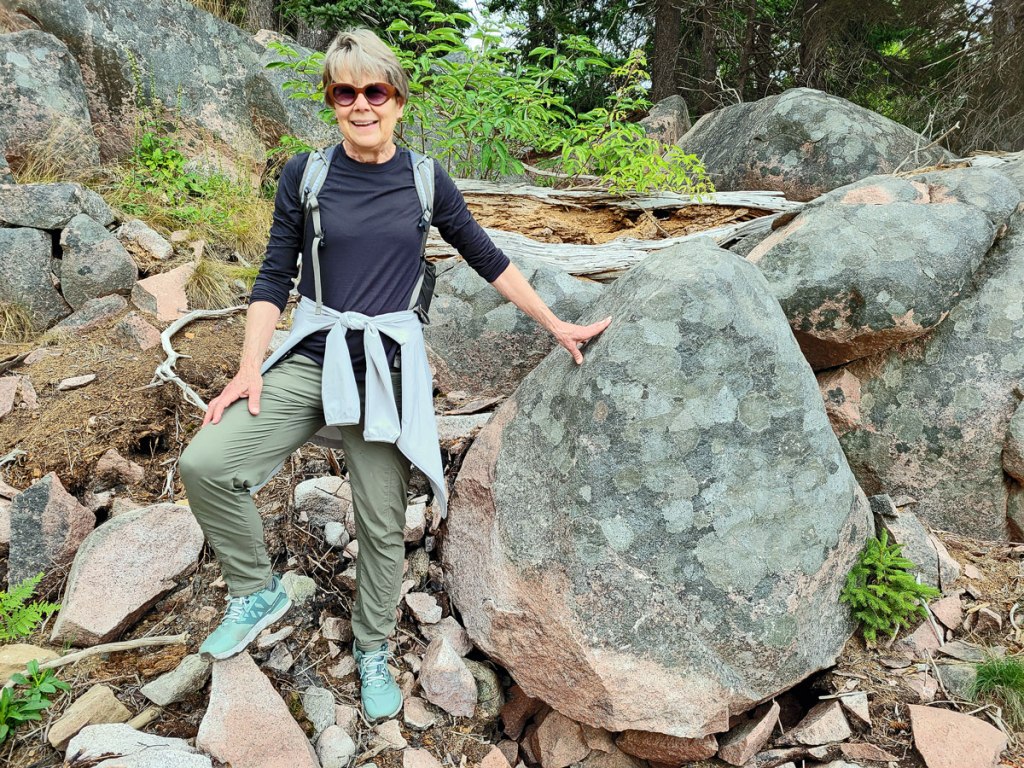
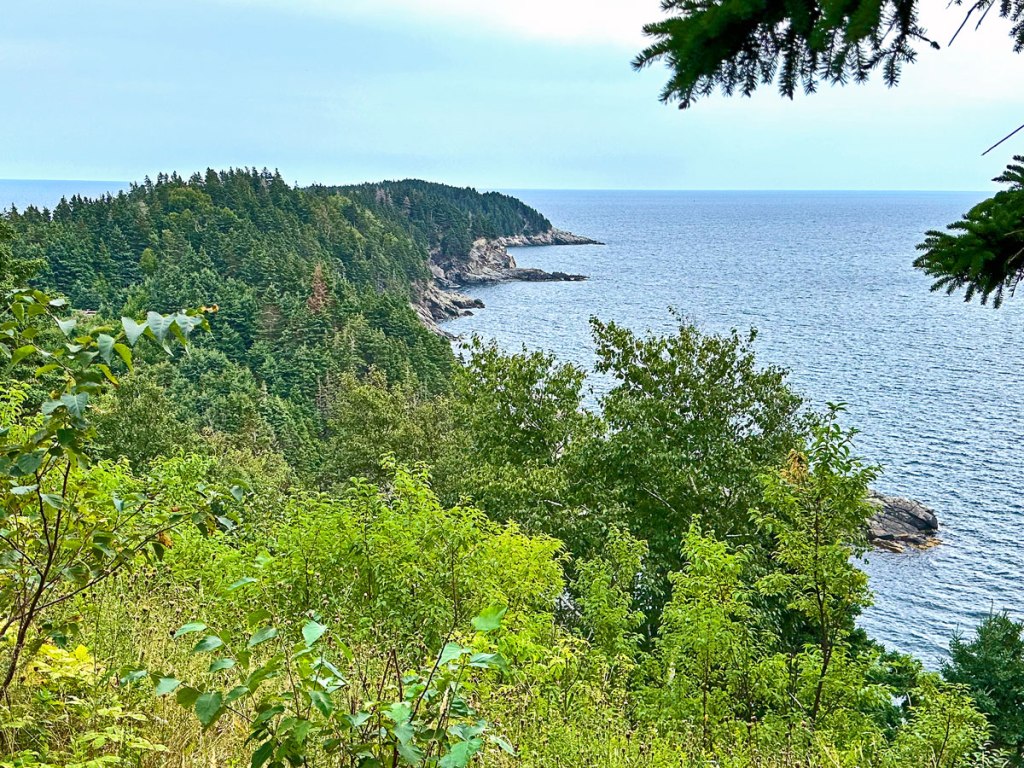
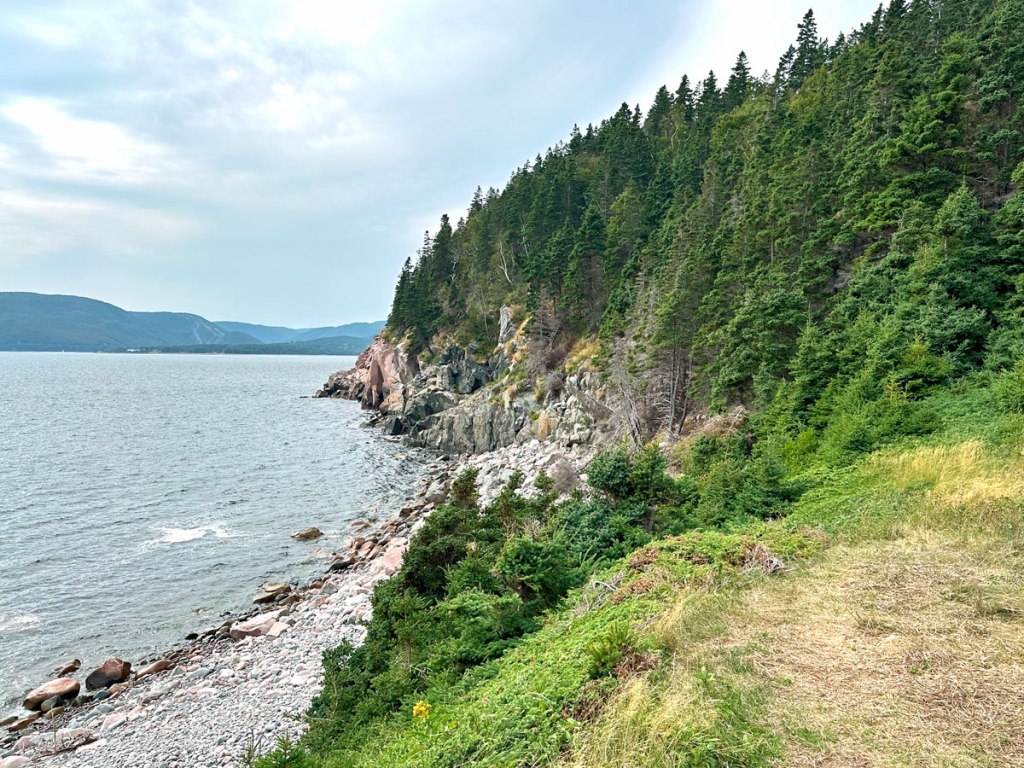
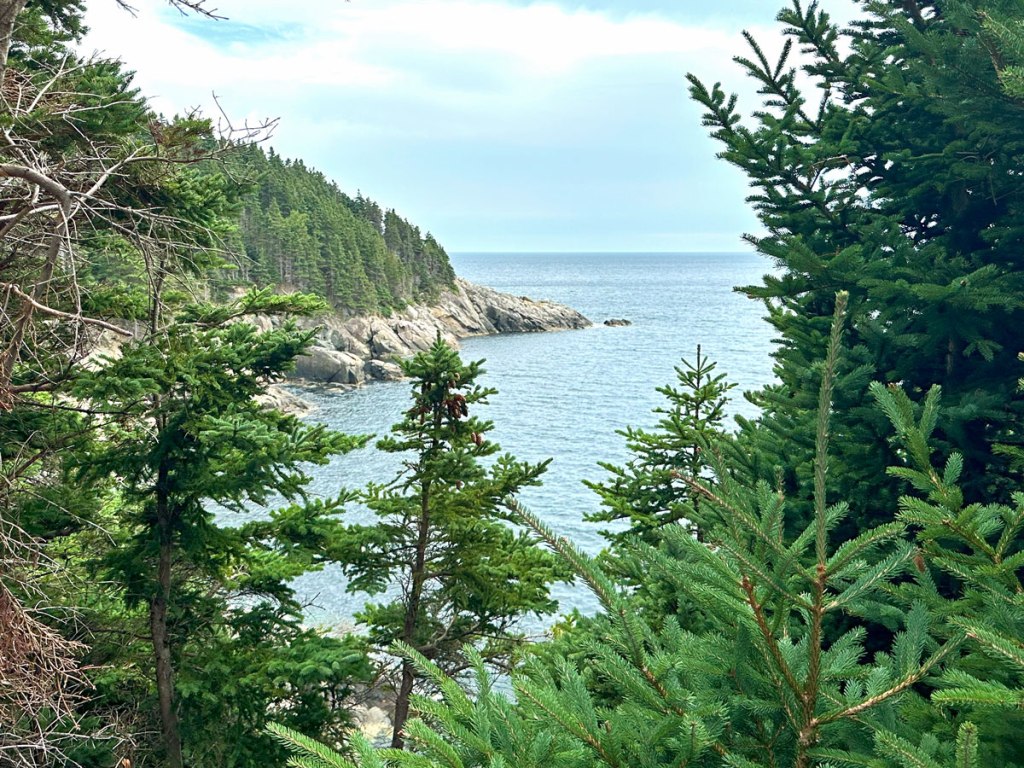
While working on this article, I realized that I have way more content than a reasonable reader can tolerate. So good news? One more article about the Canadian Maritimes is forthcoming . . . very soon.
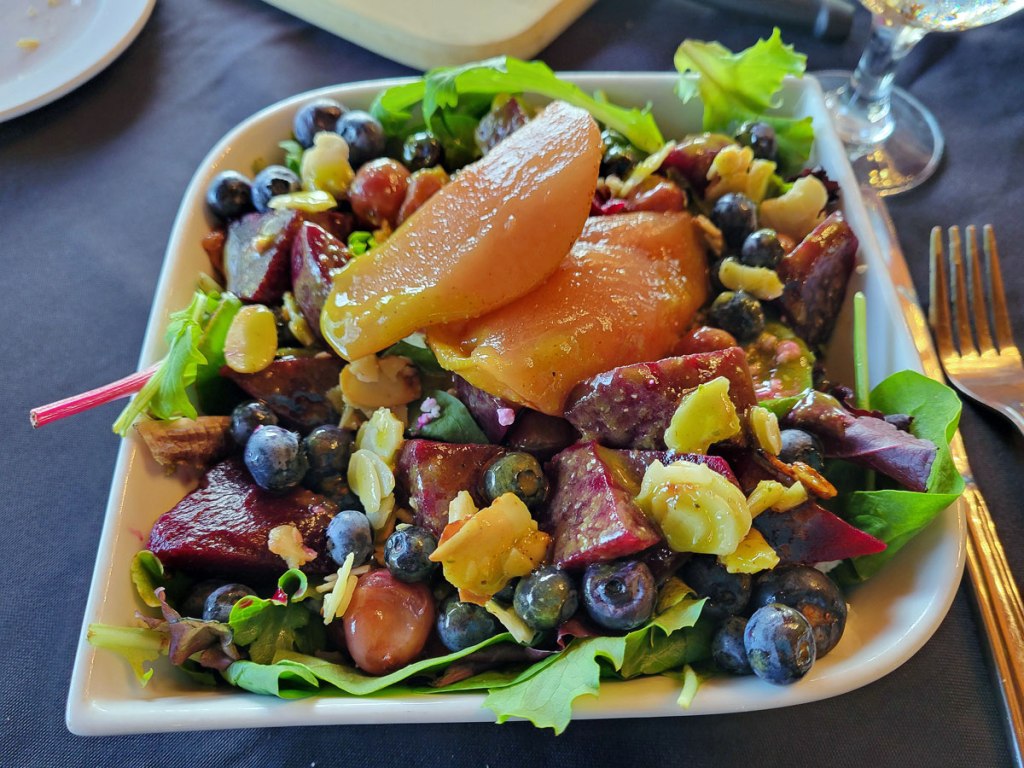
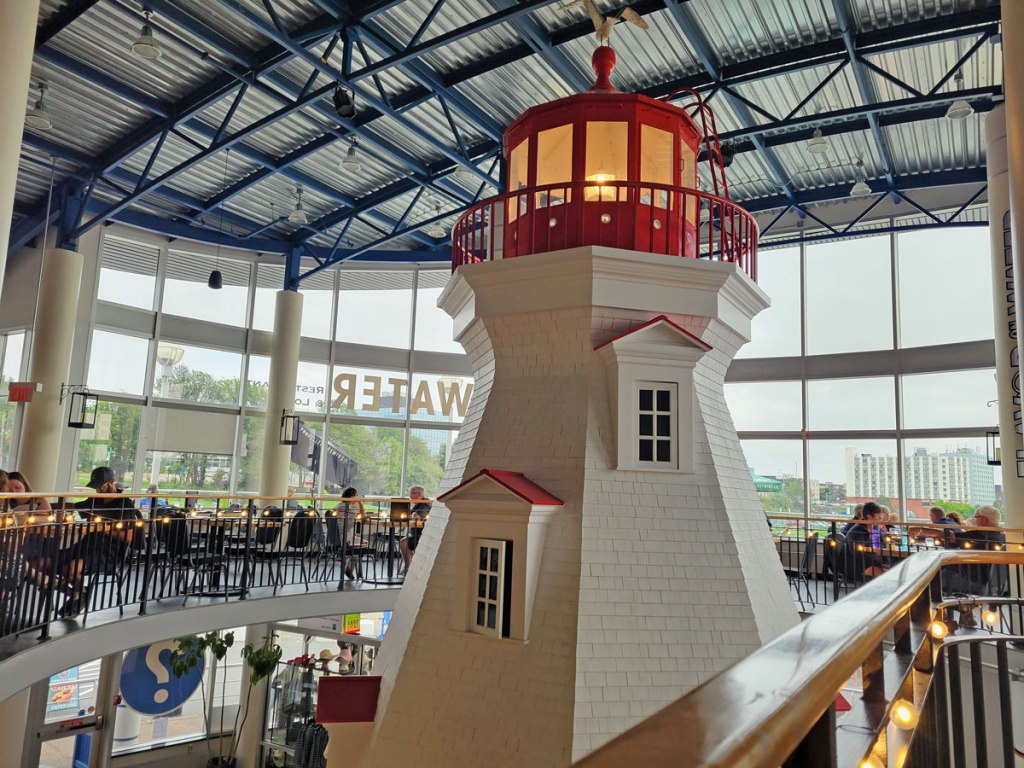
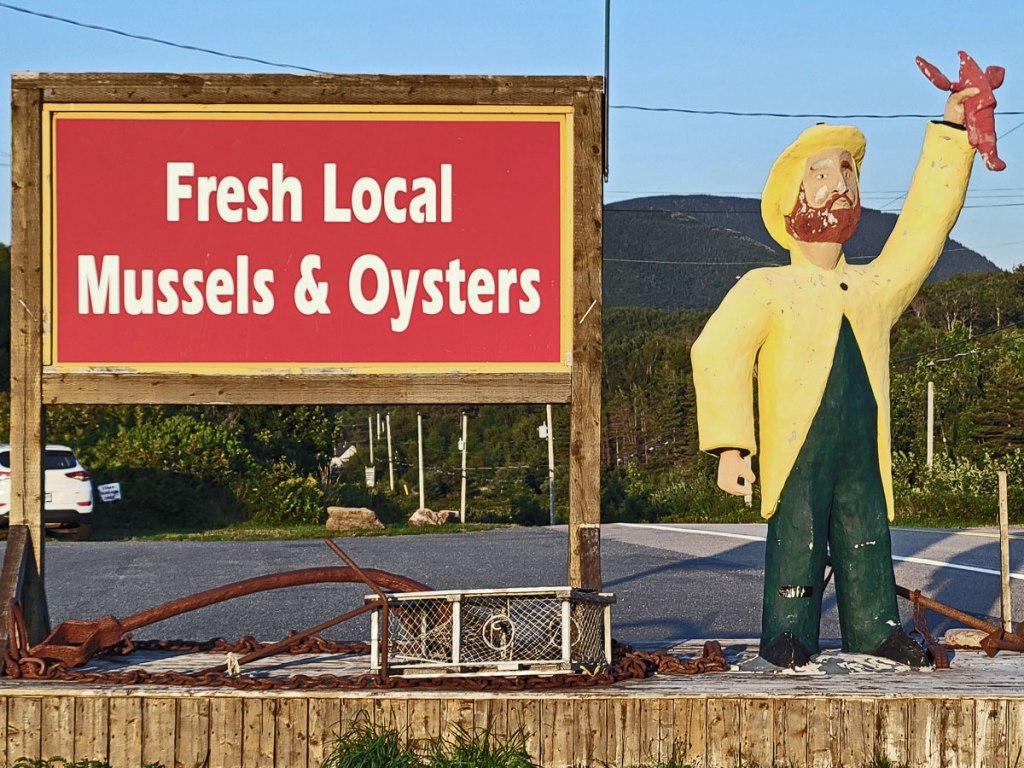
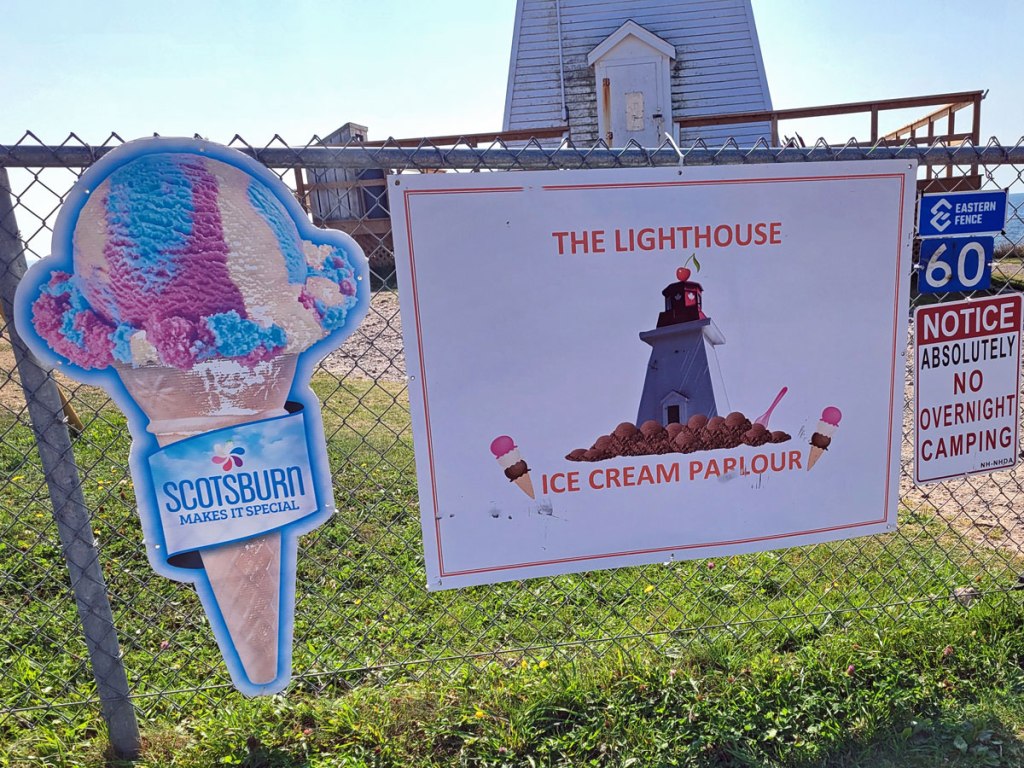
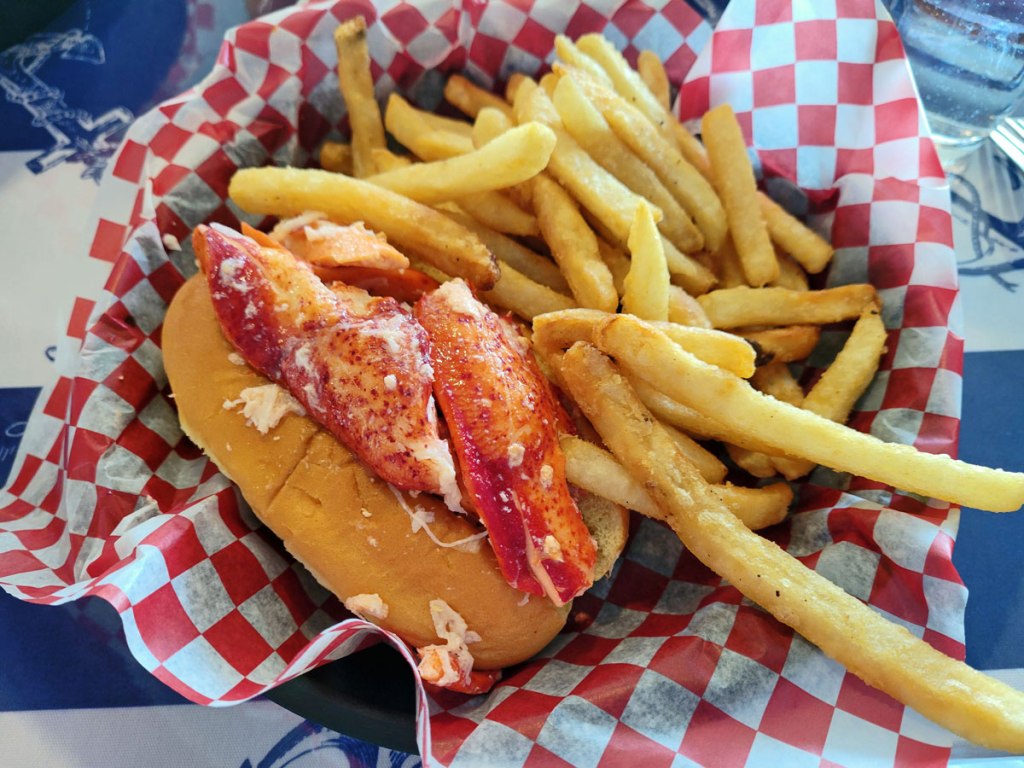
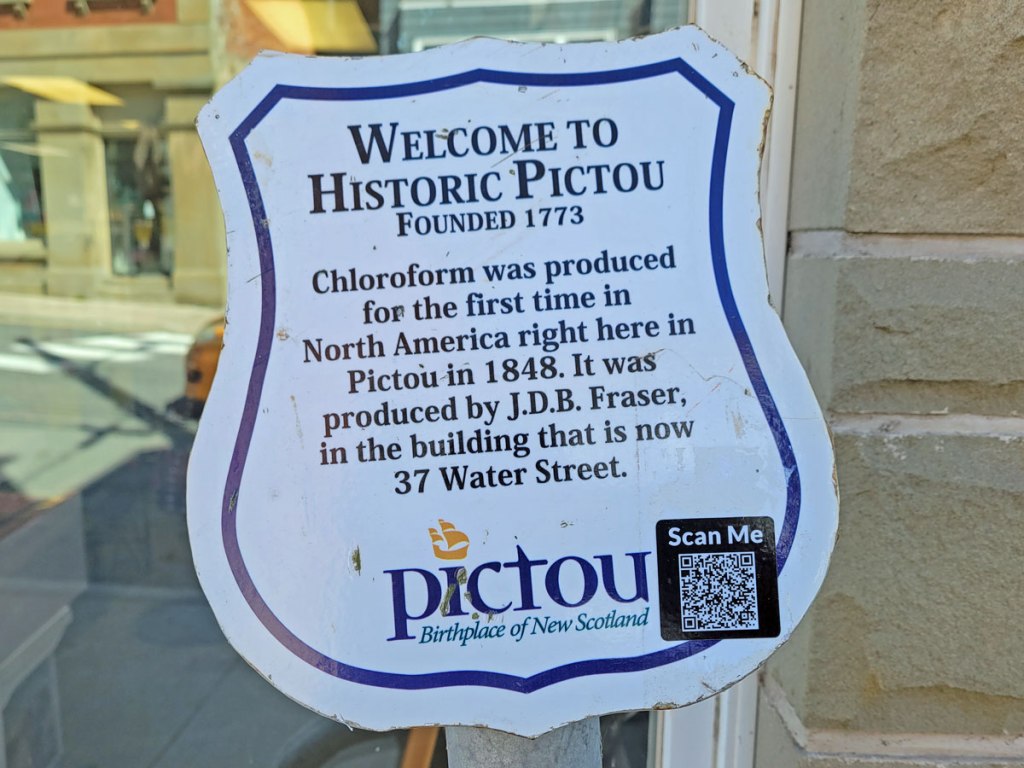
In the meantime, here are some fun photos (and one video) that you might find interesting. No descriptions, just images.
Just for Fun






If you would like to be notified when future articles are published, please add your email and hit the subscribe button. No ads or annoying junk mail. Thank you!
Discover more from Just Passing Through
Subscribe to get the latest posts sent to your email.



 Just Passing Through
I also loved the historical re-enactments across the Maritimes, Louisbourg, Fort Beauséjour, Le Pays de la Sagouine, Village Acadien and Kings Landing. It just goes to show how essential tourism is becoming to bring new resources to these regions with their rich history.
LikeLike
Thanks for your comment. We were so impressed by all the living history experiences. The Canadians have a winning strategy for sharing history and culture in a way that is both educational and enjoyable. For “kids” of all ages!
LikeLiked by 1 person