Anne of Green Gables! Alexander Graham Bell! UFOs! Reversing Rapids! More hiking and fun photos!
If you want to catch up, we spent five weeks sight-seeing in the Maritimes last summer, roughly within the area shown below.

Links to our three previous articles:
Hello Canada! Great Times in the Maritimes
Canadian Maritimes: Best of the Rest, Part I
Canadian Maritimes: Best of the Rest, Part II
Beautiful Hikes in Prince Edward & New Brunswick
The Dunes Trail hike in Prince Edward Island National Park was my personal favorite. The floating boardwalk across the lake was super cool, as was the vast expanse of wild and deserted beach at the end.
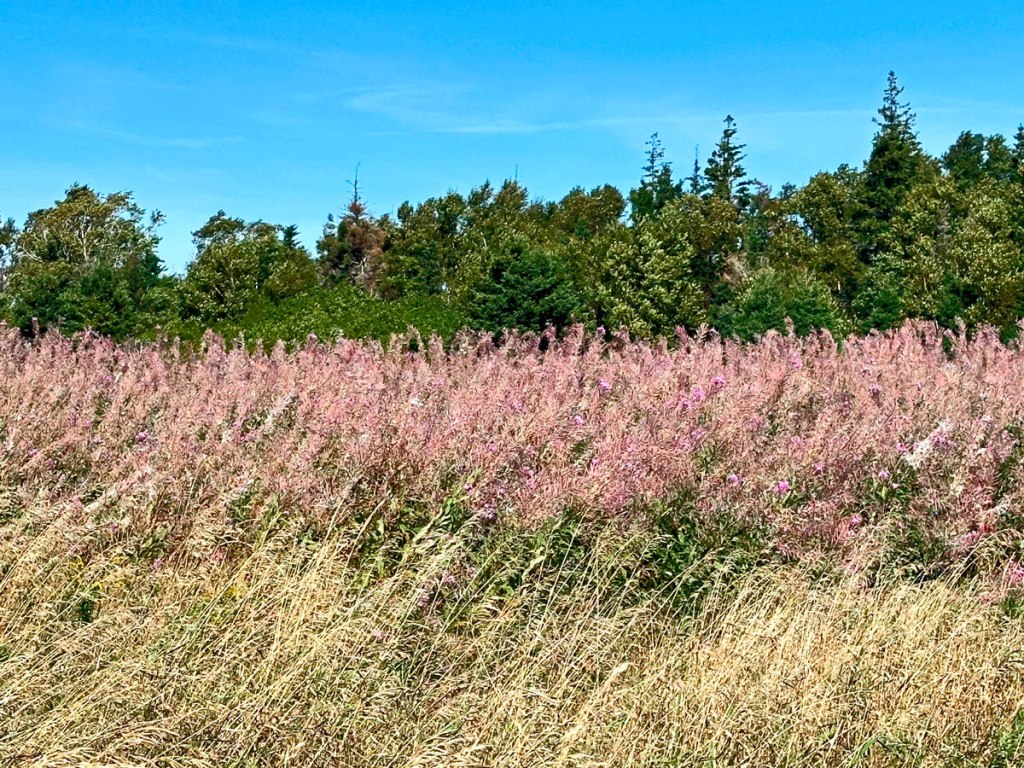


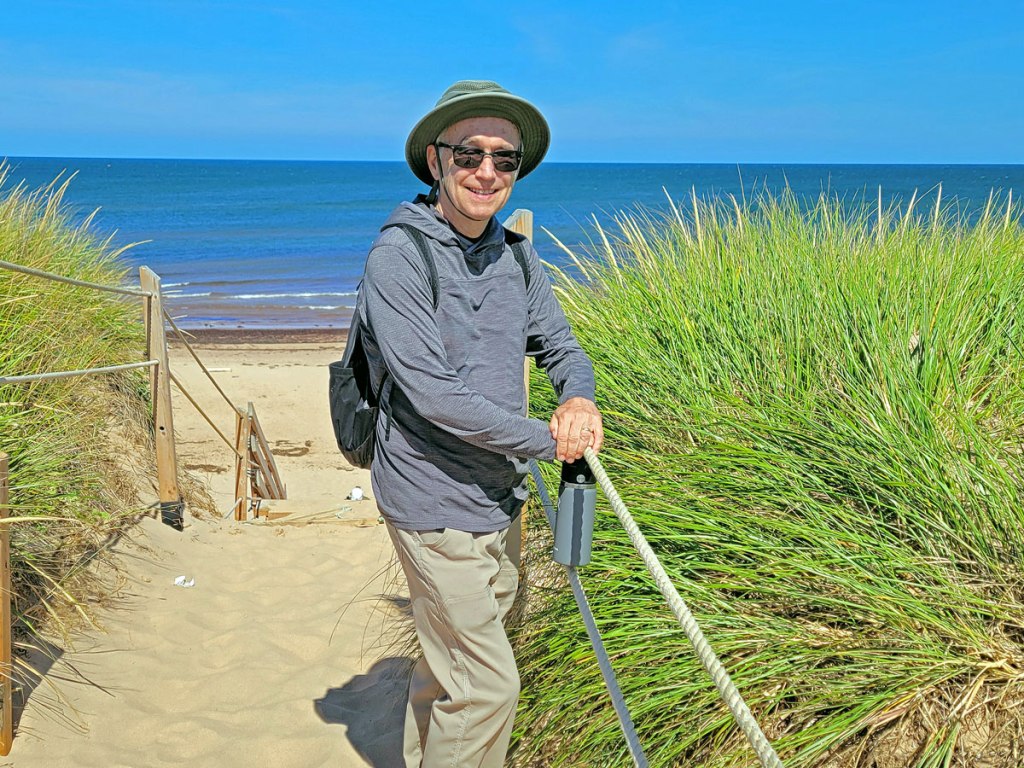
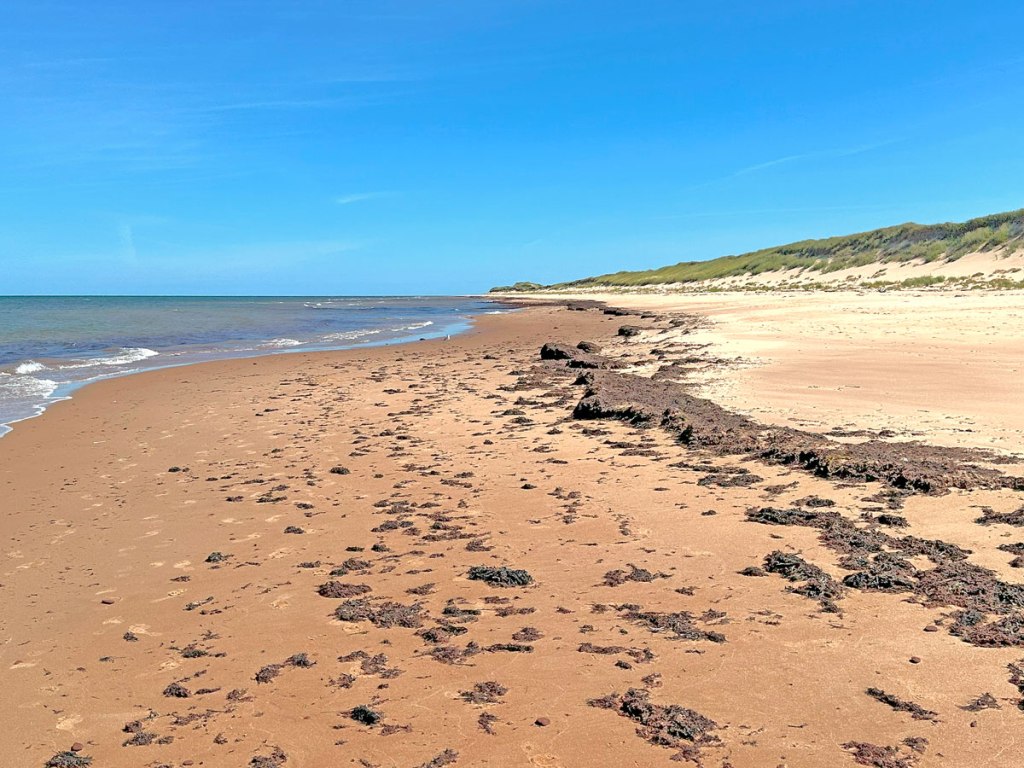
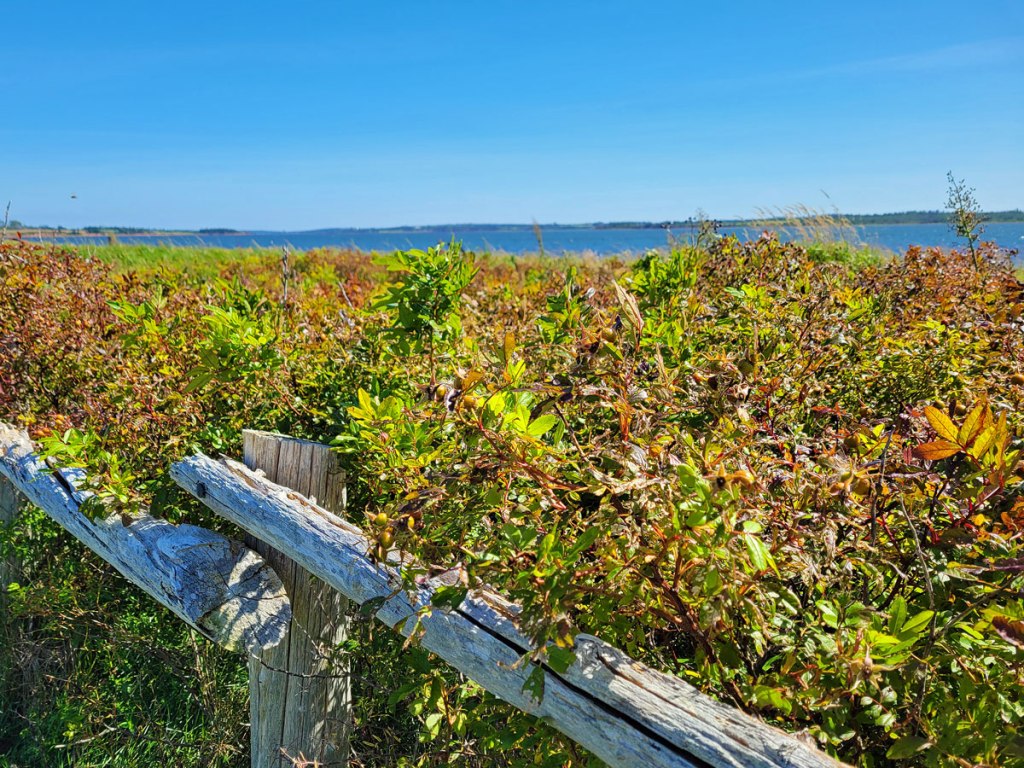
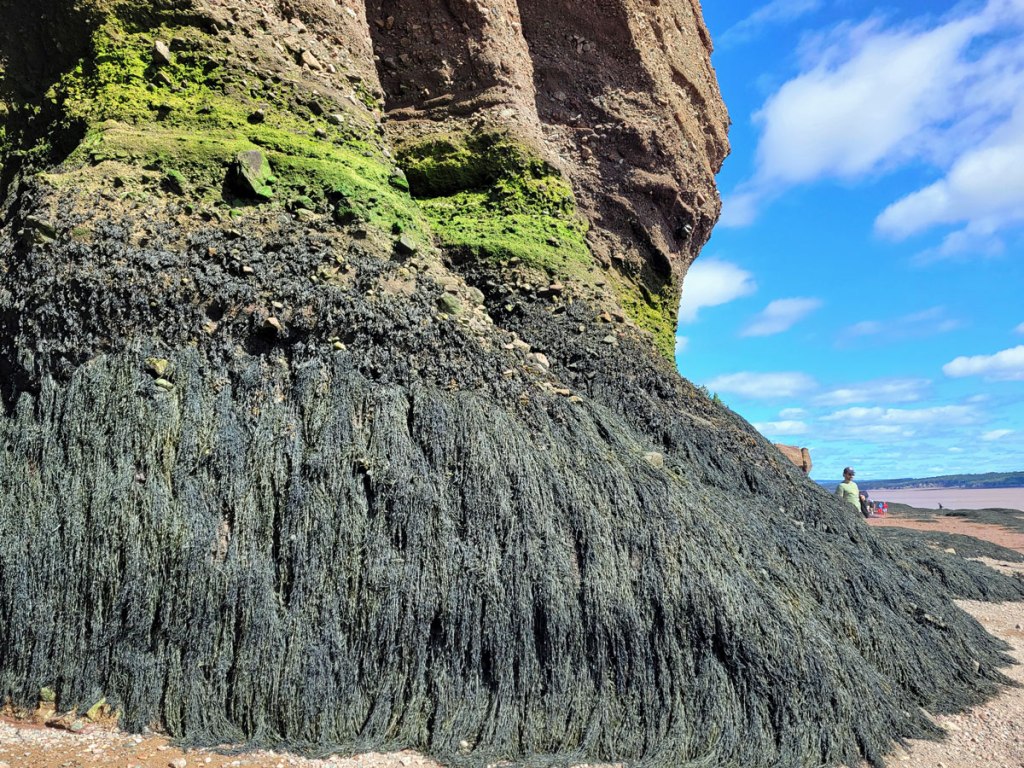
In New Brunswick, Hopewell Rocks was a fascinating place to explore. The photogenic sea stacks are located on the Bay of Fundy, which has the highest tides in the world, so the area is accessible for hiking (wandering around, more accurately) only at low tide. The piles of dead-looking grayish green stuff is sea kelp, and it’s very much alive.
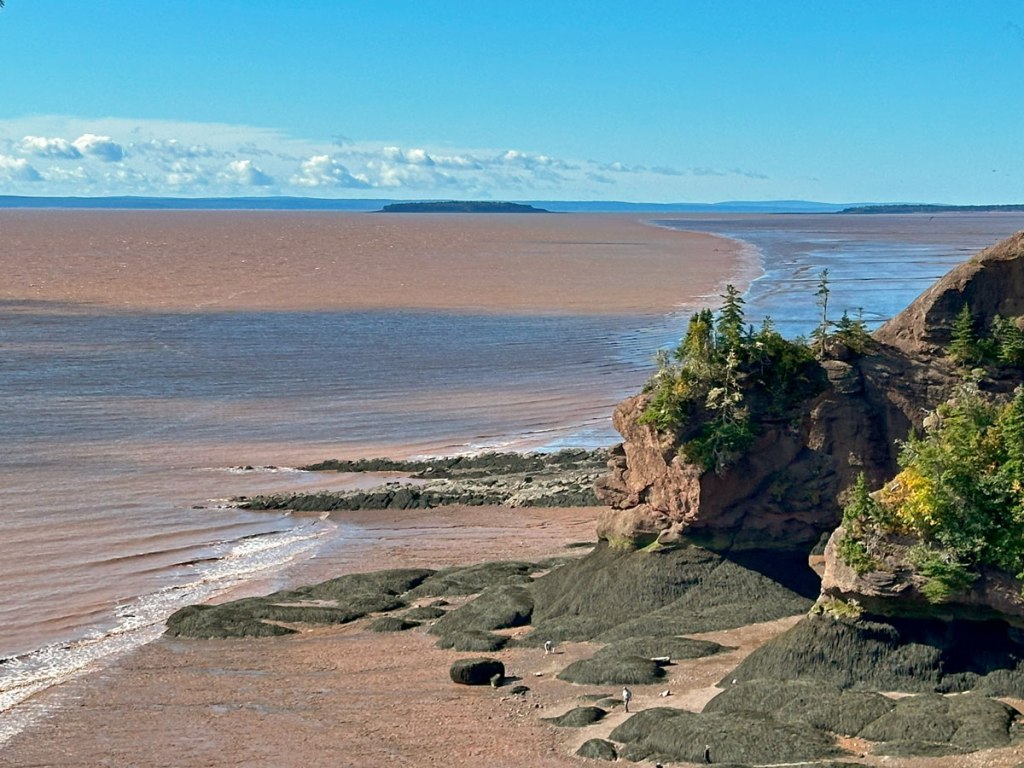
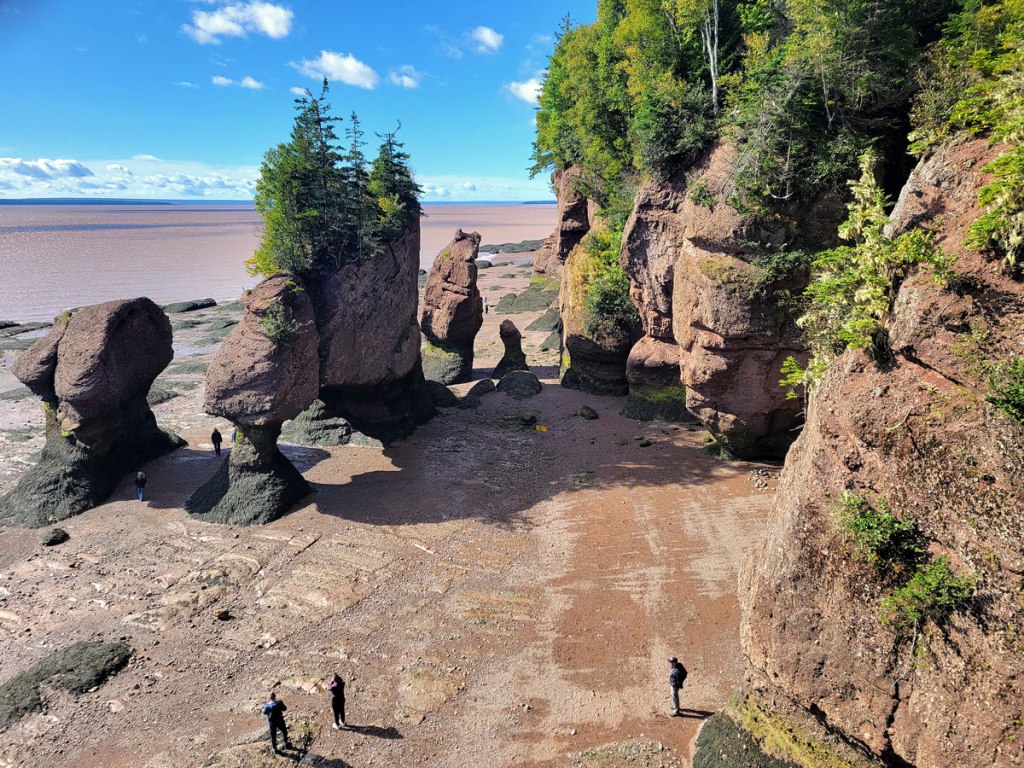

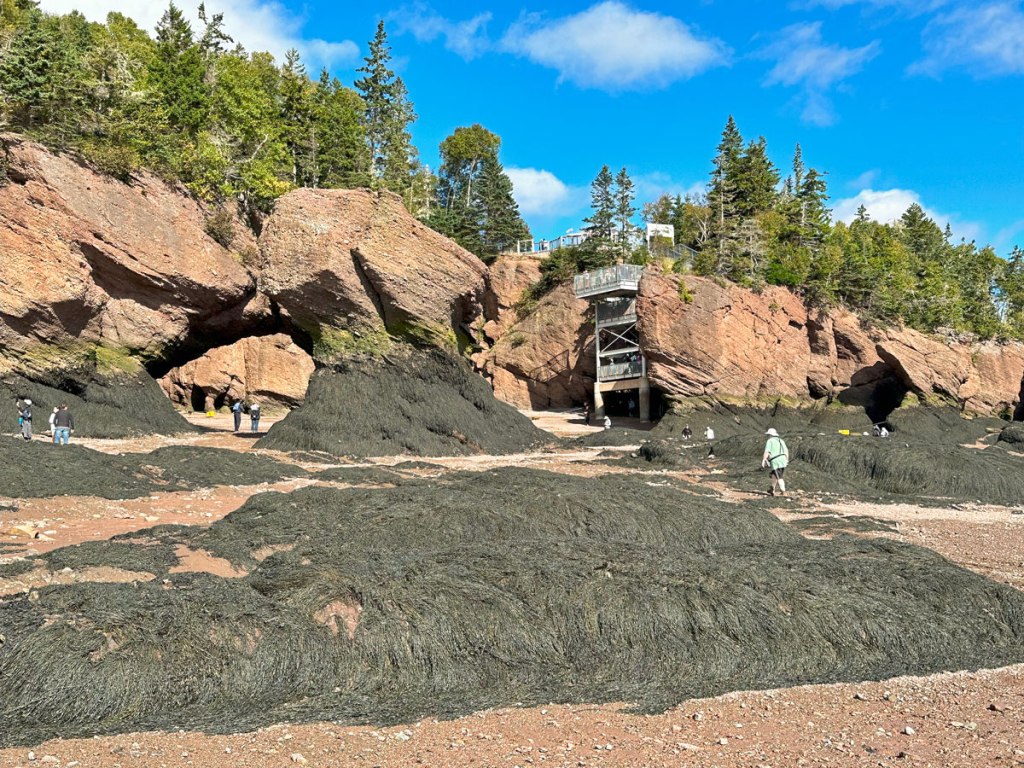
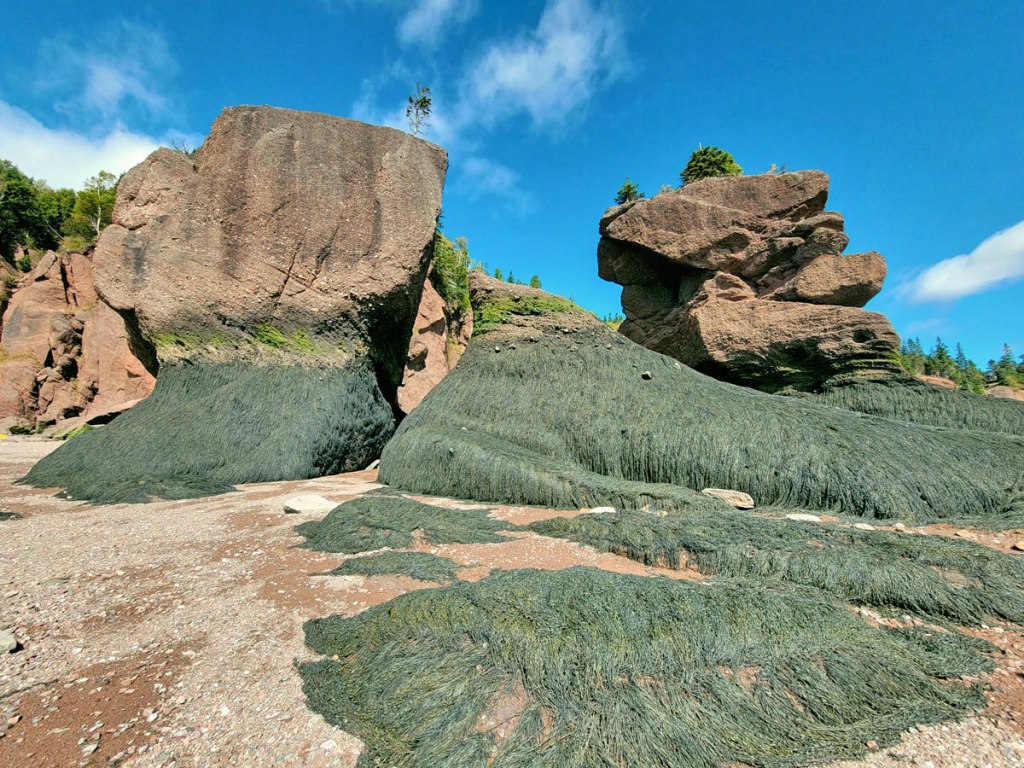
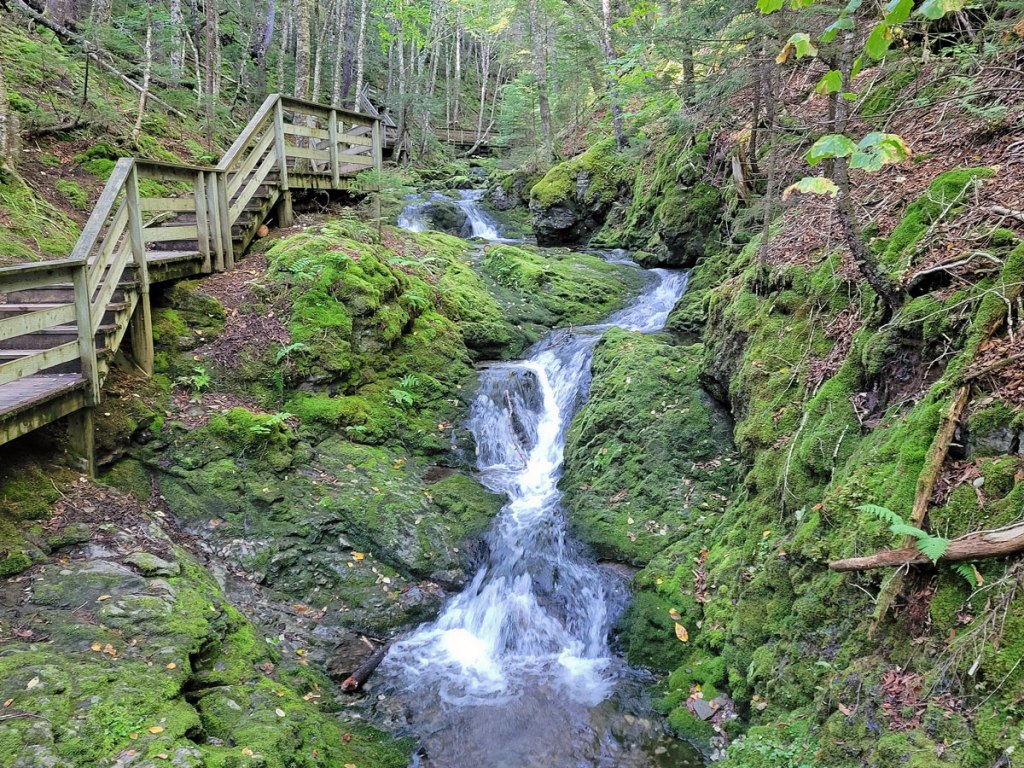
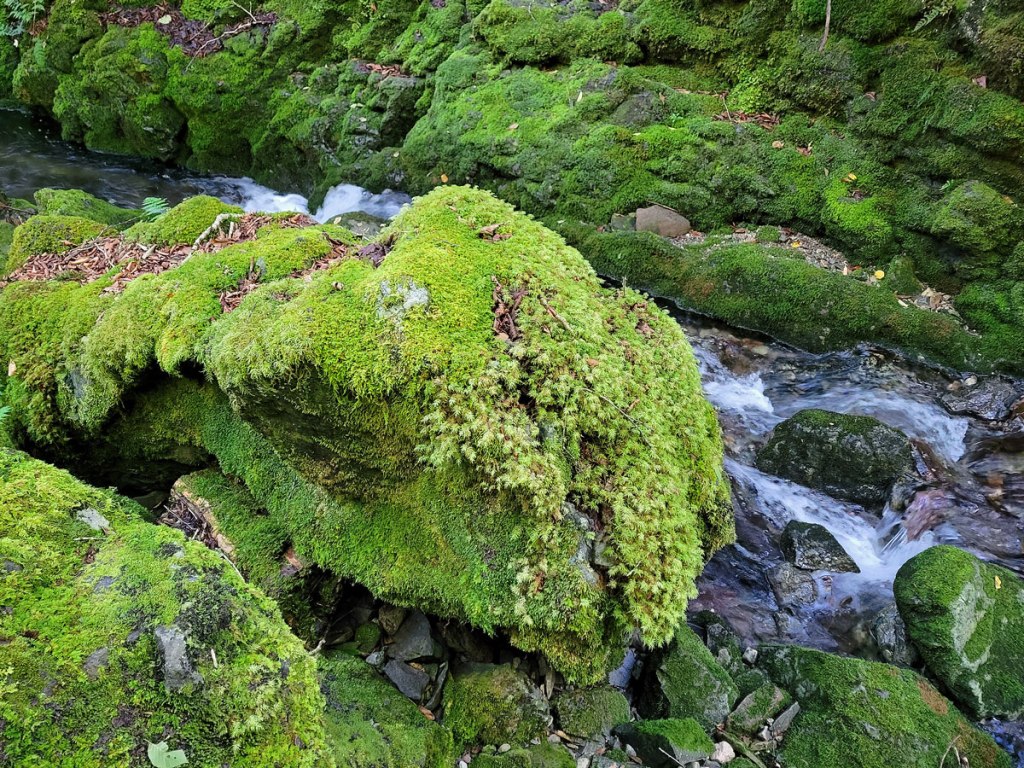
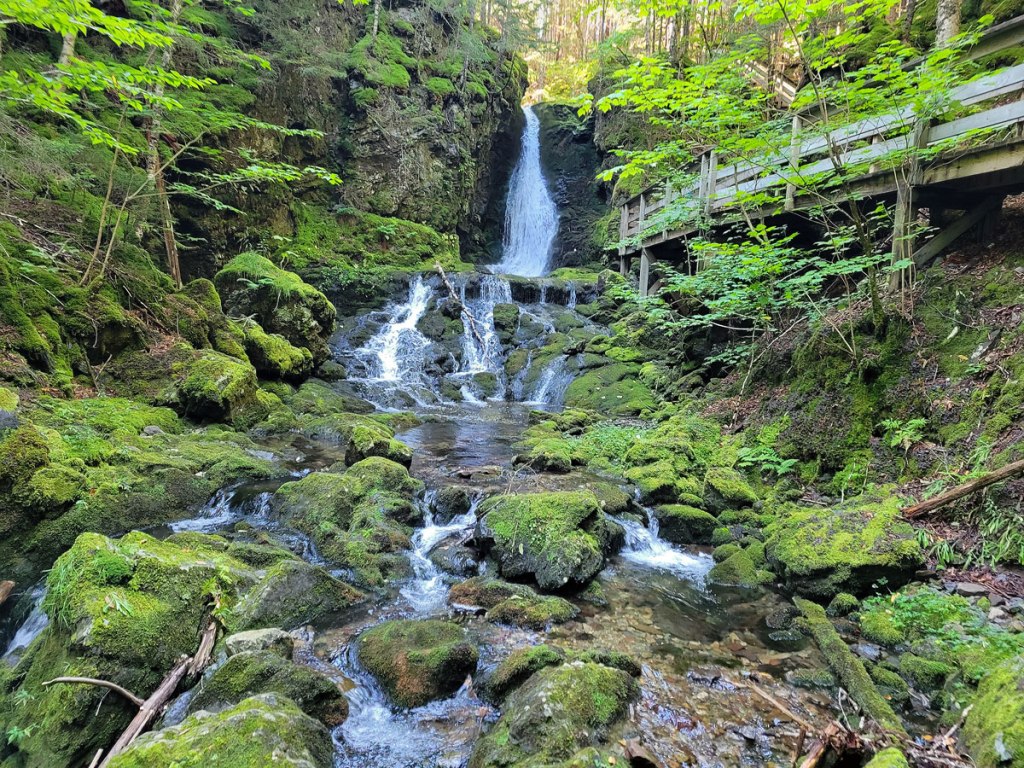
Next up – two hikes in nearby Fundy National Park. We learned that a half day visit wasn’t nearly long enough, but we made the best of it. The first hike was a loop trail through dense forest to Dickson Falls. It was different from our previous treks, and the sound of rushing water was refreshing.
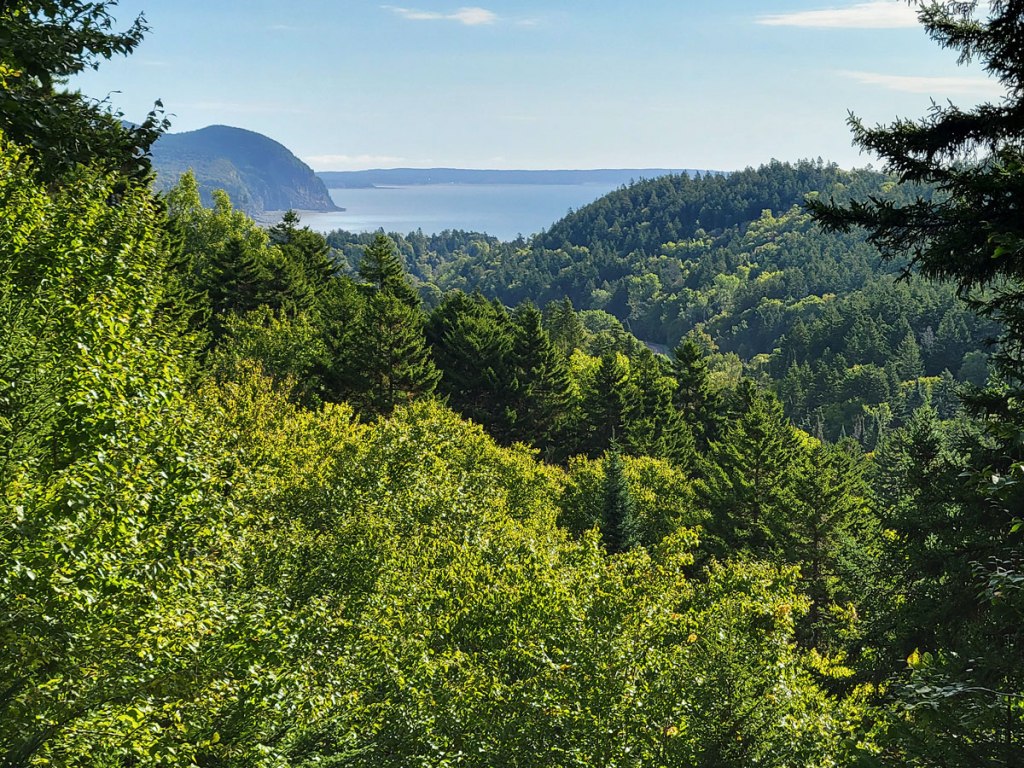
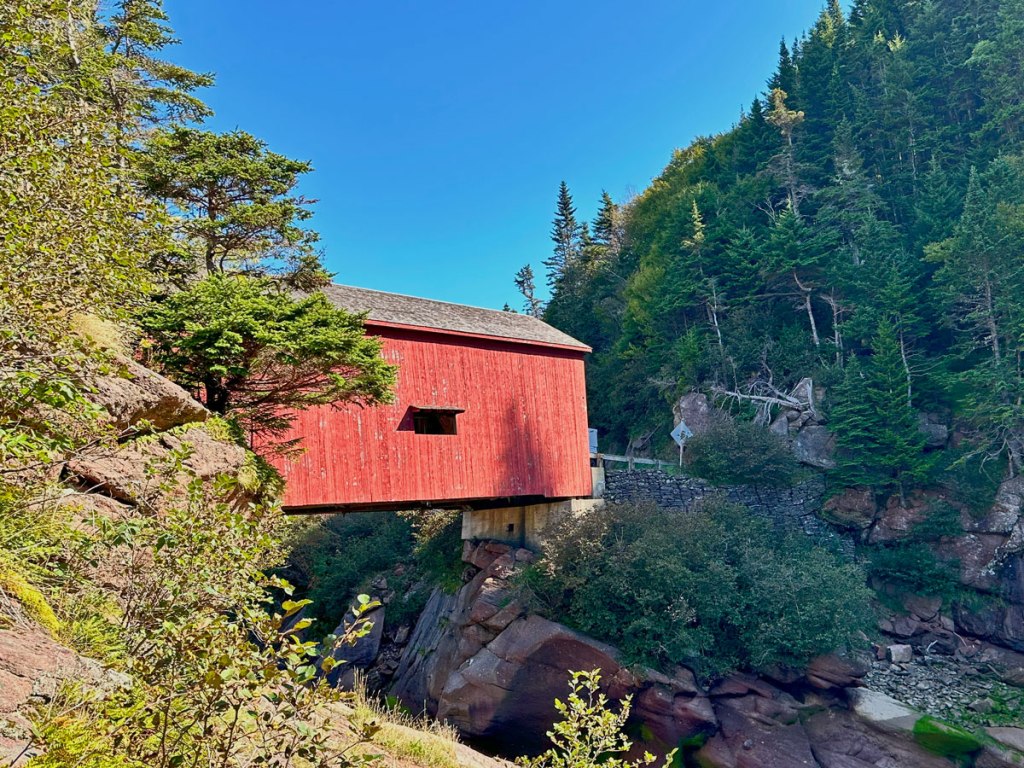
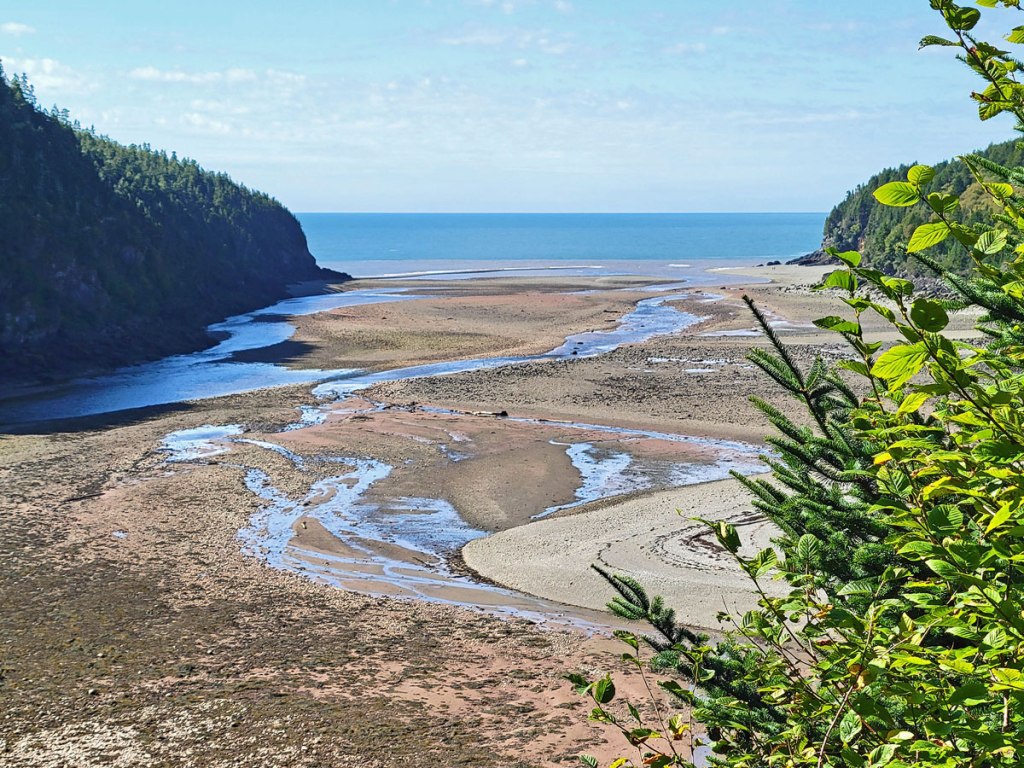
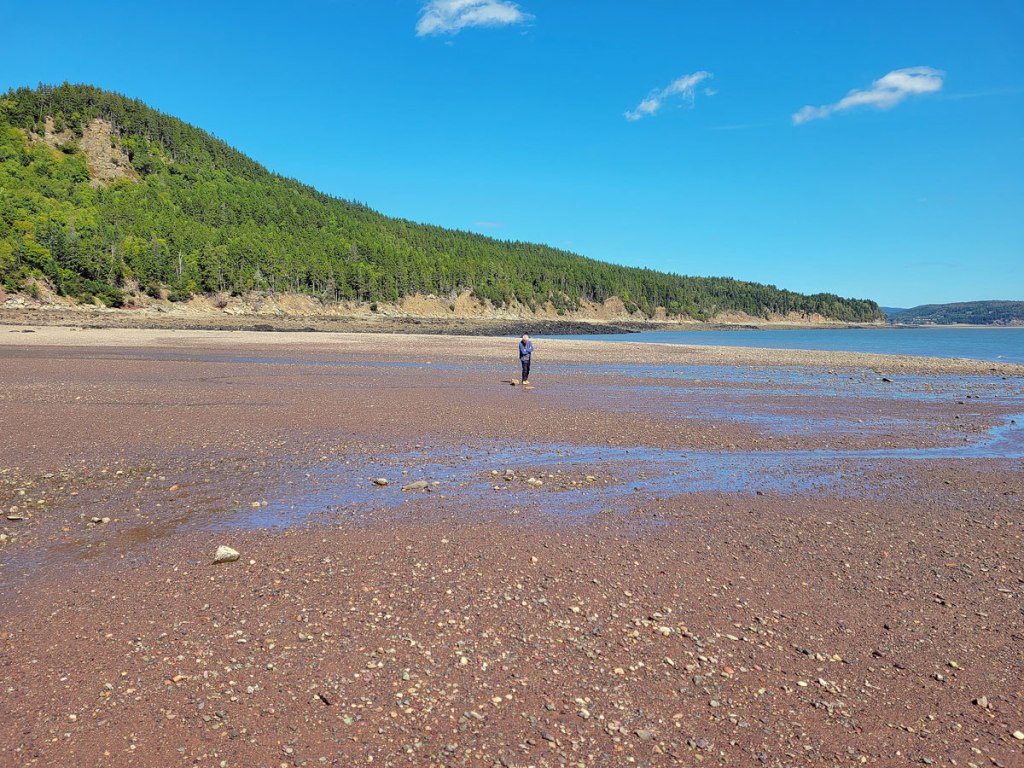
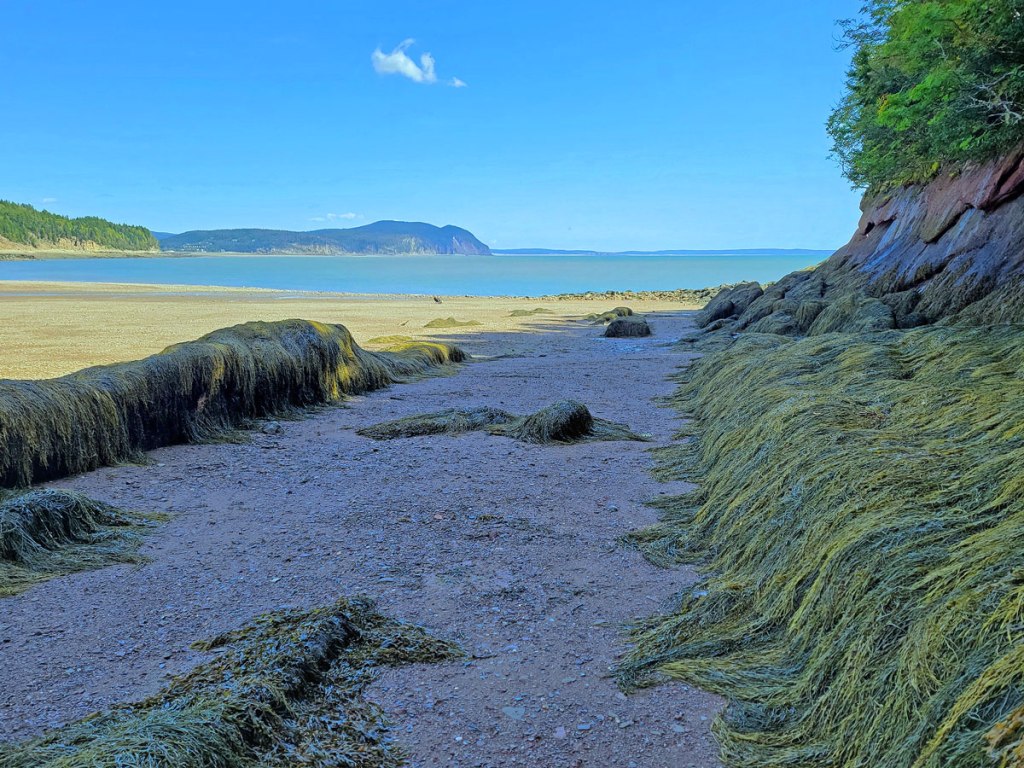
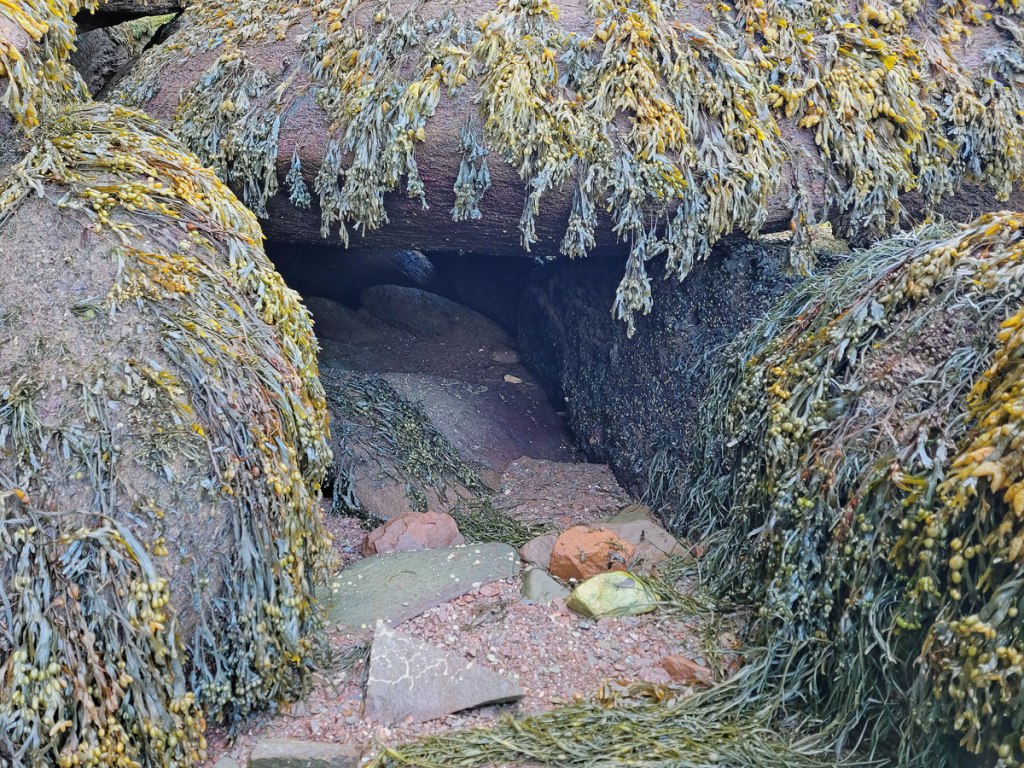
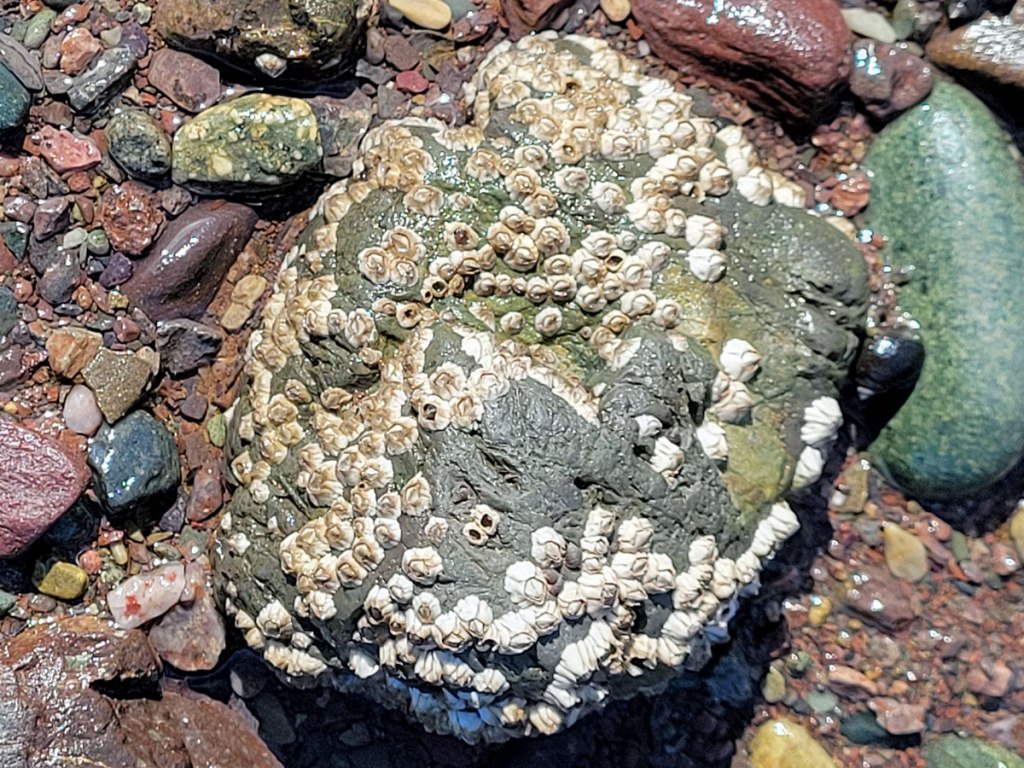
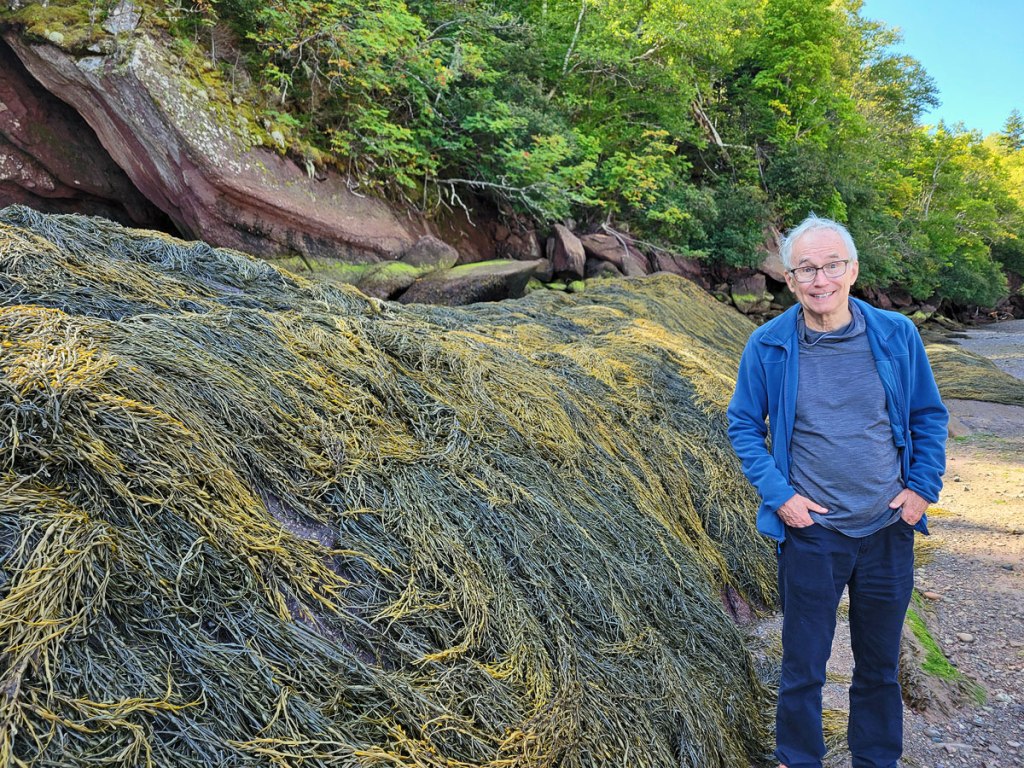
A park ranger recommended checking out the Point Wolfe area, with its quasi-beach to explore (only at low tide) and the short Shiphaven Trail. He was spot on. We admired the views from above, then descended to the deserted beach and meandered through the huge expanse of rocks, sea kelp and snails.

Six Other Noteworthy Stops
There were more special places along the way, but we decided to focus on these six – all different from each other. Plus they were photogenic.
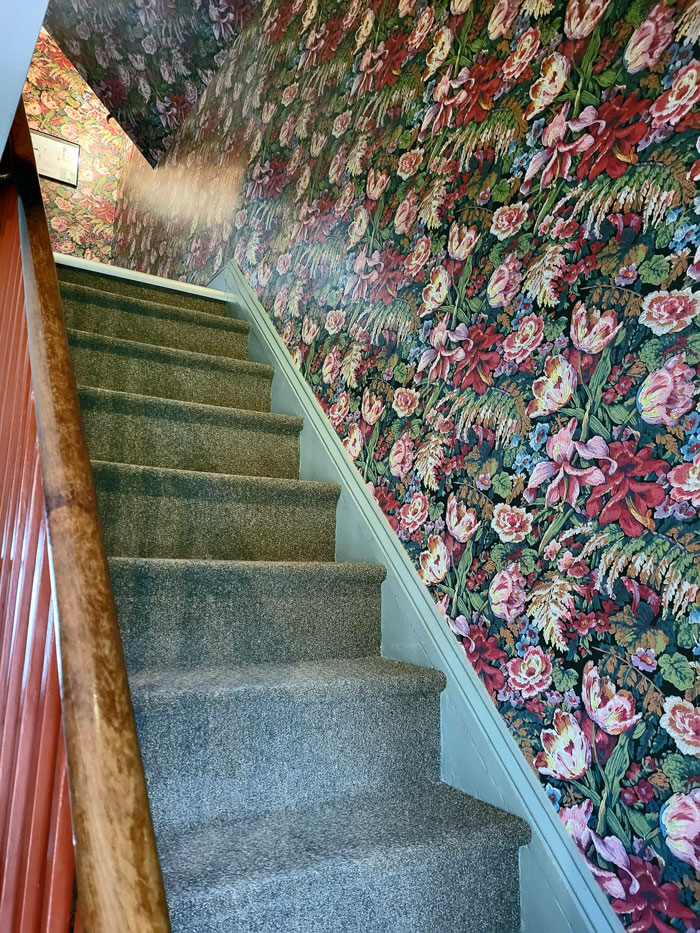
Number One. The first is the Anne of Green Gables house in Cavendish, Prince Edward Island, which brings the main character in Lucy Maud Montgomery’s beloved children’s books to life. It’s an old house that’s been re-imagined as fictional Anne’s home, complete with fixtures and furnishings. The grounds also include a museum, gardens and walking paths.
We noted that a significant percentage of female visitors of all ages were dressed in Anne-like attire.
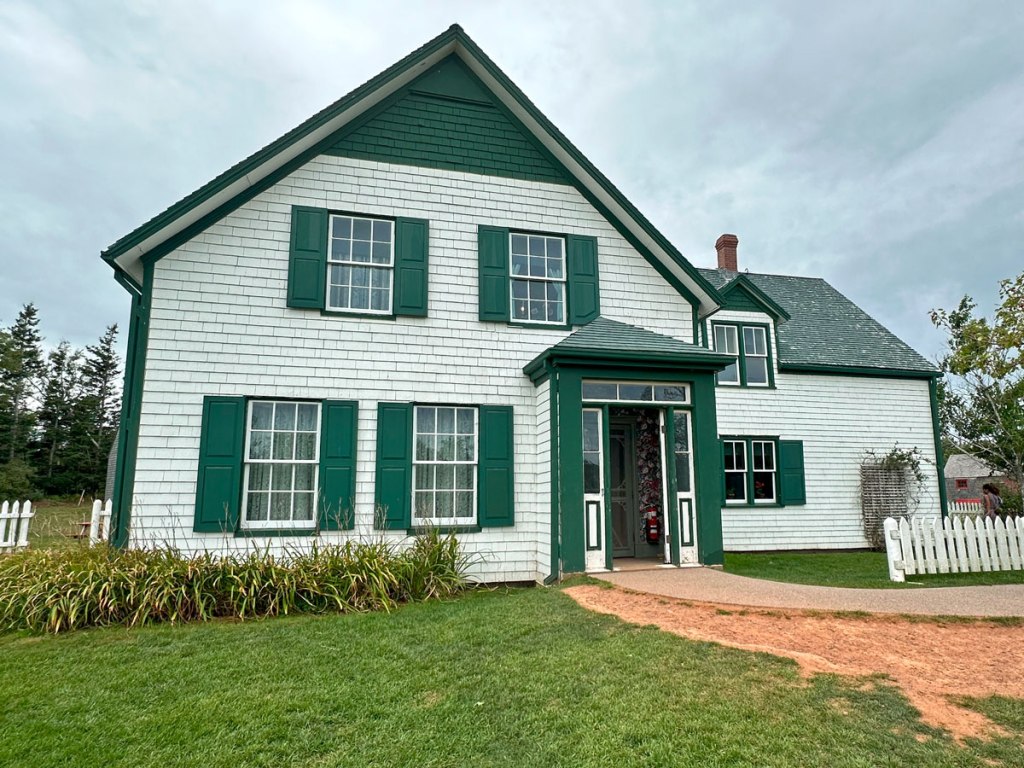


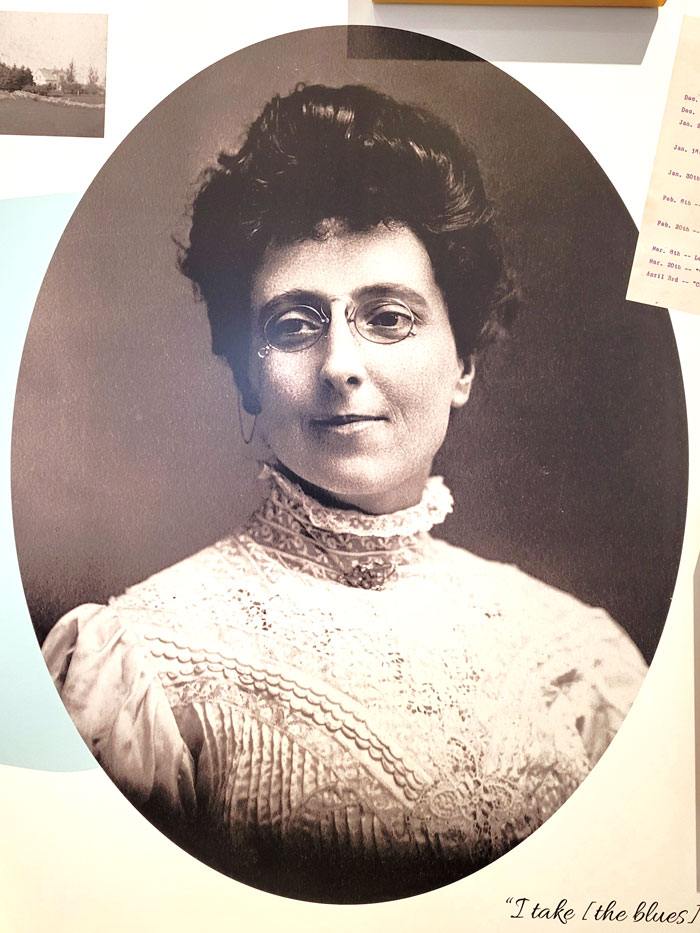
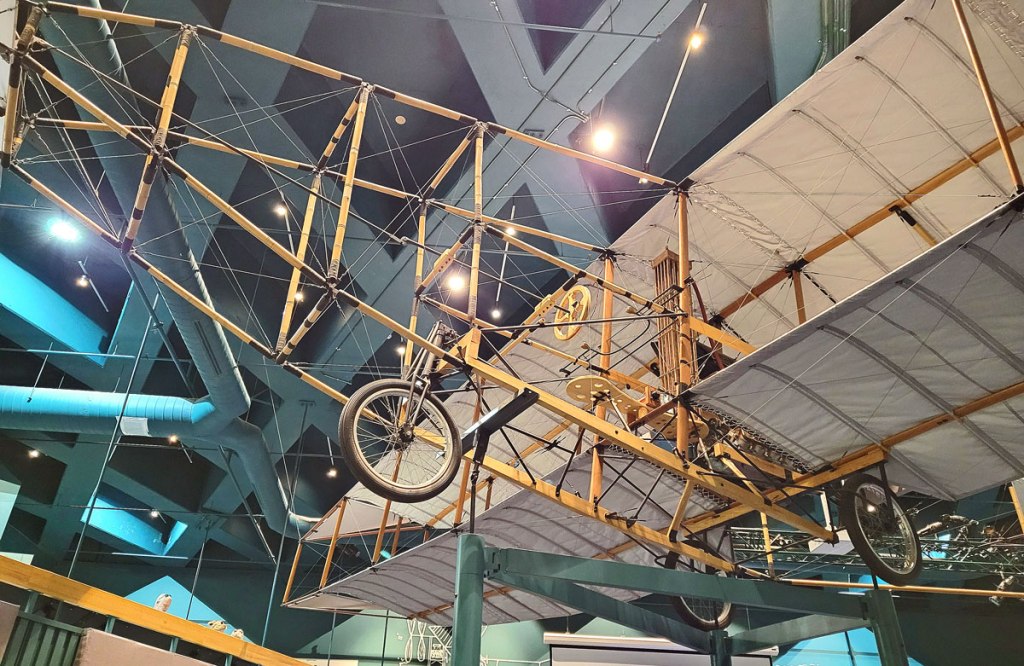
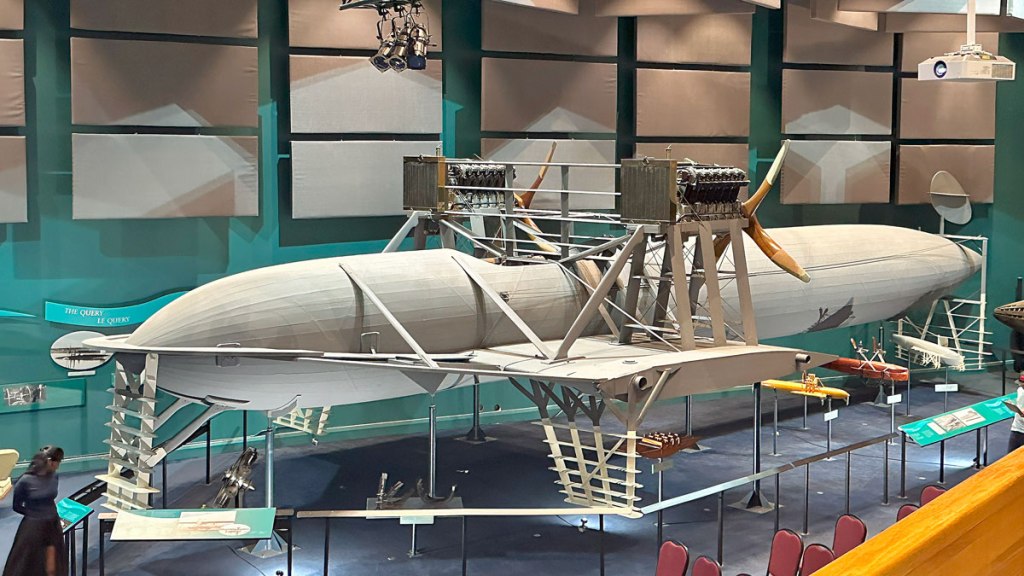
Number Two. Alexander Graham Bell was born and raised in Scotland, then moved with his family to Canada at the age of 23. For roughly the next 20 years, he lived in the Boston area, where he invented the telephone and became a naturalized U.S. citizen.
So why does Canada have a National Historic Site devoted to Bell? Because he and his wife, Mabel Gardiner Hubbard, spent their final 30+ years in Baddeck, Nova Scotia at their estate and research campus called Beinn Bhreagh. The museum in Baddeck houses the world’s largest collection of Bell memorabilia.
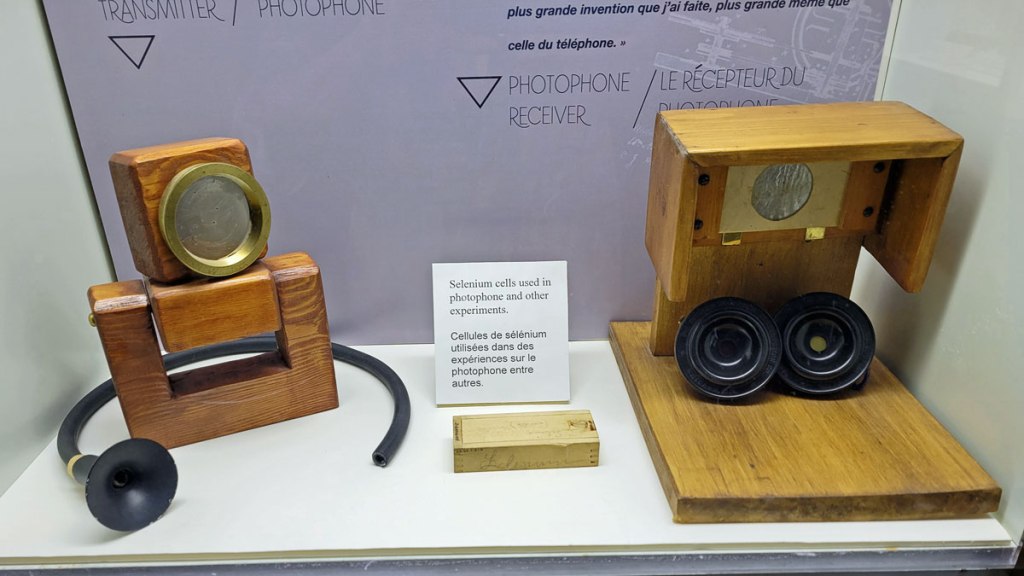
Like many other like-minded entrepreneurs, Mr. Bell’s mind was always working. He sought novel solutions to problems and opportunities that others didn’t see. Like the photophone pictured below – a wireless phone that Bell said was his best invention. Needless to say, the idea didn’t catch on until more than a century later.
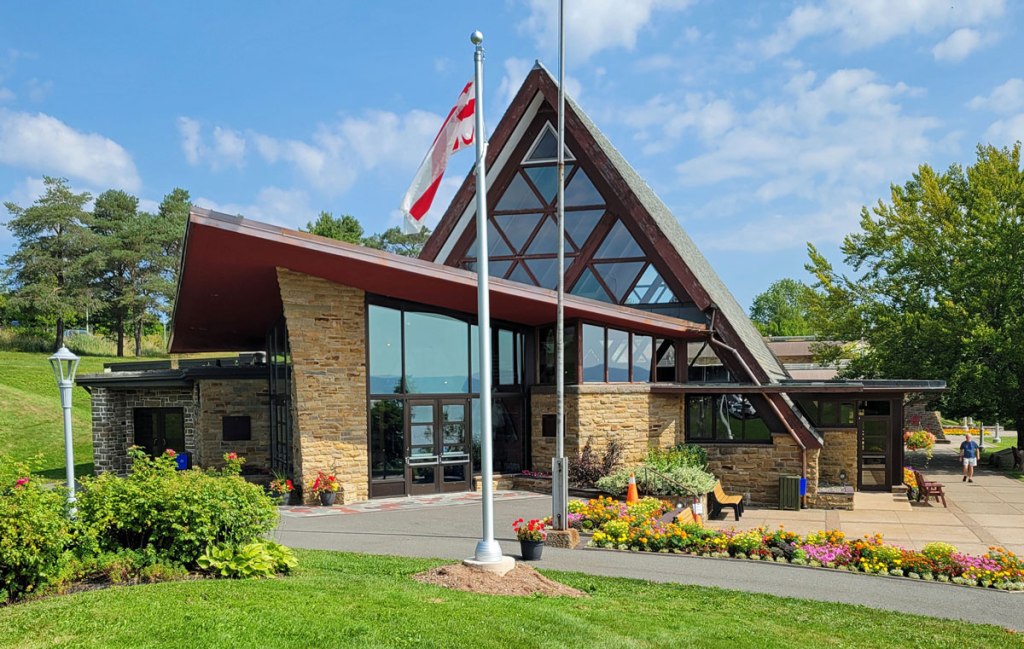
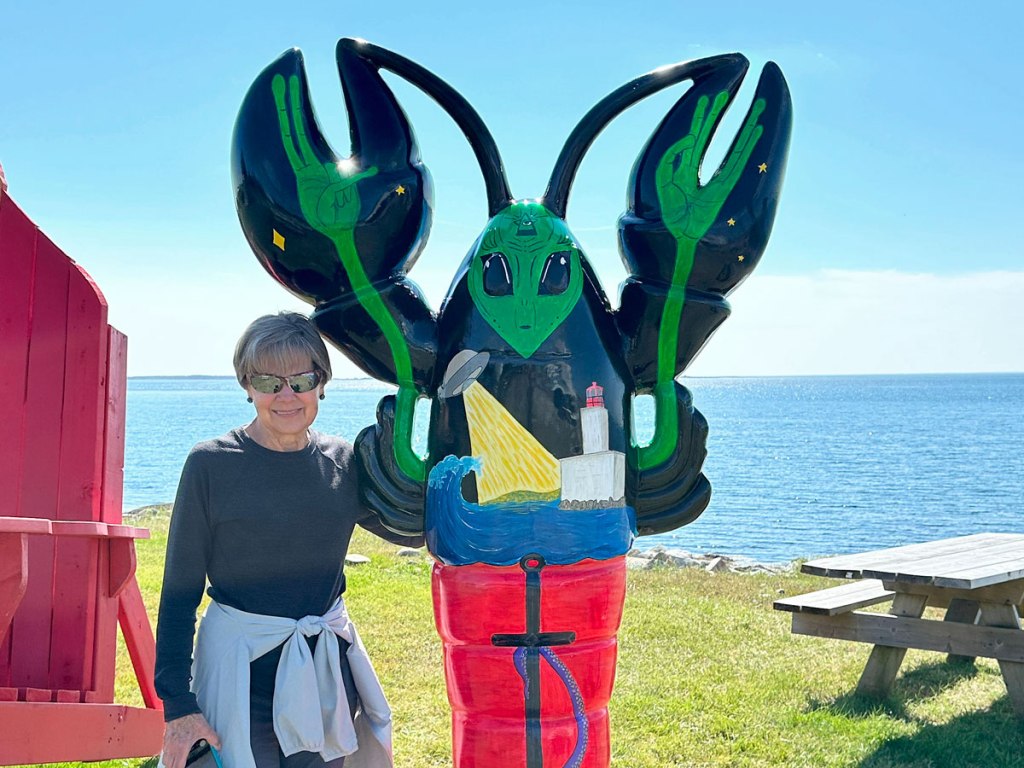
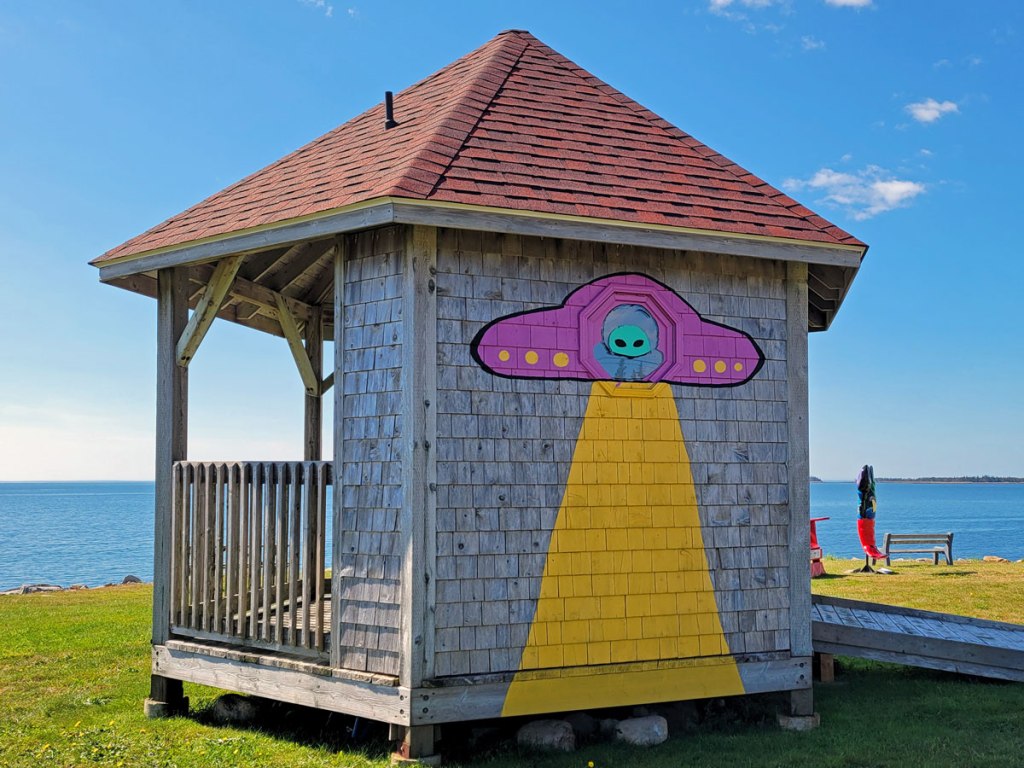
Number Three. During a quiet and uneventful drive along the southeastern coast of Nova Scotia, we happened upon this little roadside park. Obviously worth a quick stop. The story is pretty self-explanatory: people in the area saw a UFO crash into the water, so authorities investigated but never found any trace of either an odd flying machine or alien life.


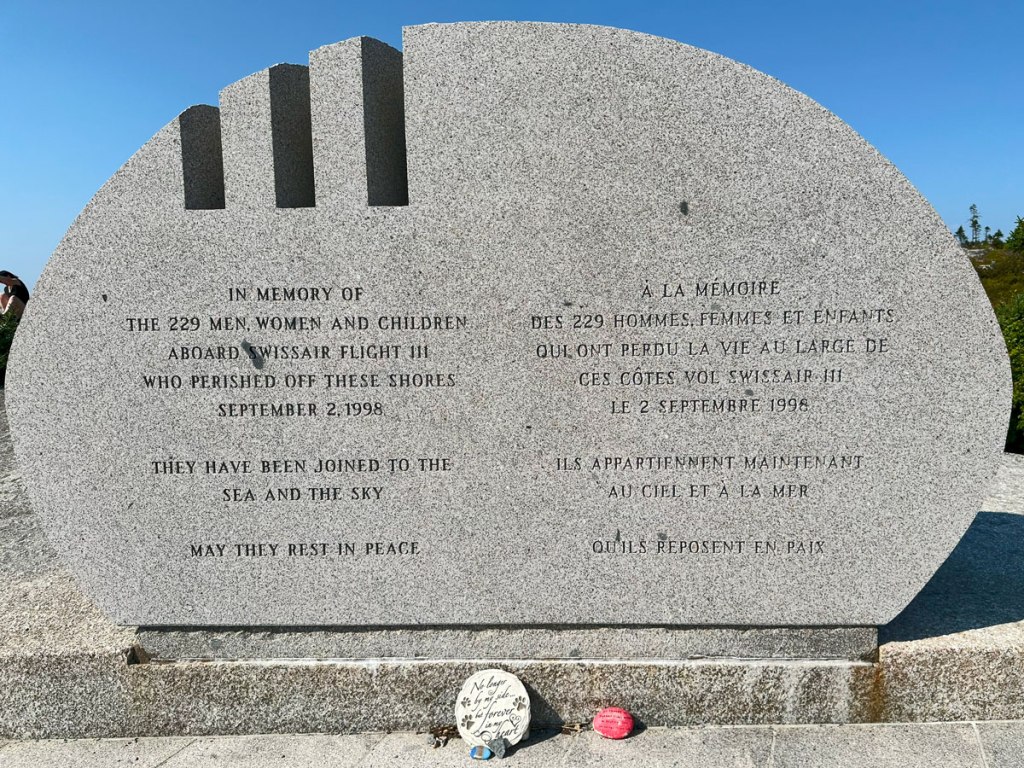
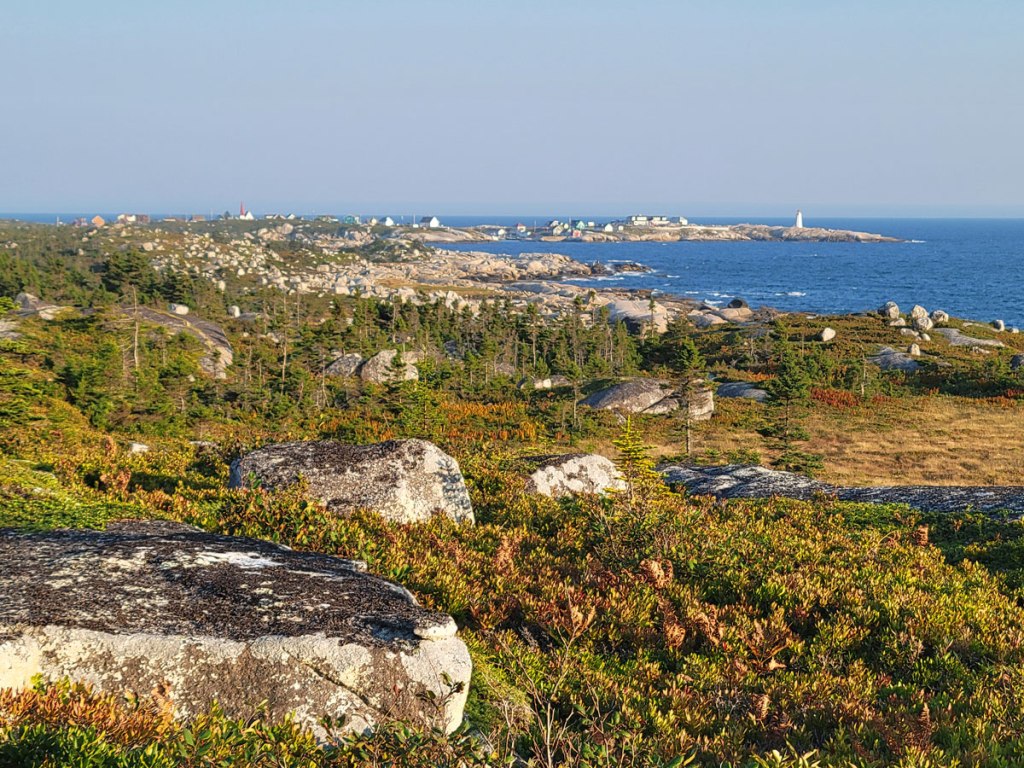
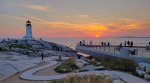
Number Four. Unlike the quirky tale of Shag Harbour, the monument about the 1998 Swissair plane crash off the coast of Peggy’s Cove was somber and silent. All 229 people on board lost their lives when the plane malfunctioned due to faulty wiring. The memorial is set back from the road in a serene location with beautiful views up and down the shoreline.
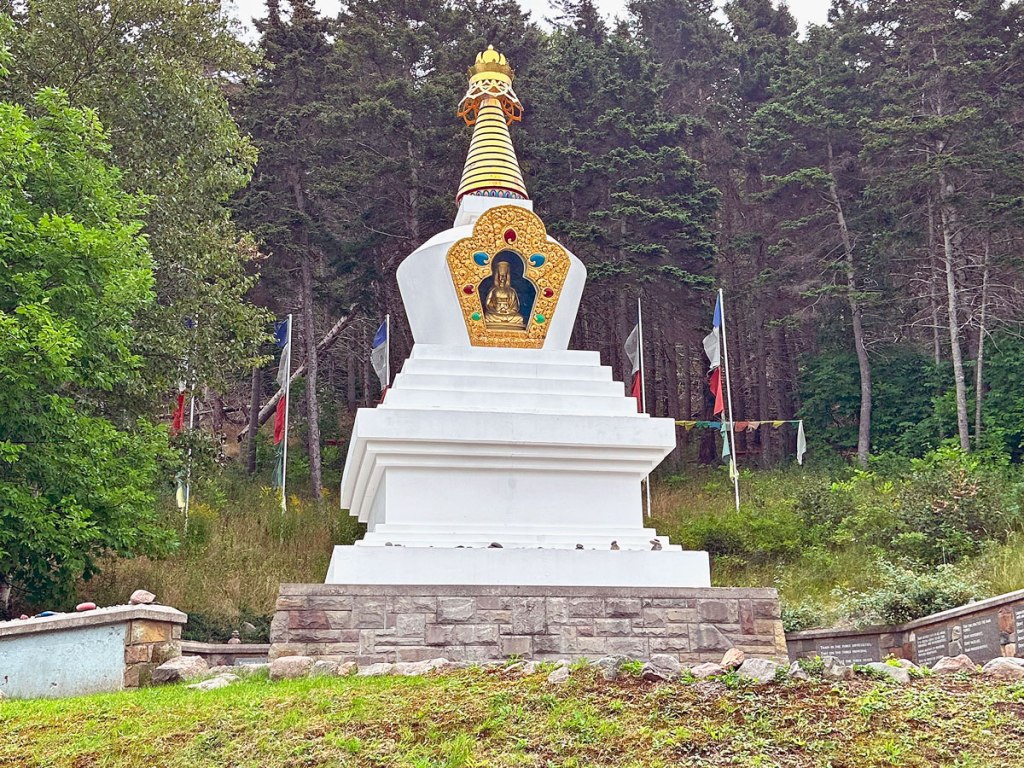
Number Five. Consecrated in 2001, the Stupa of Enlightenment is part of Gampo Abbey, a Buddhist monastery founded in 1983 in Pleasant Bay, Nova Scotia. There are no formal tours, but visitors are encouraged to explore the grounds.
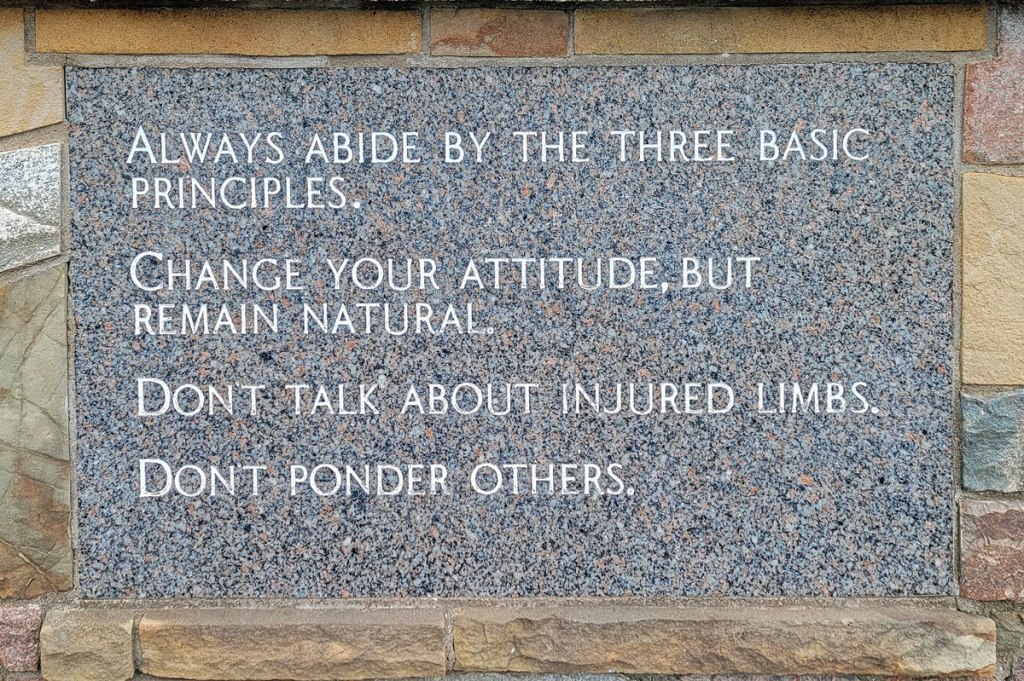
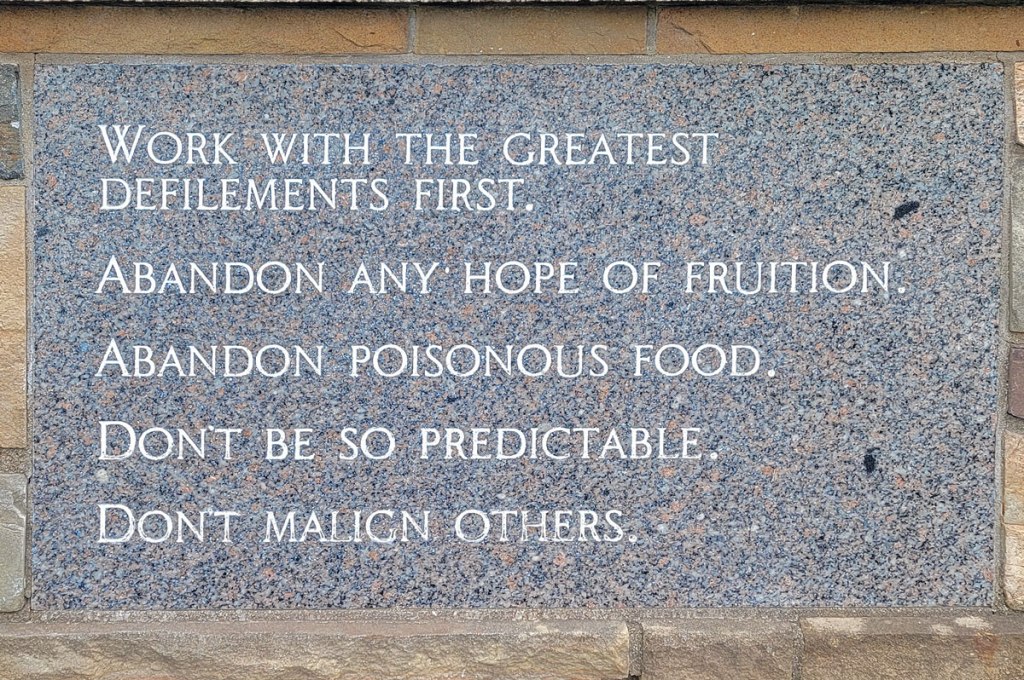
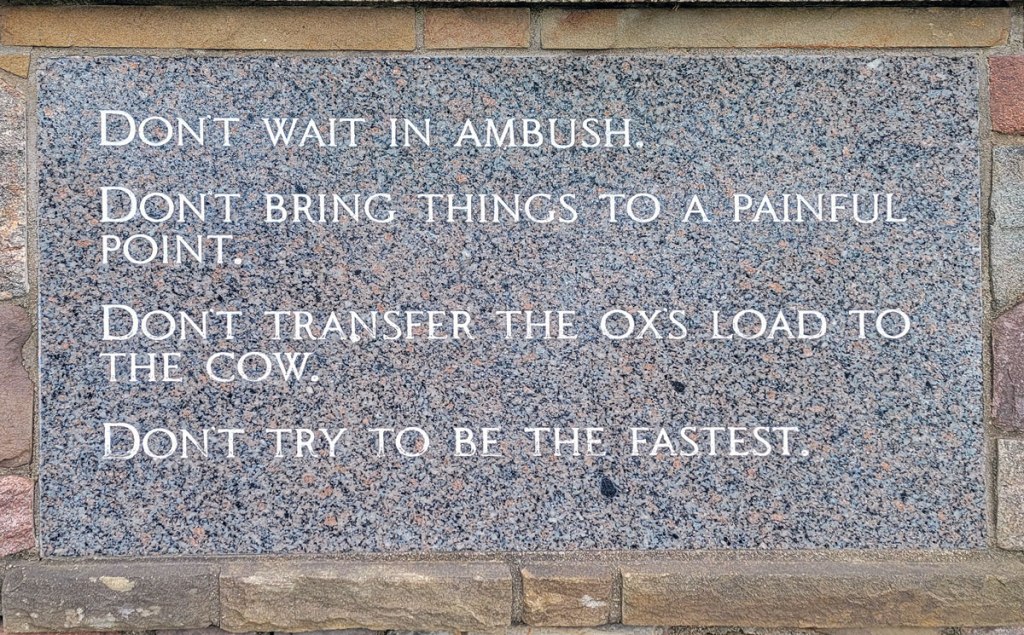
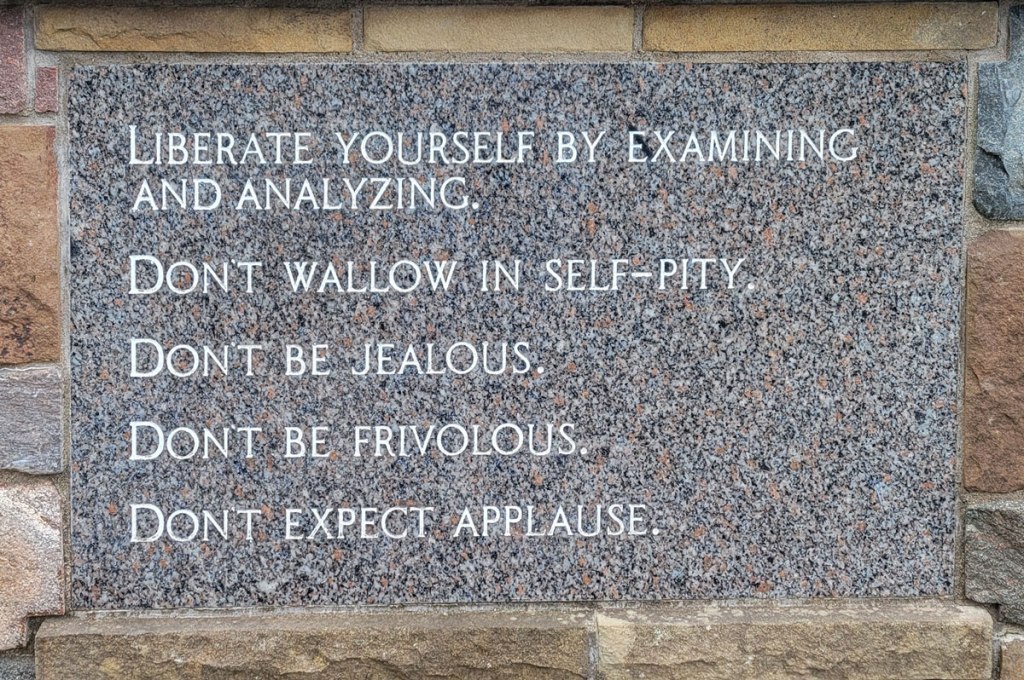
Buddhist lojong teachings, inscribed on terraced walls, are an integral part of the Stupa experience. I included 18 of the 59 slogans in the photo gallery below. Visitors are encouraged to ponder these directives as they circumambulate the Stupa.
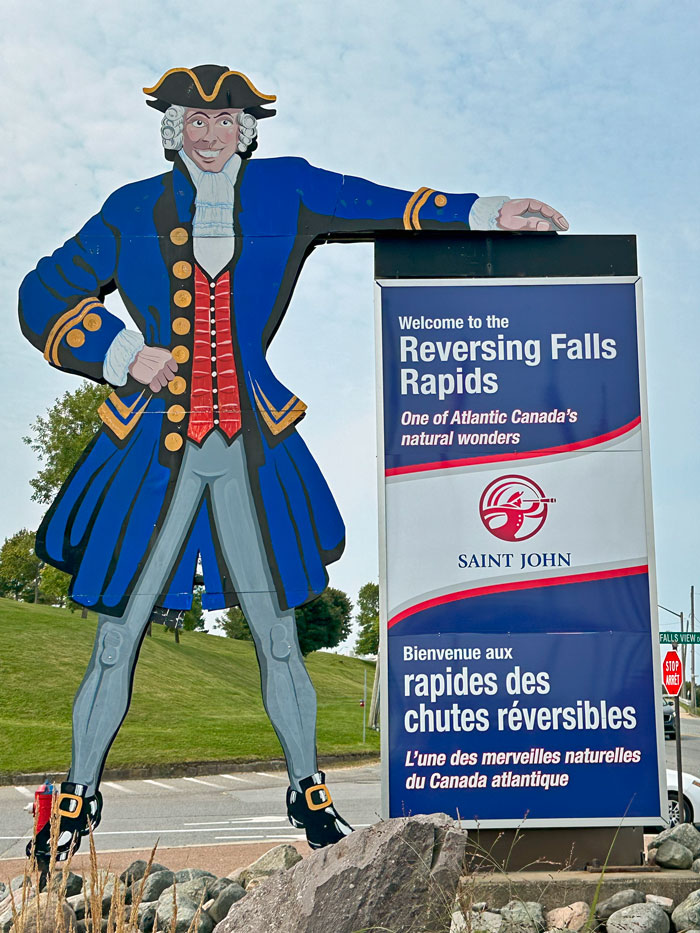
Number Six. The phenomenon in Saint John, New Brunswick known as the Reversing Falls Rapids is caused by tidal flows in the Bay of Fundy. At low tide, water from the Saint John River surges into the Bay, only to be pushed back into the river at high tide. It’s pretty cool but important to note that seeing the water move in both directions requires two visits (or a very long wait time). The two short videos below were shot about 8 hours apart.
A million thanks for viewing this article. Our travels through Nova Scotia, Prince Edward Island and New Brunswick inspired awe every single day. One of our best vacations ever.
Before you go, take a peek at the “Just for Fun” photos in the gallery below. No description (save one), just images.
Our next trip starts in two days. We’ll be on holiday down under, having a good wander around, so we’ll catch you later . . . 🦘




If you would like to be notified when future articles are published, please add your email address and hit the “Subscribe” button below. No ads, no unwanted emails, no kidding. Thanks!
Discover more from Just Passing Through
Subscribe to get the latest posts sent to your email.


 Just Passing Through
Awesome. So many things that can change your life. “Don’t talk about injured limbs” being of the utmost wisdom. And that floating bridge…a must do!!!
LikeLike
The floating bridge was a highlight – I know you would love it!
LikeLike