But you knew that already, right? Kangaroos, koalas, wombats and Tasmanian devils, oh my! The quote in the title is from an official tourism website, which goes on to say that “eighty percent of Australia’s wildlife is so unique it can’t be found anywhere else in the world.” (Source: http://www.australia.com) Not sure if that’s accurate, but who am I to argue?
Seeing the animals was high on our wish list (but not the only factor) as we planned our winter escape with a trip down under. During our month of travel, we visited the cities and surrounding areas of Sydney, Melbourne, Adelaide and Hobart (Tasmania) and had a wonderful time! And we were delighted with the array of creatures we encountered, especially in the wild.
So that’s where we begin the Australia travel series, with this photo gallery of just the animals, dedicated to Owen, our nature-loving, six-year grandson. It’s more or less organized in alphabetical order, for no particular reason, and the pics have captions (hopefully labeled correctly), but that’s about it. Some animals are exotic, others not so much. Some photos are great, and others are awful. And there a few outliers at the end.
We hope that seeing these critters makes Owen and everyone else smile! Most will show up again in later articles as we recount our adventures in more detail.
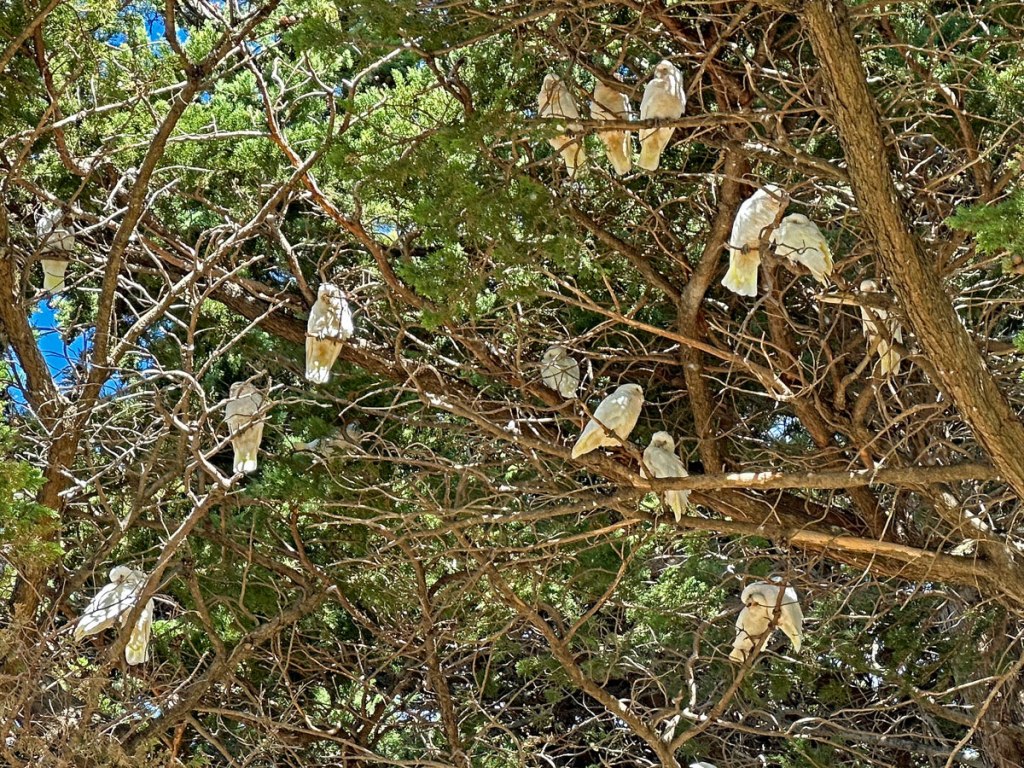
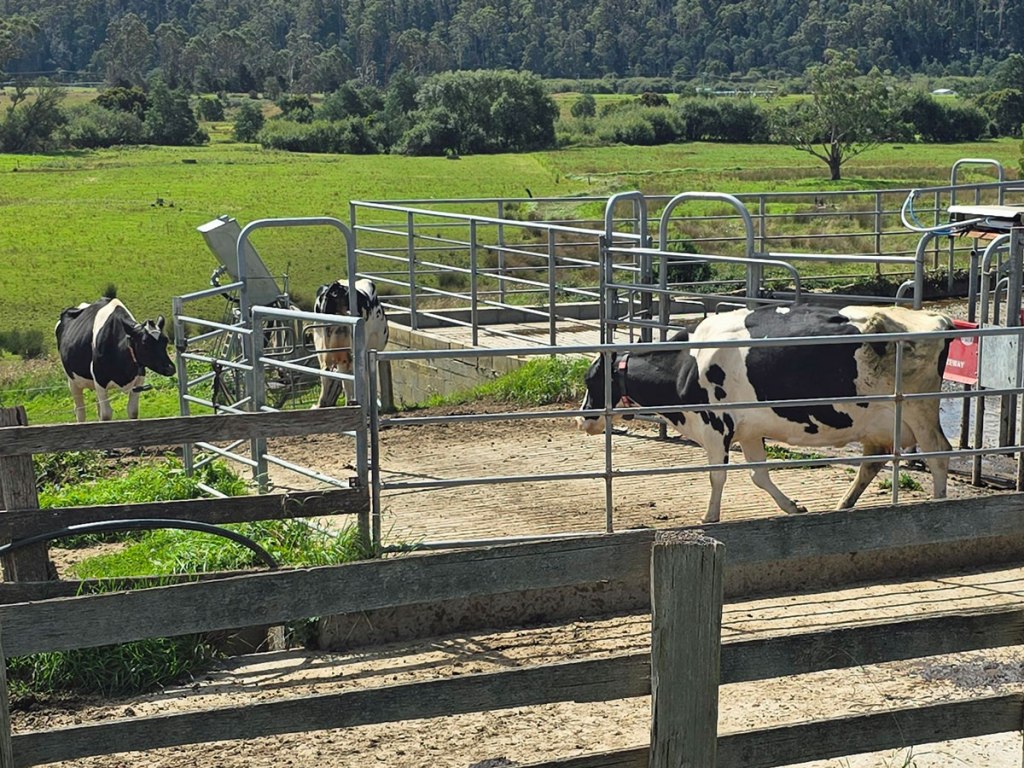
‘C’ Is for Cockatoos, Corellas & Cows
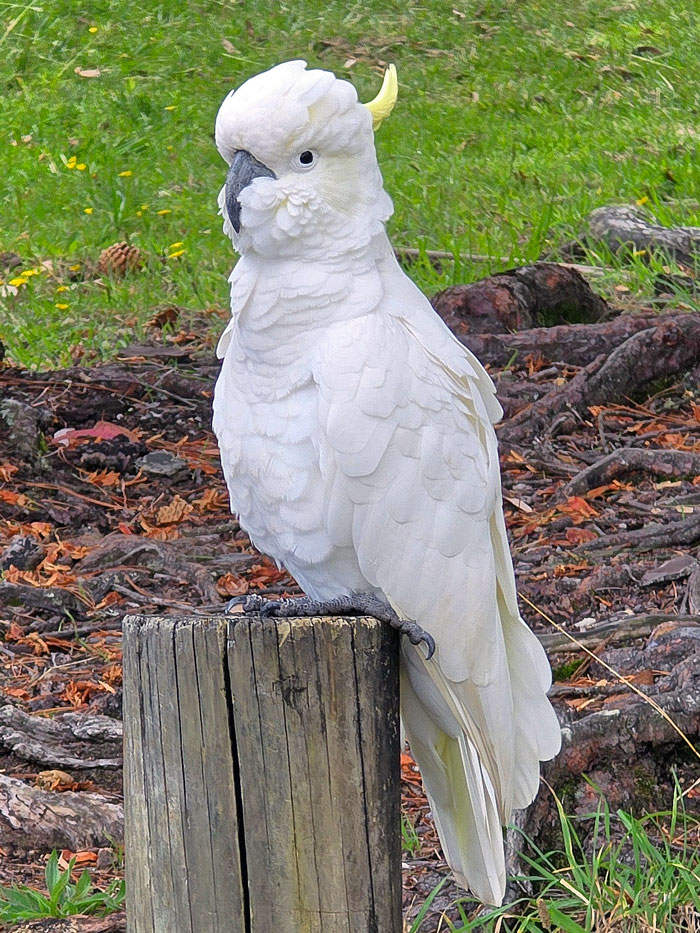
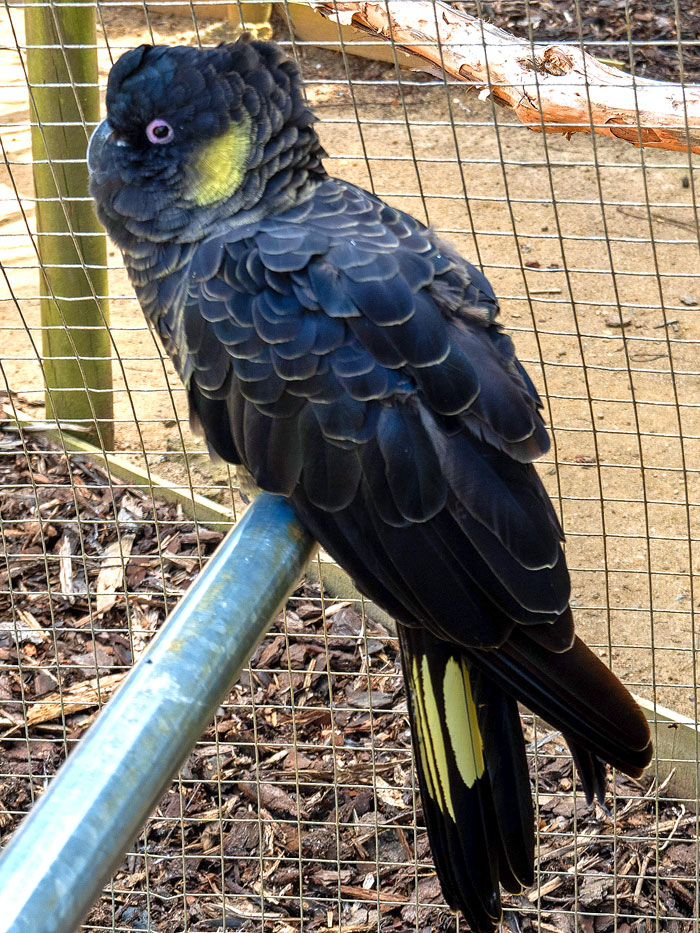
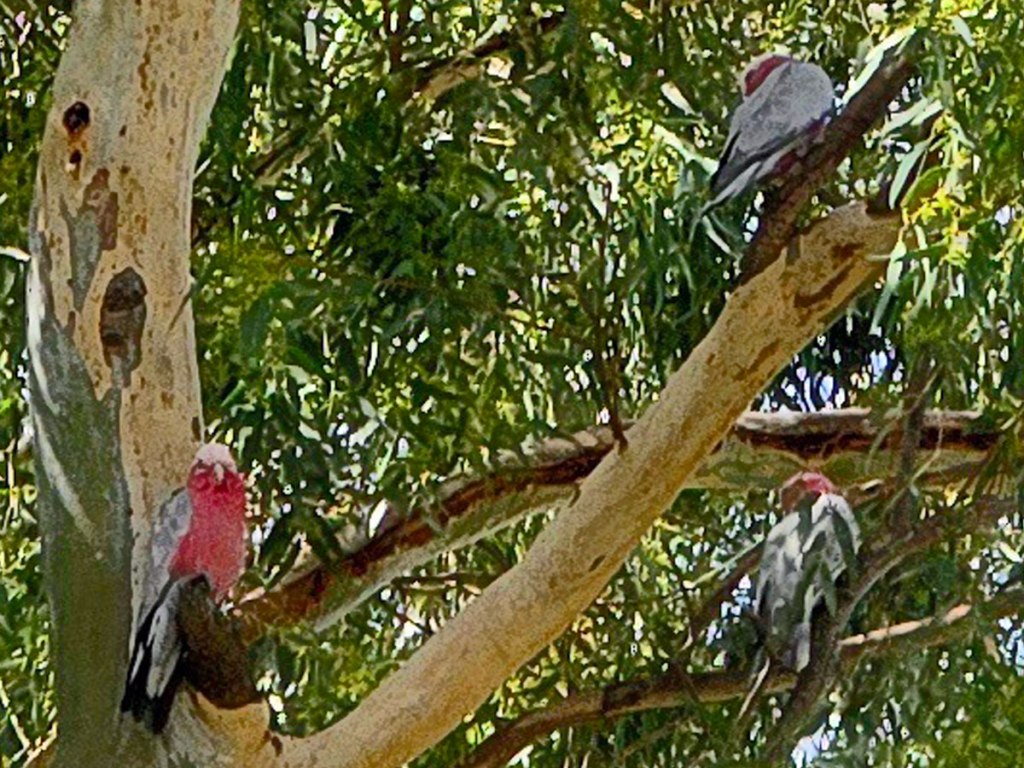
Yellow-crested Cockatoos are beautiful & plentifulBlack Cockatoos are fewer in number, and some species are endangeredRose-breasted Cockatoos (aka Galahs) are commonly seen & heardBirds of a feather . . . Corellas in this pic. Noisy!Herd of cattle crossing unannounced thru a road construction zoneThe cows at this ‘smart’ dairy farm decide when they need milking
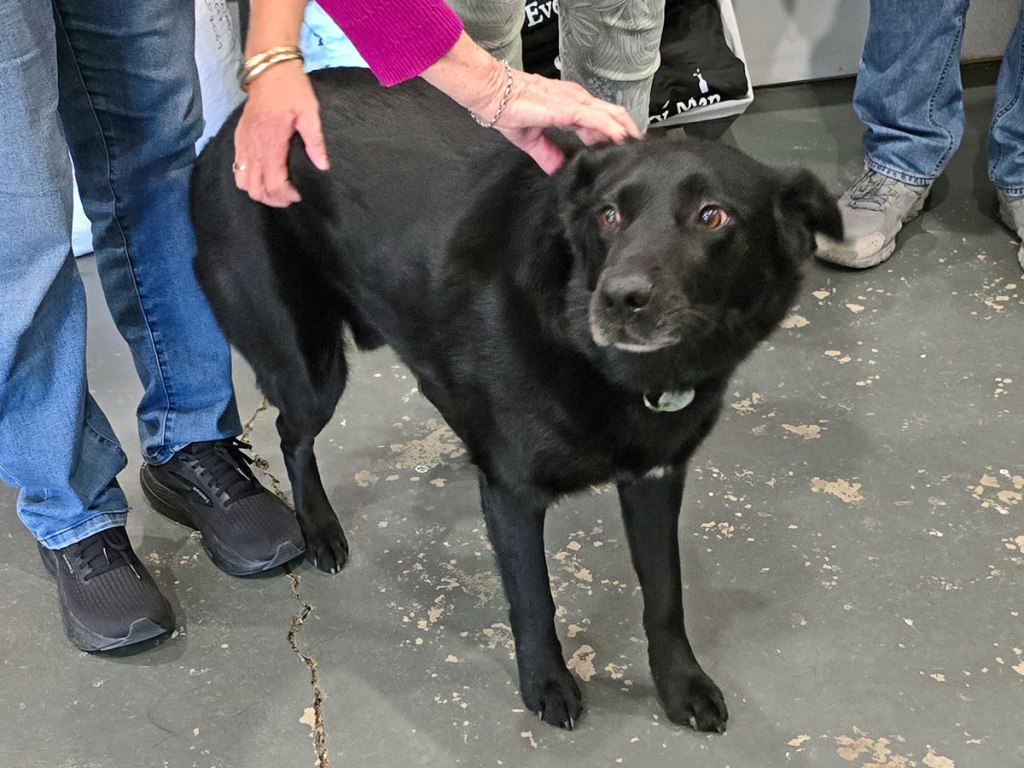
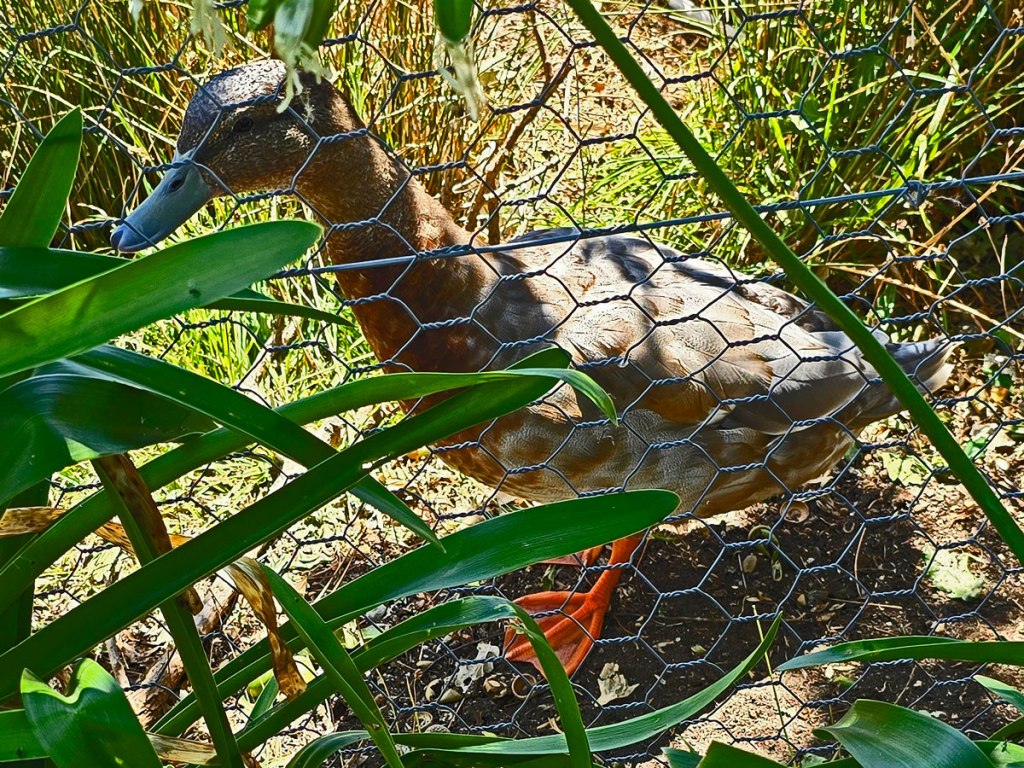
‘D’ Is for Dogs, Dingoes & Ducks
Furry friends with their humans at a beach caféFriendly mascot at Every Man & His Dog VineyardDingoes are Australia’s only wild canine species
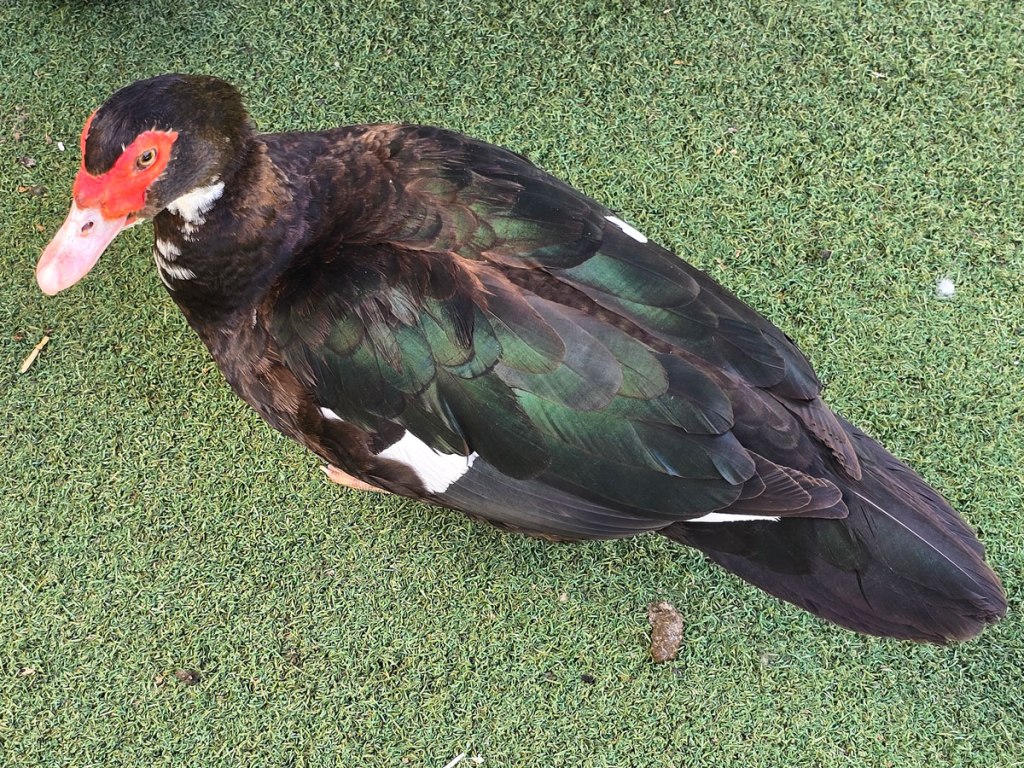
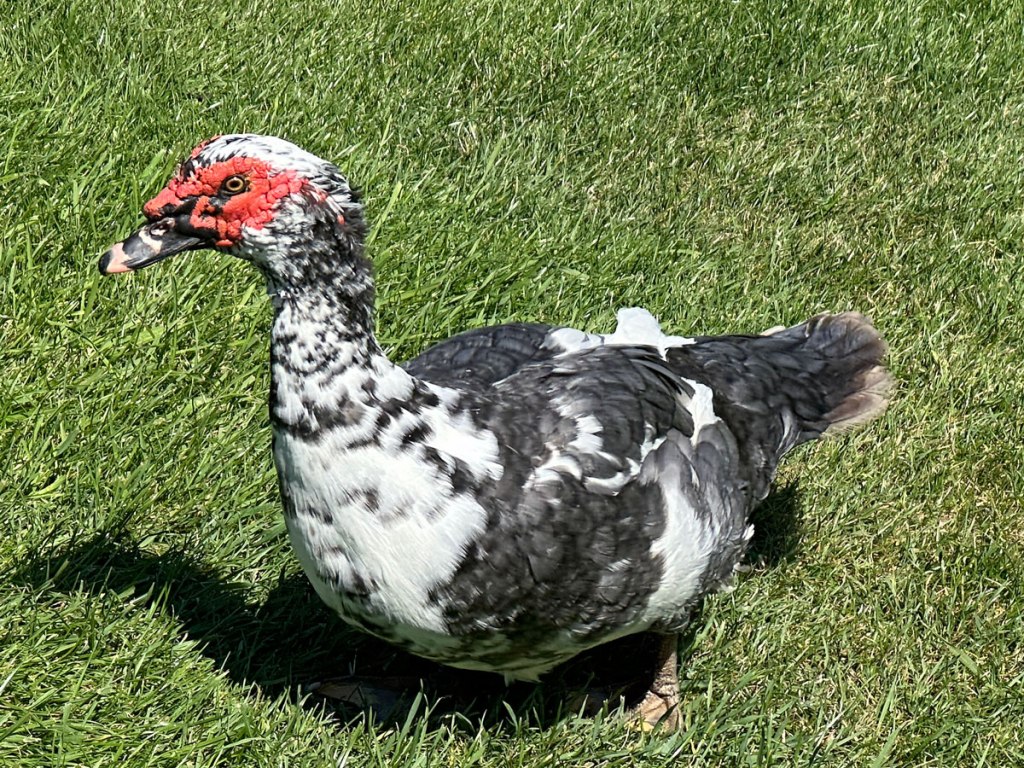
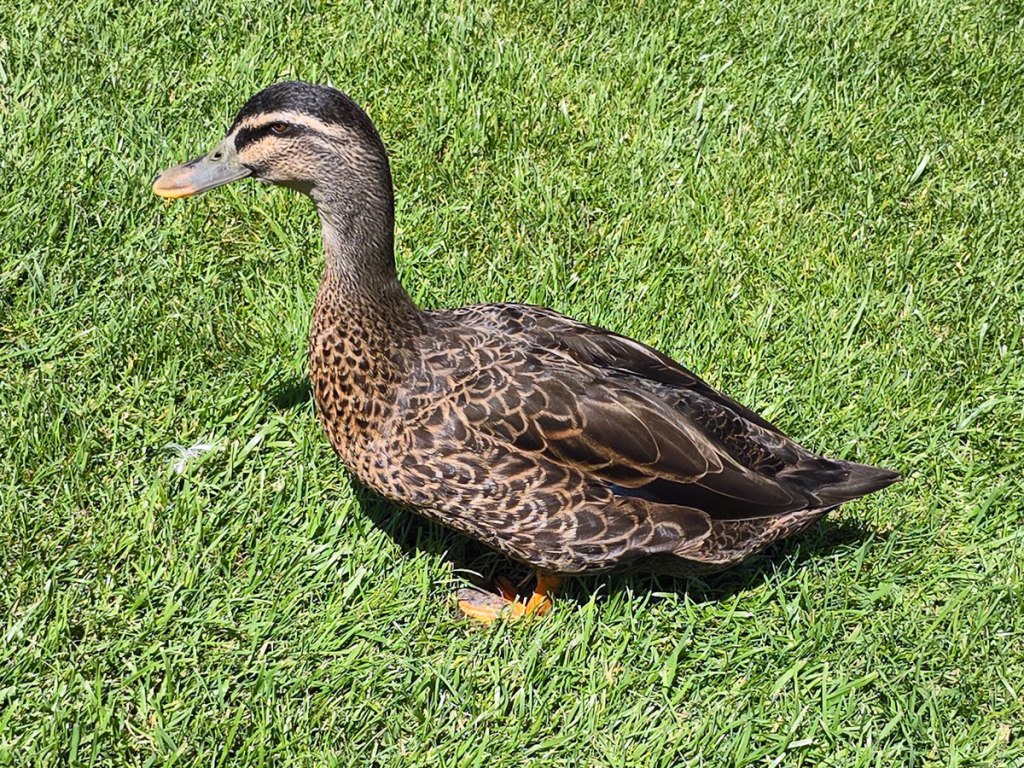
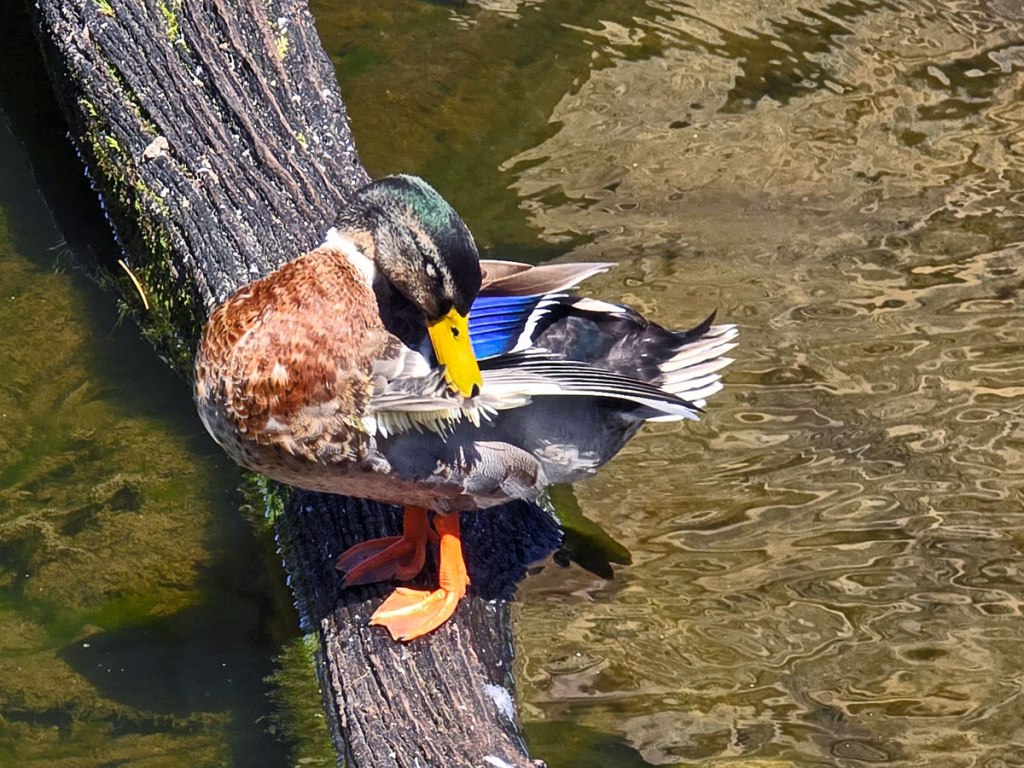
Well, That’s Just Ducky
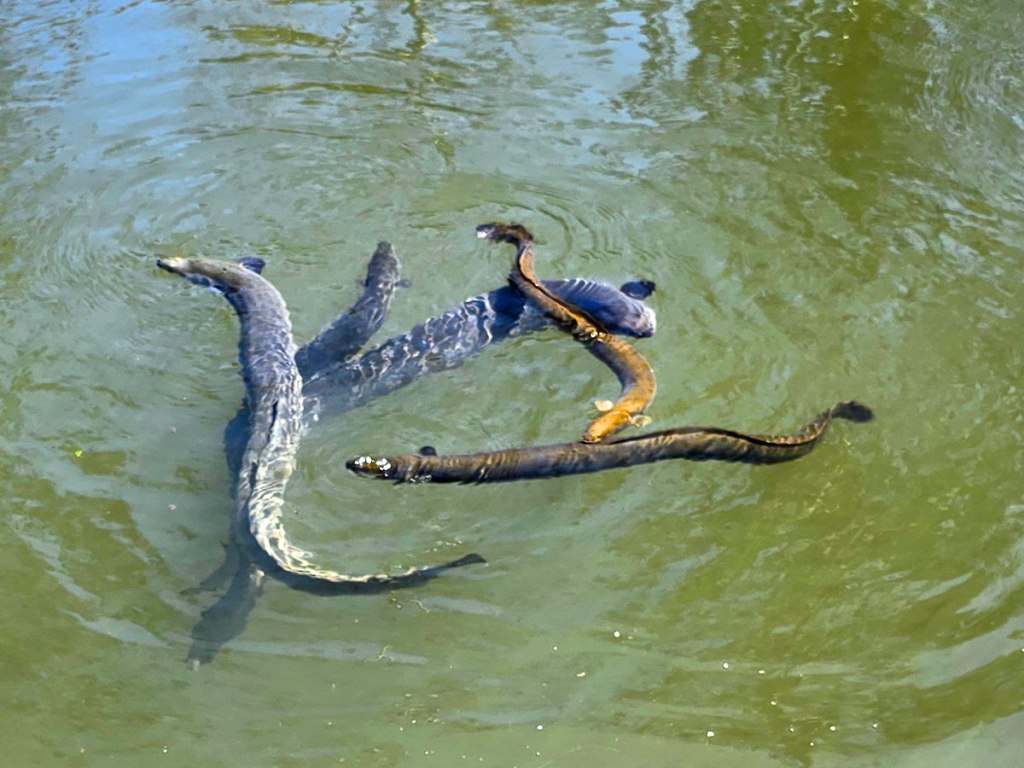
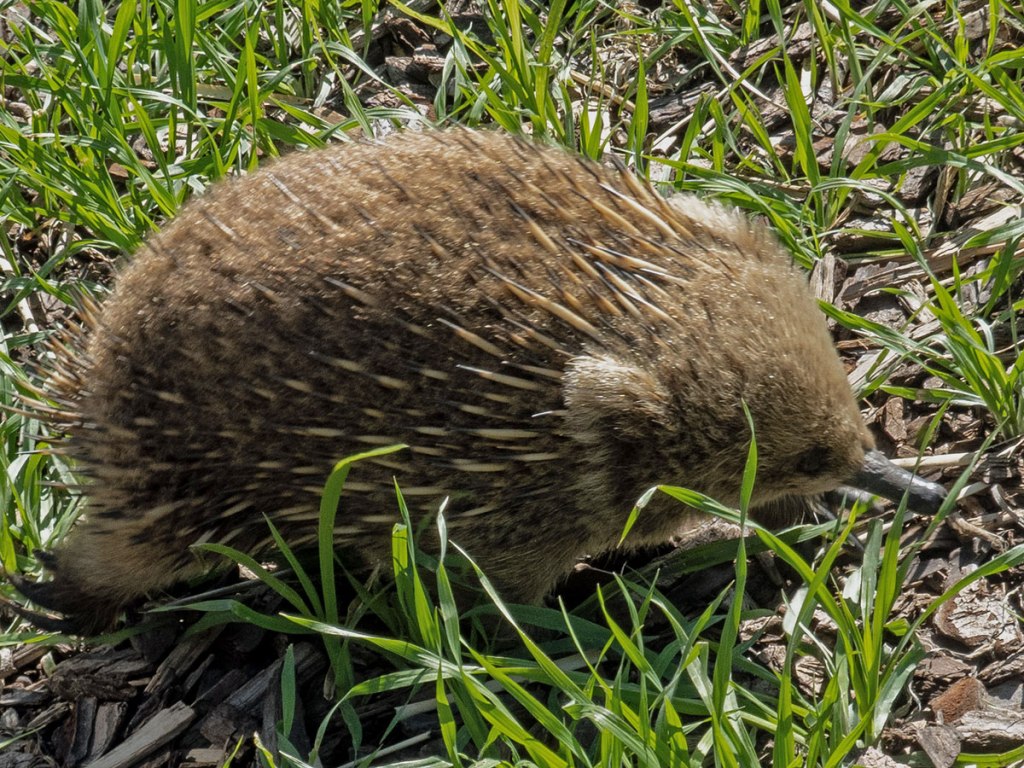
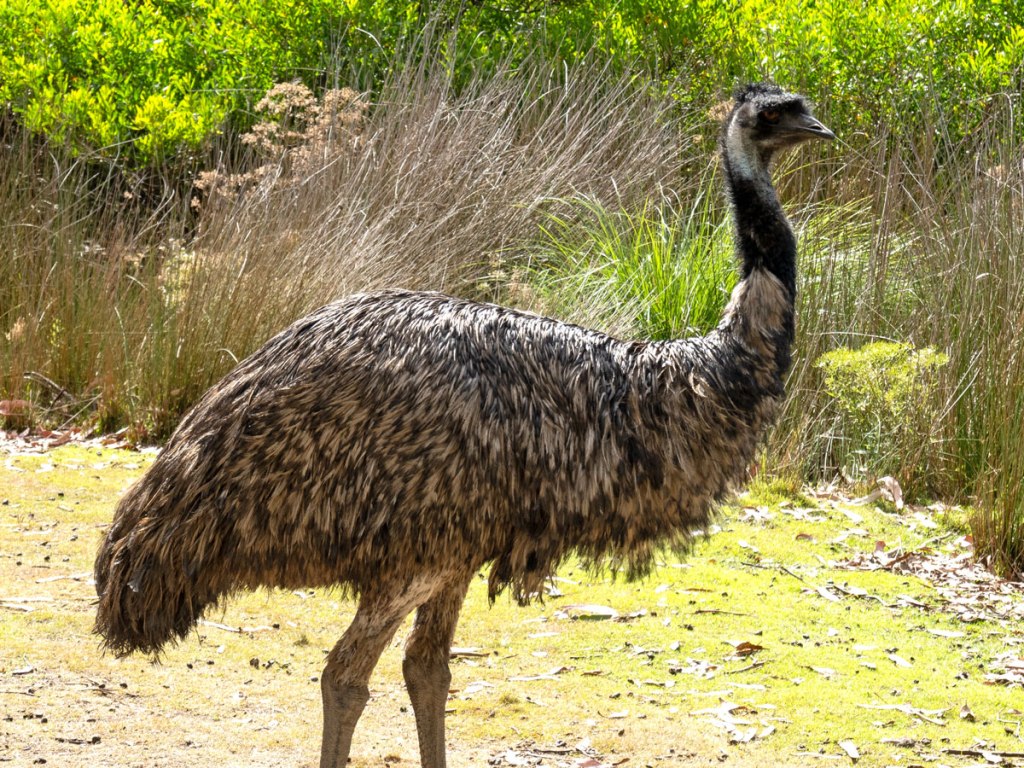
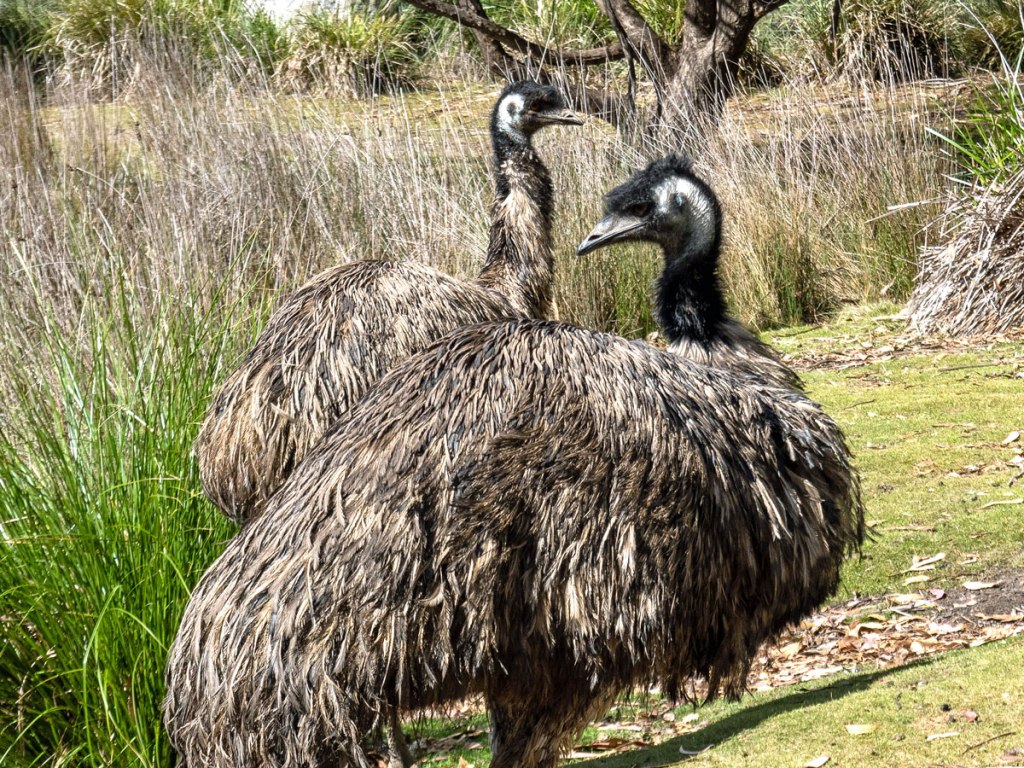
‘E’ Is for Eels, Echidnas & Emus
Short-finned eels are native to Australia, New Zealand & throughout the South PacificShort-beaked echidnas are egg-laying mammals native to AustraliaEmus are large, flightless birdsEmus are endemic birds, found only in AustraliaEmus can run up to 30 mph
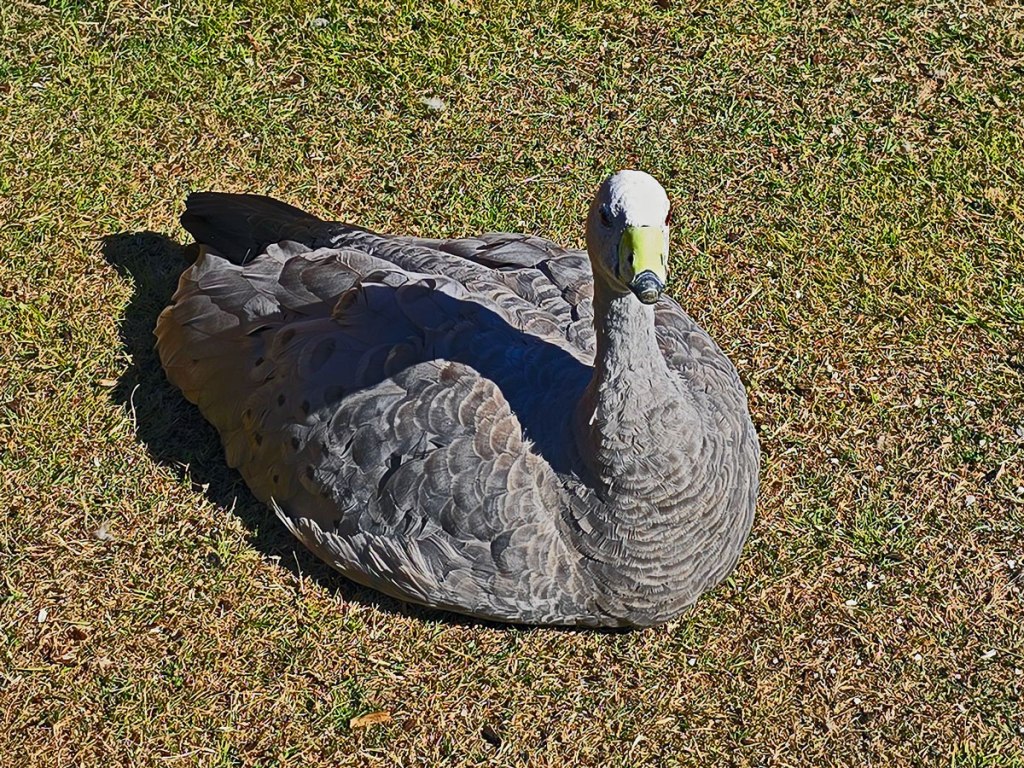
‘G’ Is for Geese & Guinea Fowl
Cape Barren Geese are an endemic speciesGuinea Fowl – domesticated, not native
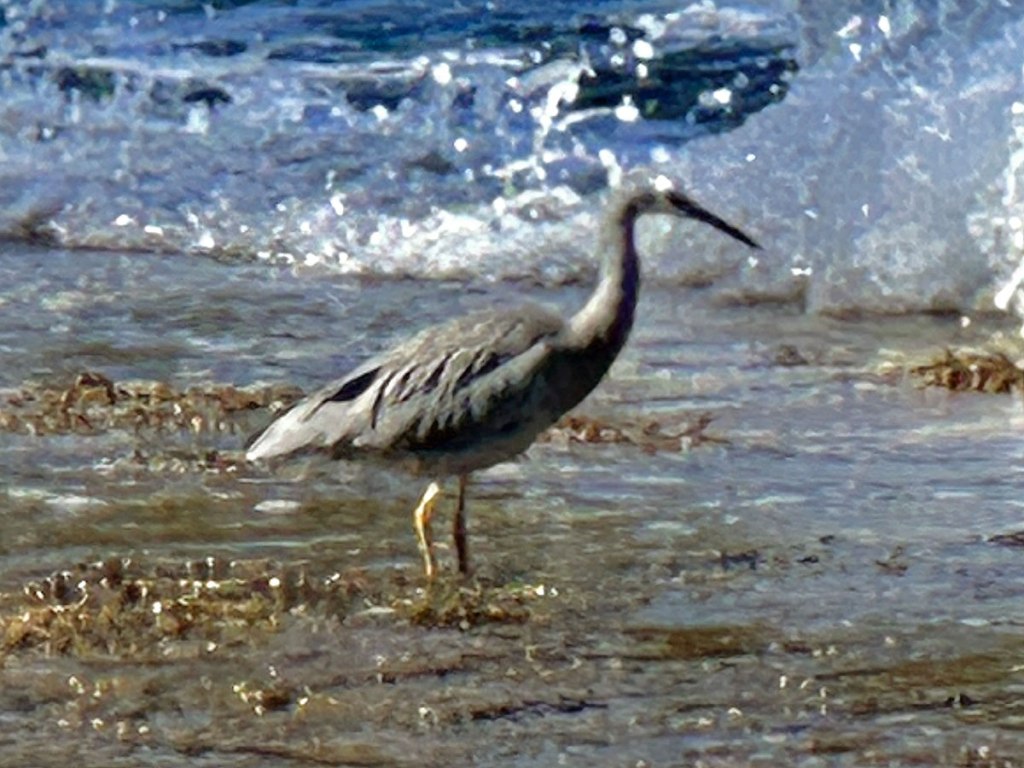
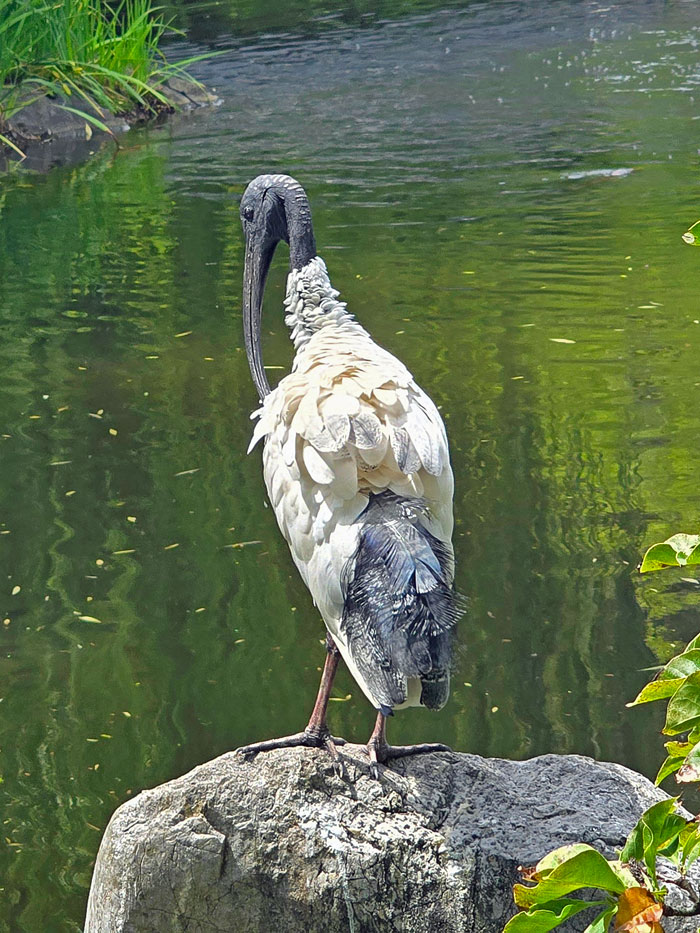
‘H’ Is for Herons & ‘I’ Is for Ibises
White-faced Heron, common throughout AustralasiaAustralian White Ibis
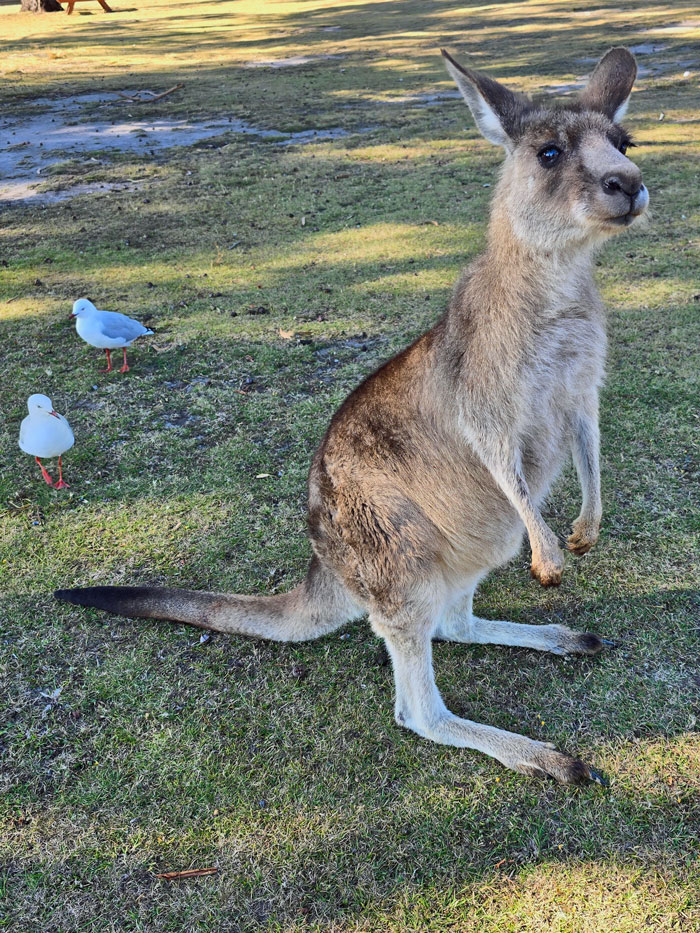
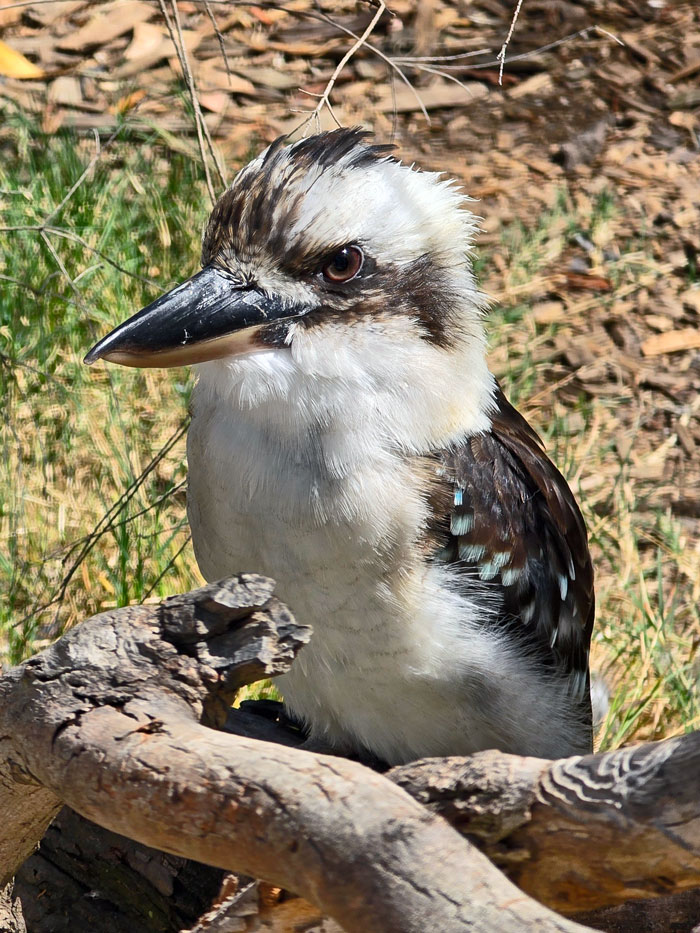
‘K’ Is for Kangaroos, Koalas & Kookaburras
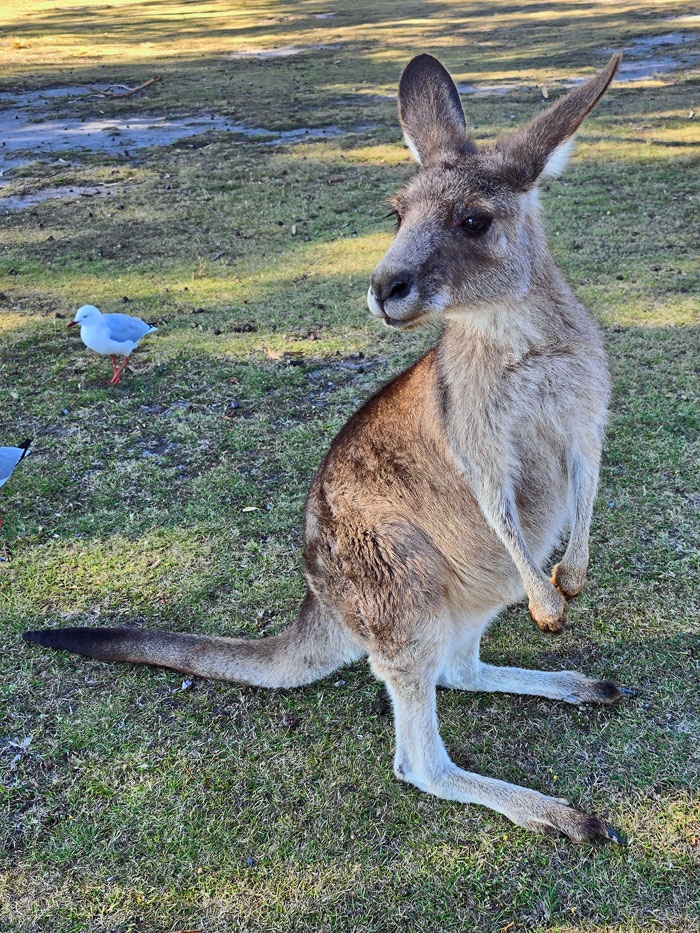
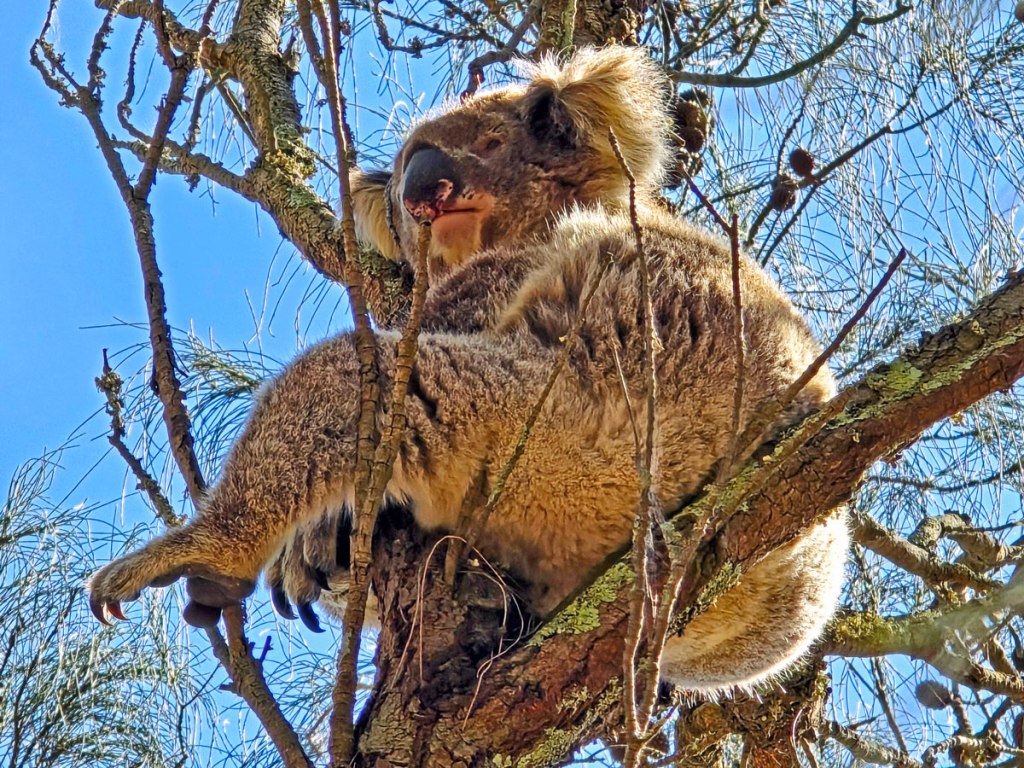
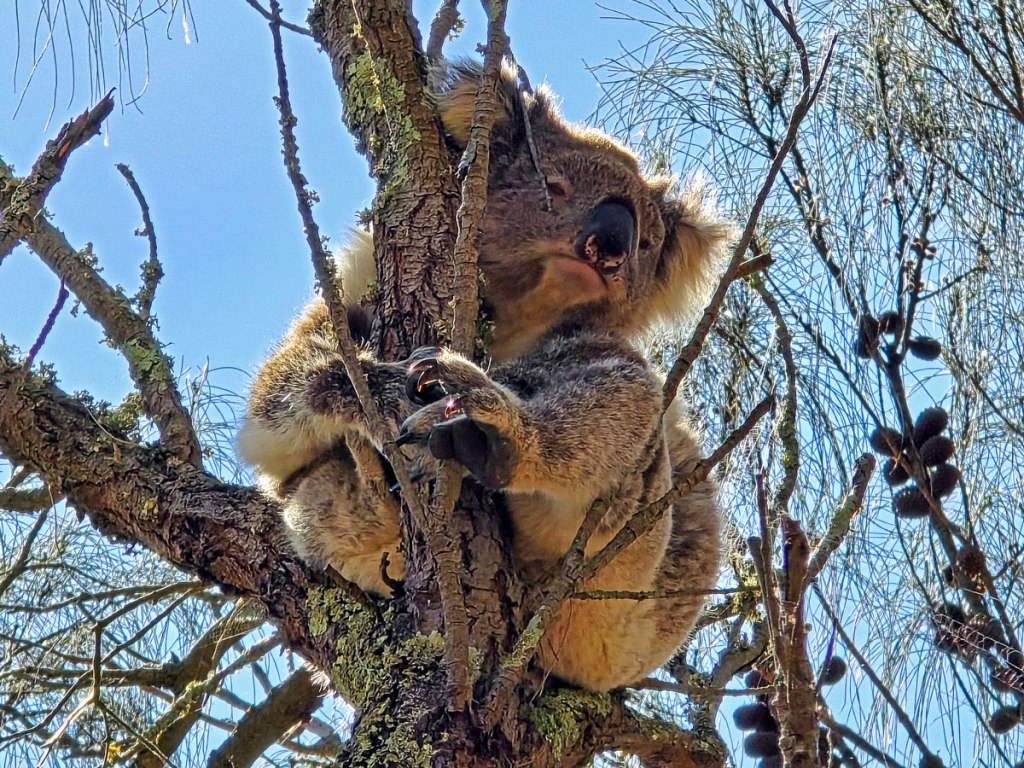
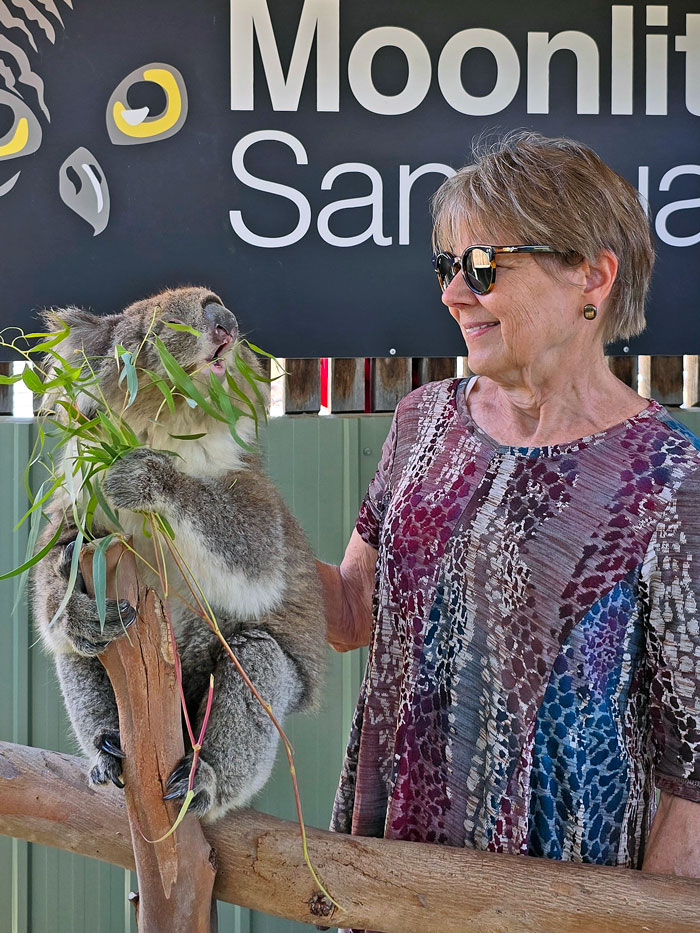
Western gray kangarooKangaroos are indigenous to AustraliaKangaroos are plentiful across AustraliaKoalas are endemic to AustraliaKoalas feed on the leaves of eucalyptus treesBoth Sophie & Carol look contentLaughing Kookaburras are a native bird
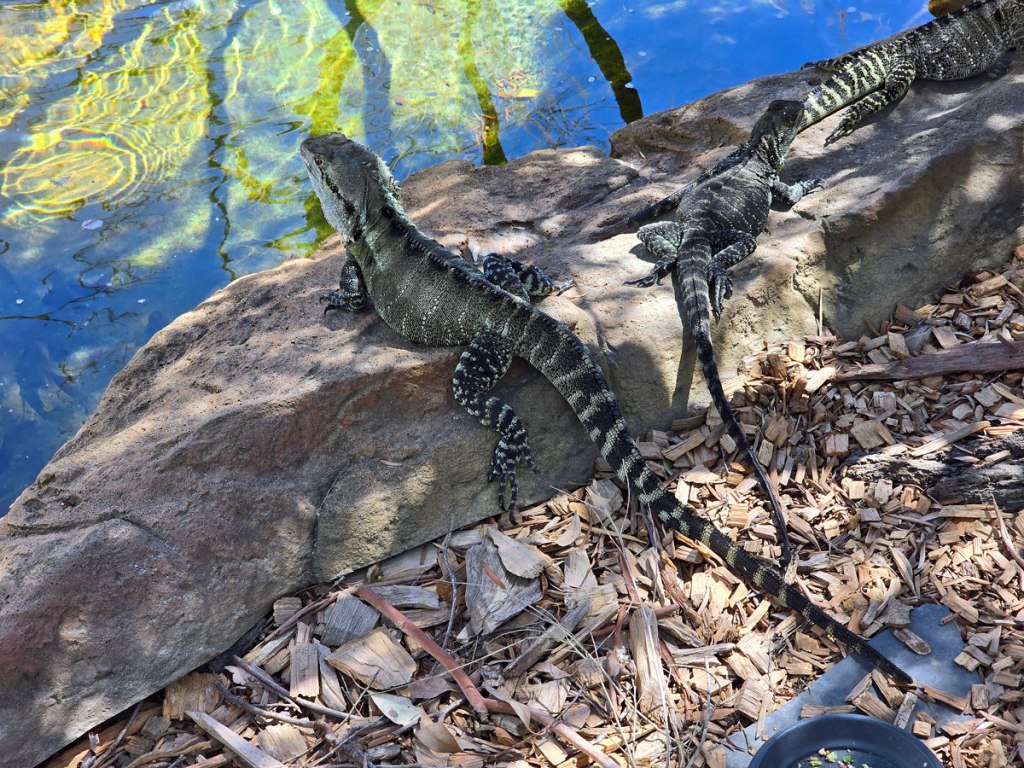
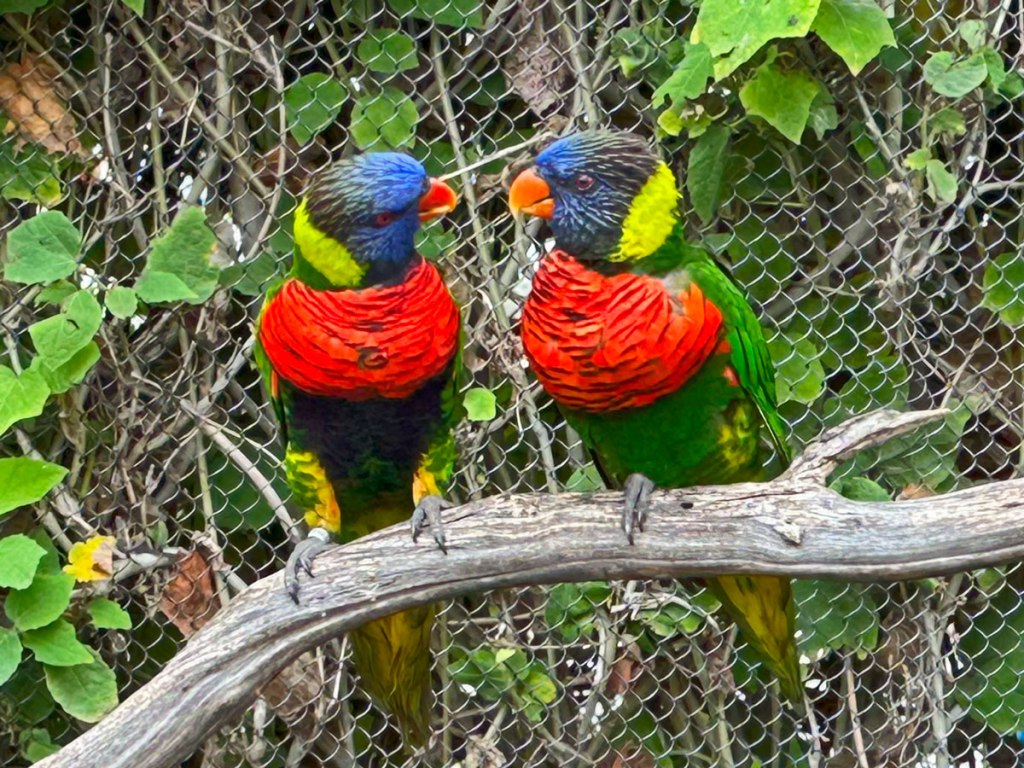
‘L’ Is for Lizards & Lorikeets
Eastern Water Dragon Lizard – native reptileRainbow Lorikeets (full disclosure: we saw & heard them, but pic is from Aquarium of the Pacific in CA)
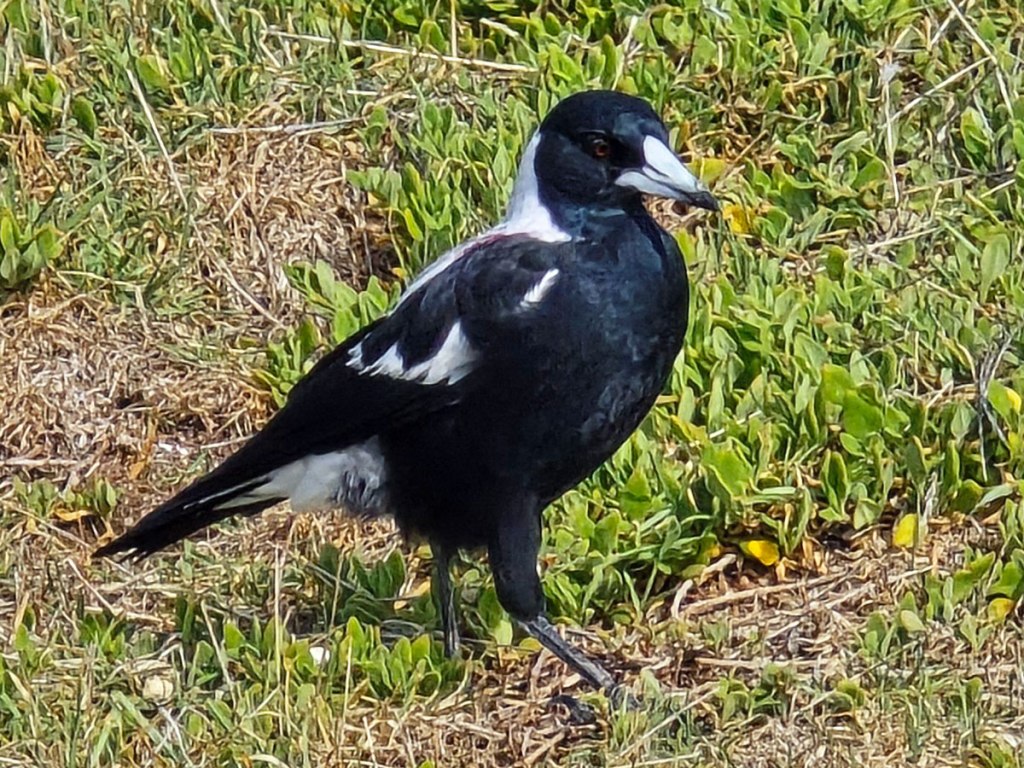
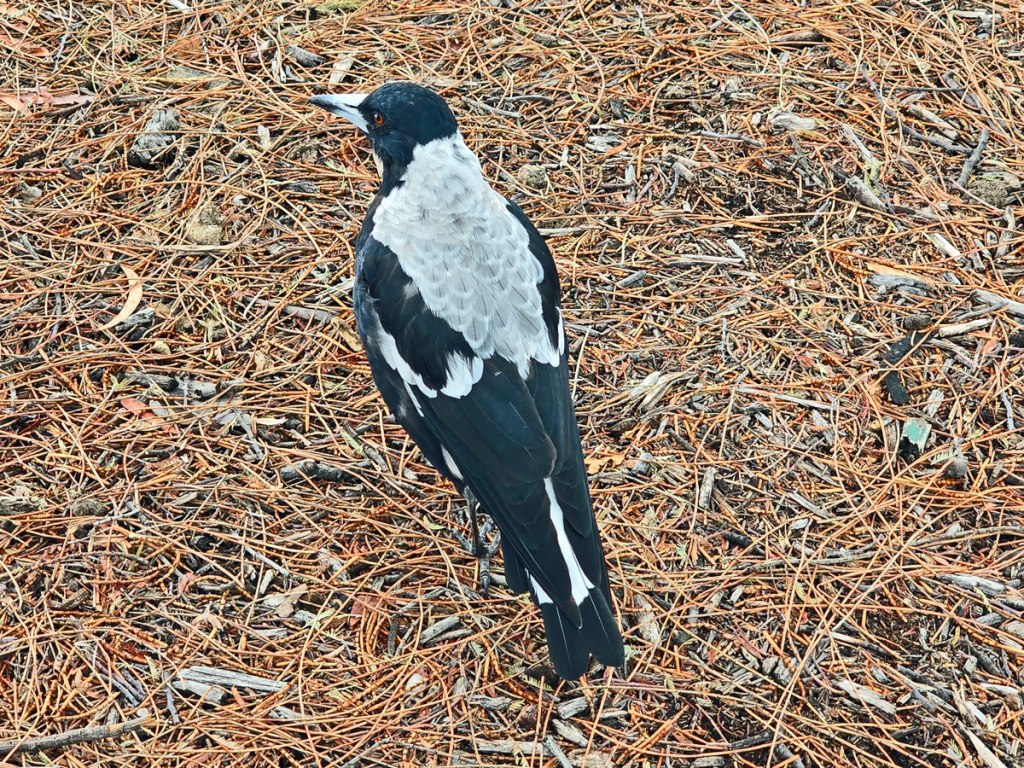
‘M’ Is for Magpies
Australian Magpies are native to AustraliaThere are 7 subspecies of Australian Magpies
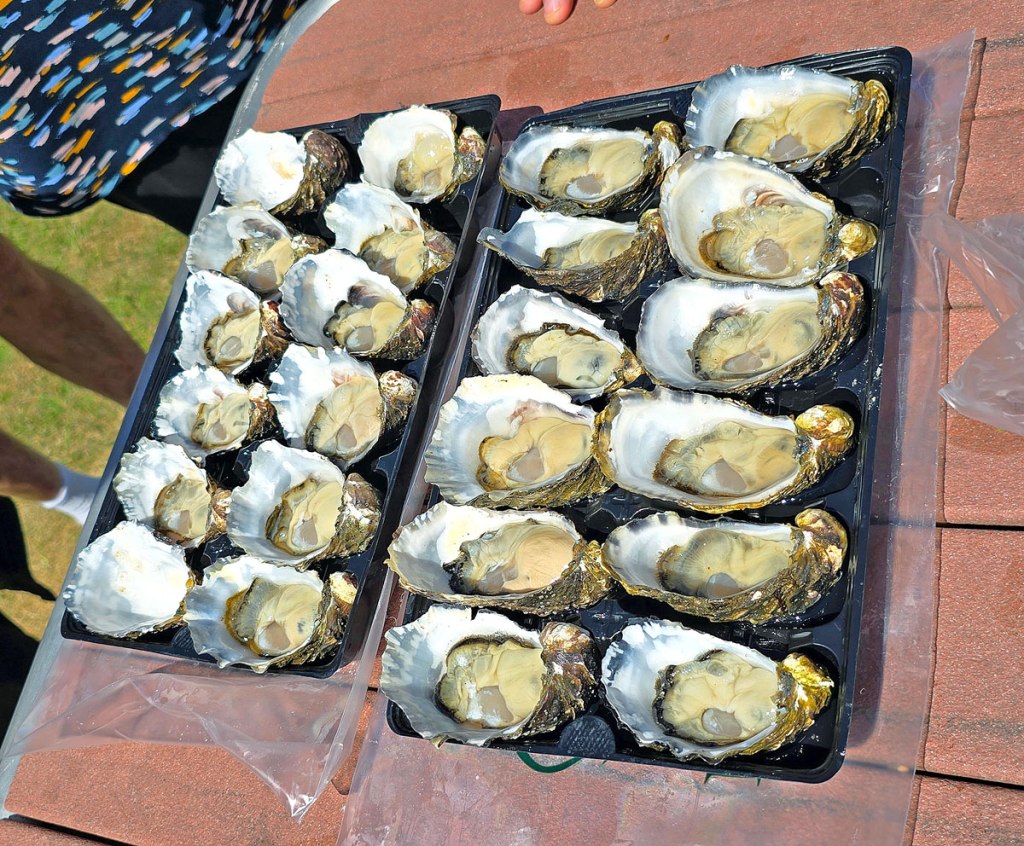
‘O’ Is for Oysters
So fresh, they hadn’t even been rinsed. Not a fan . . .
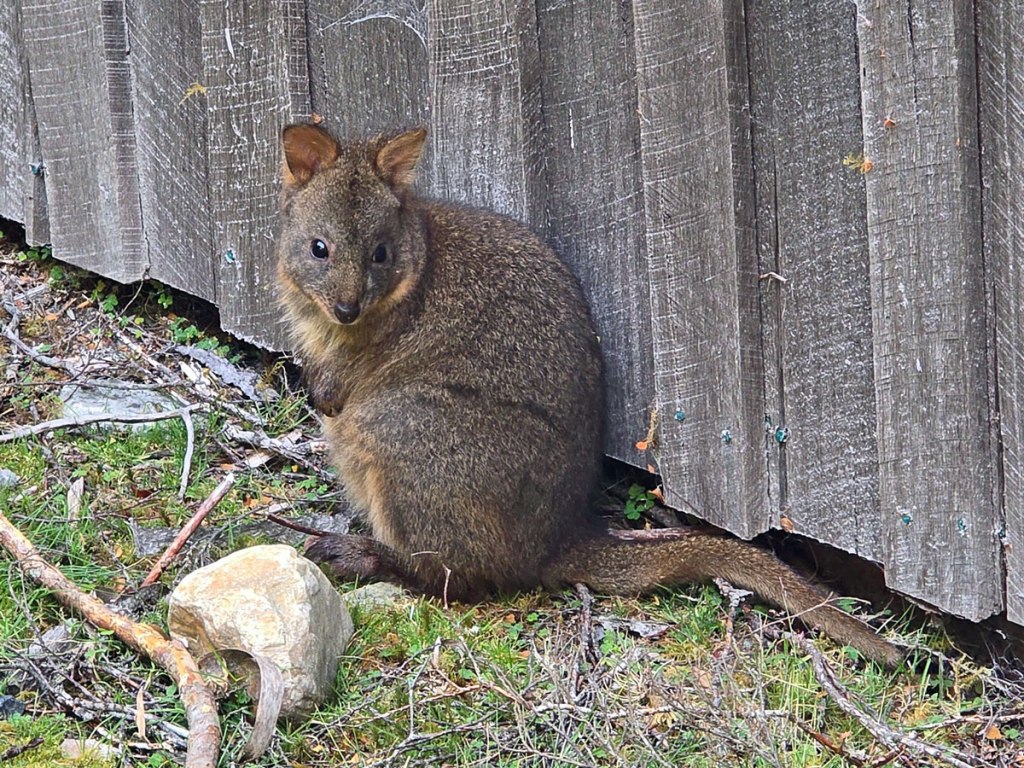
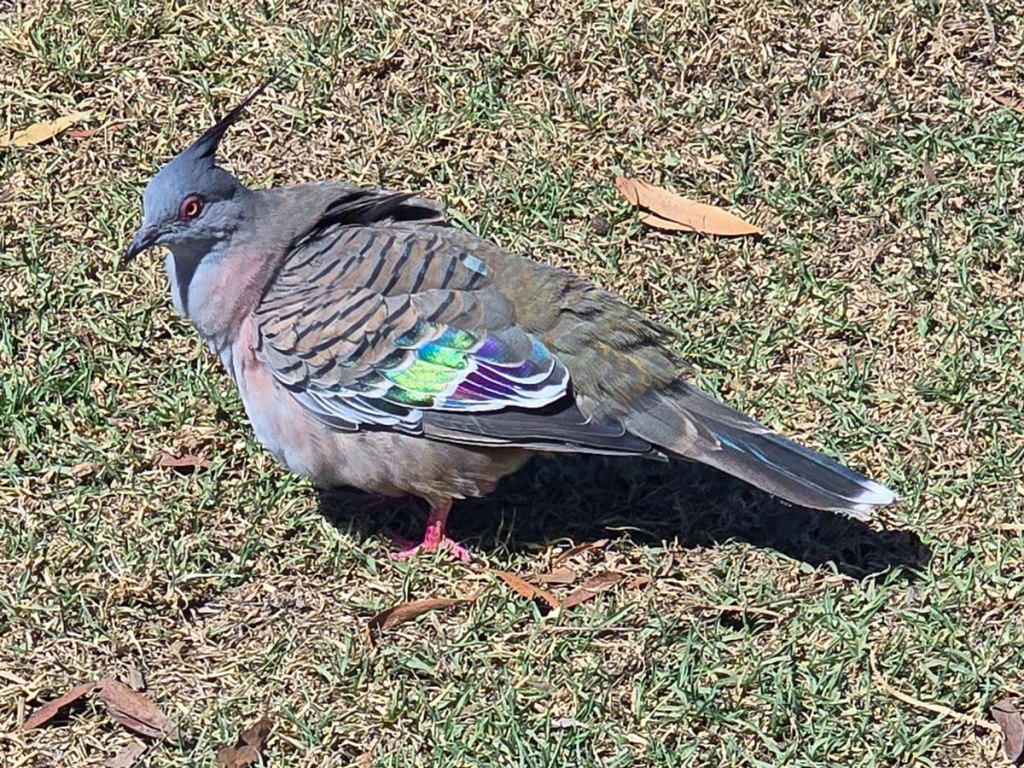
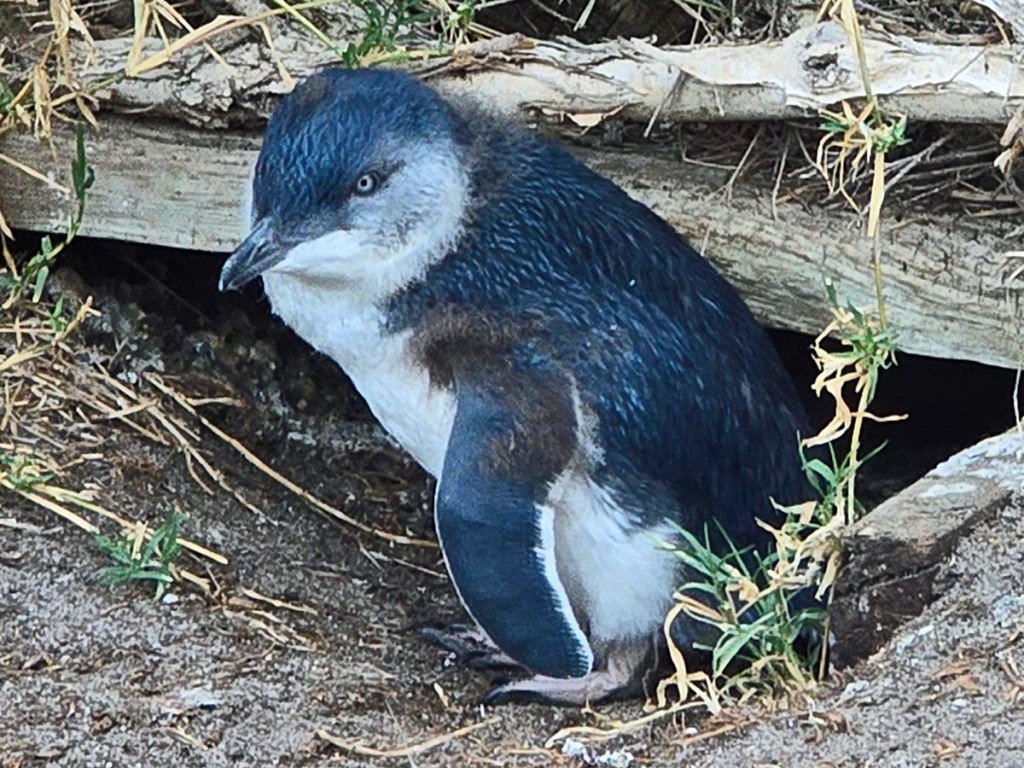
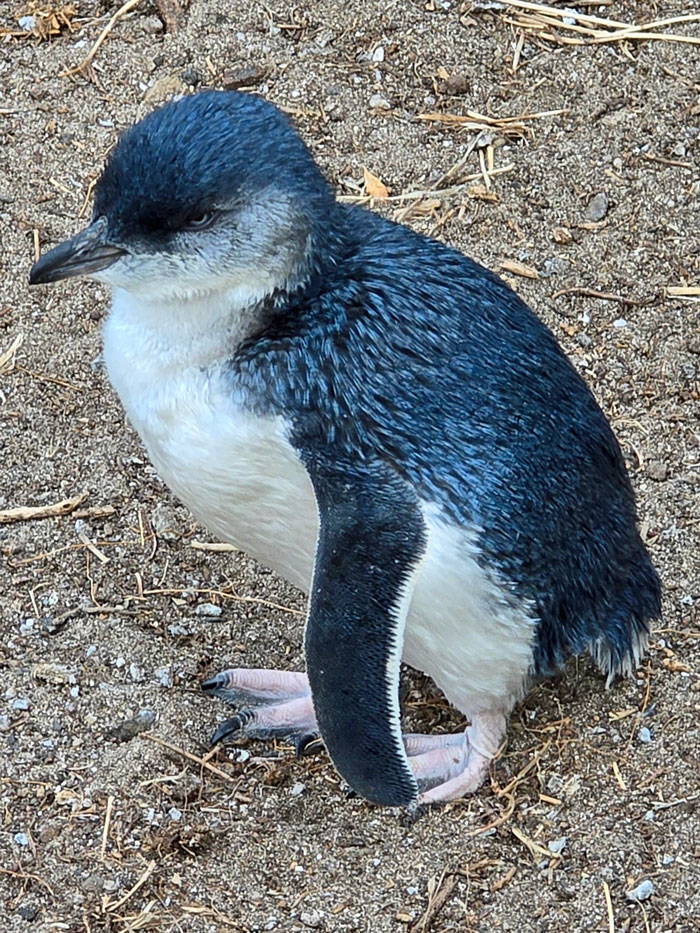
‘P’ Is for Penguins, Possums & More
Pademelons are small marsupials that look like mini-kangaraoosPeacocks were brought to Australia from IndiaAustralian Pelicans look a little different from our local summer visitorsCrested Pigeons are native birds & common throughout AustraliaPhillip Island has a huge colony of Little Penguins, the smallest penguin speciesWatching Little Penguins come ashore after a long day of fishing at sea was magicalCommon Brushtail Possum, protected in Australia, invasive predator in New Zealand
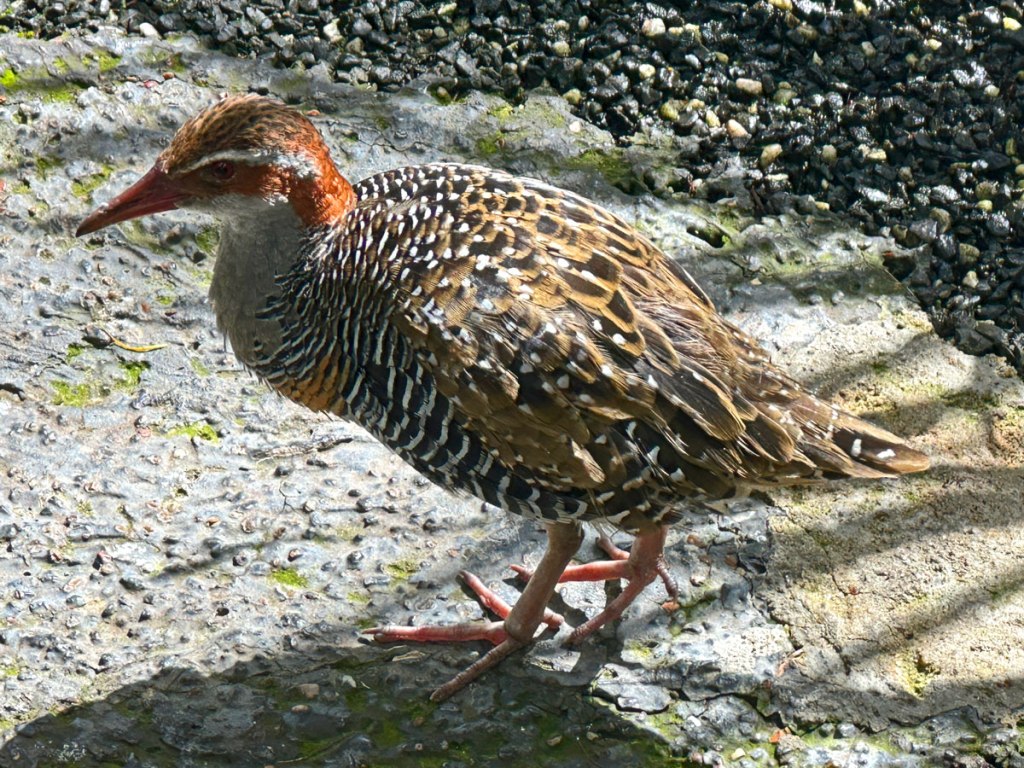
‘Q’ & ‘R’ Are for Quolls & Rails
Spotted Quolls are carnivorous marsupials native to AustraliaBuff-banded Rails are common throughout Australasia
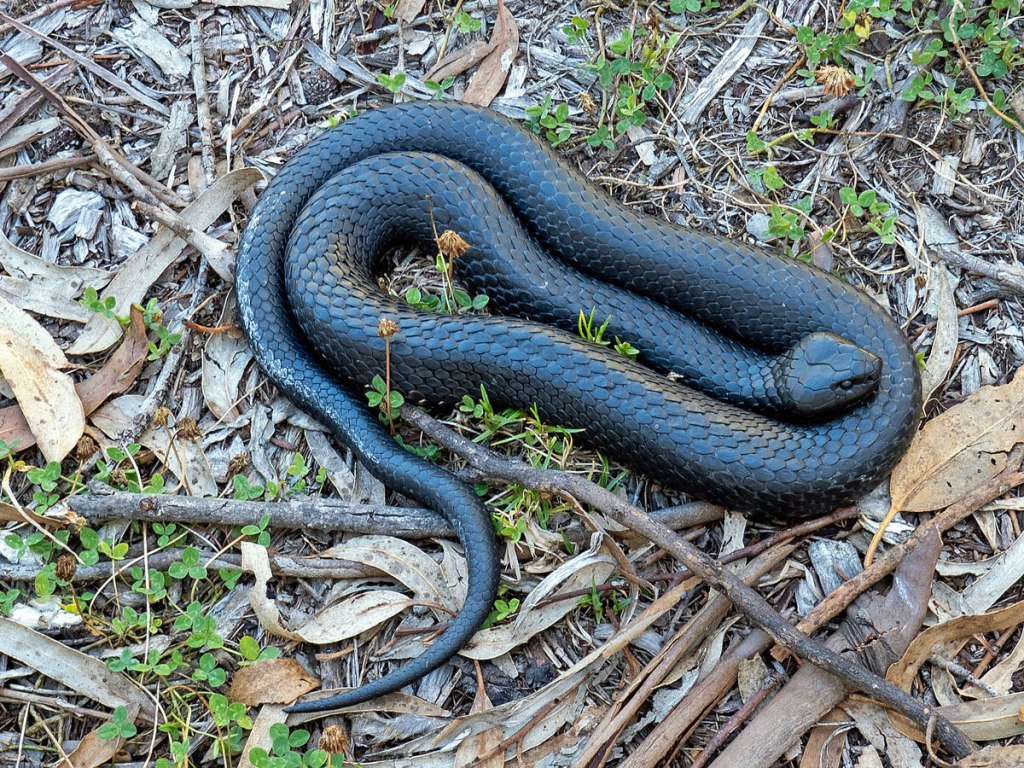
‘S’ Is for Snakes, Spiders, Swamphens & Swans
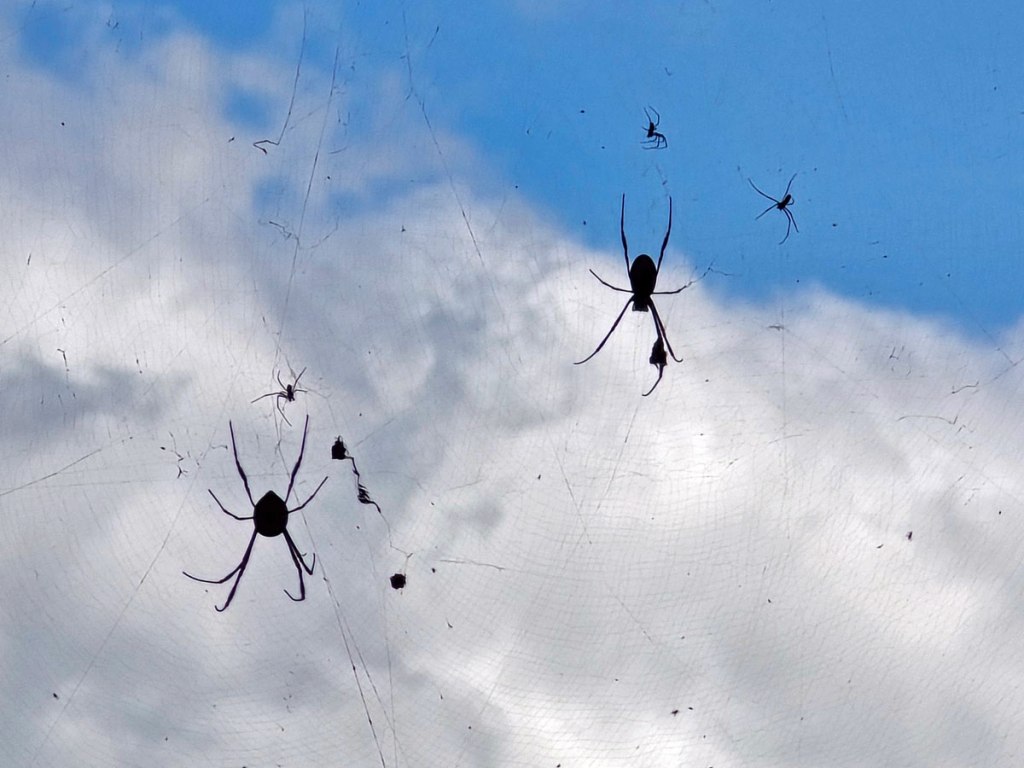
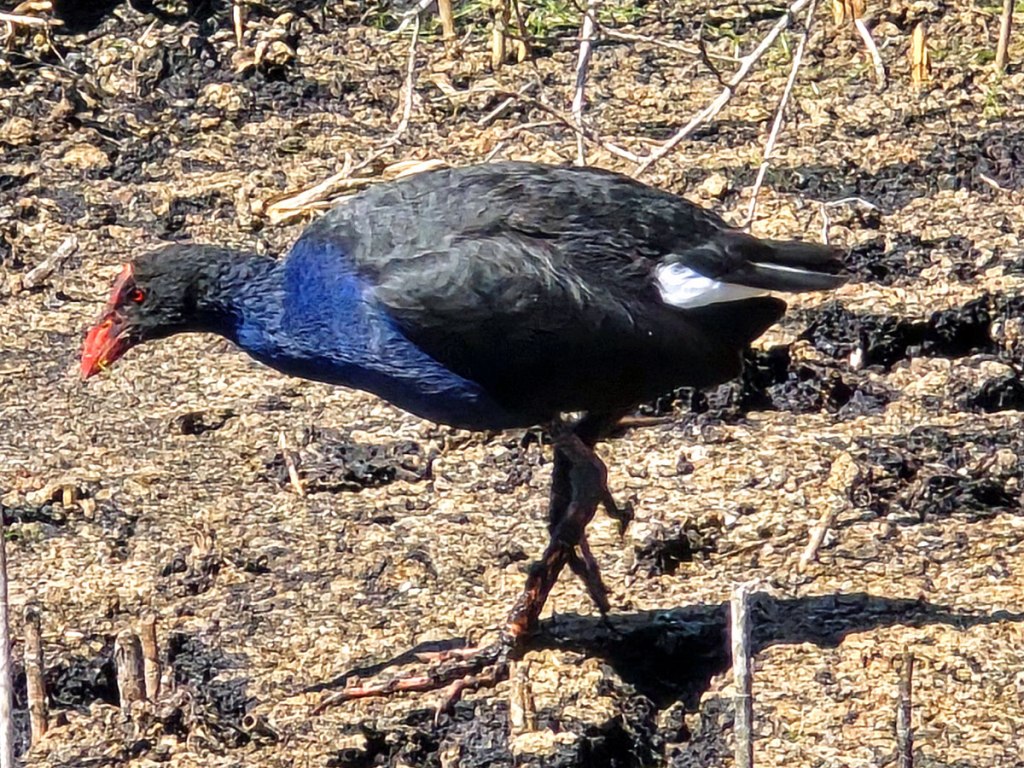
Tiger Snakes are large and highly venomousSpiders – just a random findPurple Swamphens are large, native water birdsBlack Swans are plentiful in Australia
‘T’ Is for Tasmanian Devils
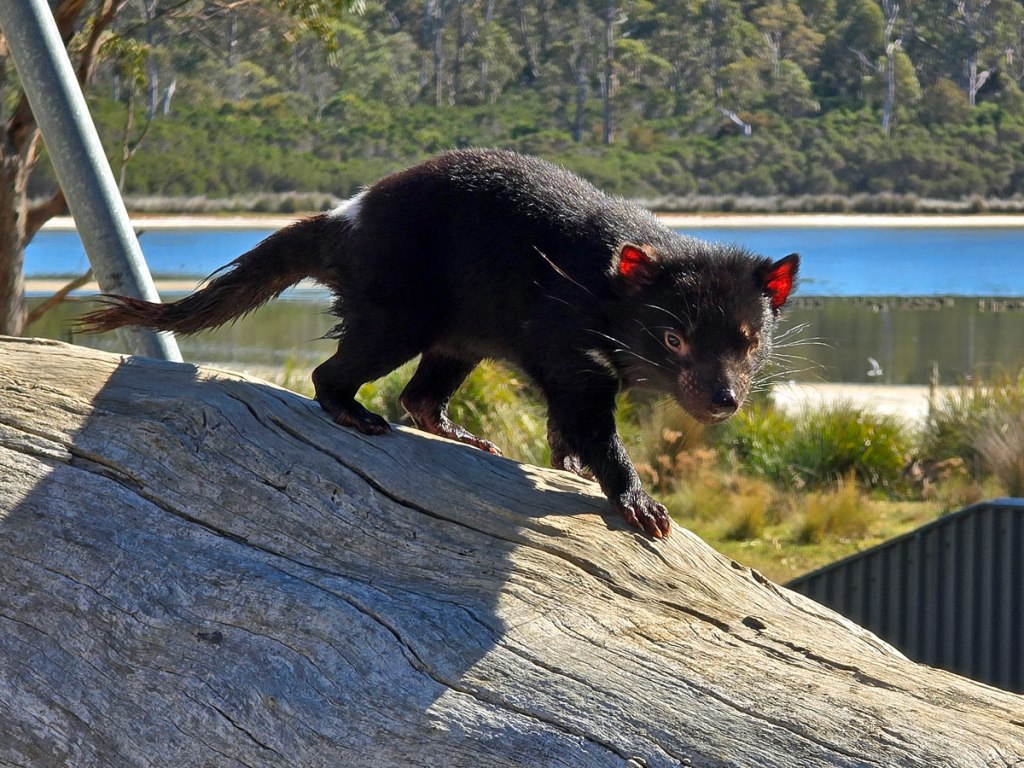
By 2020, Tasmanian Devils were nearly wiped out by predators and disease Captive breeding programs in Tasmania are helping to stabilize the population
‘W’ Is for Wallabies & Wombats
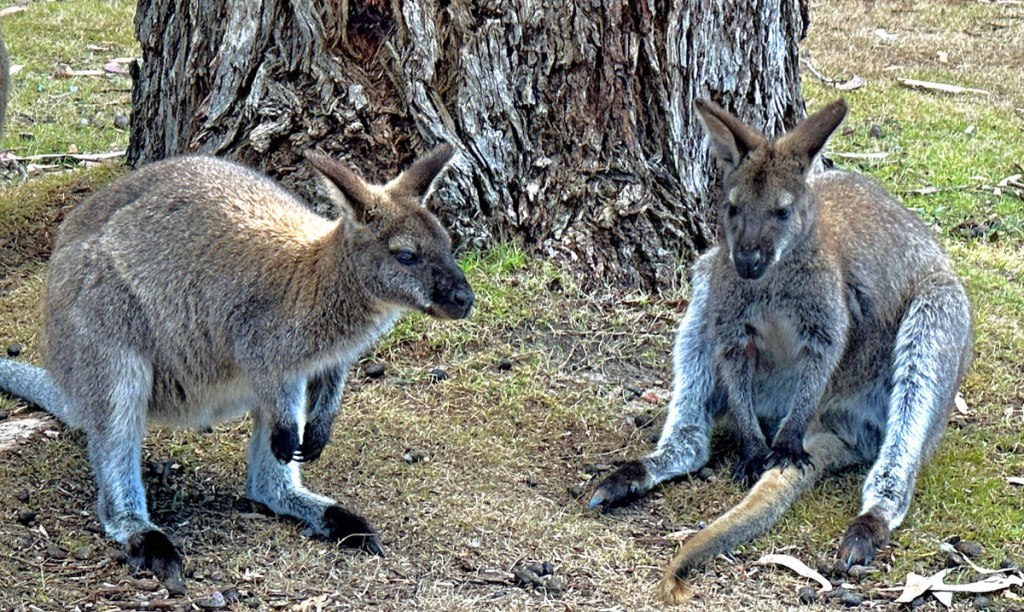
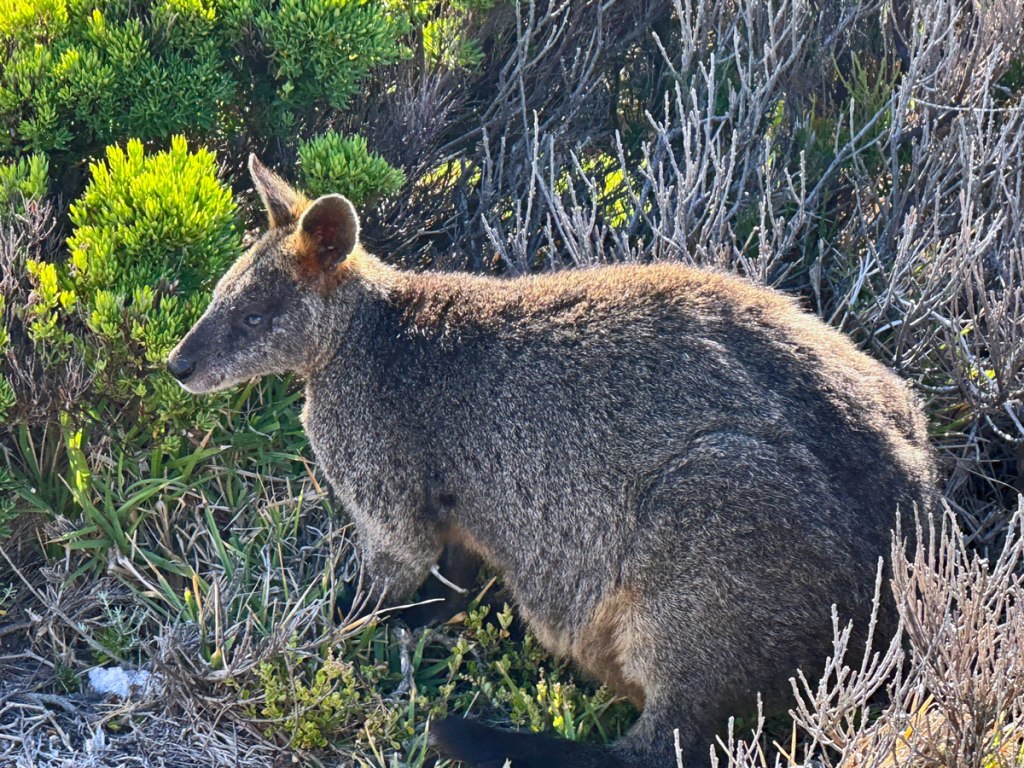
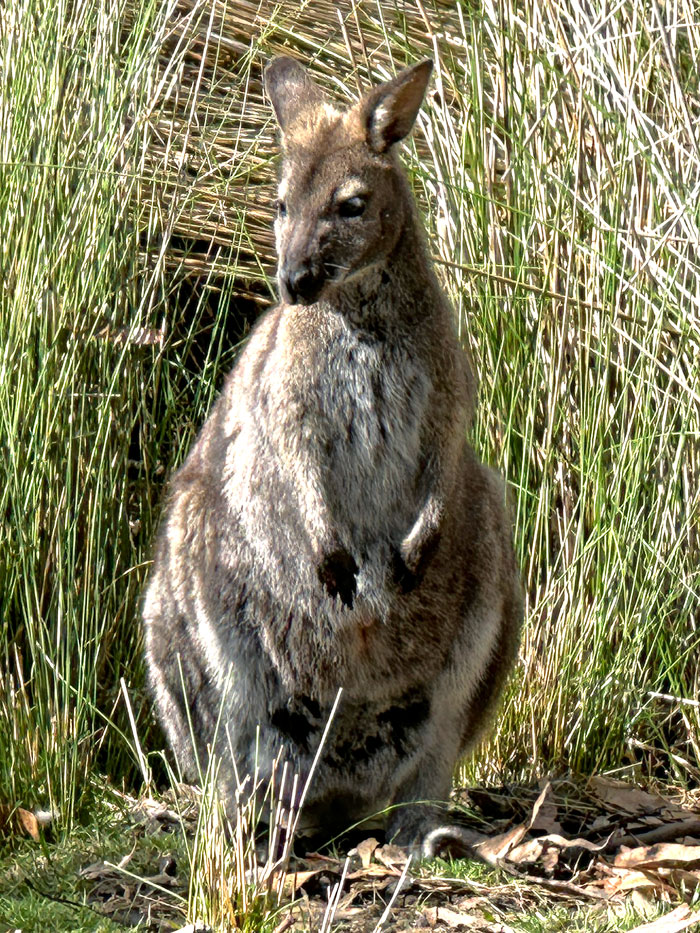
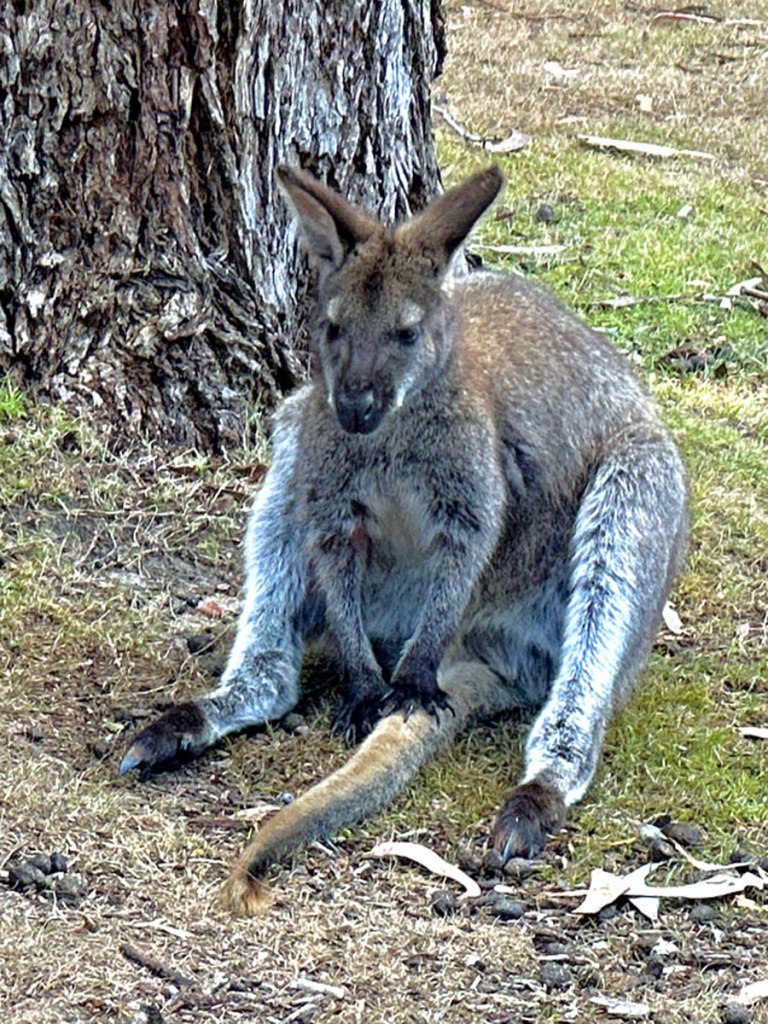
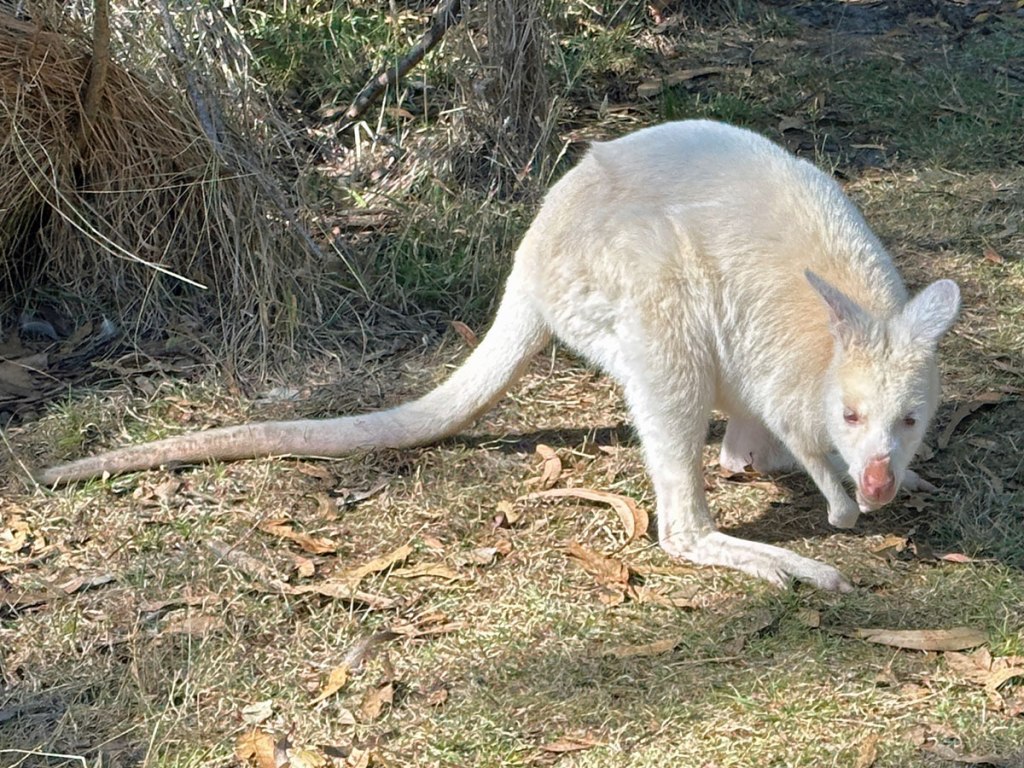
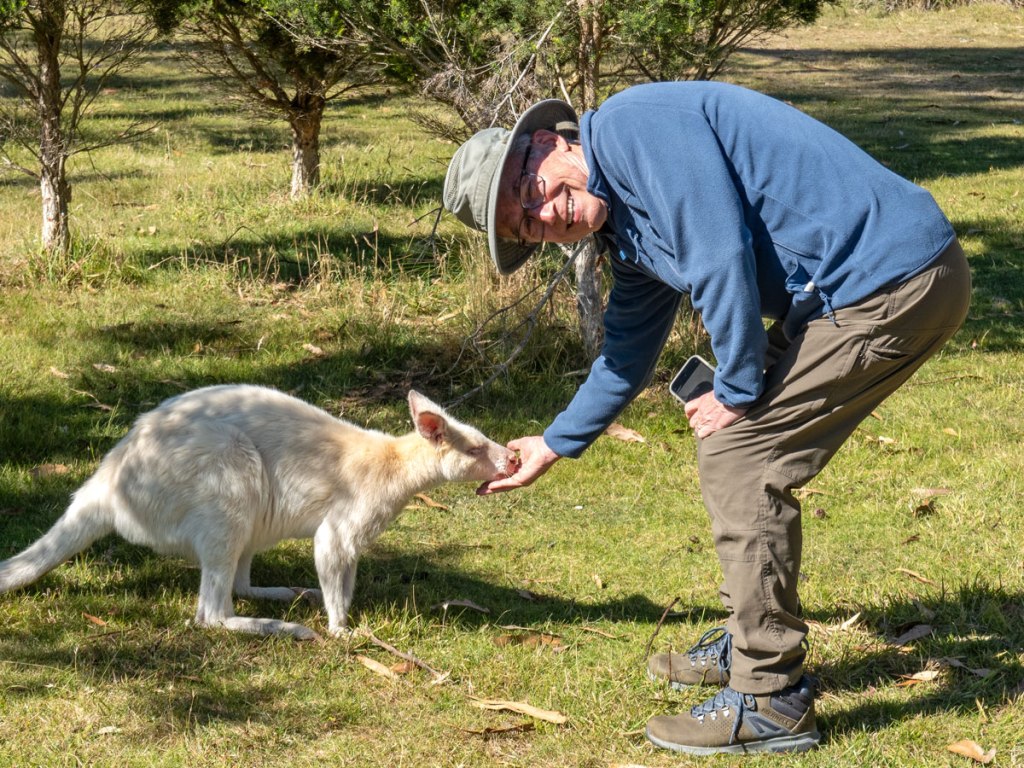
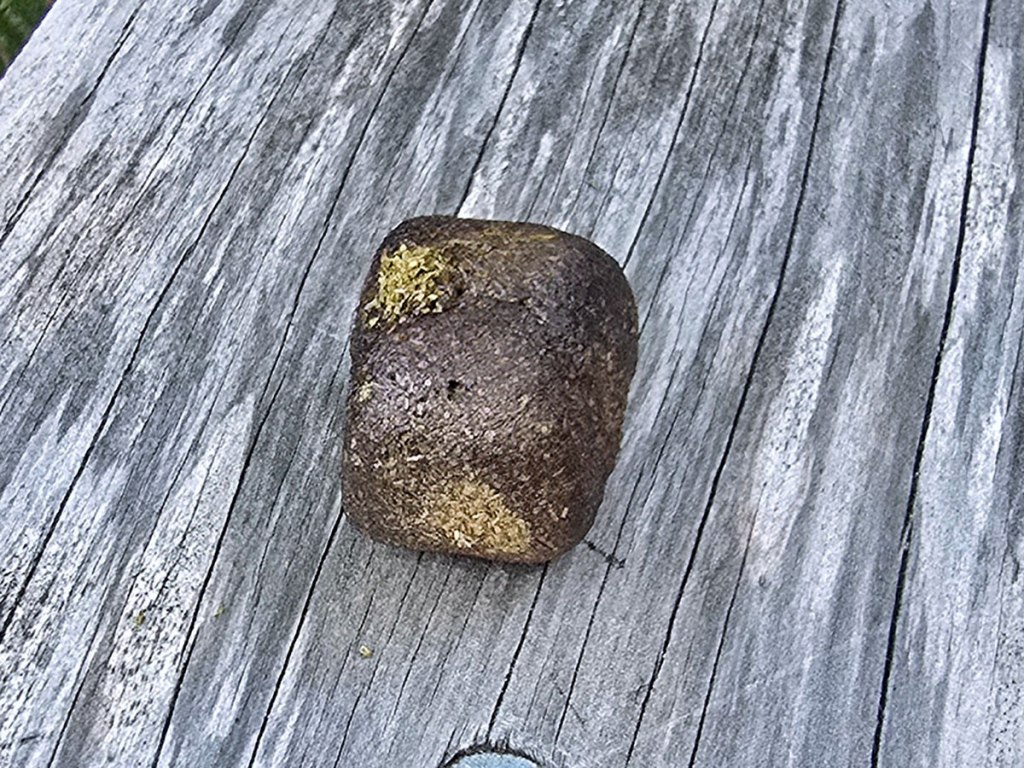
Wallabies are smaller than kangaroos – both are marsupialsWallabies are plentiful across AustraliaThis is a Bennett’s Wallaby – one of 30 speciesWallabies have long, powerful tails that help with balanceWhite Wallabies occur ~1:100,000 birthsThere are about 200 White Wallabies in AustraliaThis White Wallaby is lapping up treats from BillCommon Wombats are nocturnal, burrowing marsupialsWombat poop is square & looks like a chocolate truffle
Animals Seen But Not Photographed
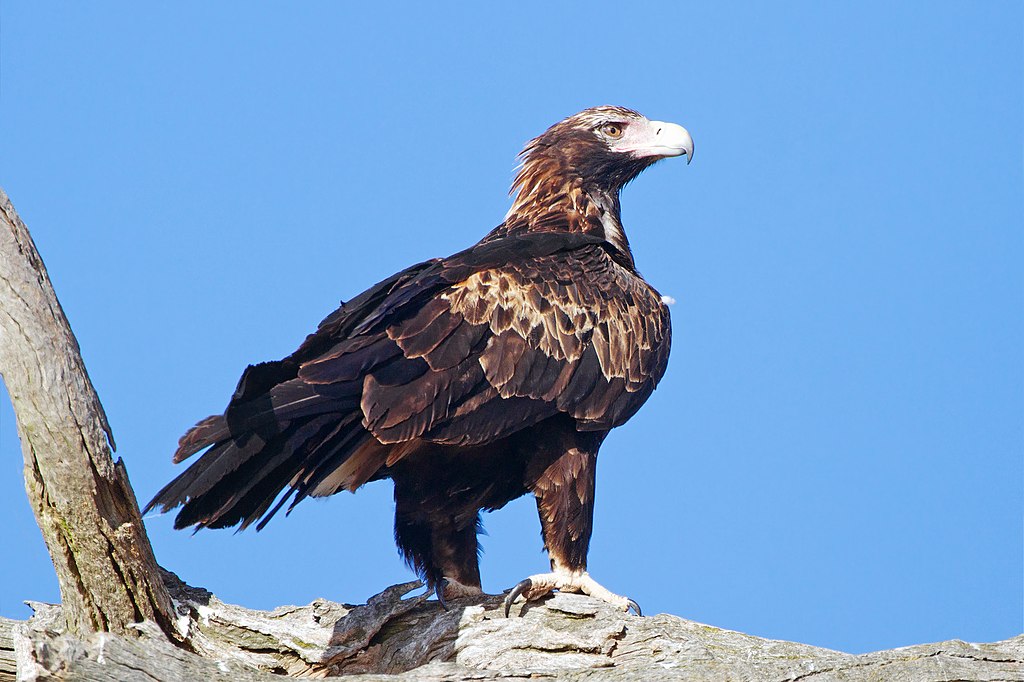
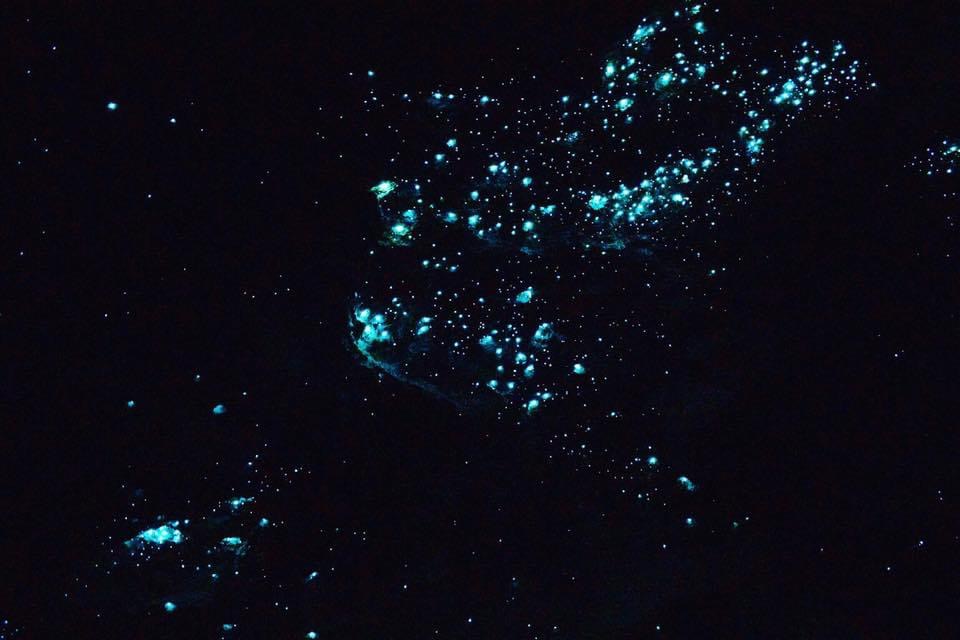
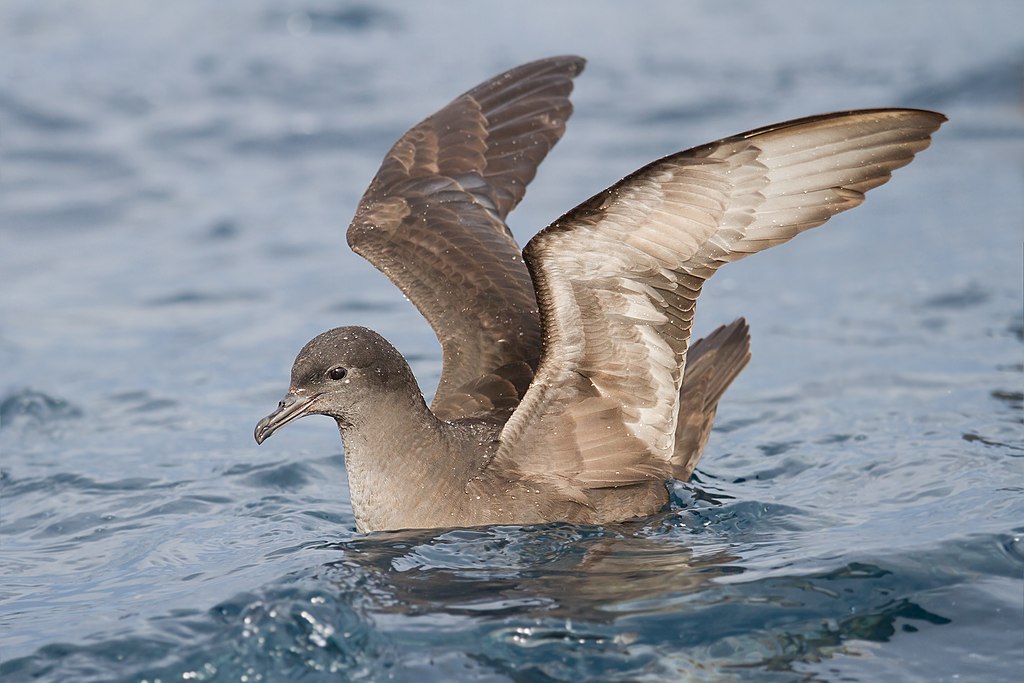
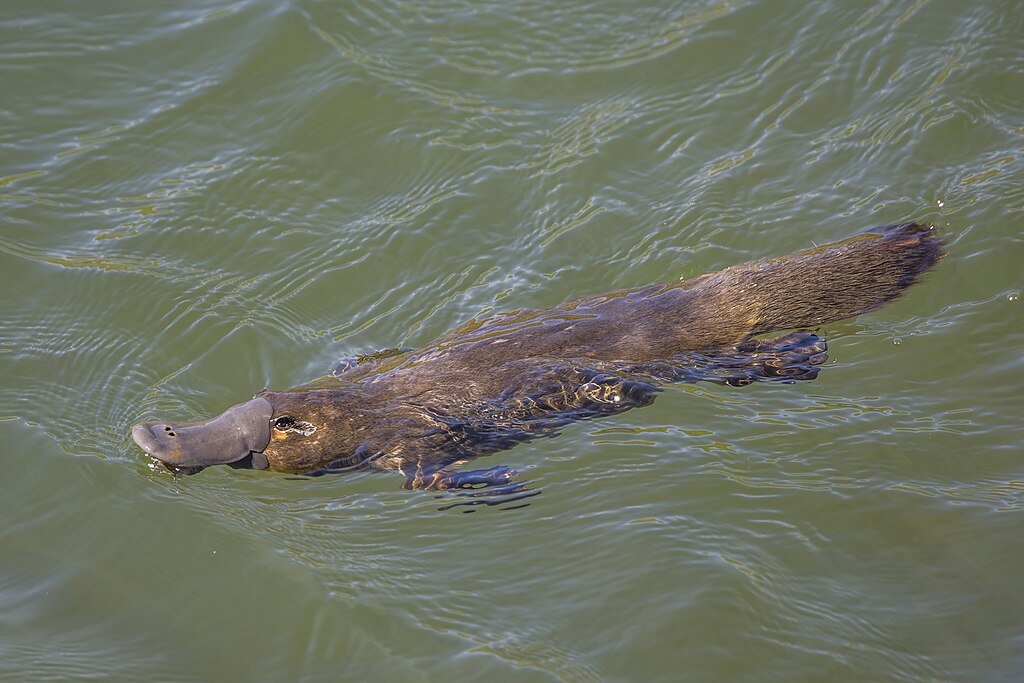
Bandicoots are endemic to Australia – they look like ratsWedge-tailed Eagles are the largest birds of prey in AustraliaBioluminescent Glow Worms (seen during cave tour) are the worm-like larvae of a fungus gnatShort-tailed Shearwaters migrate between Australia & the Arctic OceanThe Duck-billed Platypus is an egg-laying mammal endemic to eastern Australia
Duck-billed platypus: Charles J Sharp, CC BY-SA 4.0, via Wikimedia Commons
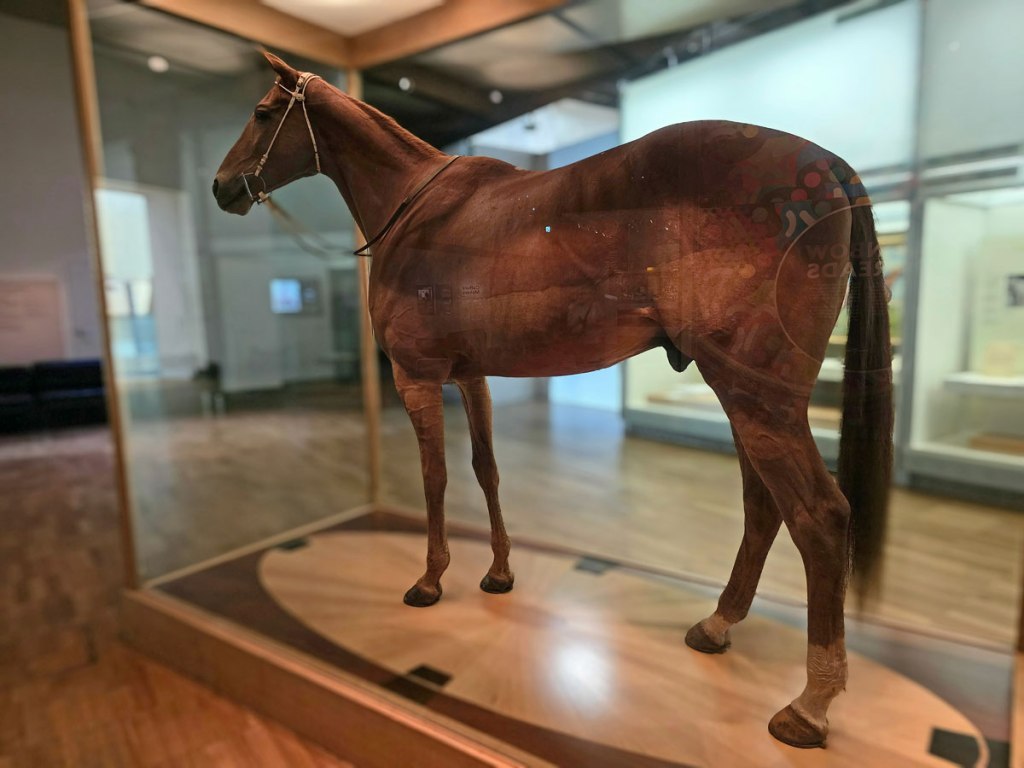
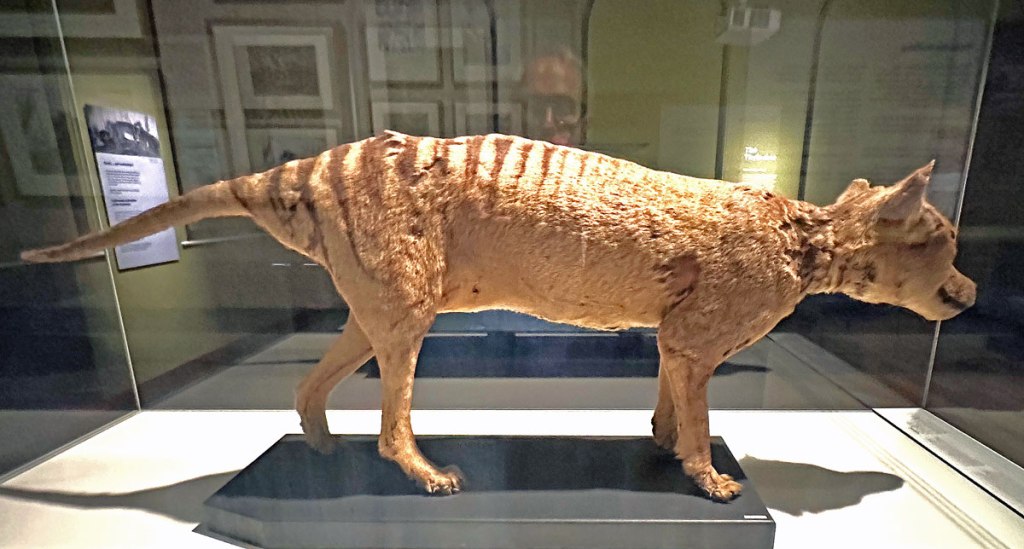
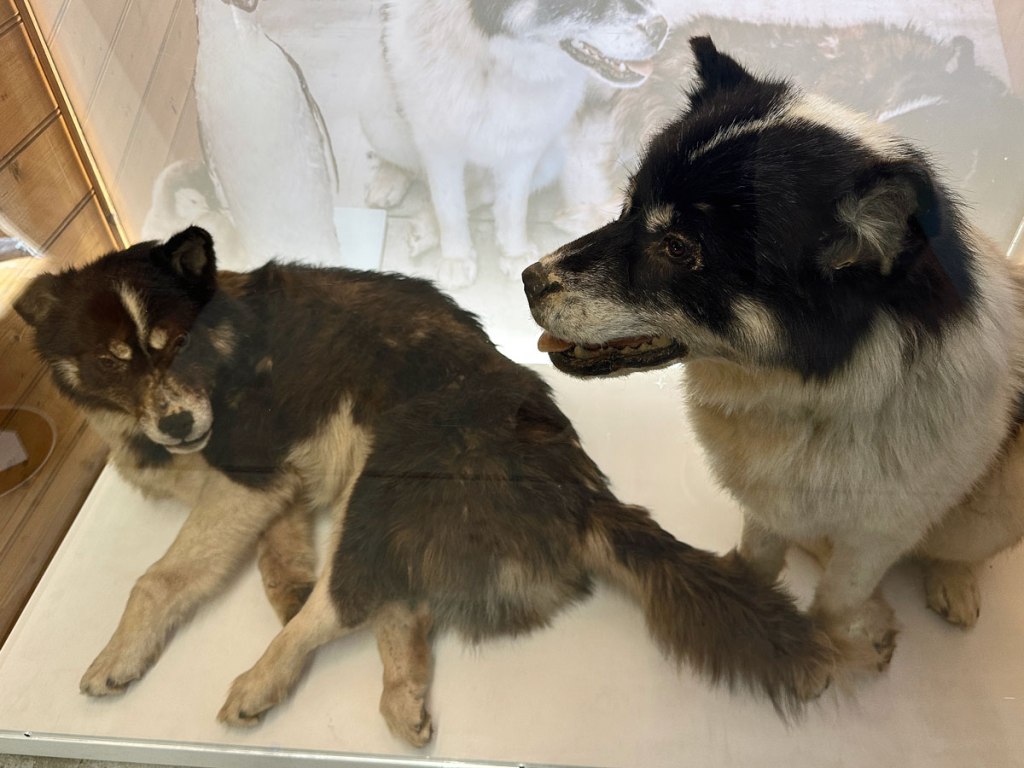
Unique, No-Longer-Living Museum Animals
Phar Lap, Australia’s most famous racehorse, died in 1932 in the U.S. under suspicious circumstancesThis is the last known Thylacine, Australia’s largest marsupial carnivore, which died in 1936Moby & Welf were two of the last huskies to serve at Tasmania’s Antarctic Research Station. They retired to Hobart in 1992.
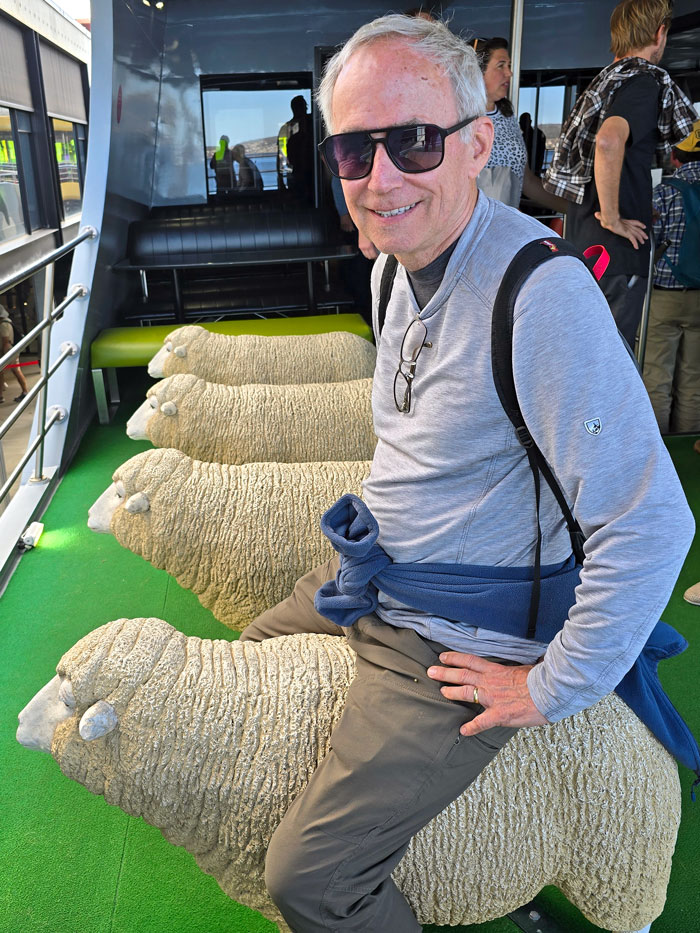
On a closing note, Australia has upwards of 76 million sheep. This is our only photo. 😎
Coming soon – more articles about our travels in Australia.
If you would like to be notified when future articles are published, please enter your e-mail address and click the ‘Subscribe’ button below. No ads, no spam, just one message alerting you to a new post. Thank you!
Discover more from Just Passing Through
Subscribe to get the latest posts sent to your email.




















Hi Carol,
I loved all the animals!!! But I will be very wary if I see square truffles at your house!!! Lol!
Abby
LikeLike
Thanks for reading the article – I love your comment!
LikeLike