After our first trip to Australia in 2005, Bill declared that, “If we ever go back to Australia, we should go to Tasmania,” an island state about 150 miles south of the mainland. Sounded good to me but highly unlikely, until we chose The Land Down Under for this year’s winter break.
And what did we find during our ten day visit to this special place that’s a little off the beaten path? (Australia tourism stats: out of 7.6 million international visitors in 2024, only about 200,000 made it to Tasmania.) Aside from some unseasonably cold weather and the relentless blustery wind, we loved everything – the countryside, the ocean views, the people, the animals and the history. And we need several articles just to cover the highlights.
Here’s a view of Hobart (capital of Tasmania) and surrounding area from the summit of Mt. Wellington.

And here’s a pic of the tour group bus that took us there.
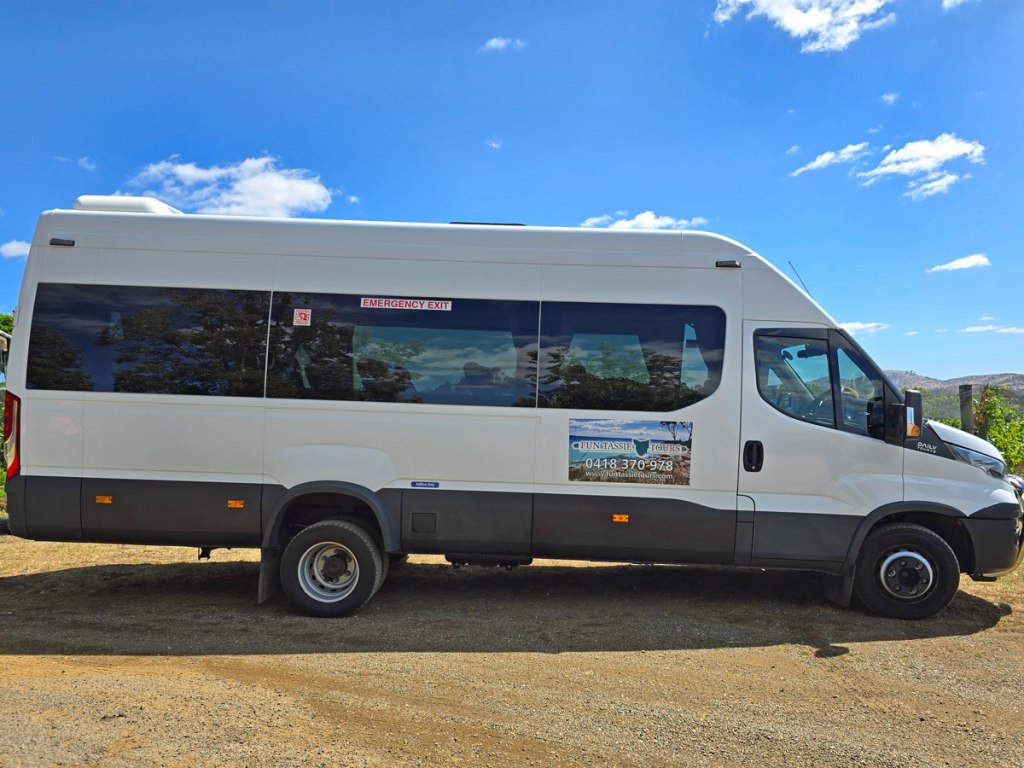
Yep, we signed up for a group tour to travel around the island, which is roughly the size of West Virginia. Six days with Fun Tassie Tours, with Michael as our engaging and knowledgeable tour guide, plus 10 friendly and laid back fellow travelers – nine Aussies and one Kiwi (New Zealander). Interesting and fun, as advertised.
Michael top left, tour group top right, and a map of our route on the bottom.


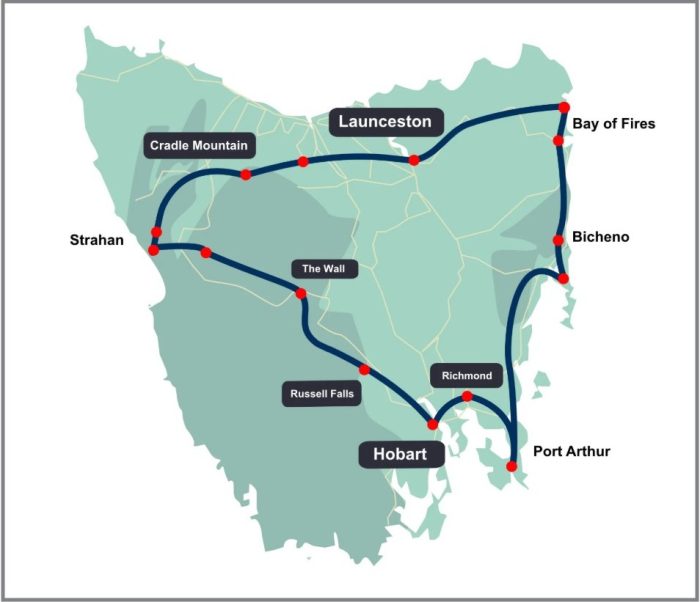
In this article, we’ll share the best of the best from the first half of the tour (Hobart to Launceston), including Tasman National Park, Port Arthur National Historic Site, East Coast Natureworld Wildlife Sanctuary and more.
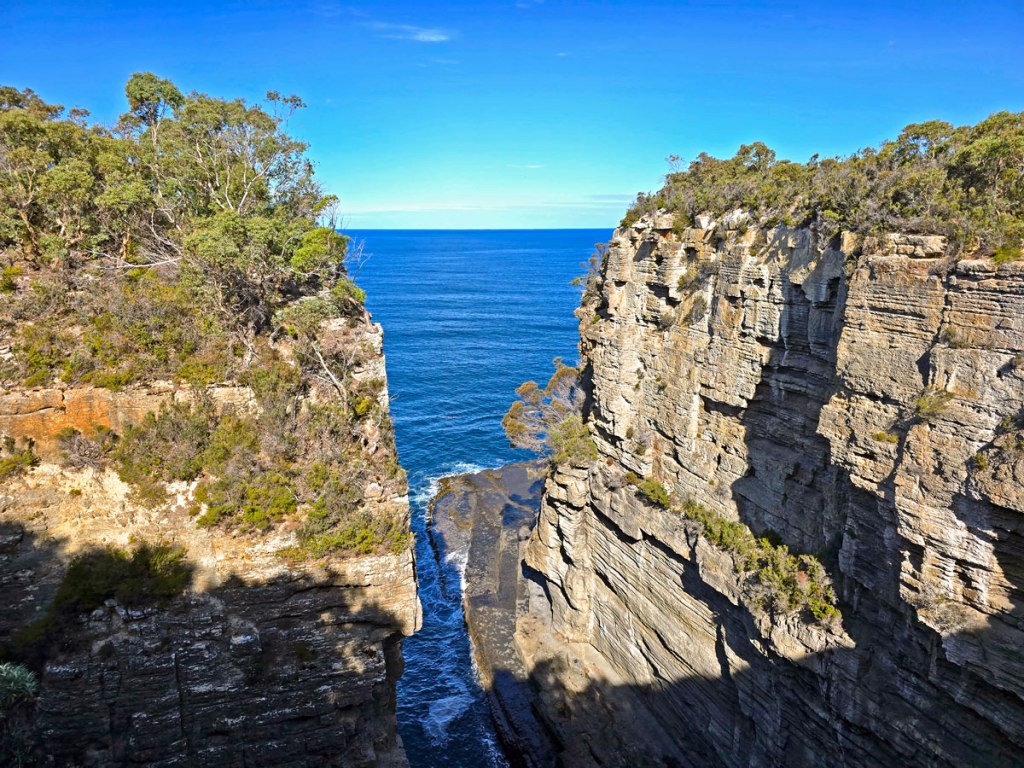
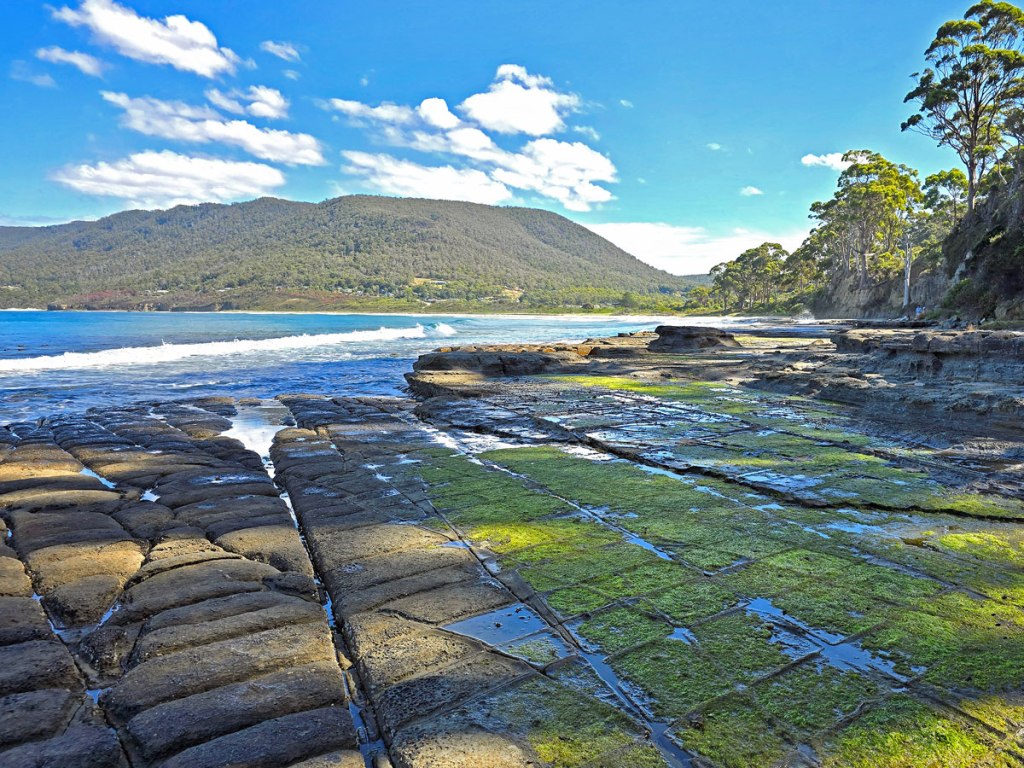
Day 1: Tasman National Park – Impressive Views & Sea Cliffs
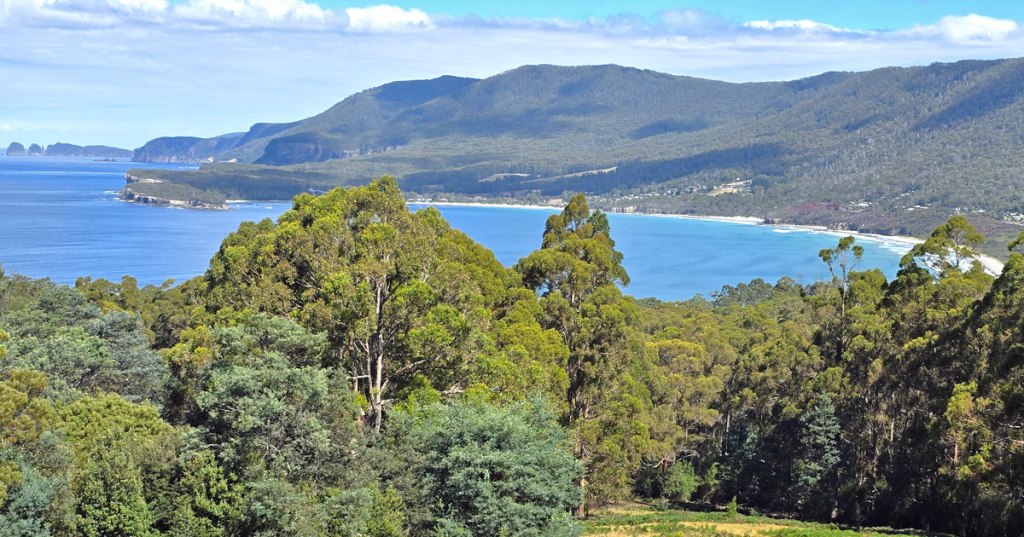
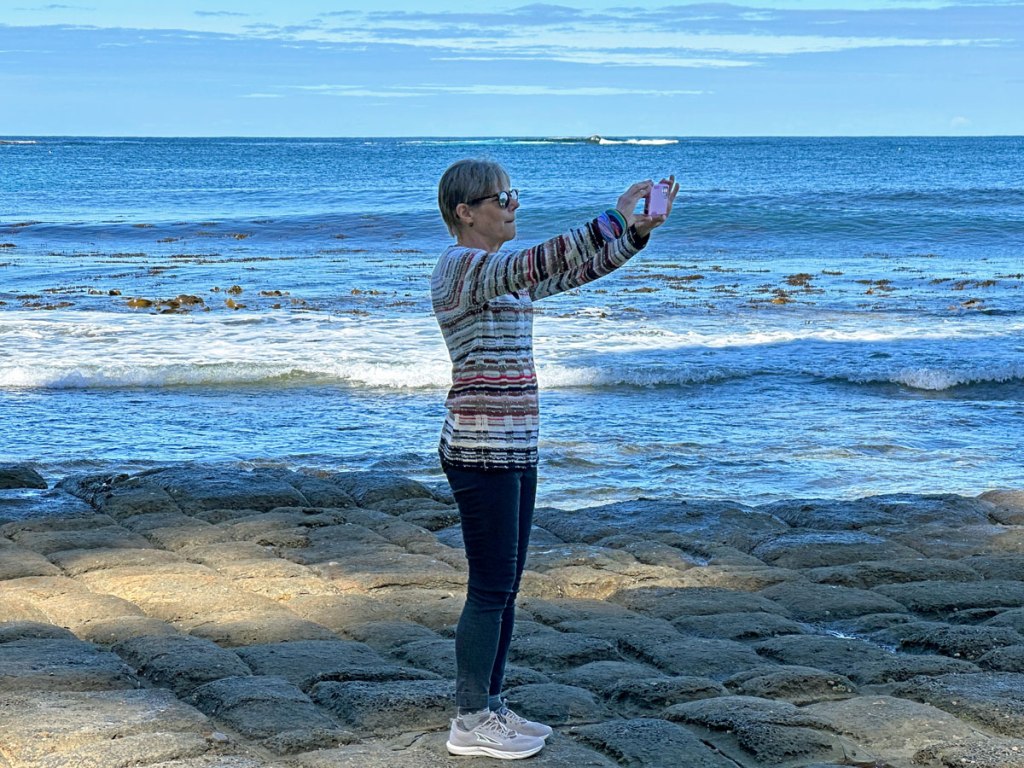
The park is 42 square miles of pristine forest along the coast. Even though we didn’t see it all, there were a few “wow” moments. So pretty . . .
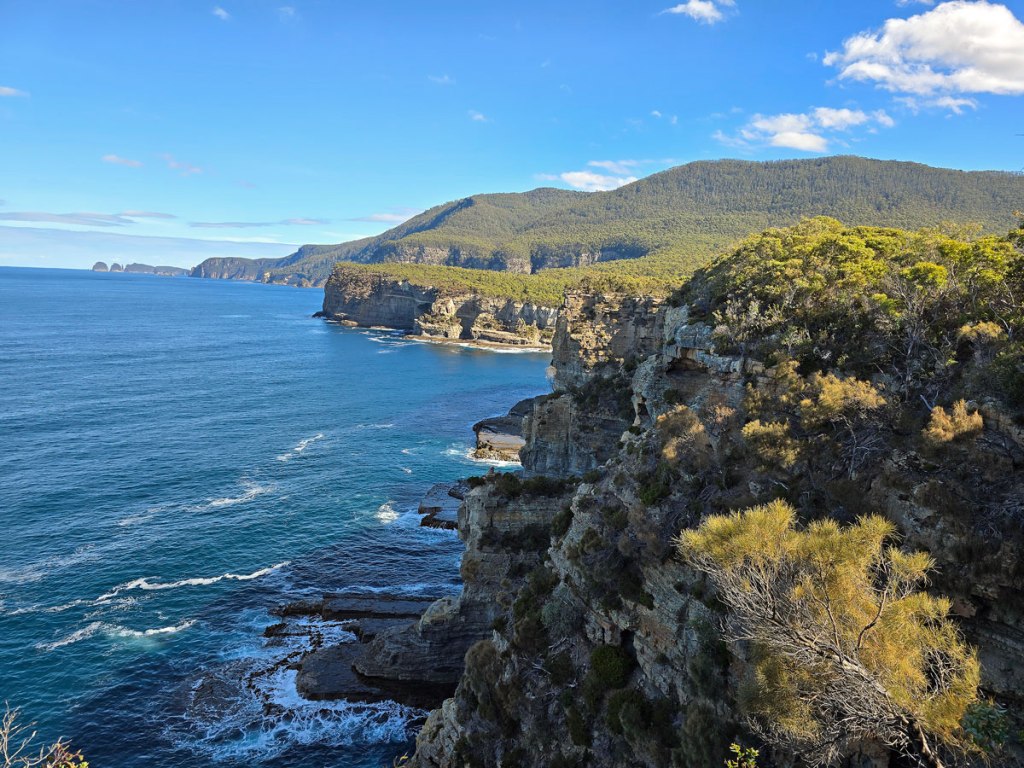


More From Day 1: Wine, Water & An Old Bridge
Our action-packed first day began with the drive to the summit of Mt. Wellington just outside of Hobart. Here’s another couple of looks at the view.


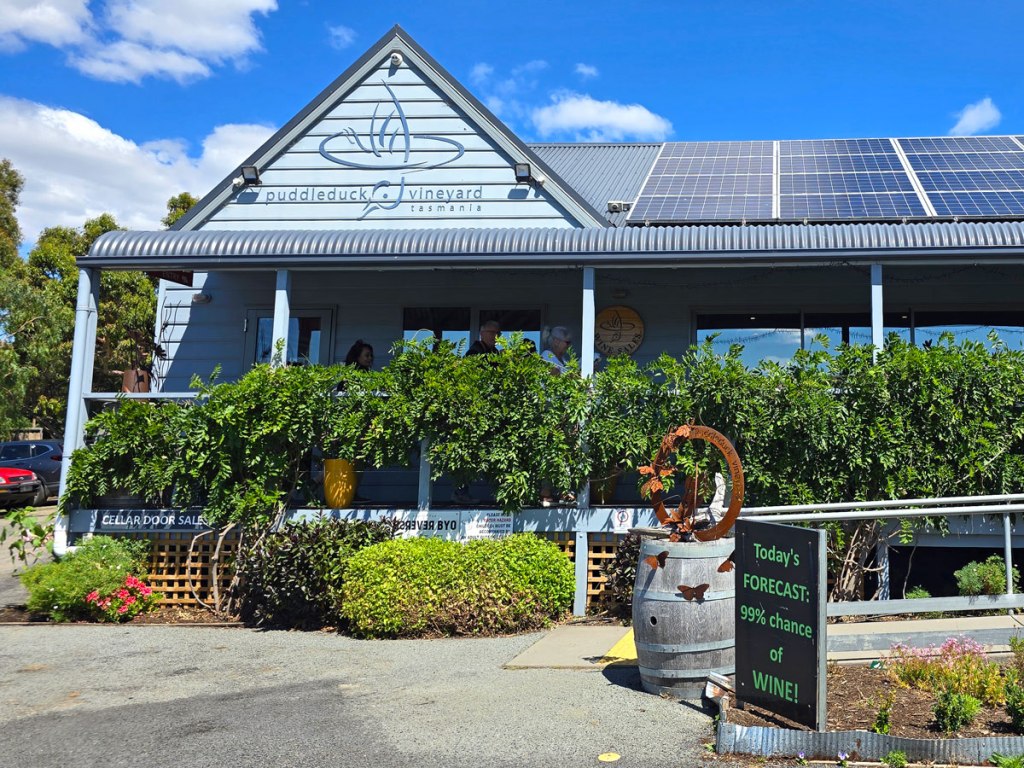
For lunch and winetasting, we visited Puddle Duck Vineyard in the Coal River Valley.

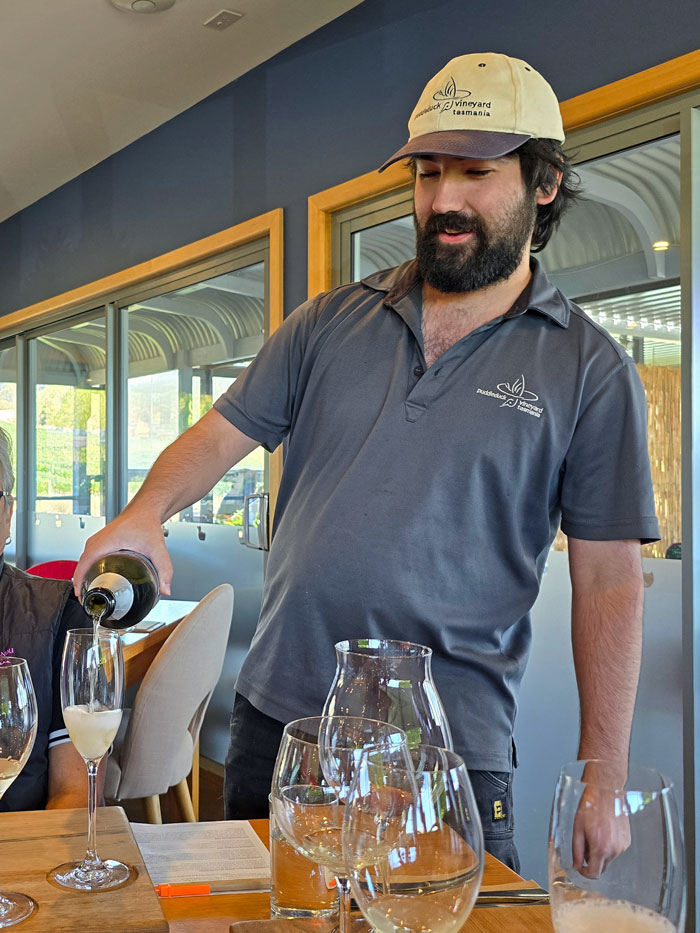
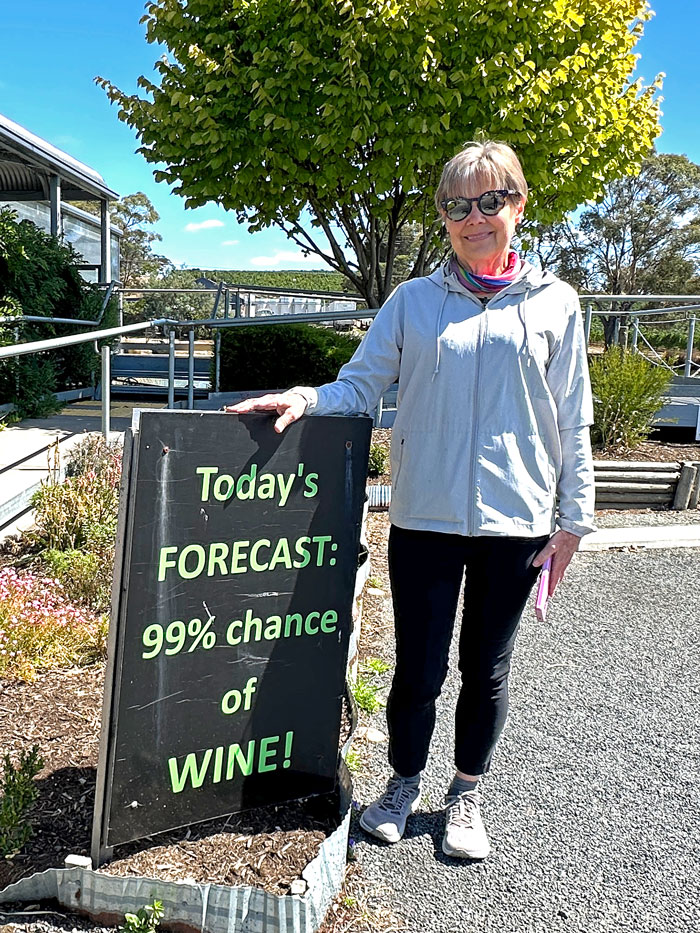
The Richmond Bridge, the oldest still in use in Australia, was next on the itinerary. Built in 1823 by prisoners hauling sandstone from a nearby quarry, the bridge features impressive stonework.


We made a quick stop at the Denison Canal at Dunnally, a manmade waterway constructed in 1905 as a shortcut to Hobart from the East Coast of Tasmania.

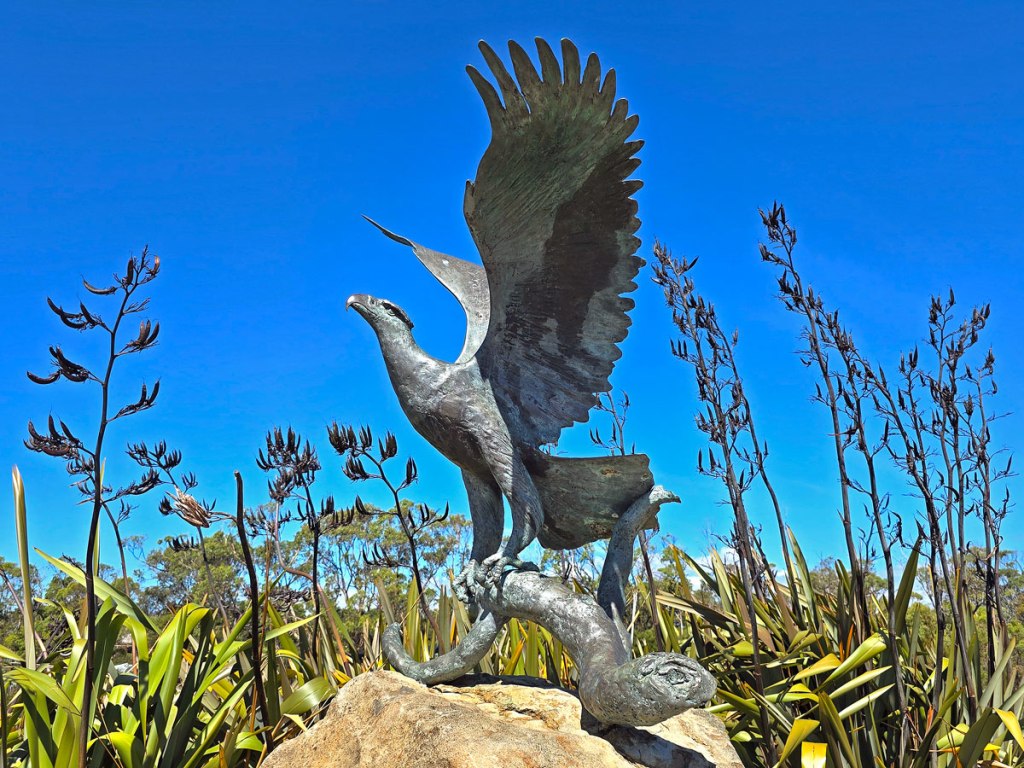
Our lodging for the night was on the grounds of Port Arthur National Historic site. A convenient place to begin Day 2.
Day 2: A Somber Tour of Port Arthur Convict Settlement
From the entrance gate, the site looks bucolic and peaceful . . .

. . . with attractive houses (now uninhabited) and manicured yards.

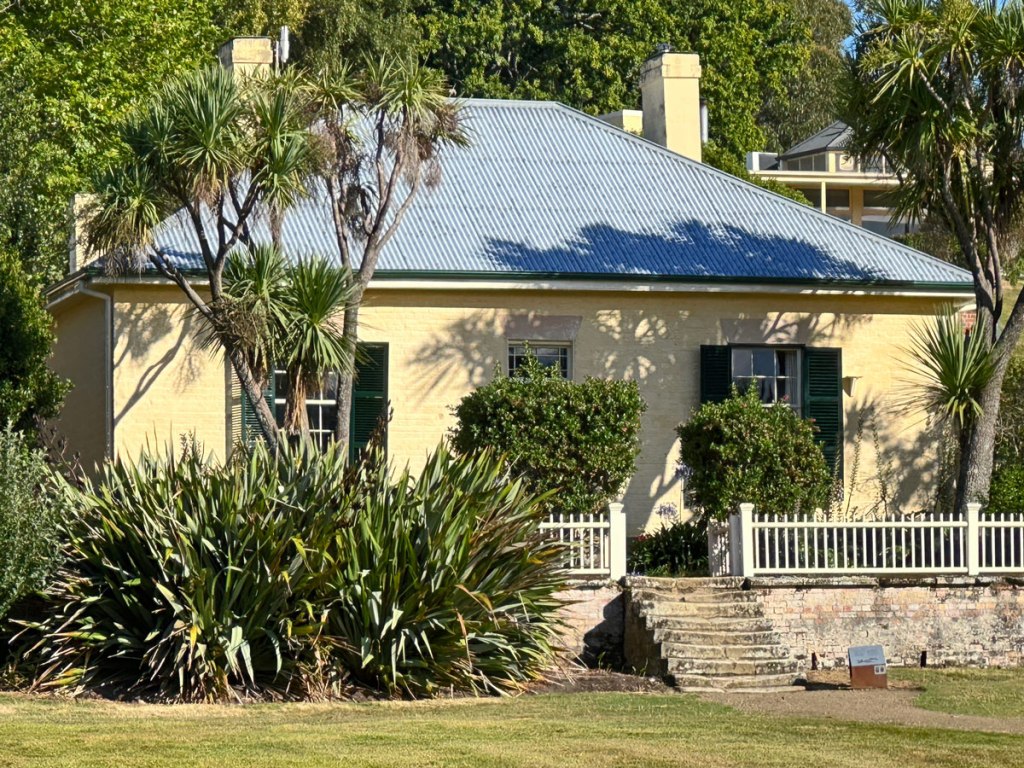
As we ventured further, Port Arthur’s complex story began to unfold. Between 1788 and 1868, ~166,000 convicts were transported from Britain to various prison sites in Australia to serve their sentences, usually for thievery or other petty crimes. Some were as young as nine years of age. The grandfather of one of our Aussie travel companions was 14 when he landed in Port Arthur for stealing a pair of shoes.
Repeat offenders from other Australian prison sites also found themselves at Port Arthur, which was considered to be escape-proof, much like Alcatraz in the U.S., due to its remote location and hostile conditions (e.g. sharks in the water and guard dogs on the land bridge).
Most of the 500 convicts were housed in the Penitentiary in conditions ranging from heavy irons in single cells for those prisoners who hadn’t earned good behavior status to dormitory-style bunk beds for those more fortunate. During the daytime, they worked, in jobs ranging from skilled trades to unskilled heavy labor. Due to a fire in 1897, only the walls and barred windows remain.
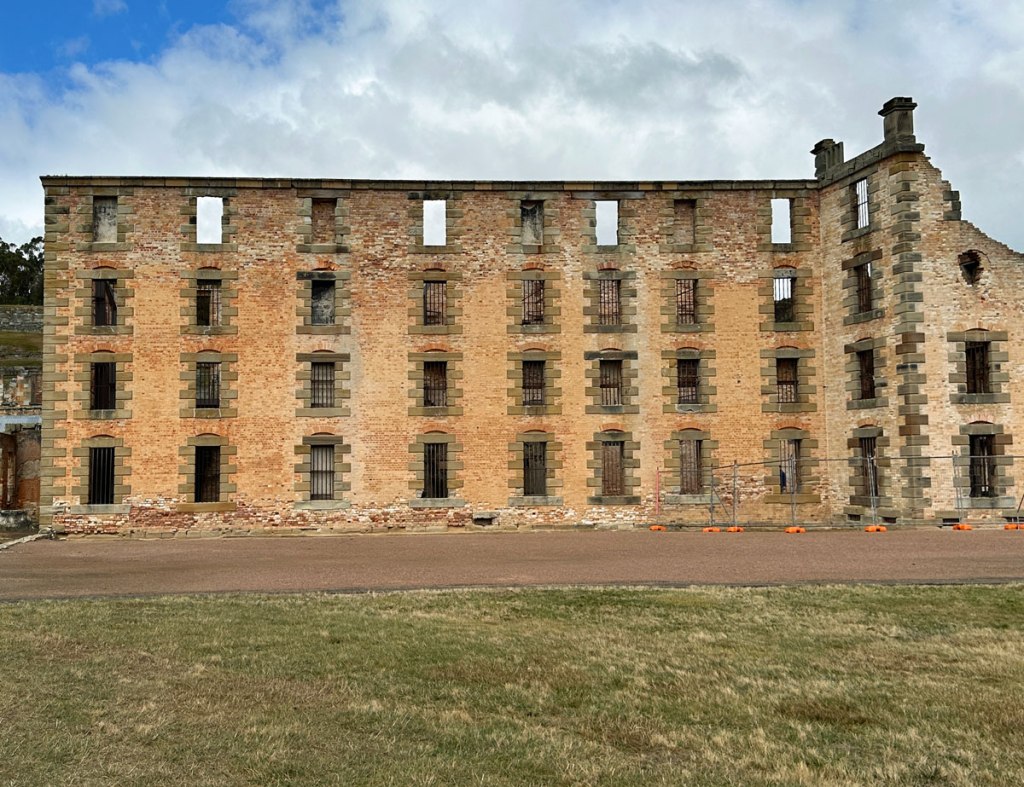
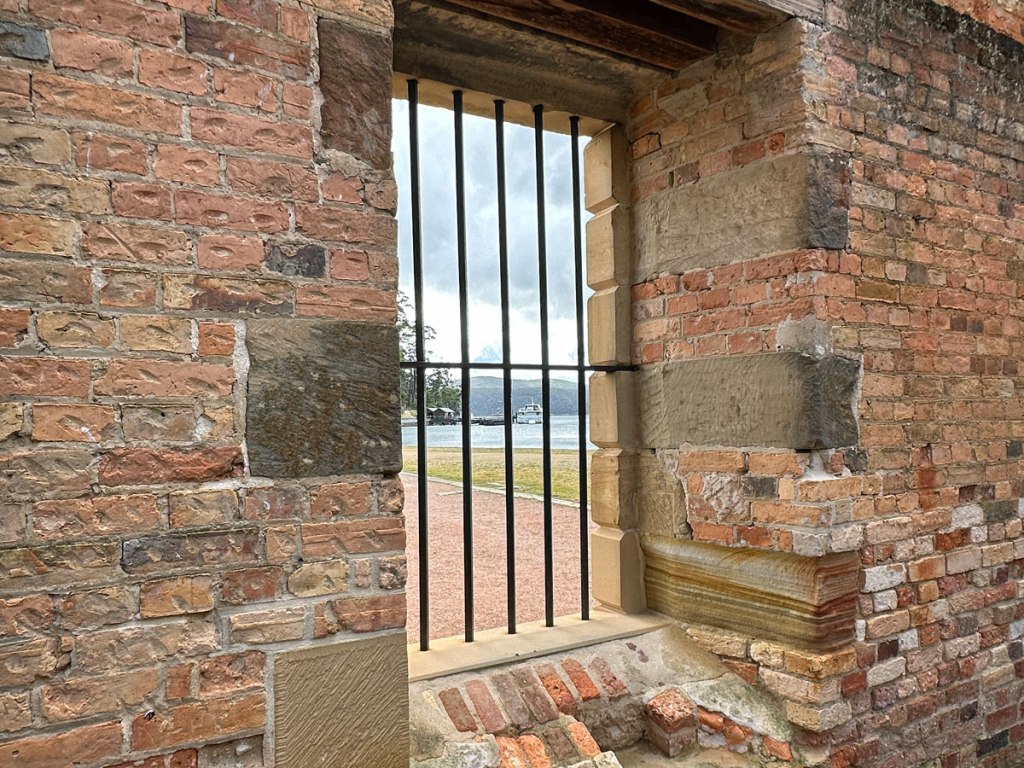
Then there was the Separate Prison, with around 50 individual cells for repeat offenders and those engaged in violence.
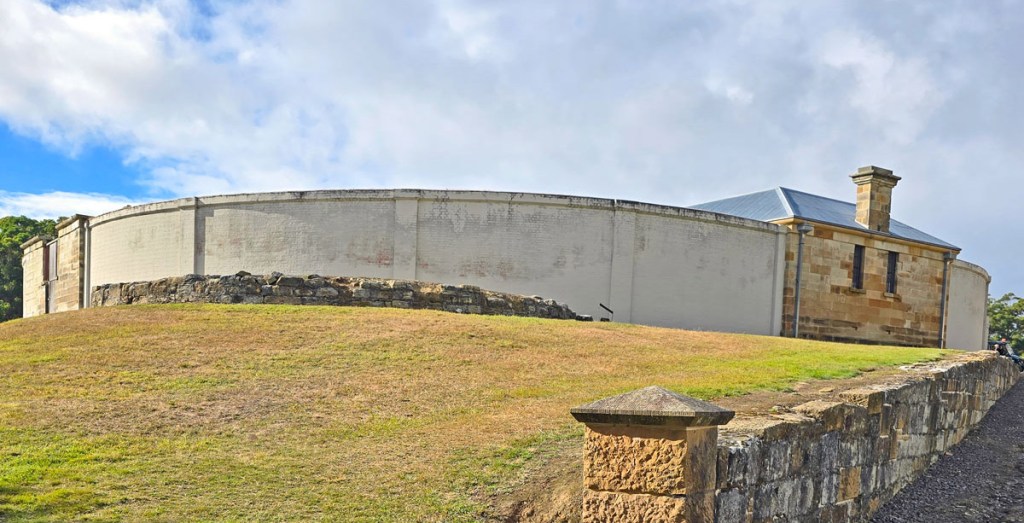
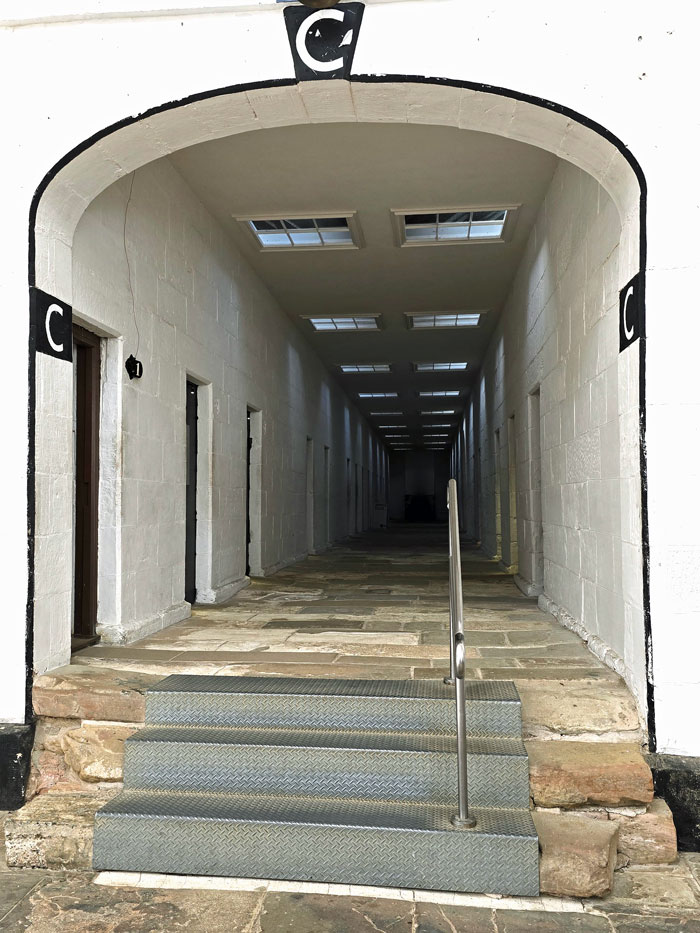
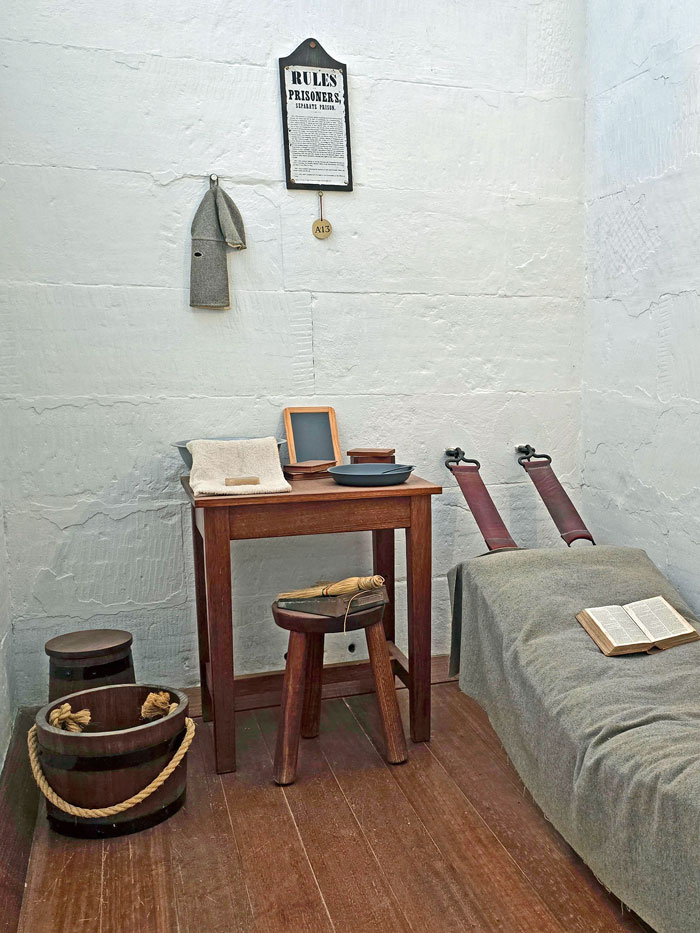
Prisoners lived in complete isolation from each other and were not allowed to speak. For weekly church services, “each man entered wearing his mask, and moved into a coffin-like cubicle. . . . Once inside, with the cubicle door locked behind him, he was allowed to remove his mask. He could see no one but the chaplain in the pulpit and two guards.”
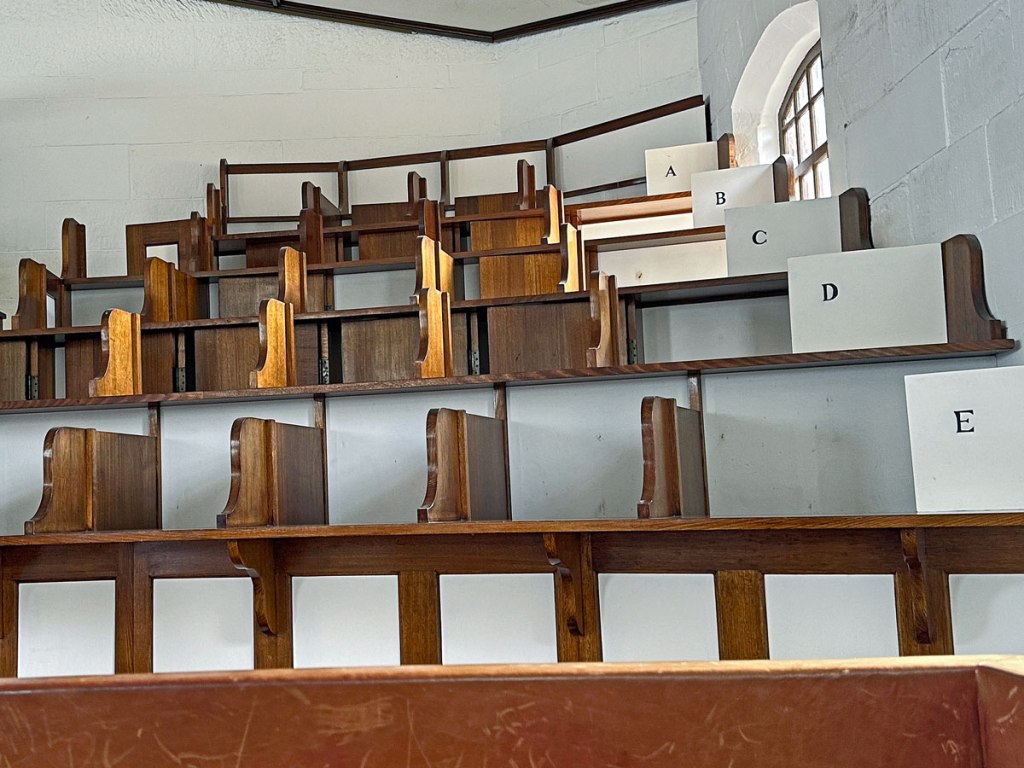
Considered to be more humane and enlightened than physical punishment, the living conditions led to severe psychological trauma for many and arguably didn’t improve rehabilitation rates. Interestingly, the philosophy of isolation and silence was attributed to the Quakers and espoused by Benjamin Rush, an influential American physician and signer of the Declaration of Independence.
On a boat ride around the bay, we learned about Point Puer Boys’ Prison for boys aged 9-17. Separated from adult convicts, the boys had more opportunities for education and training. The Isle of the Dead was the final resting place for about >1,000 Port Arthur residents, not just convicts.
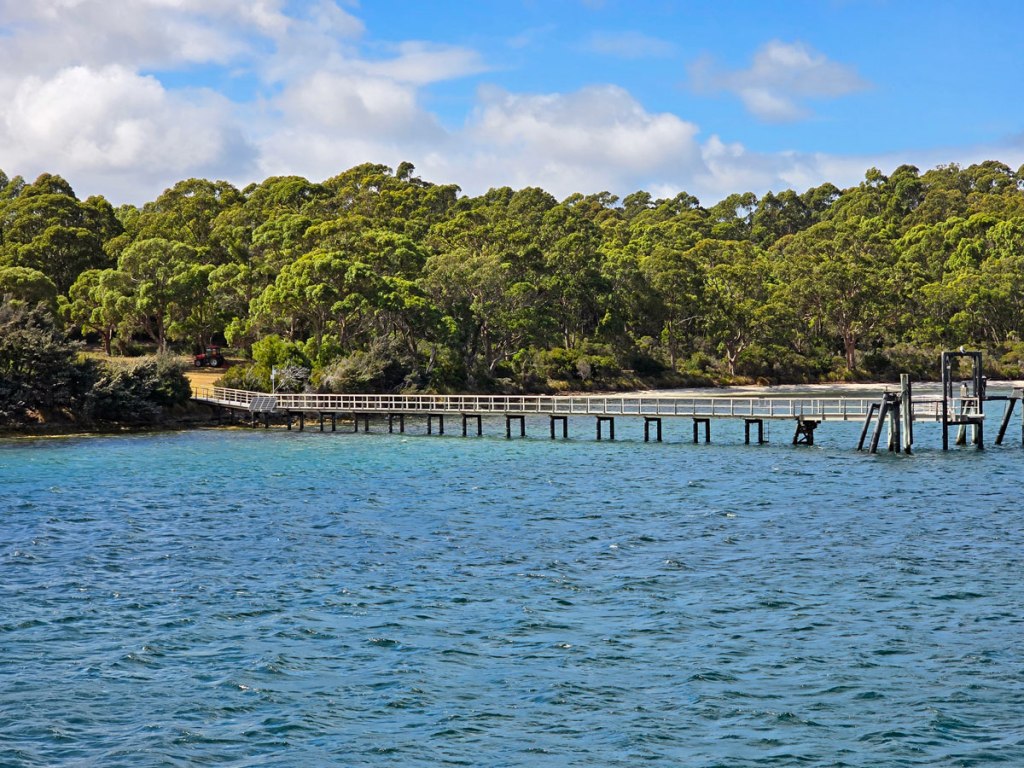

Visitors could easily spend a couple of days at the site learning about Port Arthur. I’ve barely scratched the surface, but will wrap up with just a few more key points and photos.
Mostly surrounded by water, the 100-acre colonial-era prison settlement is one of 11 in Australia recognized as a UNESCO World Heritage Site.


Most of the original buildings are in ruins due to neglect, bush fires and vandalism. Only a few have been rebuilt to illustrate living conditions at Port Arthur; others have been shored up to prevent their collapse.
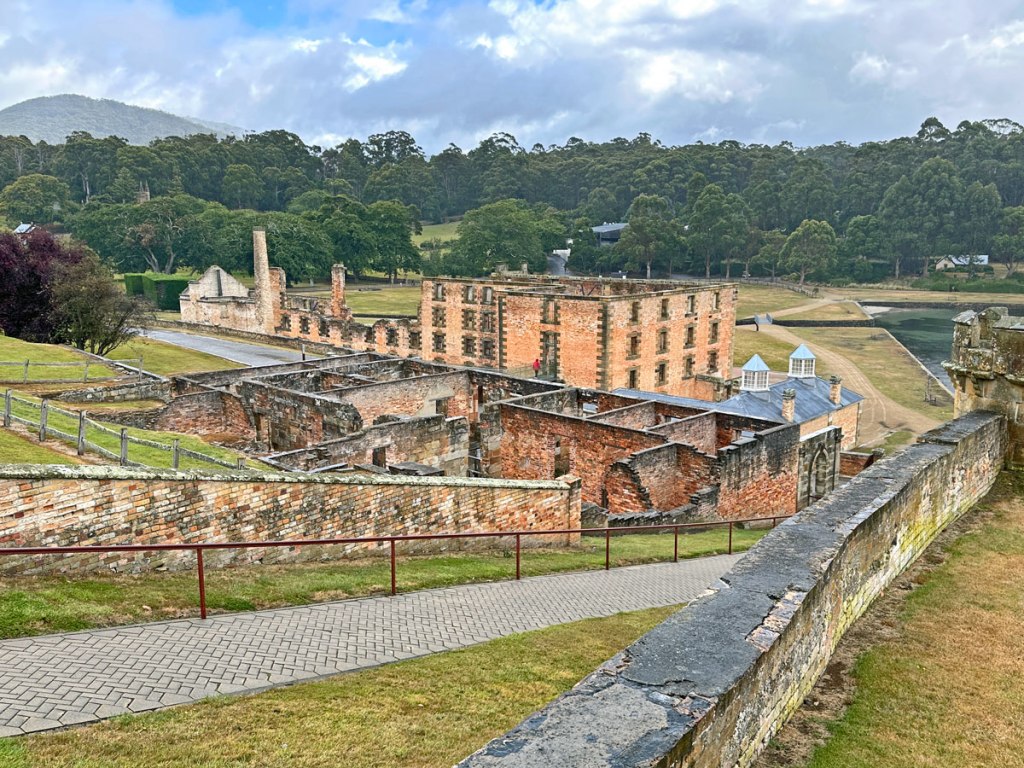

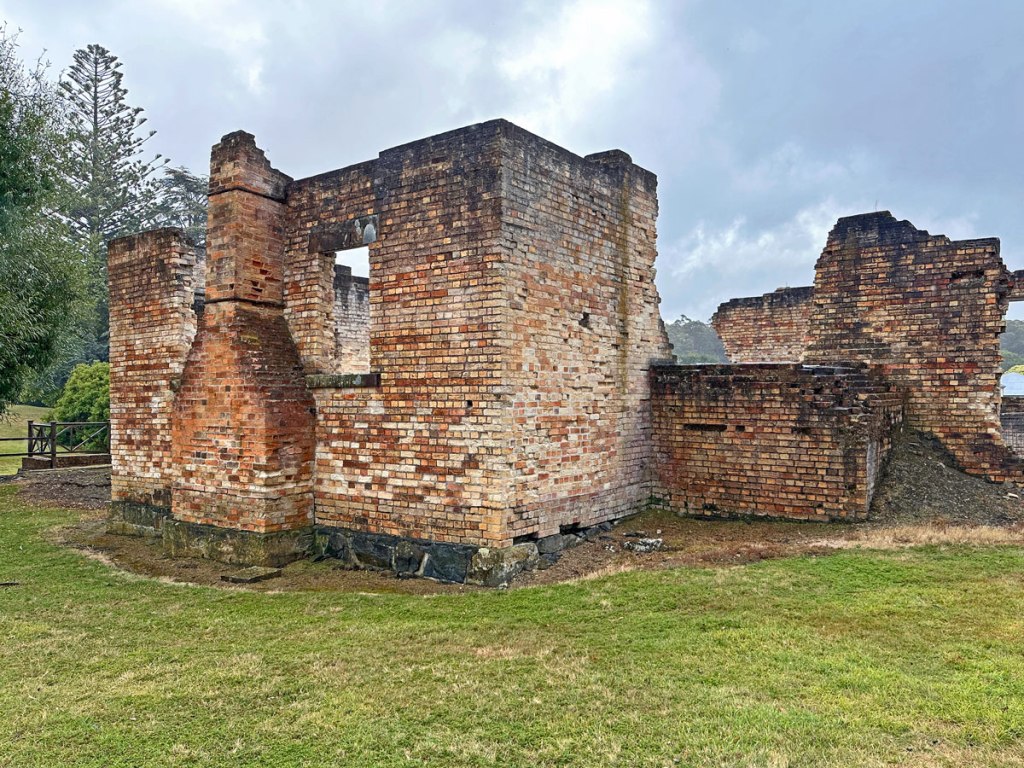
It’s important to acknowledge that after serving their sentences, many former convicts successfully integrated into Australian society.
Finally (but importantly), an unimaginable tragedy occurred in Port Arthur on April 28, 1996, when a gunman opened fire and massacred 35 people. It took the Australian government only 12 days to enact sweeping gun restrictions in response. A memorial garden at the site provides a place of remembrance and quiet reflection.
There’s no good way to segue from that horrific event, but on we go.
Day 2 Quick Stops: A Mural, A Beach & A Quirky Bridge
This cool mural features many iconic images of Tasmania. If you can enlarge the photo, it’s worth a closer look! Our guide pointed it out at the Bangor Vineyard Shed, where we also had a tasty lunch.

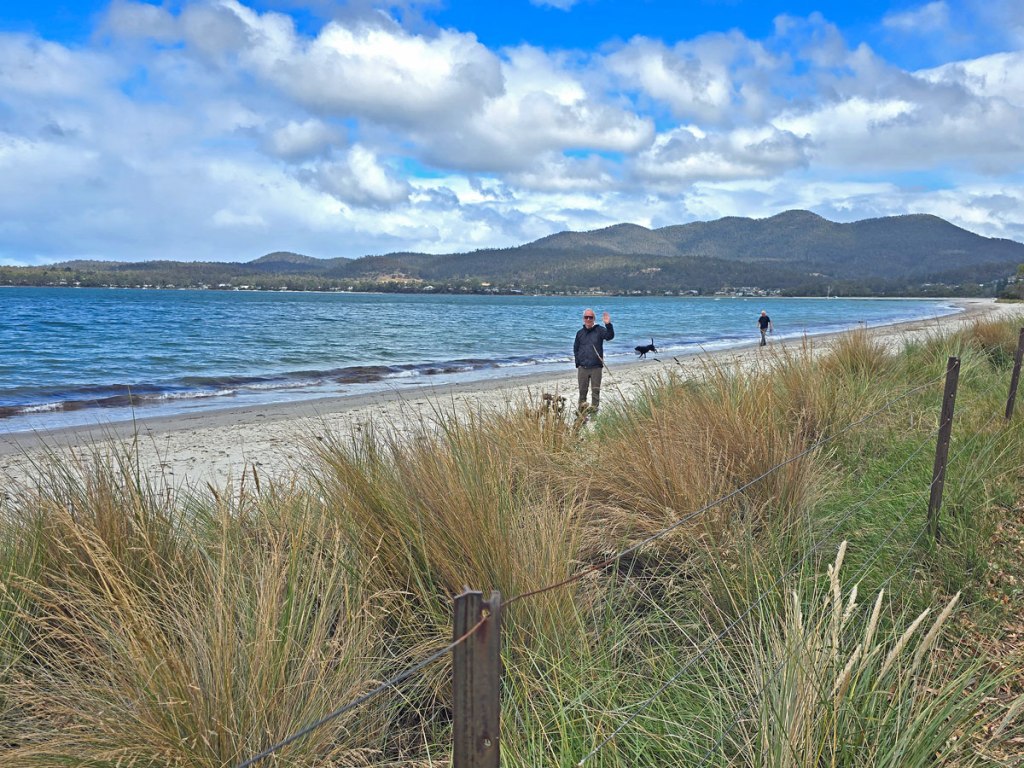
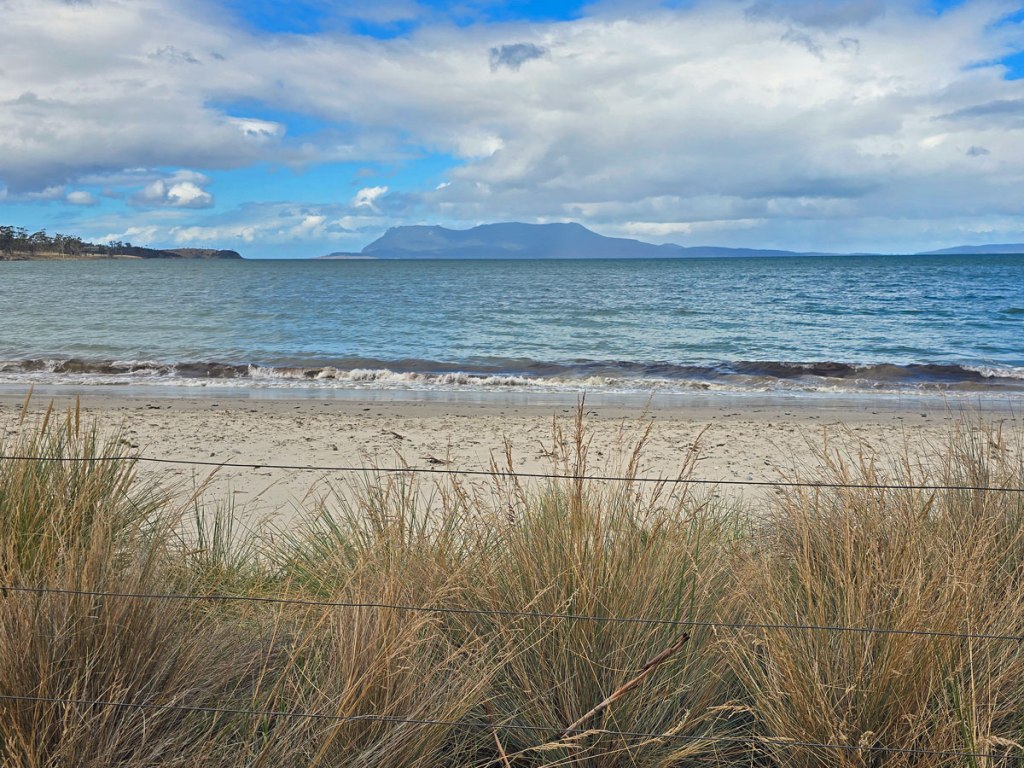
Raspins Beach was a lovely place for a walk and a good view of Maria Island, the whole of which is a designated wildlife sanctuary. A visit, unfortunately, was not on our itinerary.
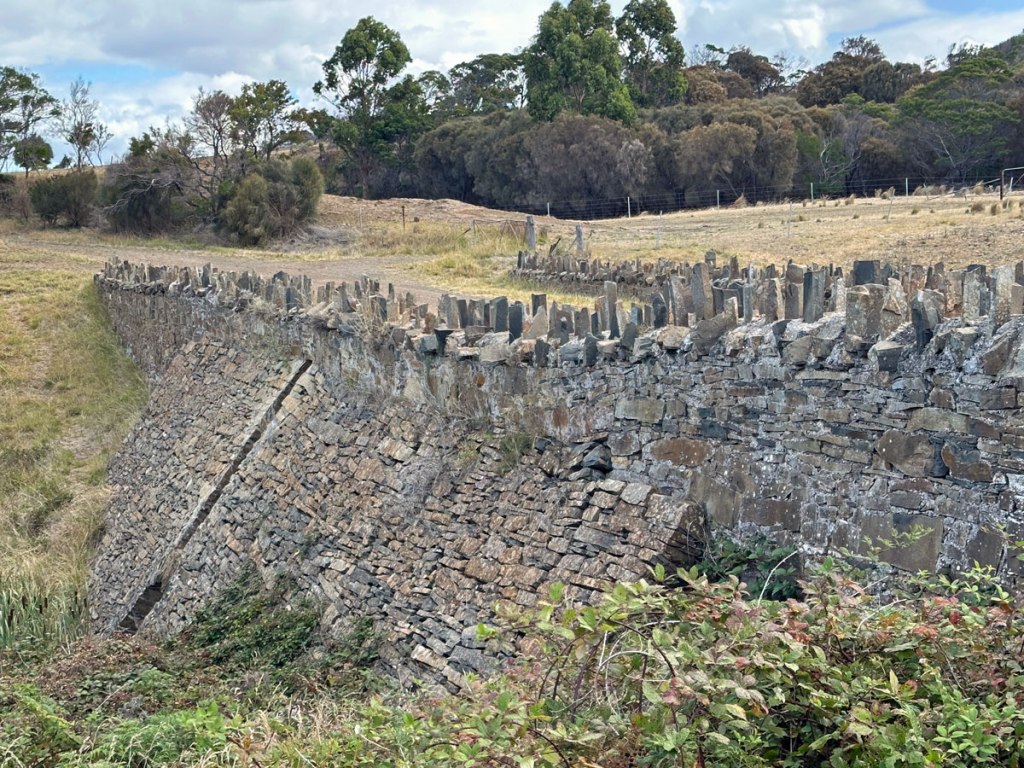
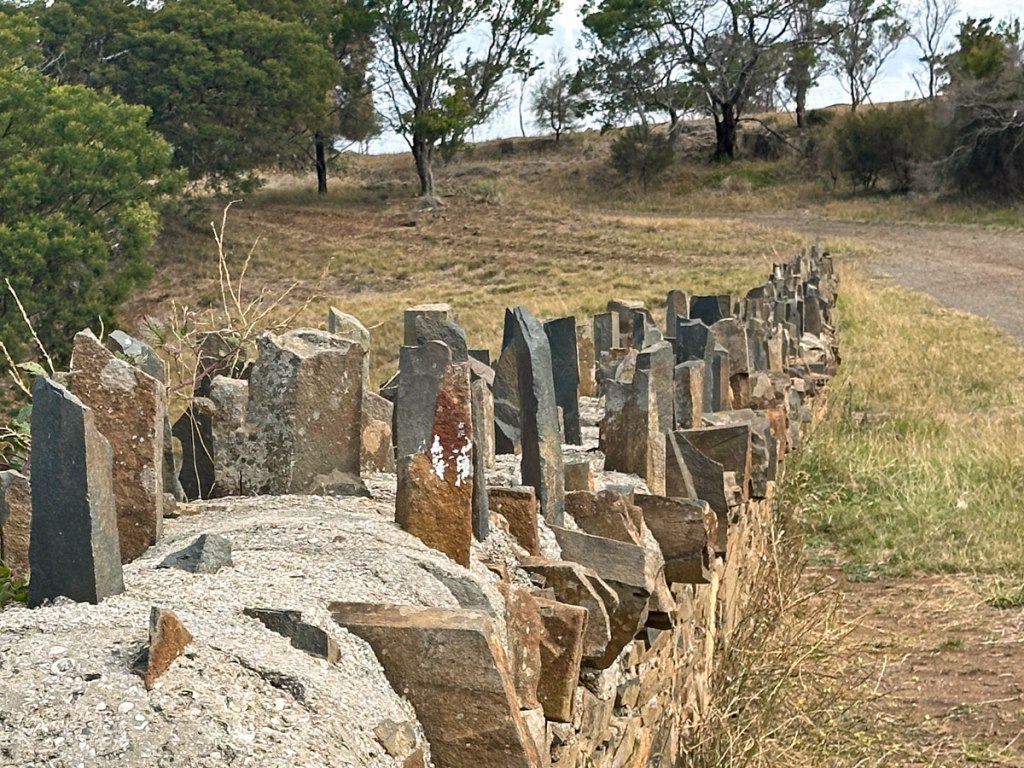
Spiky Bridge near Swansea was built in 1843 by convict laborers. Why the spikes? Despite several theories, no one really knows.
Bill and I ended the day with a walk from our lodge along the coast (the rocks were tricky) and a nice view of the sunset.
Day 3 was a little more warm and fuzzy than Day 2.
Day 3: Tasmanian Devils & Other Animal Friends
Our up close and personal visit with Tasmanian devils was at East Coast Natureworld Wildlife Sanctuary.
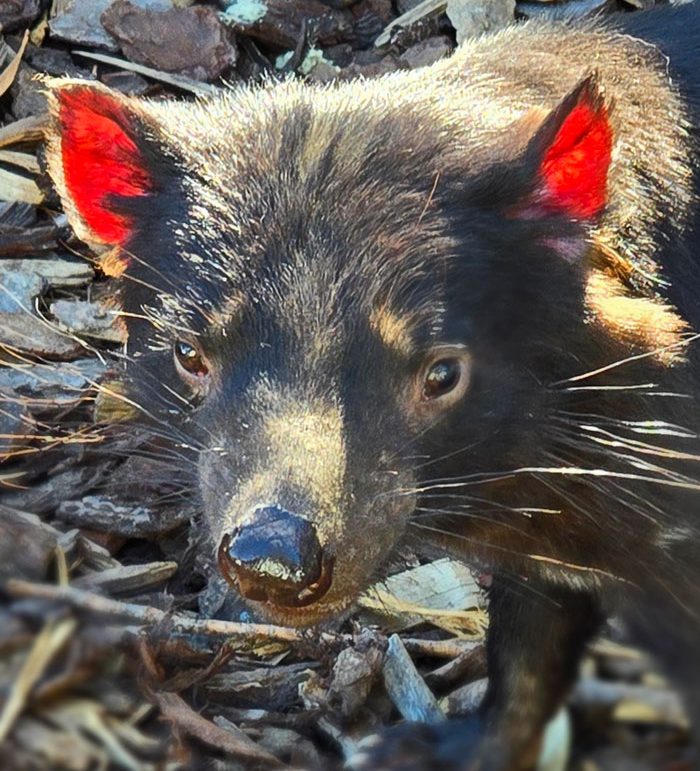
I wouldn’t call them cute or adorable, but Tasmanian devils play an important role in the ecosystem as both scavengers and predators.
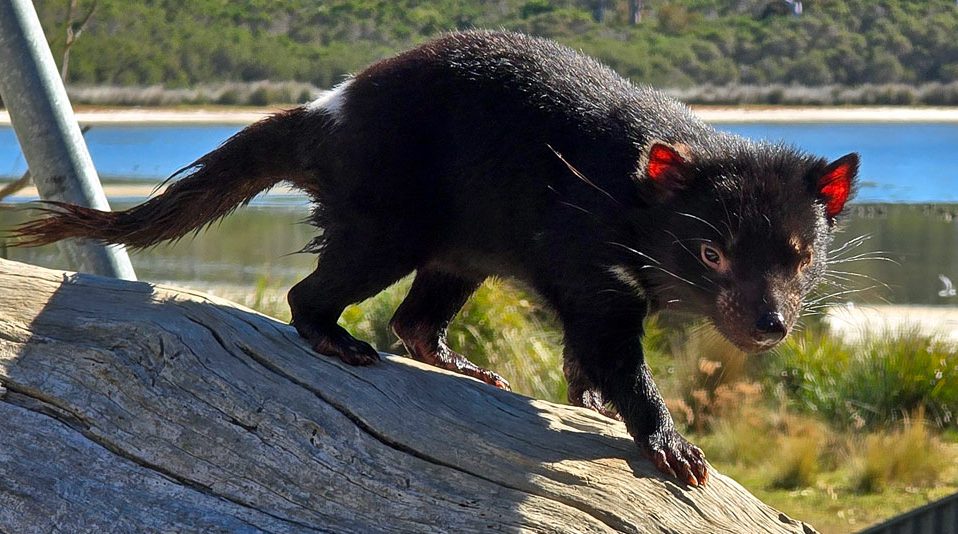
And unfortunately, their ongoing survival is precarious, as the numbers have plummeted by 80% since 1996 (from 150K to 17K), largely due to a deadly condition called Devil Facial Tumor Disease.
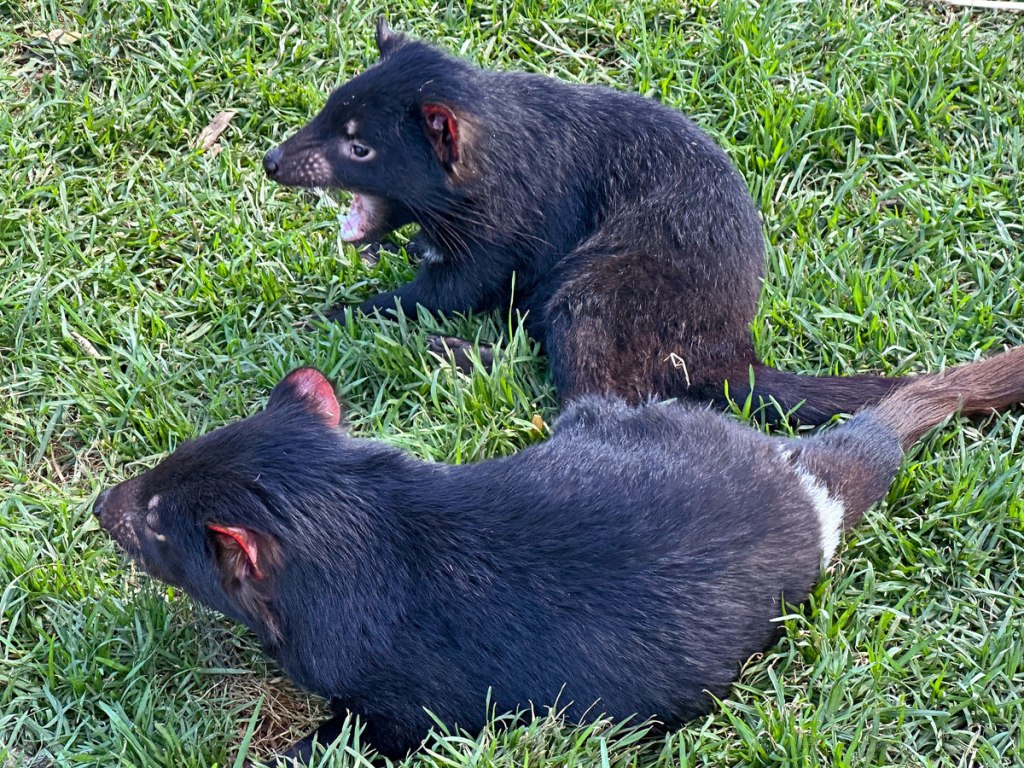
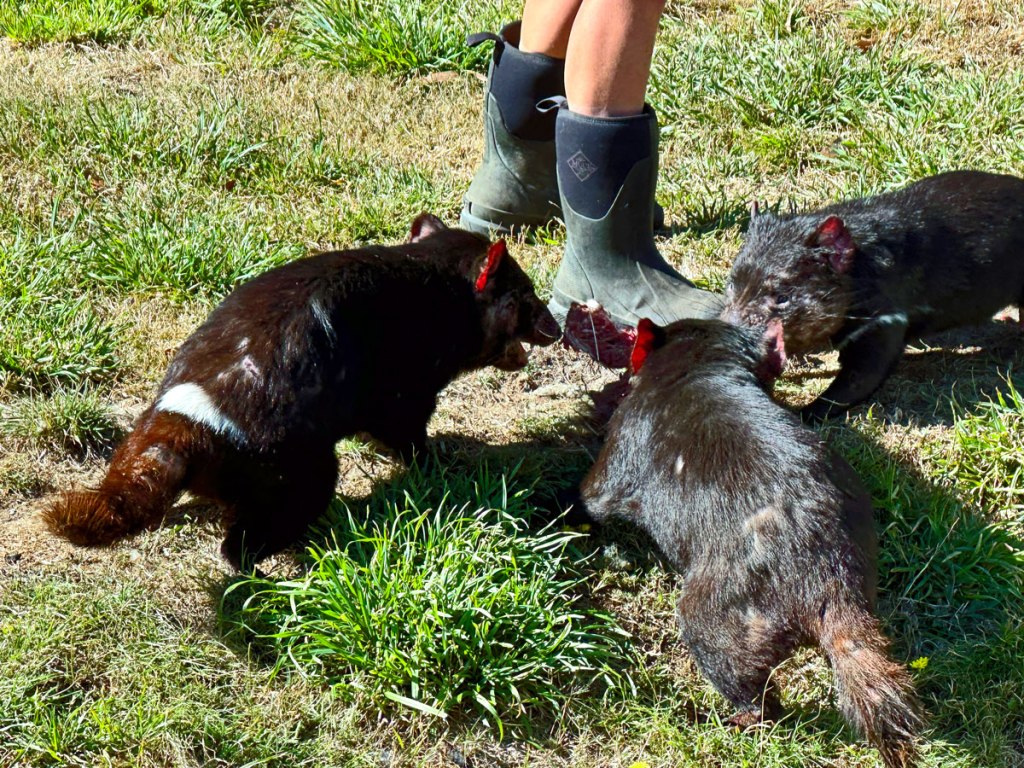
Aggressive efforts to contain the disease and institute captive breeding programs are gradually boosting the population while preserving genetic diversity. Some juveniles are released into the wild, while others are used in future reproduction.
The Tassie Devils are fascinating to watch, especially when battling over dinner. (Feel free to skip the video – fresh wallaby was the featured entree.)
We visited other animals at the wildlife sanctuary as well, including two that were new to us – spotted quolls and echidnas.

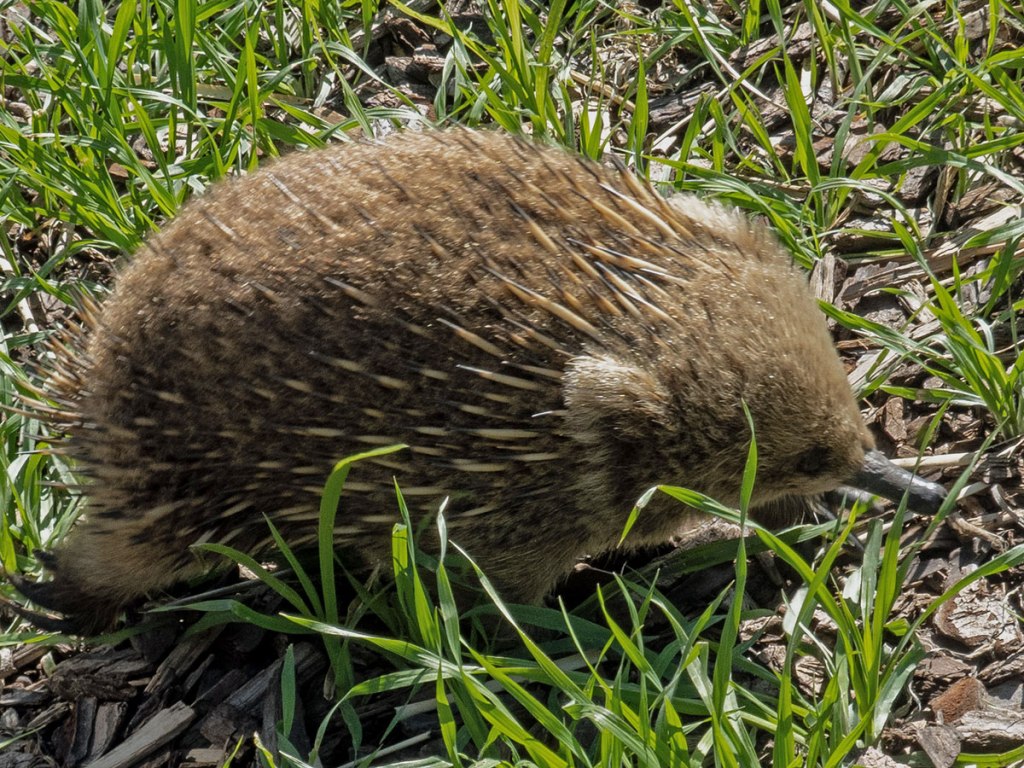
And a few others:
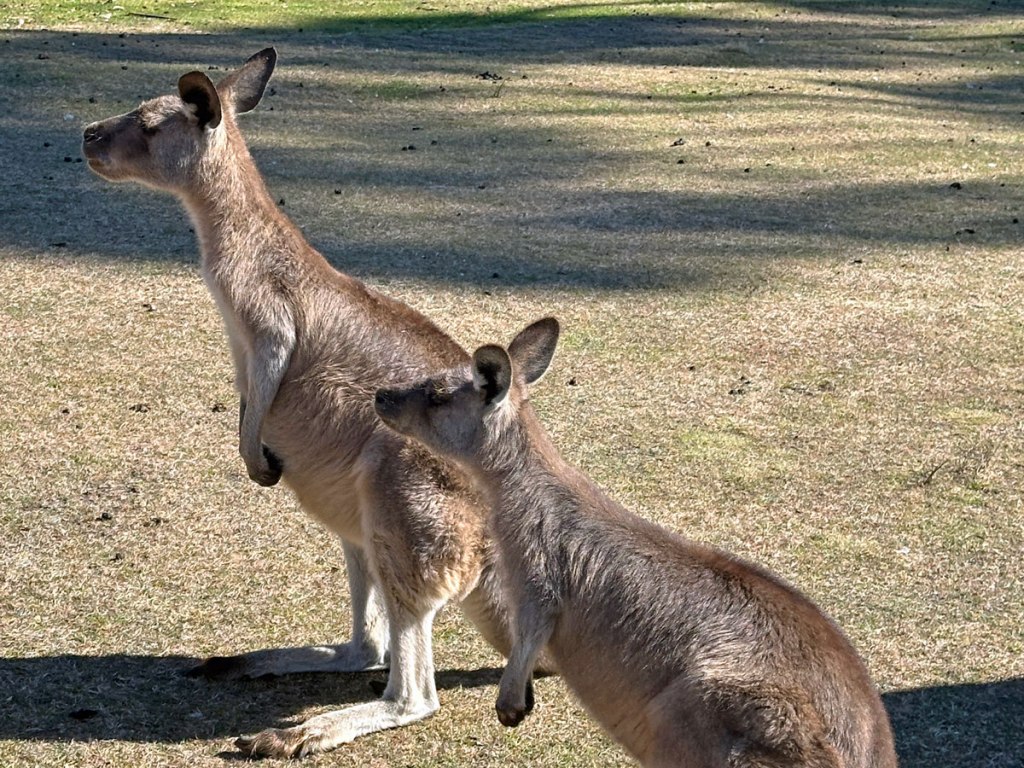

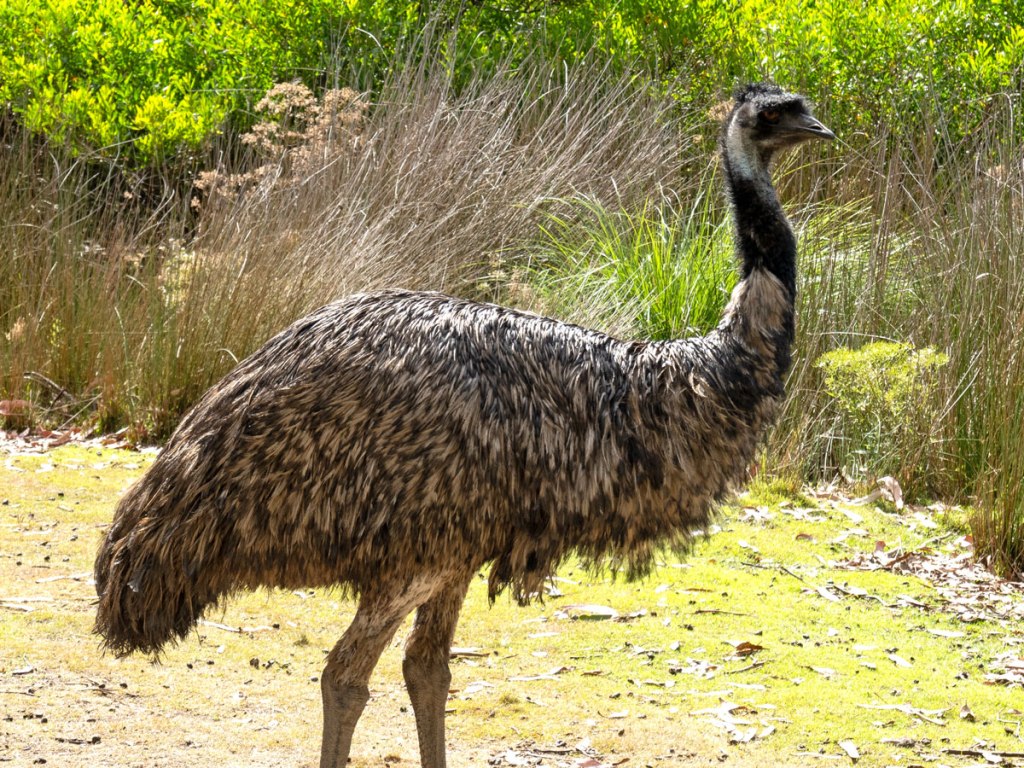
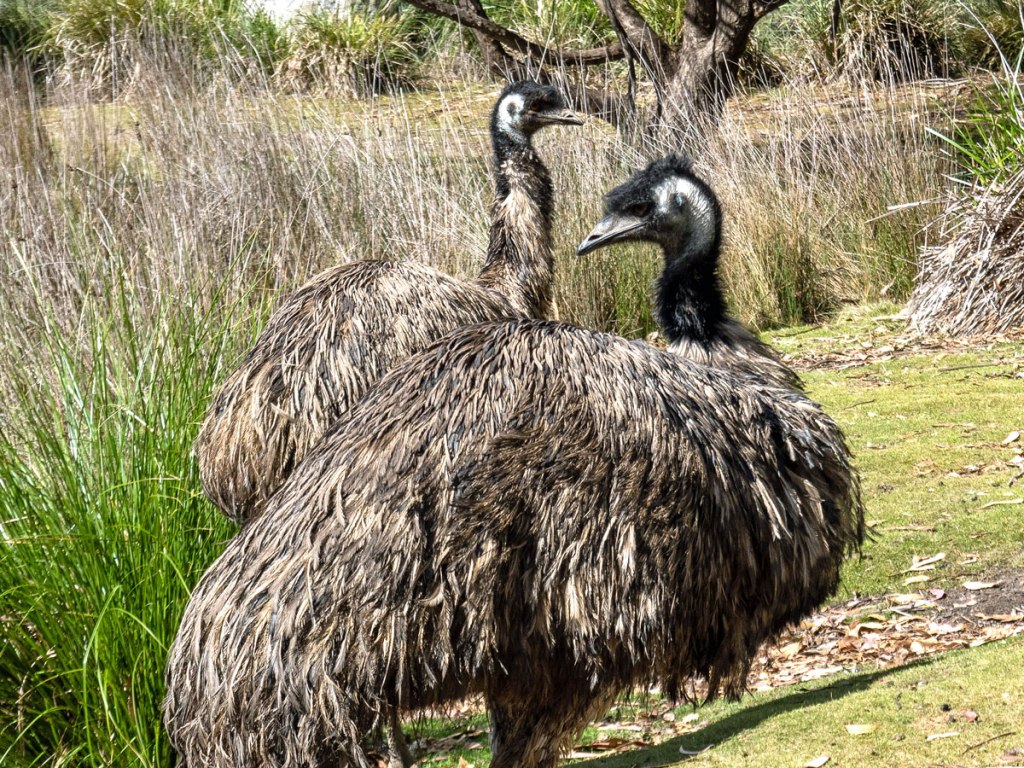


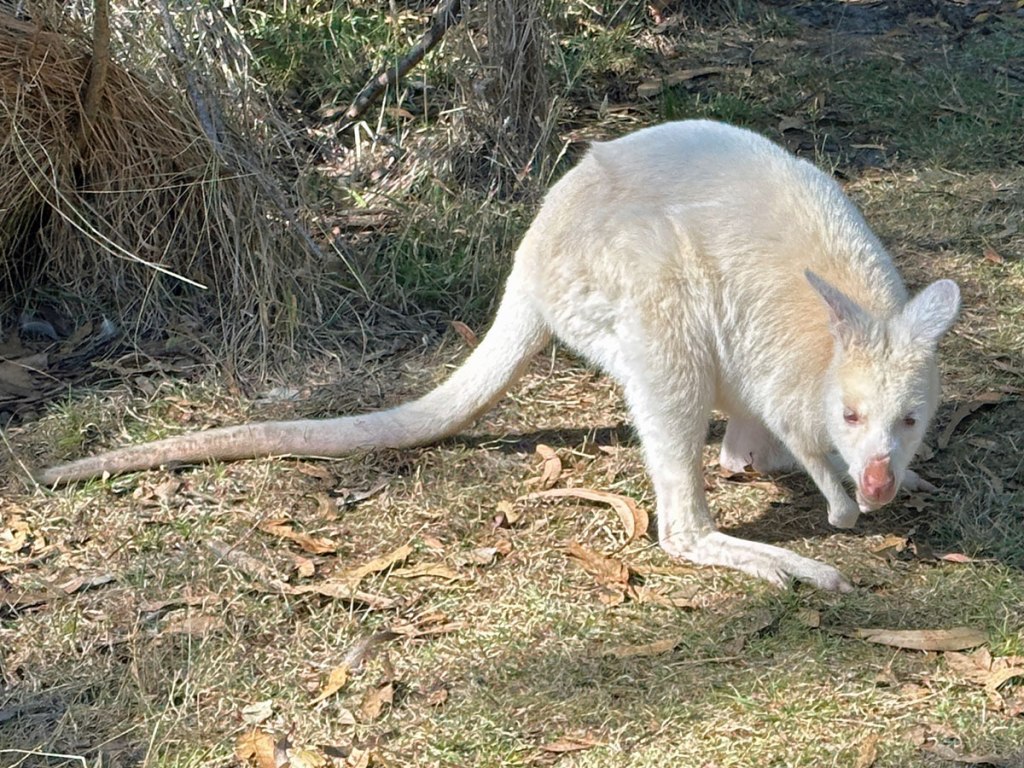
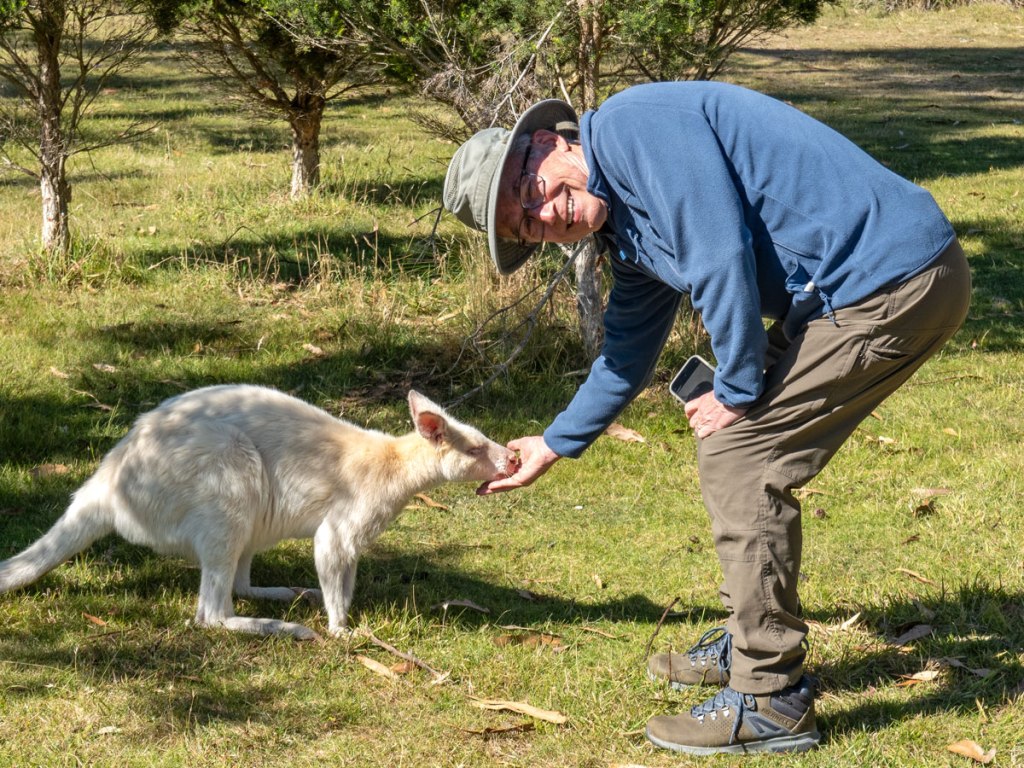
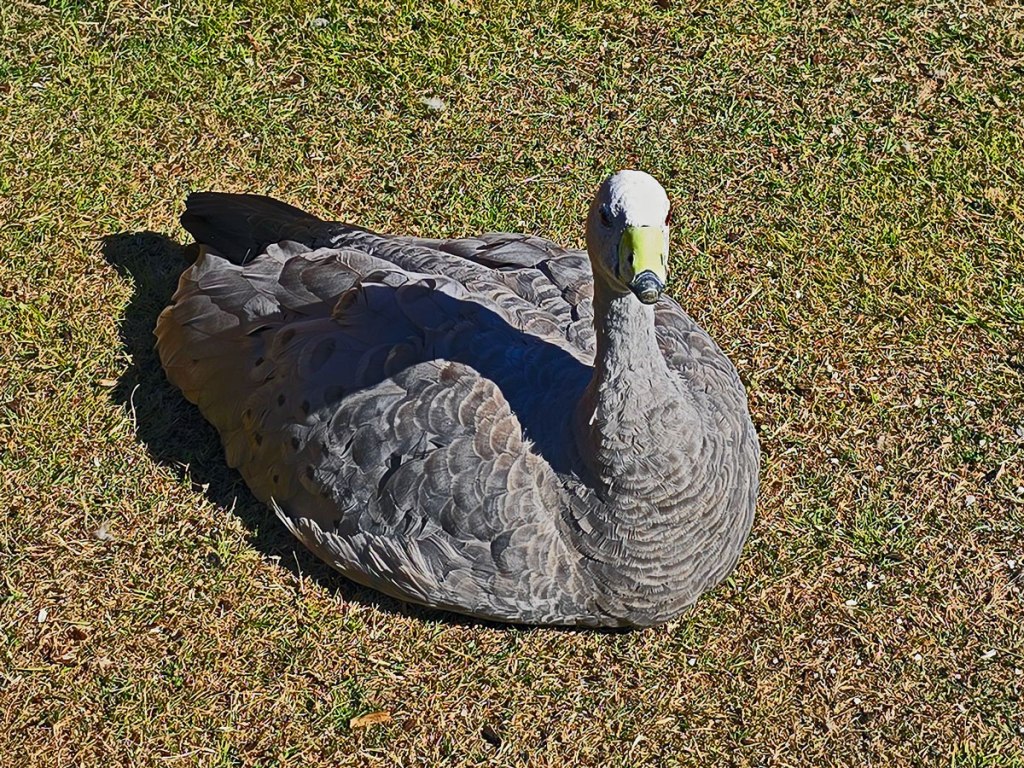
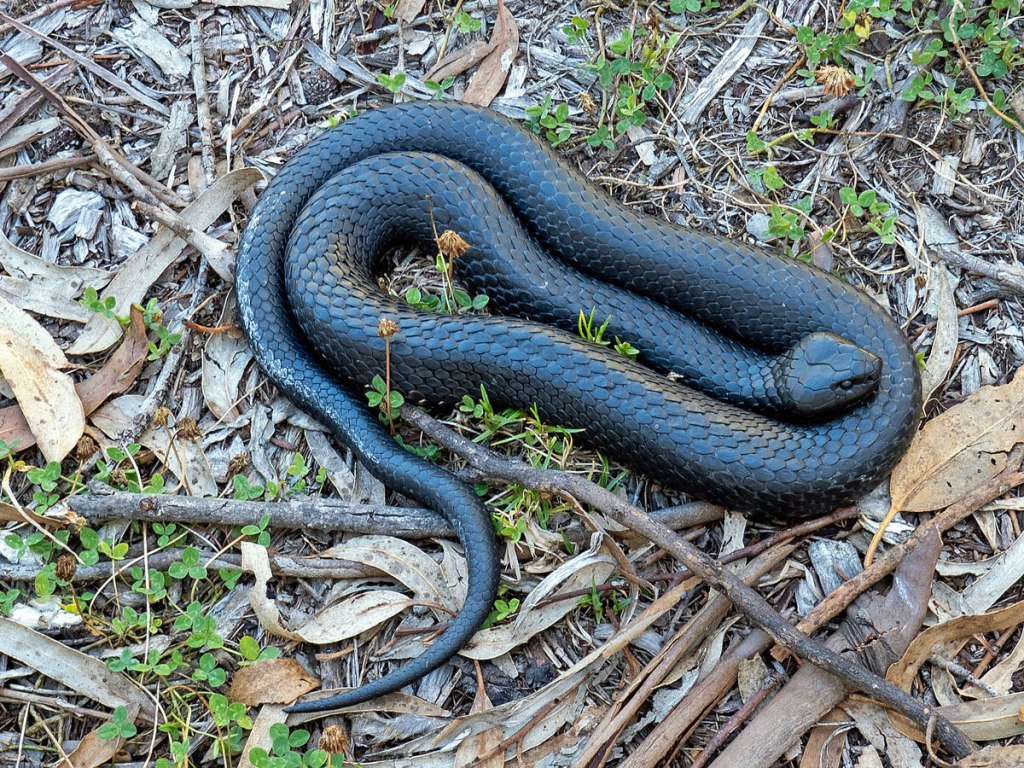
Other Highlights Day 3: A Blowhole, Fresh Oysters, An Automated Dairy Farm & Carved Tree Memorials
Our last visit to a blowhole was in 2023. It involved a precarious trek over unstable terrain and an hour of waiting for the advertised 100-foot plume of water that never materialized. That was at Nakalele Blowhole in Maui (Hawaii).
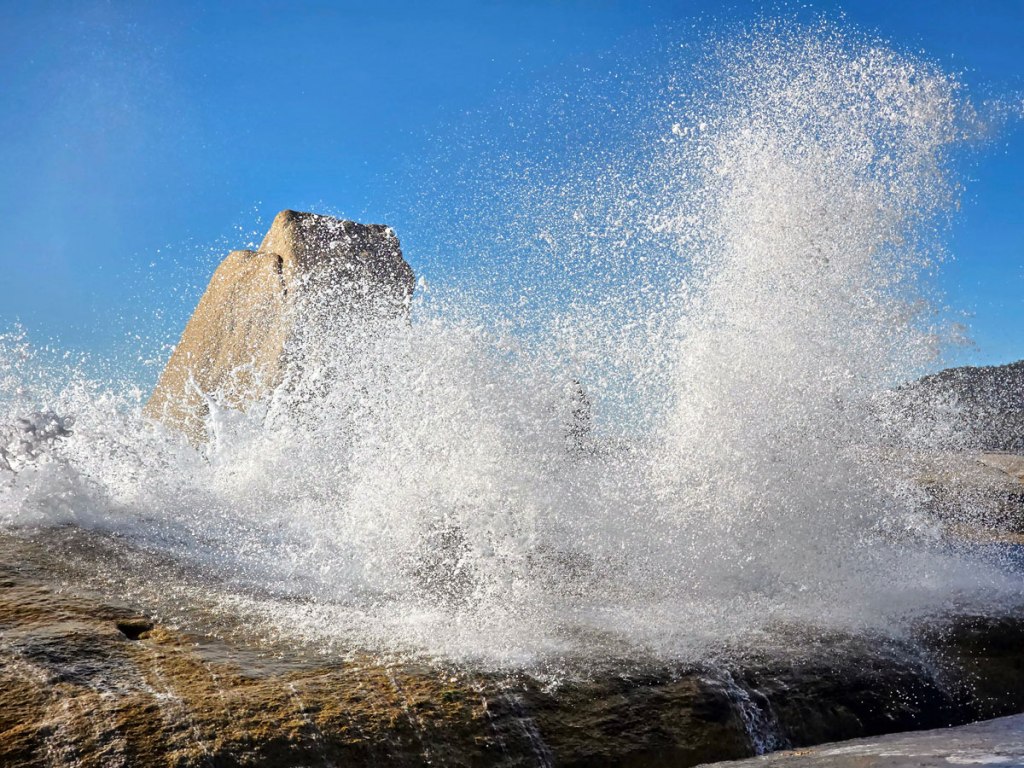
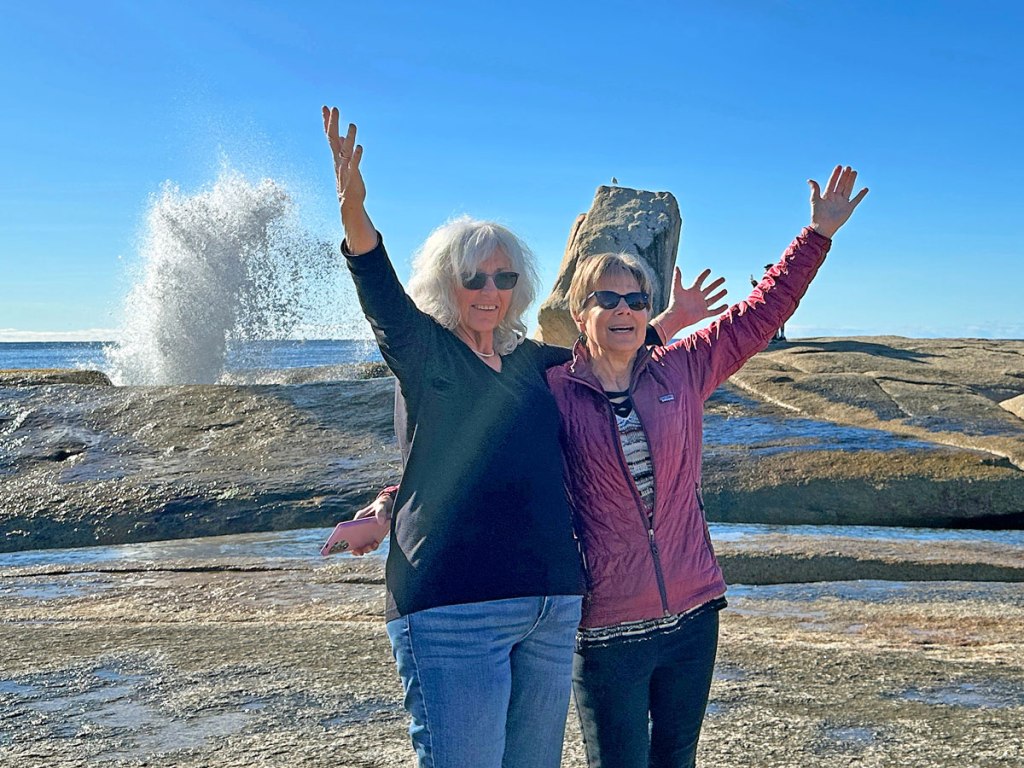
Thankfully, our early morning visit to Bicheno Blowhole in Tasmania was more successful. The blowhole sits atop a sea cave carved into the granite rock over millennia, and a big splash of water shot up as high as 60 feet about once per minute. With no barriers to keep people at a safe distance, I suspect there have been a few unfortunate incidents over the years.

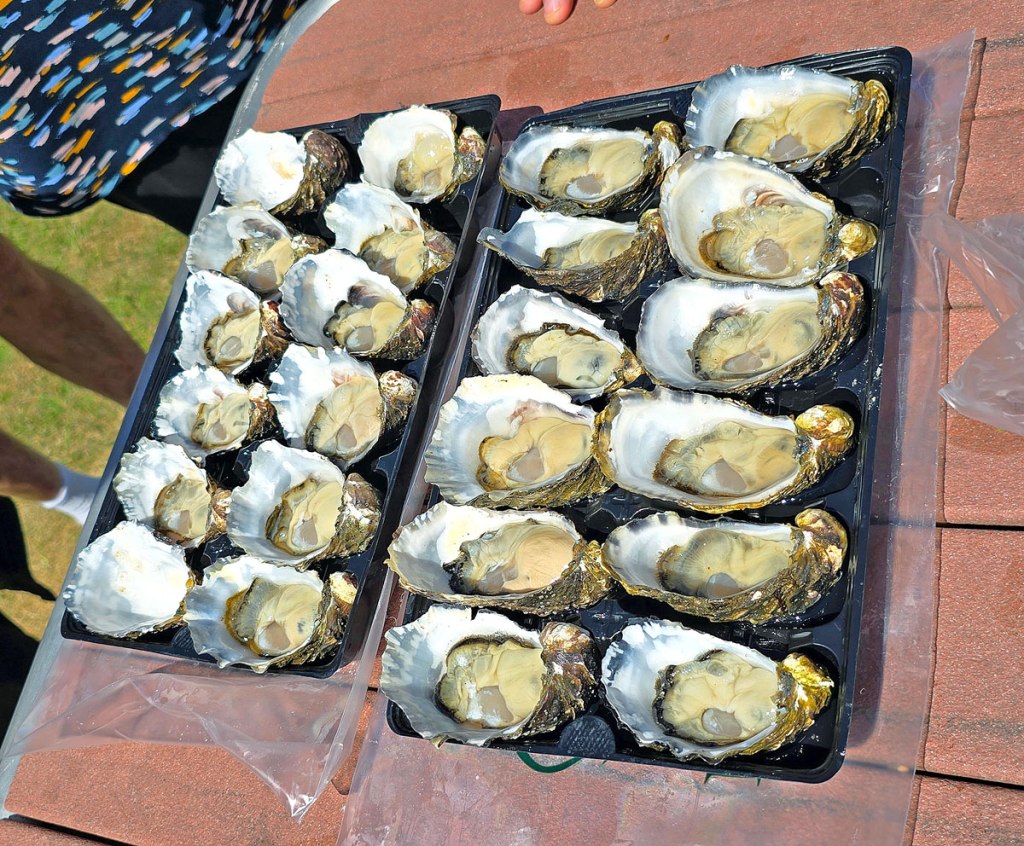
After lunch, Michael (guide) picked up fresh oysters at Lease 65 for dessert(?). Raw, of course, and so fresh they were still swimming in salt water. It was a sight to behold, but Bill and I were both finished after one bite. Others in our group with a more sophisticated (or perhaps seasoned) palate had a getter gustatory experience, and the oysters quickly disappeared.
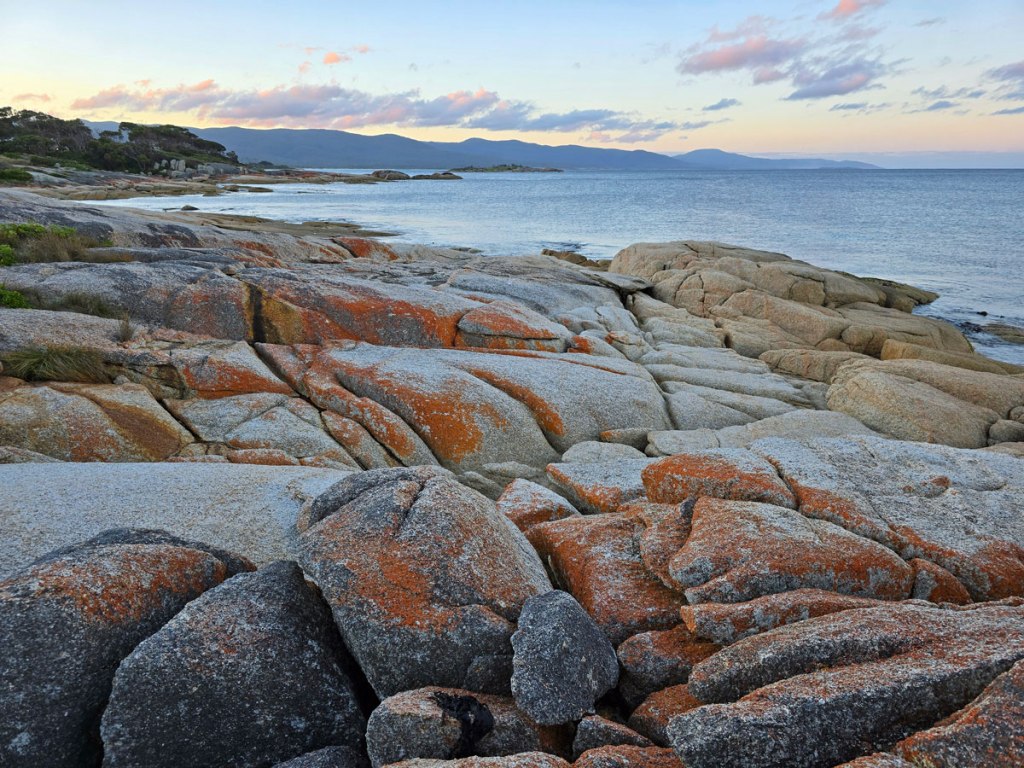
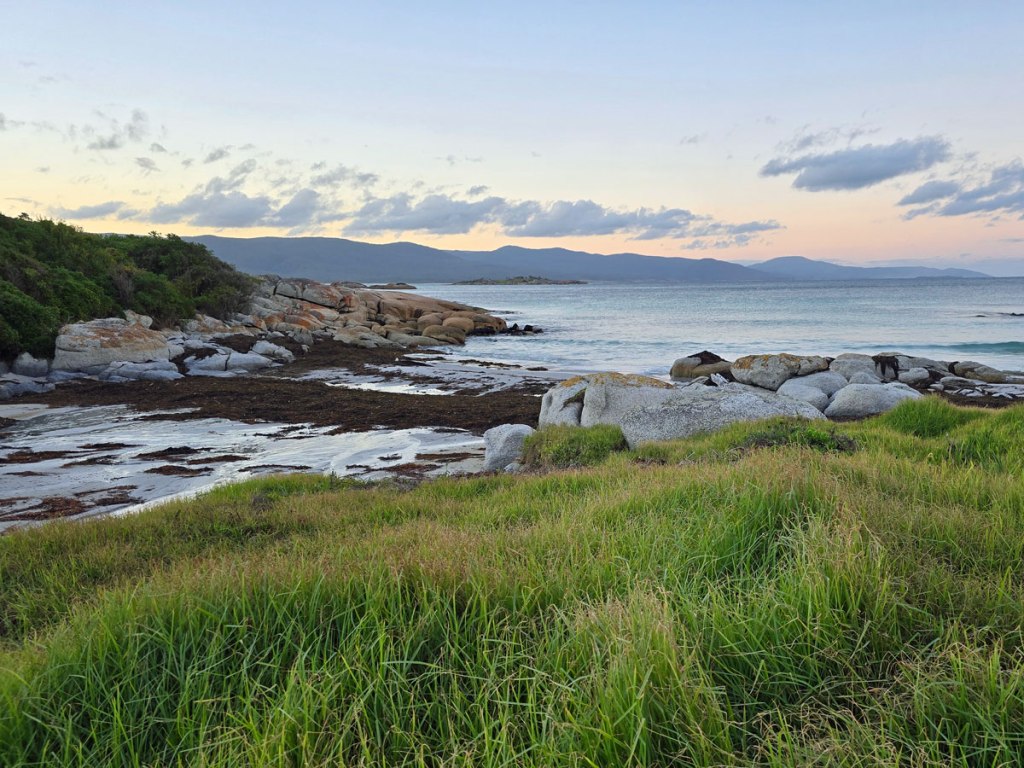
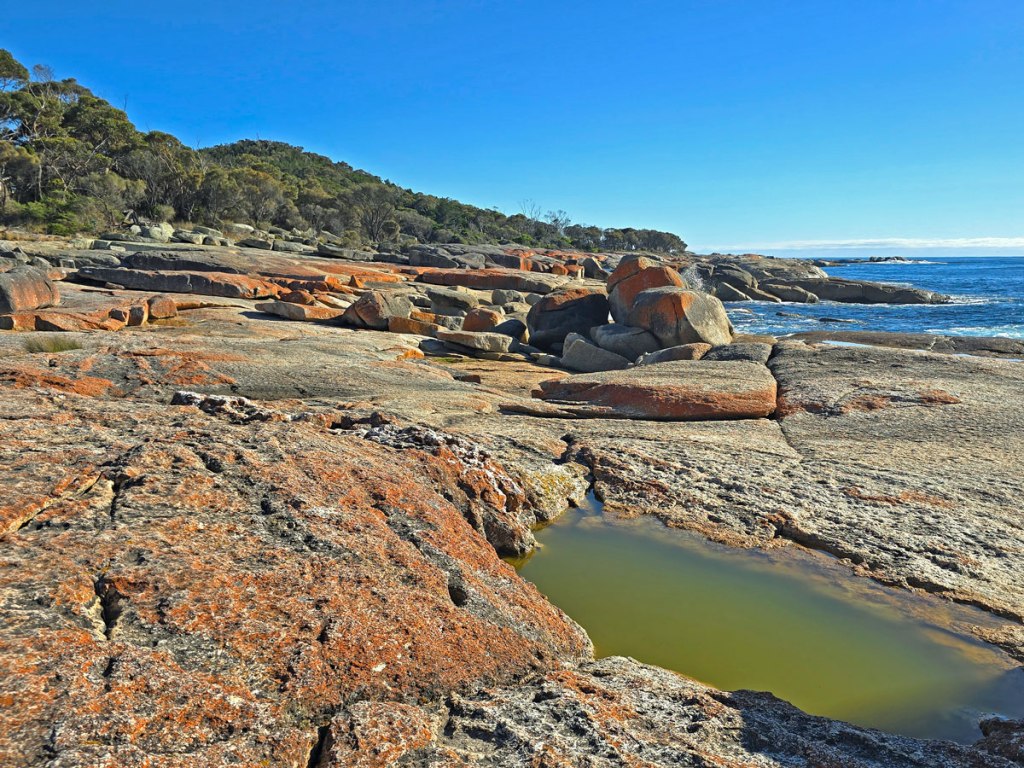
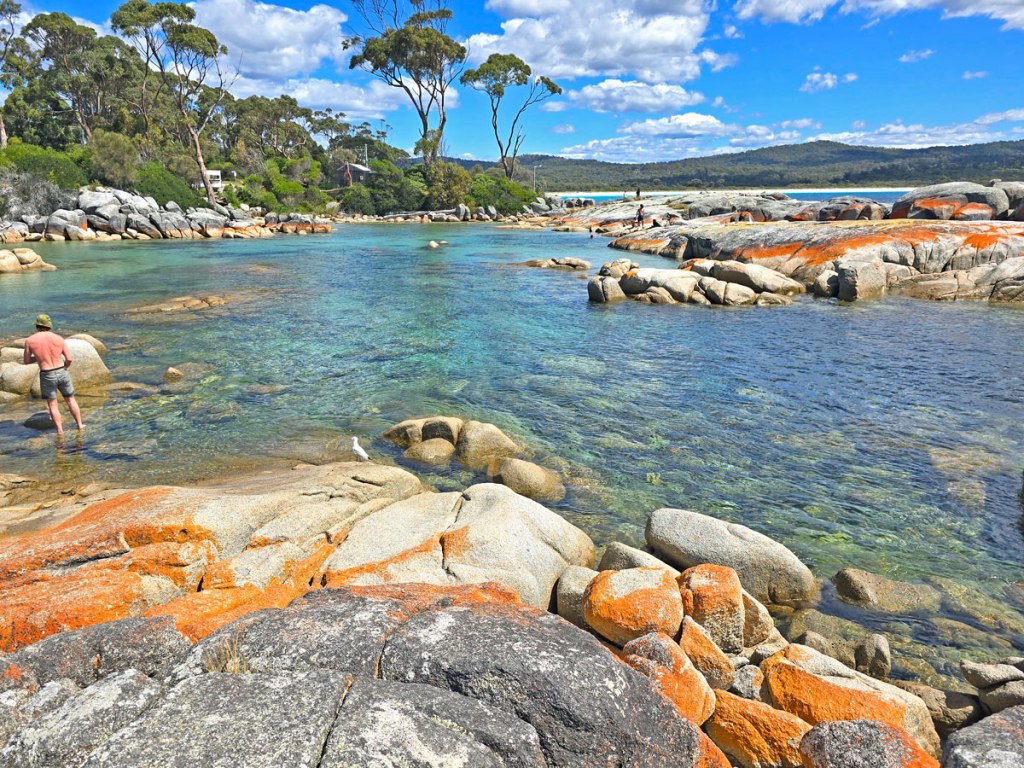
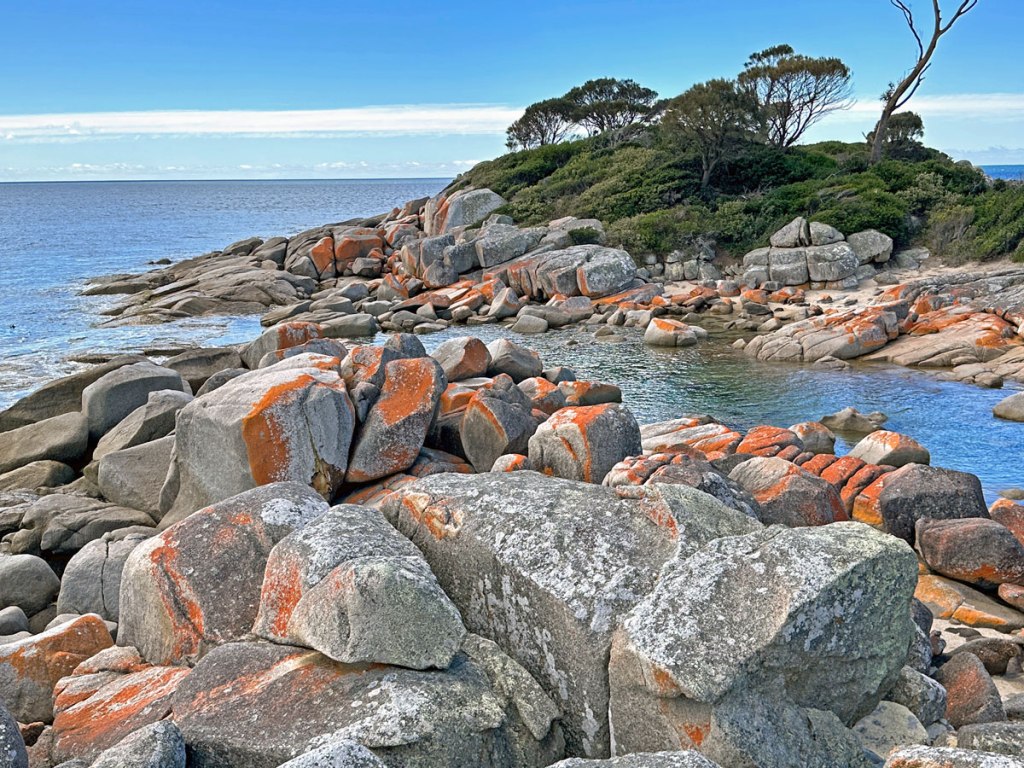
The silver lining was that our stopping point for tasting those delightful little bivalves was the gorgeous Bay of Fires on Tasmania’s northeast coast. It was a “wow” sight, and perfect weather was a bonus.
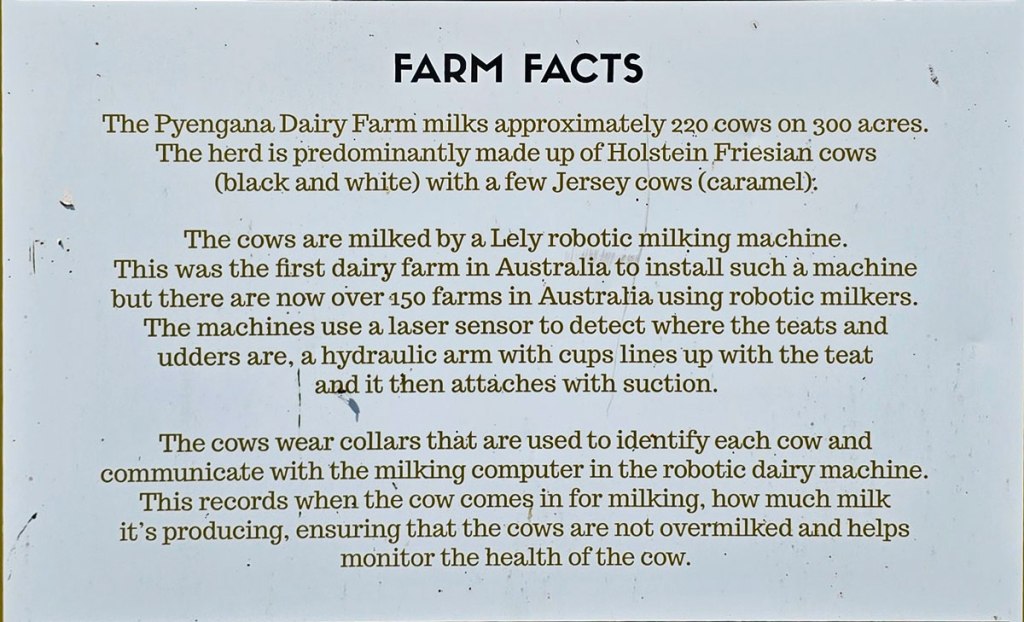
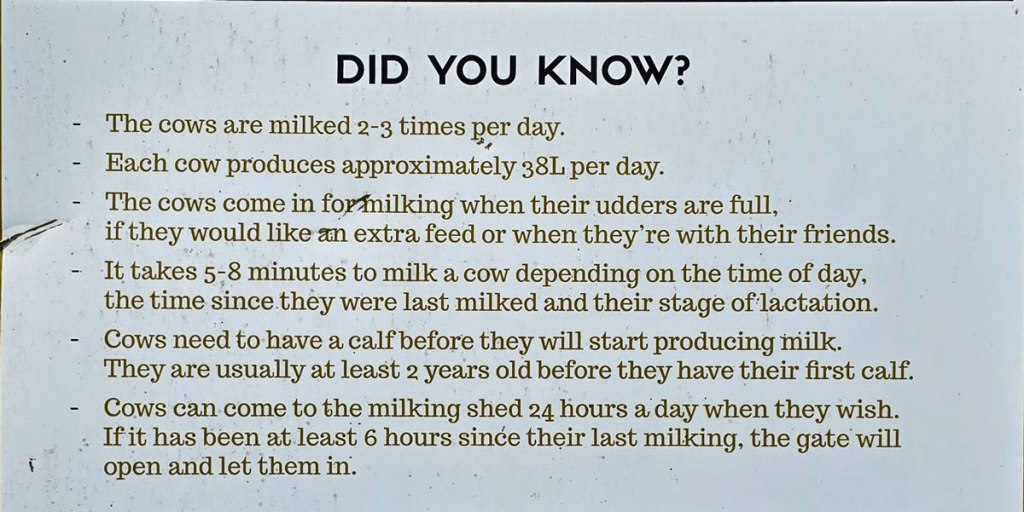
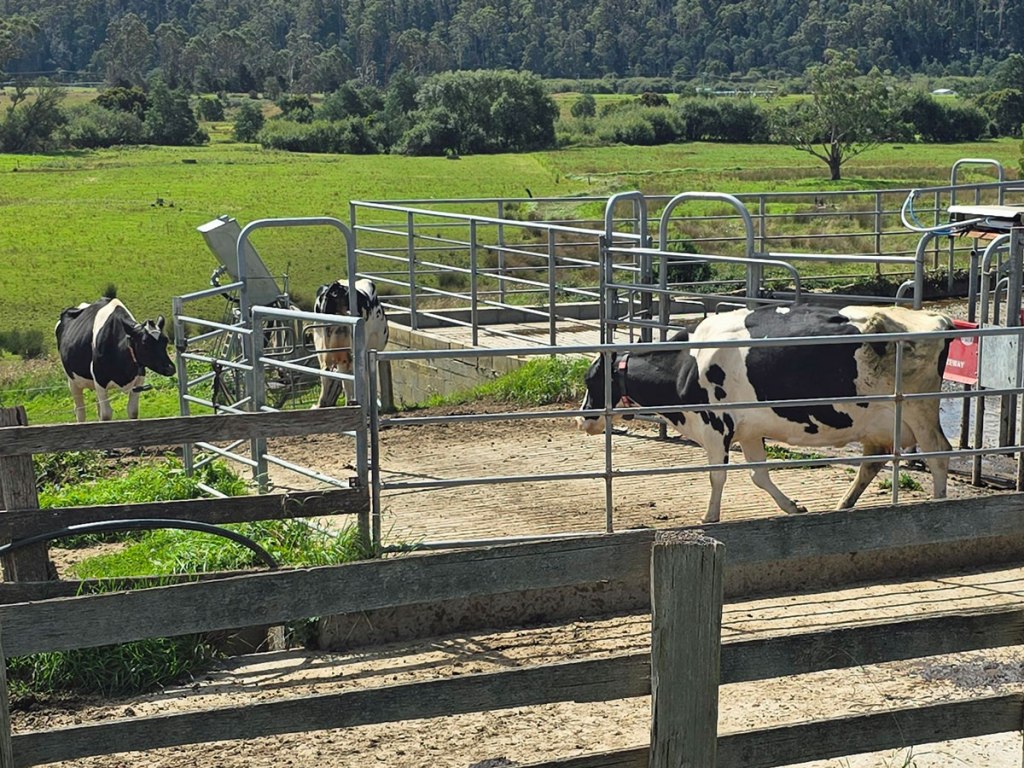
As we headed inland, the first stop was at Pyengana Dairy Farm, where “the cows milk themselves.” We’re obviously out of the loop on dairy farming technology, because it’s not a new thing. There are approximately 150 farms In Australia that operate with automated dairy systems. (They are common in the U.S. as well.)
The first order of business was to buy a cup of the dairy’s luscious ice cream, then learn about automated dairy farming by wandering around the grounds. Placards explained how it works without going overboard on the details. An impressive display of technology, but do the cows miss having more interaction with humans? Or vice versa?
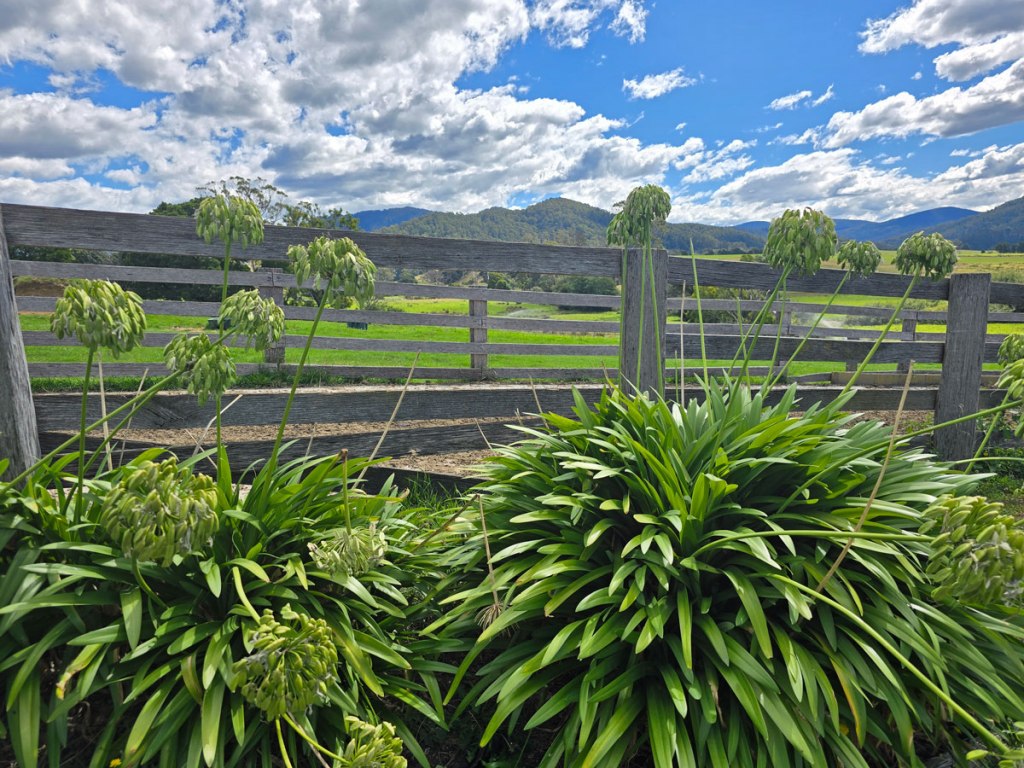
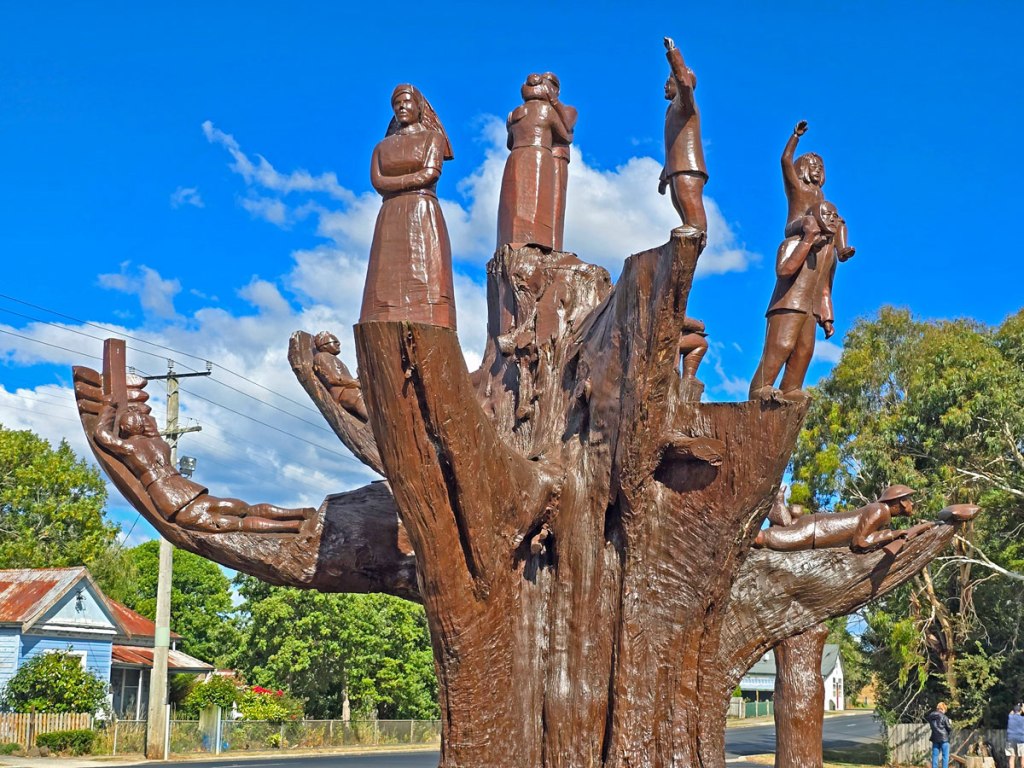
Our afternoon tea spot and final stop of the day was a special park in the tiny town of Legerwood (population ~200). In 1918, the village planted nine trees, one for each of the seven local men who lost their lives in World War I, plus two trees recognizing the significance of ANZAC and Gallipoli in Australian history.
Fast forward 100 years. The trees were thriving but also interfering with utilities and street maintenance, so they needed to come down. And they did. Town officials then hired Eddie Freeman, Tasmanian chain saw artist, to create sculptures from the large stumps, and the result is breathtaking.
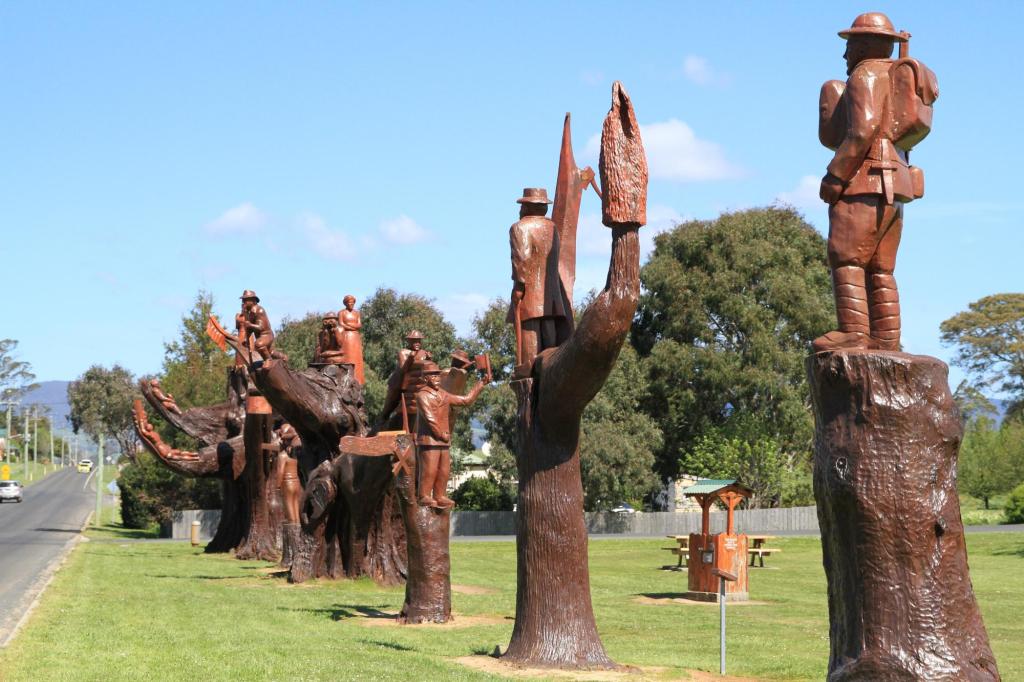
And moving. Each tree represents the life and legacy of the young man for whom it had been planted back in 1918. Truly a highlight in a long day that was filled with many special places and memories.
I hope you have enjoyed this trip around Tasmania so far. There’s more to come!
If you would like to be notified when future articles are published, please enter your e-mail address and hit the “Subscribe” button below. No ads, no spam, just a simple message. Thank you!
Discover more from Just Passing Through
Subscribe to get the latest posts sent to your email.


 Just Passing Through
sùper what a writer you are Carol
Thnx4sharing
gr Marijke
LikeLike
Thank you! I always appreciate that you take time to take a look at my posts!
LikeLike
I really enjoyed this trip around Tasmania, Carol! Informative, beautiful, and fun. 🙂 As always – what a joy to travel with you and Bill. xo
LikeLike
Hi Mary – thanks for the nice feedback, and many thanks for taking a look. More to come!
LikeLike