The natural world invigorates the senses and feeds the soul (as long as it’s not too hot, cold, wet or windy), but human creations can instill wonder as well. There’s much to share in both categories from the second half of our small group tour around the island, from Launceston traveling counter-clockwise back to Hobart.
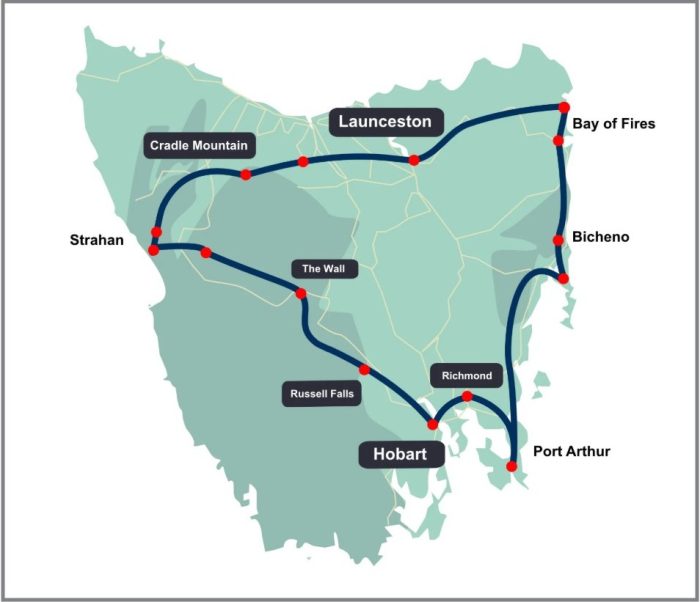
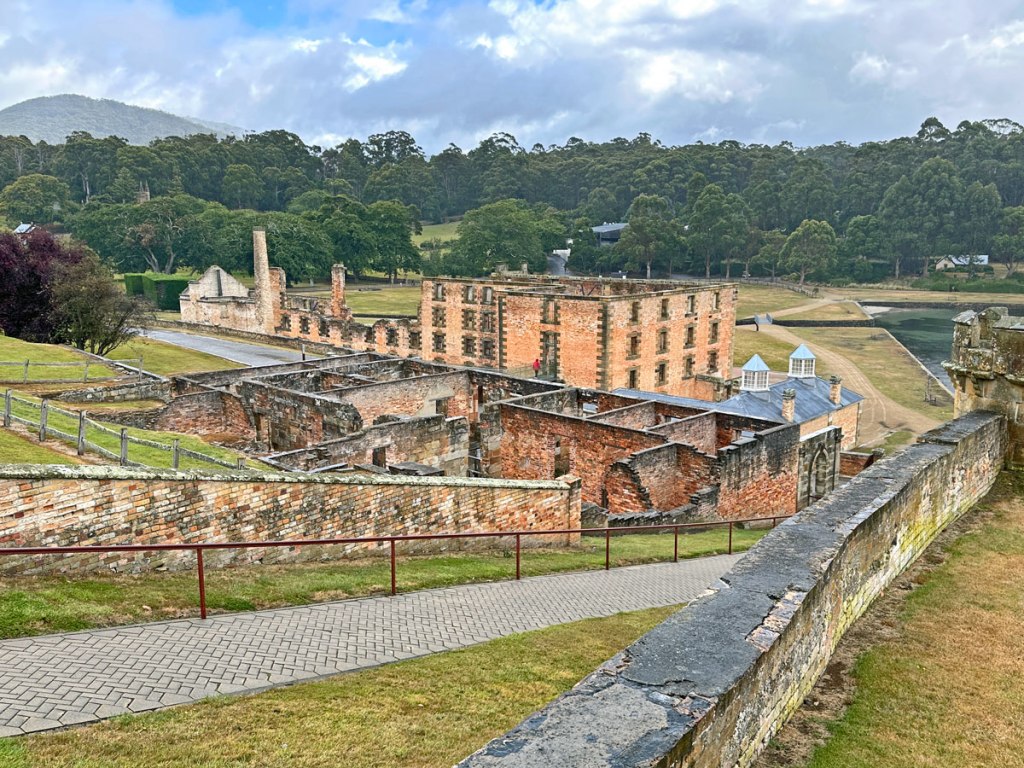
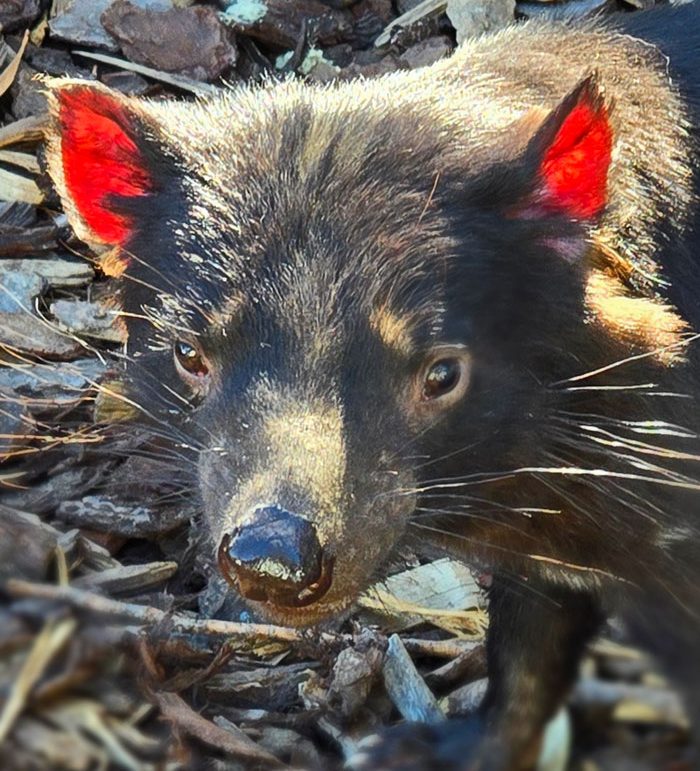
Our tour was six days total – not nearly enough time to declare that we’ve “done Tasmania,” but Michael (our tour guide) showed us the best of the best. (If you missed the article about the first half of our group excursion, you can catch up here – Port Arthur convict site, Tasmanian devils, and more.)
The second half of the tour was just as busy and diverse as the first three days. Admittedly, the early morning start times were painful but tolerable after a shot of caffeine, and the sight-seeing rewards were worth it. For us, the four biggest attractions were Marakoopa Cave, the Sheffield Murals, Cradle Mountain National Park and the Wall in the Wilderness.
Day 4 – Underground Wonders & A Town With 160 Murals
Marakoopa Cave, one of more than 300 caves in Mole Creek Karst National Park, is a popular tourist attraction. Like other wet limestone caverns we’ve seen, the formations were fantastic and diverse.

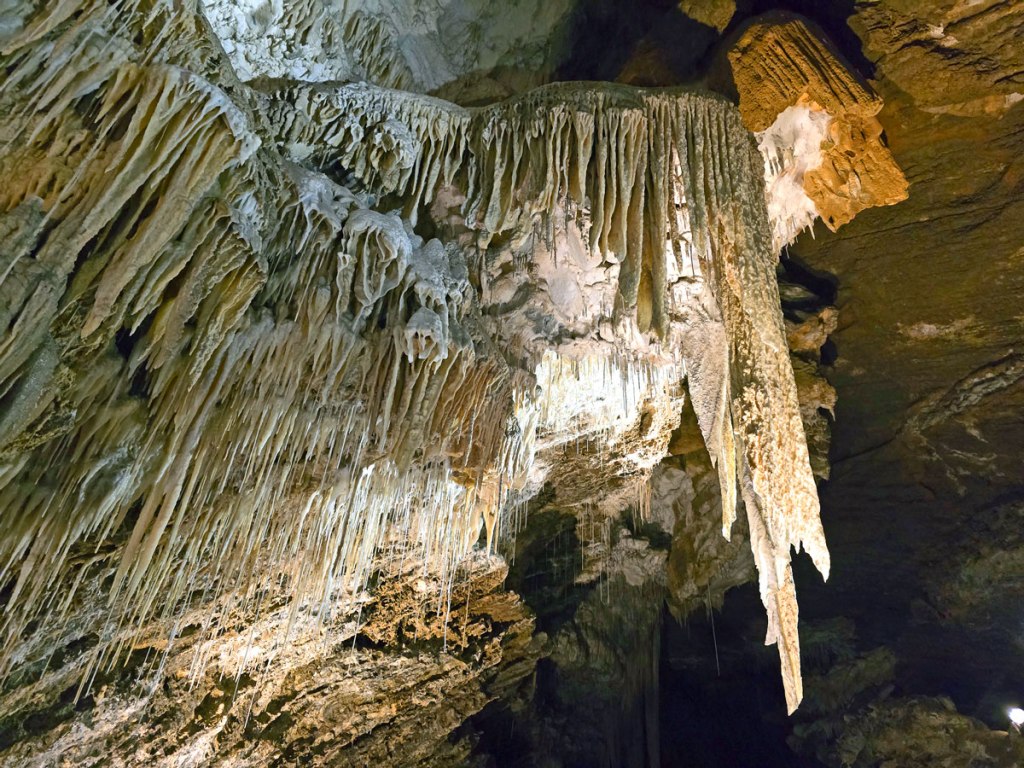
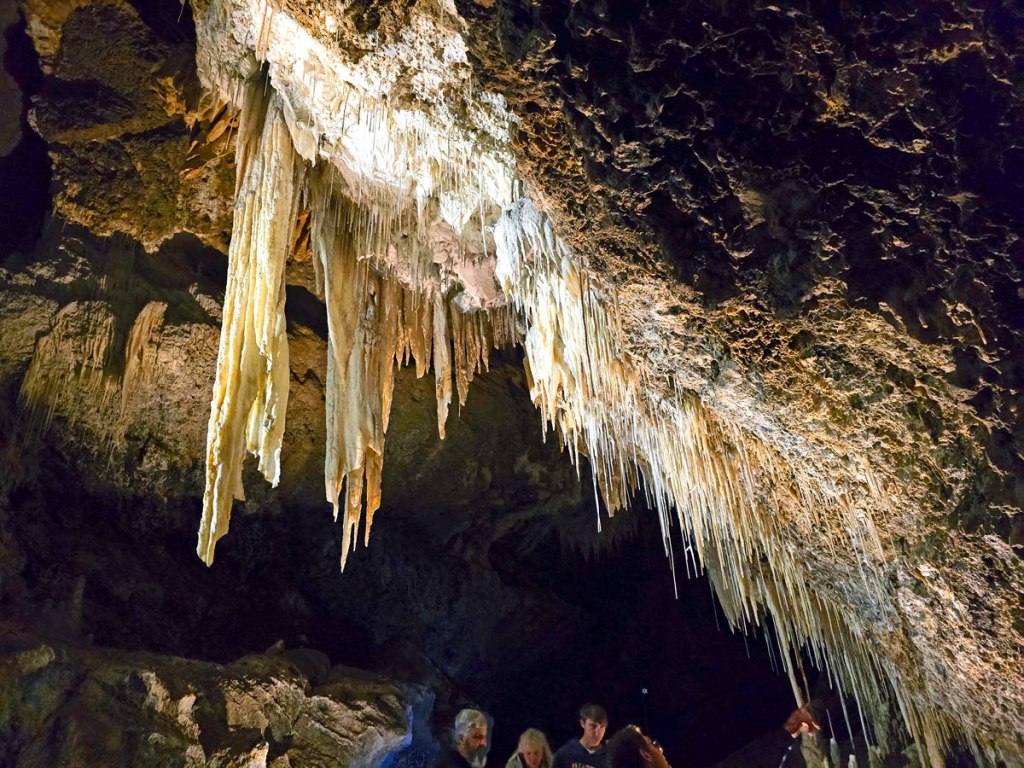
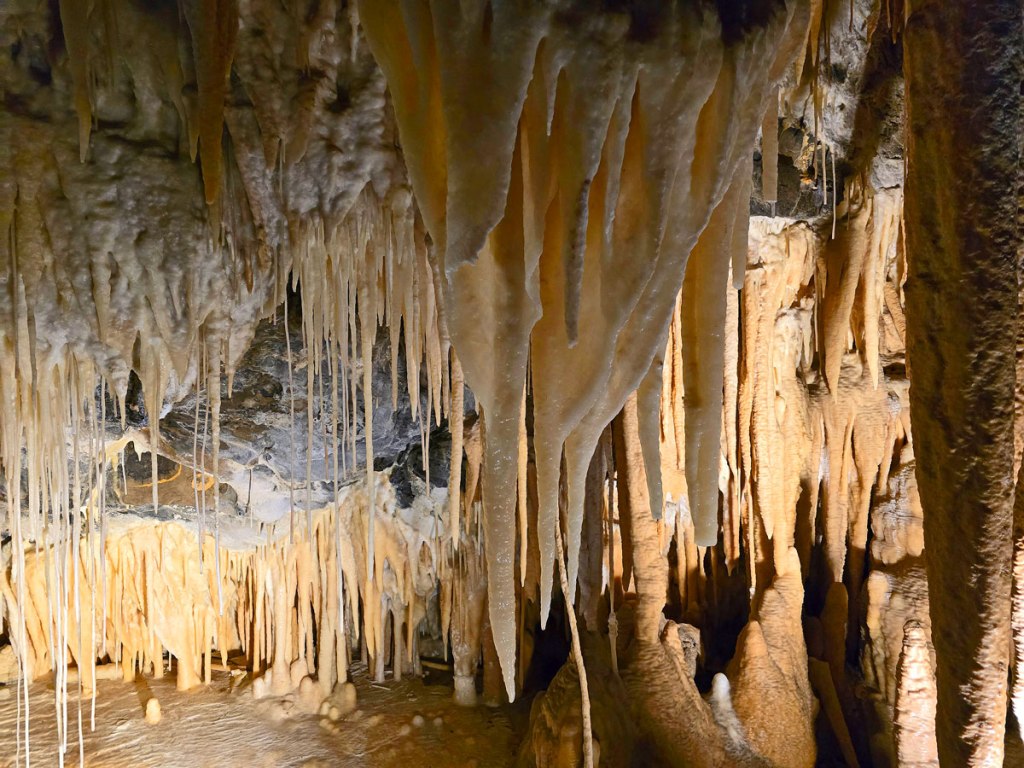
Unlike most caves, however, Marakoopa had glow worms.

“Glow worm” is an umbrella term for various types of bioluminescent insect larvae. These Arachnocampa tasmaniensis worms attach to the ceiling of the cave and grow to about 3 centimeters in length. Each larva spins a silk nest, with as many as 70 threads up to 40 cm long that dangle from the nest and trap prey. After 6-12 months, the larvae advance to the pupa stage for a couple of weeks, then the short-lived adults emerge, reproduce and die. Seems like a complicated way to perpetuate a species, but the glow worms were an amazing sight for us humans.
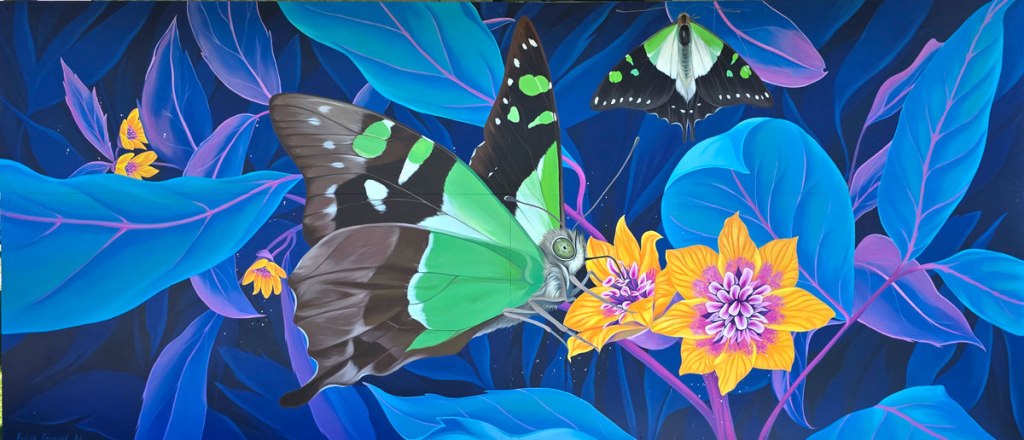
Back at ground level, we stopped for afternoon tea at Mural Park in tiny Sheffield (population 1,600) on Tasmania’s northern side. The town hosts an International Mural Fest competition each year, in which nine gifted artists (invitation only) spend five days on-site, each creating a 16′ x 9′ mural depicting local culture. These are just a few of the 160+ murals around town. (The first two in the gallery below were partially shaded, thus the horizontal line.)
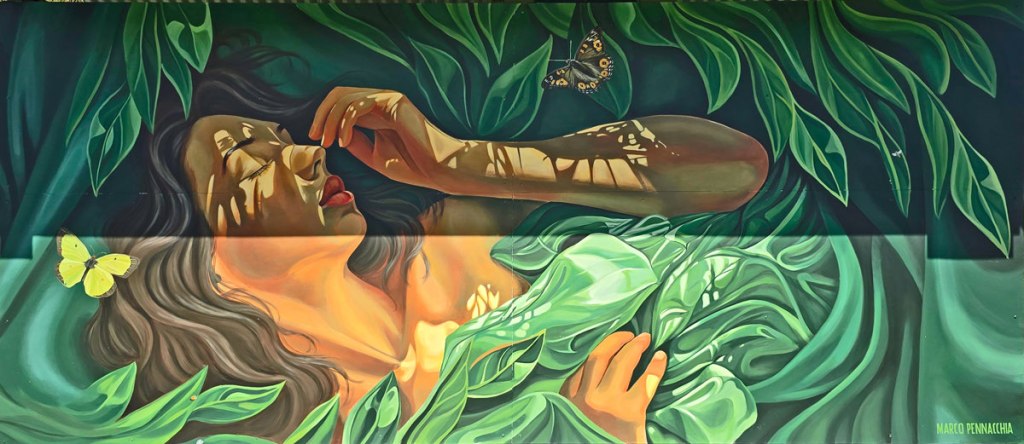


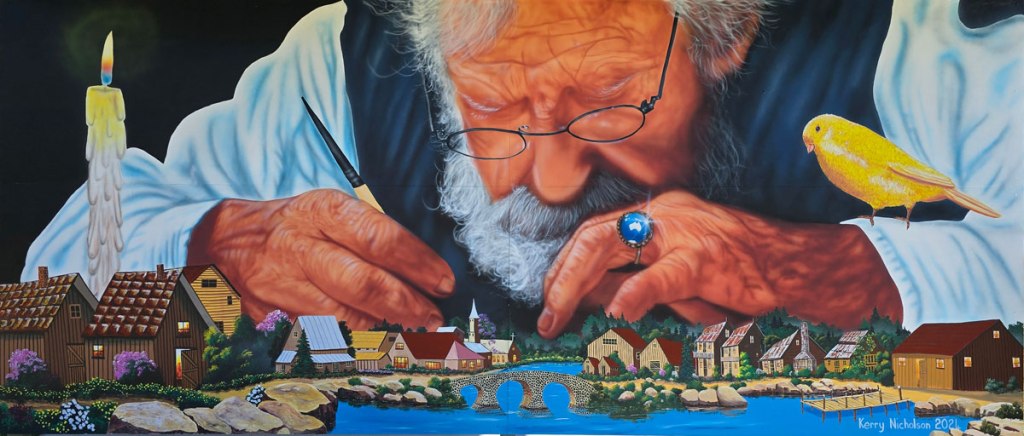


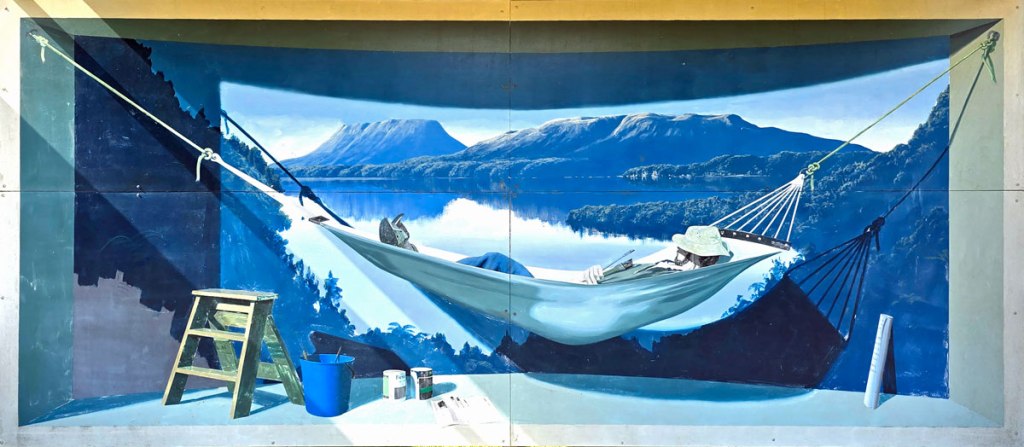

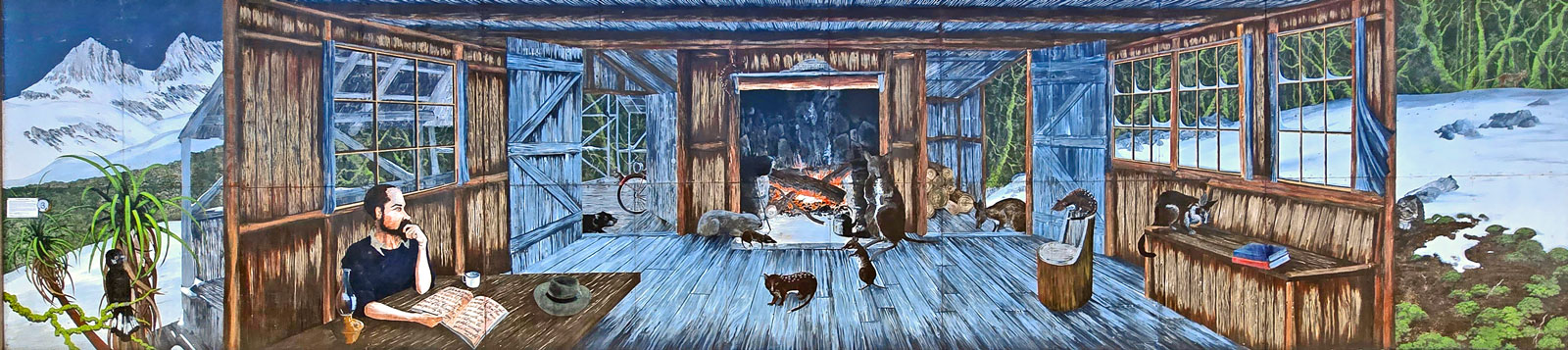
The very first mural in Sheffield dates back to 1986. Painted by John Lendis and titled, “Stillness and Warmth,” it featured Gustav Weindorfer relaxing at his cabin in the nearby mountains around 1900. He and his wife, Kate, successfully advocated for the preservation of the pristine Cradle Mountain area, which was set aside first as a nature reserve, then as a national park. The mural is ~52 feet wide and 13 feet high. We visited Cradle Mountain on day 5.
Also on Day 4 – Hiking in the Morning & Sampling Ice Cream in the Afternoon
Our morning began with a stroll through Cataract Gorge Reserve, located just a few minutes from our overnight lodging in Launceston, Tasmania’s second largest city.
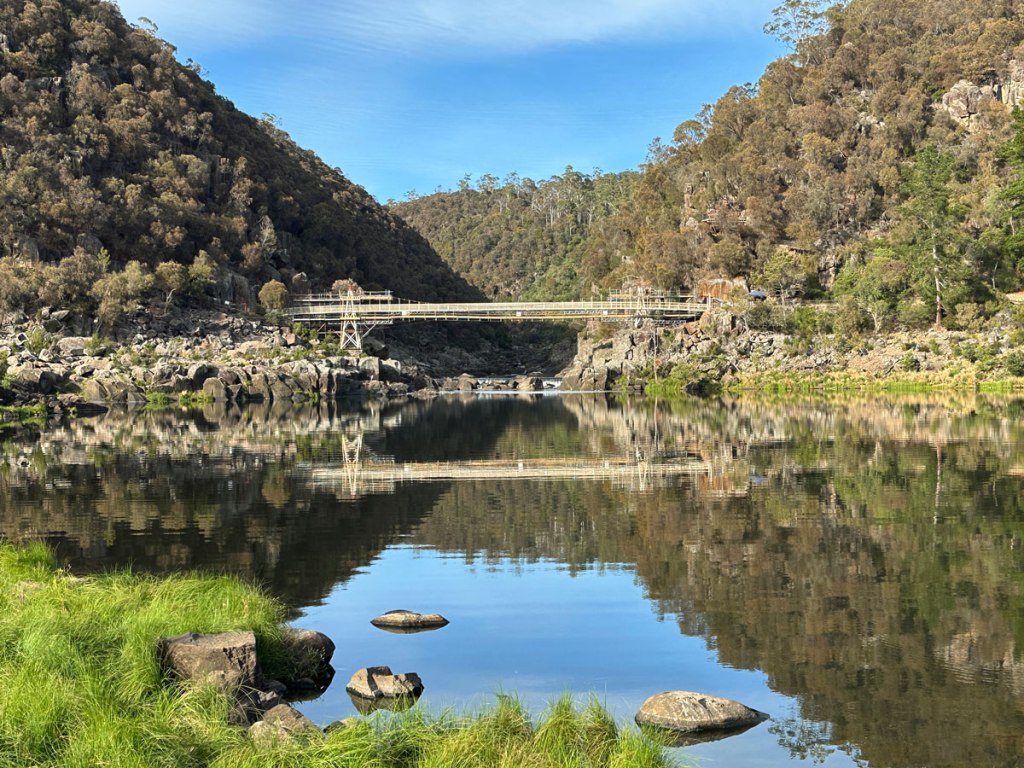
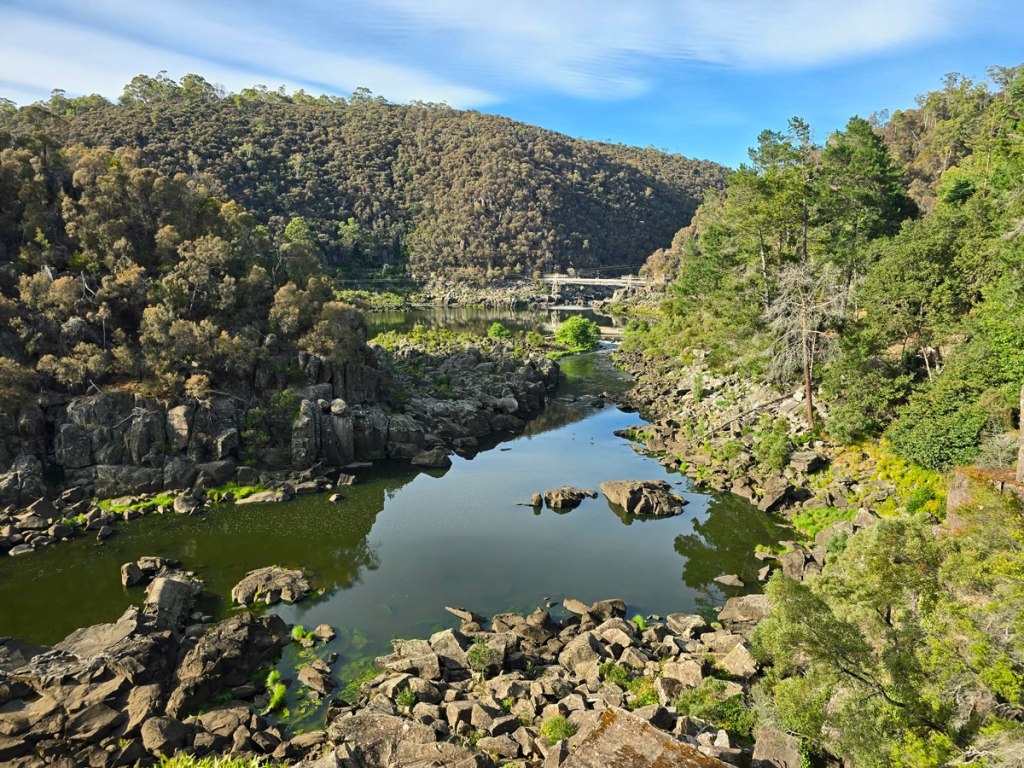
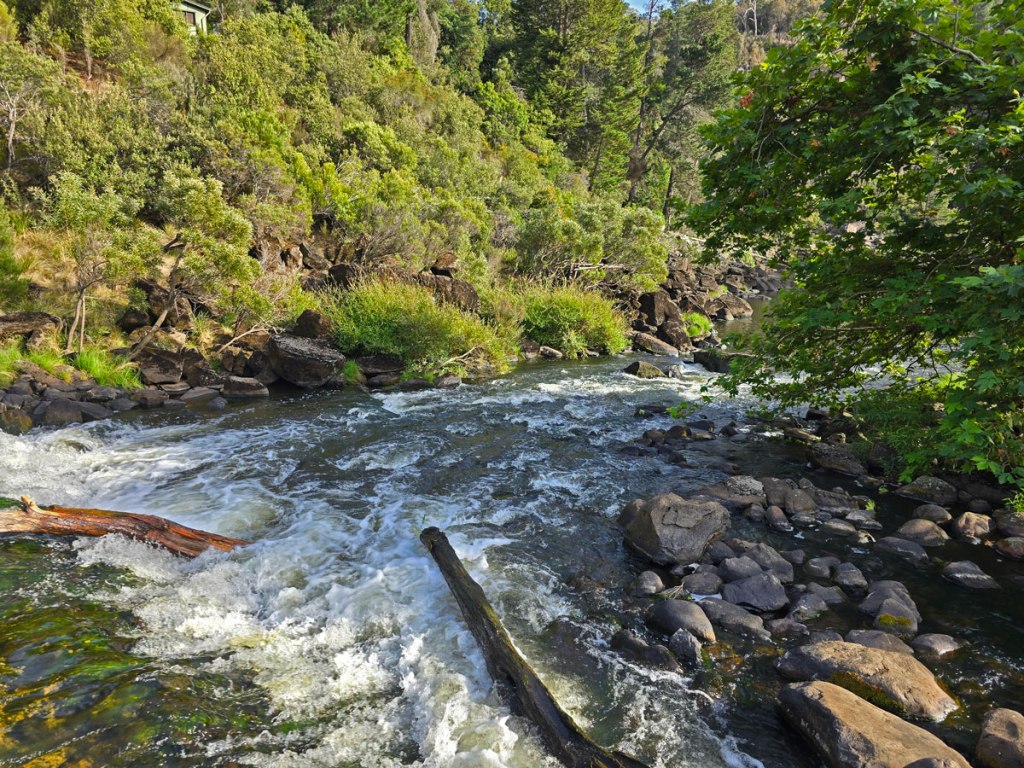
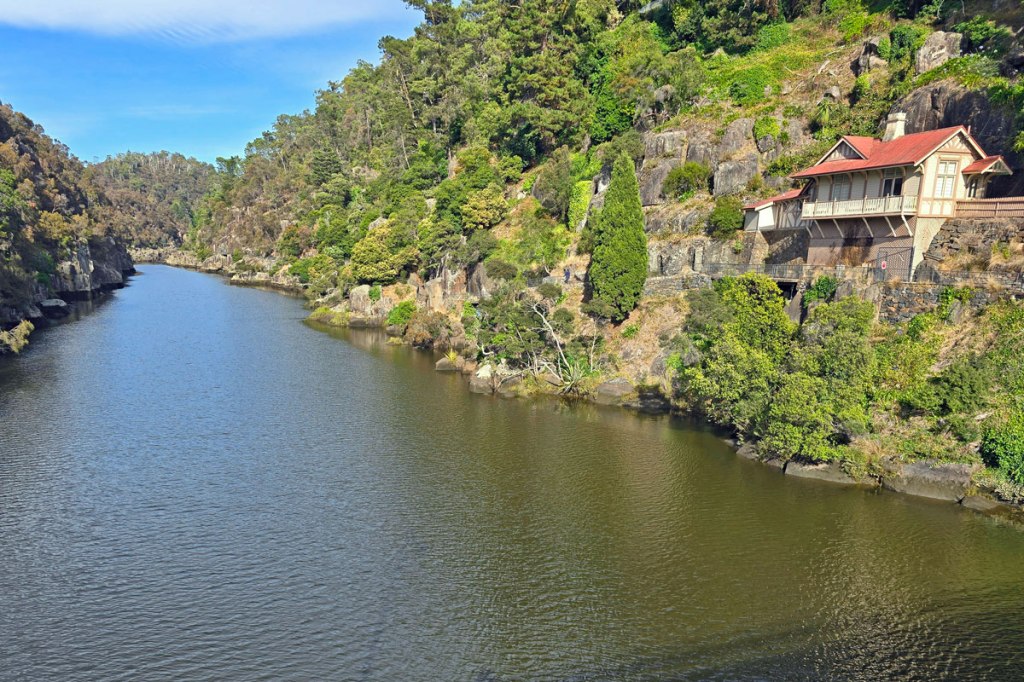

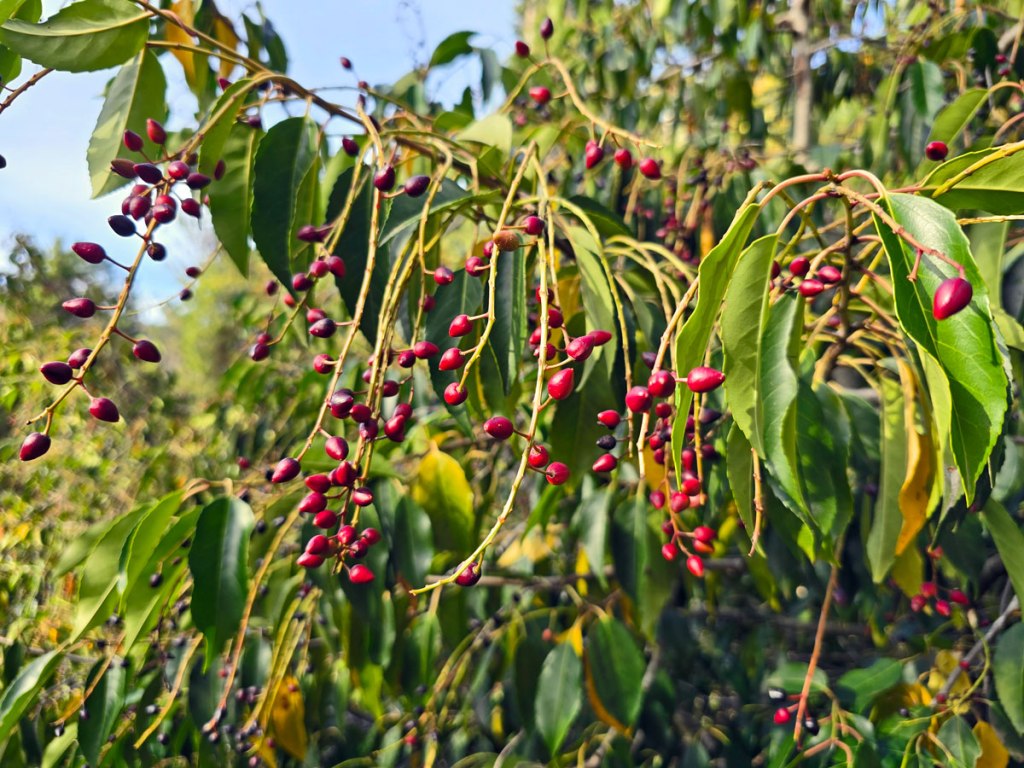


Not spectacular, but a pleasant and relaxing start to the day. Then back to Launceston for a quick look at the sights.
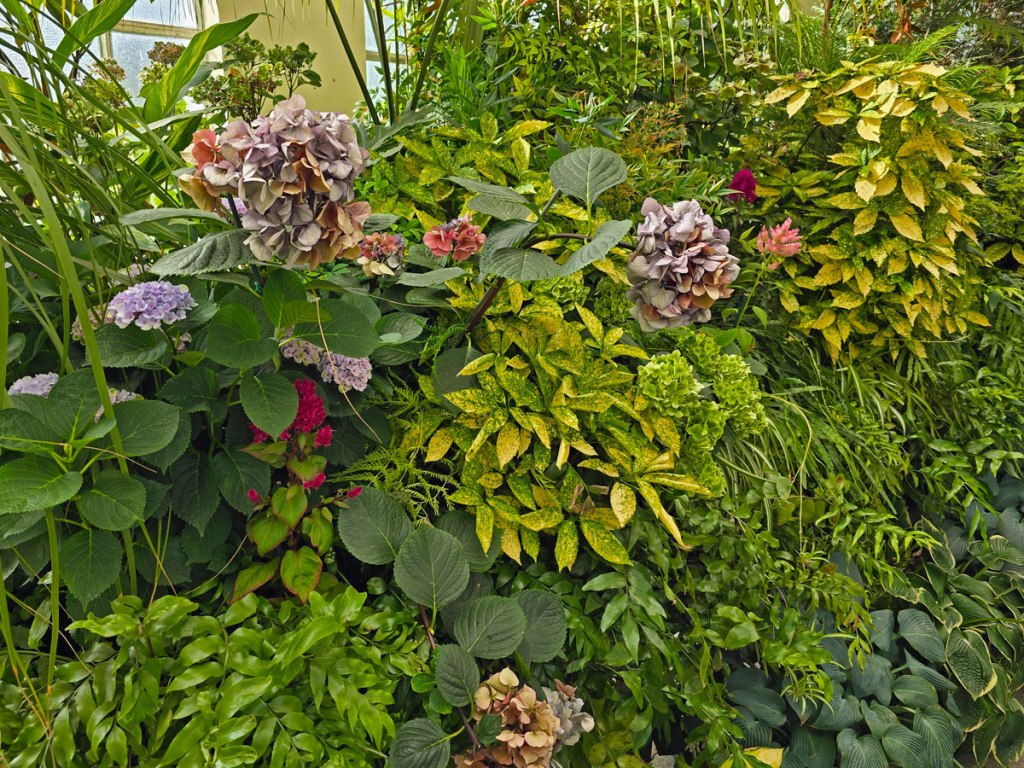
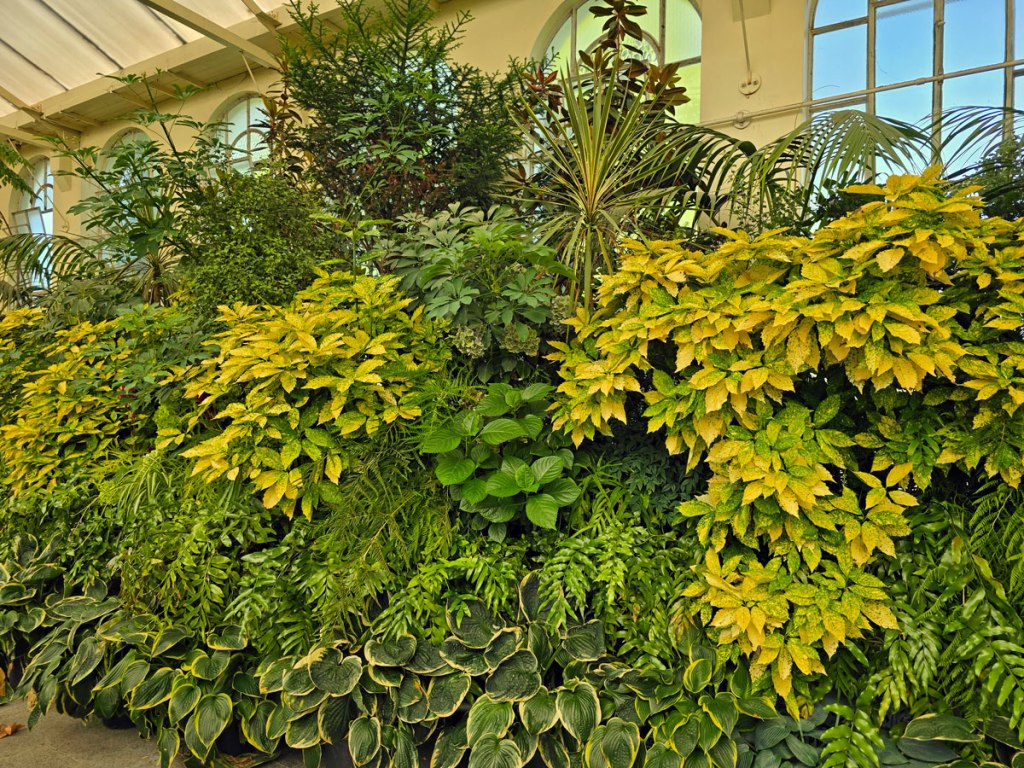
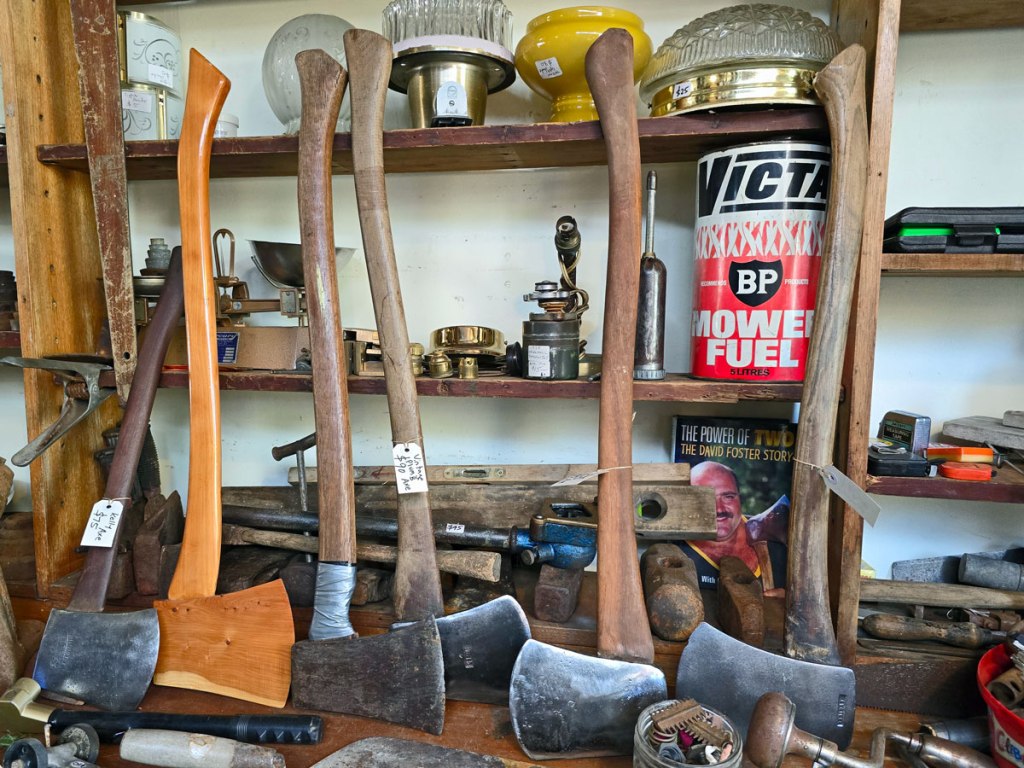
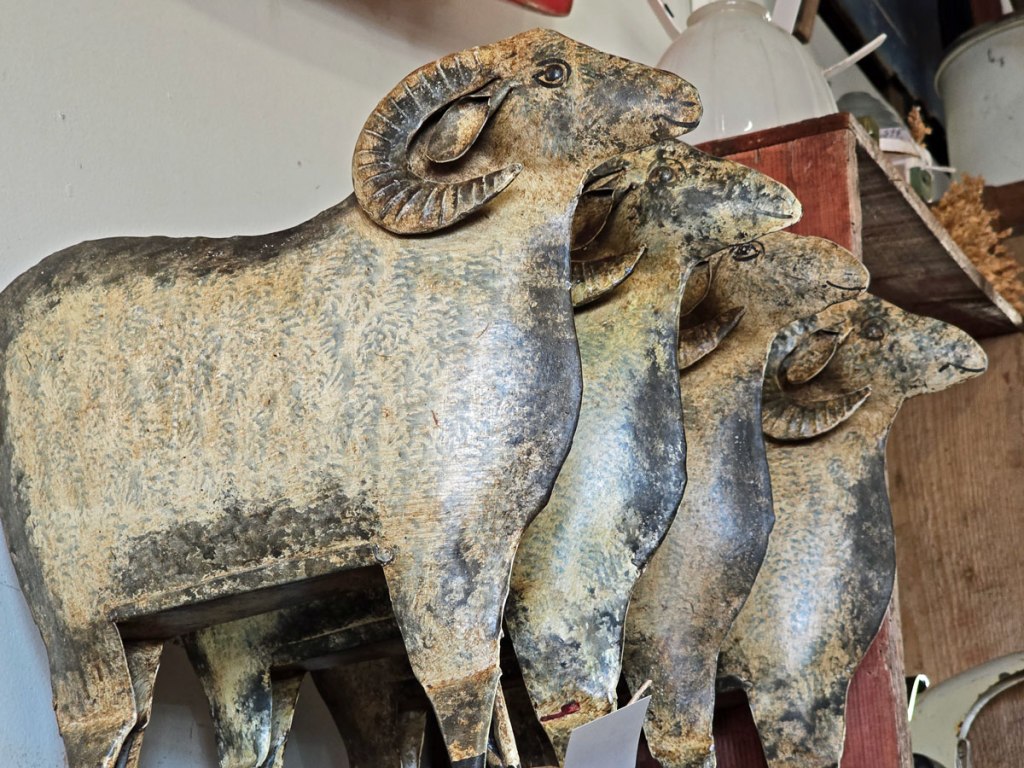
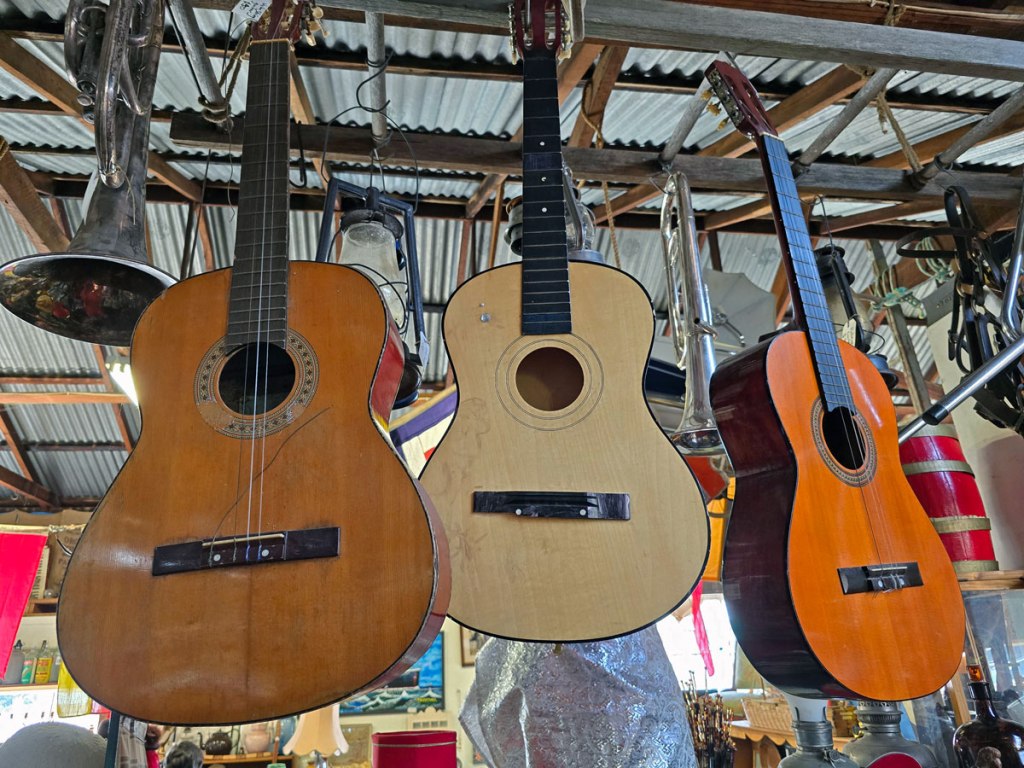
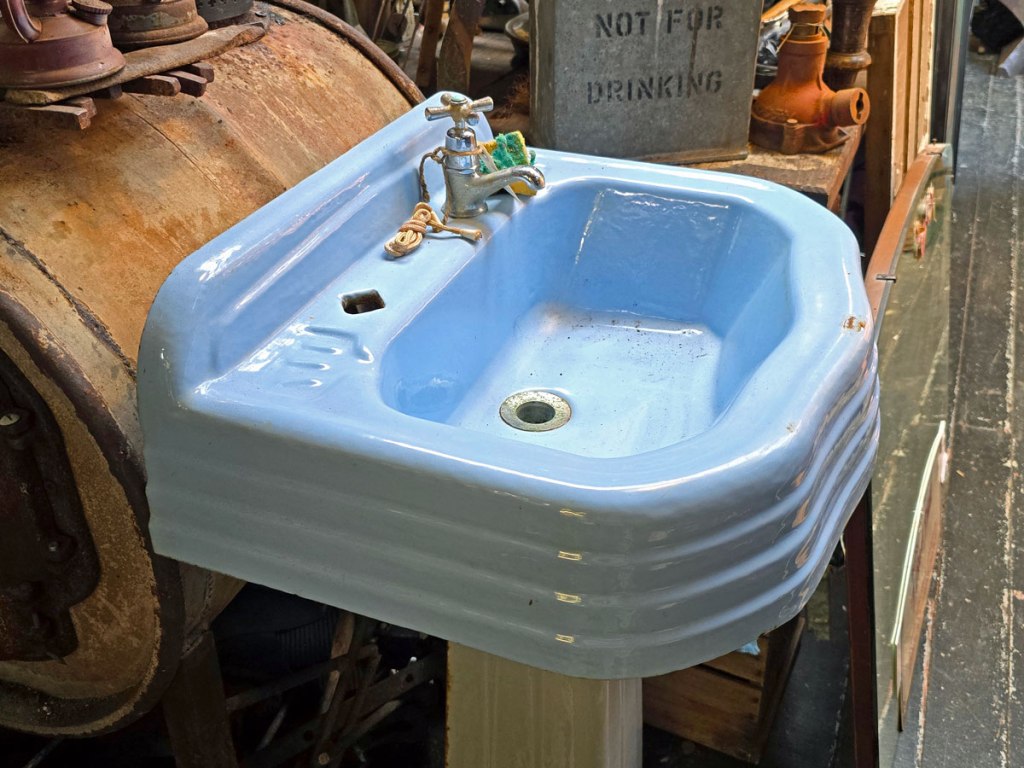
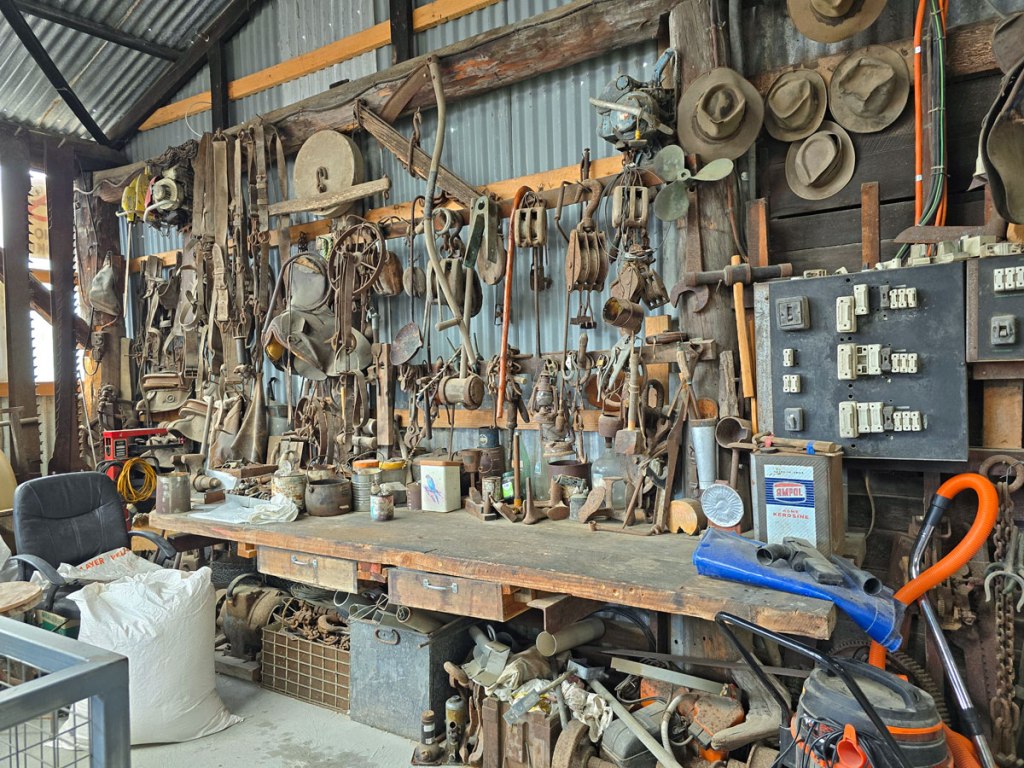
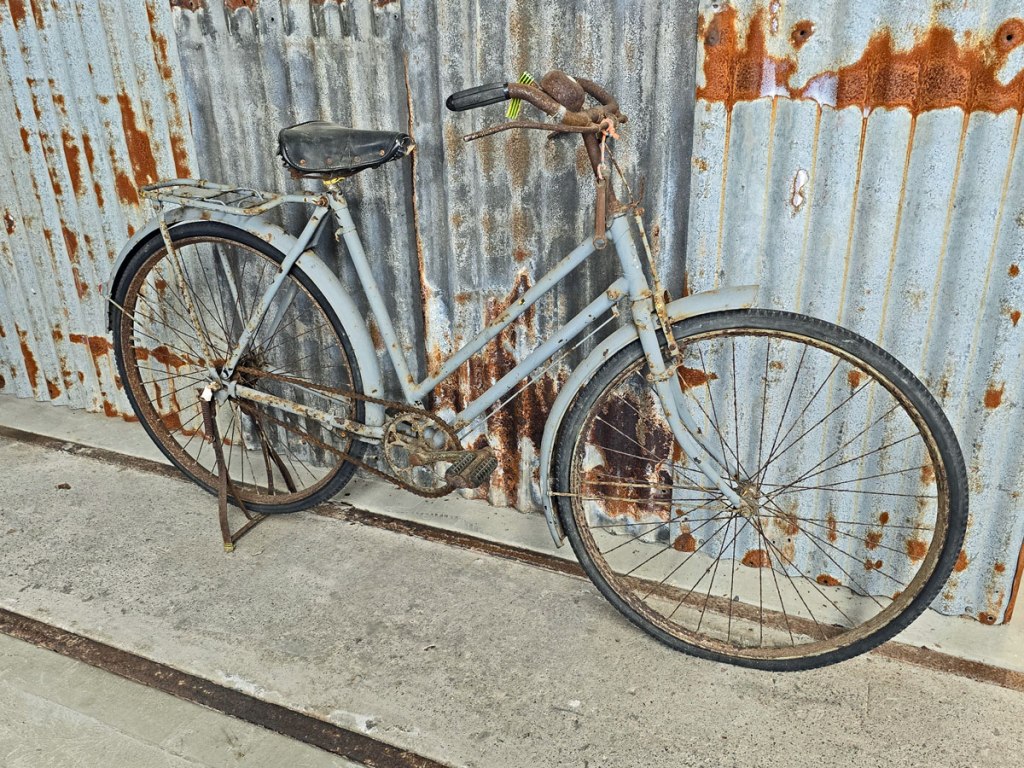
I’m pretty sure that a visit to Junk Store Antiques in Deloraine isn’t found on most tourism itineraries, but Michael said it was worth a quick look. An overwhelming amount of stuff in a small space with a friendly proprietor. A few pics just for fun:

The Melita Honey Farm in Chudleigh, another quick stop on day 4, featured dozens of flavors of honey, including macadamia, iron bark, jasmine, lavender and more. Their signature honey comes from the Tasmanian leatherwood tree, which is endemic and unique to this part of Australia.
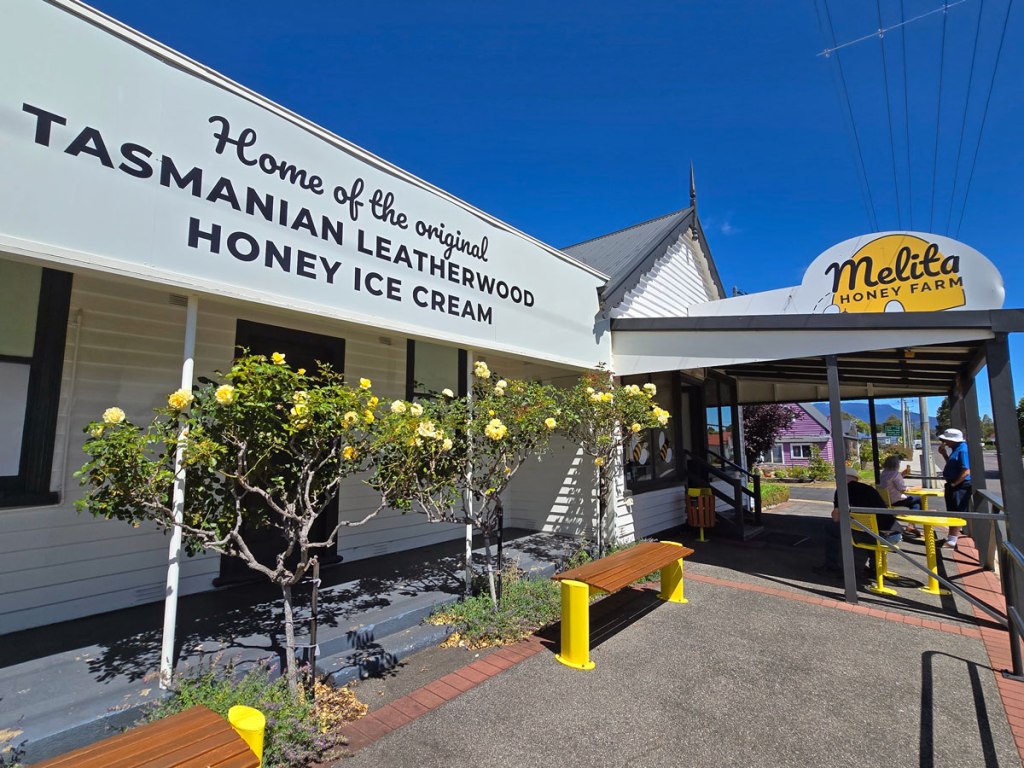
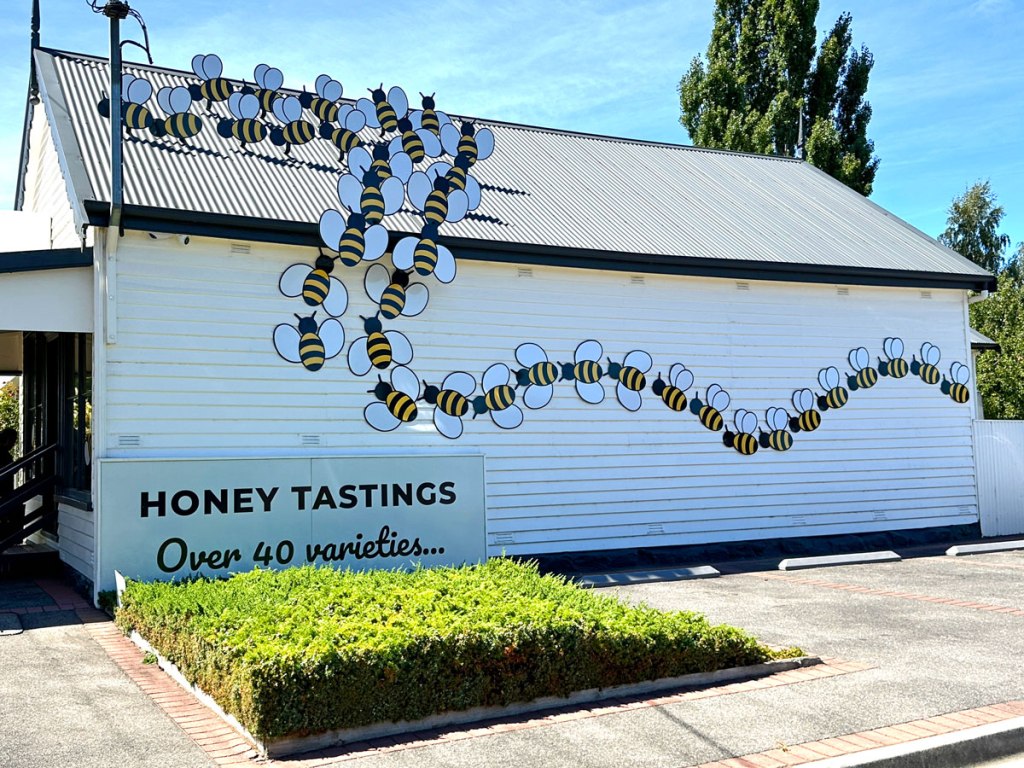
Reportedly, leatherwood honey is high in antimicrobial properties. We can confirm that it’s delicious, especially in ice cream.
We had a busy day!
Day 5 – Cradle Mountain National Park
We had high expectations for our visit to Cradle Mountain, and we weren’t disappointed. Our experience actually began in the very late afternoon of day 4 with a successful search for wombats emerging from their burrows to forage for food.
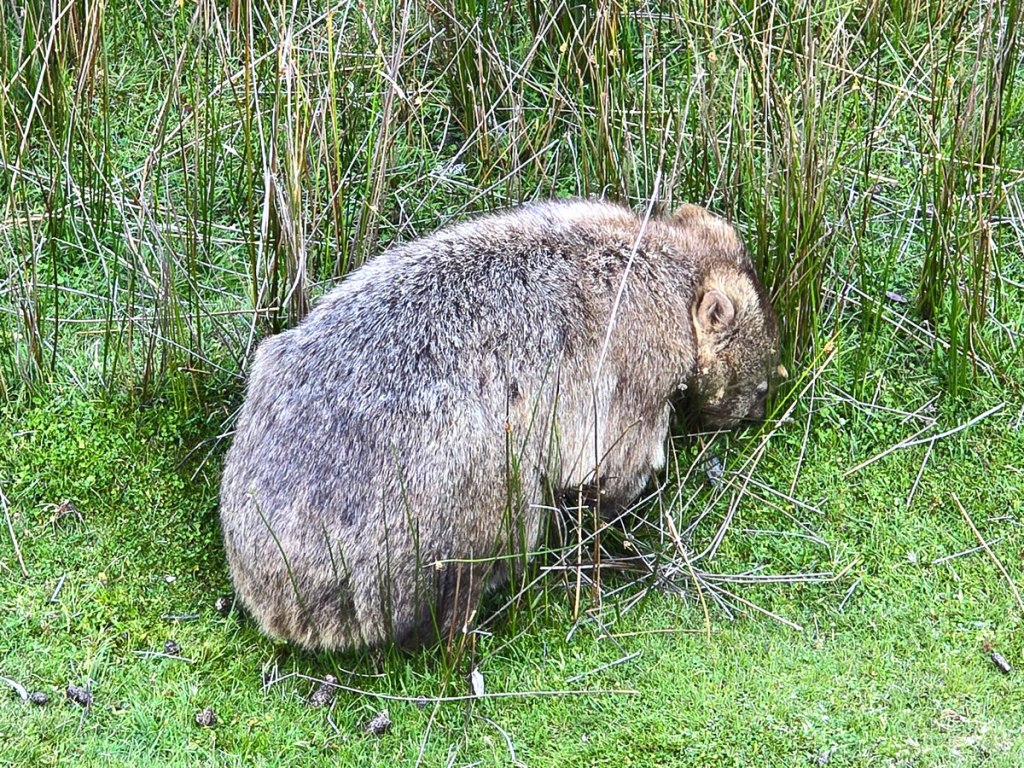
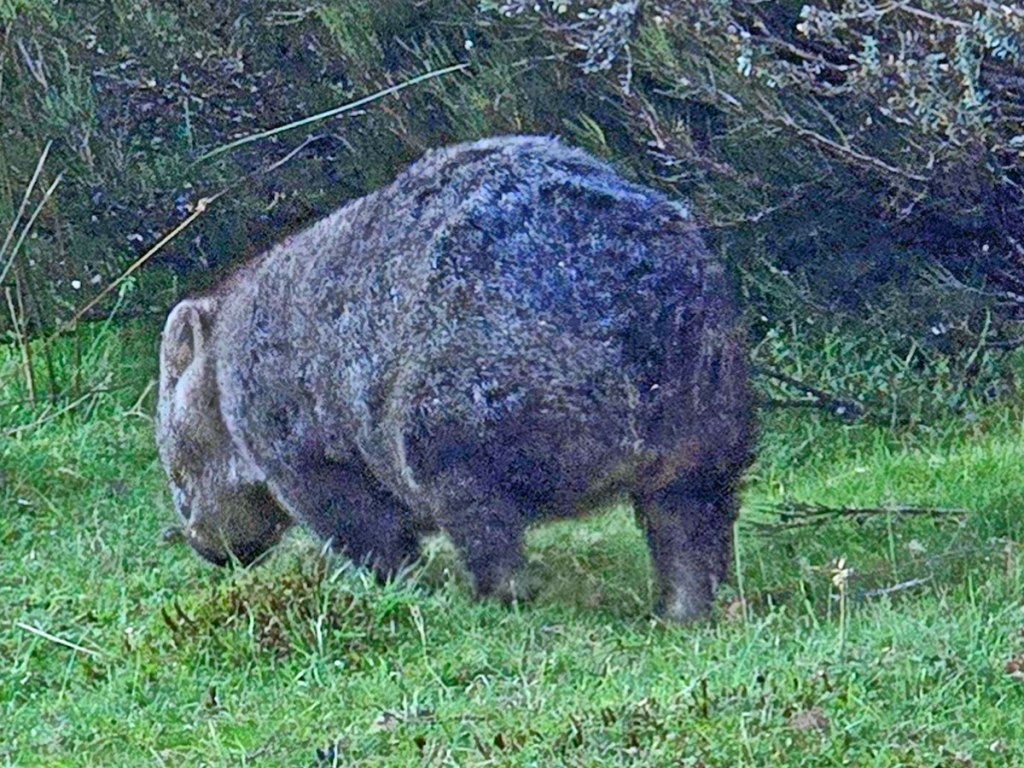
They were easy to spot and easy to photograph, as long as you didn’t mind having their behinds as the focal point.😎
Found only in parts of Australia, wombats are about 36″ in length and densely built, weighing between 45 and 75 pounds. Like kangaroos, wombats are marsupials that give birth to tiny joeys that spend several months further developing in Mom’s pouch before venturing out into the world.
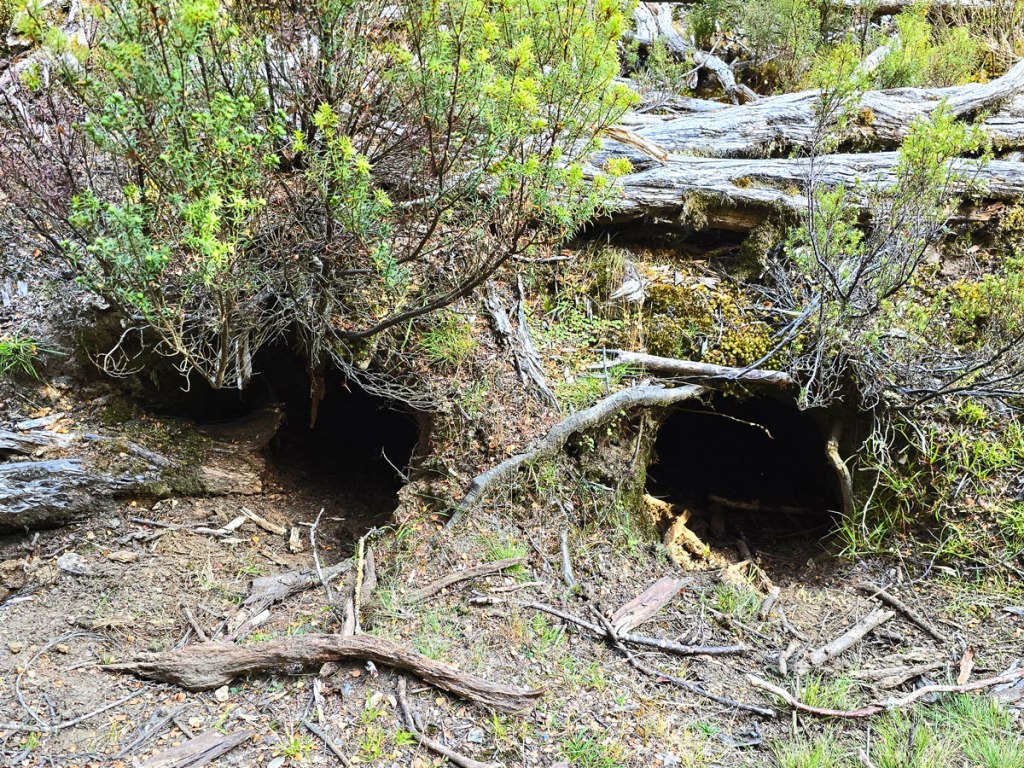
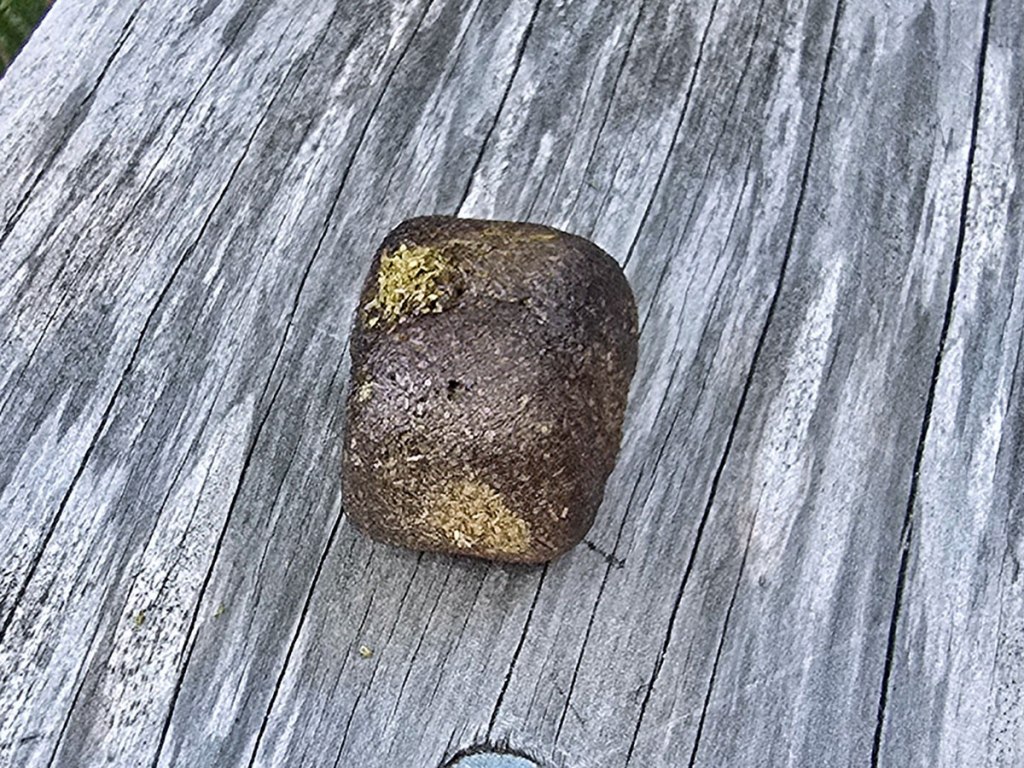
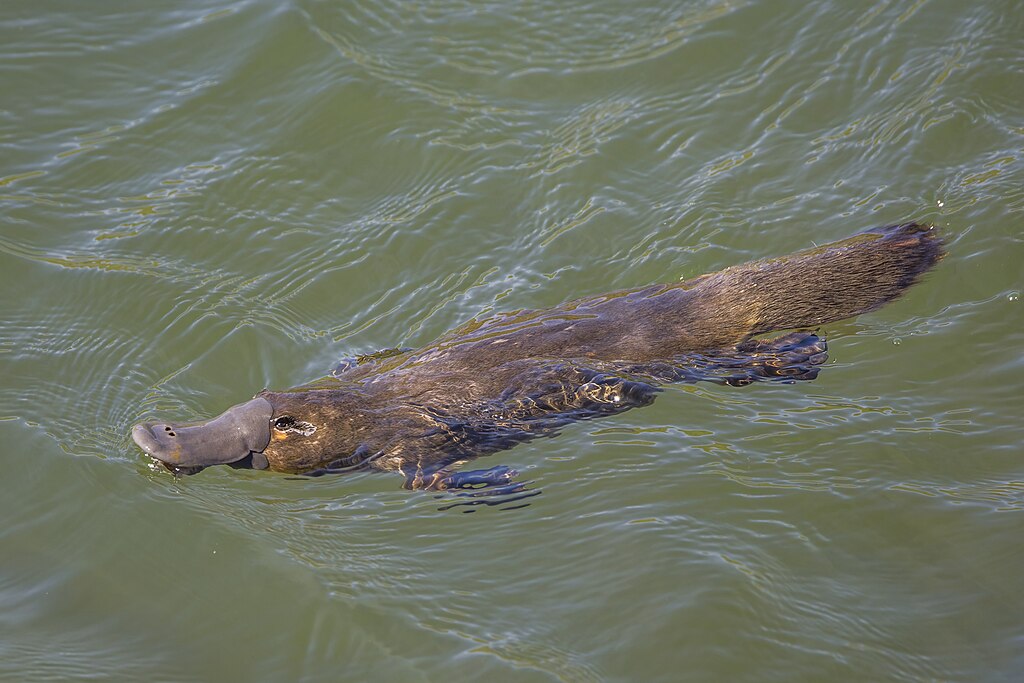
We also watched a platypus in the same general area but didn’t get any good pics. Kinda like whale-watching: it surfaced periodically from the depths of the pond to breathe, then dove and disappeared from view for an extended period.
Wikipedia had a good description for the platypus – a duck-billed, beaver-tailed and otter-footed egg-laying mammal. Indeed.
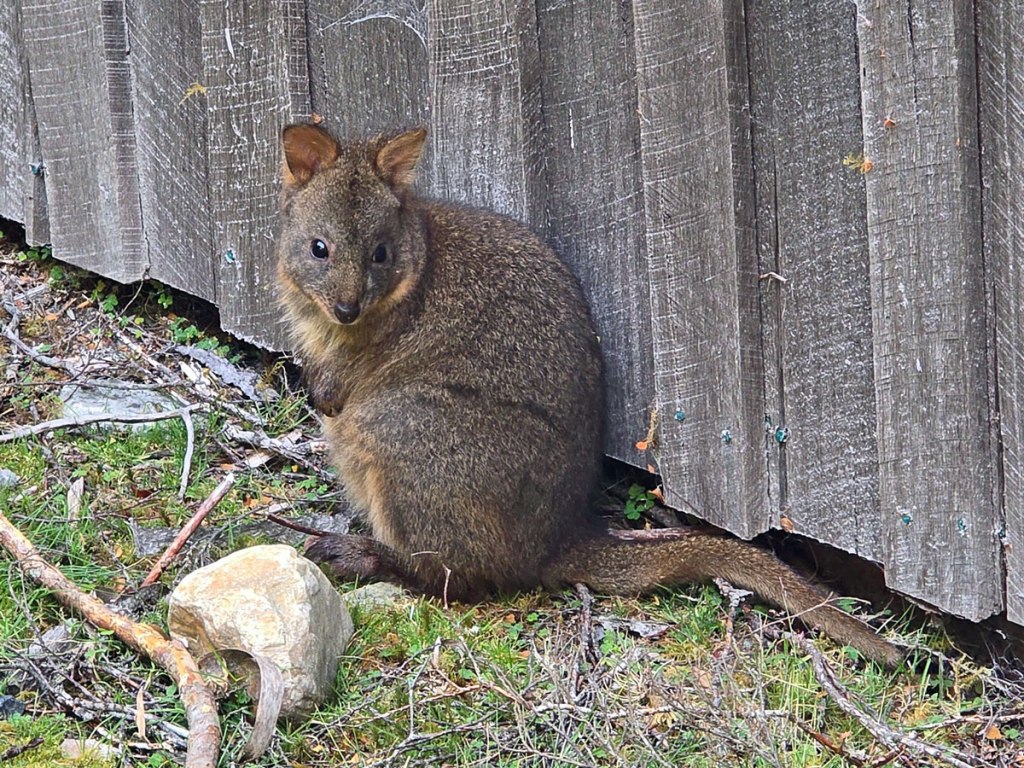
We spotted another marsupial that was new to us – the Tasmanian pademelon. Much smaller than a wallaby and more reclusive. Definitely cute.
Finding animals in their natural habitat was special, but the scenery wasn’t bad either. On day 5, we soaked in the morning views and took a little walk around a part of Dove Lake, with Cradle Mountain towering in the background. Beautiful and peaceful.
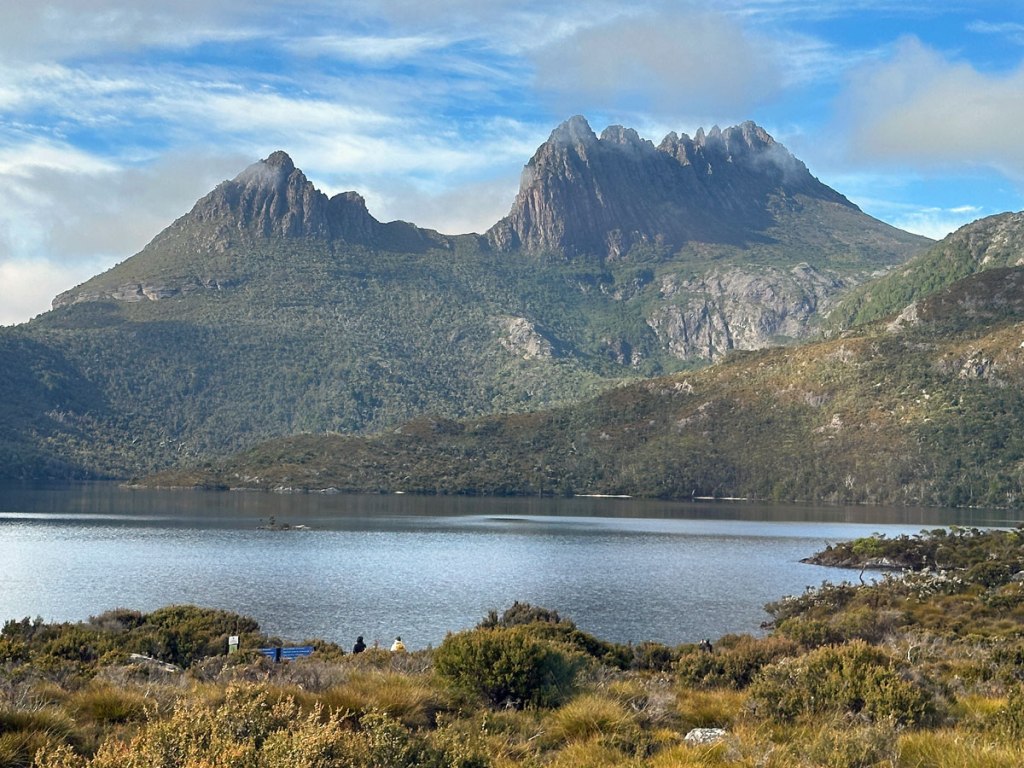
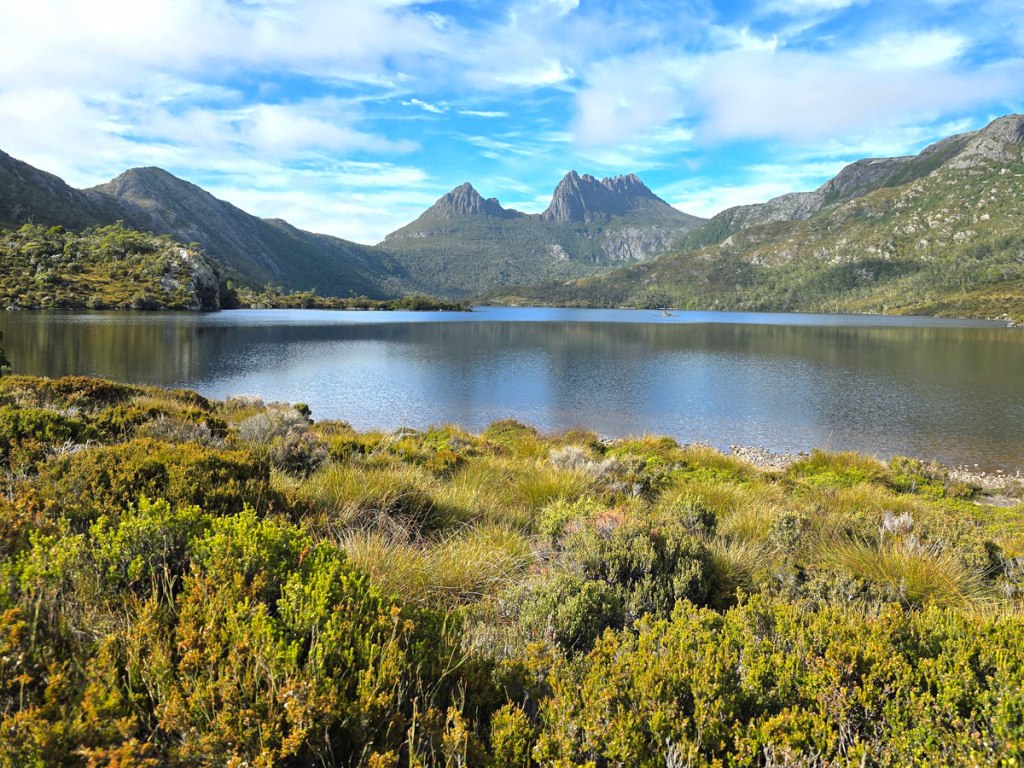
The peaks are frequently obscured by clouds, so were lucky to have such a clear view. It’s the sixth highest mountain in Tasmania (~5,000 feet) and considered a sacred place by the Palawa Aboriginal people.
We hiked to Pencil Pine Falls and through a rain forest.
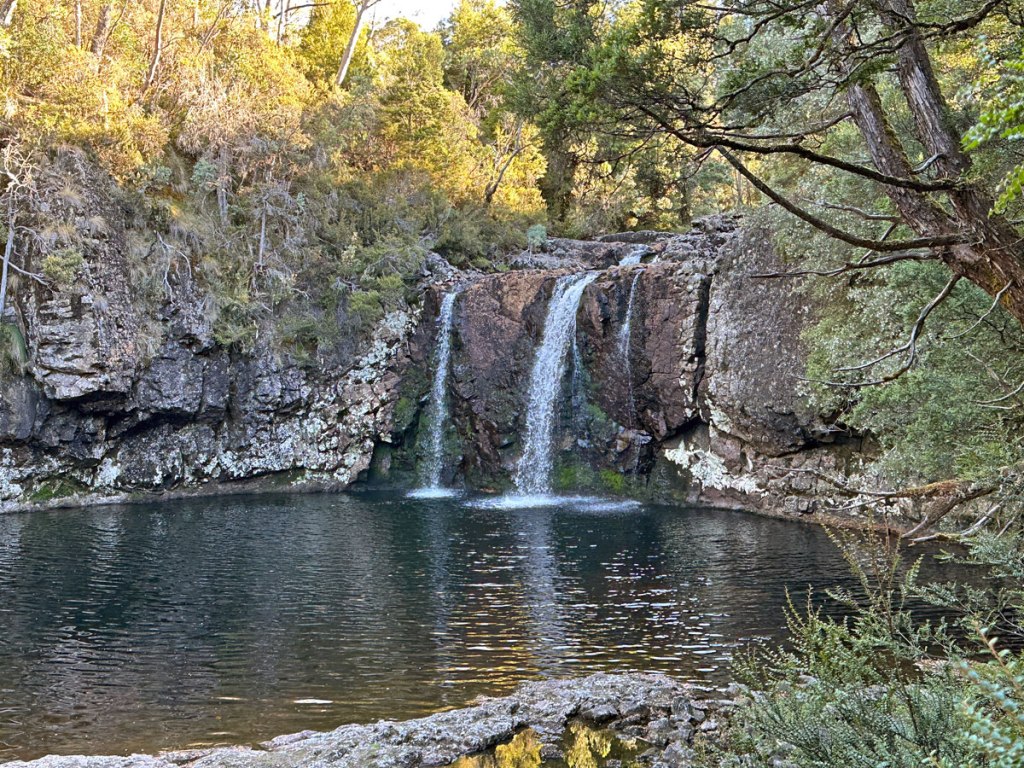
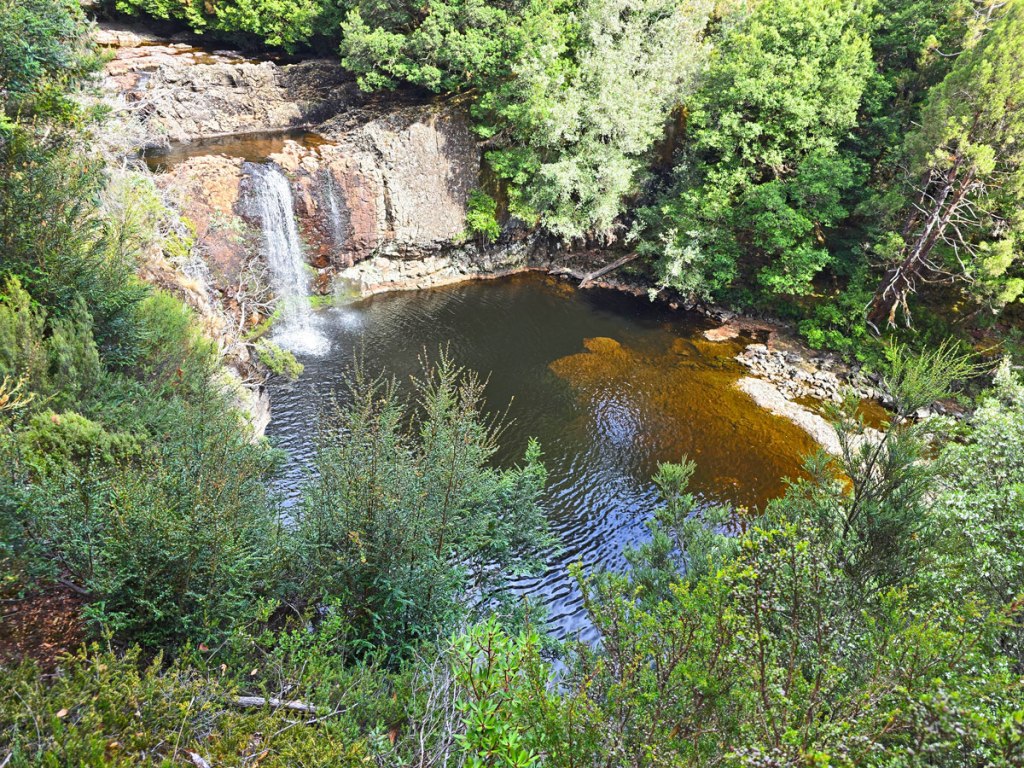
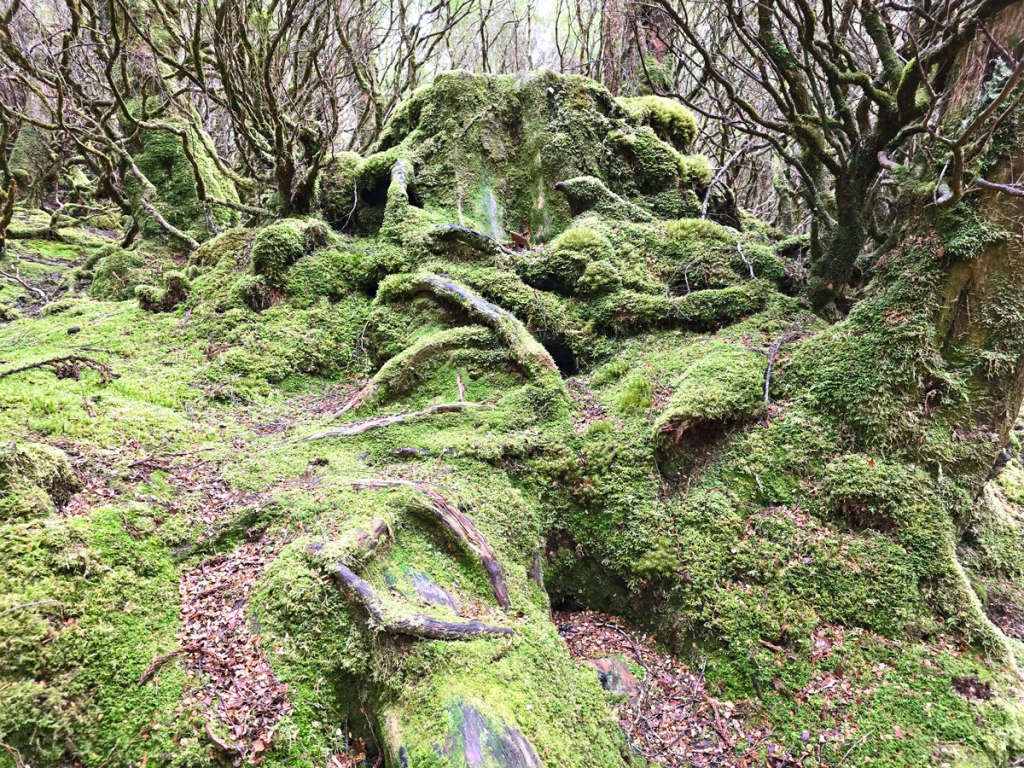
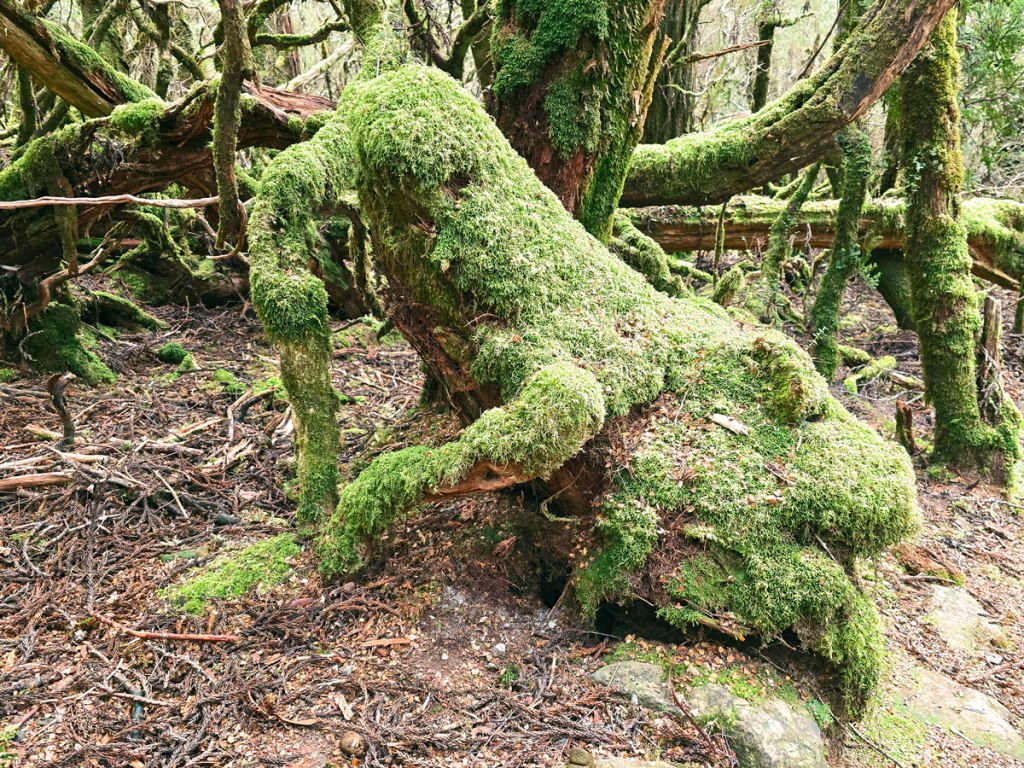
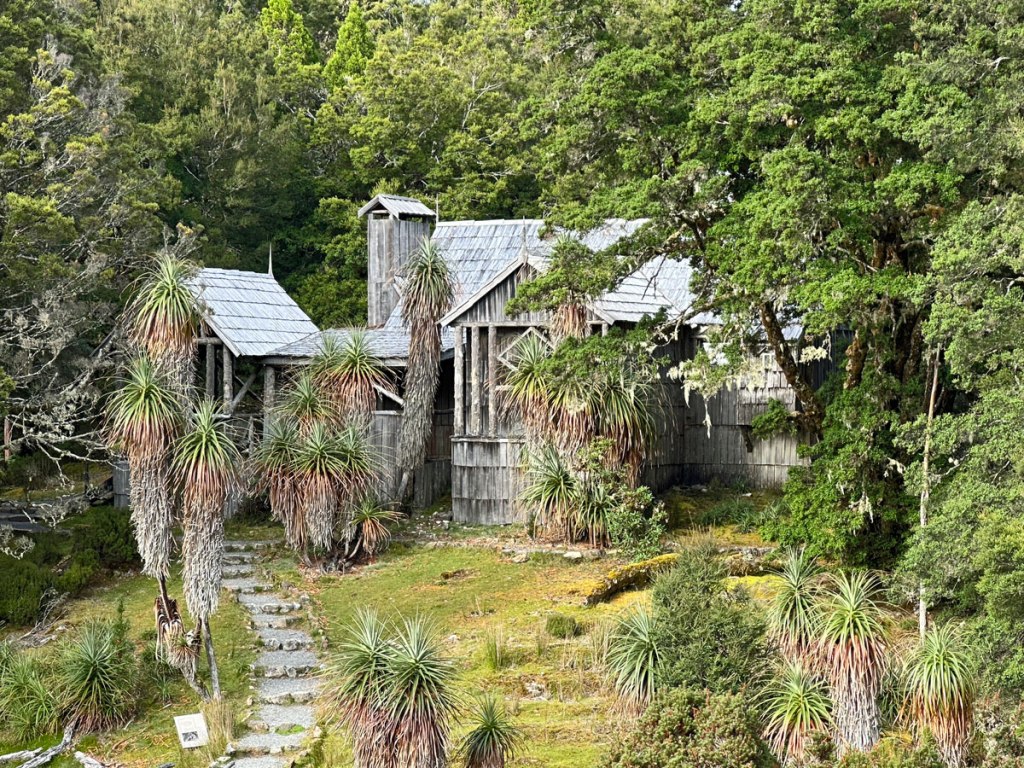
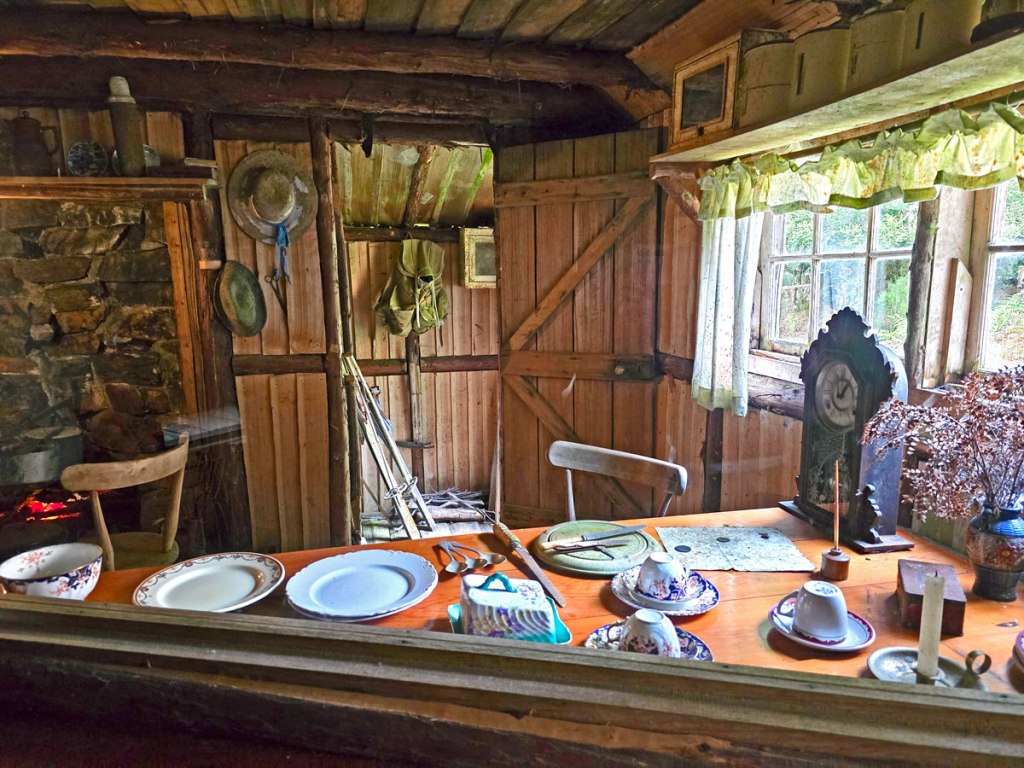
Remember the mural from day 4 featuring Gustav Weindorfer relaxing in his mountain cabin, a/k/a Waldheim Chalet? Unfortunately, the original house built in 1912 was destroyed by wildfire in 1976, but a historically accurate replica was constructed shortly thereafter using traditional bush carpentry techniques.
The chalet and grounds are open to the public, so we stopped by to take a look around. Larger than we expected, the cottage served as living quarters for the Waldheims as well as lodging for guests.
Michael took a group photo in front of the chalet.

Other Highlights from Day 5: Huon Pines & A View of the Northwest Coast
Fun facts about Huon pine trees:
- They are endemic to western Tasmania, meaning they grow naturally there and nowhere else.
- Huon pines are not “true” pine trees – they are a different type of conifer in the podocarp family.
- The trees are slow-growing (0.3-2 millimeters per year) and long-lived (1,000+ years).
- Huon timber is known for its golden color, fine grain and natural oils that resist rotting.
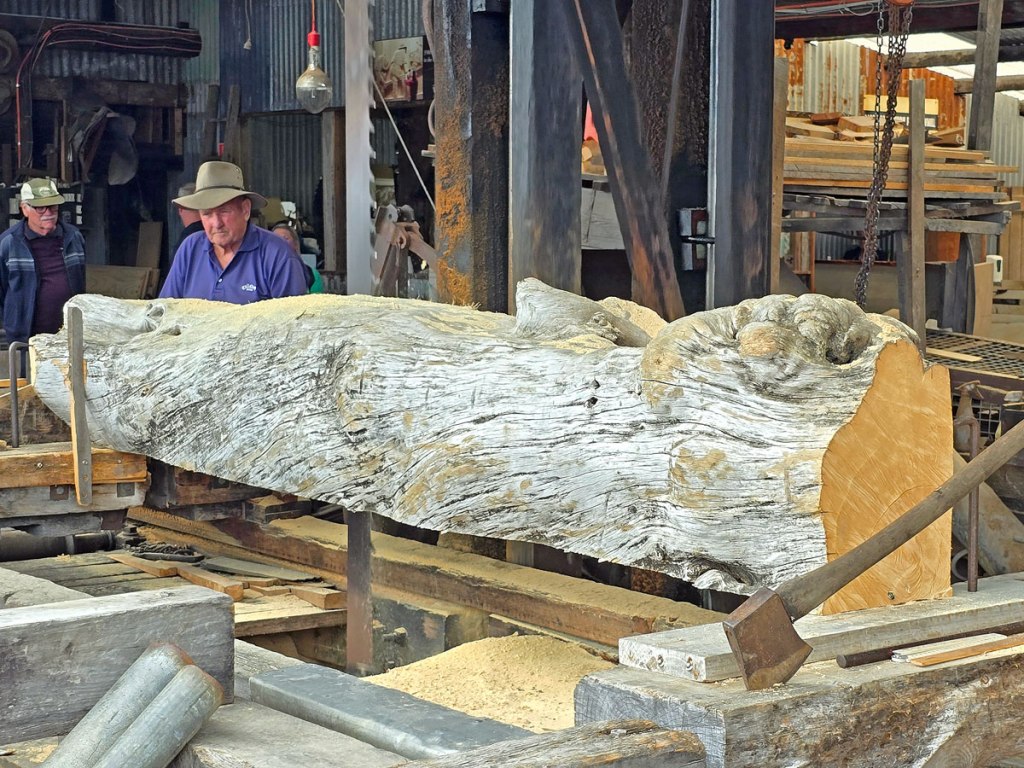
As a protected species, only dead or fallen trees can be harvested. Primary uses are boatbuilding, furniture, cabinetry and specialized woodcrafts.
At Morrison’s Huon Pine Sawmill in Strahan, we were lucky enough to catch a live demonstration of the log-cutting process. The family business started in the 1940s, and much of the equipment is original.
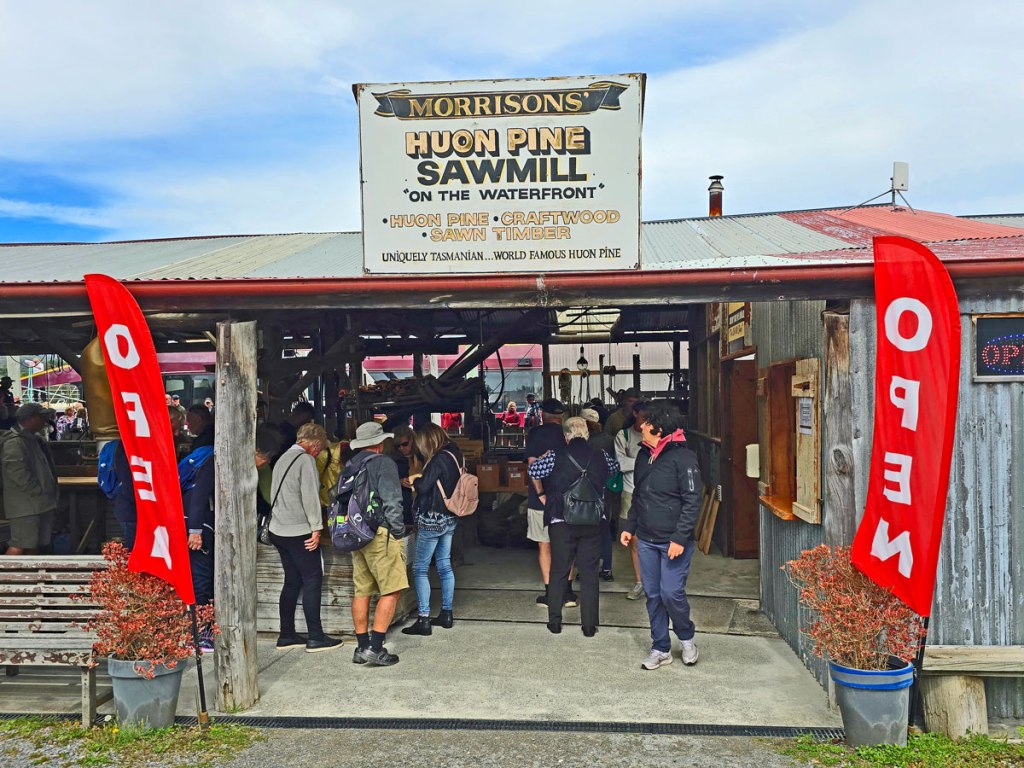

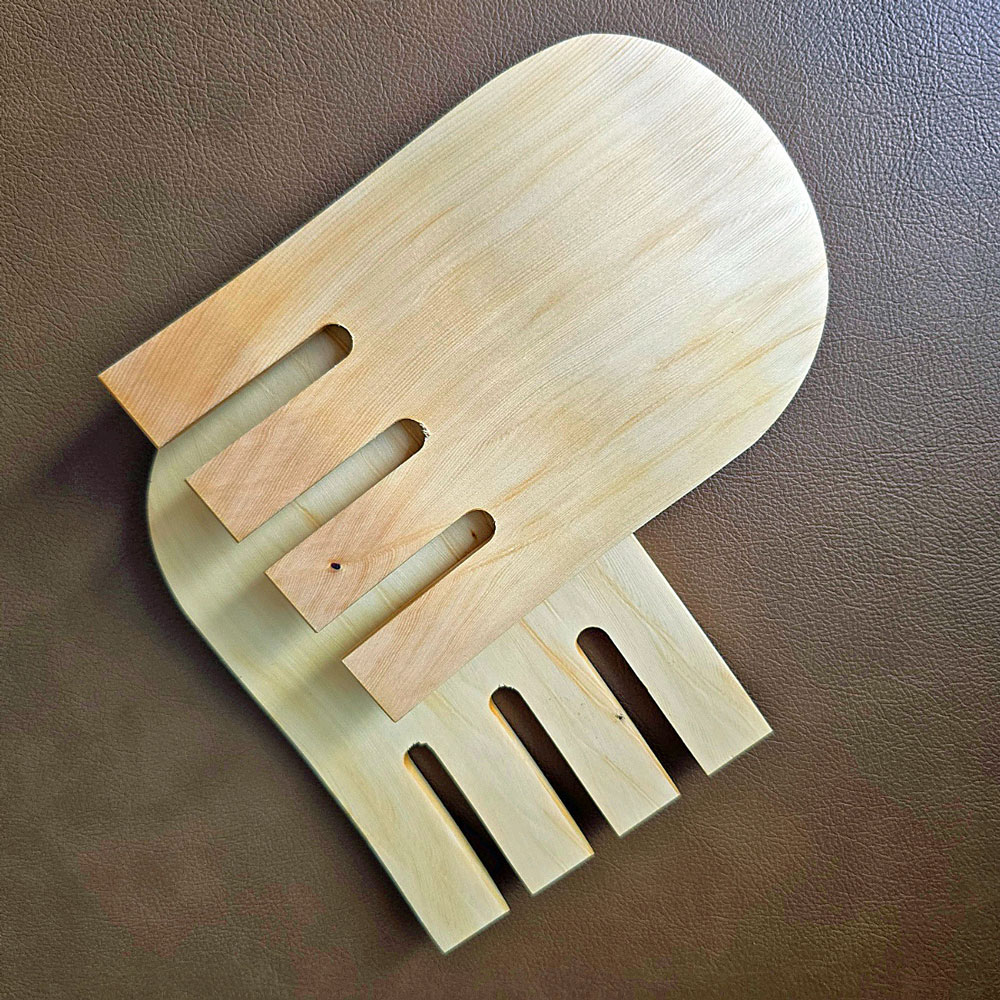
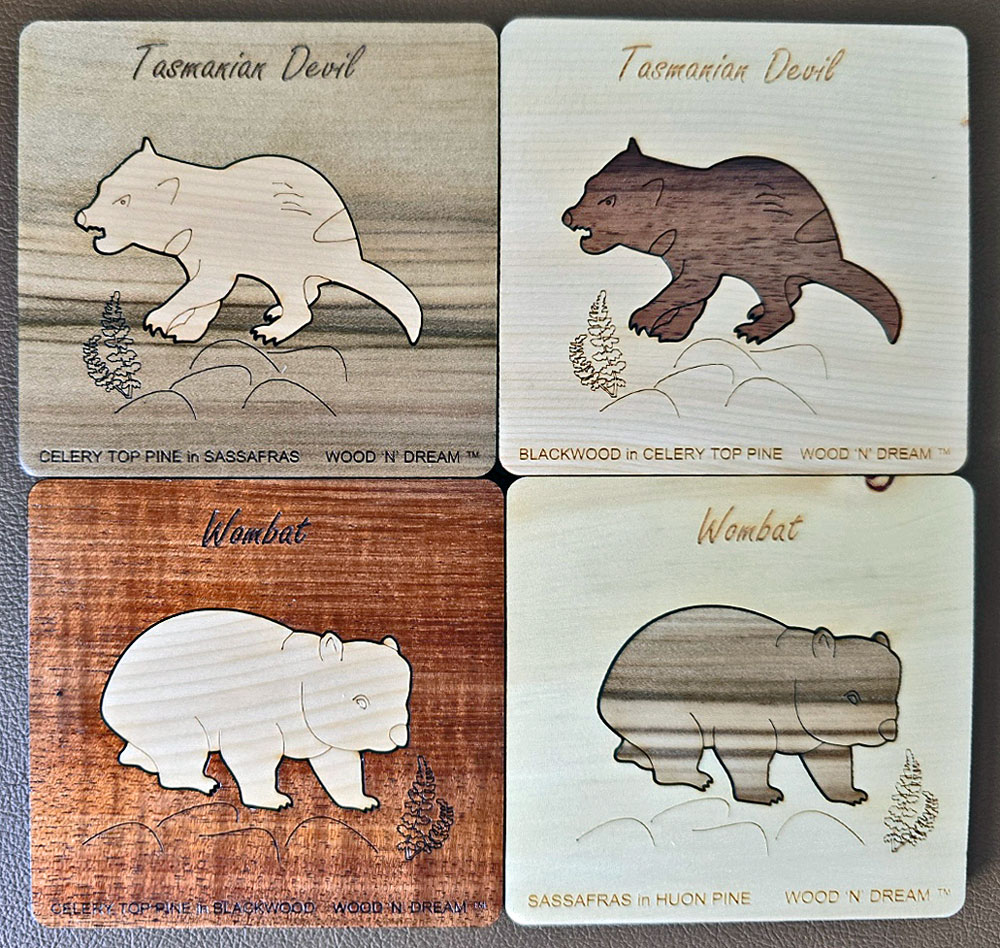
No longer a commercial enterprise, the sawmill is open to the public, including a gift shop (of course!) with a wide array of handcrafted items made from Huon pine as well as other Tasmanian timbers. We found a couple of souvenirs.
The final highlight of day 5 was getting a glimpse of the Southern Ocean from the northwest side of Tasmania during afternoon teatime.
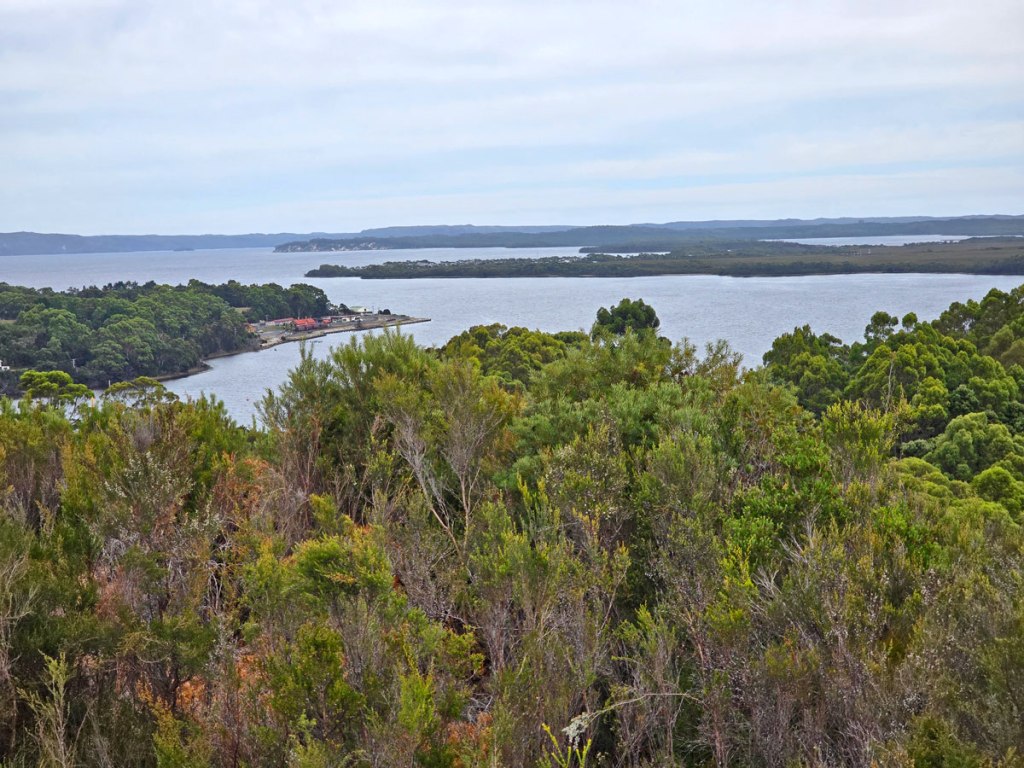
We ended the day in Queenstown.
Day 6 – “The Most Ambitious & Unique Artwork . . . In Australia Today”
So says the advertising brochure for The Wall in the Wilderness, located in Derwent Bridge. Definitely unique, undeniably amazing, and an unexpected highlight of our tour of Tasmania.
Twenty years ago, Greg Duncan told his wife that he had a vision for a massive wood-carved art installation depicting the history of Australia and that it would take ten years working full time to complete. And how did it turn out?

We were mesmerized! Fifty double-sided panels, each 1 meter wide and 3 meters high, hand-carved from Huon pine (mostly) with a level of detail you had to see to believe. The bad news is that visitors weren’t allowed to take photos, which we respected. Here are a couple of images from the website (thewalltasmania.com/au).

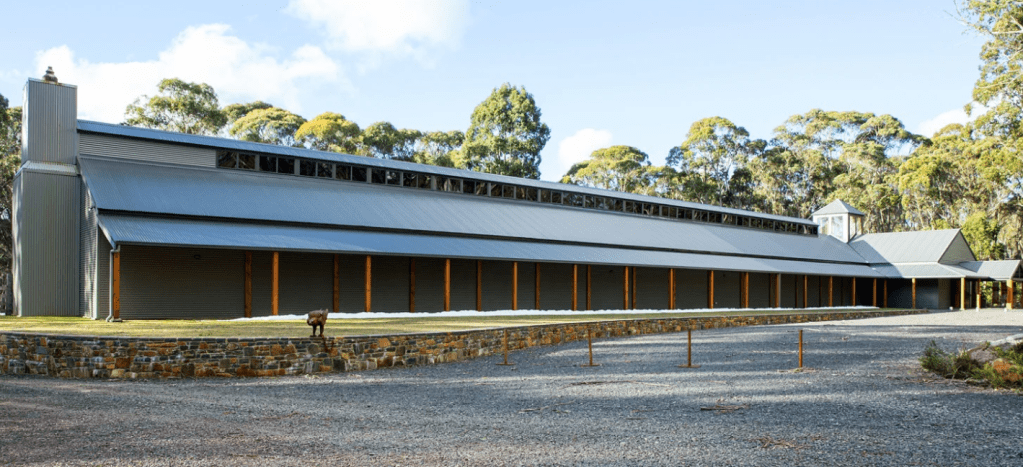
I also tracked down a recent news article that tells the artist’s story and includes more images. As they say, a picture is worth a thousand words. Click on this link: The Wall in the Wilderness Sculptor Greg Duncan. You won’t be disappointed!
As mentioned in the article, Greg is now officially retired and recently passed the business baton to his son David.
If you ever find yourself in the neighborhood about 2.5 hours northwest of Hobart, you can check it out in person.
More from Day 6: One Copper Mine, Two Waterfalls & A Tutorial on Hydroelectric Power
Queenstown is a historic mining town with rich deposits of gold, copper and silver in the hills outside of town. The boom years were from 1890 through the mid-1960s. There is a minimal amount of active mining in the area today, along with talk of increasing capacity to help meet current demand for copper.
It’s a beautiful geographic area saddled with huge scars from open pit mines, not unlike in parts of the U.S.
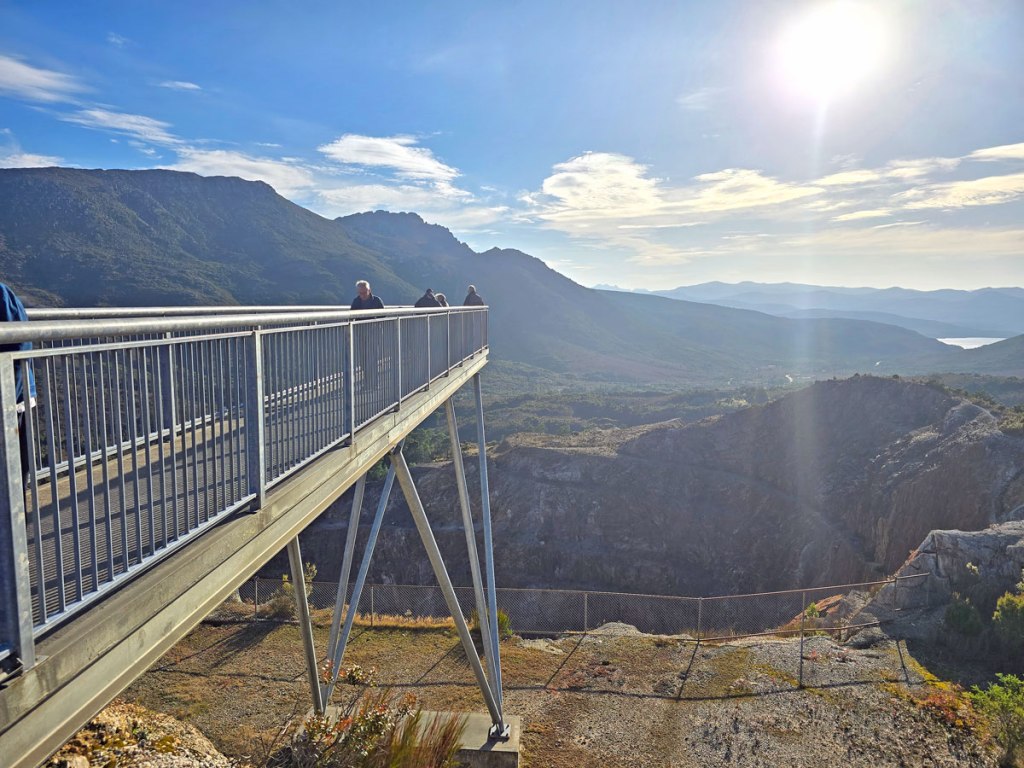
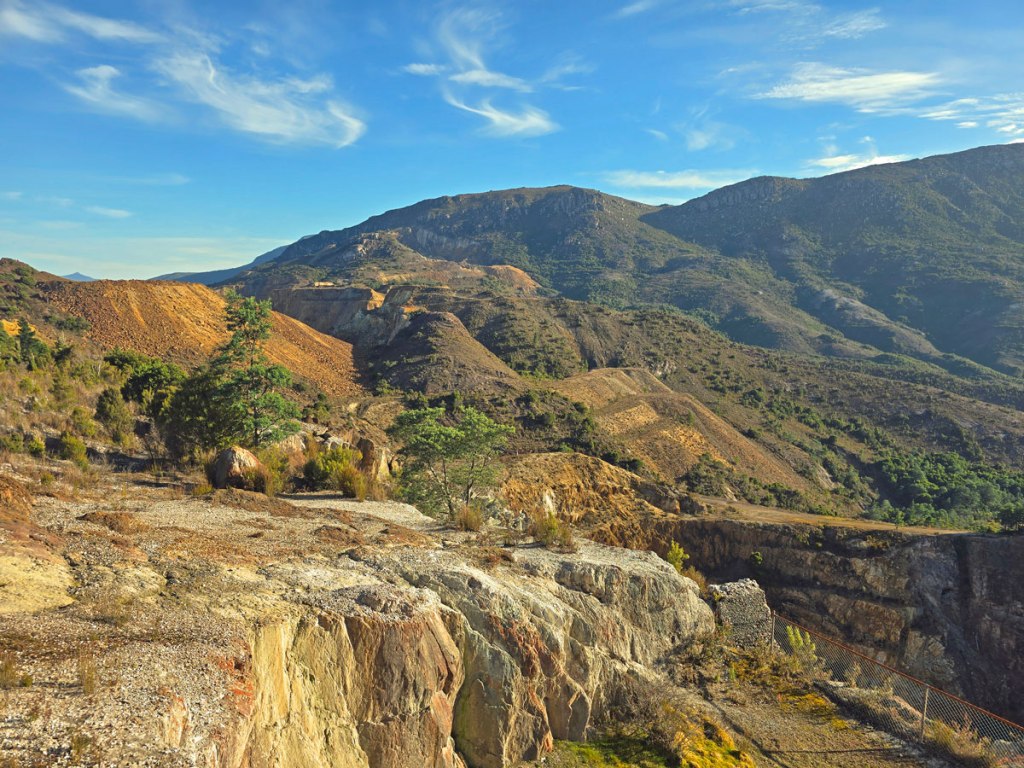
The landscape is forever changed, not to mention the less visible environmental impacts. For example, there is no aquatic life in nearby rivers and lakes due to high concentrations of toxic metals. It was unclear if any Superfund-like clean up efforts are underway or even planned. We were glad to move on.
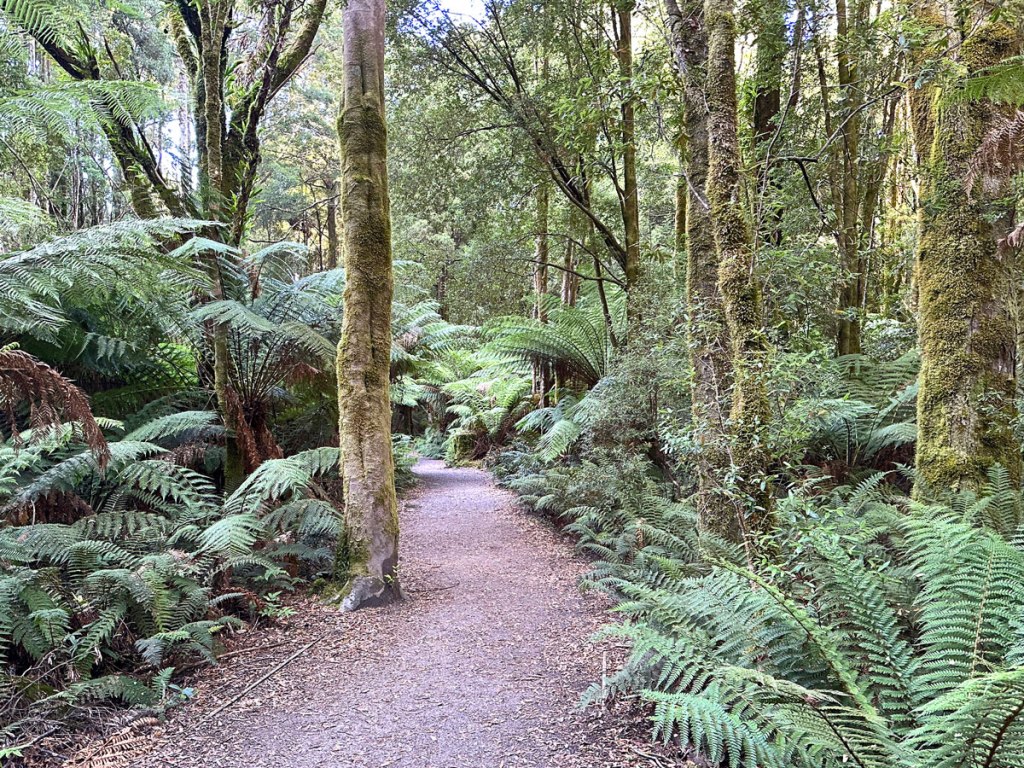
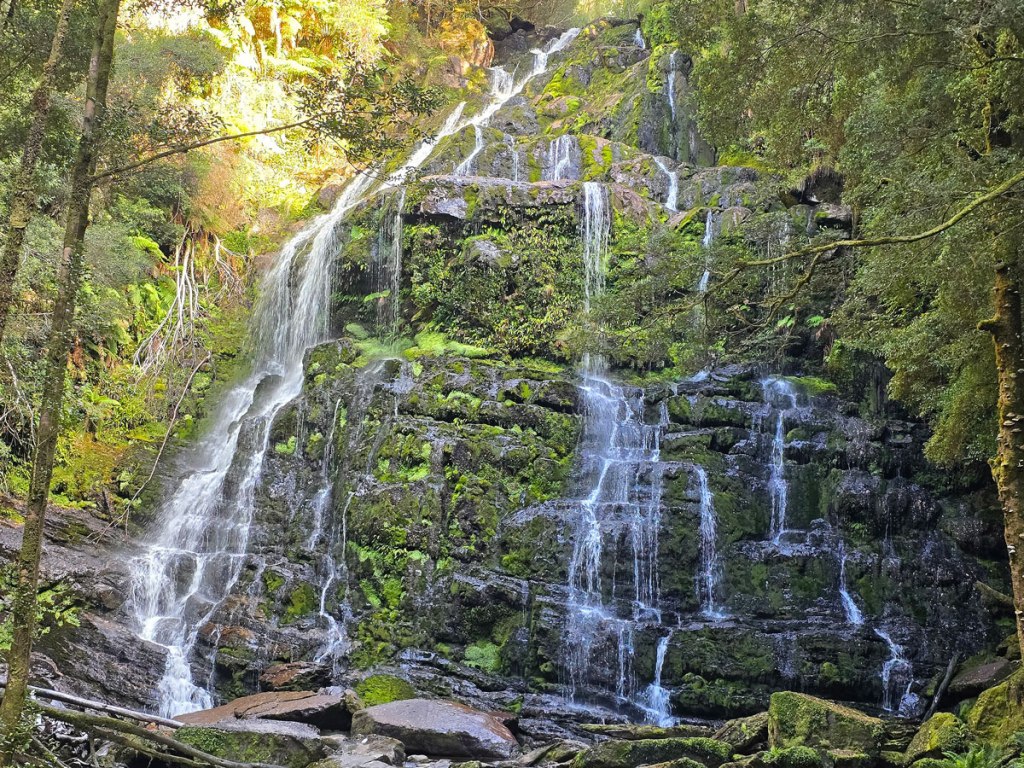
Our first waterfall of the day was Nelson Falls, identified as one of Tasmania’s 60 Great Short Walks, in Franklin-Gordon Wild Rivers National Park. The path meandered through a rain forest with giant ferns, myrtle and sassafras.
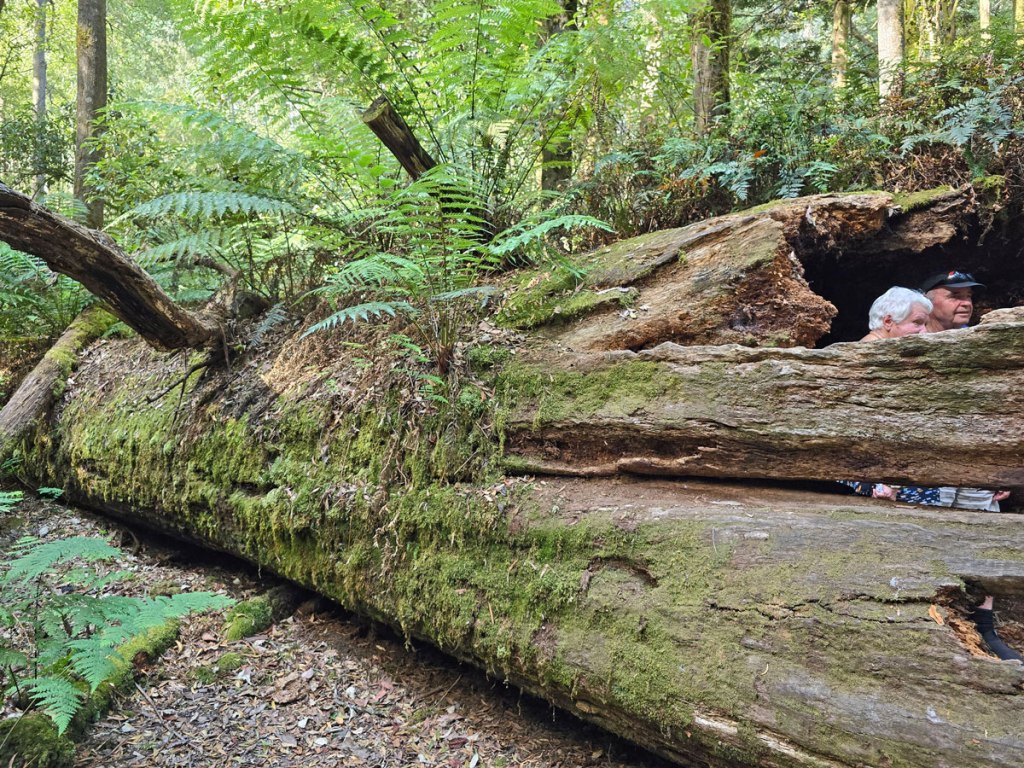
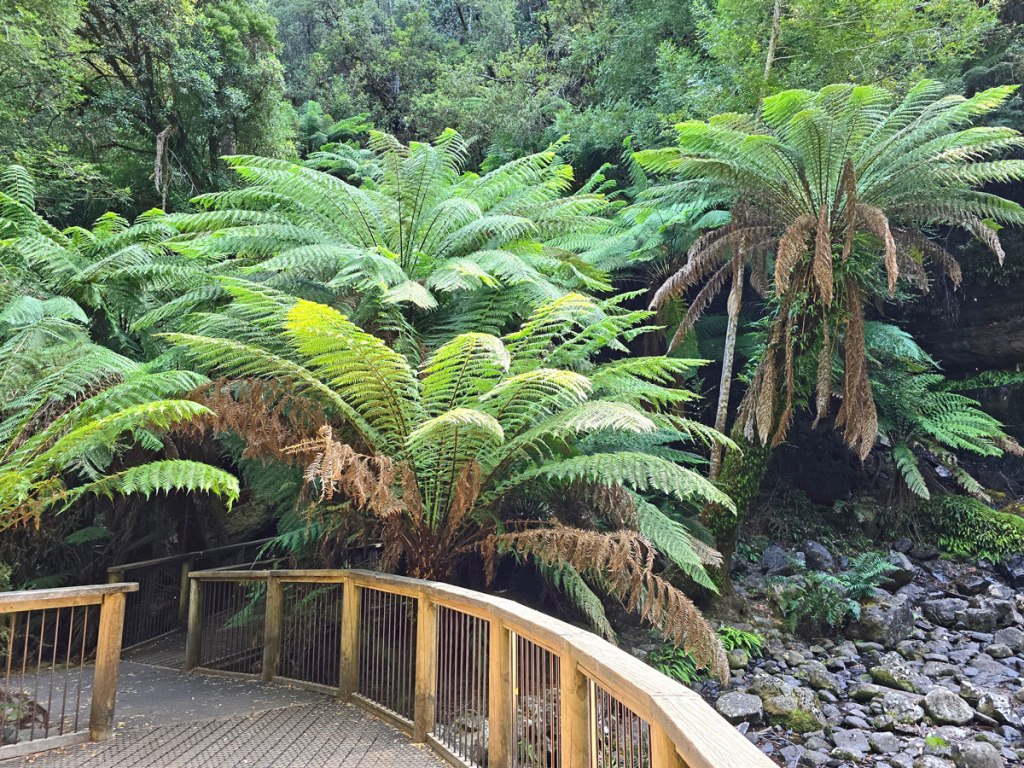
We walked through a different rain forest to reach Russell Falls, also a Great Short Walk, in Mount Field National Park about 110 miles from Nelson Falls.
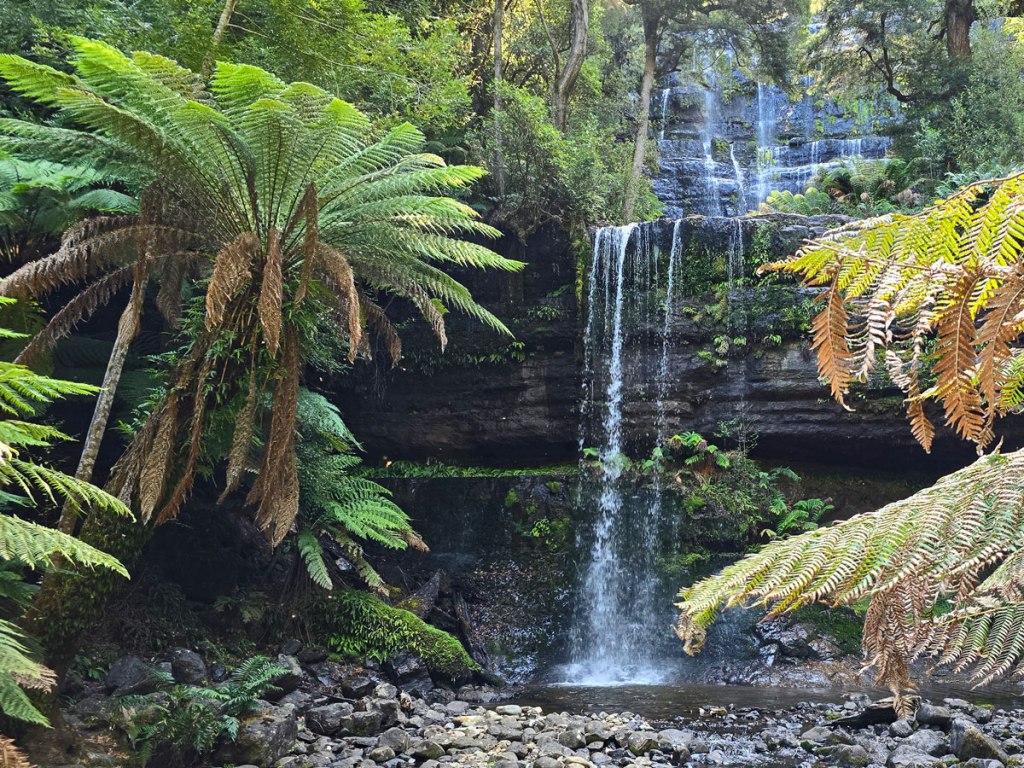
Judging from other photos I found online, both waterfalls were running at less than 10% capacity.
On the subject of water, the last place we wanted to mention from day 6 is Tarraleah Penstock Lookout.
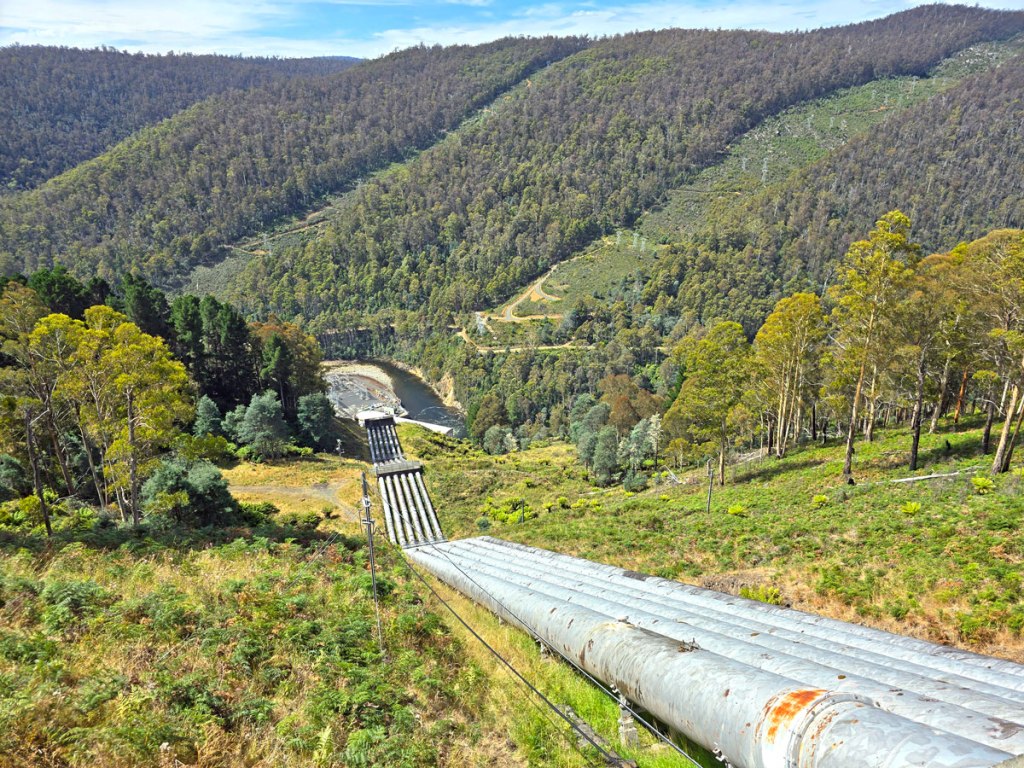
Hydroelectric power generates 80% of the island’s electricity through an extensive network of rivers, dams, reservoirs and power stations that date back almost 90 years. Tarraleah Hydropower Station, visible in the image above at the top of the photo/bottom of the hill, is one of 30+ operating in Tasmania.
The large steel pipes, or penstocks, drop water from manmade Lake King William on the uphill side to the power station below. The diverted water then flows back into the river.
Our visit was interesting and educational. As in the U.S., the general public in Tasmania is increasingly critical of large hydropower projects due to habitat destruction, disruption of natural river flows and other environmental issues. The island’s power strategy going forward will likely look different than it does today.
A few more photos to wrap up the final day of our group tour:
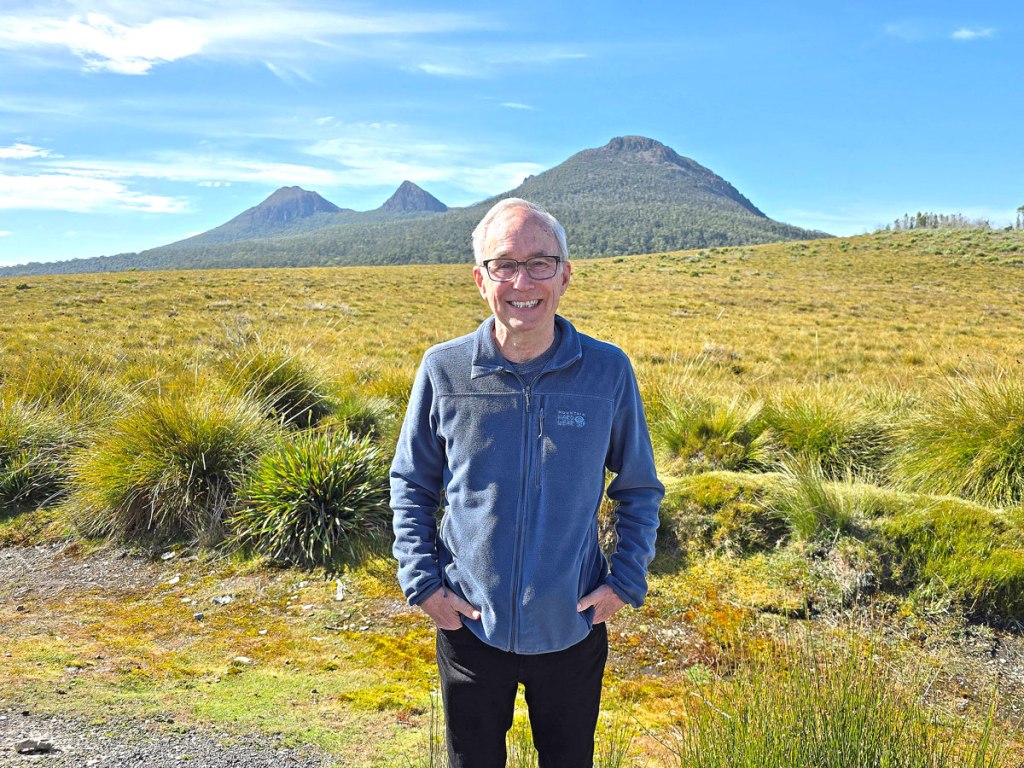
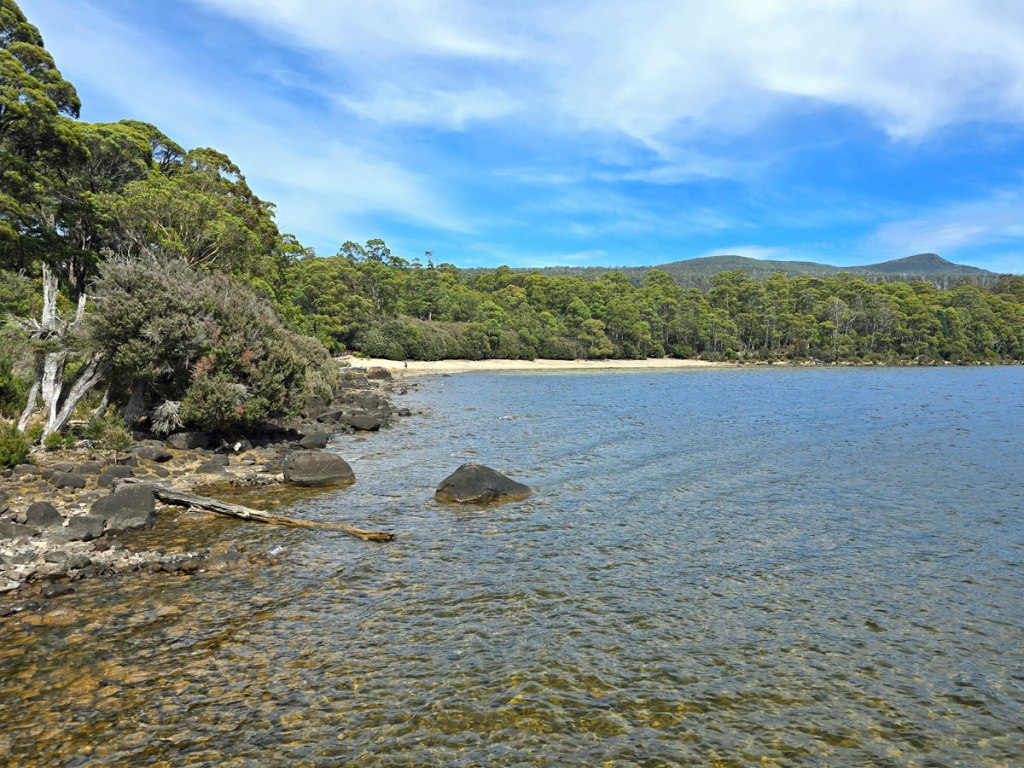
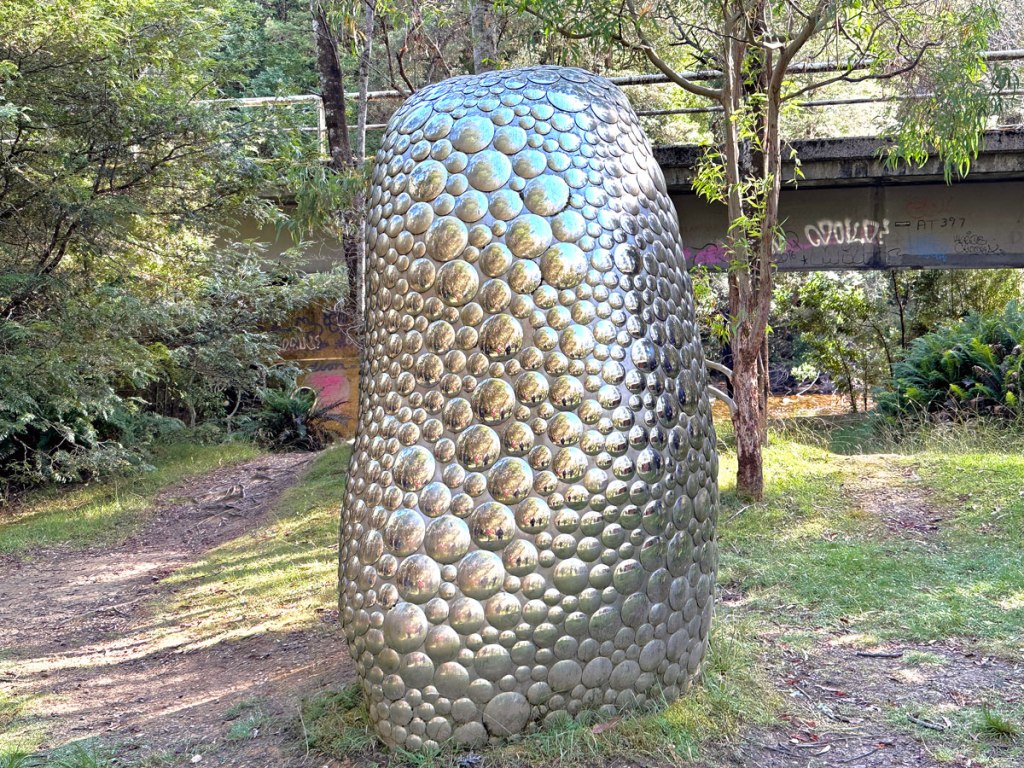
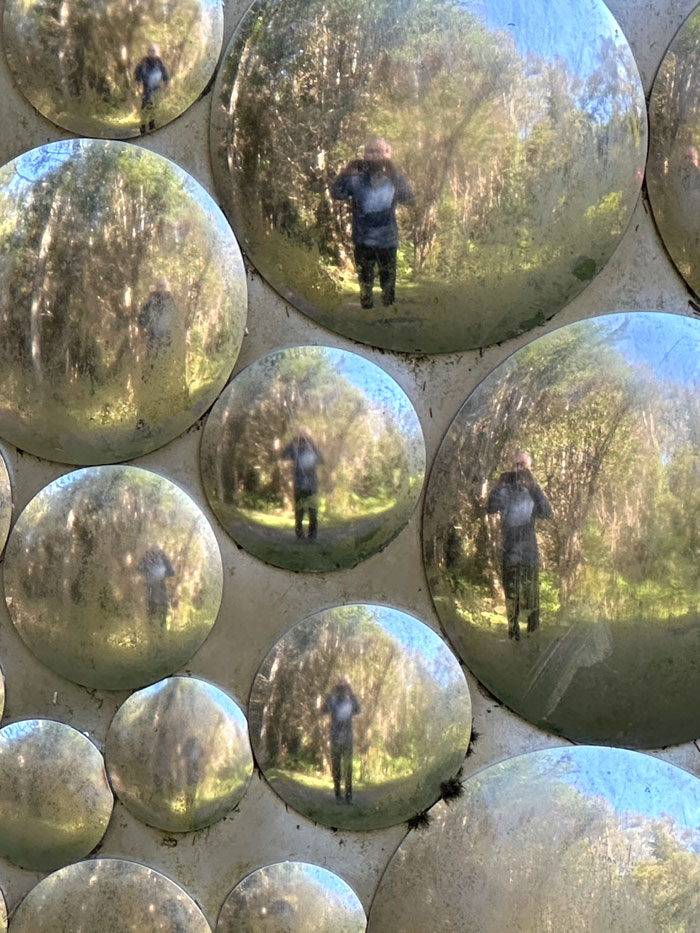
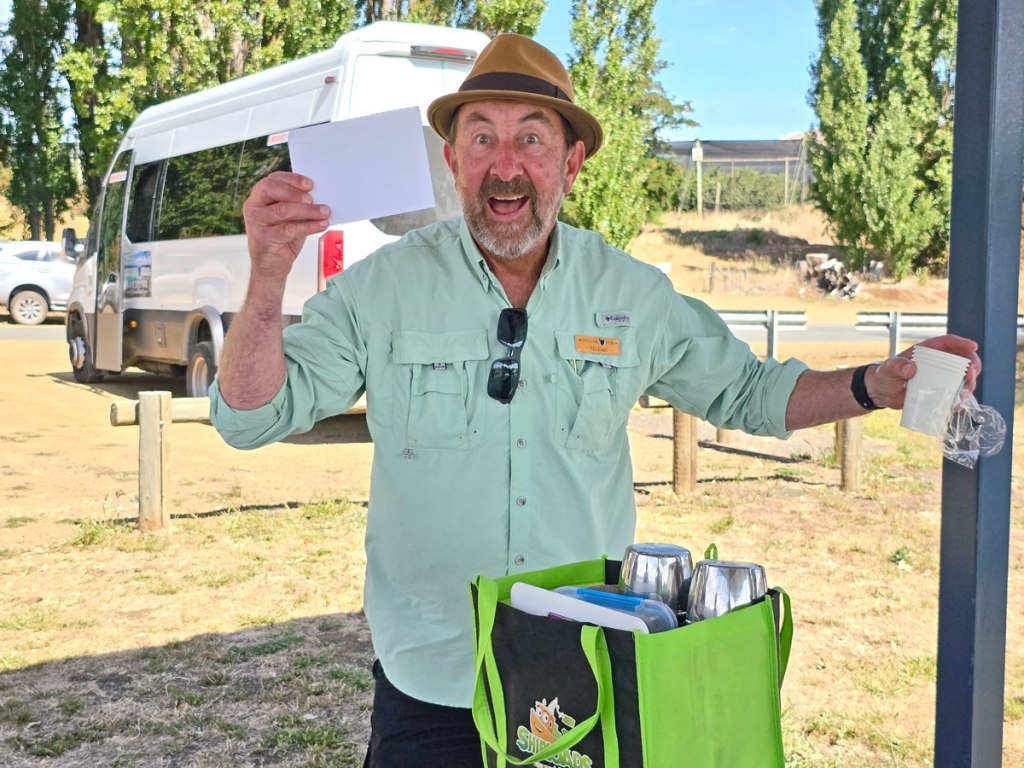
And that’s the end of the group tour around Tasmania. Six busy days of sight-seeing with 10 travel companions and one driver/tour guide (kudos to Michael and Fun Tassie Tours), leaving us with hundreds of photos, new Aussie friends and countless memories.
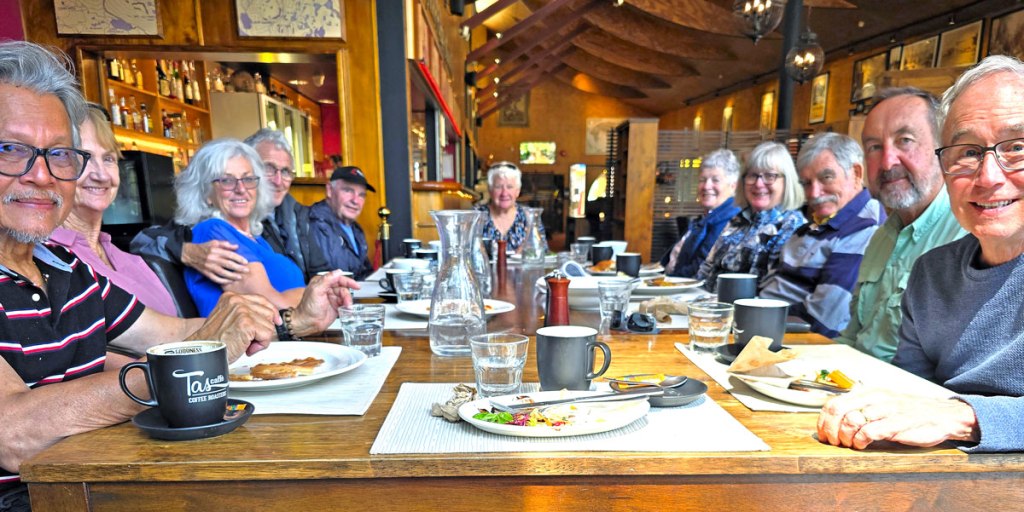
Click here to find other articles about our travels in Australia.
If you would like to be notified when future articles are published, please click on the SUBSCRIBE button below and input your email address. No ads, no spam – just one notification message. Thank you!
Discover more from Just Passing Through
Subscribe to get the latest posts sent to your email.

 Just Passing Through
Nice travels to a place less traveled! Where next?
LikeLike
We like taking the roads less traveled when we get a chance. What’s next? Domestic trips for the rest of 2025, then we’ll see. We have some ideas . . . .
LikeLike
Loved the animals, the glorious nature scenes and that wall! Oh my goodness. Powerful. Thanks for sharing another beautiful adventure! xo
LikeLike
Thank you, Mary! The Wall was indeed powerful and packed an unexpected emotional punch.
LikeLike