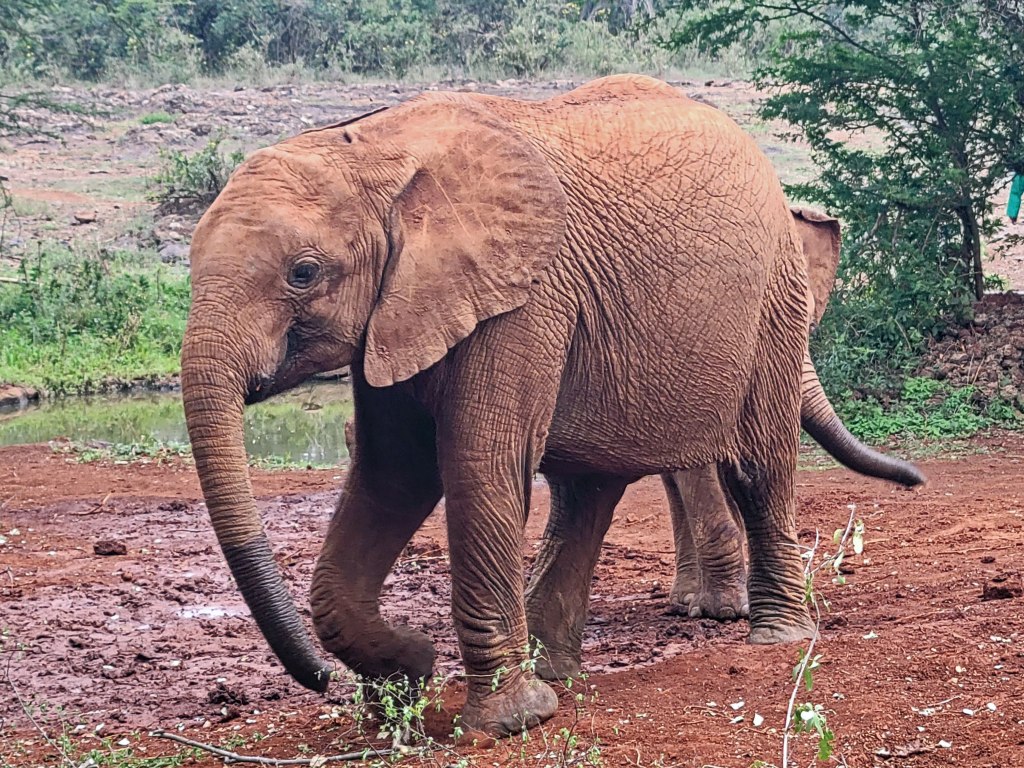
Observing herds of elephants in their natural environment is awe-inspiring, but sometimes the animals need a helping hand from humans. The Sheldrick Wildlife Trust rescues baby elephants that have lost their mothers, raises them at the Elephant Orphanage in Nairobi, and reintegrates them back into the wild starting around age 3. At any given time, the orphanage has ~100 elephants in various stages of care.
Public viewing of the elephants is limited to one hour daily during one of their feeding times. As you can hear in the video background, a spokesperson provided background on each elephant and described the lengthy process (and expense) of rehabilitation and reintroduction.
Founded in 1977, the Trust has successfully reintegrated 196 orphans back into the wild to date. They were just super fun to watch!
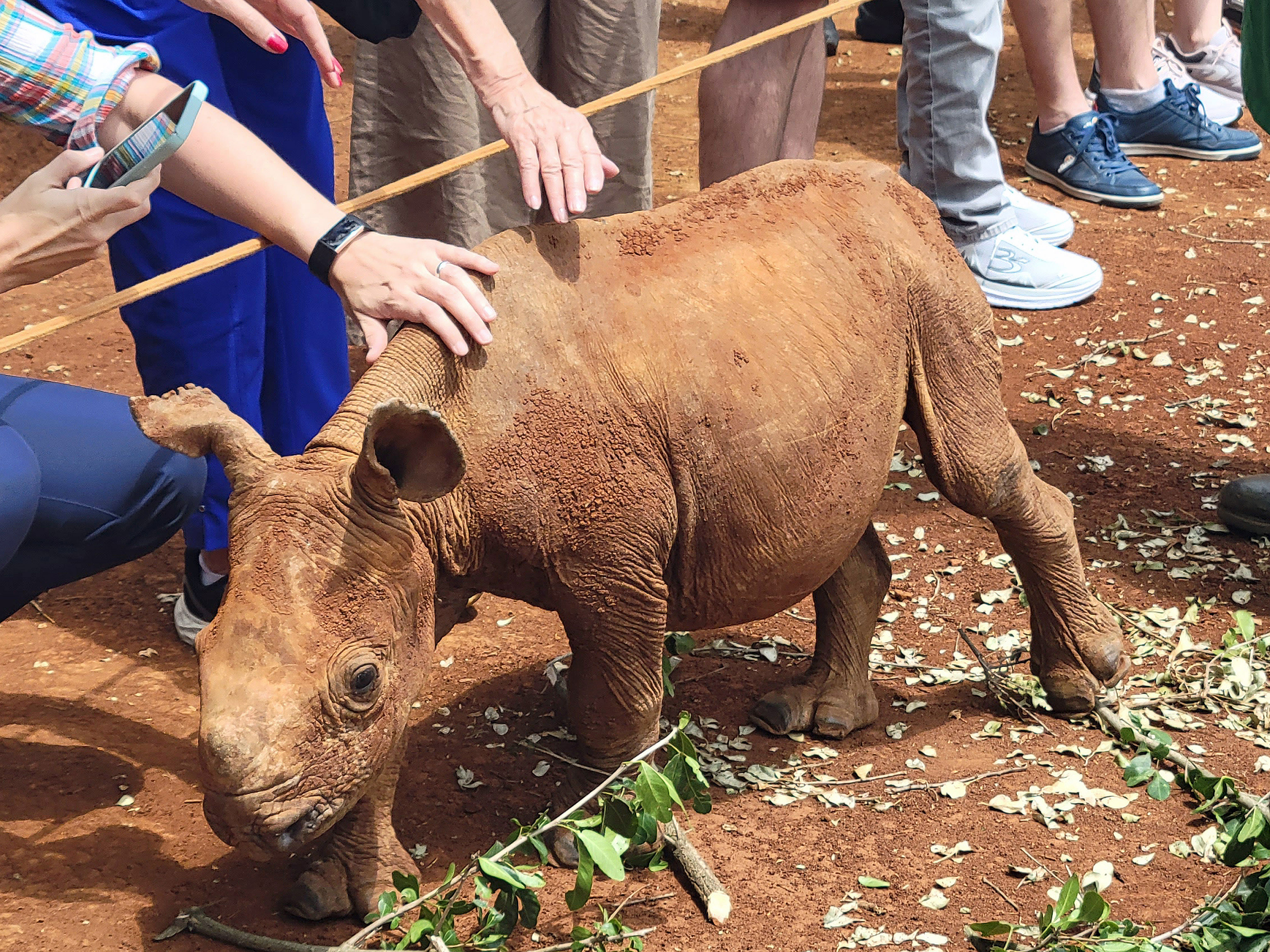
Although best known for the baby elephants, the Trust also rescues other animals. We had a chance to meet Raha, a young black rhino found abandoned and injured when just a few days old. In the year since, she has healed and had her own stage time during the public viewing, with no shortage of petting opportunities as she made the rounds.
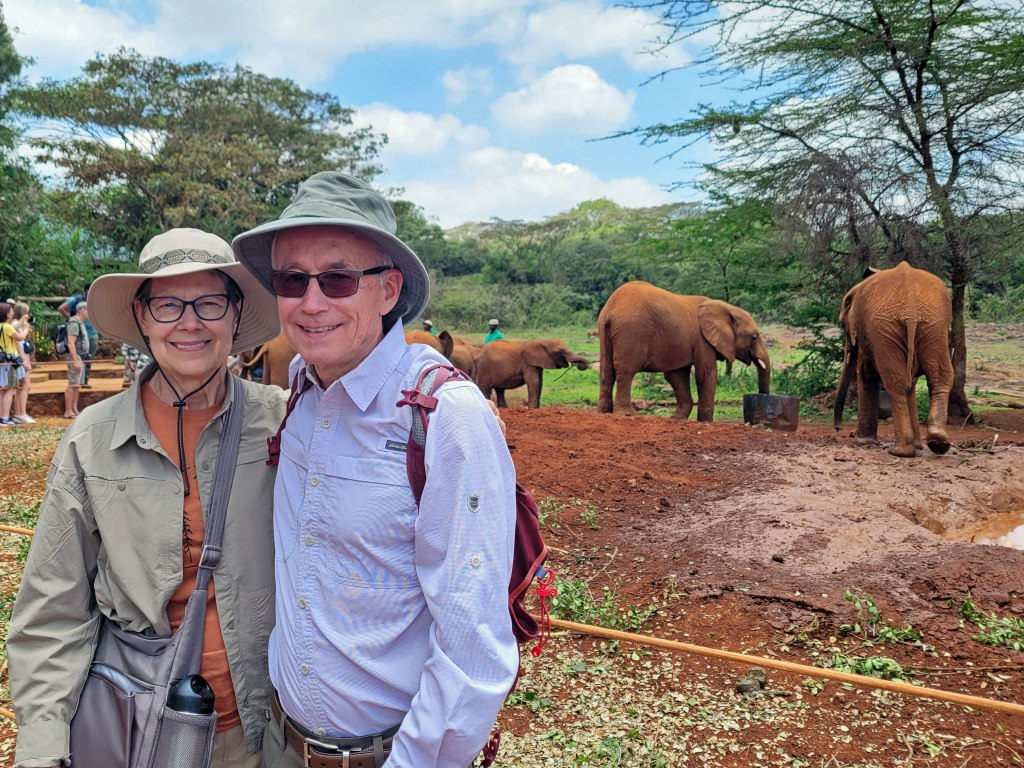
The Sheldrick Wildlife Trust operates other important programs as well, including 6 mobile veterinary units located in various wildlife areas and 23 anti-poaching teams working in partnership with the Kenya Wildlife Service.
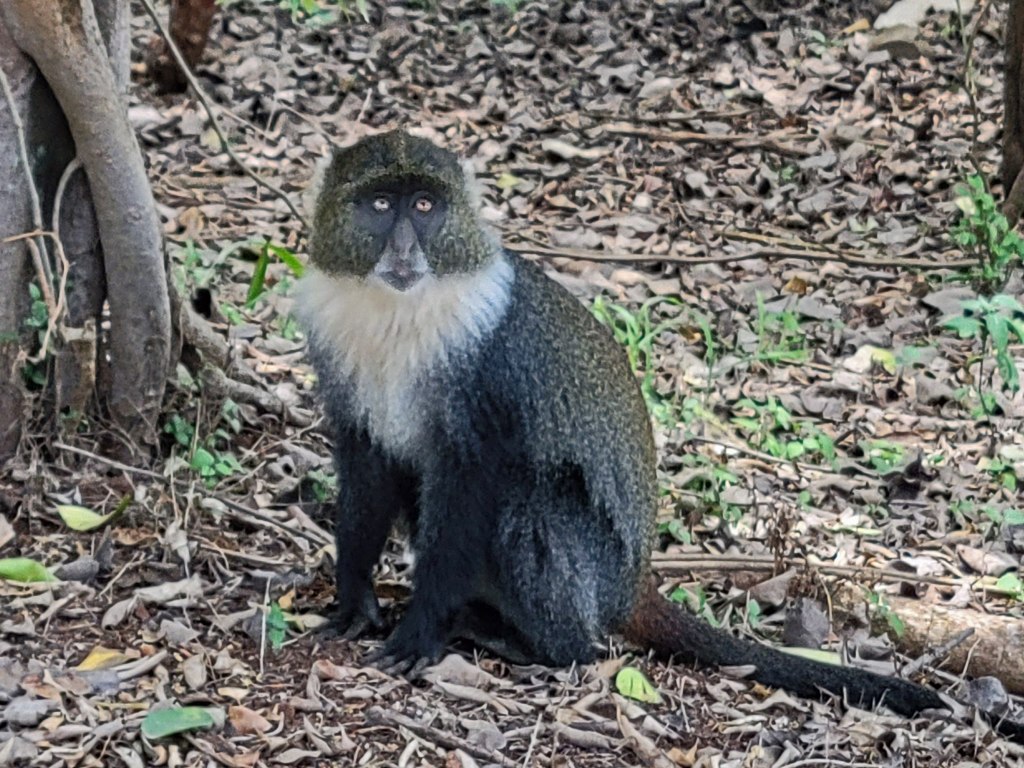
The Elephant Orphanage scored an enthusiastic thumbs up from us! And don’t miss the monkeys hanging out at the entrance to Nairobi National Park. It’s on the way.
Fairview Estates Coffee Farm
Kenya produces some of the best coffee in the world. Too bad Kenyans don’t drink it. Locals prefer tea, and Kenya just happens to be the third-largest tea-producing country in the world.
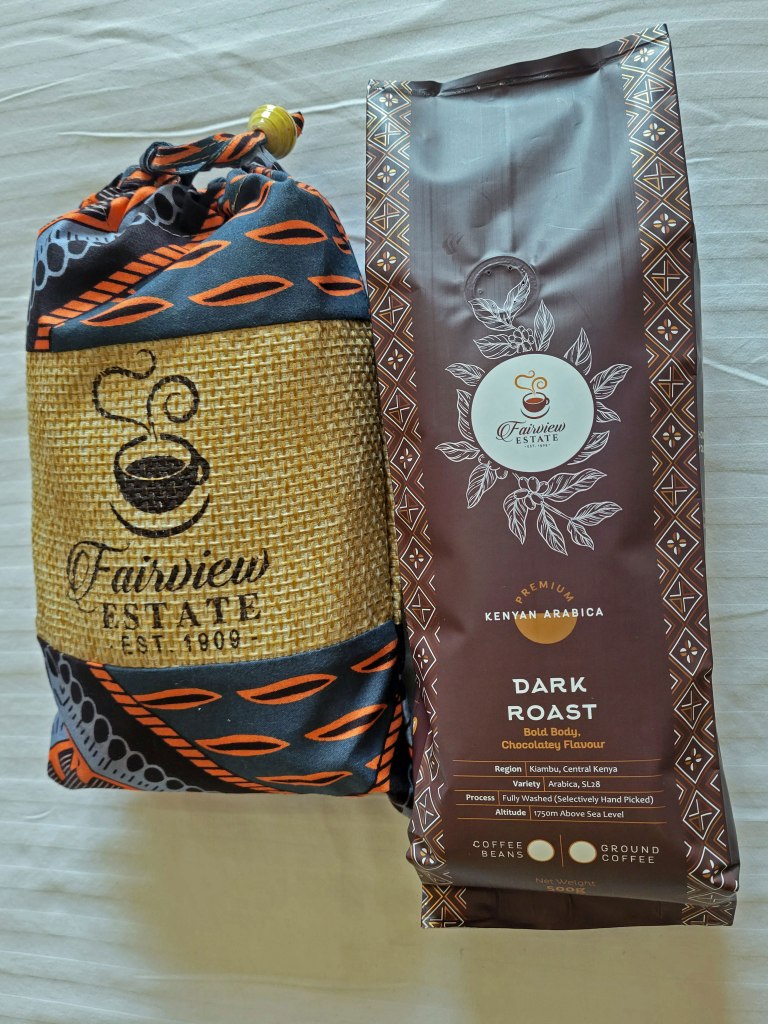
But being kahawa (‘coffee’ in Swahili) lovers, we opted to visit a coffee farm instead. With a tag line of ‘Home to the World’s Finest Coffee,’ Fairview Estates was calling to us. Our 2-hour tour was thorough, and we got a little exercise walking around the estate to learn about growing coffee. Tour guide Ann was excellent.
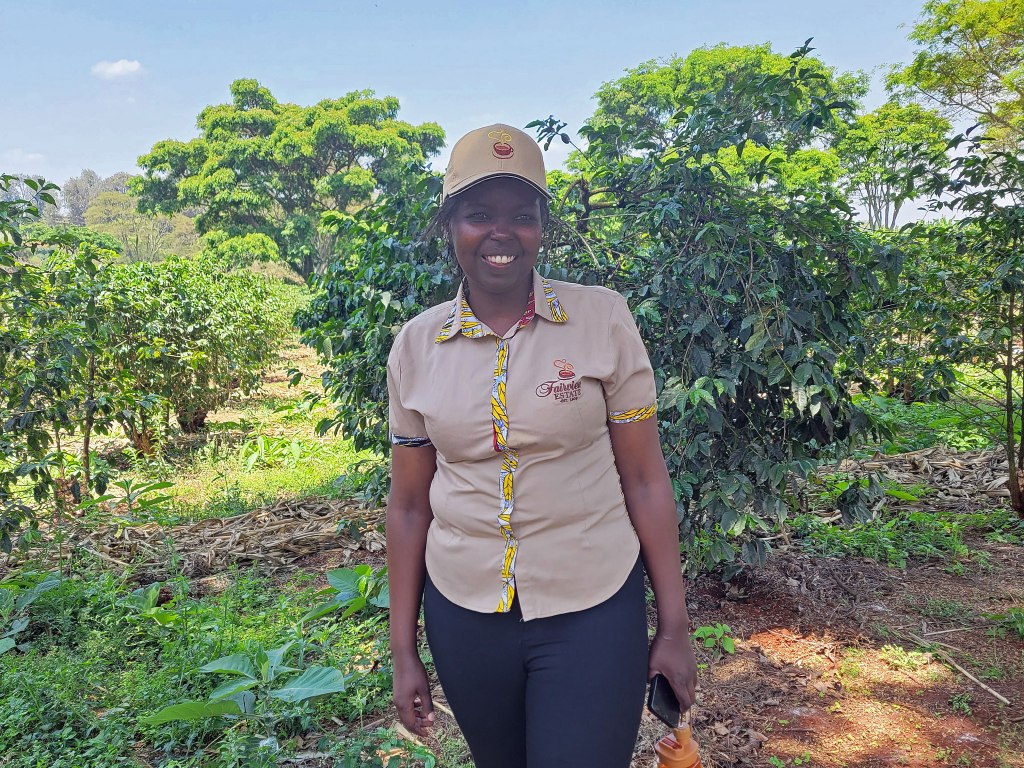
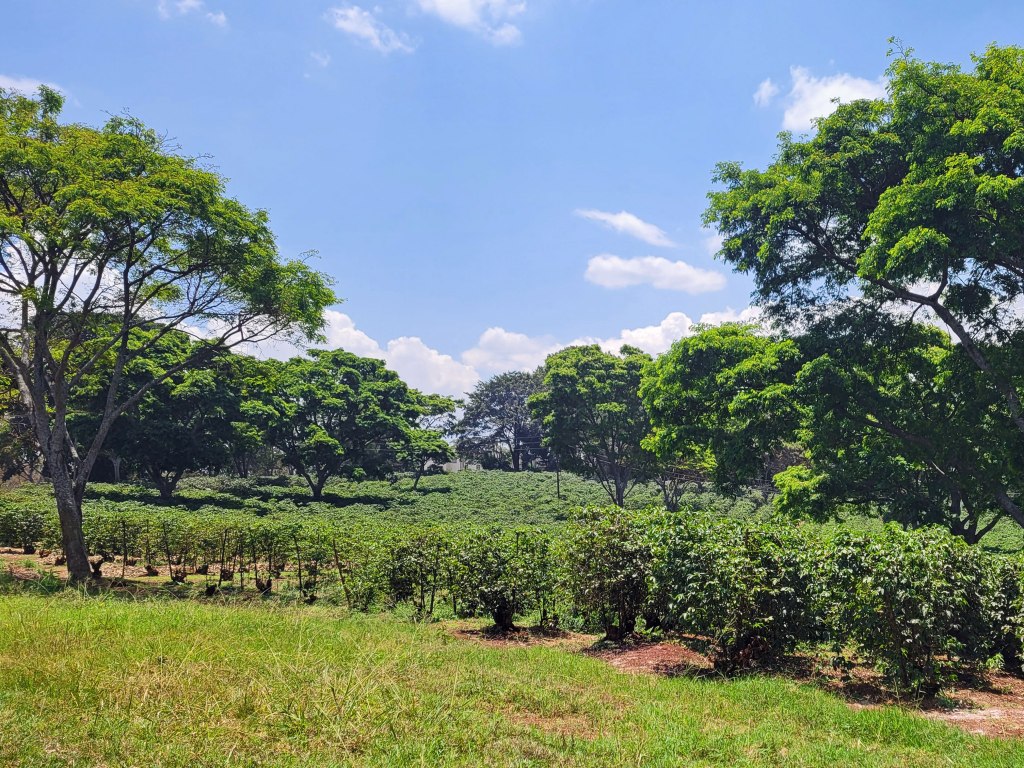
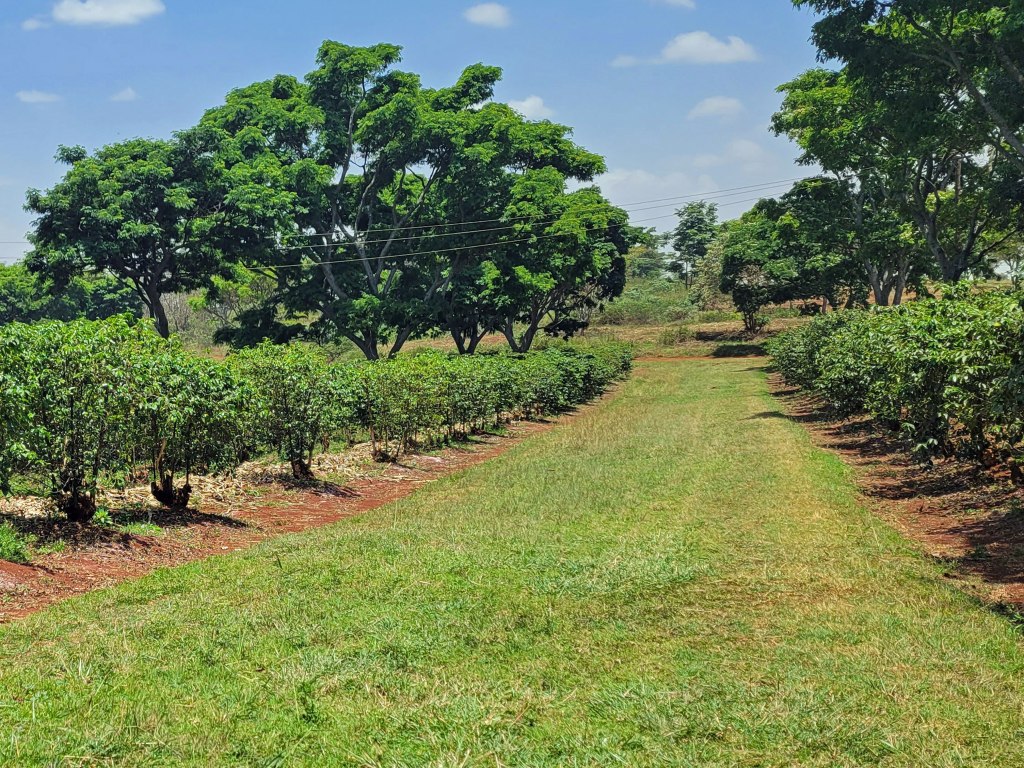
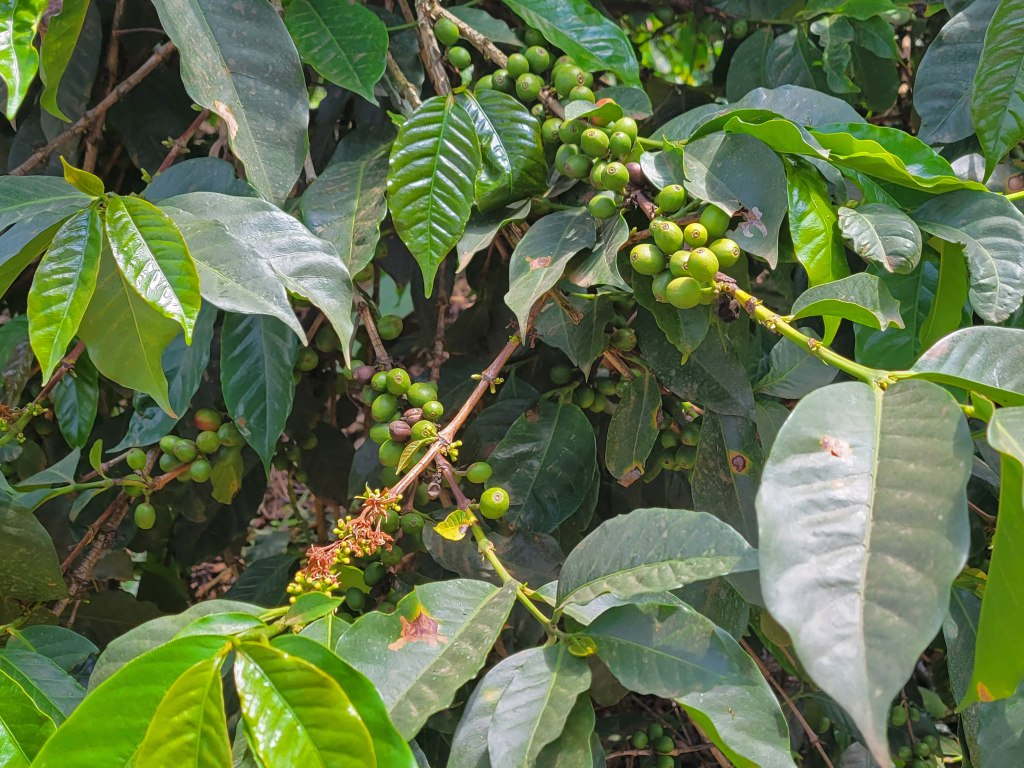
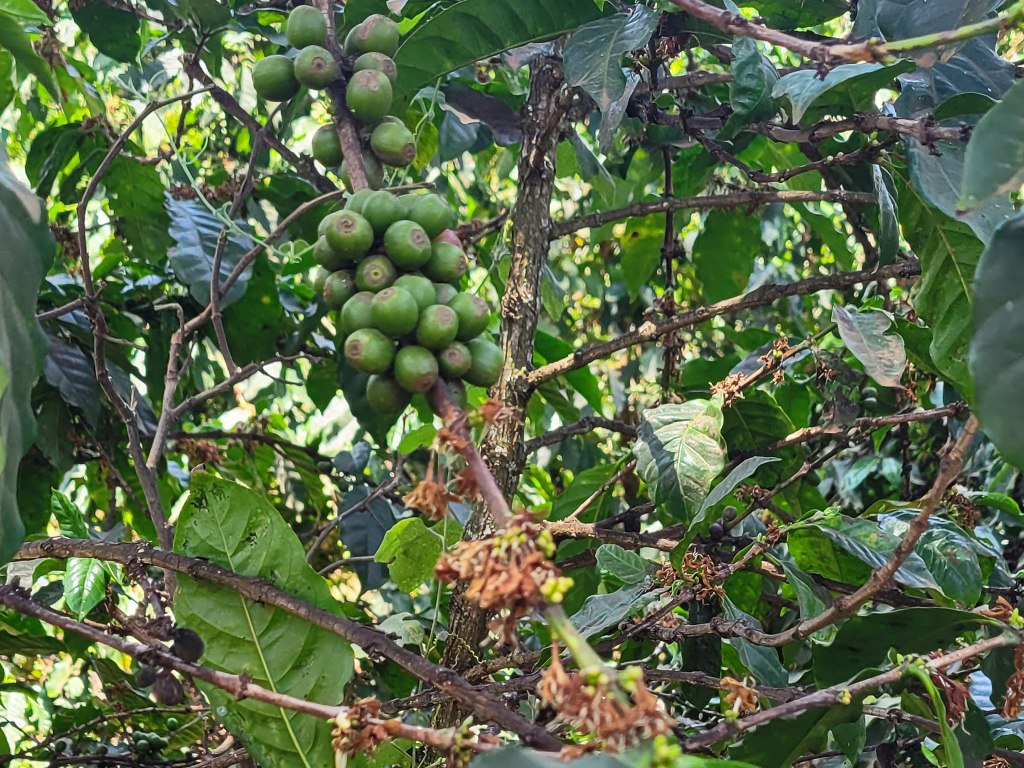
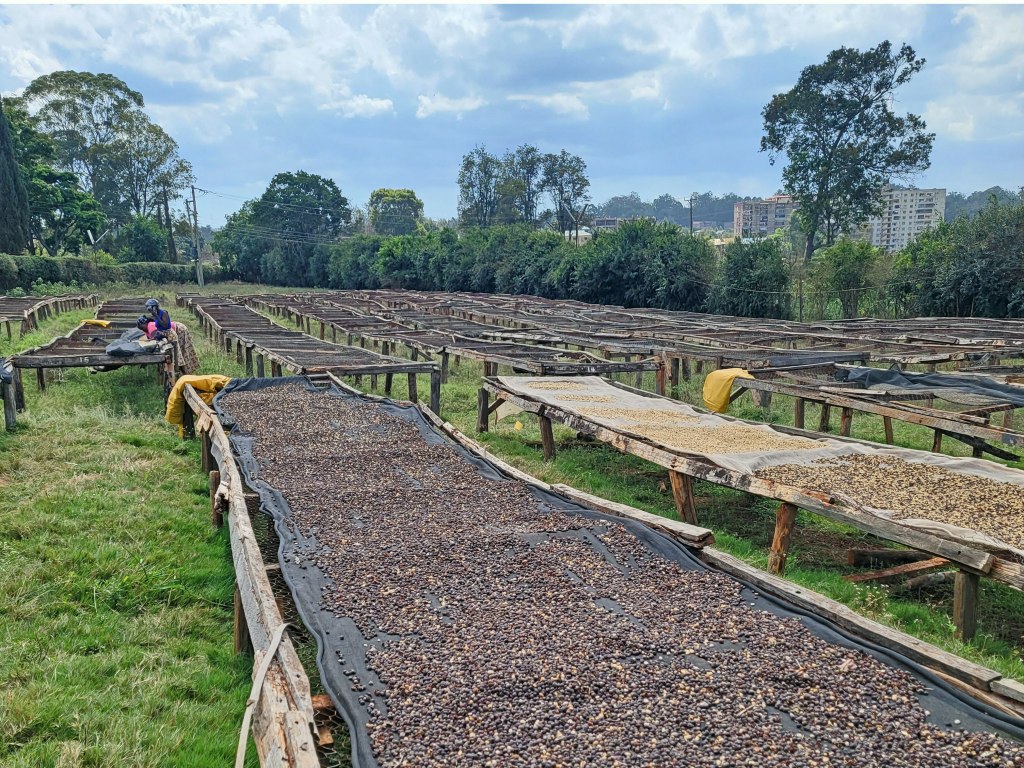
After learning about harvesting practices (by hand), we were off to the processing area, which consists of sorting, fermenting, washing, more sorting, soaking, more washing and more sorting. Unfortunately, none of that was happening during our visit, but we saw plenty of beans in the drying stage.
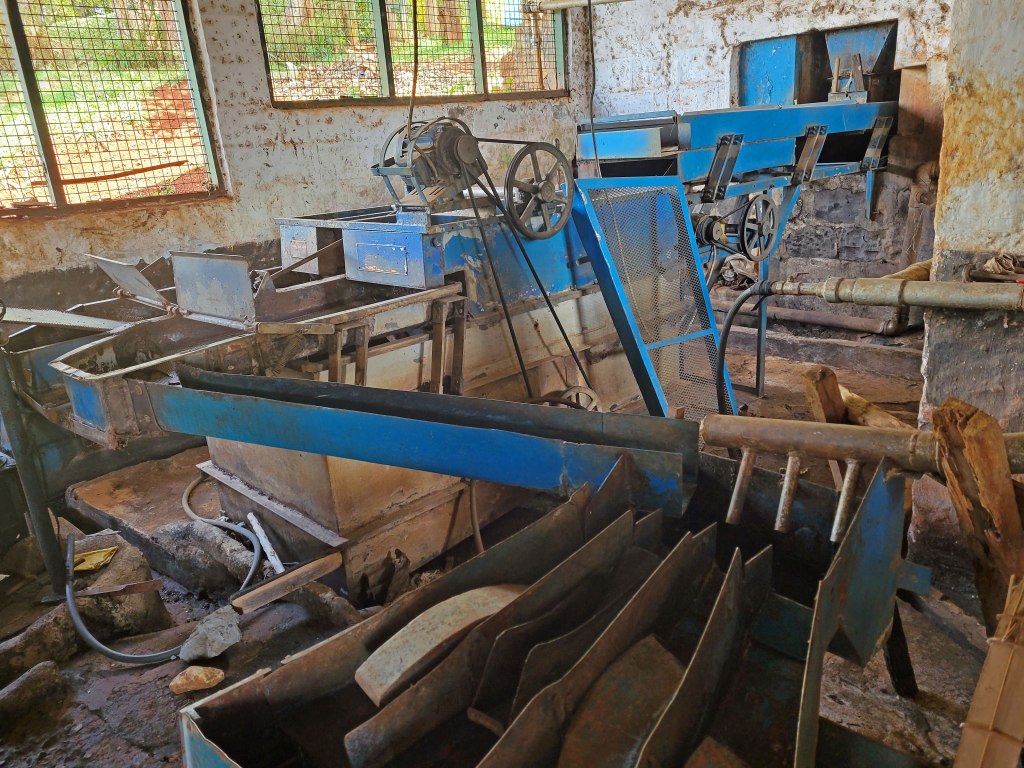
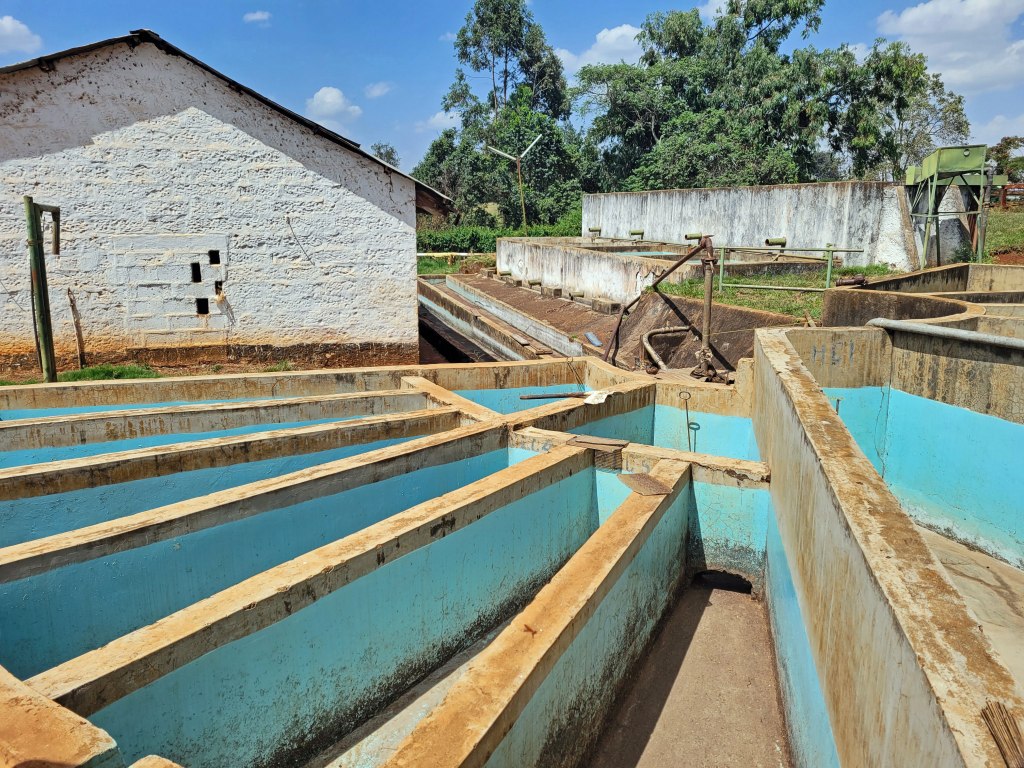
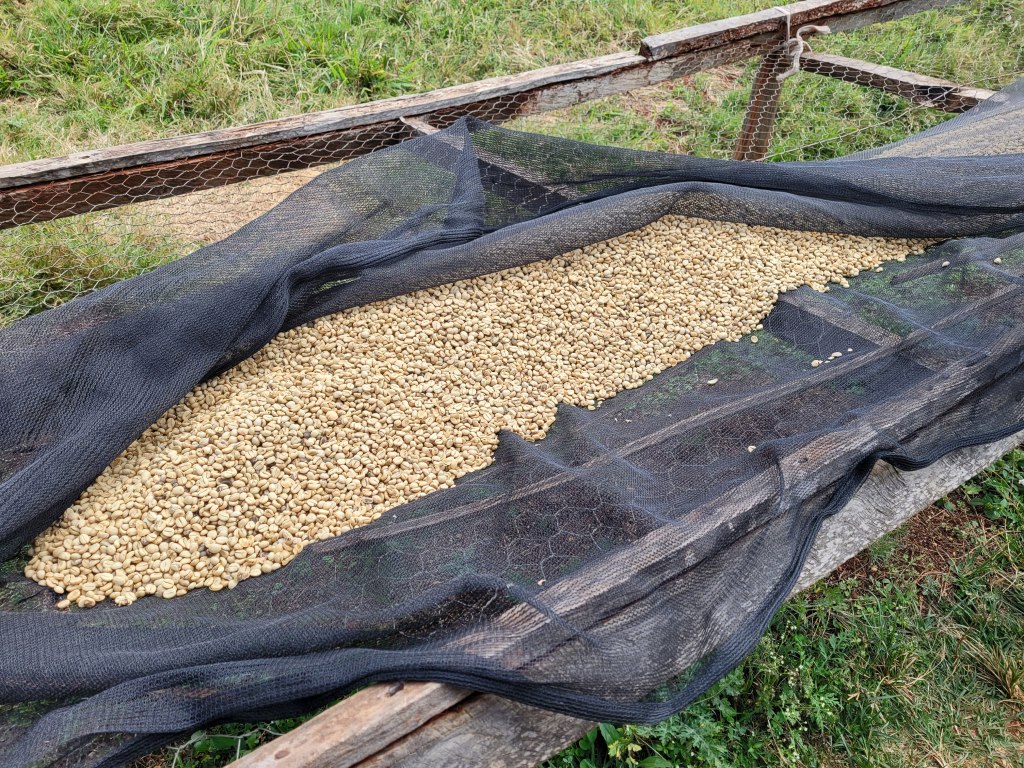
Roasting and tasting was up next. We did a blind sniff test of dark, light and medium roast beans, followed by a sample of the finished product using the cupping method.
Being unfamiliar, we watched with interest as Ann poured hot water directly over the fresh grounds into a coffee cup. After a few minutes, a crust formed on top, which was gently broken and the grounds carefully collected and discarded using special spoons. Fascinating to observe, but we’ll be sticking with our decidedly not fancy Nespresso machine.
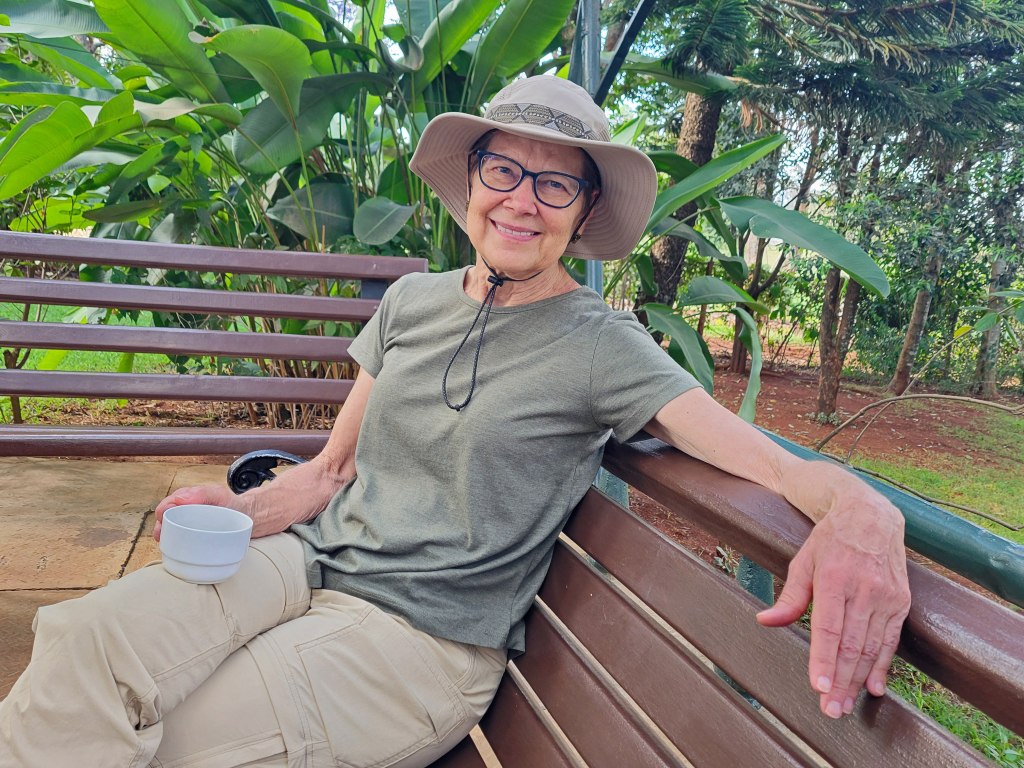
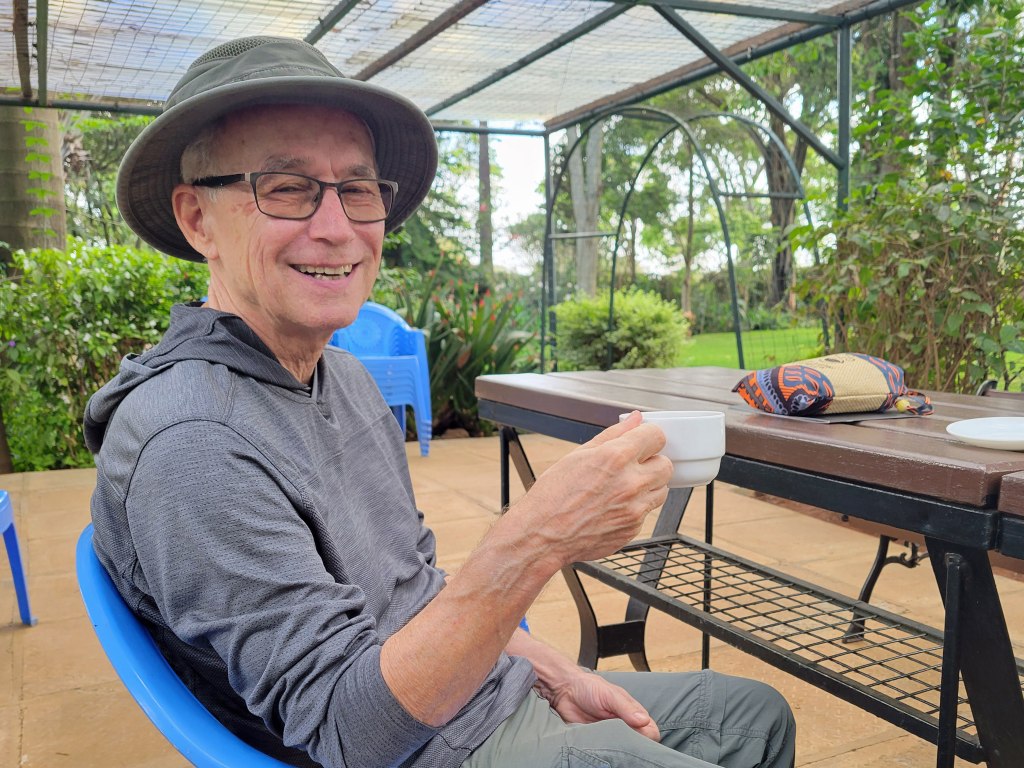
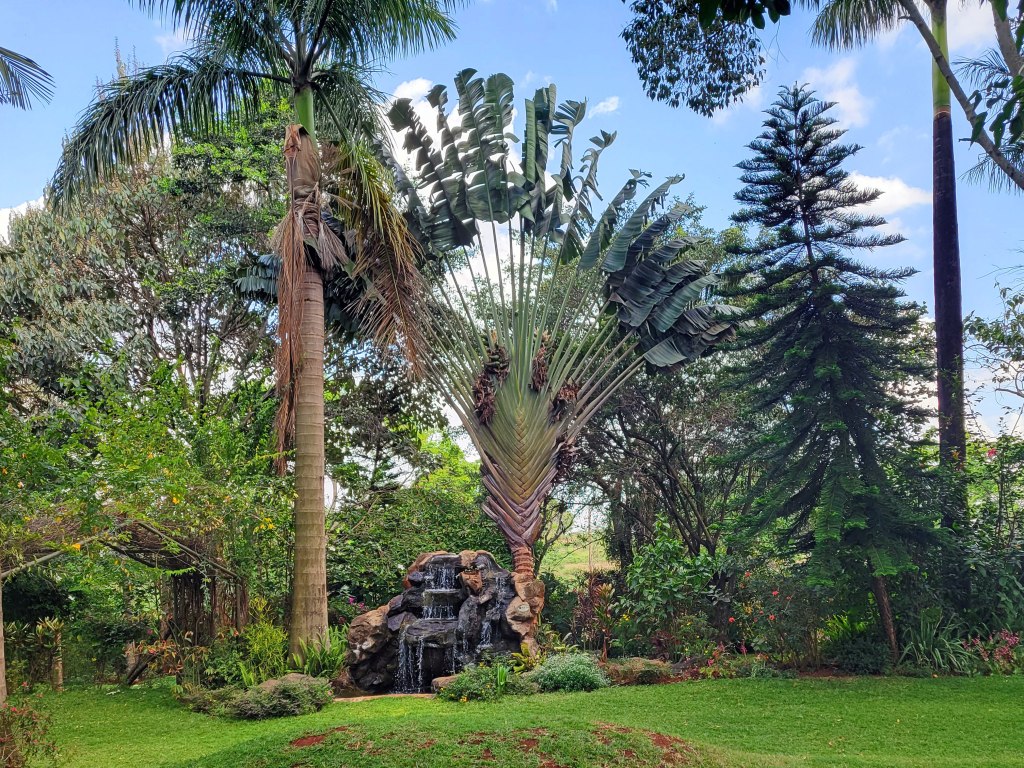
The final part of the tour was sipping coffee and nibbling on treats in the beautiful garden. Such a civilized way to spend the afternoon.
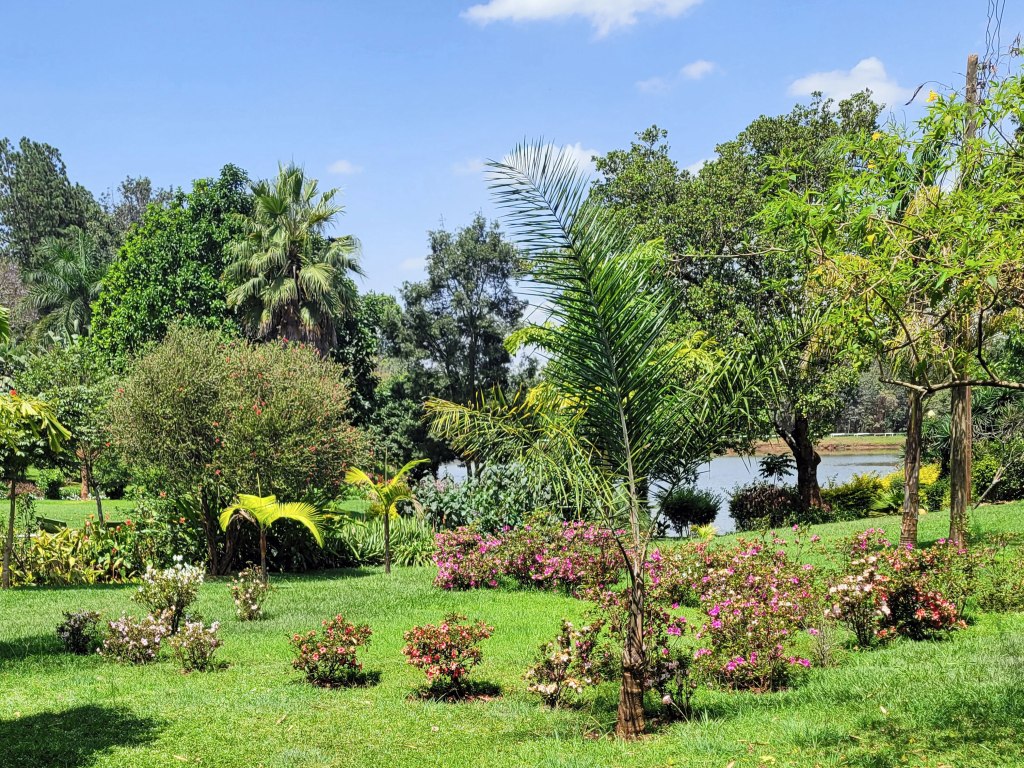
Unfortunately, the long term economic sustainability of Kenya’s coffee industry is questionable, especially near large population centers. Owners struggle to make even a small profit, and developers eager for land are knocking on the door with offers that are too good to refuse. But for now, we’ll enjoy our Kenyan coffee with fond memories of our visit to Fairview Estates.
Bomas of Kenya
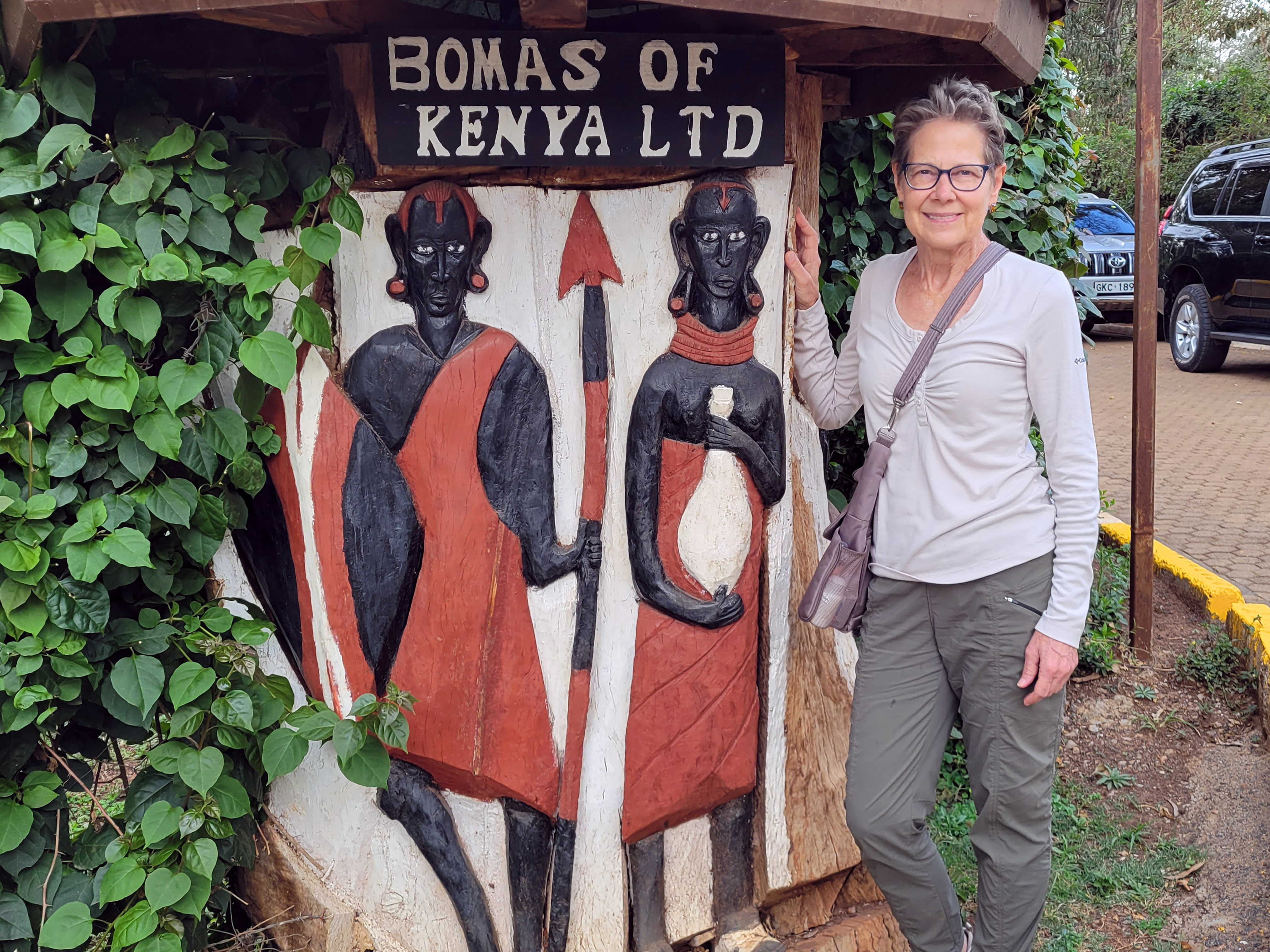
Bomas of Kenya got our attention with its daily dance performance. And we knew there was a walking path with traditional homesteads on the grounds, but we were unsure what that meant. William met us upon our arrival to guide us on a tour of the 23 homesteads, or bomas, each representative of a particular tribe. (Kenya has ~42 total tribes.)
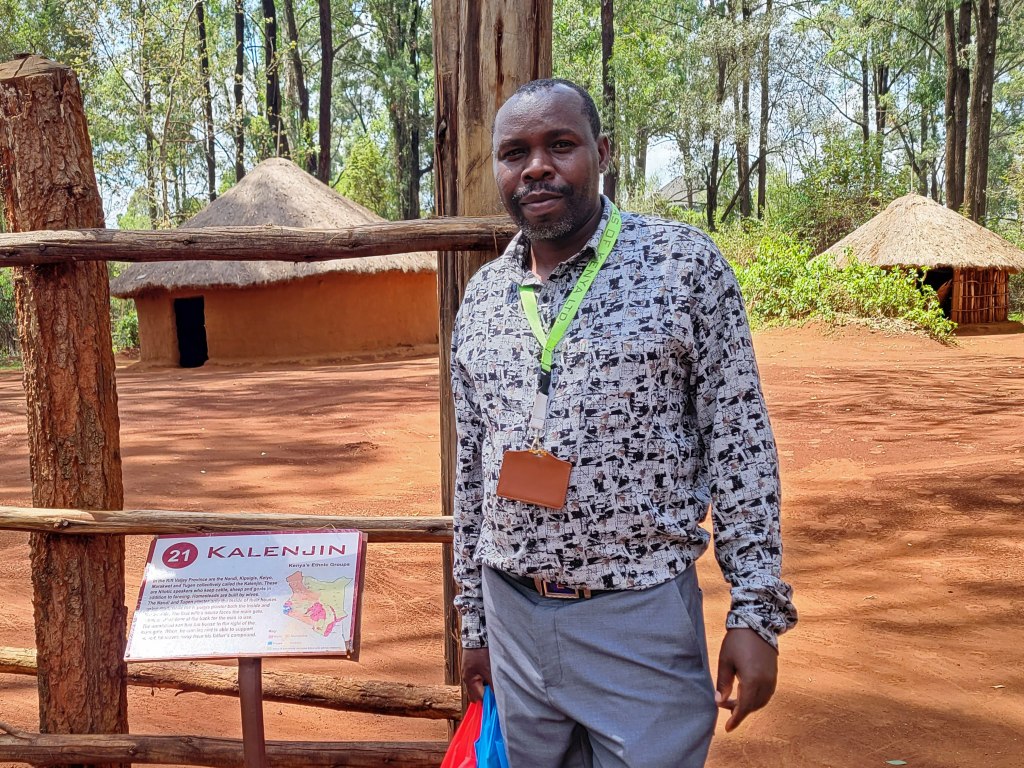
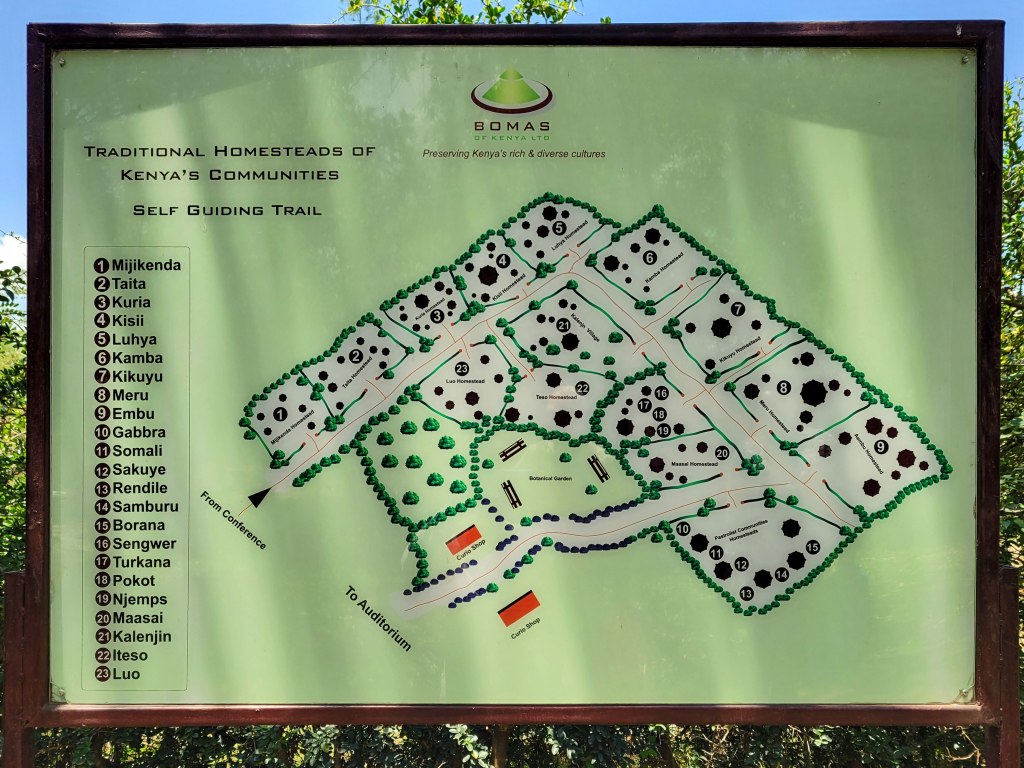
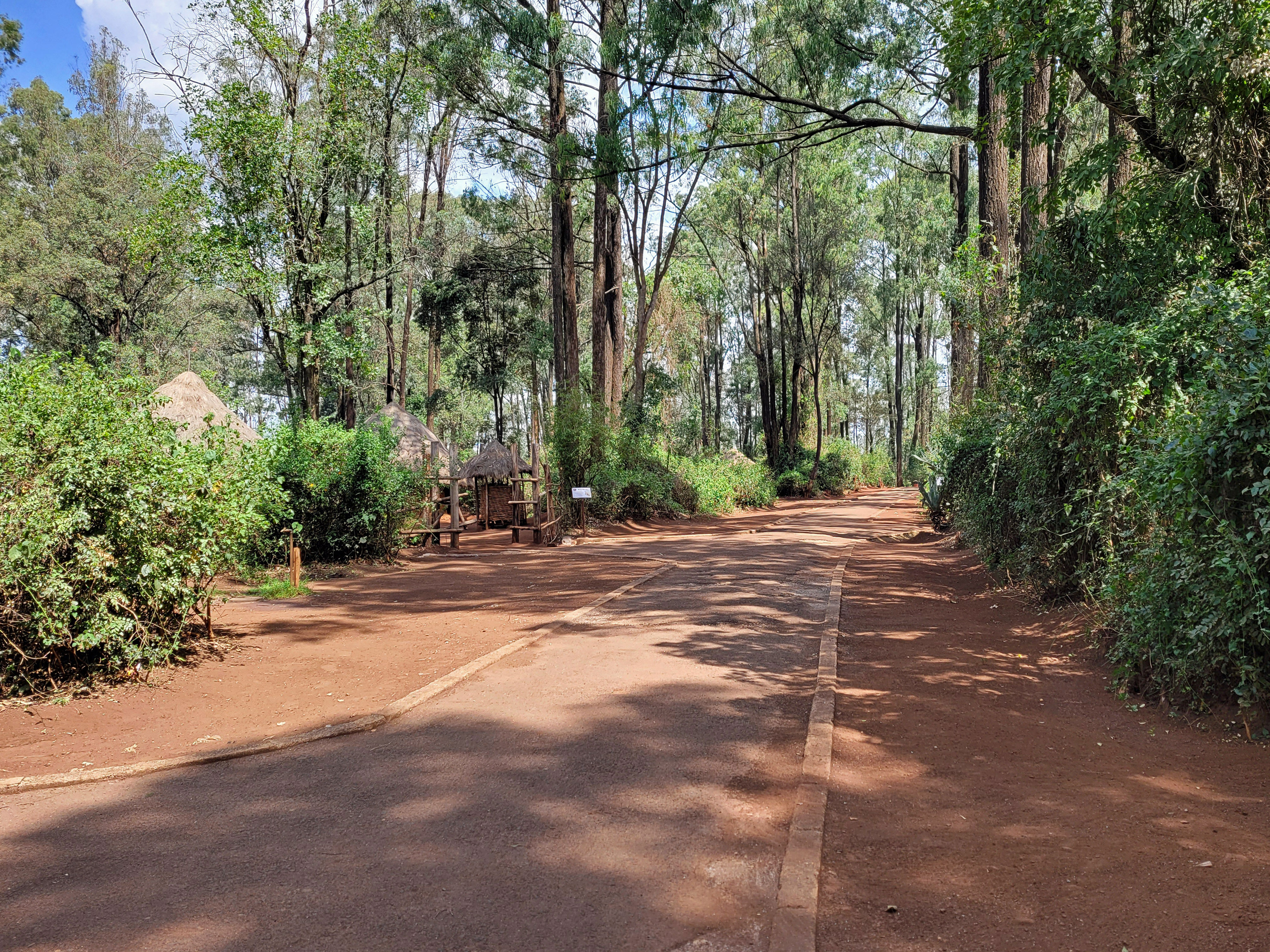
Without a guide, the experience would just have been a walk in the woods. William provided details and context that were lacking in the placards. Here’s a sample of the different hut styles.
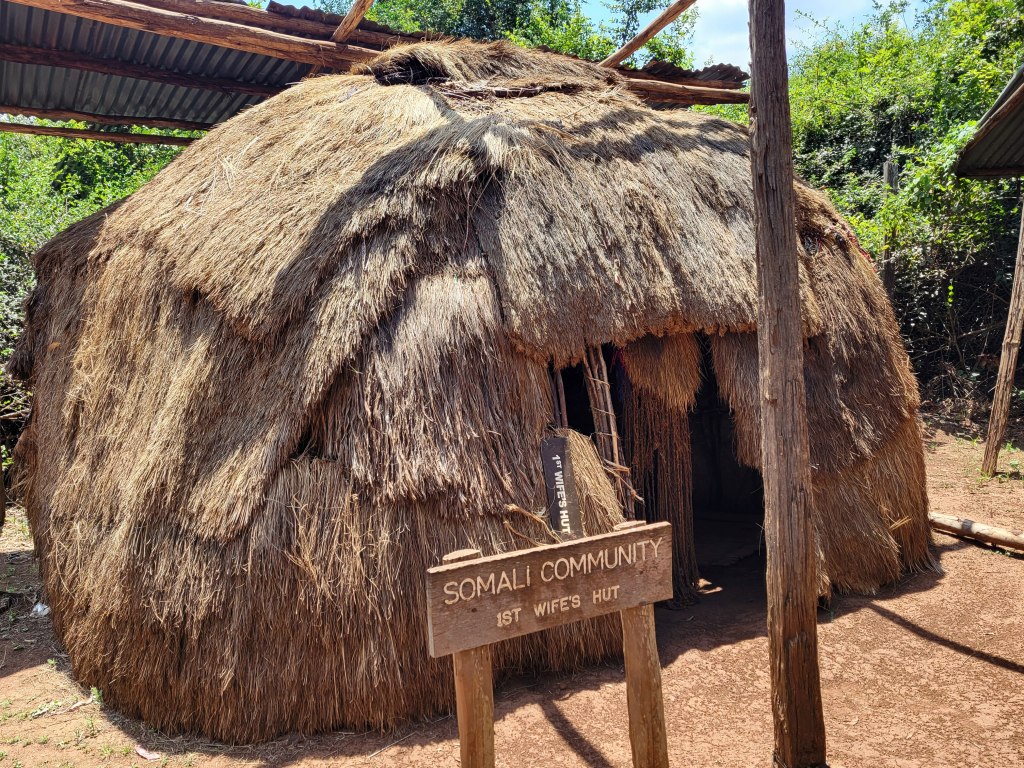
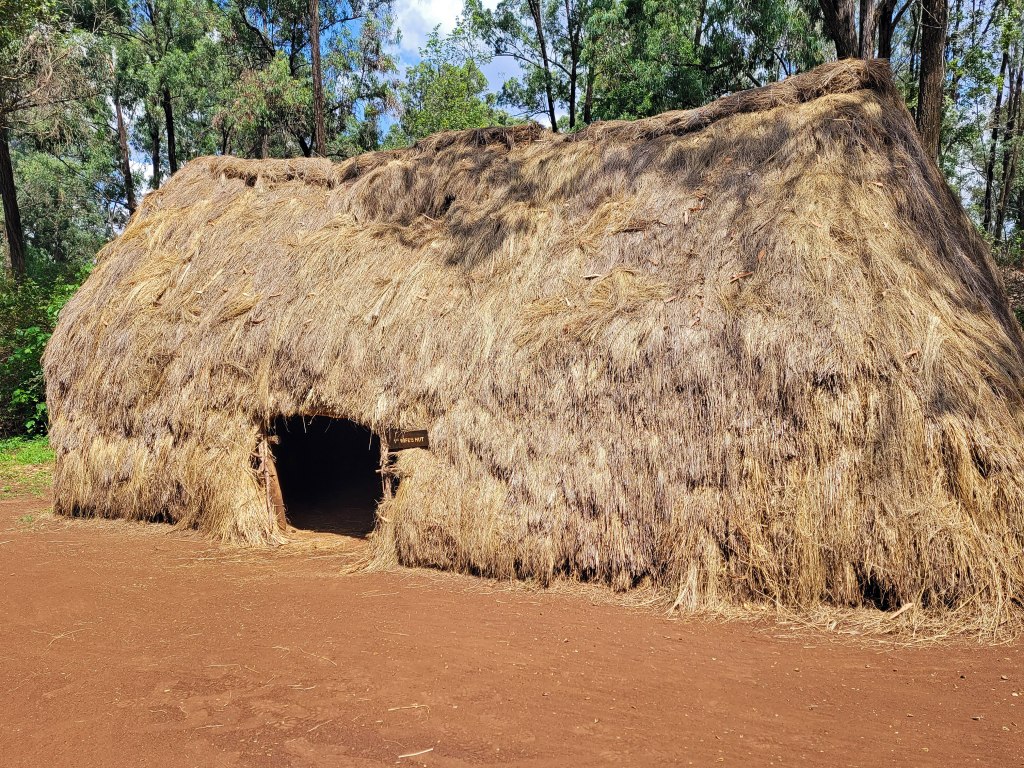
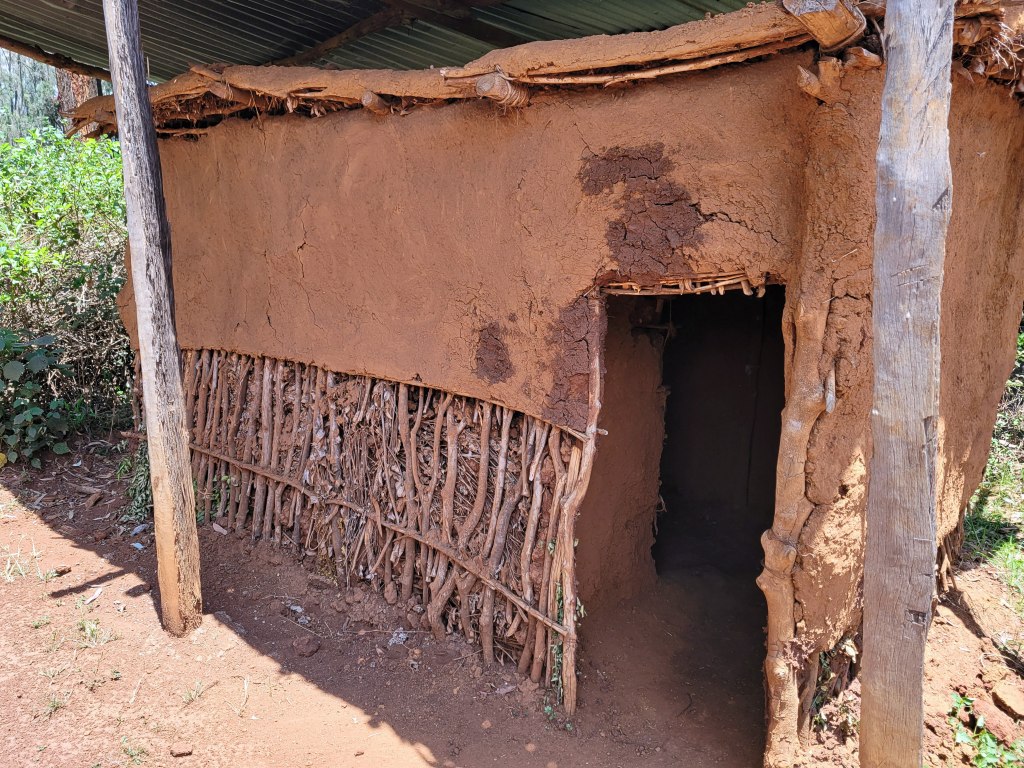
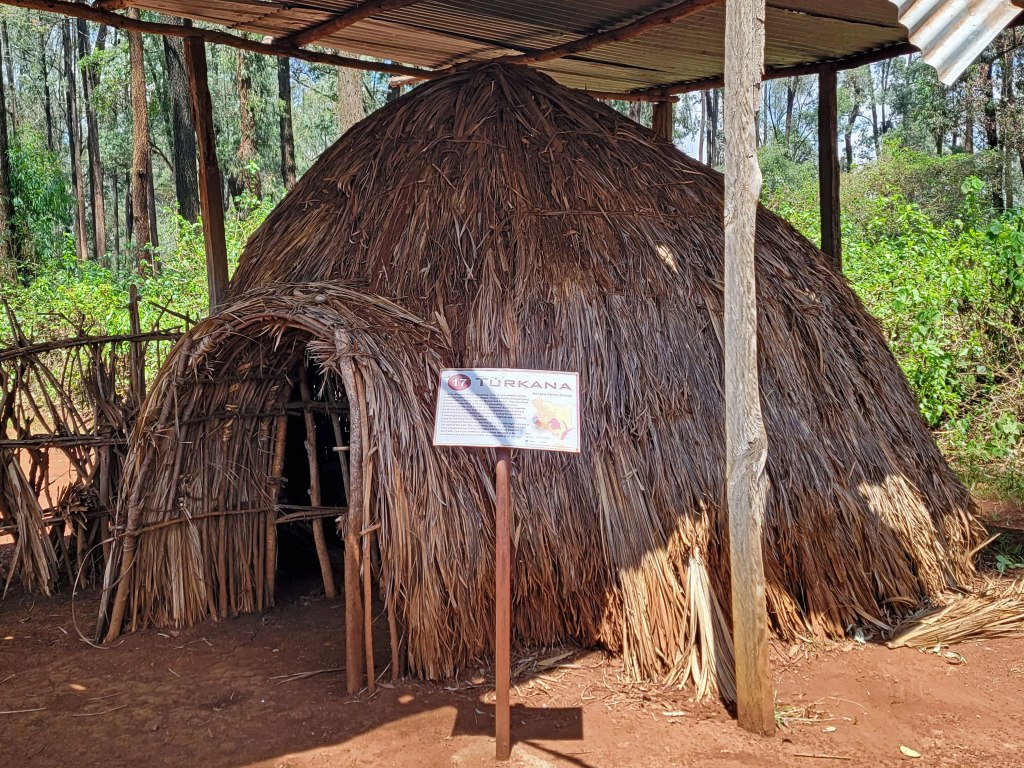

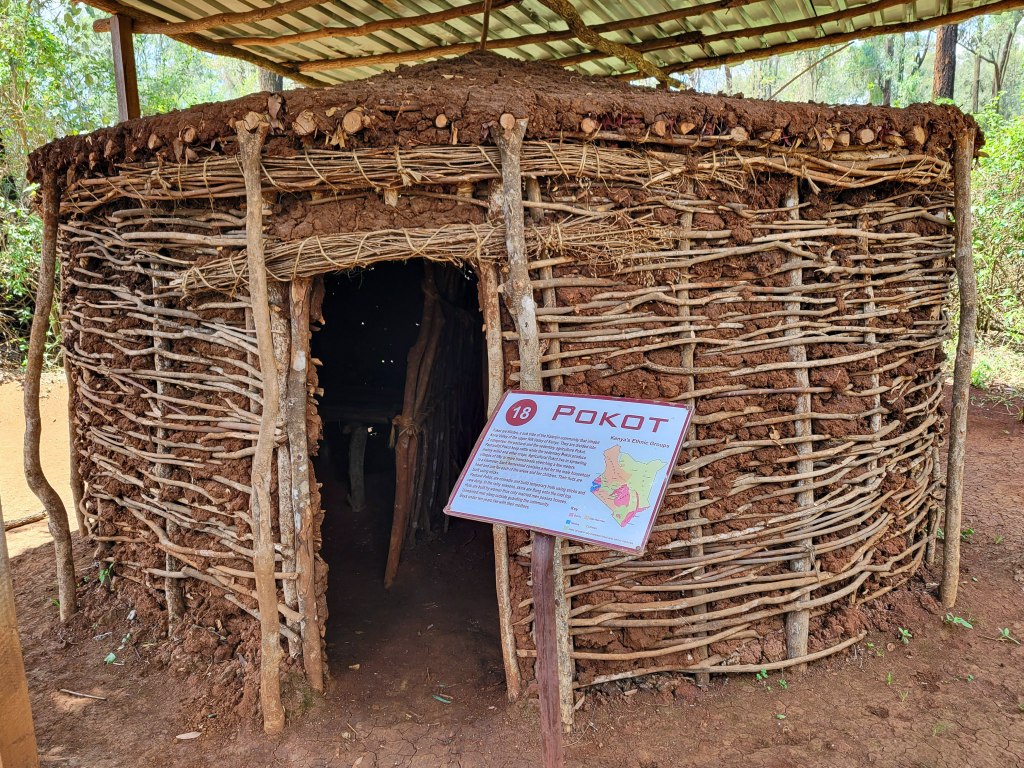
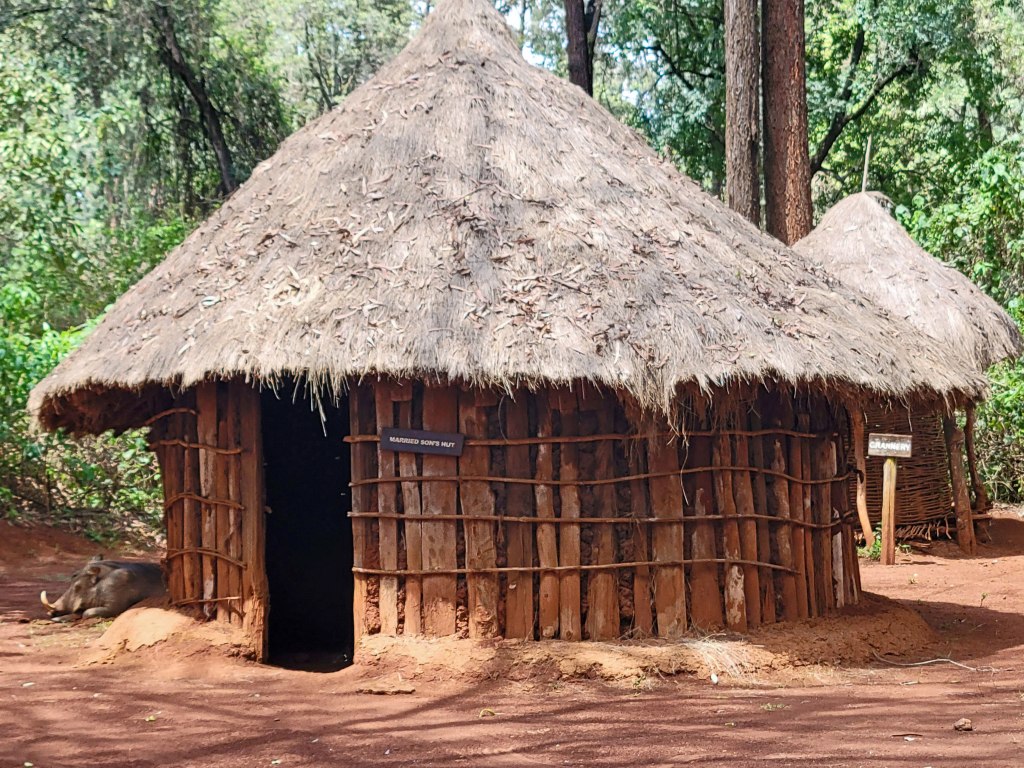
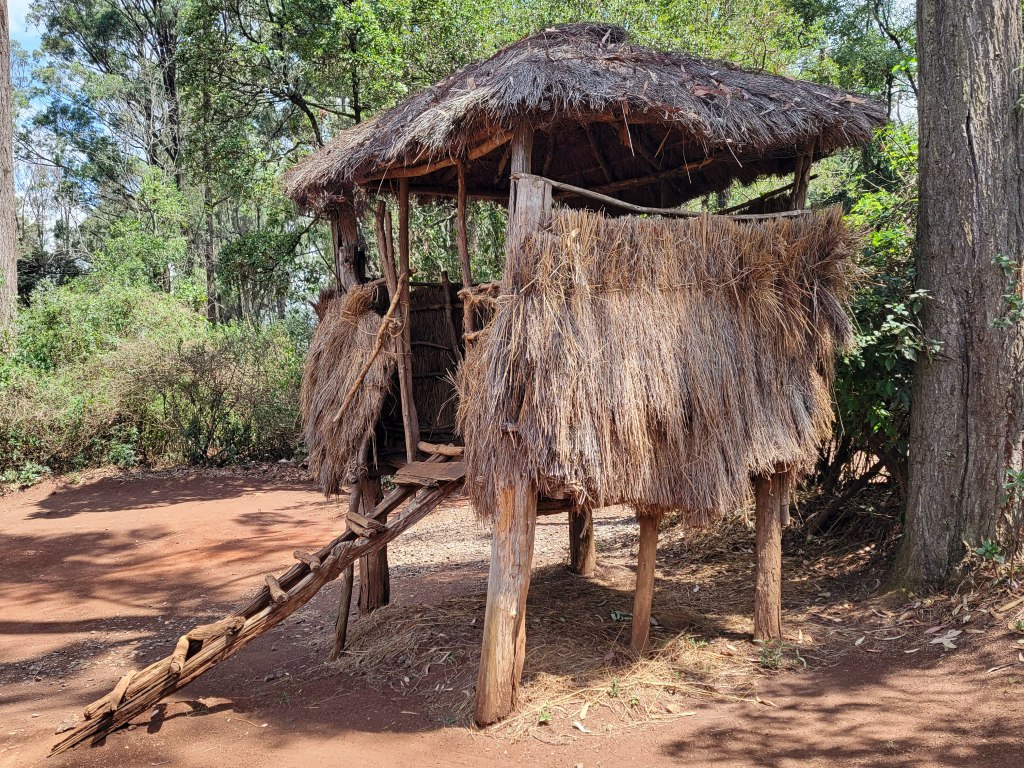
Many huts had labels denoting who would live there – first wife, second wife, married son, grandmother, etc. Polygamy, a long-standing practice in most of Africa, is legal in Kenya, although only 10% of the population currently lives in a plural marriage.
At the end of the path, we were ushered into a ginormous auditorium (3,000 seats) for a high energy dance performance. For 1.5 hours, a group of talented and vivacious dancers entertained us with at least ten different dances, each from a different tribe and requiring a quick wardrobe change. An announcer introduced each selection with a short description that, unfortunately, was unintelligible due to the poor sound quality. Photos allowed but no videos.
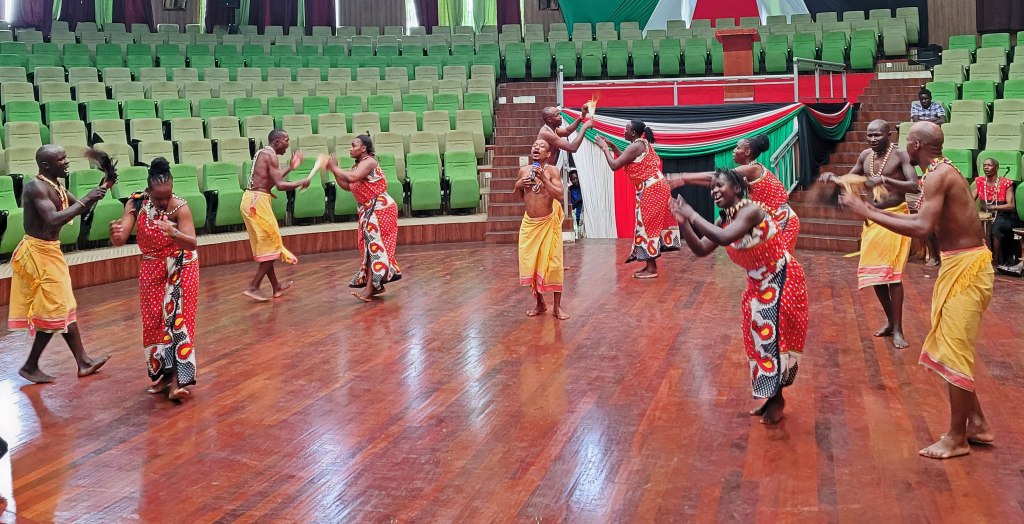
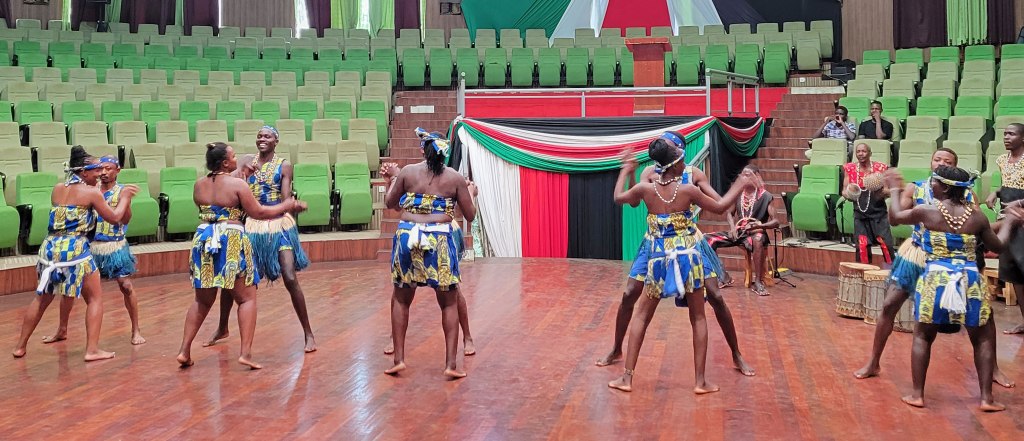
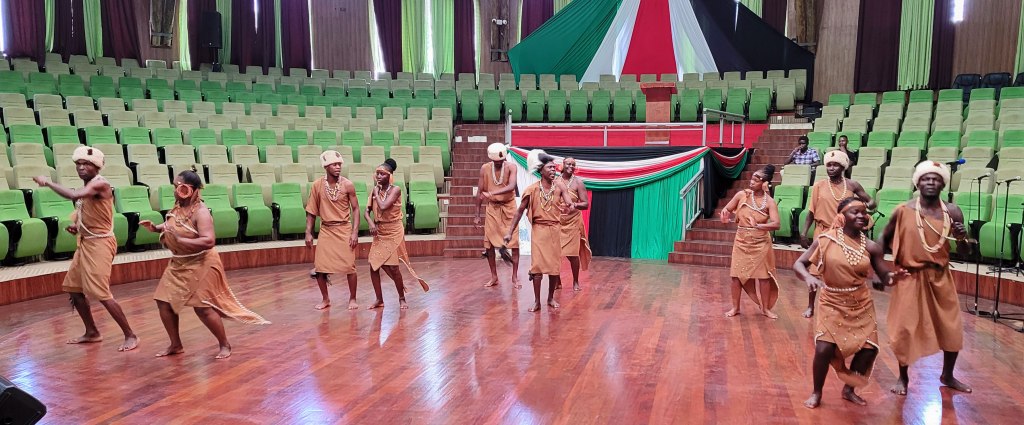
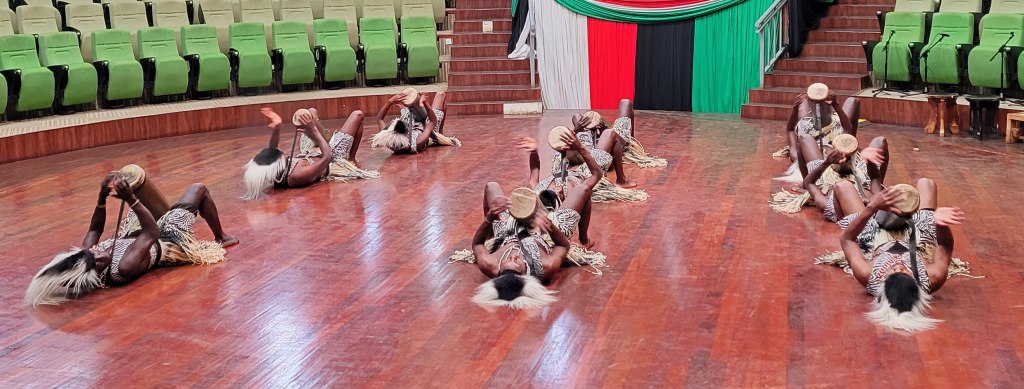
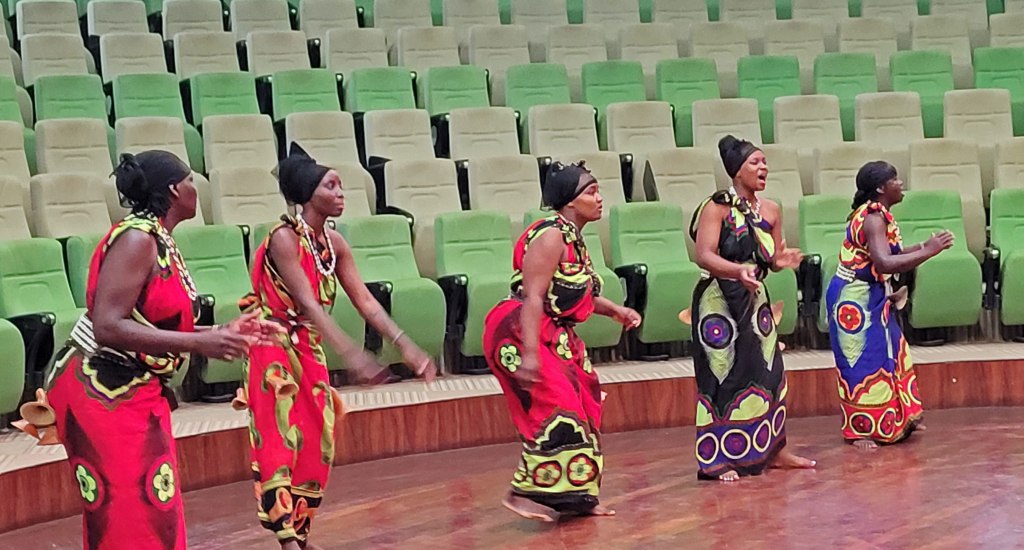
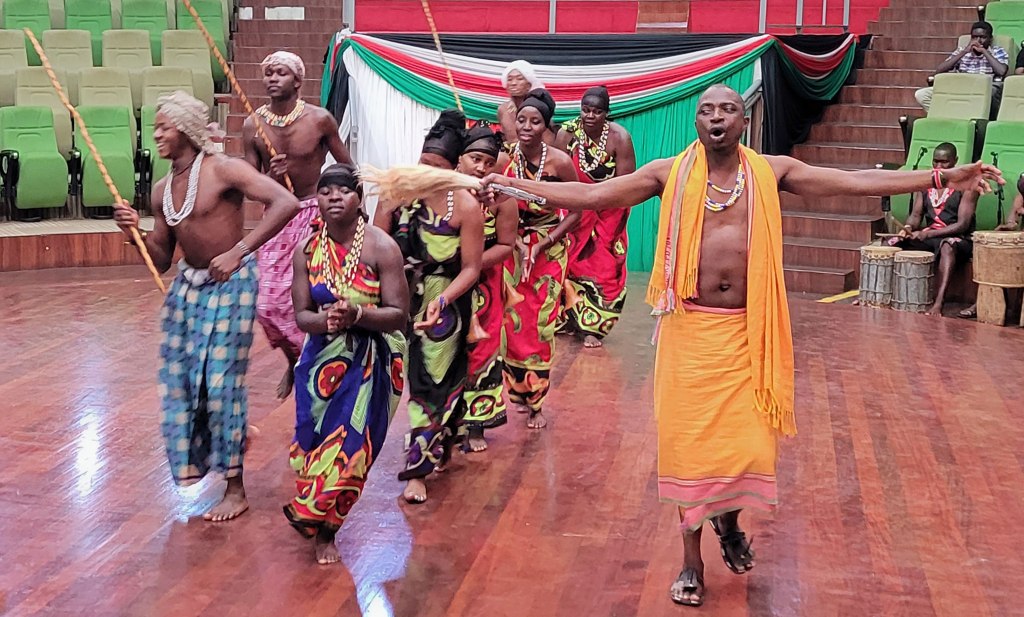
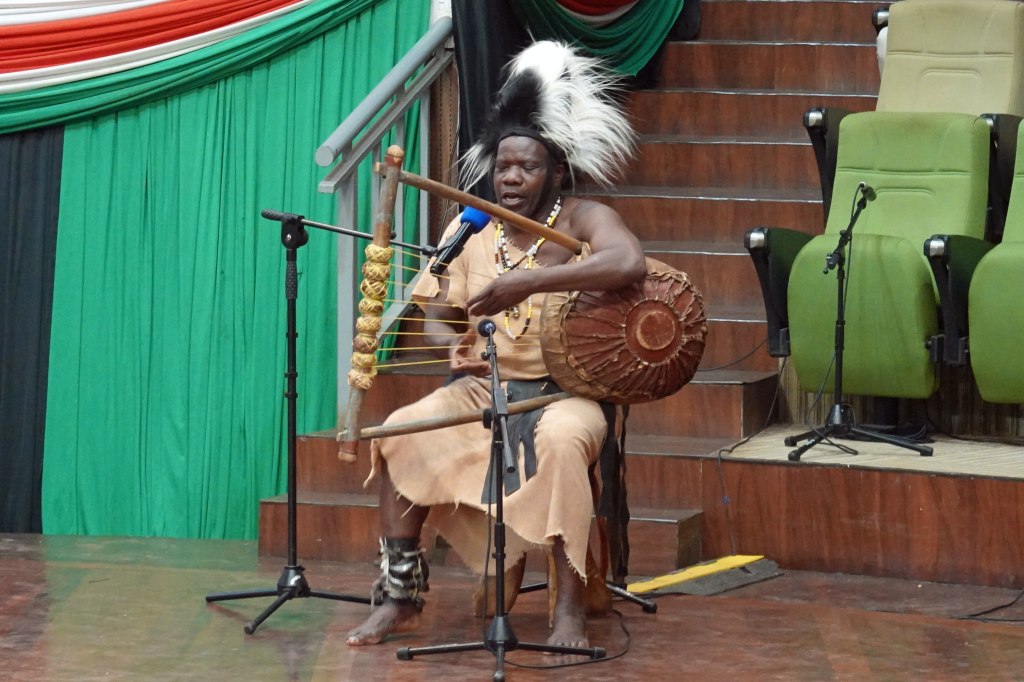
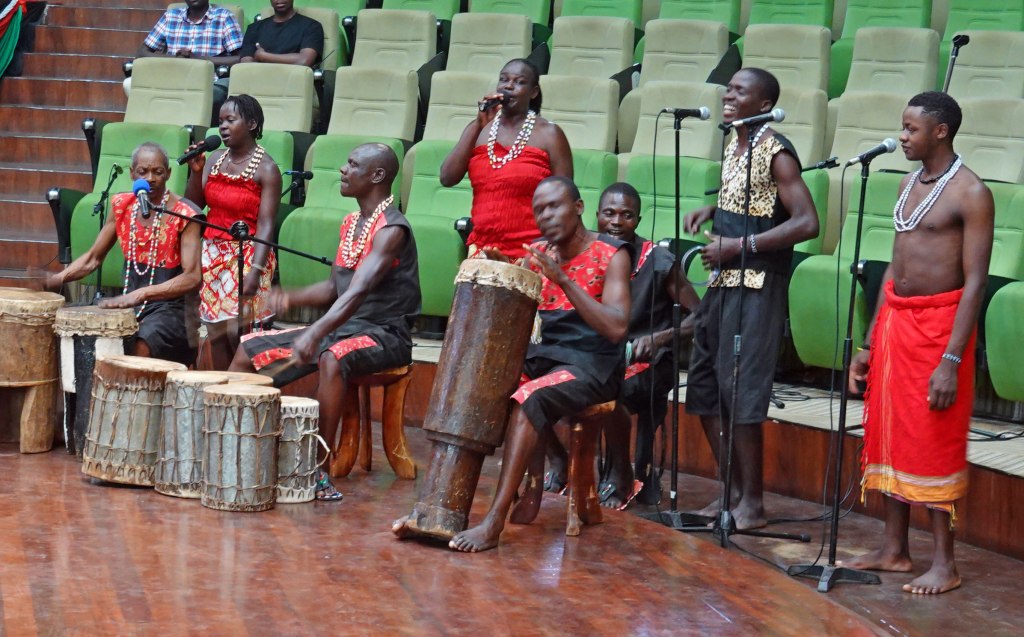
Bomas of Kenya is a hidden treasure that few tourists are aware of – it’s far down Trip Advisor’s list of things to do in Nairobi (but has good reviews). Their website provides almost no information and no compelling reason to visit. It’s not frequented by tour guides. Sadly, there were only around 20 total spectators plus two groups of schoolchildren in the audience on the day of our visit.
Yet it was one of the most authentic experiences we had in Nairobi, dedicated to preserving and honoring the diversity of Kenyan ethnic groups, but currently not achieving its full potential.
Nairobi Gallery
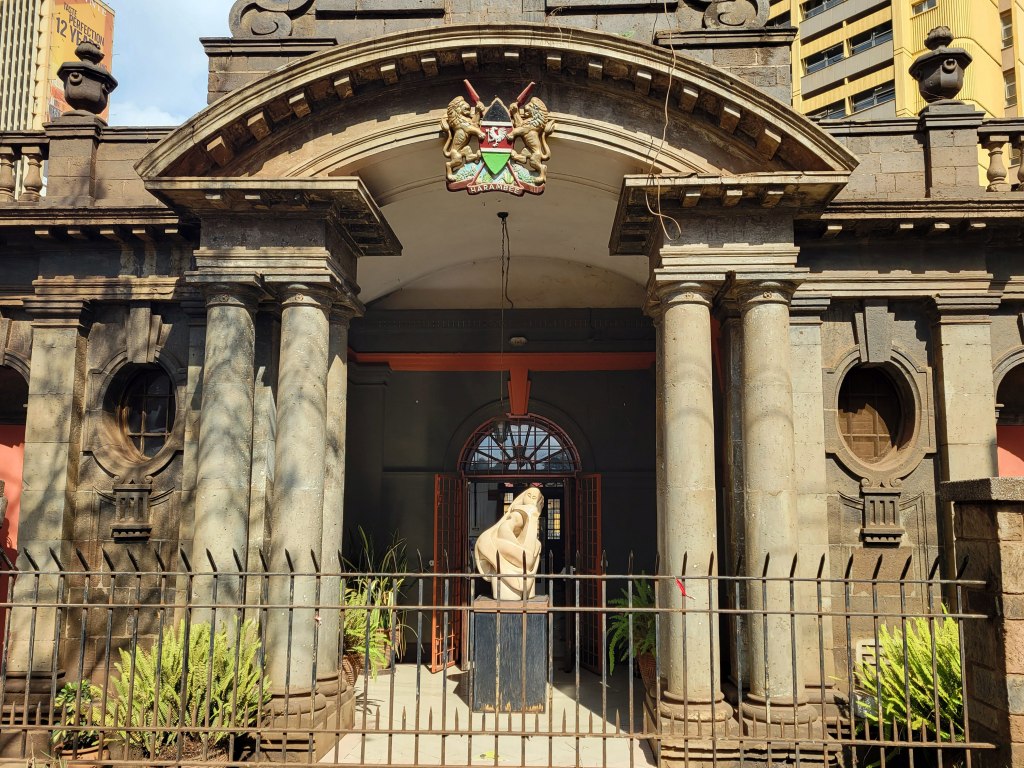
A fine example of Victorian style architecture, the building now known as the Nairobi Gallery was constructed in 1913 by the British colonial government. Notably, it served as Point Zero, from where the distance to all corners of the country was measured.
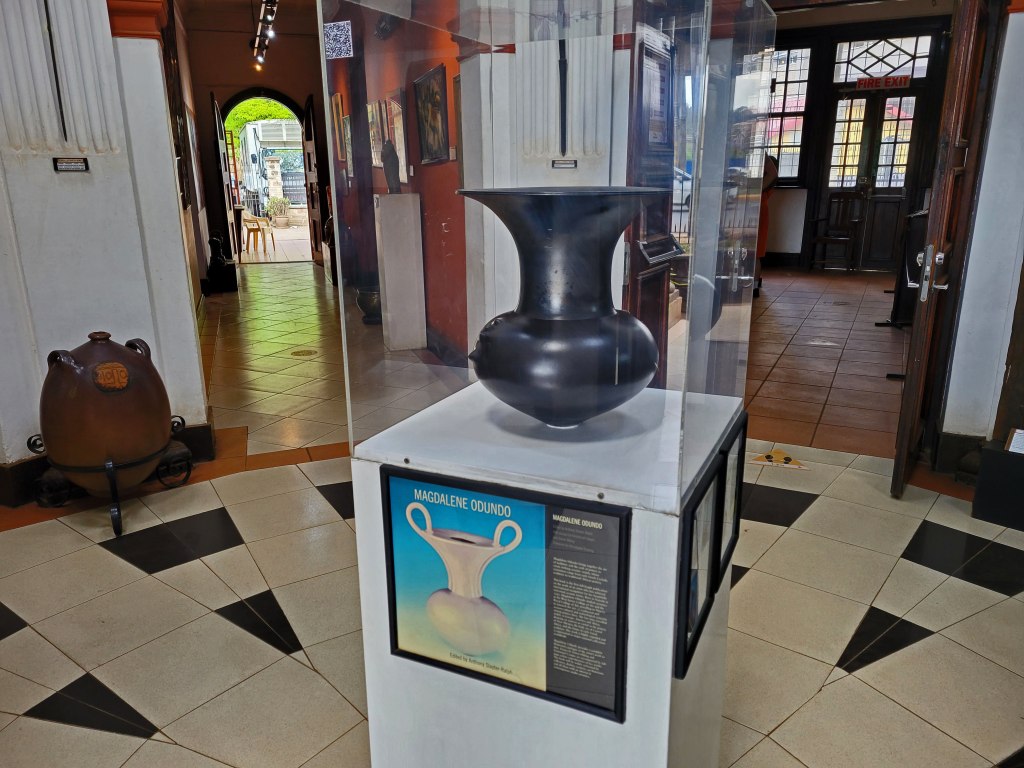
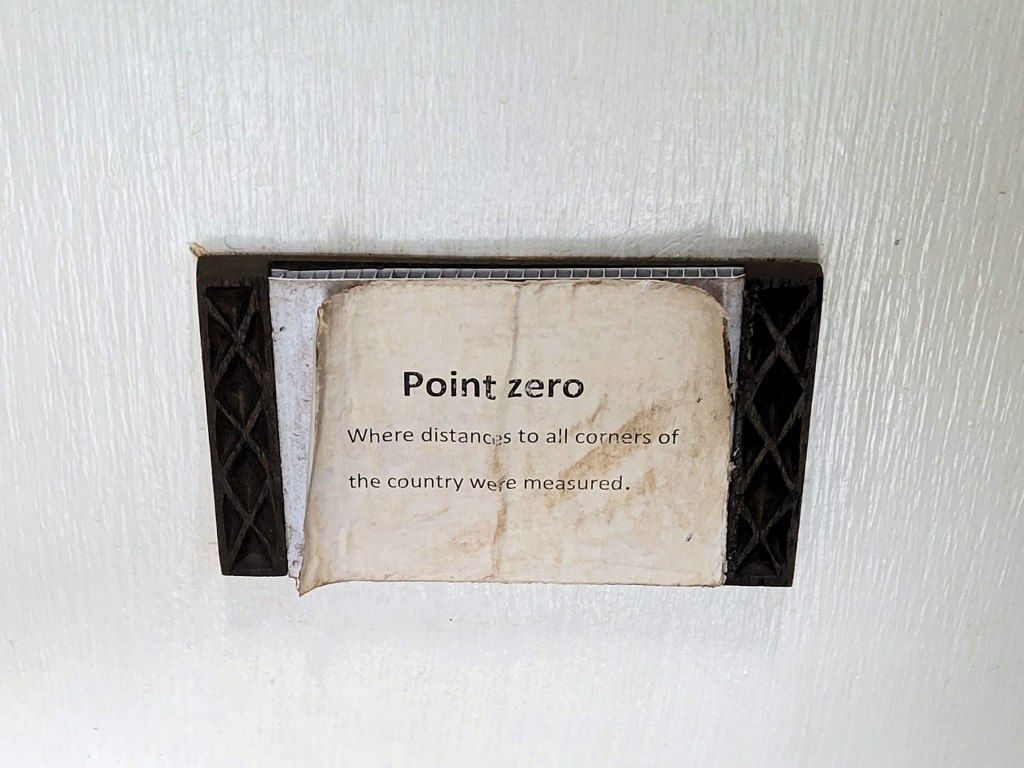
Early on, residents went there to report births, marriages and deaths, so it was informally known as the office of ‘hatches, matches and dispatches.’ Prior to Kenyan independence, it was also a courthouse where native Africans entering the city without a pass were sentenced. Curiously, the building contains two safes from the colonial era that remain unopened to this day.
Tucked away in an inconspicuous location at the edge of the central business district, the Nairobi Gallery was a great place to learn about 20th century Kenyan history and view African objets d’art by perusing the extensive collection of Joseph and Sheila Murumbi.
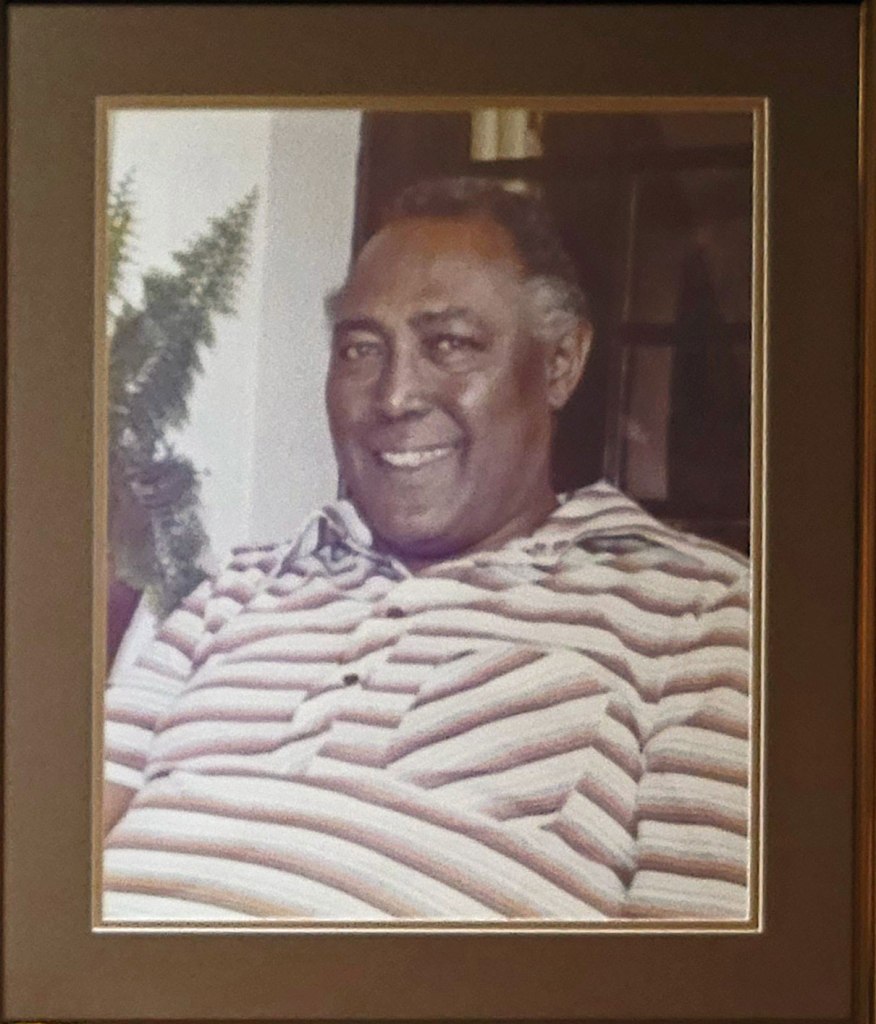
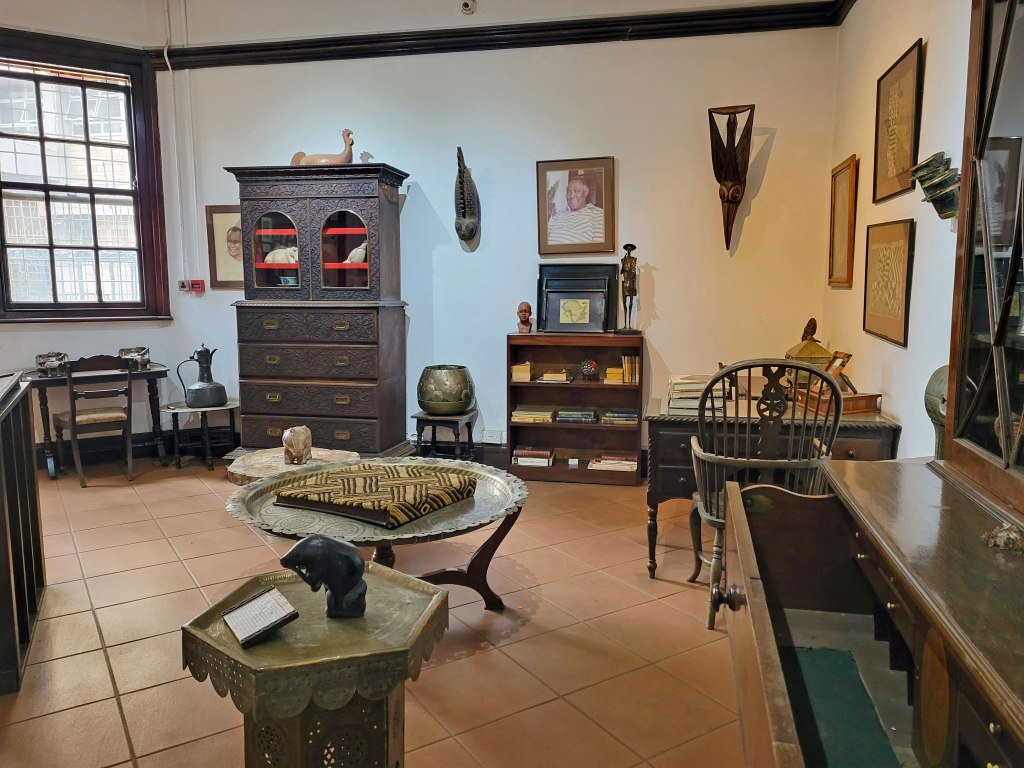
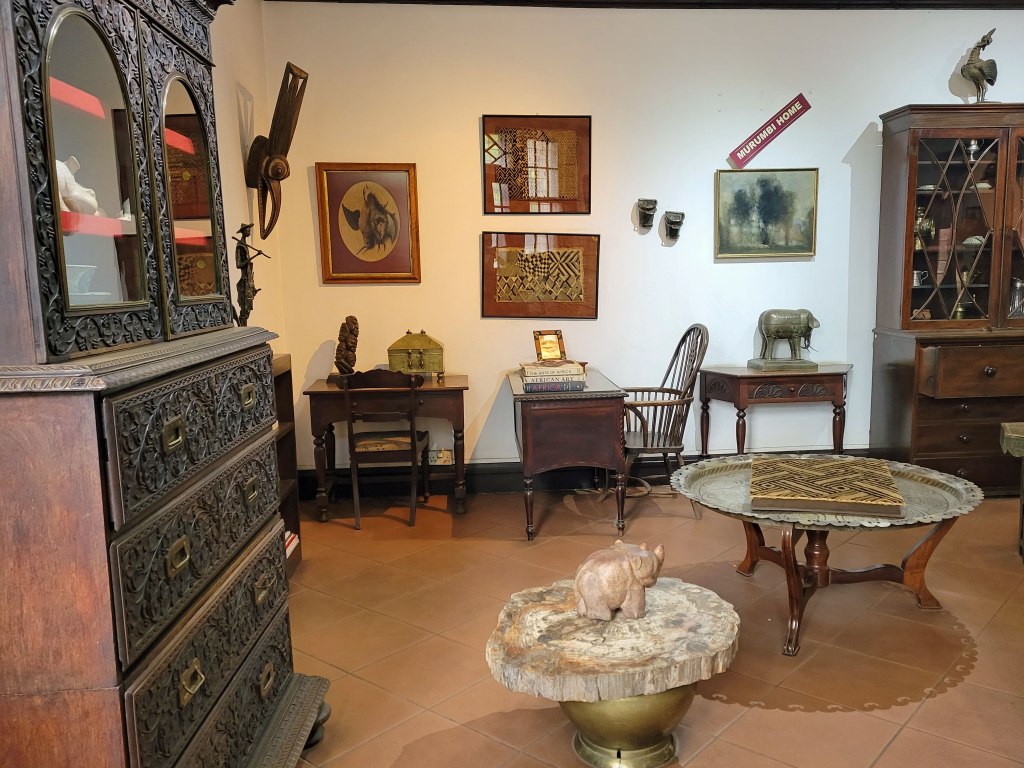
Joseph Murumbi’s legacy – political leader and avid collector. He was born in Kenya to an Indian father and Maasai mother, who parted ways when Joe was a toddler. His father became a successful merchant in Londiani, while his mother returned to her family’s village about 30 miles away.
At the age of 6, Joseph was sent to boarding schools in India, returning to Kenya for the first time 14 years later and reconnecting with his parents. The year was 1933, and he made the life-changing decision to make Kenya his home. To reclaim Kenyan birthright and purchase property, he was required to denounce his Indian citizenship.
By the early 1950s, he became tangentially involved in Kenya’s nationalist movement for independence and was forced into exile in 1953. He returned after Kenya gained independence in 1963, along with his wife Sheila, an English woman he met in London. After stepping down from a brief career in high profile government positions, he and Sheila focused on growing their business and expanding their already impressive collection of African cultural objects, including books, art, textiles, jewelry, costumes, and even postage stamps.
Just a tiny sample of the textiles on display, plus a handful of (replica) postage stamps:
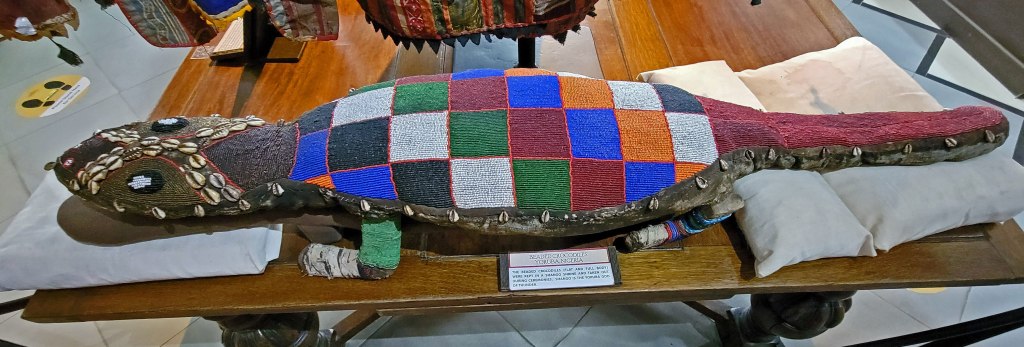
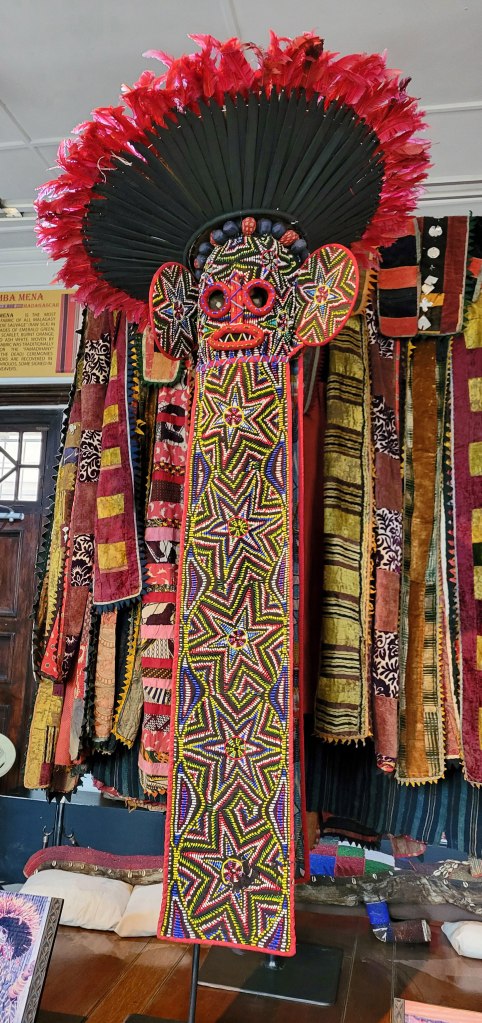
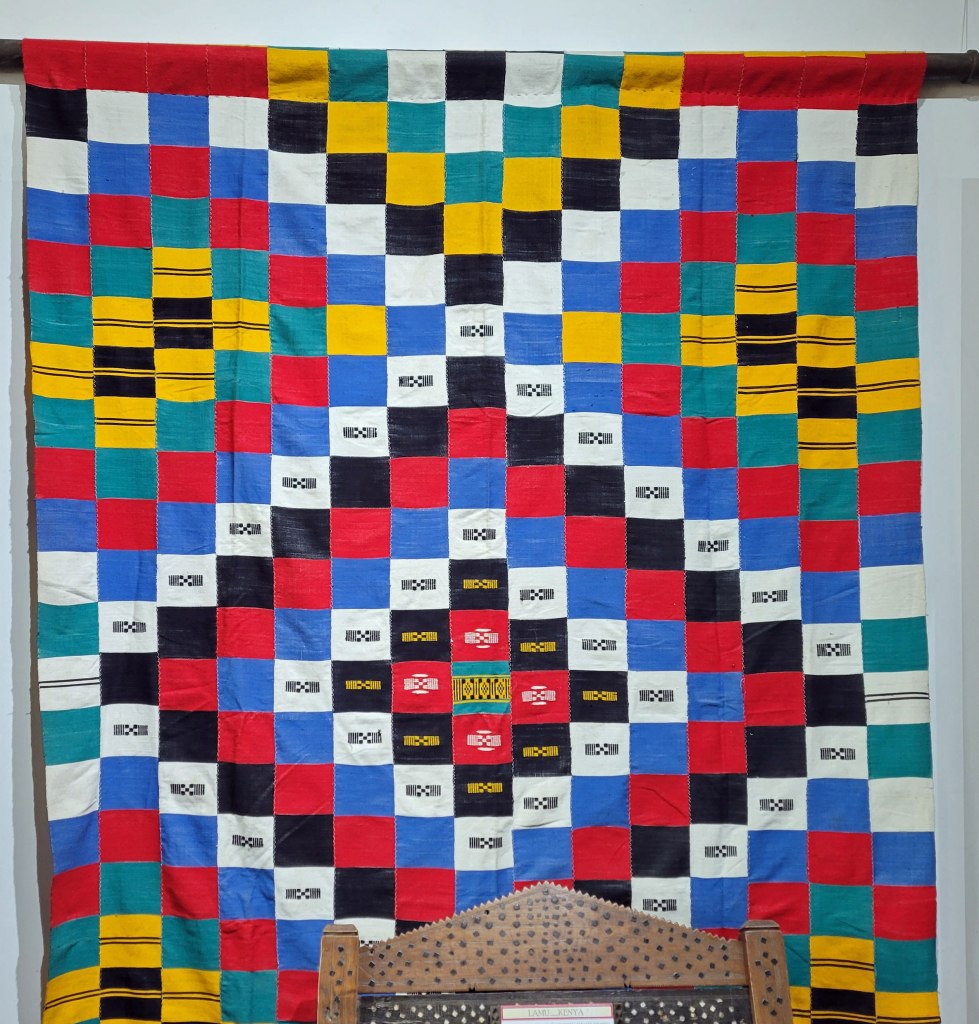
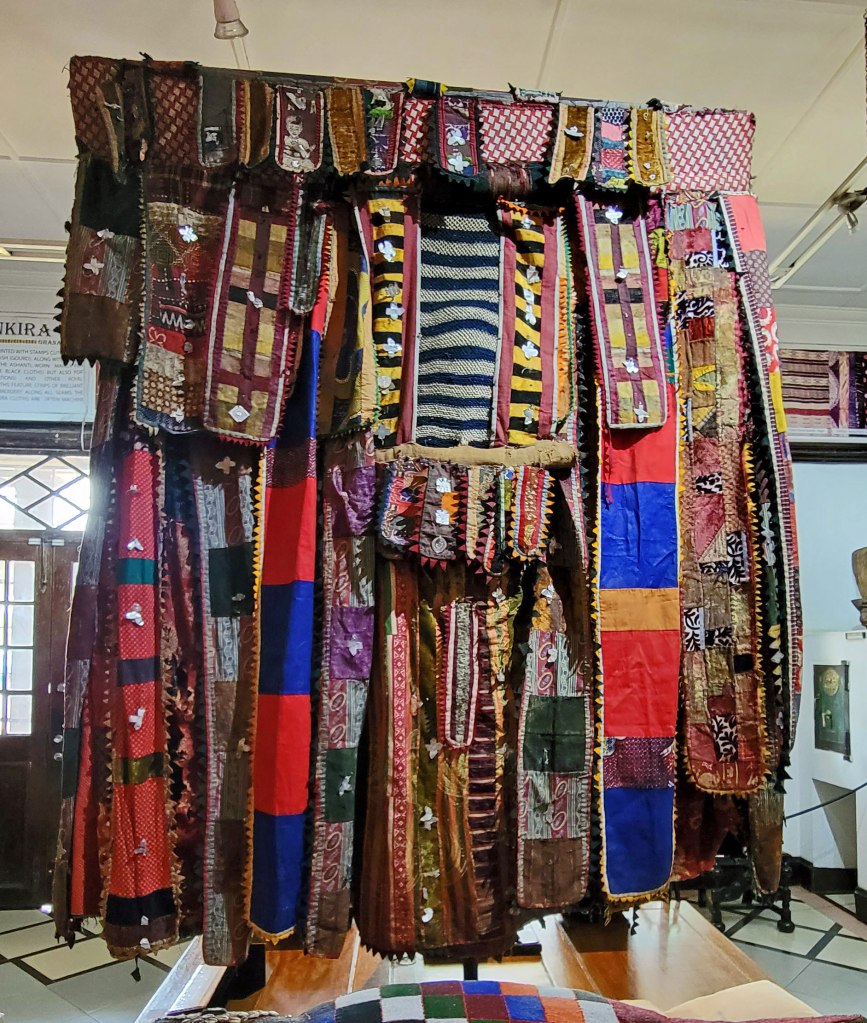
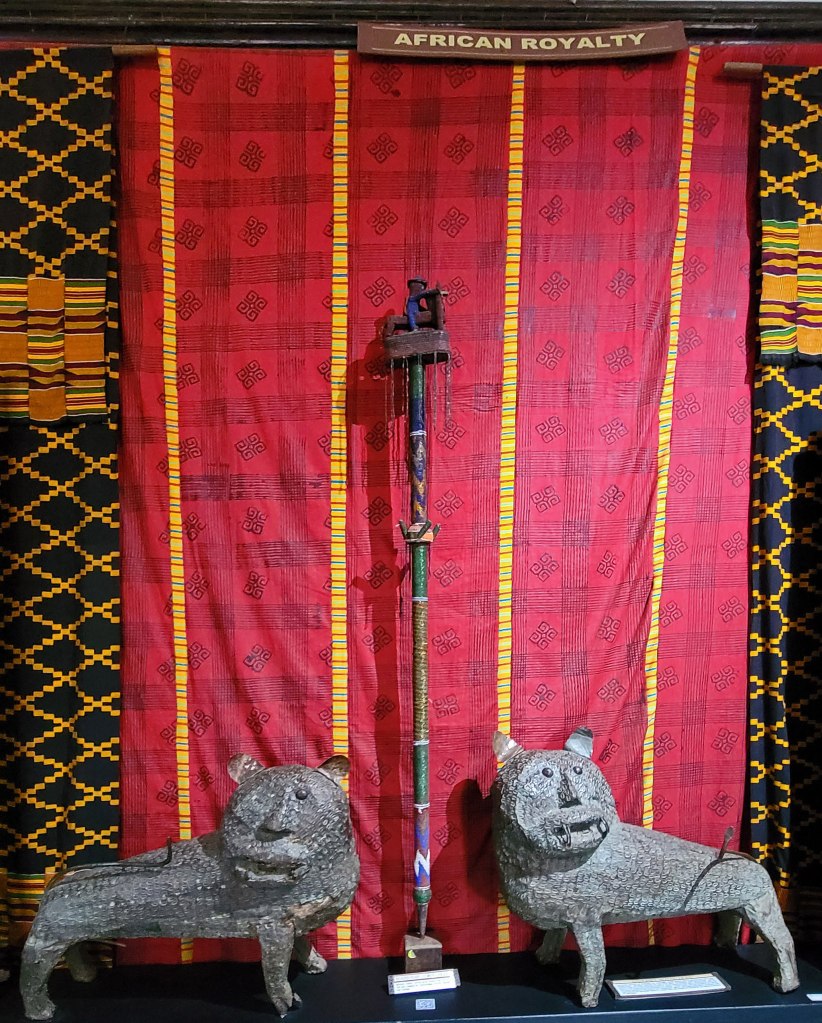
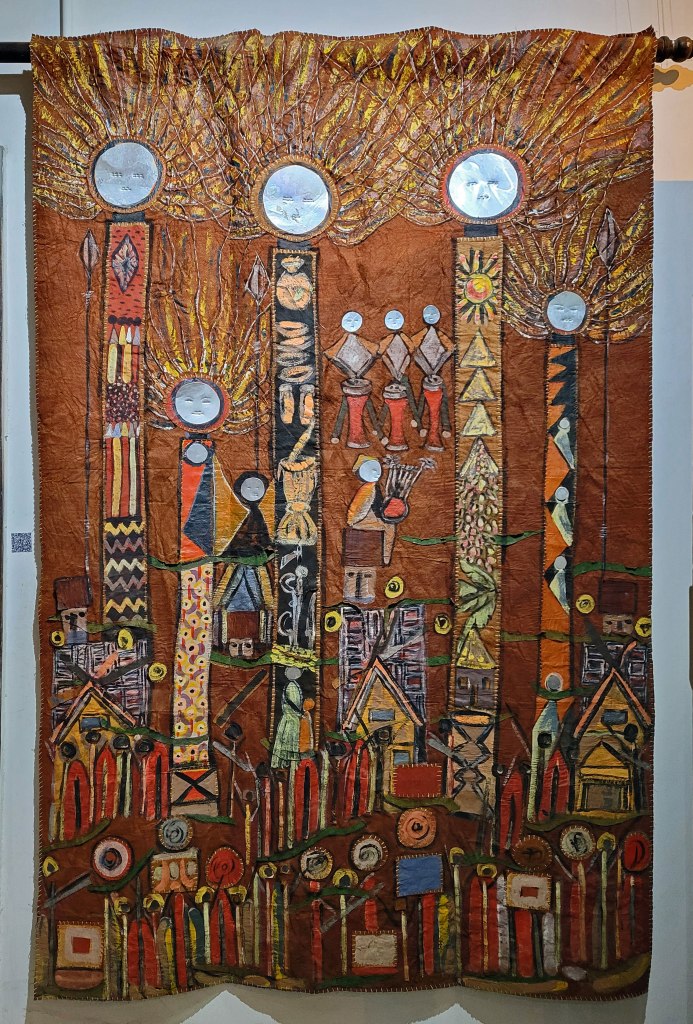
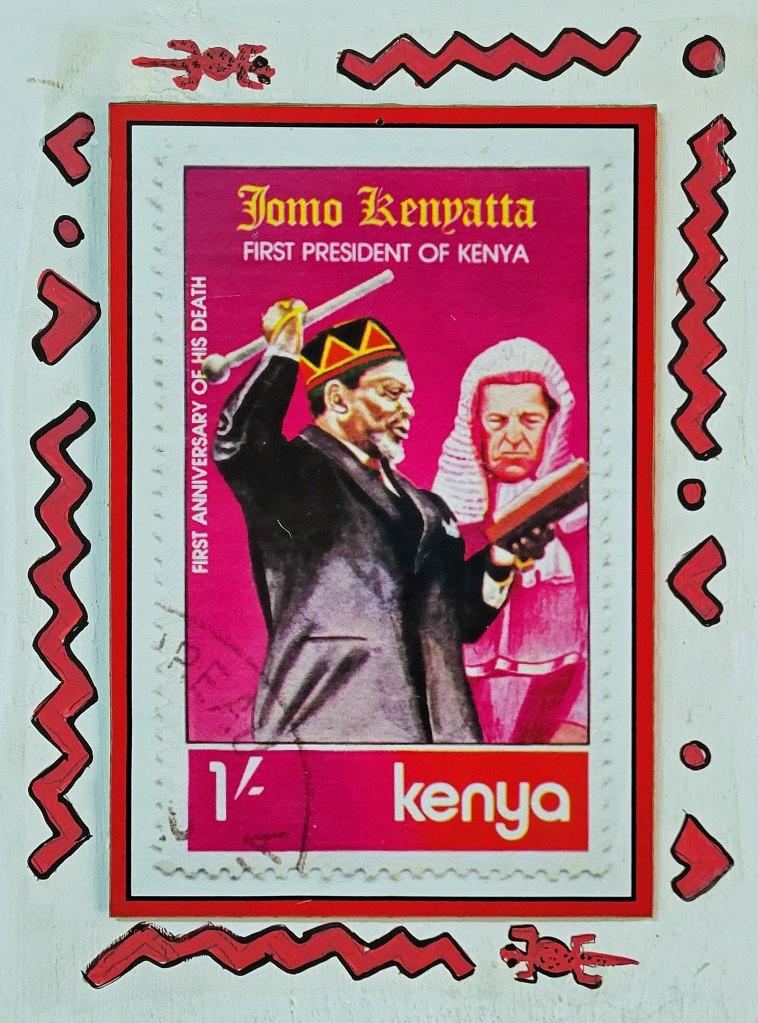
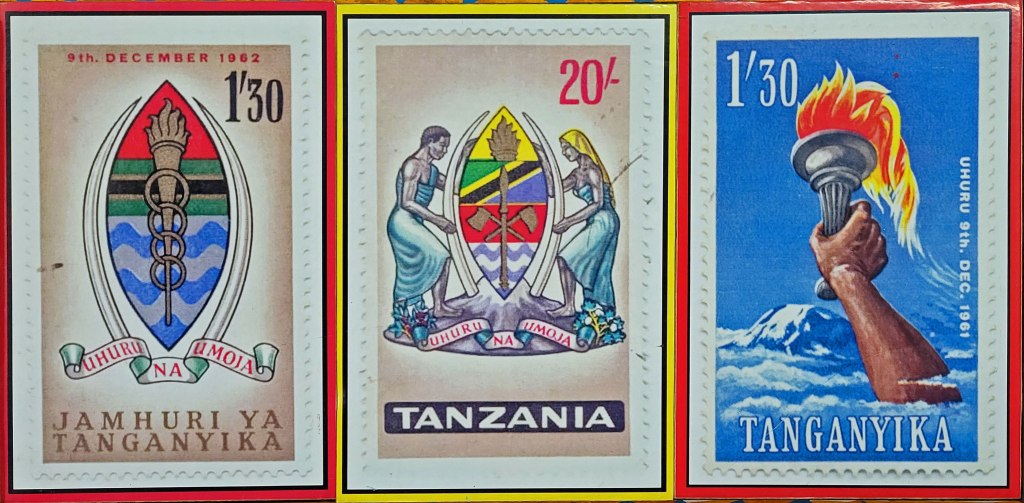
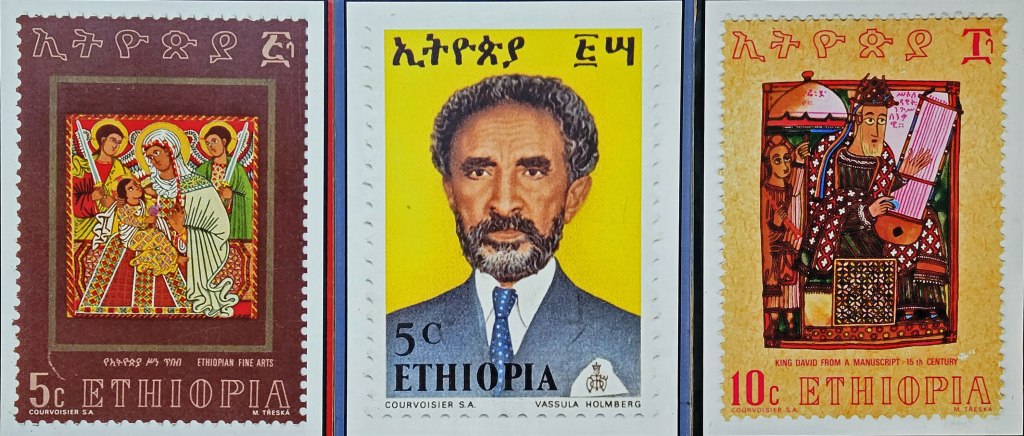
The Murumbis’ long term goal of eventually transferring everything to the Kenyan government for preservation and research purposes was realized in 1976, but it took 30 more years (Joe died in 1990, Sheila in 2000) before a small sample of their vast collection became available to the public at the Nairobi Gallery. Most items are stored at the Kenya National Archives, about a mile away.
The Gallery also featured wall art – several pieces that belonged to the Murumbis, along with works by more contemporary African artists.
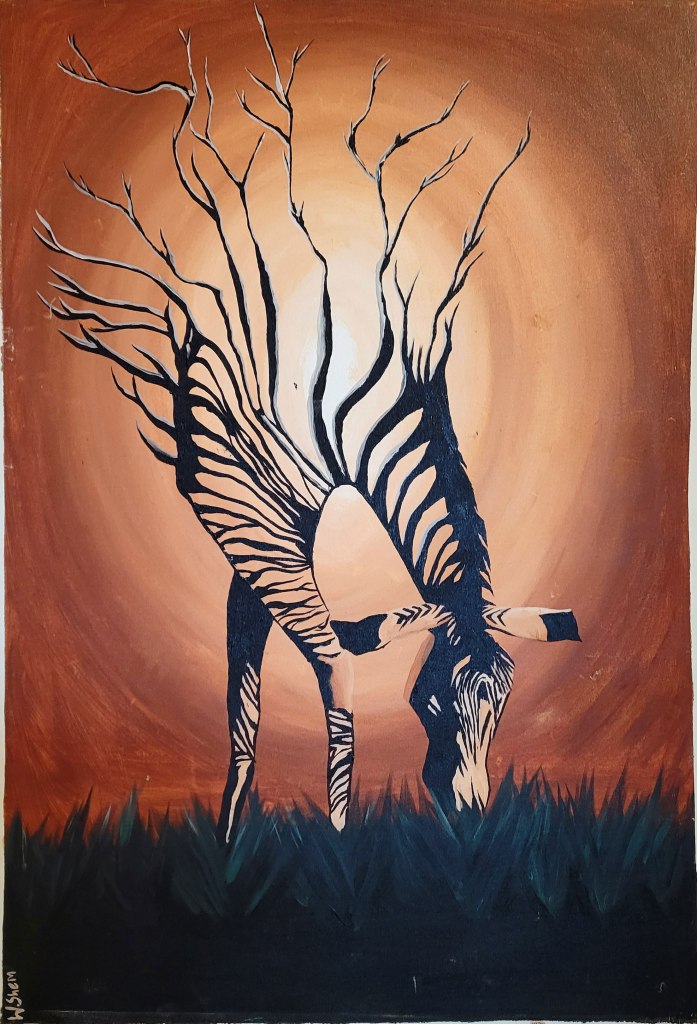
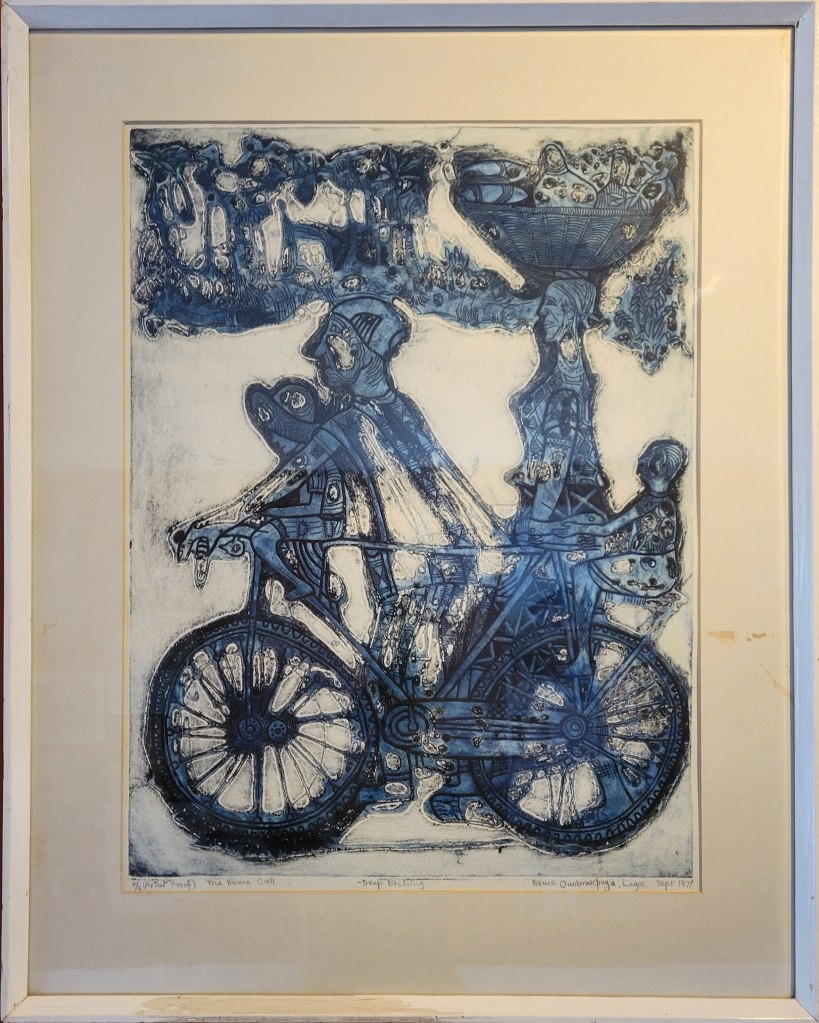
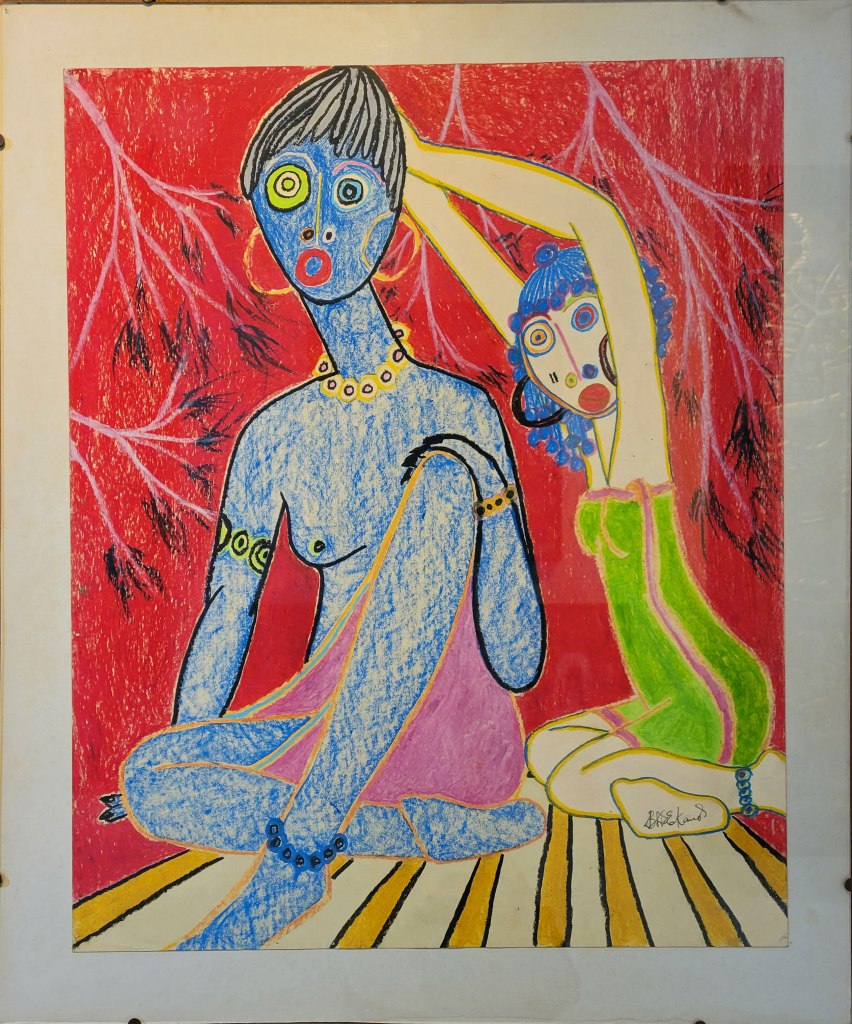
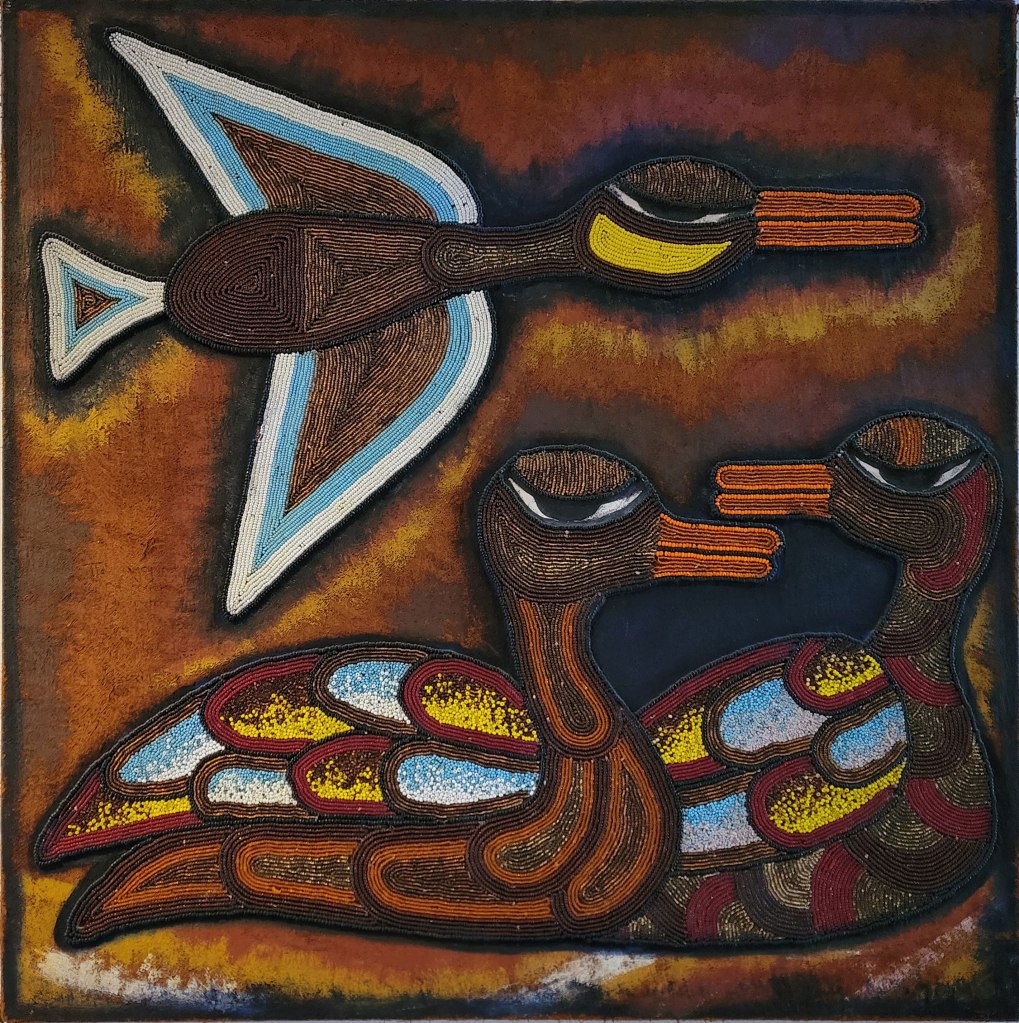
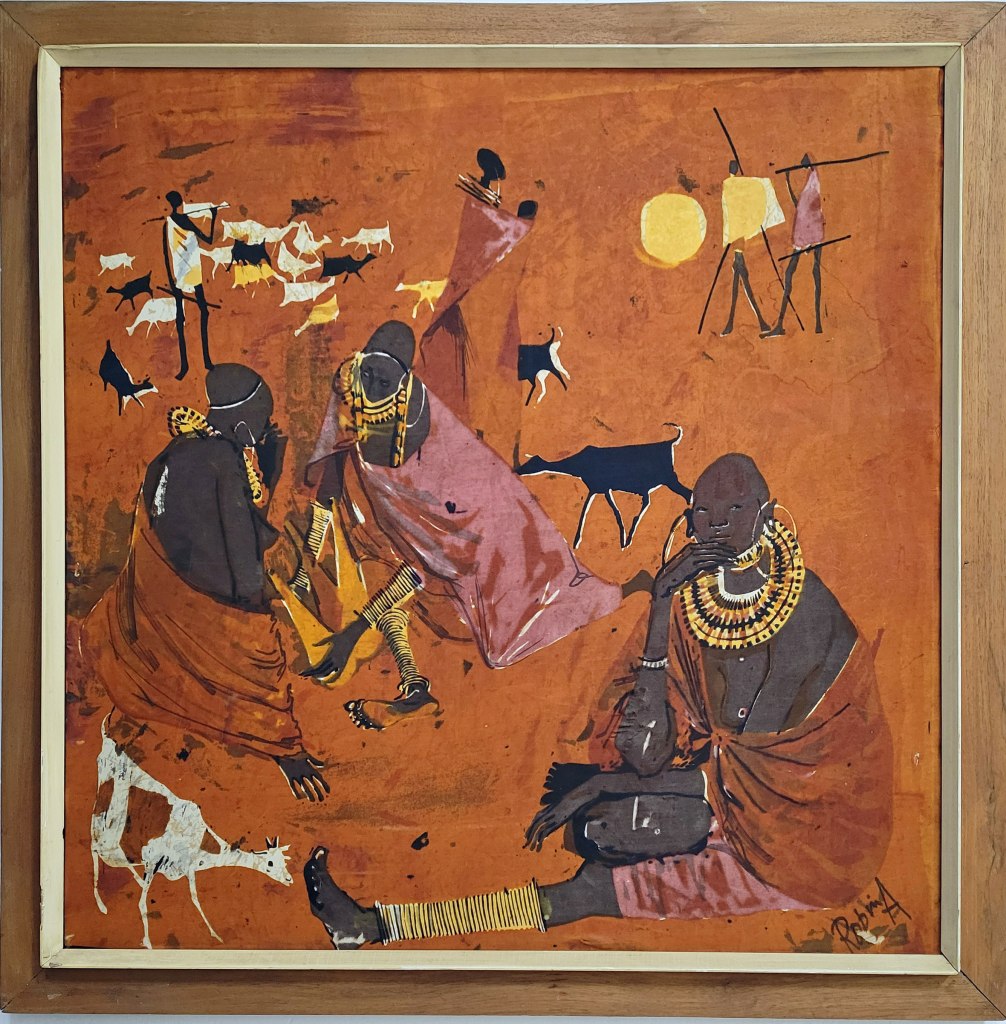
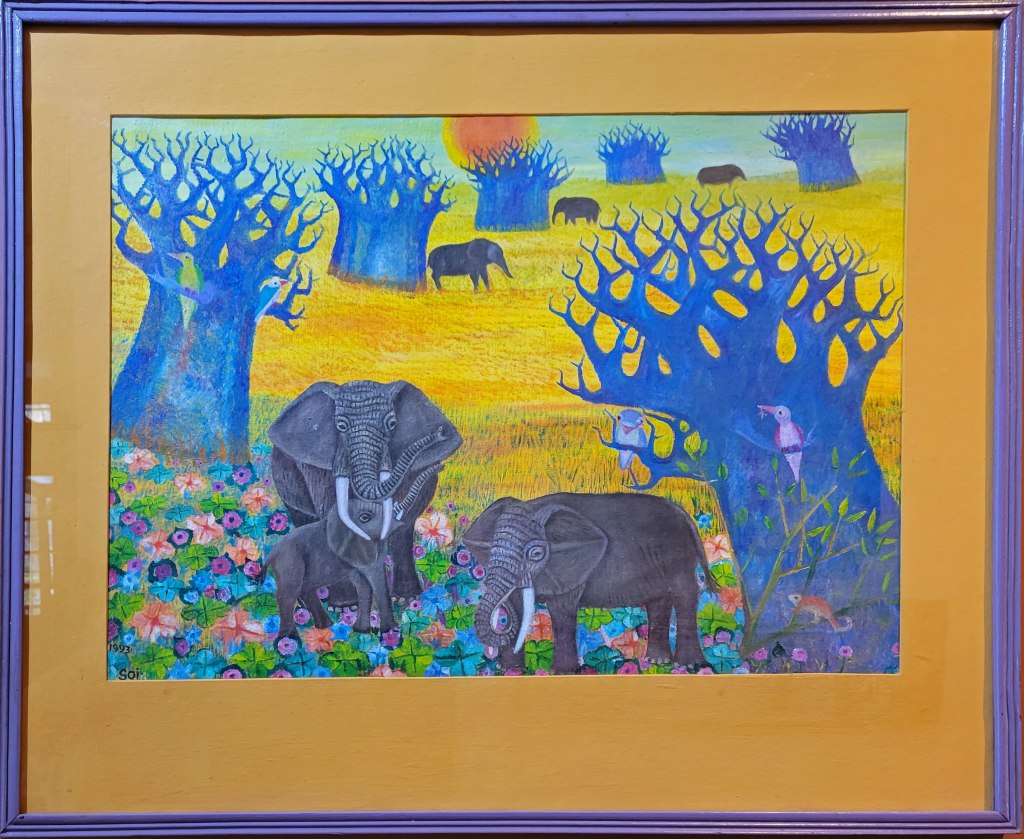
Some pieces were available to purchase, and we found one we liked.
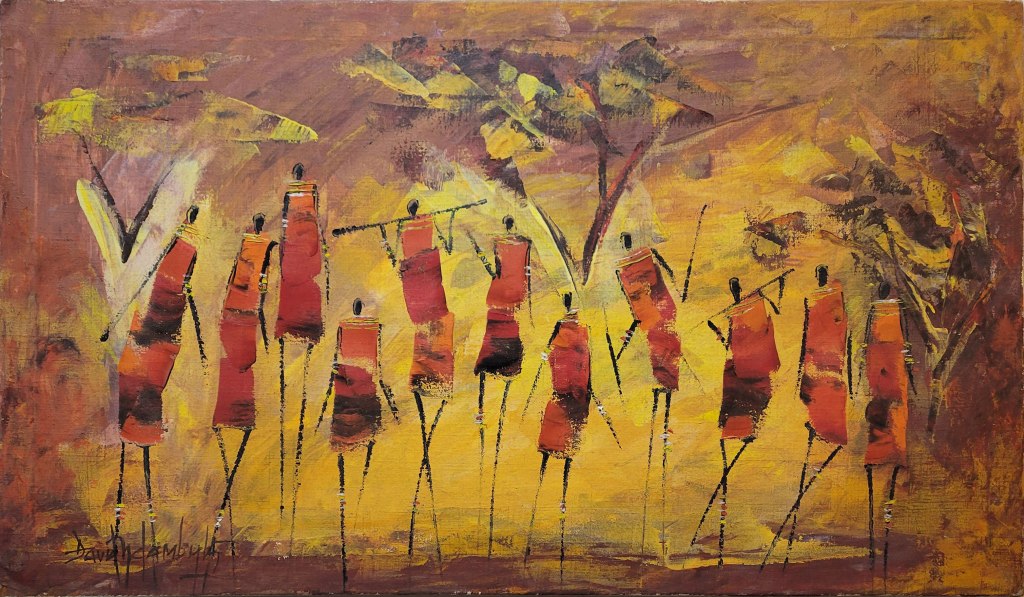
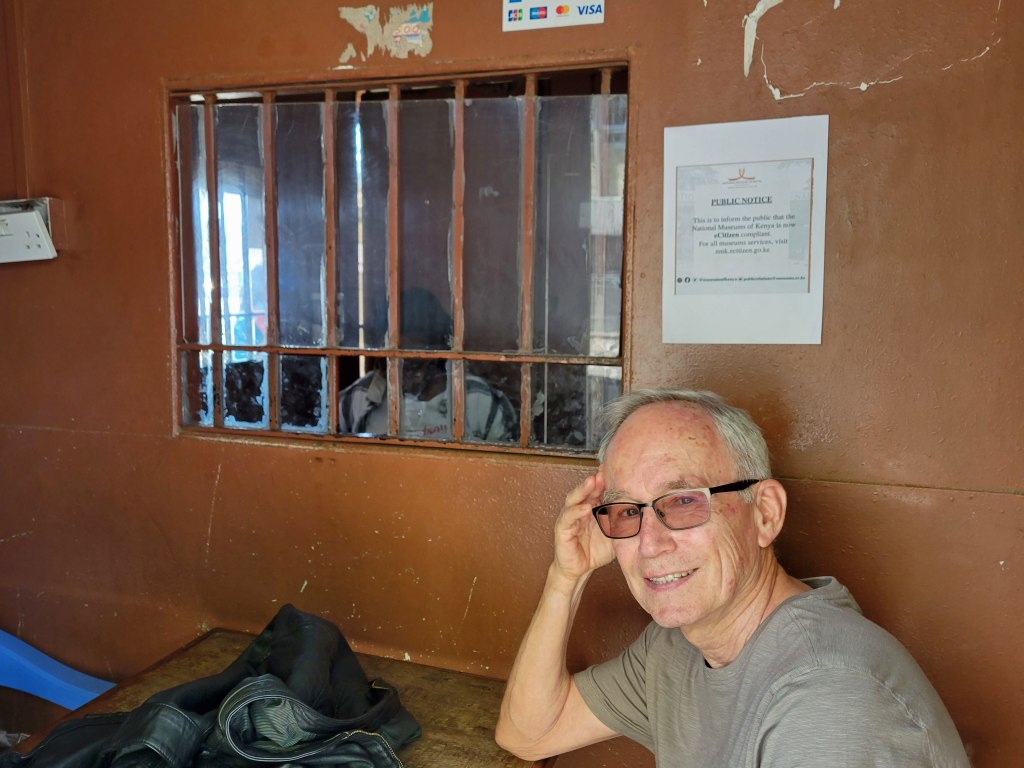
So we bought it – a painting of Maasai warriors by Kenyan artist David Ndambuki, entitled Dancing. While Bill paid (cash only, Kenyan schillings, ATM conveniently located across the street), gallery employees removed it from the frame and carefully packed it for safe transport back to the U.S.
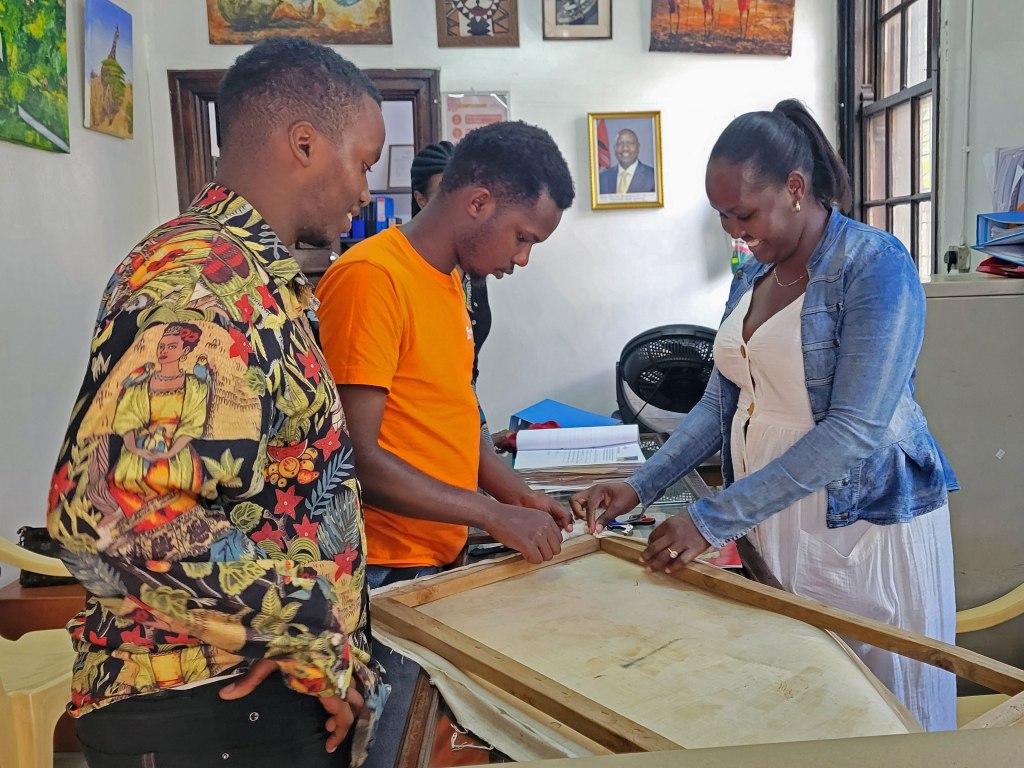
We arrived in Nairobi not knowing if we would find things to keep us busy for 9 days. As it turned out, we had a nice balance of exploring and relaxing. Spending time in Nairobi on our own prior to the group safari added a rich perspective that we would have missed otherwise – it was the right decision for us.
Thank you for reading our travel blog. One more Africa article to go – day trip to Lake Nakuru National Park.
If you would like to be notified when future articles are published, click on the Subscribe button and enter your email address.
Discover more from Just Passing Through
Subscribe to get the latest posts sent to your email.


 Just Passing Through
What a rich post! The elephants are miracles – so enchanting to watch. I was touched by Bomas of Kenya and how lovely that you gave them a little visibility. And what a cool gallery. Loved the painting you bought. Thanks for the joy.
LikeLike
Thank you, Mary! I loved all the animals, but the elephants were perhaps my favorite. They are amazing animals. I so appreciate your kind comments and hope all is well in your world.
LikeLike